
Original Art vs Mass-Produced Wall Decor — What Commercial Buyers Need to Know
Share
Original Art vs Mass-Produced Wall Decor — What Commercial Buyers Need to Know
The wall decor industry has made a compelling argument: why pay thousands for an original painting when a reproduction looks almost the same? The answer lies not in what the art looks like on a screen but in what it does in a room — and what it communicates about the organization that chose it.
The Difference That Can't Be Photographed
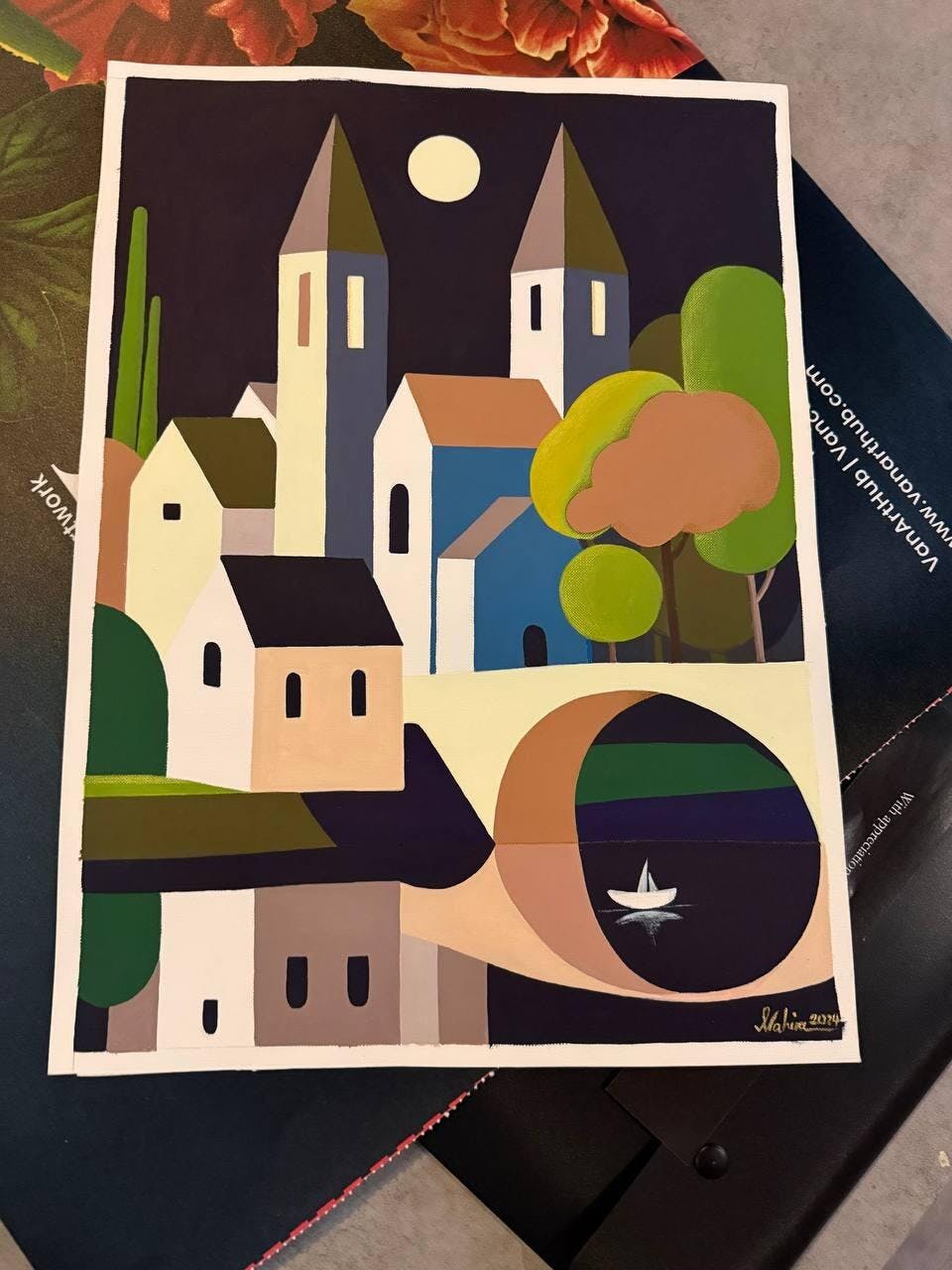
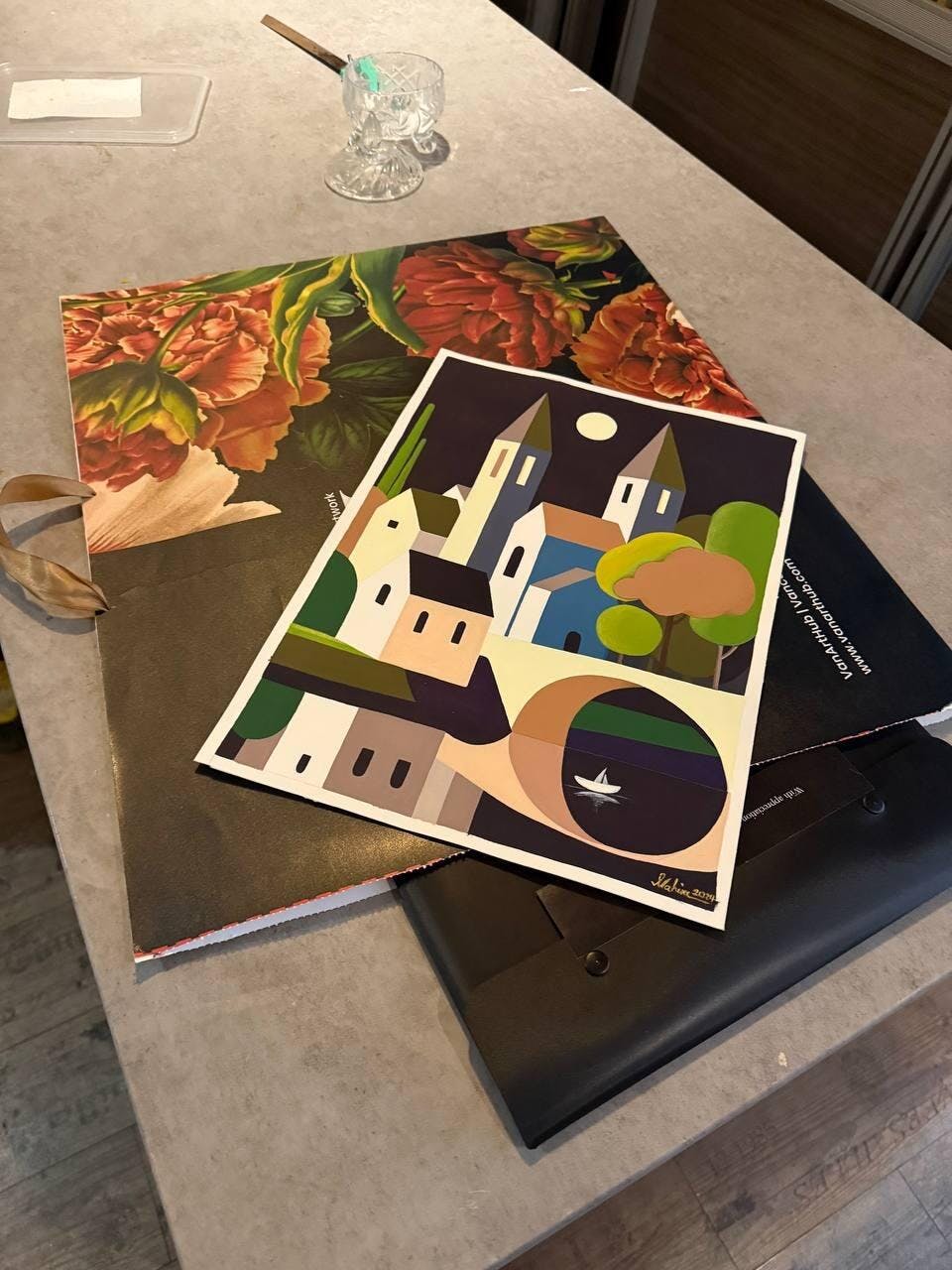
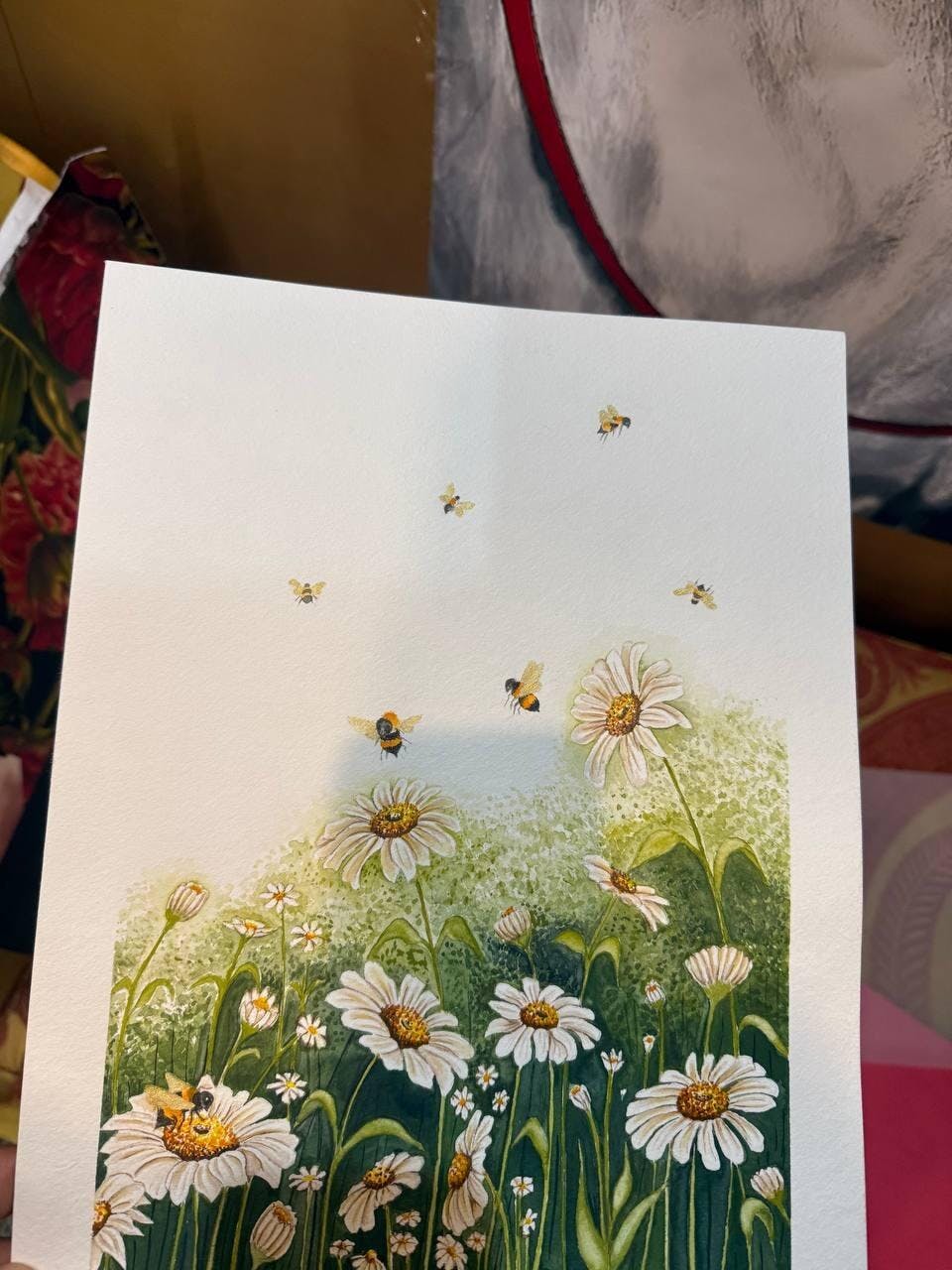
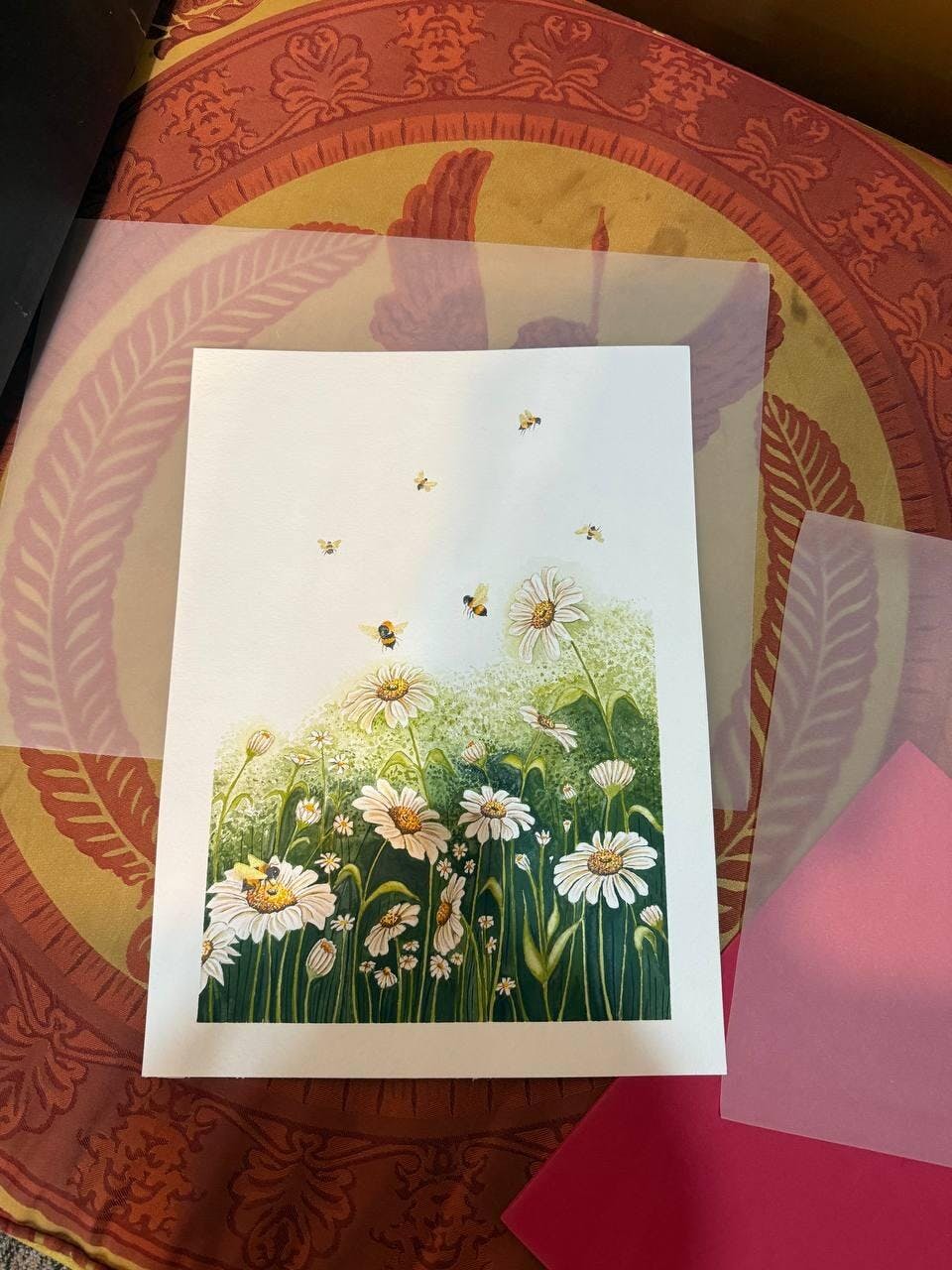
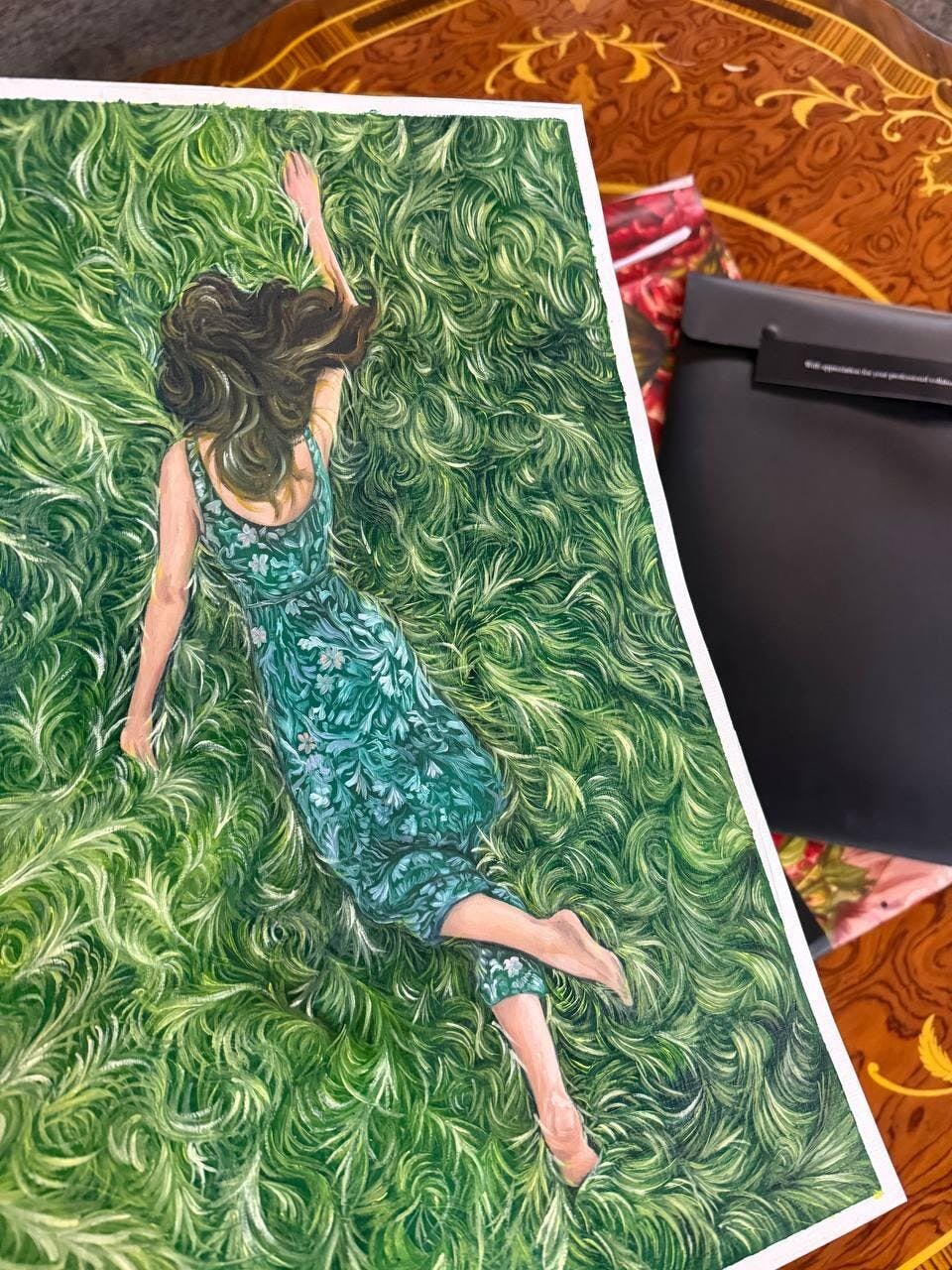
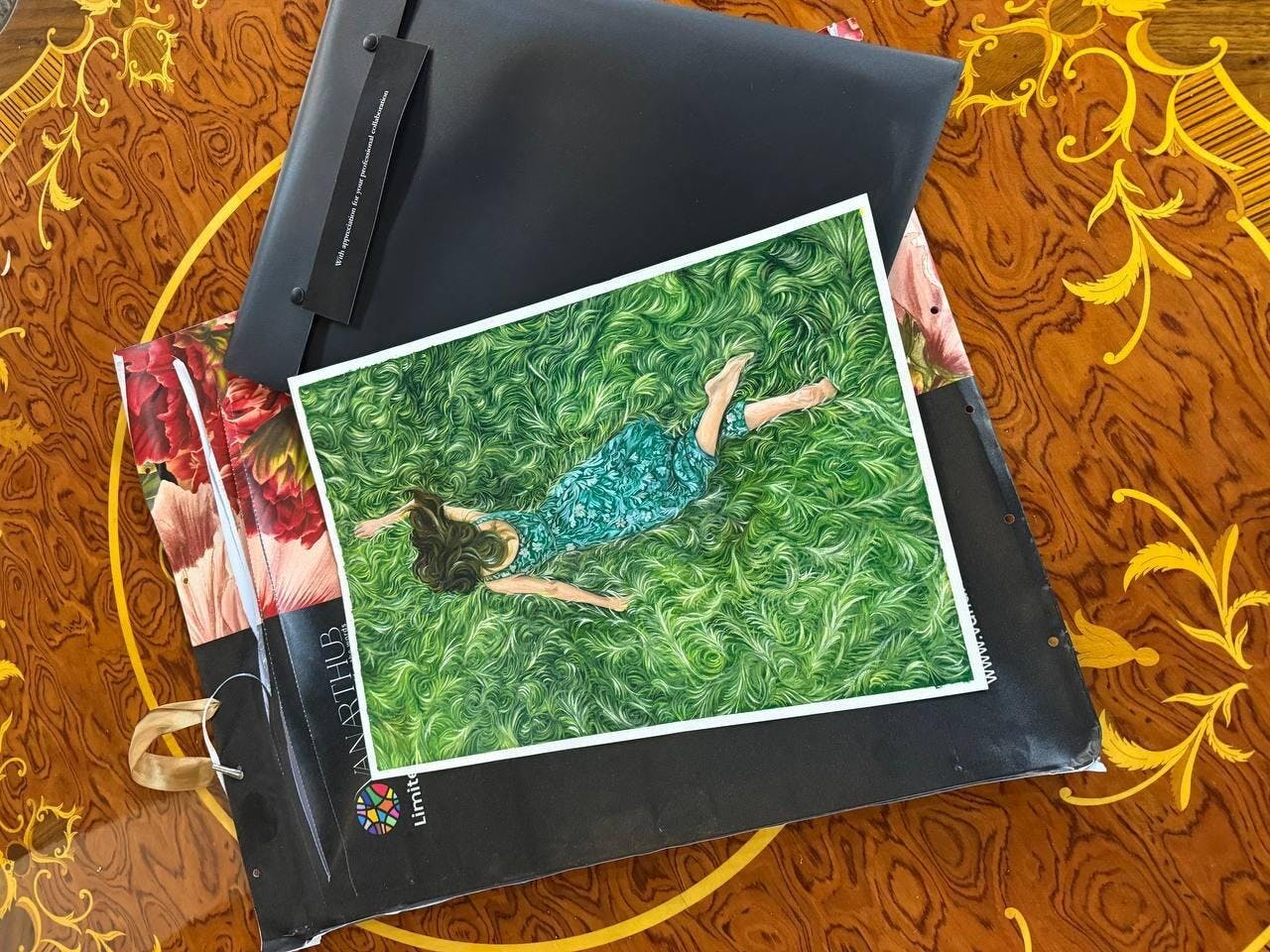
A mass-produced canvas print is a surface. It has two visual dimensions: image and size. An original painting has at least five: image, size, texture, depth, and presence. The impasto — the physical buildup of paint on the canvas — catches light differently as the viewer moves through the room. The glazes create depth that shifts with viewing angle. The artist's hand — every brushstroke a decision — is visible in the surface in a way no print reproduces.
Photographs flatten all of this. The irony of the mass-produced argument is that it depends entirely on digital images that erase every dimension in which original art is superior. Walk past a reproduction and it looks the same from every angle. Walk past an original, and it shifts. This shift — the feeling that the painting is alive in the room — is what commercial spaces pay for.
The Commercial Cost of Looking Generic
For hotels, offices, and luxury residential projects, the cost of mass-produced wall decor is not the purchase price. It is the signal. A reproduction in a hotel lobby — even a good one — communicates that this property made a calculation and chose the cheaper option. Guests may not consciously register this, but the cumulative effect is a lobby that feels managed by a spreadsheet, not designed by a human being.
Original art from artists like Phaedra, Nahira, and Melina Ghaemi carries a different signal entirely: this organization values singularity. It chose something that exists nowhere else. It is willing to invest in the thing that cannot be duplicated.
When Original Art Makes Business Sense
Hospitality: A single large original painting in a hotel lobby generates more guest photography and social sharing than every print in the property combined. Art is Instagram currency, and originality is what makes it worth sharing. Browse Hotel Lobby Art for statement pieces.
Corporate: Original art in a boardroom communicates permanence. It says: we have been here, we will be here, and we care about the space where decisions are made. It also functions as an appreciating asset — unlike furniture, original paintings often gain value over time. Explore Office Art for corporate-grade works.
Residential Development: High-end developers use original art in model suites and common areas to signal the quality level of the entire project. It is the most efficient way to elevate perceived value without inflating square footage. See Luxury Living Room Art.
The Price Argument, Reframed
Yes, original art costs more than a print. But the question for commercial buyers is not "what does it cost?" but "what does it do that a print cannot?" An original painting distinguishes a space, communicates intention, functions as an asset, and transforms a room's psychological register. A print hangs on a wall. The difference is not subtle — it is fundamental.
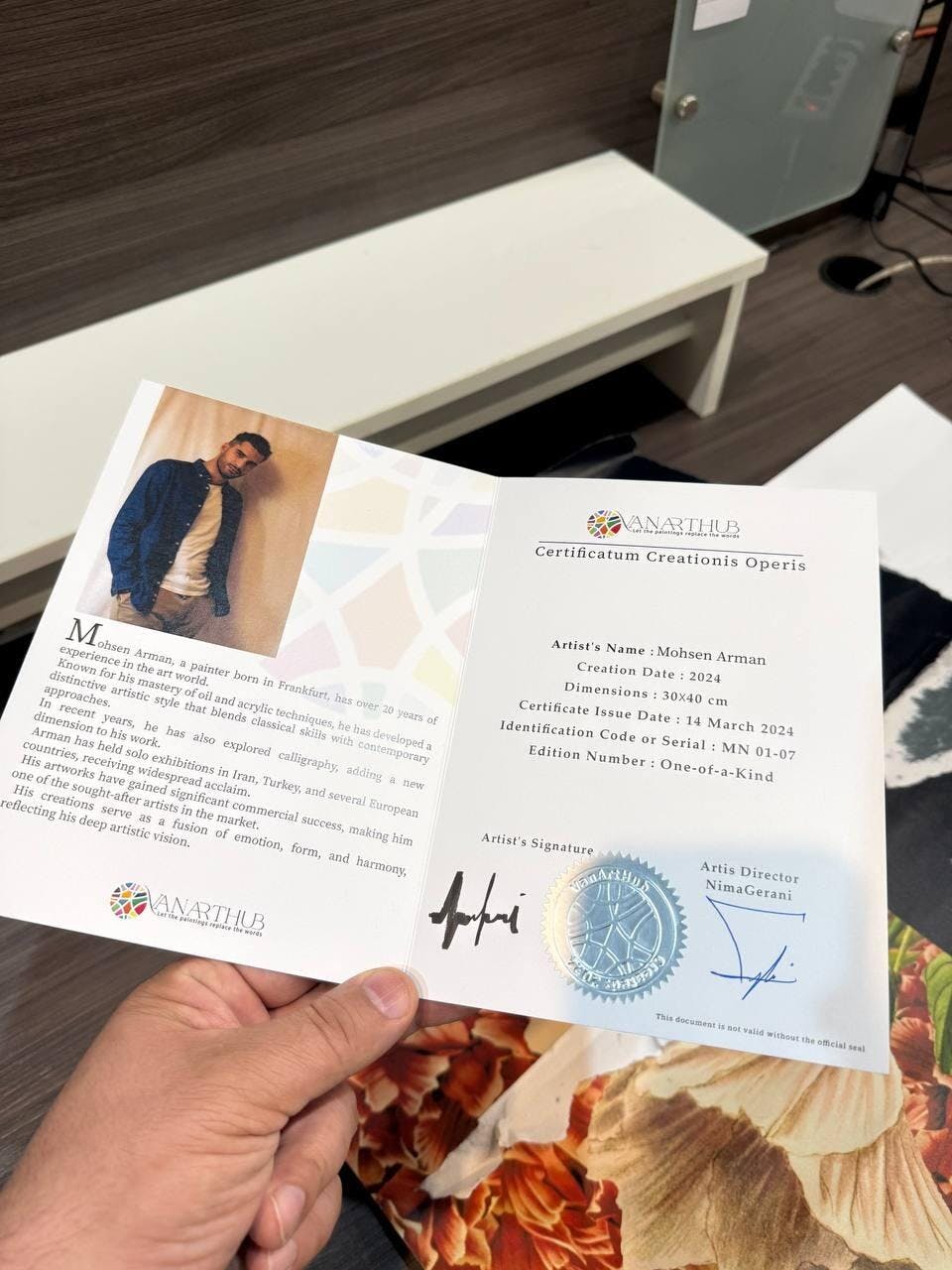
For commercial projects, VanArtHub offers trade pricing and volume consultation. Every work is original, in-stock, and available — no reproductions, no print-on-demand, no mass production.
Frequently Asked Questions
How can I tell if a painting is an original or a reproduction?
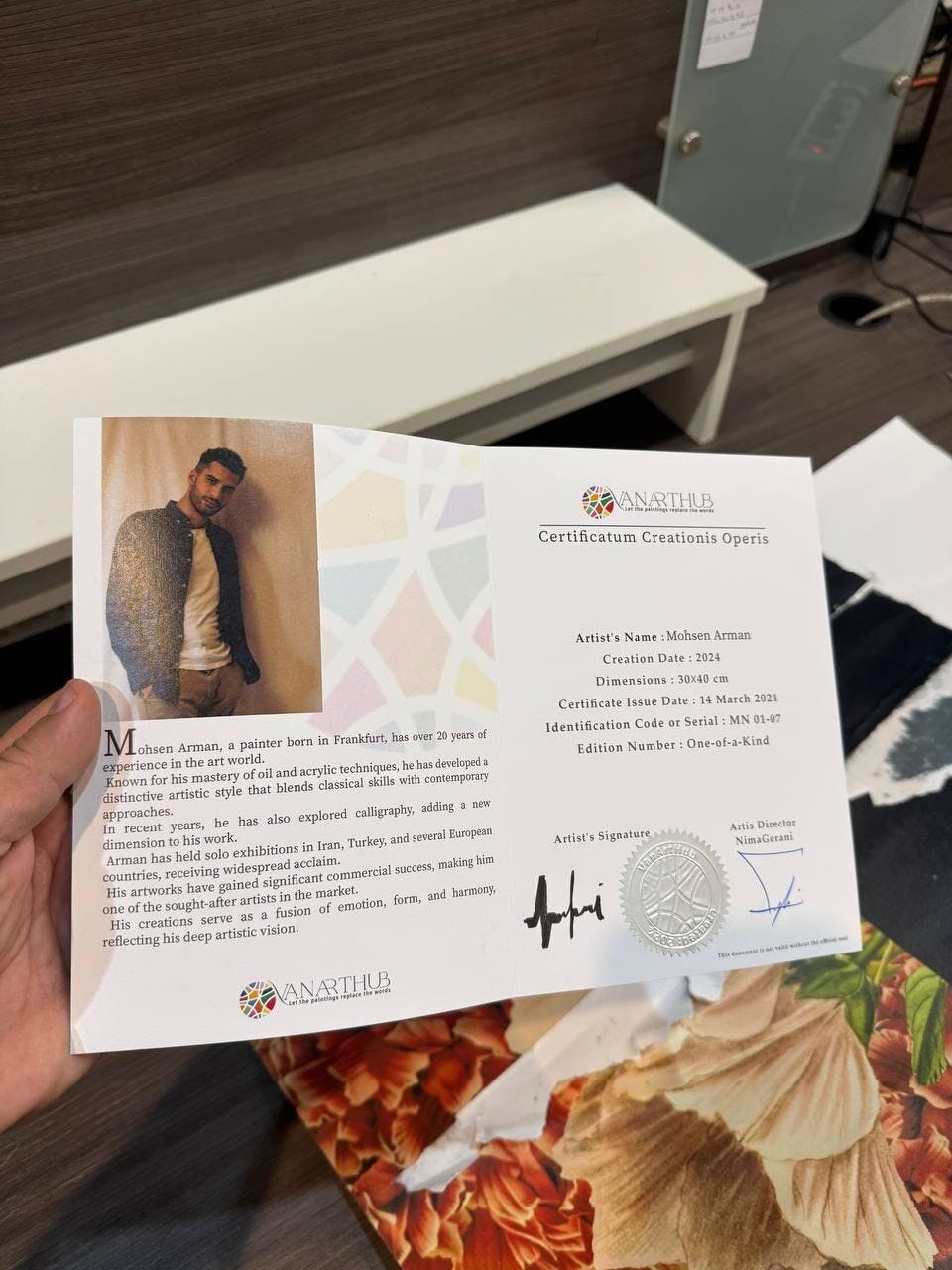
Original paintings have visible texture on the surface — brushstrokes, impasto, variations in paint thickness — that reproductions flatten. View the work at an angle under natural light: originals reveal depth and surface variation that prints cannot replicate. VanArtHub guarantees that every work is an original, hand-painted piece.
Is original art a good investment for commercial spaces?
Original art typically holds or appreciates in value, unlike furniture and decor that depreciate immediately. For businesses that own their spaces, the art becomes an asset on the balance sheet. For leased spaces, it remains a portable, appreciating asset that moves with the business.
What if I need multiple pieces across a large project?
VanArtHub coordinates multi-piece commercial projects with volume pricing, palette coherence across artworks, and synchronized delivery. Contact us to discuss your project scope — we'll curate a selection that works together as a program, not as individual purchases.