Art for Hotels & Commercial Spaces: How Original Paintings Shape Guest Experience
Updated By VanArtHub Curatorial TeamShare
Walk into most hotel lobbies and you'll see the same thing: a large abstract canvas in muted tones, chosen because it matches the sofa and offends no one. It's not art. It's furniture for walls.
The problem isn't that hotels don't care about art. It's that art is treated as procurement, something to check off a list, like light fixtures or side tables. The result is spaces that feel generic at exactly the moment they should feel distinctive.
When a guest steps into a hotel lobby, the first three seconds shape their entire perception of the property. Before they reach the front desk, before they see their room, before anyone says a word, they've already decided whether this place feels considered or forgettable. Original art, chosen with intention, is one of the few design elements that can shift that perception in an instant.
This article is about why that matters, and how to get it right.
---
What Original Art Does That Decor Cannot
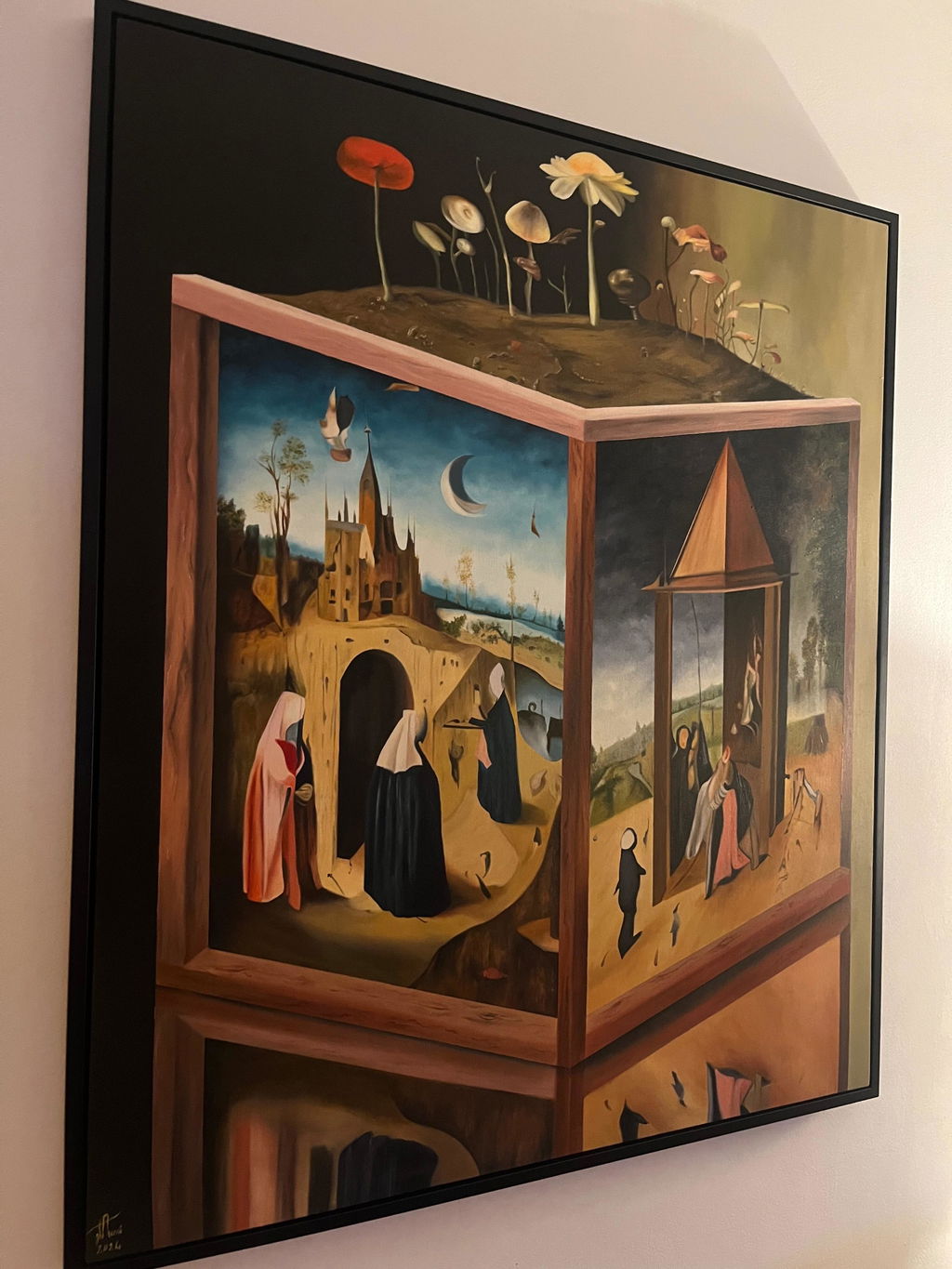
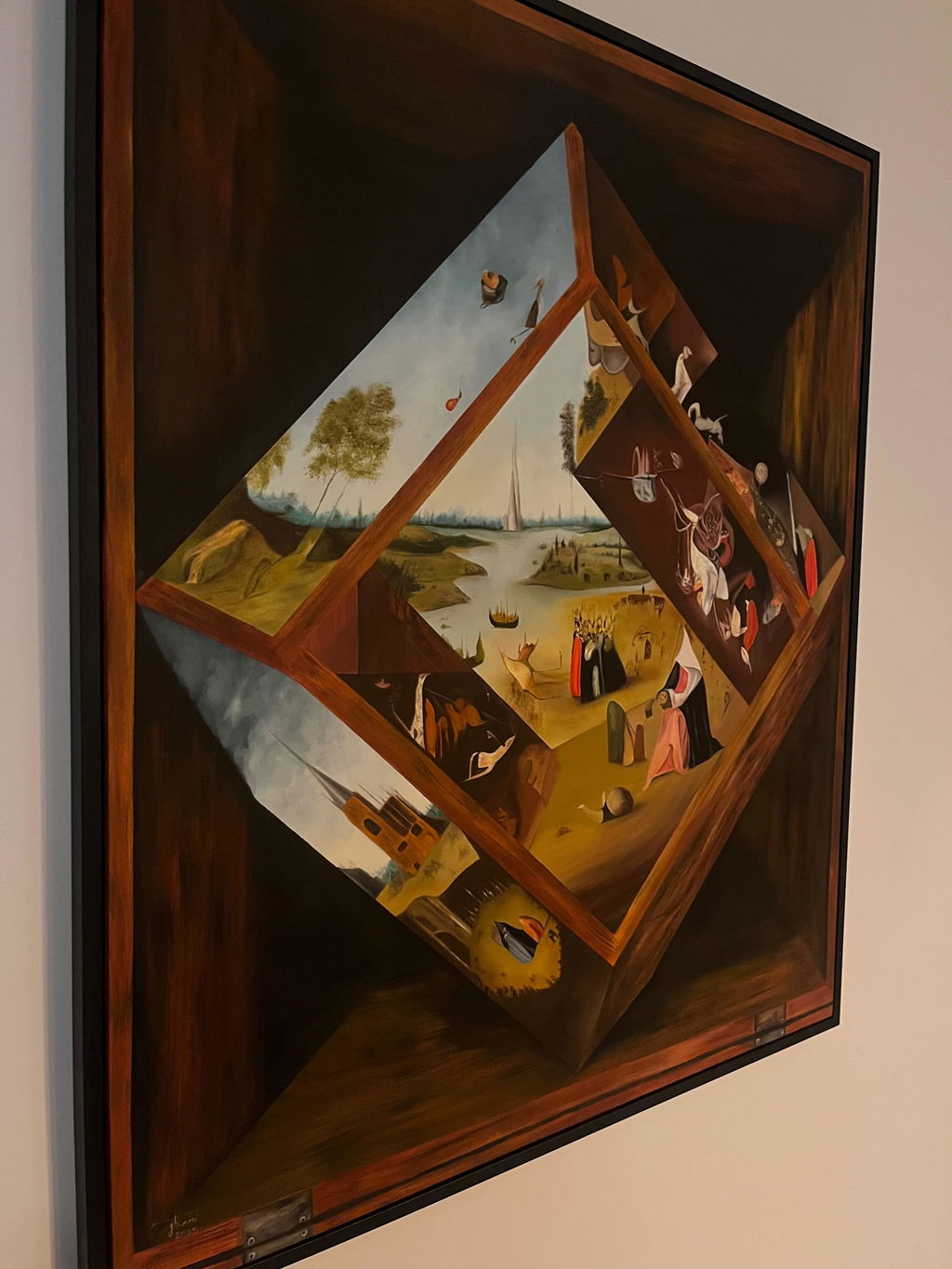
A mass-produced canvas from a hospitality supplier serves one purpose: it fills empty wall space. It doesn't communicate anything about the property. It doesn't create a memory. It doesn't give a guest a reason to take a photograph and share it.
Original art operates differently.
**It builds brand identity.** A hotel that displays paintings by local or regional artists is telling a story about where it is and who it's for. A boutique property with a rotating collection of contemporary works signals cultural relevance. A luxury resort commissioning large-scale pieces for signature spaces communicates investment and taste. In each case, the art isn't decoration, it's part of the brand language.
**It shapes guest experience.** A painting isn't just something guests look at. It's something they feel. A quiet landscape in a guest room changes the emotional register of the space. A bold abstract in a restaurant alters the energy. Art creates atmosphere in a way that furniture and lighting alone cannot. It's the difference between a room that's functional and one that's memorable.
**It raises perceived value.** Guests may not consciously register why a space feels elevated, but their behaviour reflects it. Properties with curated art collections consistently receive higher ratings for atmosphere and design. Guests linger longer in lobbies with visual interest. They spend more in restaurants that feel like destinations. Art communicates that the property invested in the guest's experience, and guests respond accordingly.
---
Art Strategy by Space
Not every space in a commercial property calls for the same approach. A painting that works in a lobby can feel overwhelming in a guest room. A piece that suits a restaurant may feel out of place in a spa. Here's how to think about art selection by function.
Hotel Lobby, The Statement
The lobby is the property's handshake. It's where first impressions form and where guests spend idle minutes, waiting for check-in, meeting colleagues, deciding where to eat.
Lobby art should command attention without demanding it. Large-scale works work well here, pieces that fill a significant wall area and establish the property's visual vocabulary from the moment of entry. A painting like Melina Ghaemi's *Matrix*, a surreal oil on canvas with cosmic depth, reads differently from every angle and rewards repeated viewing, exactly what a lobby requires.
https://vanarthub.com/products/matrix
The premium collection includes large-scale original paintings suited to signature spaces where scale and presence matter most.
https://vanarthub.com/collections/above-1000
For multi-property brands, consistency in lobby art doesn't mean identical pieces, it means a coherent curatorial voice. Different properties can feature different artists while maintaining a shared aesthetic direction.
Guest Rooms, The Private Gallery
Guest rooms are where art does its most intimate work. Unlike a lobby, where guests pass through, a room is where they stay. The painting above the bed or desk becomes part of their temporary domestic life, something they see first thing in the morning and last thing at night.
Room art should be calming, personal, and rewarding at close distance. Smaller-scale works, 40 to 70 centimetres in width, suit the proportions of most guest rooms. Landscapes, figurative pieces, and abstracts with soft palettes tend to perform better here than aggressive or highly conceptual work.
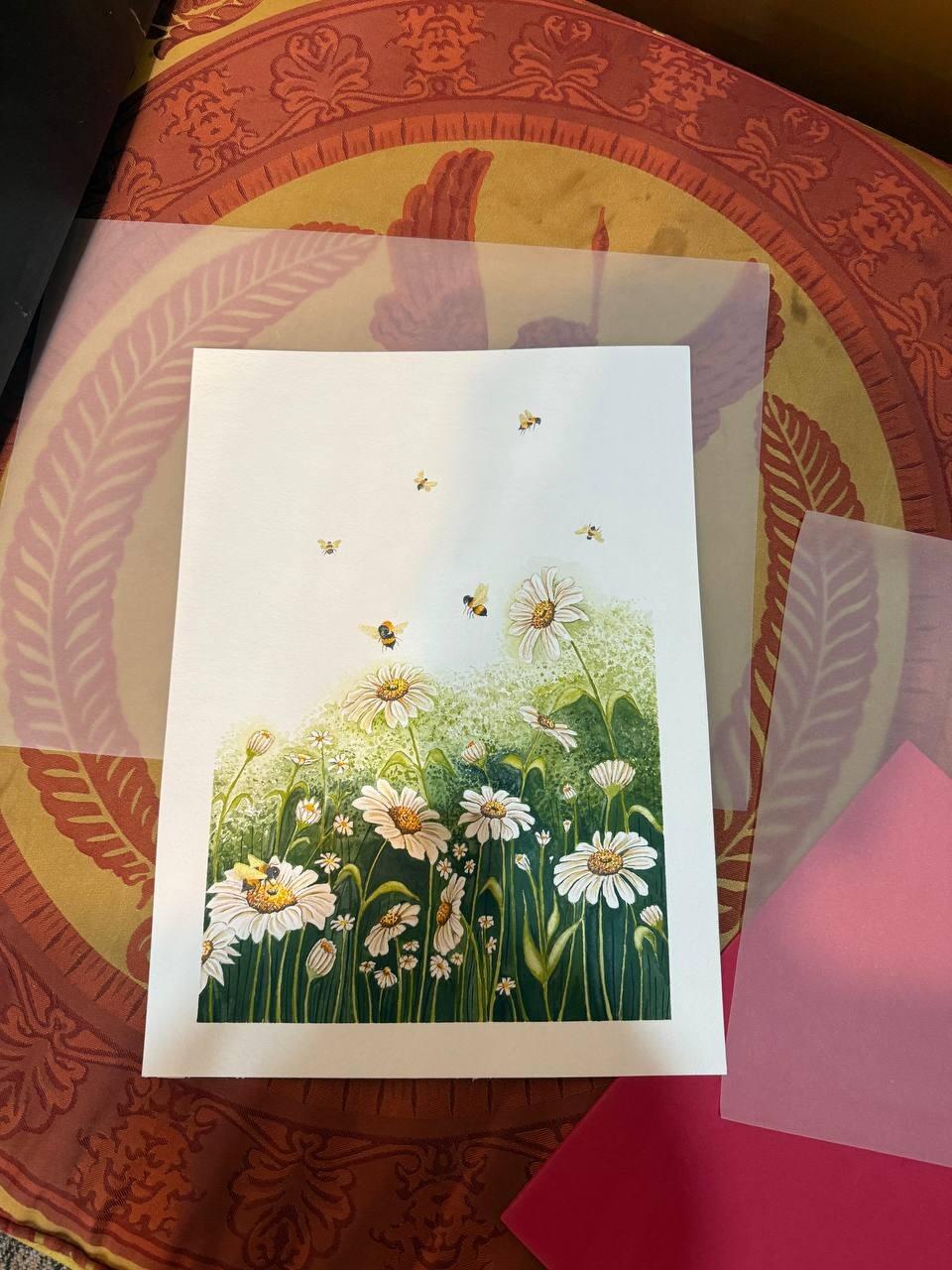
Phaedra's *Whispers of Winterlight*, a quiet oil on canvas paper depicting a winter scene, demonstrates the kind of presence that works in a guest room: intimate, atmospheric, and conducive to rest. The landscape collection and nature paintings offer pieces suited to these personal spaces.
https://vanarthub.com/products/whispers-of-winterlight
https://vanarthub.com/collections/landscape-paintings-1
https://vanarthub.com/collections/nature
For properties with dozens or hundreds of rooms, consider a themed approach: all rooms feature landscapes, but no two are identical. Guests who return receive a subtly different experience each time, a detail they may not consciously notice but will feel.
### Restaurants and Bars, Energy and Atmosphere
Dining spaces ask for art with personality. Unlike lobbies, which need to welcome a broad audience, restaurants can take more risks. A bolder palette, more provocative subject matter, works that spark conversation across the table.
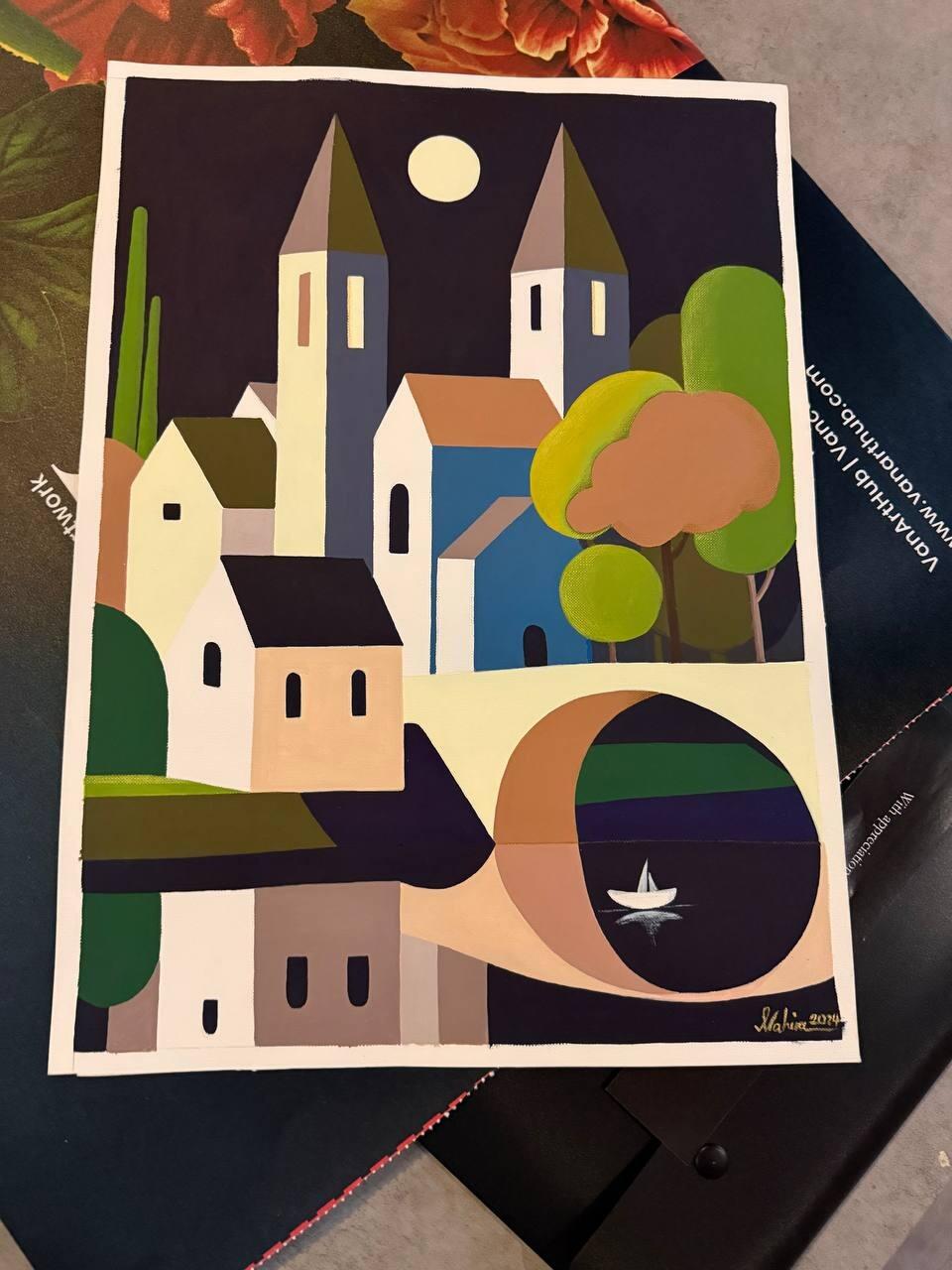
Abstract and modern pieces work particularly well in dining environments. Nahira's *Crimson Command*, an acrylic portrait with graphic intensity, brings the kind of visual energy that suits vibrant restaurant settings. The abstract collection and modern paintings collection offer pieces with enough presence to hold their own in active spaces.
https://vanarthub.com/products/crimson-command
https://vanarthub.com/collections/abstract
https://vanarthub.com/collections/modern-paintings
Scale matters here too. Restaurant walls often have competing visual elements, shelving, lighting fixtures, signage. Art needs to be large enough to claim its space without fighting for attention.
Corporate Offices, Professionalism with Personality
Office art serves a different function than hospitality art. It's not about creating an experience for paying guests, it's about shaping the environment for the people who work there every day.
Reception areas benefit from statement pieces that communicate the organization's identity, contemporary, grounded, innovative. Meeting rooms call for art that's visually engaging without being distracting. Open-plan workspaces benefit from pieces that humanize the environment without overwhelming it.
The fine art collection includes works suited to corporate environments, pieces with presence and professionalism that avoid feeling corporate in the pejorative sense.
https://vanarthub.com/collections/fine-art
Wellness and Spa, Tranquillity as Function
Spas and wellness spaces have the most specific art requirements of any commercial environment. The art needs to do one thing: create calm.
Organic forms, muted palettes, works inspired by nature, these perform best in spaces where guests are seeking restoration. Avoid high-contrast pieces, aggressive compositions, or anything that demands cognitive processing. The art should be felt more than analyzed.
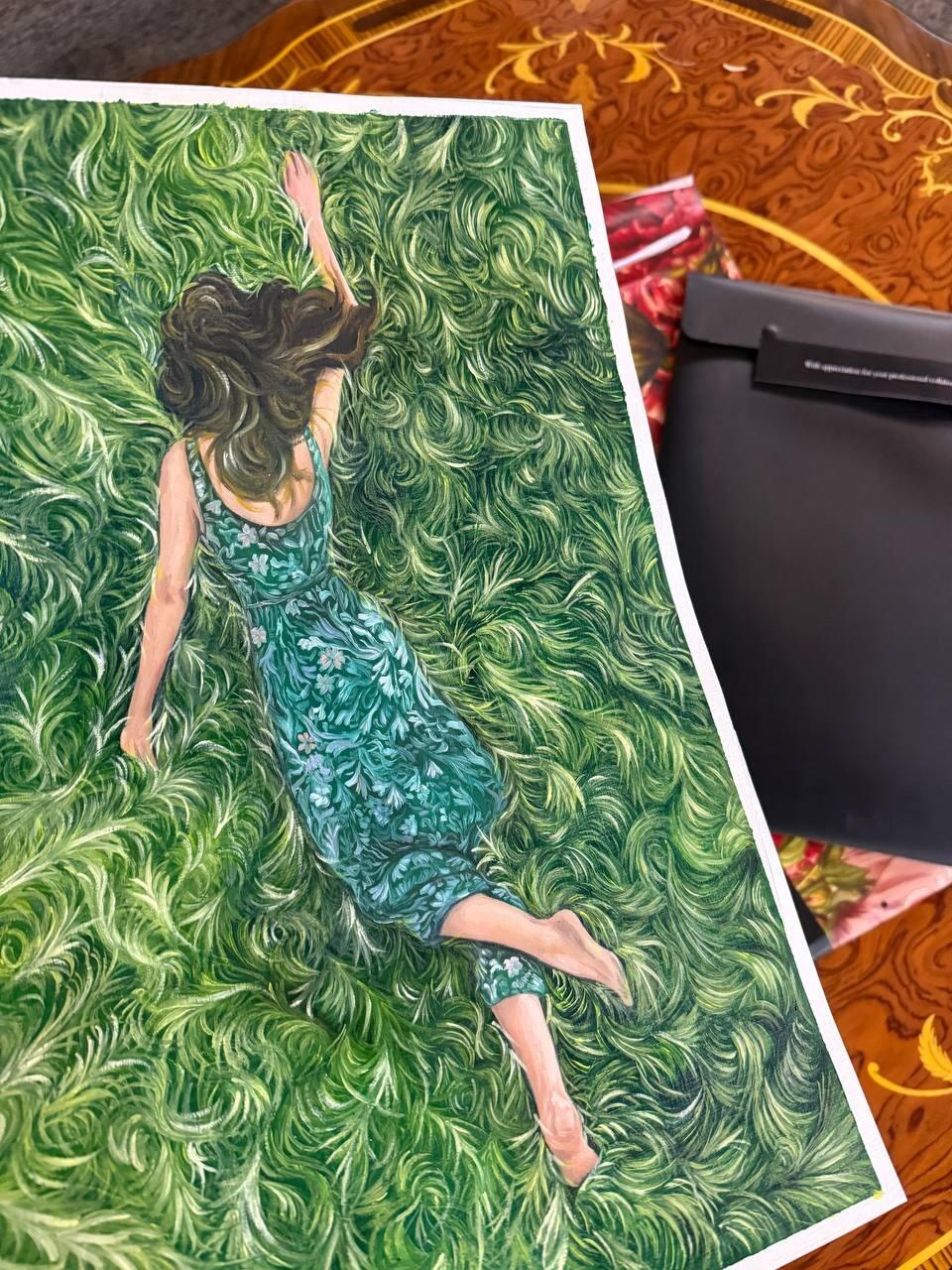
The nature collection and works from artists like Marjan Mousavi, whose paintings explore natural forms and hidden symmetries, as in *Wonderment*, align with the emotional register wellness spaces require.
https://vanarthub.com/collections/nature
https://vanarthub.com/products/wonderment-1
---
The Real Challenges of Sourcing Commercial Art
Sourcing art for a single project is one thing. Sourcing for a commercial property is another entirely. Here are the challenges that come up repeatedly, and how to navigate them.
Scale: Dozens of Works, One Vision
A hotel with 80 rooms, a lobby, a restaurant, and a spa might need 90 or more individual artworks. Finding that many pieces that work together, without becoming repetitive, is genuinely difficult.
The solution is to work with a gallery or studio that represents multiple artists but maintains a curatorial perspective. Individual artists can produce 5 or 10 cohesive works. A network of artists, painters working in different mediums, styles, and scales, can produce 90 pieces that share a sensibility without being identical.
Consistency Without Uniformity
The goal isn't matching. It's coherence. A collection should feel like it belongs to the same property, not like it was assembled from a catalogue.
This is where concept-driven selection matters. Rather than choosing individual pieces one by one, start with a curatorial concept, a theme, a palette direction, a regional focus, and select works that interpret that concept differently. Three artists painting landscapes in oil, watercolour, and acrylic respectively will produce a richer collection than ten identical pieces from a single source.
Timelines That Actually Work
Commercial projects run on deadlines that don't accommodate the unpredictability of finding the right piece one at a time.
The most effective approach is to engage art sourcing early in the design process, not as a finishing touch, but as a parallel track. When art is considered alongside furniture, finishes, and lighting, the timeline stretches and becomes manageable. When it's left to the final month, options narrow to whatever is available and ships quickly, which is rarely the best work.
Budget as Strategy
Art budgets for commercial properties vary widely, but a useful framework exists: allocate 2 to 5% of the total design and FF&E budget to original art. For a mid-scale hotel project with a $500,000 design budget, that's $10,000, $25,000, enough for a significant collection of original paintings if sourced thoughtfully.
The under $700 and under $400 collections demonstrate that original art at commercial scale doesn't require an unlimited budget. Each piece is hand-painted and one of a kind, accessible pricing achieved through working directly with artists, not through compromising on quality.
https://vanarthub.com/collections/under-700
https://vanarthub.com/collections/under-700
---
This is the point where most commercial projects either become memorable, or remain generic.
A Better Approach: Art as Design, Not Procurement
The fundamental shift that transforms commercial art sourcing is moving from procurement thinking to design thinking.
Procurement asks: what's available, what fits the budget, what ships quickly? Design asks: what does this space need to feel like, and how can art contribute to that?
When art is treated as part of the design process, integrated early, selected with intention, and given the same consideration as lighting or material selection, the result is a space where every element belongs. When it's treated as procurement, the result is a space where the art looks like it was bought from a list.
---
Initial conversations usually start with a brief, a floor plan, a mood board, or even just a direction. From there, the right approach becomes much clearer.
https://vanarthub.com/collections/paintings
Shop the Collection:
- Landscape Paintings for Hospitality, serene and welcoming
- Abstract Art for Commercial Spaces, bold and contemporary
- Modern Paintings for Hotels, statement pieces that define a room
- Nature & Wildlife Art, warmth for lobbies and lounges
- Large-Scale Works, for expansive commercial walls
- Symphony of the Wild, a 120×150 cm wildlife masterpiece for hotel lobbies
- The Eternal Ledger, geometric abstract for corporate boardrooms
- Endless World, surrealist landscape for hospitality corridors
Browse by collection: