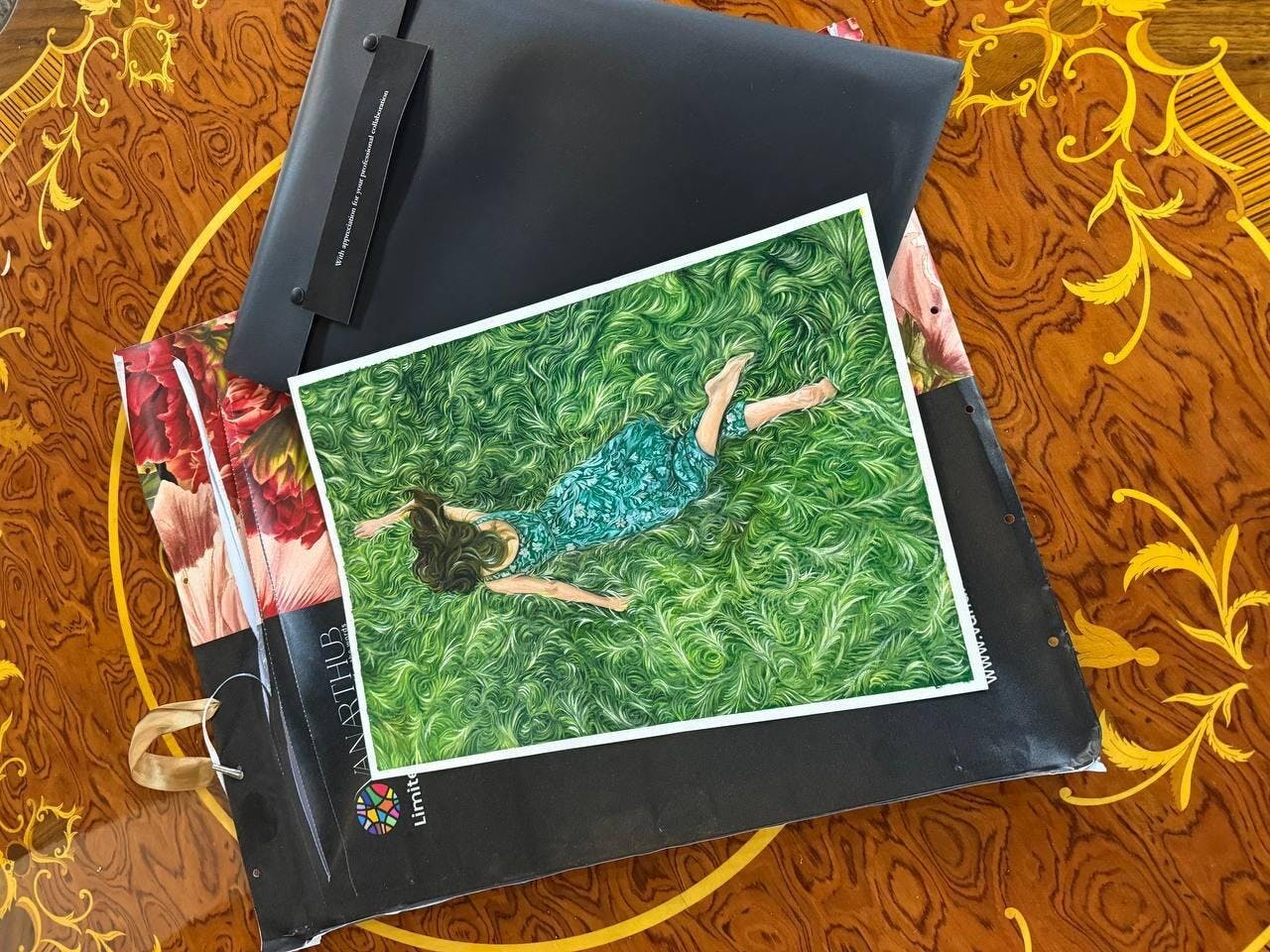
How to Tell if a Painting Is a Real Original: 7 Simple Checks
UpdatedThe fastest way to tell if a painting is a real original and not a print is to look closely at the surface. An original has real paint sitting on top of the canvas, so the brushstrokes stand up and catch the light. A print is flat and smooth, and under a magnifying glass it often shows a tiny grid of colored dots. We are VanArtHub, an online gallery that sells original signed paintings to collectors in Canada and the USA, and this is the question we get most often. Below are seven simple checks anyone can do, even with no art training.

Check 1: Look at the surface texture and raised brushstrokes
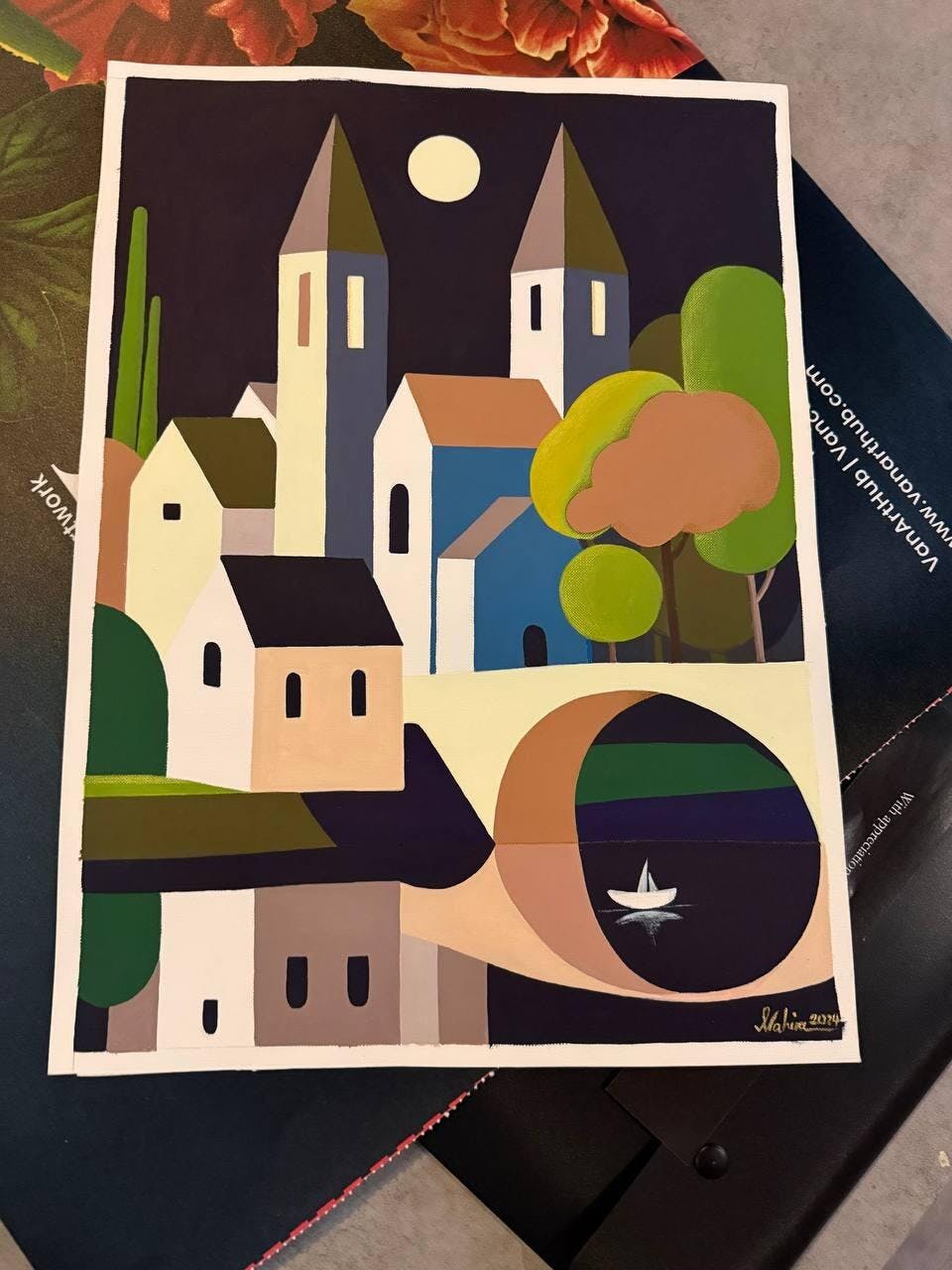
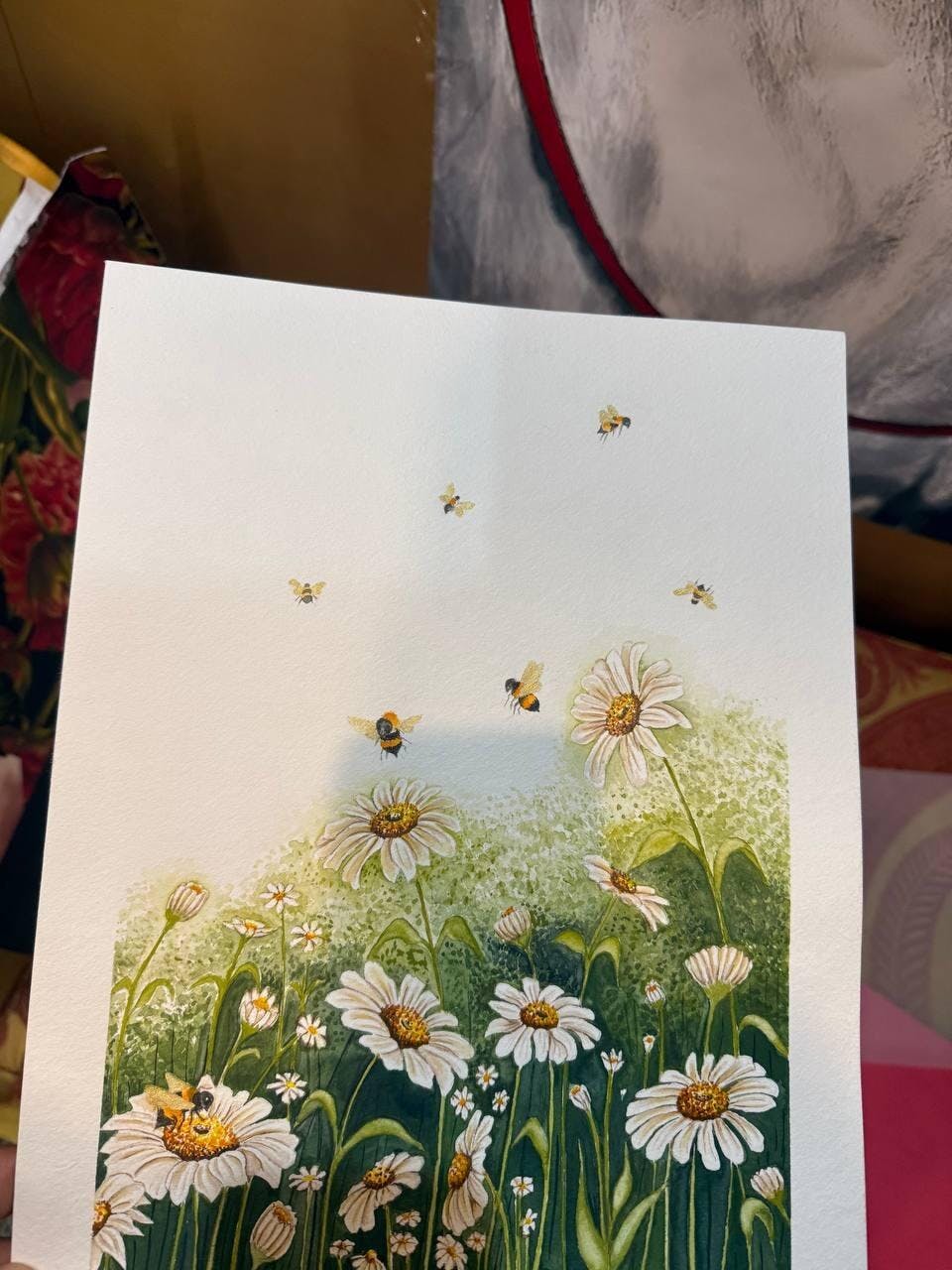
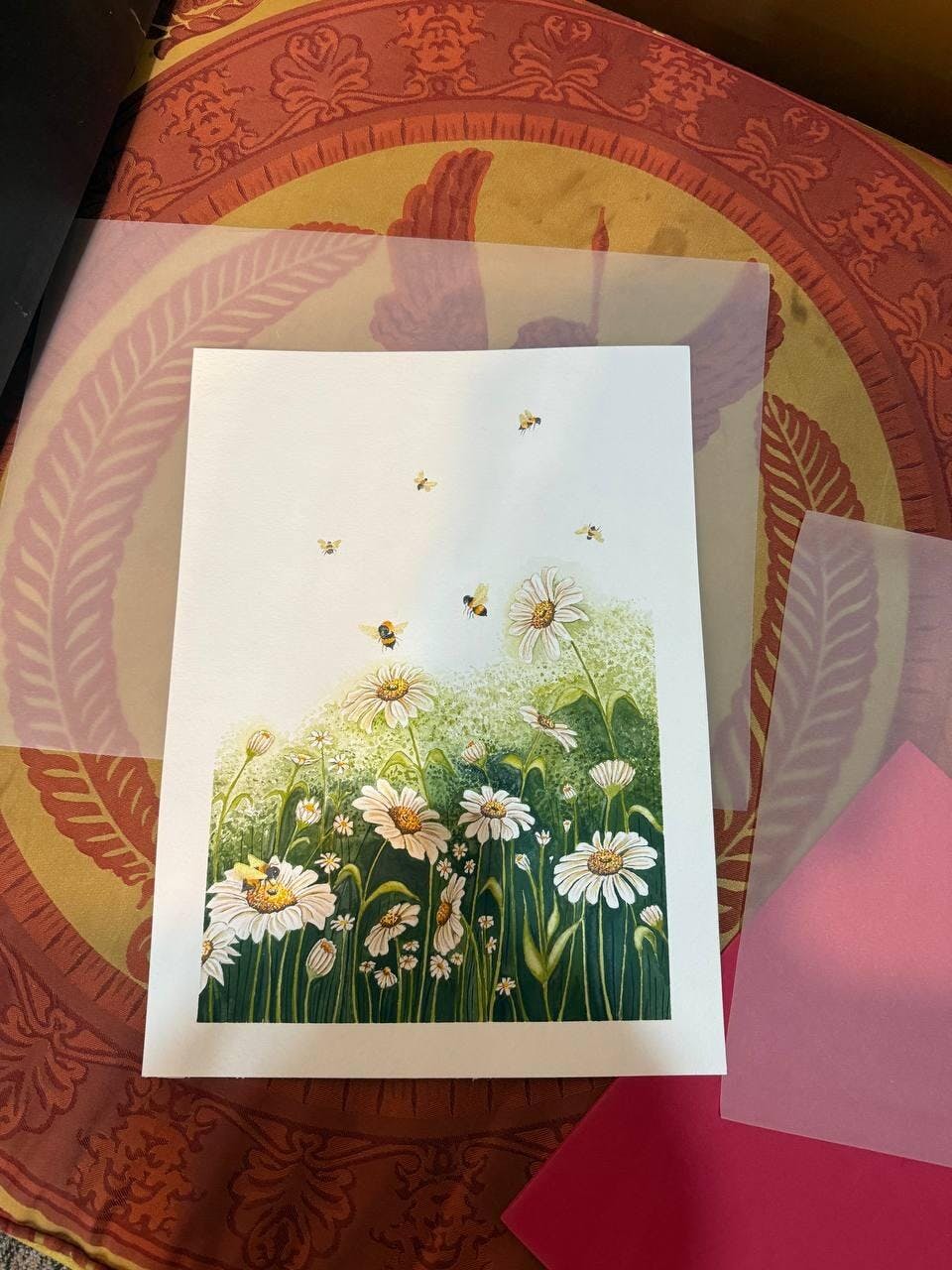
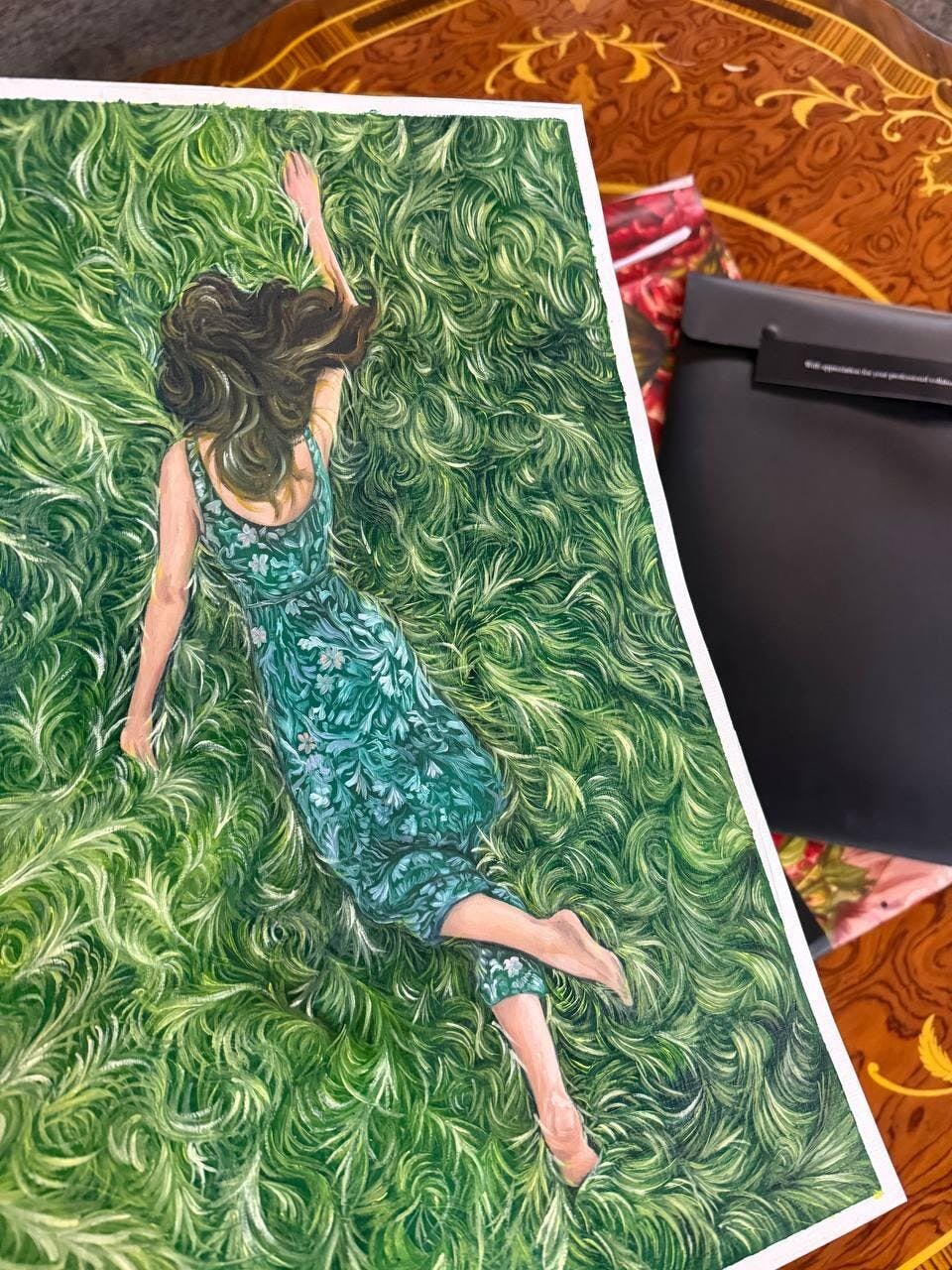
Hold the painting flat and look across its surface, not straight at it. On a real original you will see raised ridges of paint where the brush or knife pushed the paint around. This is called impasto in thick areas. The American Institute for Conservation defines examining a work as investigating its structure, materials, and condition, and surface build is one of the first things a conservator reads. A print has no real height. The image is printed onto flat paper or canvas, so even a "textured" print feels even and repeats the same fake texture across the whole surface. If every raised bump lines up in a regular pattern, that texture was printed, not painted.
Check 2: Tilt it under raking light
Take the painting to a window or a lamp and tilt it so the light hits the surface from the side at a low angle. This is called raking light, and conservators use it to read a painting's surface. On an original, the side light throws small shadows off each brushstroke, so the whole surface looks alive and uneven. On a print, the light bounces back evenly because there is nothing standing up to cast a shadow. A glossy print may shine, but it will not show the small hills and valleys of real paint. This one test alone catches most prints.
Check 3: Look at the back of the canvas
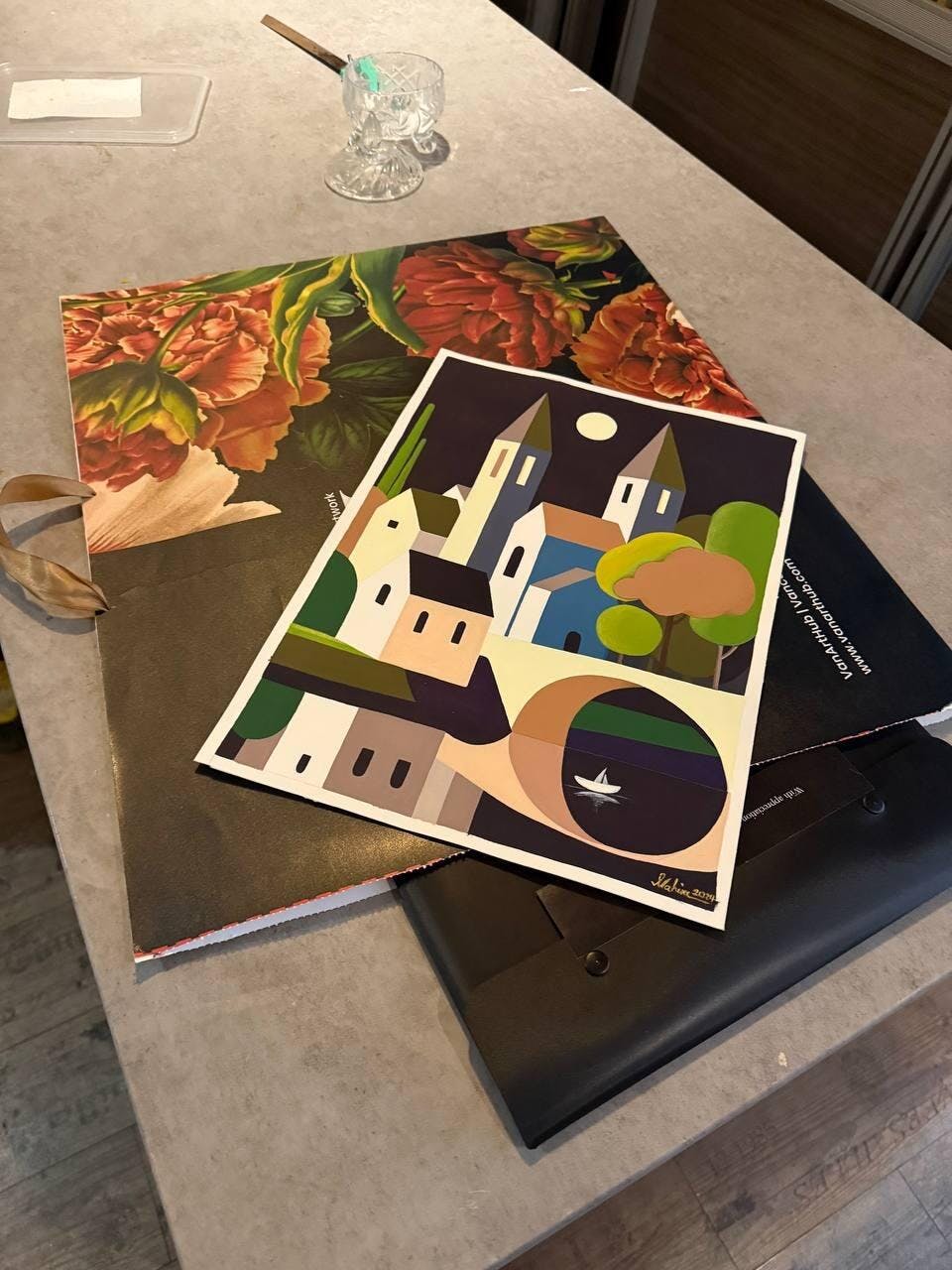
Turn the piece over. The back of a real painting on canvas tells a story. You may see the wood stretcher bars, staples or tacks holding the canvas, and often some paint that soaked through or wrapped around the edges. Many artists sign, title, or date the back too. A print on canvas usually has a clean, blank back with a printed label, a bar code, or an edition number like "24/250." An edition number is a strong sign you are holding a reproduction, because originals are one of one. If the back looks factory-made and perfectly clean, be careful.
Check 4: Check the edges of the image with a magnifier
Get a cheap magnifying loupe, the kind jewelers use, ideally 10x or 12x power. Look at a spot where two colors meet, or at a shadow area with a lot of ink. On a real painting you will see paint blending in a random, natural way. On an offset or inkjet print you will see a regular pattern of tiny dots. In offset printing the four color screens are set at slightly different angles, so the dots print in small circular clusters called rosettes, and these show up clearly under a loupe, as the Printing Industry Exchange explains. An original never shows that repeating dot grid. Also watch the outer edge of the image. A print often has a sharp, flat border where the ink stops, while a painting's paint runs right to the canvas edge in an uneven way.
Check 5: Find and study the signature
Look for the artist's signature, usually in a lower corner. On an original, the signature is made of the same paint as the rest of the work, so it sits on the surface and may be slightly raised. Tilt it under light and check that the signature has the same texture as the painting around it. On a print, the signature is part of the printed image, so it is flat and lies at the exact same level as everything else. Some prints are signed by hand in pencil below the printed image, which is common for limited-edition prints. A pencil signature under a printed picture means you have a signed print, not a painting.
Check 6: Ask for documentation and a Certificate of Authenticity
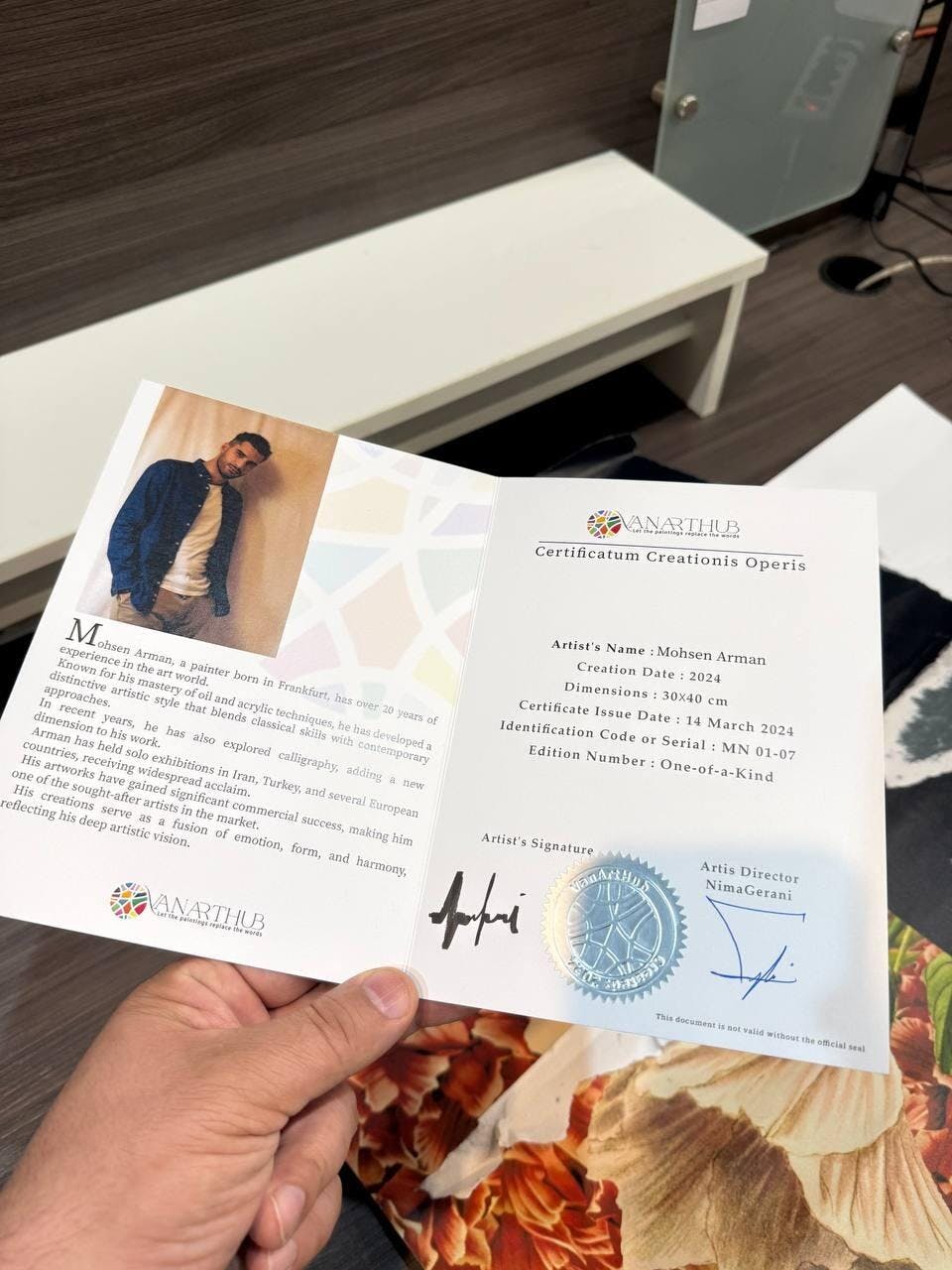
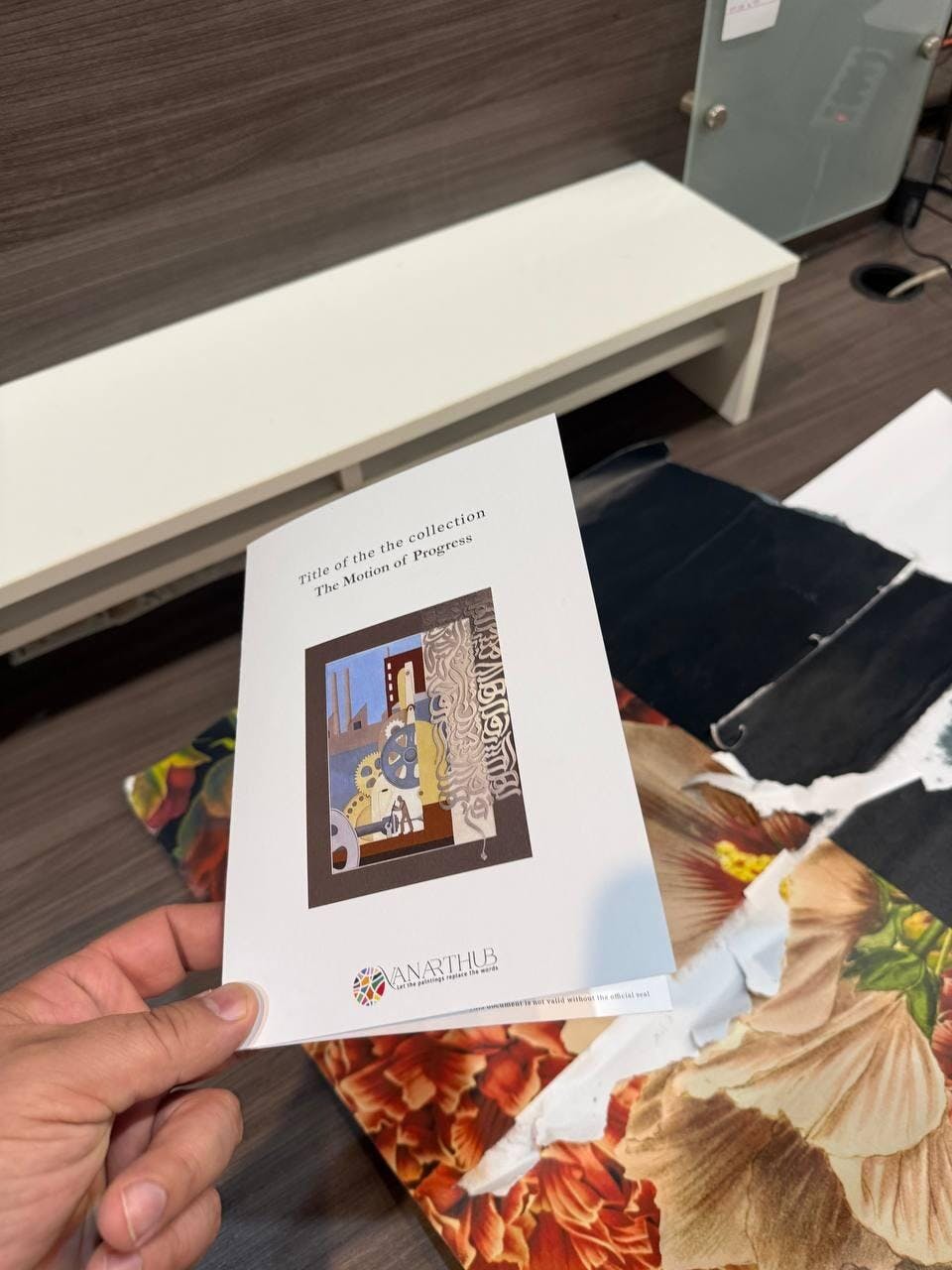
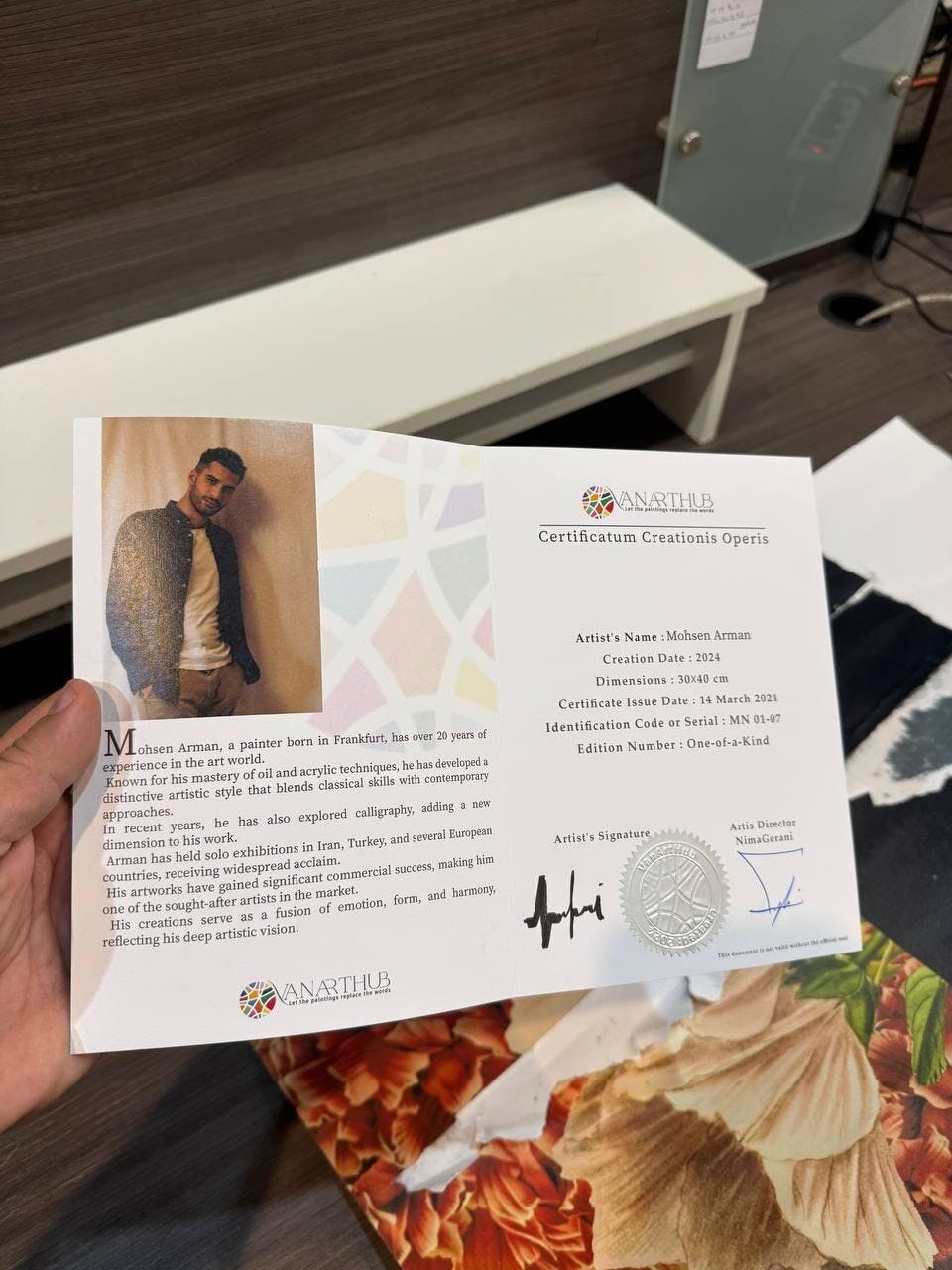
A serious seller can tell you exactly what you are buying in writing. Ask for a Certificate of Authenticity, often shortened to COA. A good certificate names the title, the artist, the medium such as oil or acrylic on canvas, the exact dimensions, and the year. It should be signed by the artist or the gallery. At VanArtHub, every piece is an original, and each one ships with a signed Certificate of Authenticity that records the title, artist, medium, and dimensions. If a seller cannot produce any paperwork, or the paperwork is vague about the medium, treat that as a warning. You can read how we back every sale on our buy with confidence page.
Check 7: Check the seller's provenance and reputation
Provenance means the history of who made and owned the work. The International Foundation for Art Research, a non-profit that studies art authenticity, treats provenance research as central to confirming that a work is genuine, as described in this overview of IFAR's authentication service. For living-artist work bought online, you do not need a century of history. You need a clear chain: who is the artist, does the gallery know them, and can you see real reviews from real buyers. Read past customer feedback and check that the seller answers questions plainly. You can see ours on our customer reviews page. A seller who hides behind stock photos and gives no artist name is a risk.
Print versus original at a glance
| What you check | Original painting | Print or reproduction |
|---|---|---|
| Surface | Raised brushstrokes, uneven height | Flat and smooth, even across the surface |
| Under a loupe | Random paint blending | Tiny repeating dots or rosettes |
| Back of canvas | Staples, wrapped paint, sometimes signed | Clean back, label, or edition number |
| Signature | Made of paint, may be raised | Printed flat, or pencil under the image |
| Paperwork | Certificate of Authenticity with full details | Often none, or an edition sheet |
Key takeaways
- Real paint stands up off the canvas. Side light and a magnifier are your two best tools.
- A repeating grid of tiny dots under a loupe means you are looking at a print.
- An edition number on the back points to a reproduction, because originals are one of one.
- A proper Certificate of Authenticity names the title, artist, medium, and size.
- Buy from a seller who names the artist and shows real buyer reviews.
Frequently asked questions
Can you tell an original from a print in a photo?
Not with full certainty, but you can get close. Ask the seller for a raking-light photo taken from the side and a close-up of one corner. In the side-light photo an original shows shadows from raised brushstrokes, while a print stays flat and even. A macro close-up of an original shows blended paint, and a print shows a dot pattern. If a seller refuses these two photos, that is a sign to walk away.
Does a signature mean it is an original?
No. A signature alone proves nothing. Prints are often signed too, either printed as part of the image or added in pencil below a printed picture. Check whether the signature is made of the same paint as the rest of the work and whether it sits raised on the surface. A flat signature at the same level as the image usually belongs to a print.
What should a Certificate of Authenticity include?
A good certificate lists the title of the work, the artist's full name, the medium such as oil on canvas, the exact dimensions, and the year it was made. It should be signed by the artist or the gallery that sold it. Every VanArtHub piece ships with a signed certificate that records the title, artist, medium, and dimensions, so your paperwork matches the painting on your wall.
Is a giclée a real painting?
No. A giclée is a high-quality inkjet print, often printed on canvas to look like a painting. It can be beautiful, and some are signed and numbered as limited editions. But it is a reproduction, not a one-of-a-kind painting. Under a loupe a giclée shows the fine dot spray of an inkjet printer. If a listing uses the word giclée, you are buying a print.
How do I check an original bought online?
When your piece arrives, do the surface and loupe tests first. Tilt it under a lamp to see the brushstrokes, then use a magnifier on a dark area to confirm there is no dot pattern. Check the back for staples and any artist marks. Then match the Certificate of Authenticity against the work: same title, same size, same medium. If anything does not match, contact the seller right away.
What is raking light and why does it help?
Raking light is light that hits the surface from a low side angle instead of straight on. It is a standard tool for examining paintings because it exposes texture. The side light throws small shadows off every raised brushstroke on an original, so the surface looks three-dimensional. A flat print shows almost no shadow, which quickly gives it away.
Why does a print show dots under magnification?
Most prints are made by laying down tiny dots of ink in a set pattern. In offset printing the color screens sit at slightly different angles, so the dots form small circular clusters called rosettes. Inkjet prints spray a fine, even dot field. Either way, a magnifier reveals a regular, machine-made pattern. Real paint has no such grid, because a brush moves in a natural, uneven way.
Can a print have texture too?
Yes, and this fools many buyers. Some prints are coated with a clear gel to fake brushstroke texture. The trick is that the fake texture does not follow the image. Look closely: on a real painting the raised paint lines up with the shapes and colors, since the ridge is the paint. On a textured print the bumps sit on top of the picture and do not match the strokes underneath.
Is an edition number a bad sign?
For an original, yes. A number like "12/100" means the work is number 12 of 100 identical copies, which is by definition a reproduction. Original paintings are one of one, so they carry no edition number. You may still choose to buy a nice limited-edition print, but you should know it is a print and pay a print price, not an original price.
Do I need special tools to check a painting?
No. A small magnifying loupe costs a few dollars, and any desk lamp works for the side-light test. Those two, plus a look at the back and the paperwork, will settle most cases. For a very expensive or historical work you would want a professional conservator or an authentication body such as IFAR, but for buying original art from a living artist online, the simple checks here are enough.
Where can I buy original art I can trust?
Buy from a gallery that names the artist, shows real buyer reviews, and gives you a Certificate of Authenticity with each piece. You can browse our full range of original signed paintings in our artworks collection, each one an original with paperwork to match.
Sources
- American Institute for Conservation, What Is Conservation, 2026
- Printing Industry Exchange, Halftone Dots and Rosette Patterns Under a Loupe, 2026
- Artquest, International Foundation for Art Research (IFAR) authentication and provenance, 2026
Data checked July 2026. If something looks out of date, tell us and we will update it.
About VanArtHub
VanArtHub is an online gallery that sells original, signed, one-of-a-kind paintings to collectors in Canada and the USA. Every piece is a real original, never a print, and each one ships with a signed Certificate of Authenticity recording the title, artist, medium, and dimensions. If you want art you can hold up to the light and know it is real, start with our collection of original artworks.