Ask ten people what sustainable art means and you get ten answers. One says it is art made from recycled or reclaimed things. Another says it is art about climate and nature. A third points to natural pigments and low-waste studios, and a fourth says it is simply the choice to own fewer, better things and keep them longer. Each answer is partly right, and none of them is the whole picture.
So instead of trying to settle the argument, we will give you a more useful way to think about it, one you can actually use when you are deciding what to hang on your wall.
There is no single agreed definition
Sustainable art is a young idea, and the field has not landed on one meaning. That is not a flaw. It reflects the fact that many different, honest concerns sit under the same phrase. Some people care most about what a piece is made from. Others care about what it is about. Others care about how long it lasts and where it ends up.
Here is a plain map of the most common meanings, with a one-line description and an example of each.
Common meanings of "sustainable art" and what each one focuses on
| Meaning |
What it focuses on |
Example |
| Material innovation |
Reusing or reclaiming things that would otherwise be waste. |
A sculpture built from salvaged wood or scrap metal. |
| Natural materials |
Low-impact pigments and supports drawn from nature. |
Earth pigments, plant-based dyes, or a linen canvas. |
| Ecological themes |
The subject of the work, not the materials. |
A painting about a forest, a coastline, or a changing climate. |
| Longevity and care |
Owning one lasting piece instead of replacing cheap decor. |
A signed original kept for decades and passed on. |
You can see the problem. A recycled sculpture and an oil painting about a river do not share a single material or method, yet both get called sustainable art. That is why a yes-or-no test does not work well here.
A better question to ask
Rather than ask "is this artwork sustainable, yes or no?", ask a different question: "in what ways does this piece, and the way I buy it and keep it, reflect care?" That question is answerable. It looks at the object, the maker, and your own habits together, instead of demanding one gold-star label the field cannot even agree on.
This reframe matters because most real choices are mixed. A painting might use ordinary paint but be built to last fifty years, made by a person you can name, and kept in use instead of thrown away. Care shows up in the whole chain, not in one certificate.
Sustainability in art is not a medium, it is a mindset.
That idea is widely shared among people who work in this area, and we think it is the right one. The medium can be almost anything. What changes is the intention behind it: to make something that lasts, to waste less, and to keep it in use.
The accessible form for a normal buyer
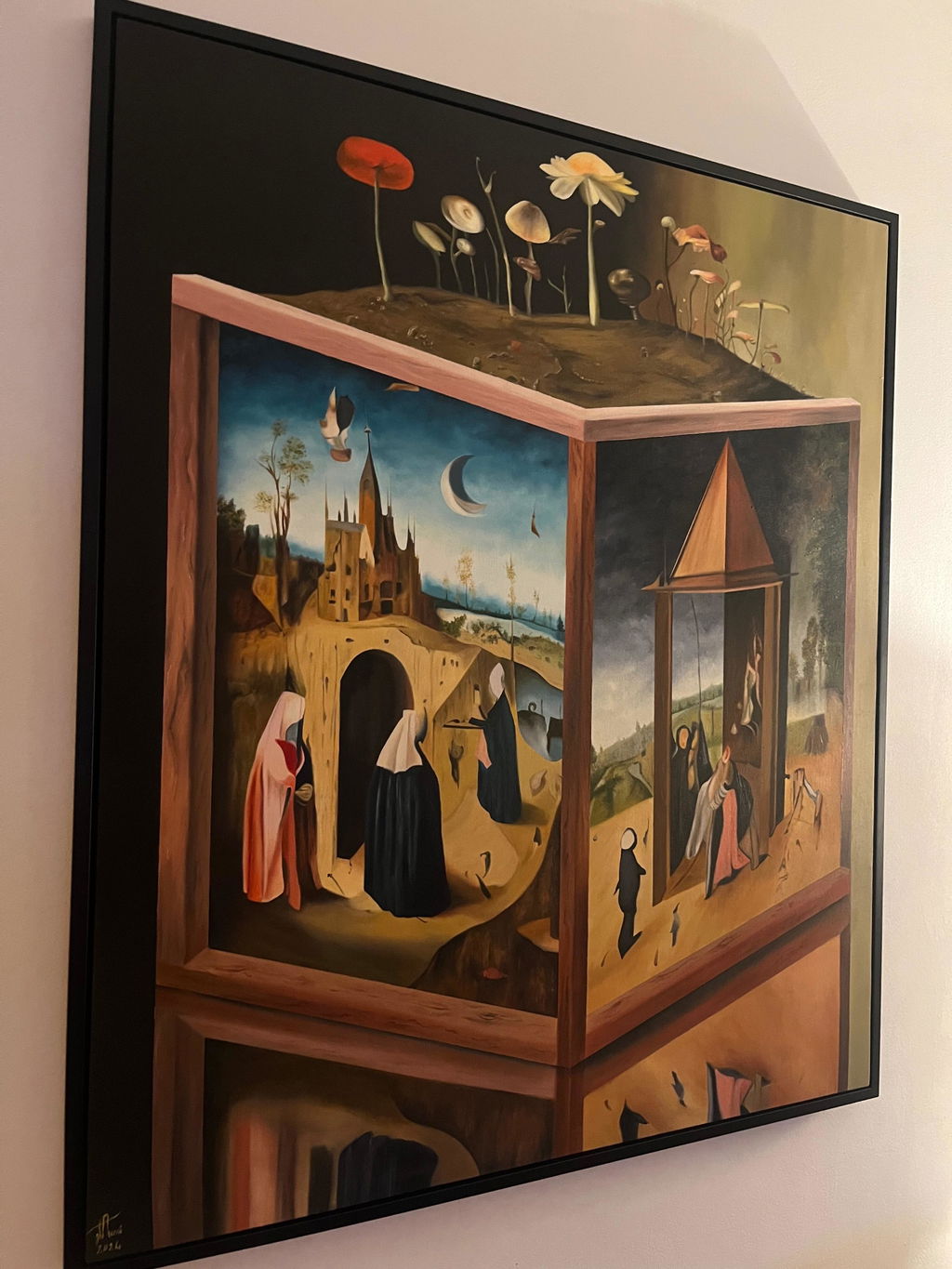
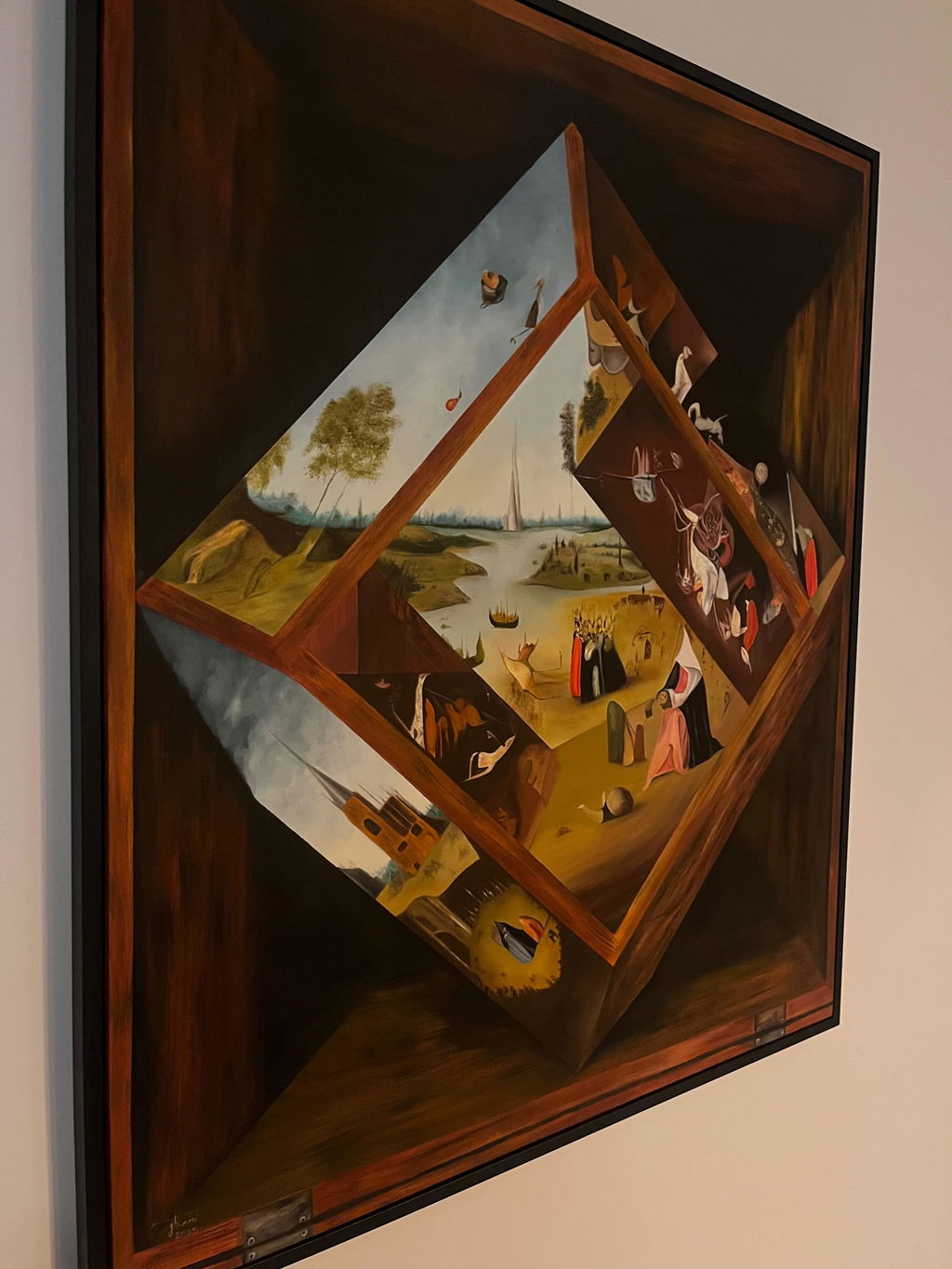
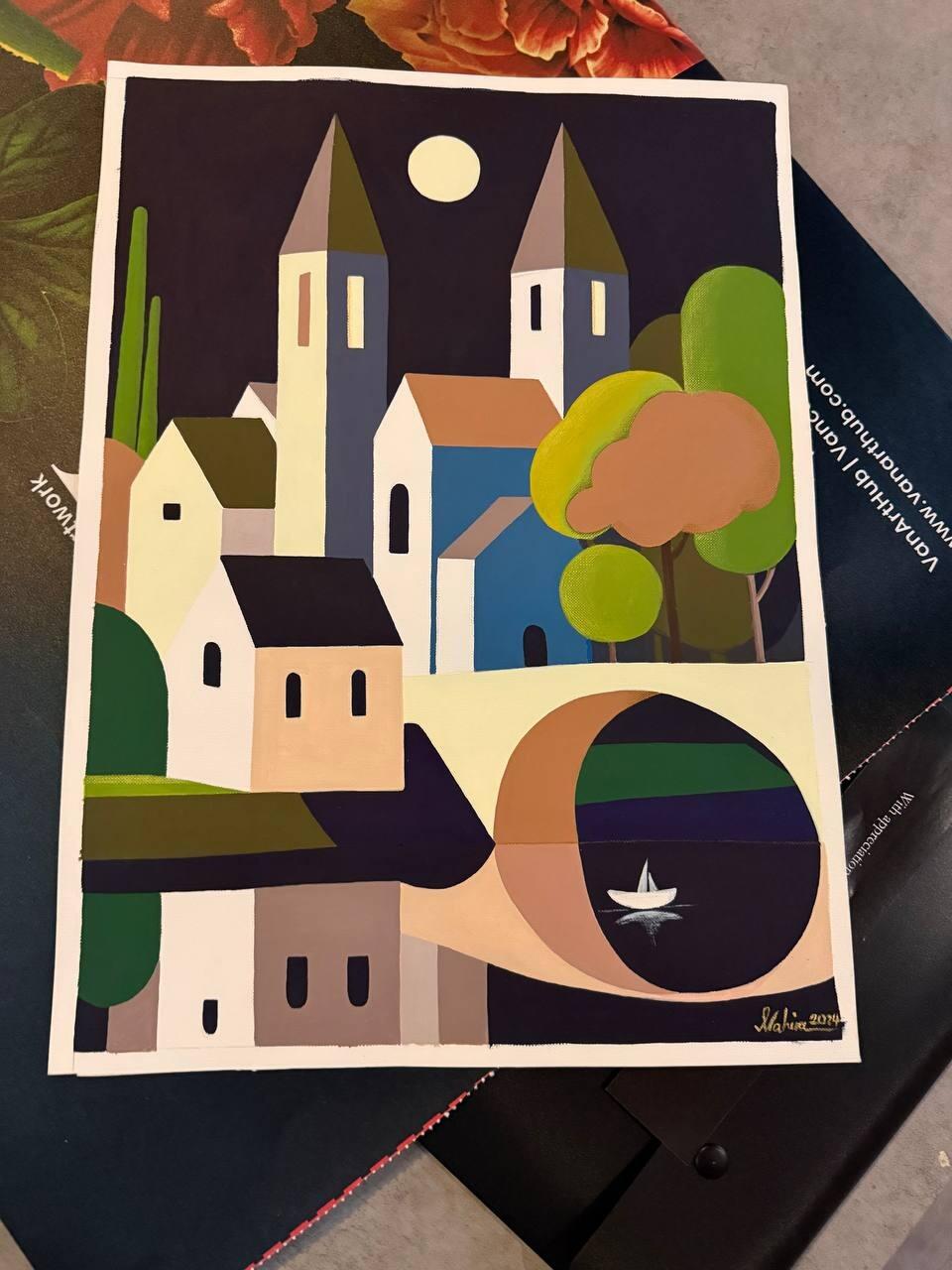
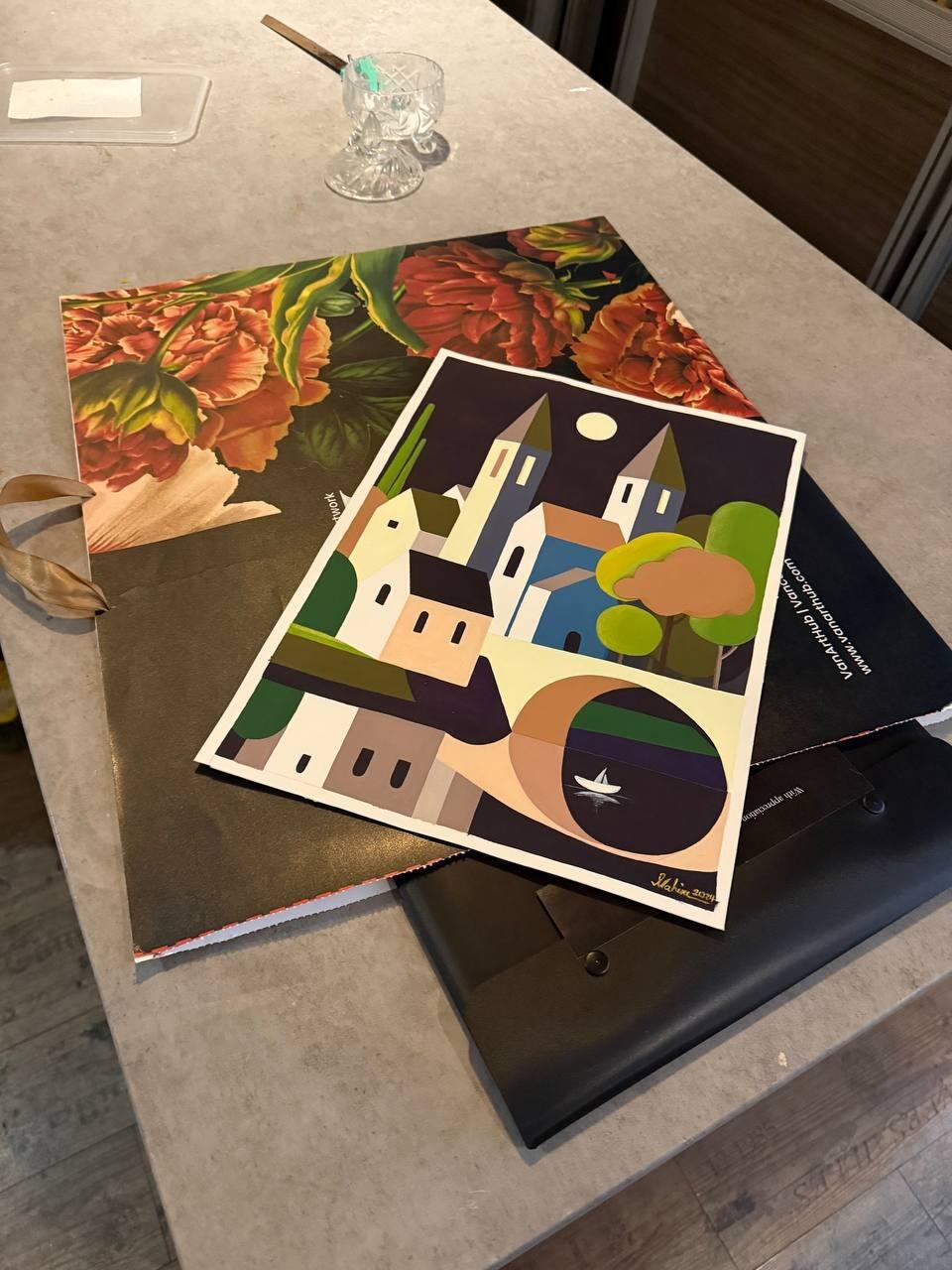
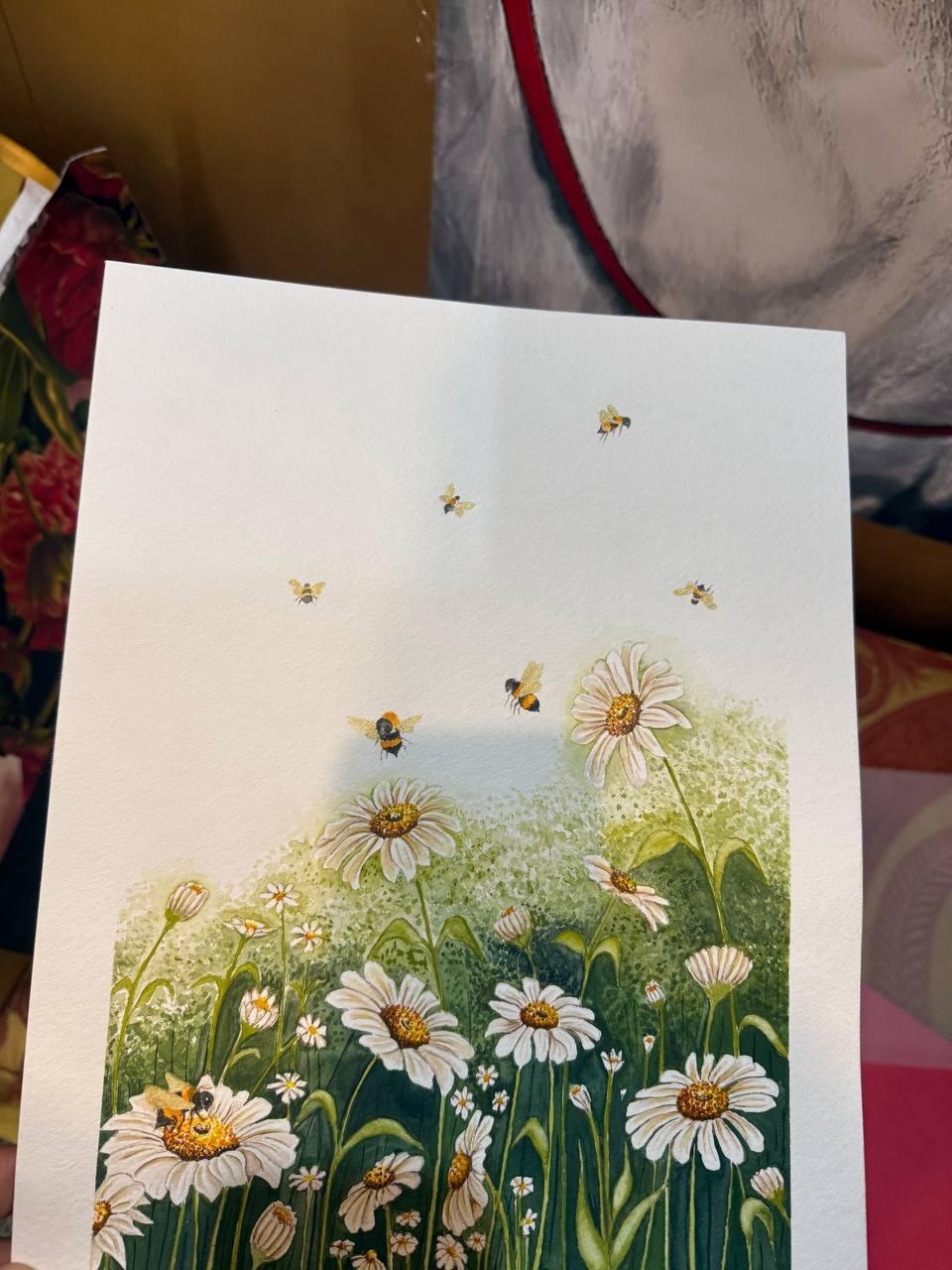
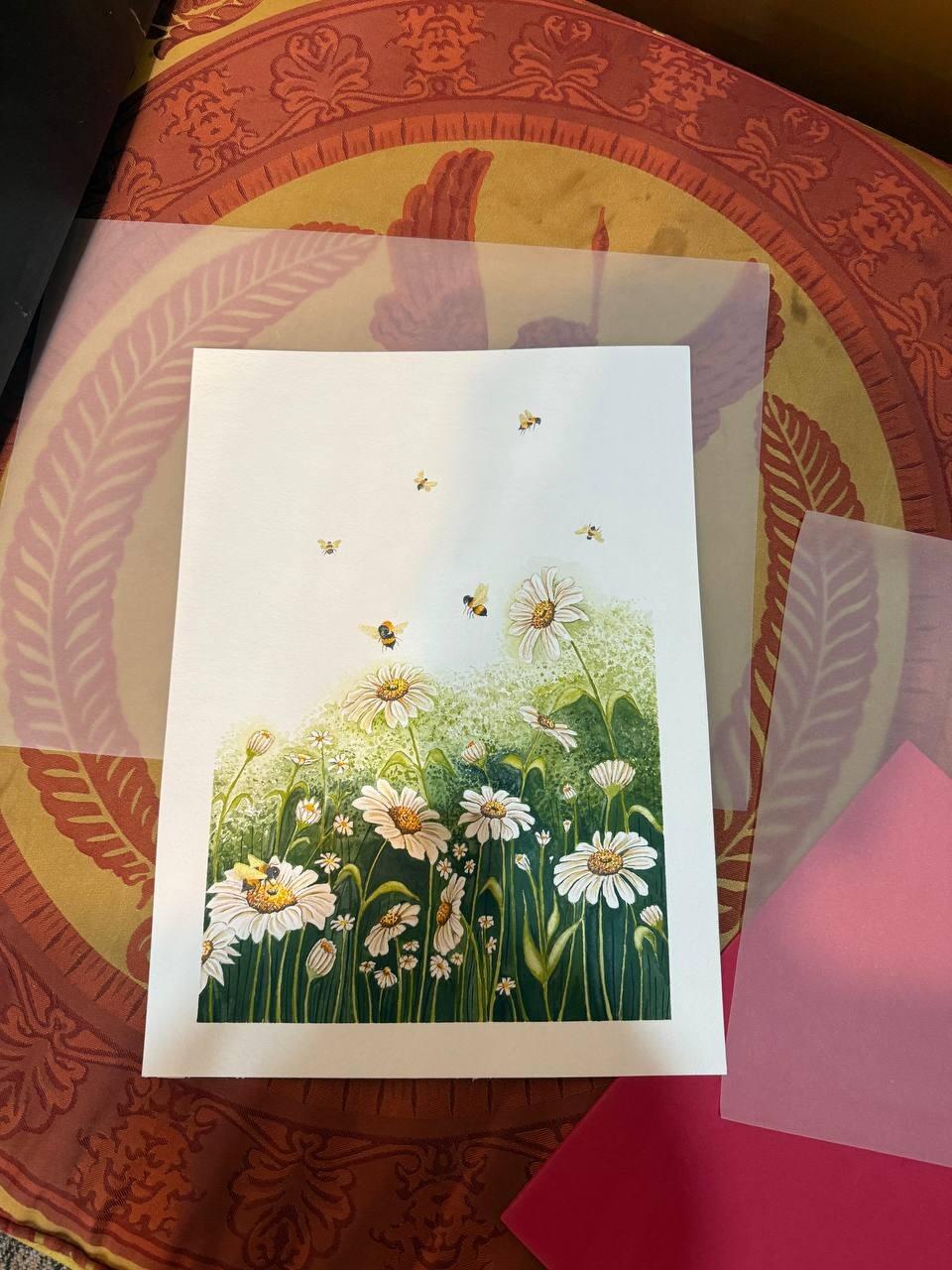
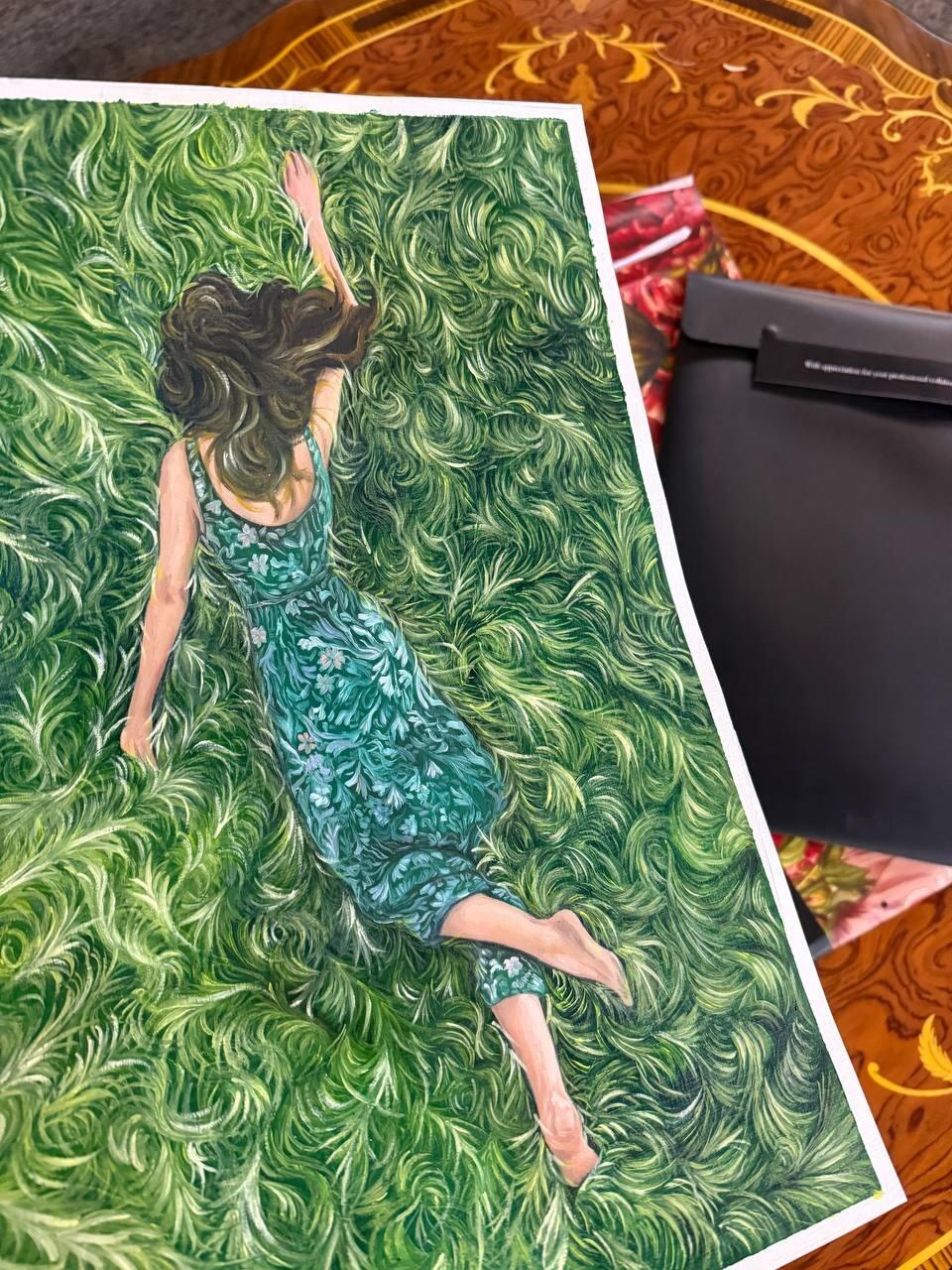
You do not have to source natural pigments or track a studio's carbon to take part. For most people the practical, everyday version of sustainable art is simple: choose one lasting original over disposable, mass-produced decor. A poster printed by the thousand is made to be cheap and replaced. A hand-made original is made once, by one person, and built to stay.
This is the part where we fit. We will be honest about what we are and are not.
What we do not claim
We do not tell you our paintings are made from recycled or eco-certified materials, and we do not call our artists "eco artists." Materials vary by artist, from oil and acrylic to colored pencil and mixed media. If you want the deeper material questions, the field covers them well, and our sibling page on eco-friendly art materials walks through natural pigments and reclaimed supports as education, not as a claim about our own inventory.
What is true and provable about us
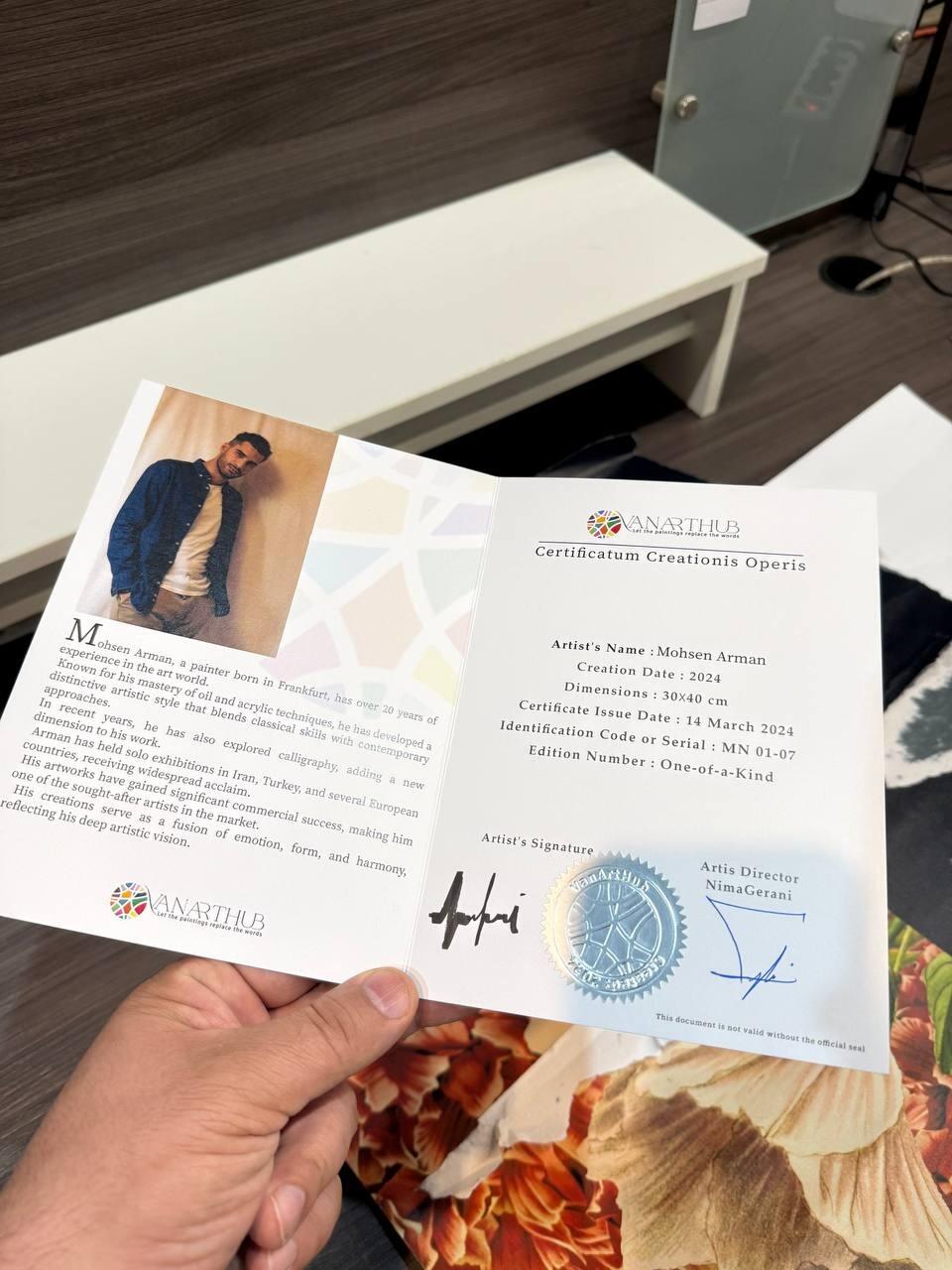
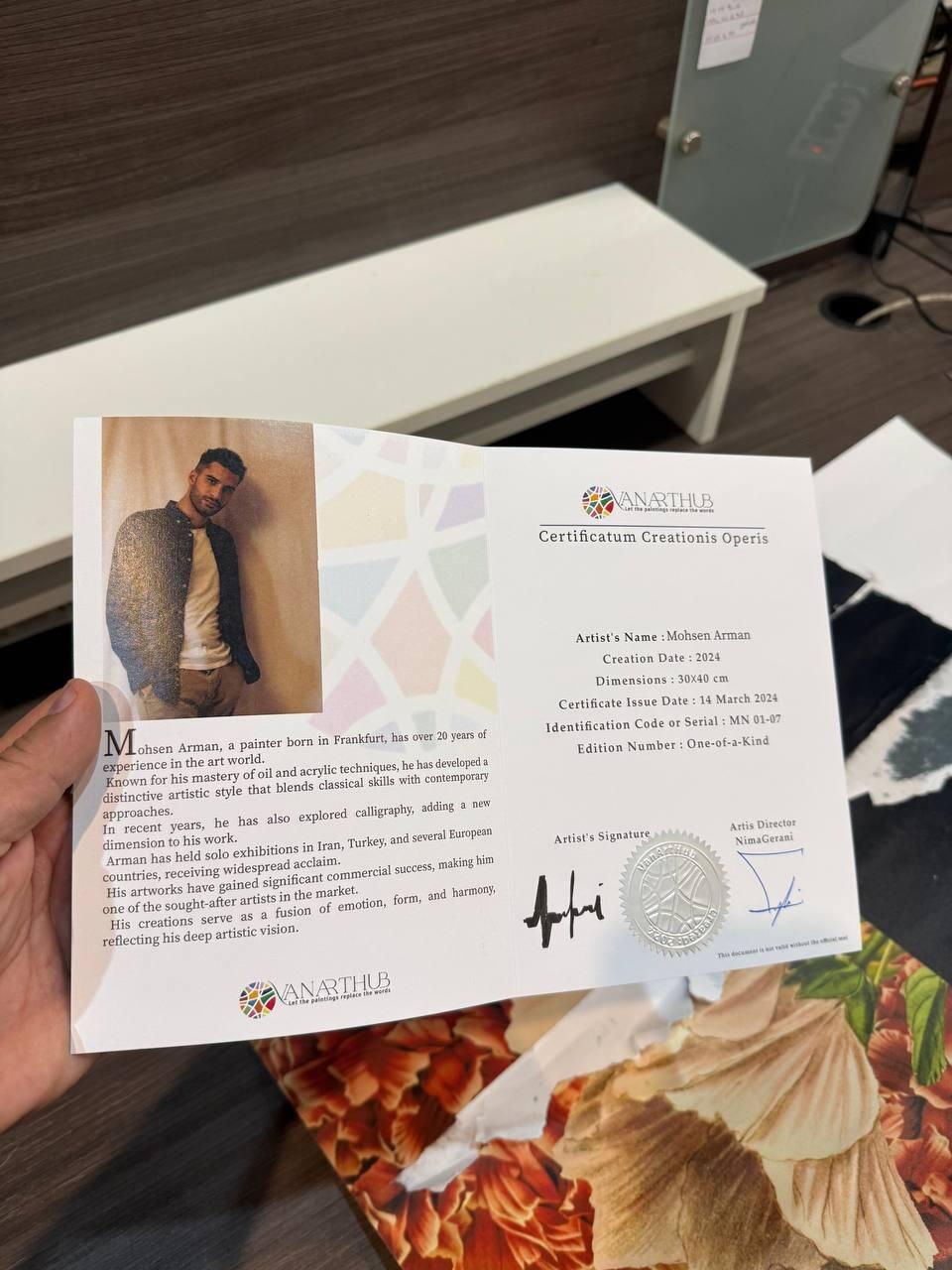
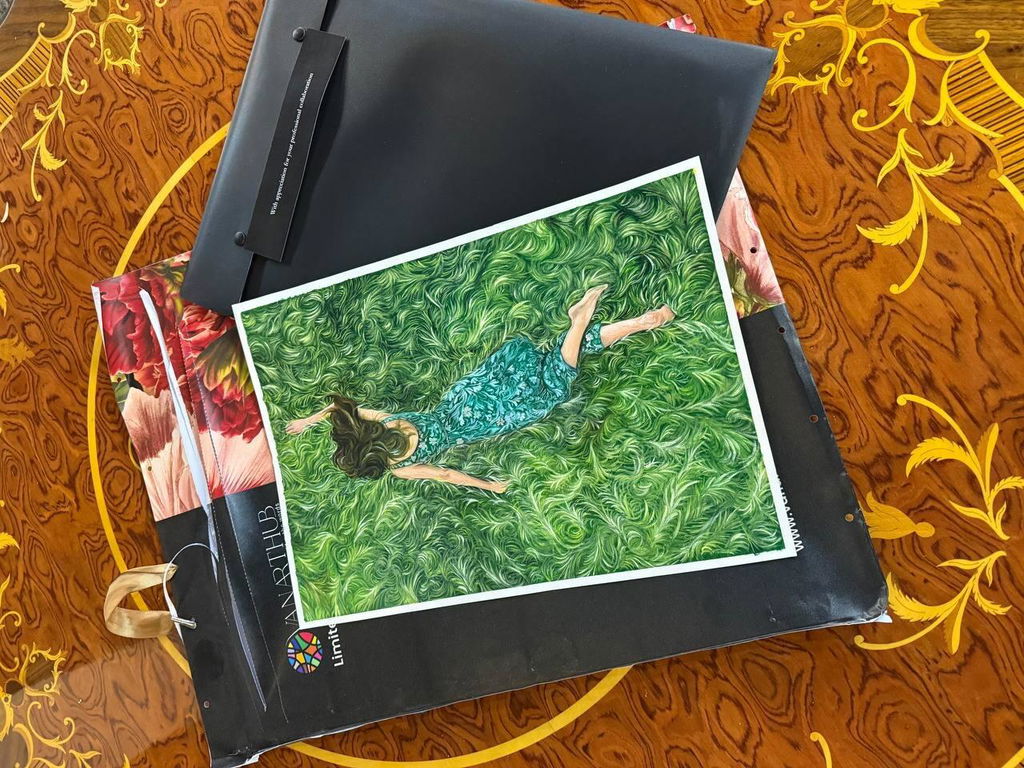
VanArtHub's real story rests on four things we can stand behind. Every piece we sell is an original, signed painting, never a print, poster, or reproduction, so nothing is churned out at factory scale to be thrown away. A hand-made original is built to last for decades rather than replaced every few seasons. Our Lifetime Trade-Back lets you return any painting in good condition, any time, for store credit, which keeps each piece moving between homes instead of heading to landfill. And every purchase supports a living Vancouver artist directly.
Where to go deeper
This page is the plain-language definition. The rest of the hub takes each part further. To see the different forms the field takes, read types of sustainable art. For how the idea grew over time, see the history of sustainable art. For the material side, see eco-friendly art materials. And for why any of it is worth your attention, read why sustainable art matters.
Key takeaways
- Sustainable art has no single agreed definition. Ask ten people and you get ten answers, and each is partly right.
- A better question than "is this sustainable?" is "in what ways does this piece, and how I buy and keep it, reflect care?"
- Sustainability in art is a mindset, not one medium. The intention to last and waste less matters more than the material.
- For a normal buyer, the accessible form is choosing one lasting original over disposable, mass-produced decor.
- VanArtHub's honest sustainability story is four things: originals not prints, longevity, circular ownership through Trade-Back, and direct support for a living artist.
- We do not claim our materials are recycled or eco-certified. Materials vary by artist.
Frequently asked questions
Is there one official definition of sustainable art?
No. There is no single agreed definition. The phrase covers several honest concerns: recycled or reclaimed materials, natural pigments, art about nature and climate, and simply owning fewer, better things longer. Each of these is a partial view, so a strict yes-or-no test rarely fits real artworks well.
Does sustainable art mean the art must be made from recycled materials?
Not always. Recycled or reclaimed materials are one common meaning, but not the only one. A painting about a forest, made with ordinary paint but built to last for decades and kept in use, also reflects the idea. The mindset behind the piece matters more than one specific material.
Are VanArtHub paintings made from eco-certified materials?
No, and we will not claim they are. Materials vary by artist, from oil and acrylic to colored pencil and mixed media. Our honest sustainability story is different: original paintings not prints, built to last, kept in use through Lifetime Trade-Back, and direct support for a living Vancouver artist.
How can buying a painting be a sustainable choice?
By replacing disposable decor with one lasting object. Mass-produced posters are made cheaply to be swapped out often. A hand-made original is made once and built to last for decades. Keeping one piece in use for years, instead of cycling through cheap prints, is the everyday form of sustainable art.
What does "sustainability is a mindset, not a medium" mean?
It means the material alone does not decide it. Almost any medium can be used with care or without it. What changes is the intention: to make something that lasts, to waste less, and to keep it in use. That mindset, more than the paint, is what people point to.
Is art about nature or climate automatically sustainable?
Not on its own. Ecological themes are one meaning of sustainable art, and they raise awareness, which has value. But the subject of a work is separate from how it was made and how long it lasts. A piece can be about nature yet be disposable, or be about anything yet built to last.
How does the Trade-Back keep a painting sustainable over time?
It keeps the piece in use instead of in landfill. With our Lifetime Trade-Back, you can return any painting in good condition, any time, for store credit. The work moves to a new home rather than being thrown away. That is circular ownership, and it is one of the four provable parts of our own story.
VanArtHub is an online gallery in Vancouver selling original, signed paintings by independent Vancouver artists, never prints or reproductions. If sustainable art means owning one lasting piece and keeping it in use, that is the choice we make easy. Start with the pillar on sustainable art, then explore the types of sustainable art or read why we favor original art over prints.