Recycled and found-object art is artwork built from materials that already lived one life: salvaged wood, scrap metal, discarded packaging, worn textiles, machine parts, and objects picked up exactly as they were found. The material's history is part of the work's meaning. Before going further, one honest note: VanArtHub does not sell recycled-material art. We sell original paintings. We wrote this guide anyway, because recycled art is a real part of the sustainable art conversation, and because buyers deserve a plain explanation of how to judge quality in a field where the material itself can distract from the craft.
So treat this page as a neutral guide from a gallery that has no recycled art to sell you. That position has one advantage: we can be blunt.
Key takeaways
- Recycled and found-object art is made from materials that were used, discarded, or salvaged before becoming part of an artwork.
- VanArtHub does not sell recycled-material art; this guide exists to help you judge the field with clear eyes.
- Strong recycled art transforms its material; weak recycled art only displays it and leans on the story.
- Judge such work on craft, stability, and longevity, the same tests you would apply to any artwork.
- Using waste as a material does not by itself make an artwork good for the environment.
What counts as recycled and found-object art
The field covers a spectrum. At one end sits the found object: something taken from the world and presented as art with little or no alteration, where the act of choosing is the artistic act. In the middle sits assemblage: sculptures and wall pieces built by joining many found parts into a new whole. At the other end, reclaimed material is used as raw stock: salvaged wood becomes a carved panel, fabric scraps become a woven piece, and the source is invisible until you are told. Each point on the spectrum asks something different of the artist, which matters when you come to judge quality.
Why artists build with discarded materials
Three motives come up again and again. The first is meaning: a rusted saw blade or a child's worn toy arrives carrying decades of history that fresh canvas does not have, and the artist puts that history to work. The second is argument: making waste visible is a way of talking about how much of it we produce. The third is simply access: discarded material is abundant and cheap, which has always mattered to working artists. None of these motives guarantees a good artwork. They explain the choice of material; the work still has to earn the rest.
Where VanArtHub stands
We sell original signed paintings by living artists, and that is all we sell. No recycled-material work, and no claim that our paintings are recycled, upcycled, or eco-certified. Our answer to the waste problem runs through a different door: paintings are objects made to last for decades, and our Lifetime Trade-Back lets a collector return a work for store credit so the art stays in circulation instead of being thrown away. That idea has its own guide at Lifetime Trade-Back: art in a circle, and it belongs to the same family of thinking as recycled art: both reject the idea that objects should be disposable. For the wider family, see the many forms of sustainable art.
How to judge quality in recycled art
The material's story can carry a viewer past weaknesses that would sink any other artwork. So put the story aside for a moment and test the object the way you would test anything else you plan to own for years.
| What to check |
Weak sign |
Strong sign |
| Transformation |
Objects merely arranged and glued; the label does the work |
The parts become a new whole you could not have predicted from the pile |
| Construction |
Visible glue, wobbling joints, parts that flex or rattle |
Clean joinery, deliberate fixings, the piece feels like one solid thing |
| Stability and safety |
Active rust that stains, sharp exposed edges, strong odours |
Treated surfaces, sealed or stabilized materials, safe to live beside |
| Longevity |
Materials still decaying; no thought given to how it ages |
The artist can tell you how the piece will look in ten years and why |
| Documentation |
No record of what the materials are or where they came from |
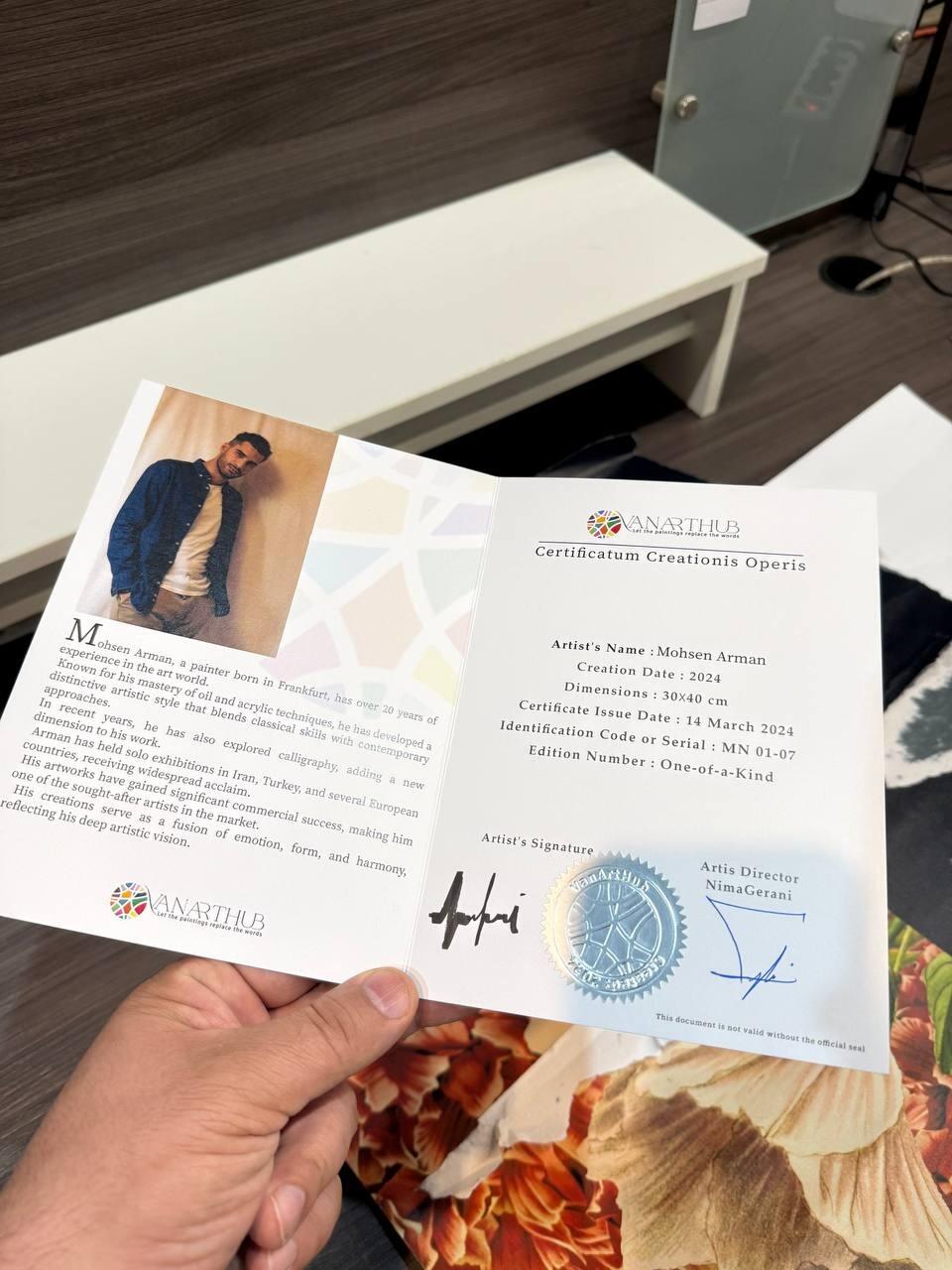
A materials list, provenance of key objects, and a certificate of authenticity |
The transformation row is the heart of it. The recurring weakness in this field is work that displays waste rather than transforming it, then asks the environmental story to stand in for craft. The strongest makers in the field need no such favour: their work would hold up even if you never learned what the materials used to be.
Practical questions before you buy
Found-object work brings practical concerns that paintings do not. Ask about weight and mounting: assemblages can be far heavier than they look, and some need specific wall anchors. Ask how to clean it, because dust settles into complex surfaces and some materials cannot be wiped. Ask whether any component can be repaired or replaced if it fails, and whether the artist will do it. Ask for the materials list in writing. An artist who has thought about these questions has usually thought about everything else too. The same discipline applies to any material claim in art; our guide to eco-friendly and natural art materials shows what careful material honesty looks like on the supply side.
Common questions
Does VanArtHub sell recycled or found-object art?
No. VanArtHub sells original signed paintings by living artists and does not carry recycled-material work. This guide exists because recycled art is part of the wider sustainable art conversation, and buyers deserve a plain-language way to judge quality in the field.
Is art made from recycled materials durable?
It depends entirely on the maker. Salvaged materials arrive already aged, so a careful artist stabilizes them: treating rust, sealing wood, and building solid joints. A careless one lets decay continue on your wall. Ask the artist how the piece will age over ten years; a confident, specific answer is the durability test.
Is recycled art automatically eco-friendly?
No. Reusing material avoids some new production, but adhesives, resins, finishes, transport, and framing all still have an impact. The material choice is a starting point, never a certification. Judge each claim on its specifics, the same way you would judge any environmental claim on any product.
What should I ask an artist before buying found-object art?
Ask for a written materials list, where the key objects came from, how the piece is fixed together, its weight and mounting needs, how to clean it, and what to do if a component fails. Artists who answer these questions easily tend to be the ones whose work lasts.
How should I care for found-object art at home?
Keep it out of direct sun and away from damp rooms, dust it gently with a soft brush rather than a cloth that can snag, and check joints and hanging hardware once a year. Follow any care instructions the artist provides, since materials vary too much for one rule to cover every piece.
If recycled art is your path, buy from artists who answer material questions plainly, and this field will reward you. If painting is your path, our original paintings collection is where to look, and the sustainable art hub maps everything in between.