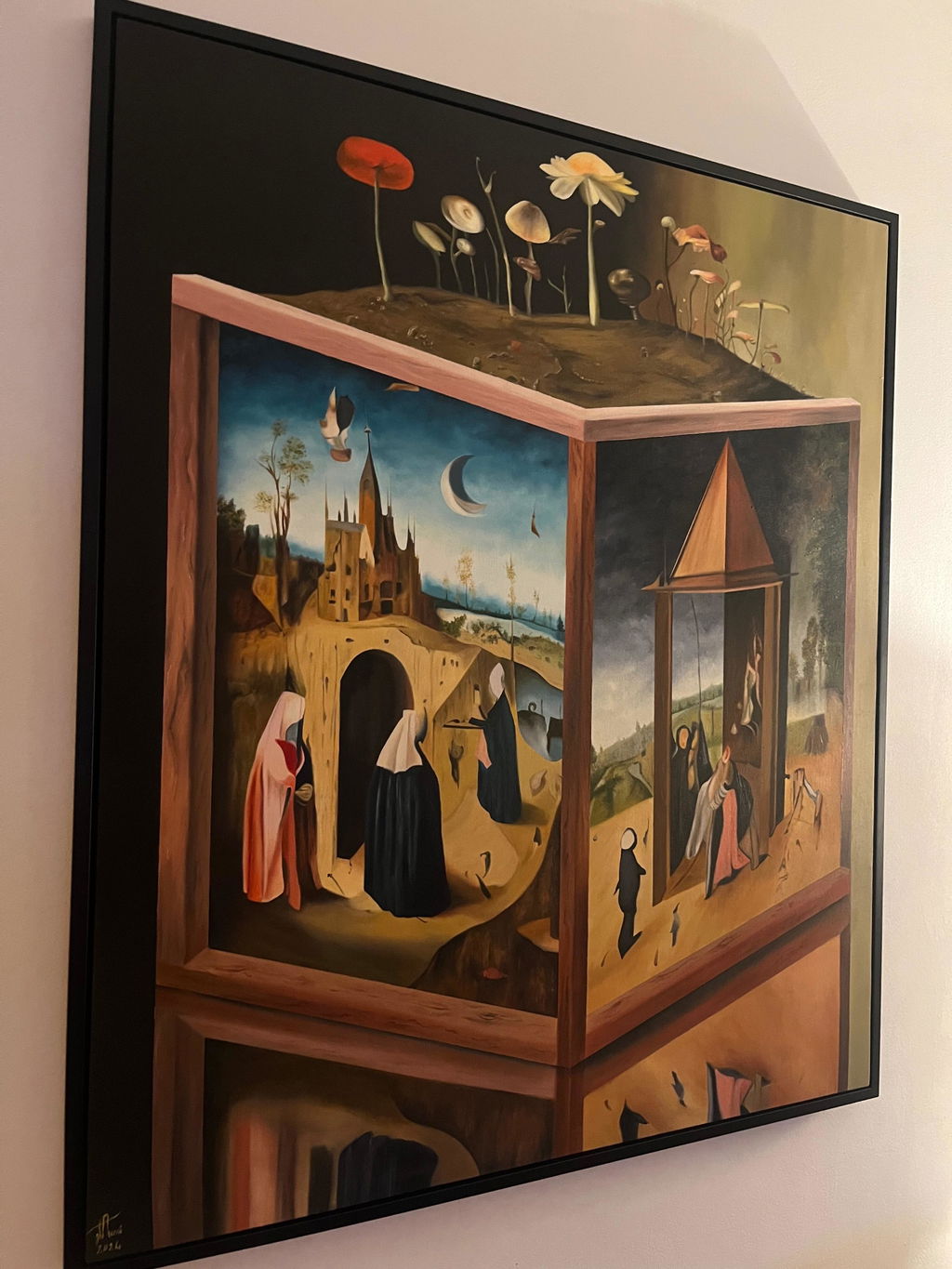
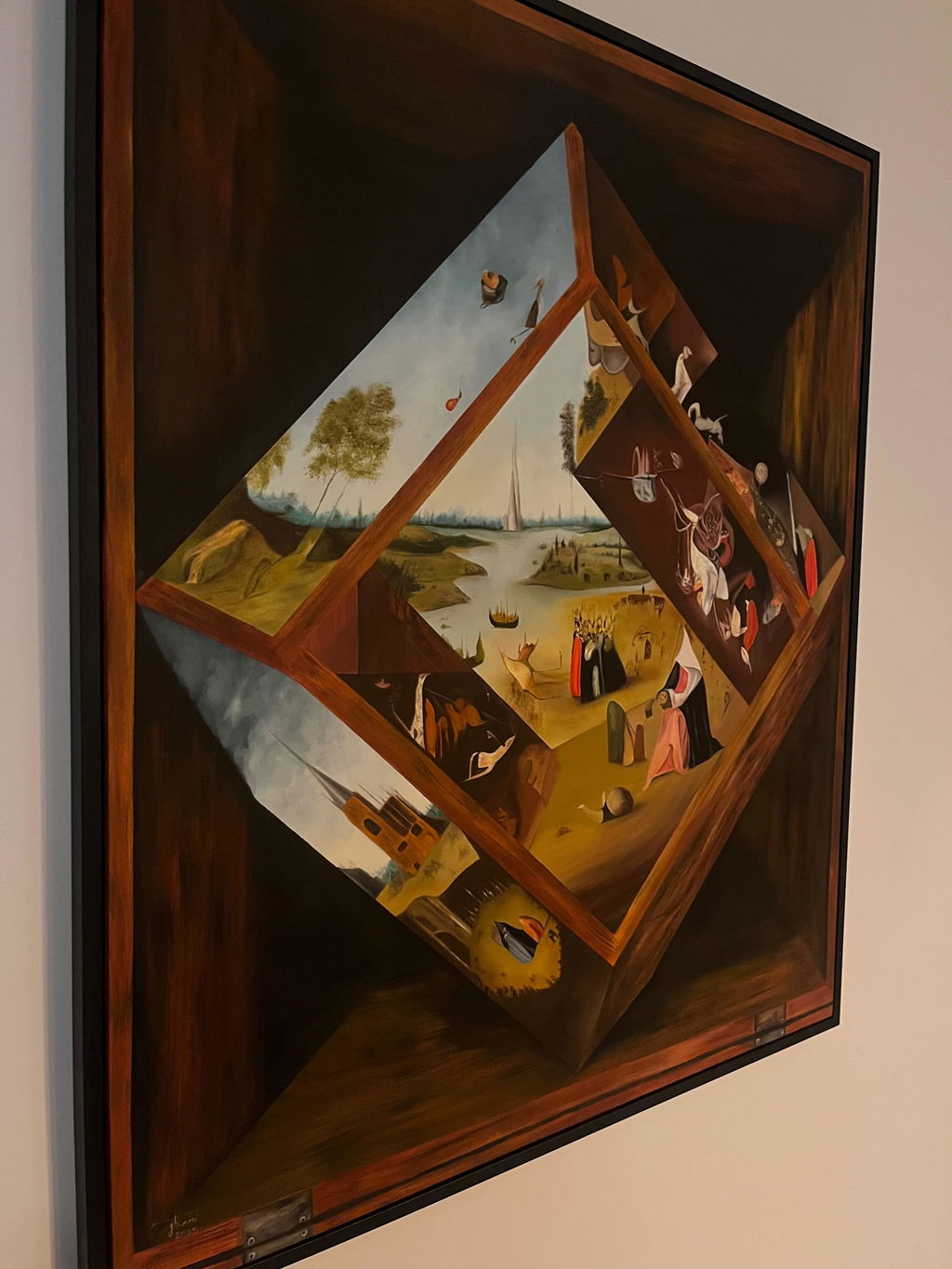
Think about the last time you stopped and looked at something for a long moment: a hill of trees at dusk, water moving slowly, a quiet room with good light. Many people describe that pause as restful. A painting on your wall can hold that pause and give it back to you every day, in the rooms where you slow down. This is a gentle idea, not a medical promise. We want to talk about it honestly.
Why art and nature are often described as calming
There is growing interest in how time with art and nature affects how we feel. Researchers increasingly suggest that looking at scenes of trees, water, and open sky is often described as restful, and many people find that a beautiful object in a room helps them slow their breathing and settle their thoughts. We will not overstate this. Art is not treatment, and we make no health claims. What we can say plainly is that a piece you love, in a spot you see often, gives you small moments of stillness during a busy day.
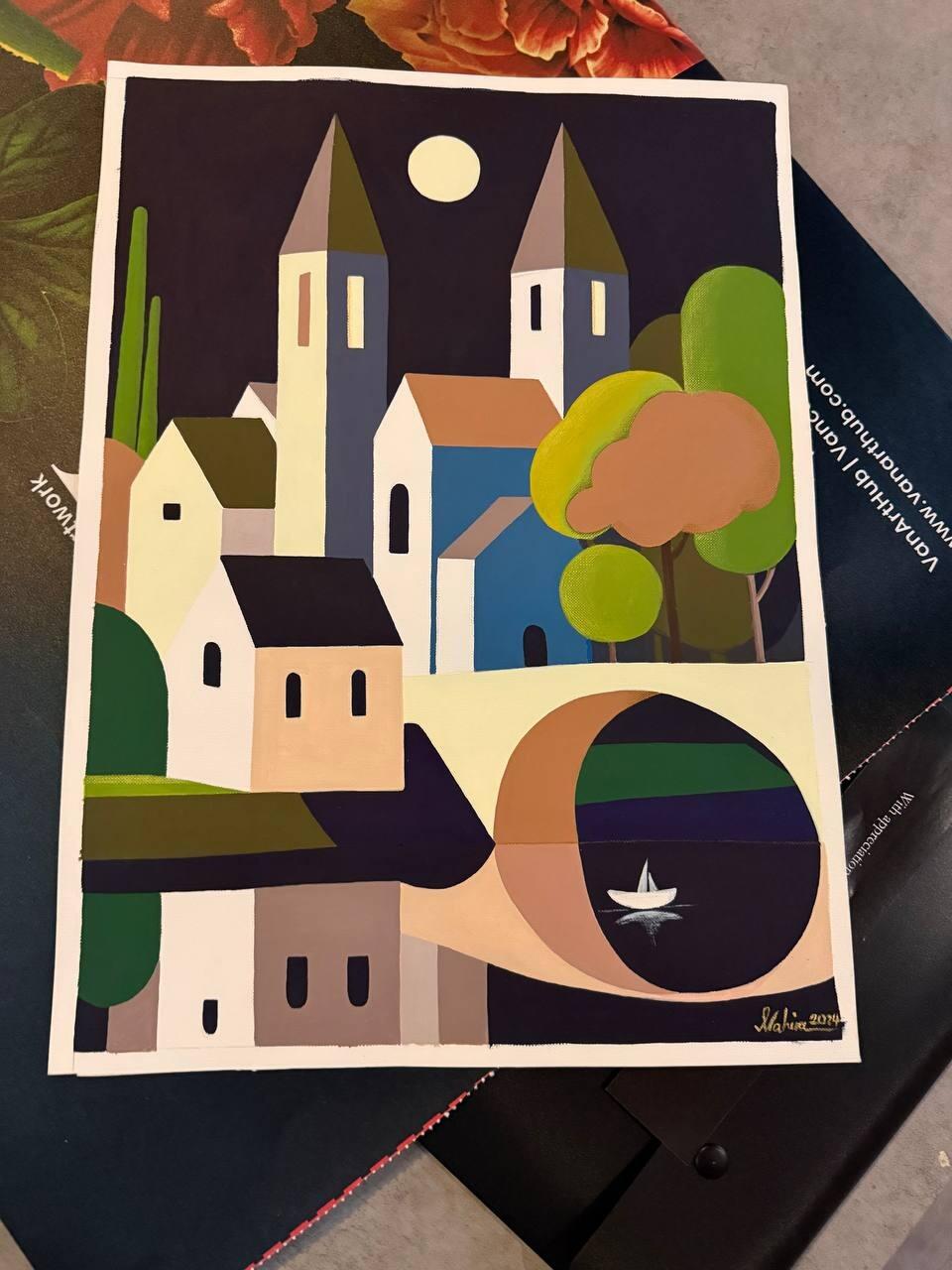
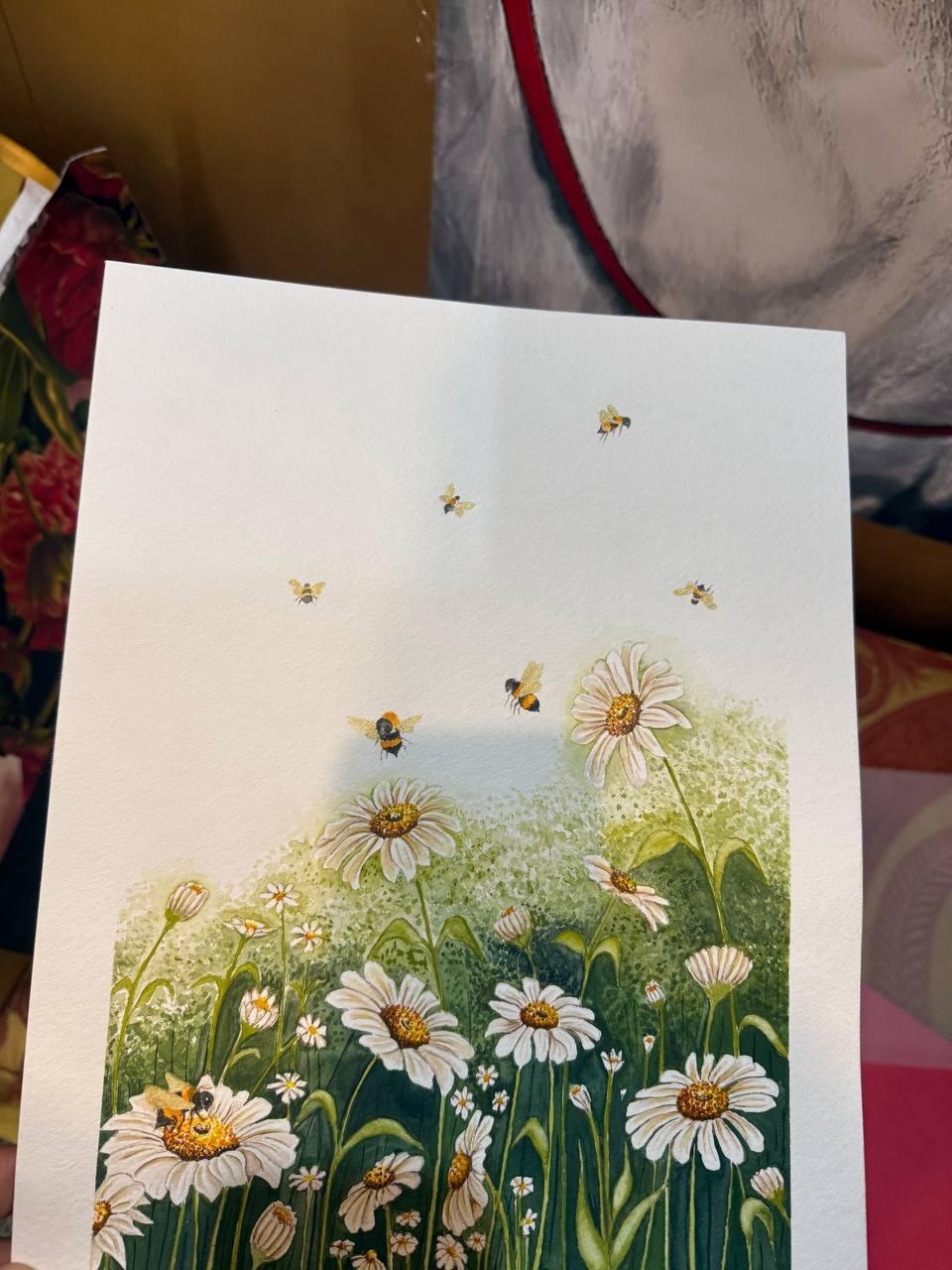
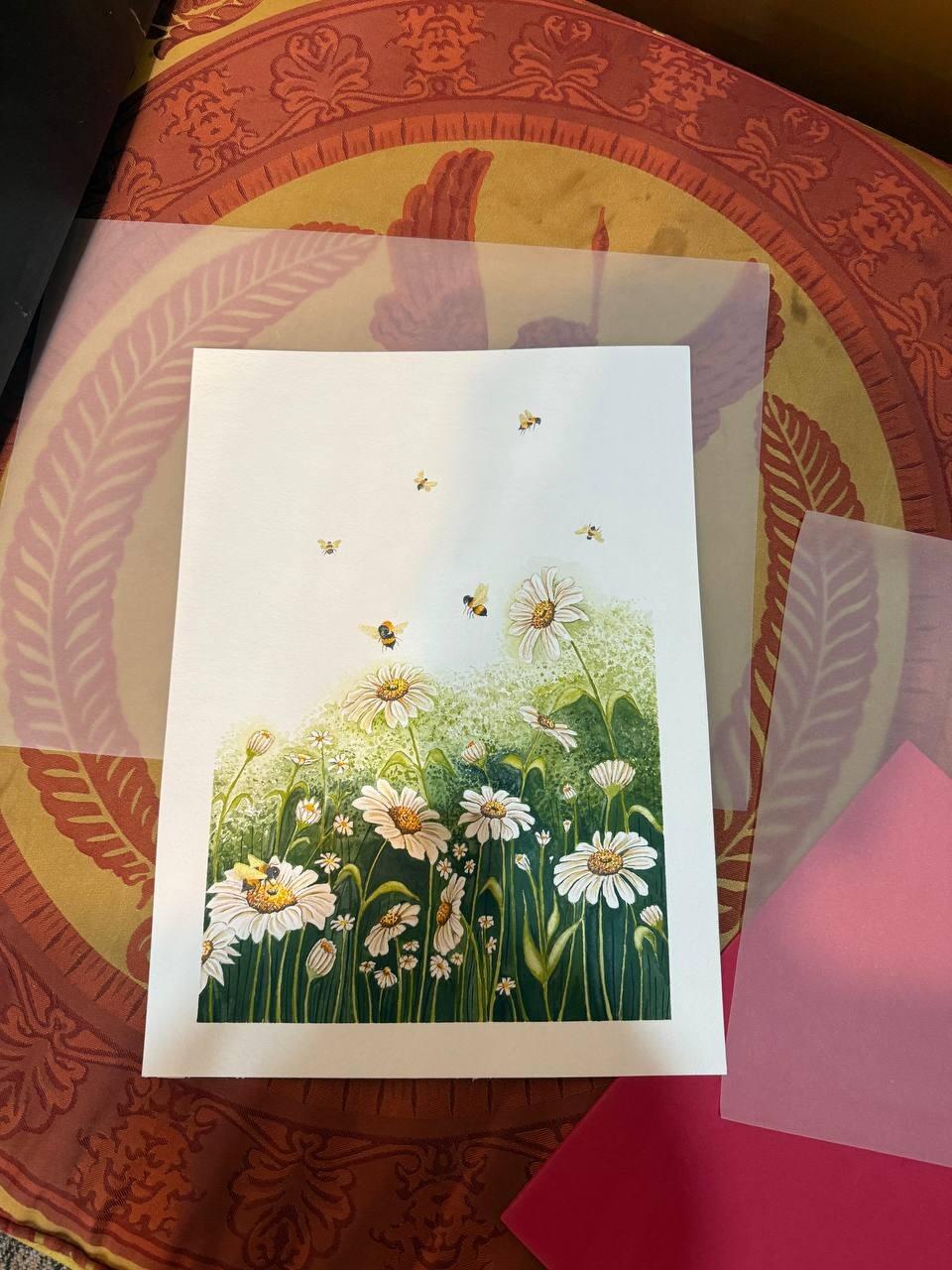
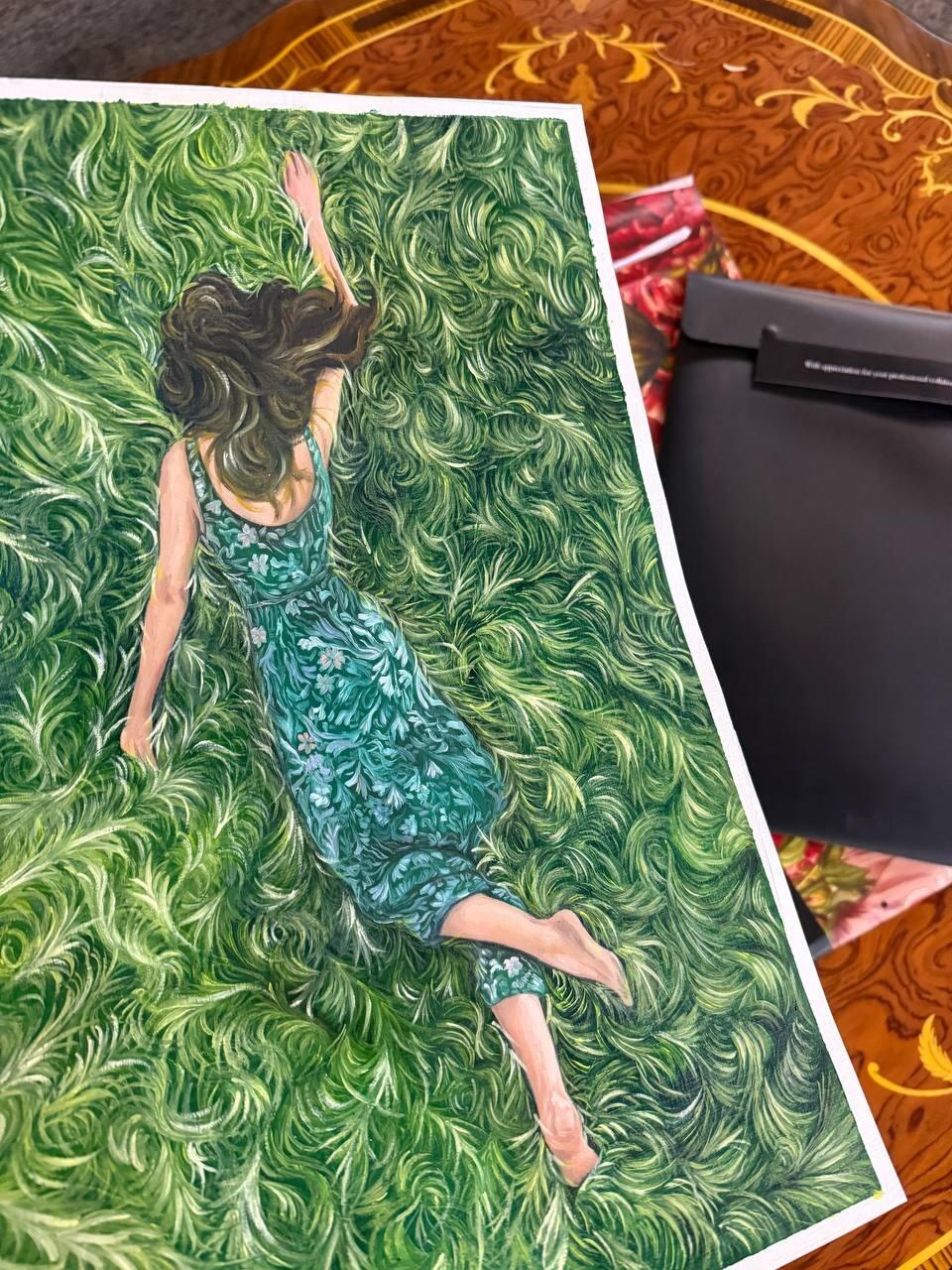
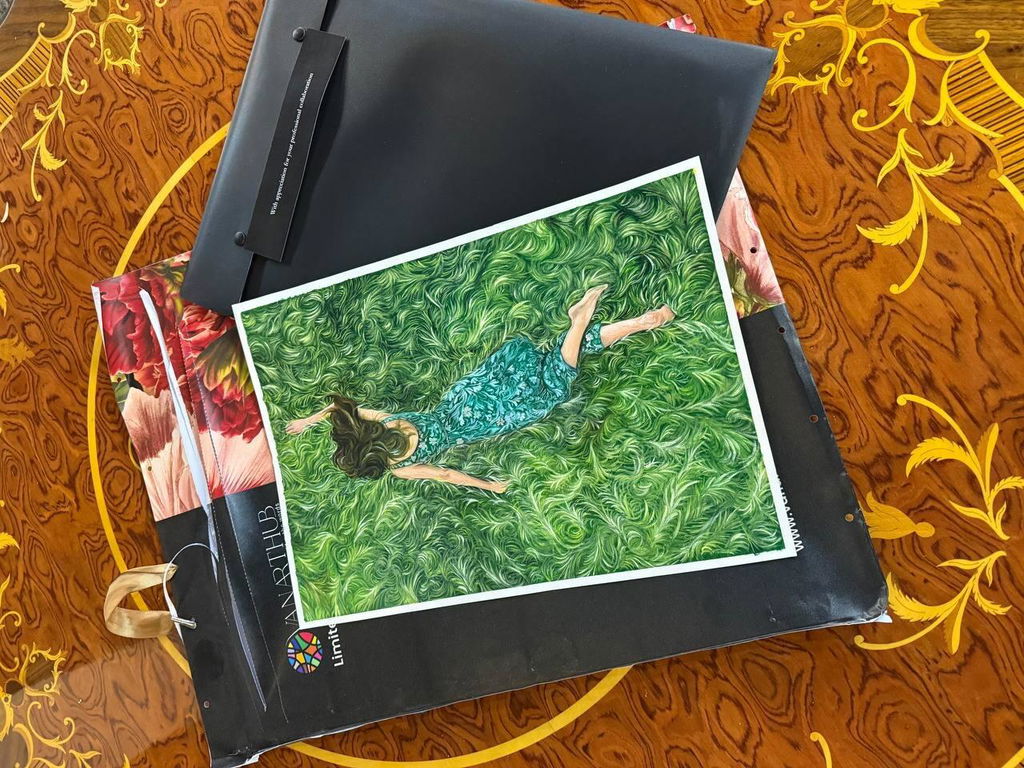
Different kinds of paintings do different things for the eye. A landscape can evoke calm and pull your attention outward, toward something wide and quiet. An abstract can invite curiosity, giving your mind a puzzle with no wrong answer. A quiet still life can slow the eye, because there is not much happening, so you rest on the shapes and the light. Nature and landscape subjects tend to feel the most restful of all. If a calm room is your goal, our nature paintings are a good place to begin.
Why an original does this better than a print
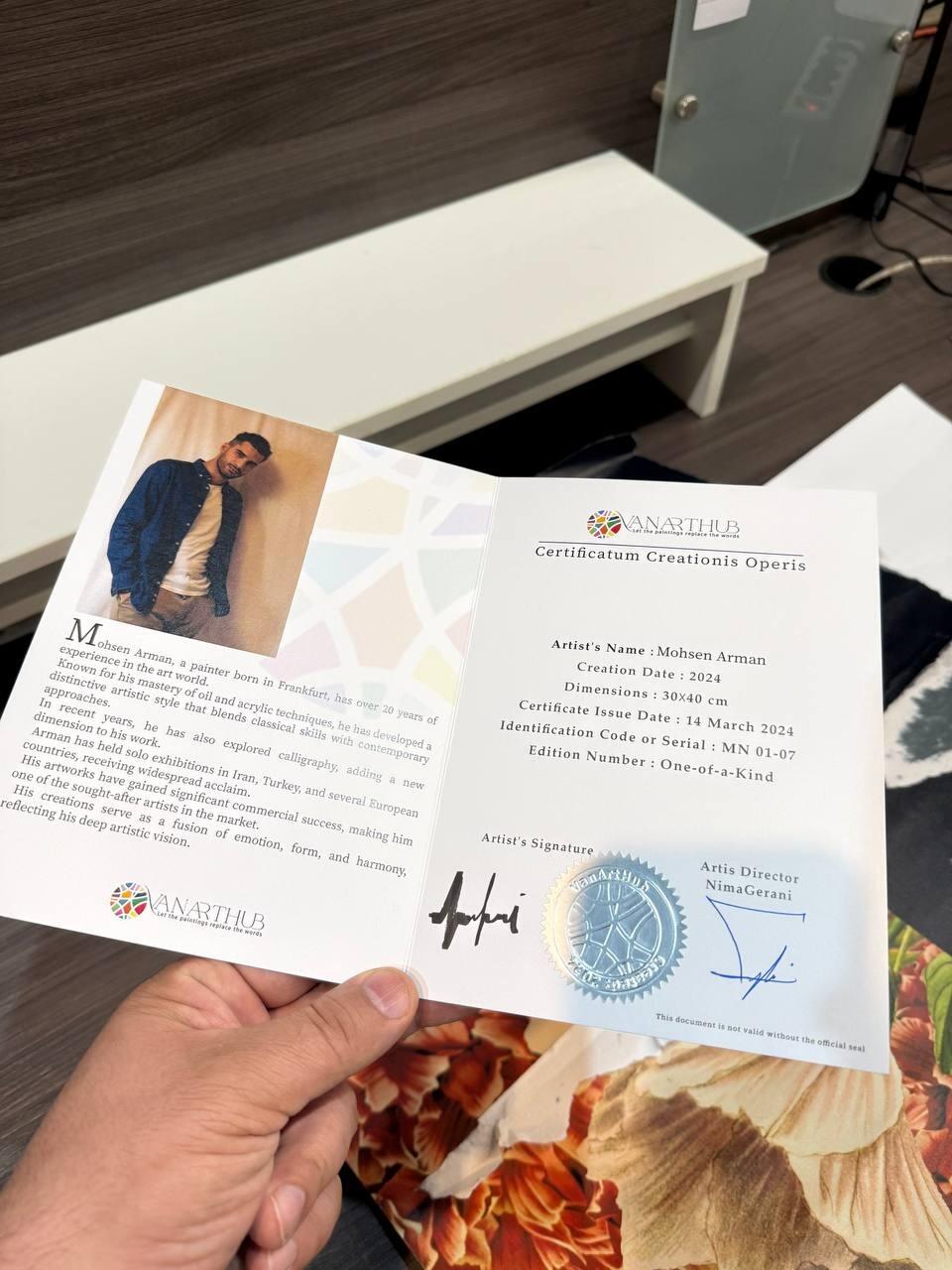
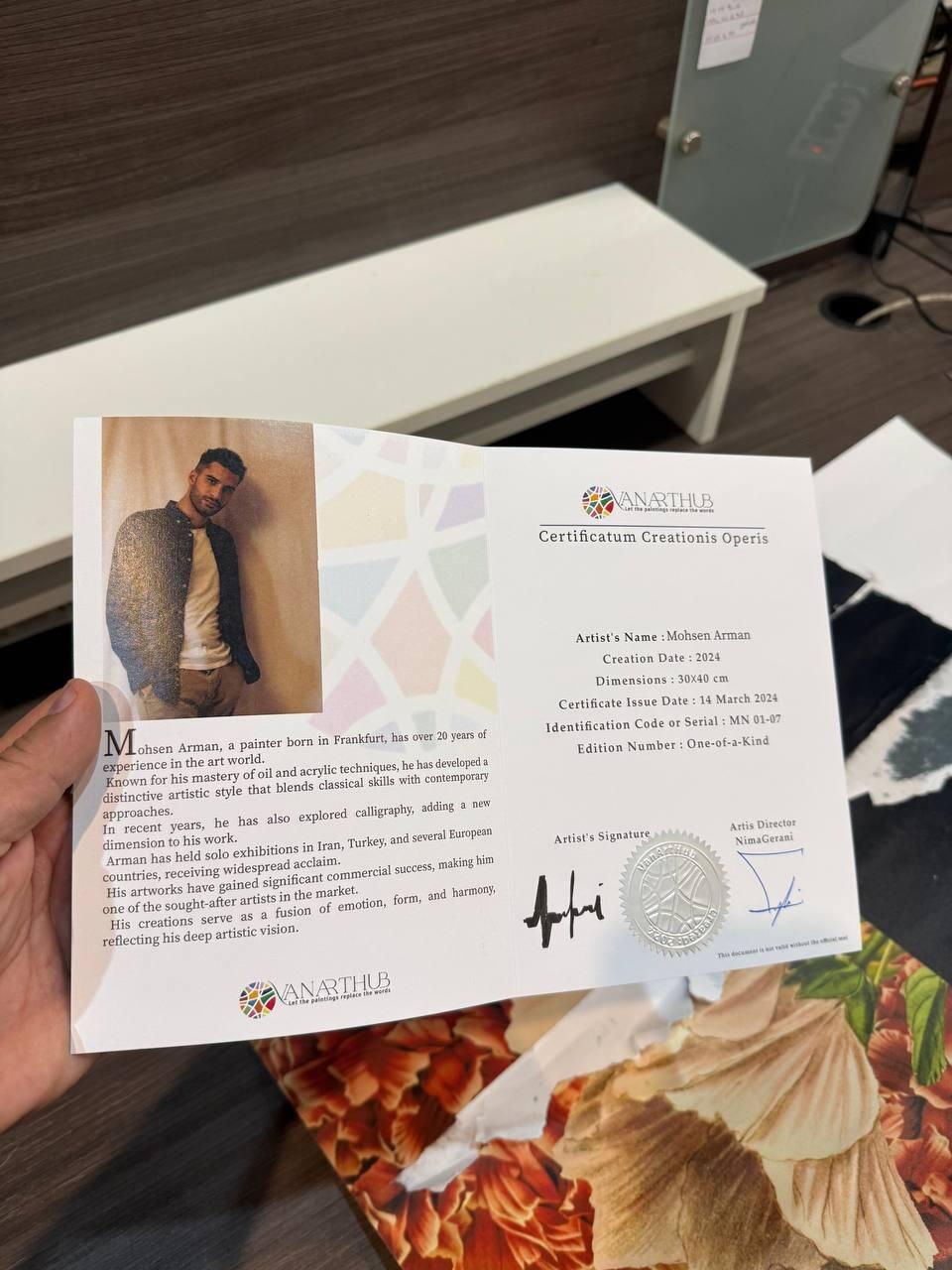
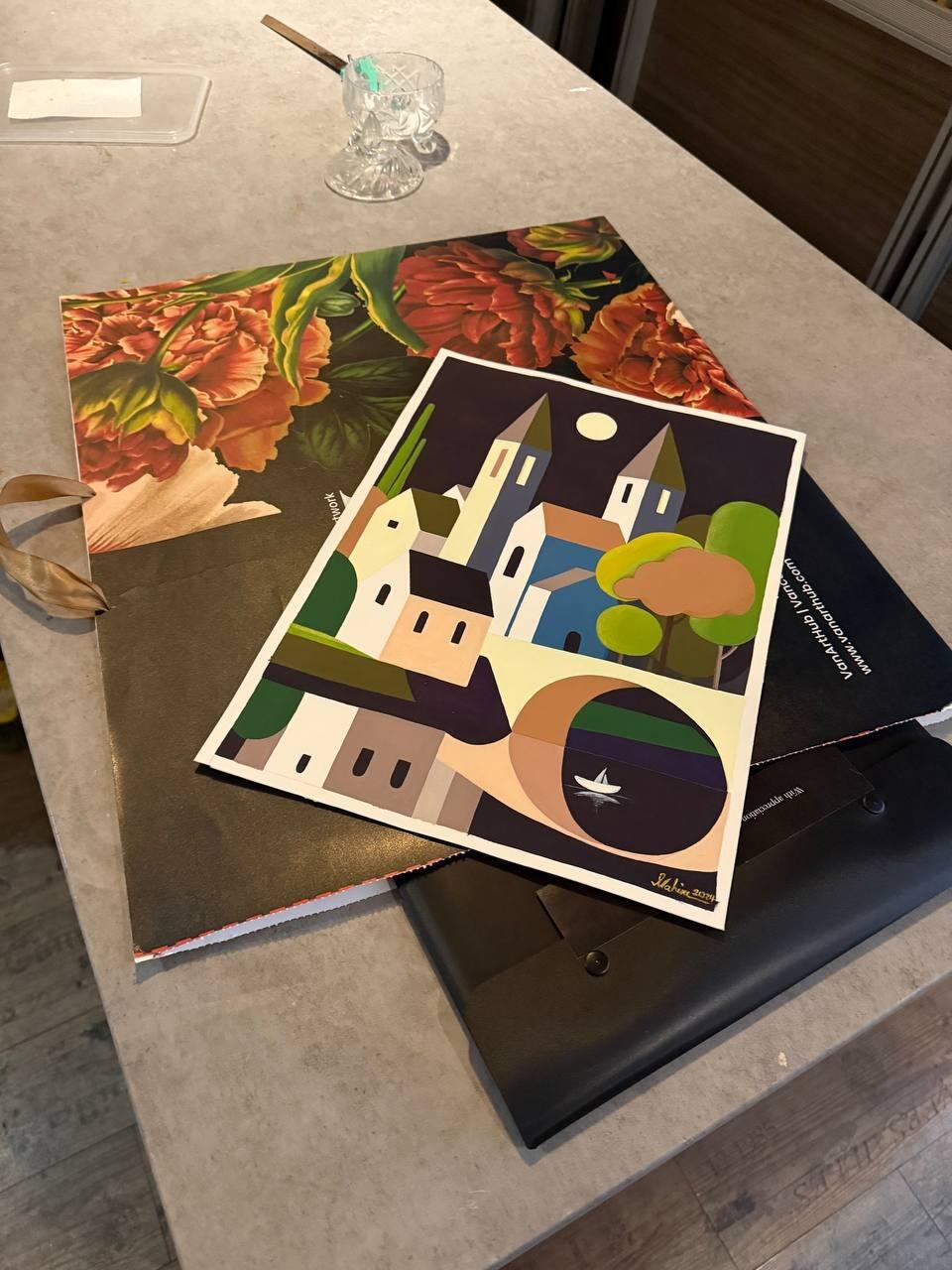
A print is a flat photograph of a painting, printed on paper or canvas by a machine. It shows you the image, and that is all it can do. An original signed painting is a physical object with texture, depth, and presence. You can see the ridges where the brush moved, the places the artist built up thick paint and the places they left it thin. Light falls across that surface and changes through the day.
This matters for calm and reflection because a flat image gives you everything at once and then has nothing more to show. An original rewards repeated looking. You notice a small mark you missed for a month. The color of the sky shifts as afternoon light crosses it. This slow reveal is exactly the kind of quiet attention many people find restful, and a print cannot offer it in the same way. If you want to read more on this, see our page on original art versus prints.
Where to place art for calm at home
The best spot for a calming piece is somewhere you already slow down. A bedroom, a reading corner, the chair where you drink your coffee, the wall you face when you sit to rest. These are the places a quiet painting earns its keep, because you see it in the moments you are not rushing.
Soft palettes suit these spaces well. Greens feel close to nature and steady. Blues feel cool and open, like water or sky. Neutrals stay quiet and let the room breathe. You do not need a loud, bright piece in a room meant for rest. Our green paintings and blue paintings are easy places to look for these calmer tones.
Rooms and moments, and the kind of piece that suits each
| Room or moment |
Kind of piece that suits it |
| Bedroom |
A soft landscape or a quiet abstract in muted greens, blues, or neutrals. Nothing busy. |
| Reading corner or armchair |
A small still life or a calm nature scene you can look at up close, at eye level. |
| The spot you face when you rest |
A wider landscape that pulls the eye outward and gives a sense of open space. |
| A slow morning space, like a coffee corner |
Warm neutrals or gentle greens. Something that feels steady, not stimulating. |
| A hallway you pass often |
An abstract that invites curiosity and shows you something new on each pass. |
Choosing one piece you keep, instead of churning through decor
There is a calmer, lower-waste way to think about the art in your home. Instead of buying cheap prints and swapping them every few seasons, you choose one original you truly love and keep it for years. A hand-made painting is built to last for decades. It does not fade with a trend and end up in the bin.
This is honest sustainability, and it is one of the few real things we can promise. Our paintings are originals, not mass-produced prints churned out to be thrown away. Because each one is made to last, it stays in use instead of becoming waste. And if your walls or your taste change, our Lifetime Trade-Back lets you return any painting in good condition, any time, for store credit, so it moves to another home rather than to landfill. A settled home with one piece you love is calmer than a home you keep redecorating. You can read more about this in living with sustainable art.
Key takeaways
- Many people find that time with art and nature feels restful. This is a wellbeing idea, not a medical claim, and we do not treat it as one.
- Landscapes tend to feel calm, abstracts invite curiosity, and quiet still lifes slow the eye. Nature subjects are usually the most restful.
- An original has texture, depth, and presence that reward repeated looking. A flat print shows the image once and has no more to reveal.
- Place calm pieces where you slow down: bedrooms, reading corners, the spot you face when you rest. Soft greens, blues, and neutrals suit these rooms.
- Choosing one original you love and keeping it for years is calmer for the home and lower waste than churning through cheap decor.
- Every VanArtHub piece ships with a 14-day trial, so you can live with it in the actual room before you decide.
Frequently asked questions
Can art really help me relax at home?
Many people find that a piece they love, in a room where they slow down, gives them small moments of stillness and reflection. Researchers increasingly suggest that art and nature imagery are often described as calming. We frame this honestly. It is a wellbeing idea, not a medical treatment or a health promise.
Which subjects feel the most calming?
Nature and landscape subjects tend to feel the most restful, because scenes of trees, water, and open sky pull the eye outward toward something quiet. A quiet still life slows the eye too. Abstracts invite curiosity rather than calm. For restful pieces, start with our nature collection.
Why does an original feel different from a print for this?
An original has texture, depth, and real presence, so light moves across the surface and you notice new details over time. This slow reveal is the kind of quiet attention many people find restful. A flat print shows the image once and then has nothing more to offer the eye.
What colors work best for a calm room?
Soft greens, blues, and neutrals tend to feel the calmest. Greens feel close to nature and steady, blues feel cool and open like water or sky, and neutrals stay quiet so the room can breathe. Loud, bright pieces are better suited to rooms meant for energy, not rest.
Where should I hang a calming painting?
Hang it somewhere you already slow down: a bedroom, a reading corner, or the wall you face when you sit to rest. These are the spots where a quiet piece earns its place, because you see it in the moments you are not rushing through your day.
Can I try a piece in my room before I commit?
Yes. Every VanArtHub painting ships with a 14-day trial. You live with it on your own wall, in the real light of the room, and if it does not feel right you return it within 14 days for a full refund. We pay the return shipping, so there is no risk in trying.
How is buying one original the calmer, lower-waste choice?
Instead of swapping cheap prints every few seasons, you choose one original built to last for decades and keep it. It stays in use rather than becoming waste. Our Lifetime Trade-Back lets you return any painting in good condition for store credit, so it moves to another home instead of landfill.
VanArtHub is an online gallery in Vancouver, selling original, signed, one-of-a-kind paintings by independent Vancouver artists, never prints or reproductions. If a calmer home is what you are after, start with our nature paintings, read the pillar on sustainable art, and see how it works day to day in living with sustainable art.