A surrealist painting shows the world the way a dream shows it: real things, painted clearly enough to recognise, put together in a way that could not happen when you are awake. Surrealism started in Paris in 1924, when the poet André Breton published the Manifesto of Surrealism and defined it as "pure psychic automatism", the recording of thought with no control from reason. The painters who joined him never settled on one style. Salvador Dalí and René Magritte painted dream images in sharp, realistic detail, while Joan Miró and André Masson let the hand move without a plan and made pictures close to abstraction.
This guide is for people who want to own a surrealist painting made today. It explains what the style is, how the two main approaches differ, what still makes a new painting surrealist, and how to choose one for a room you live in. Each section leads to a longer page in this guide.
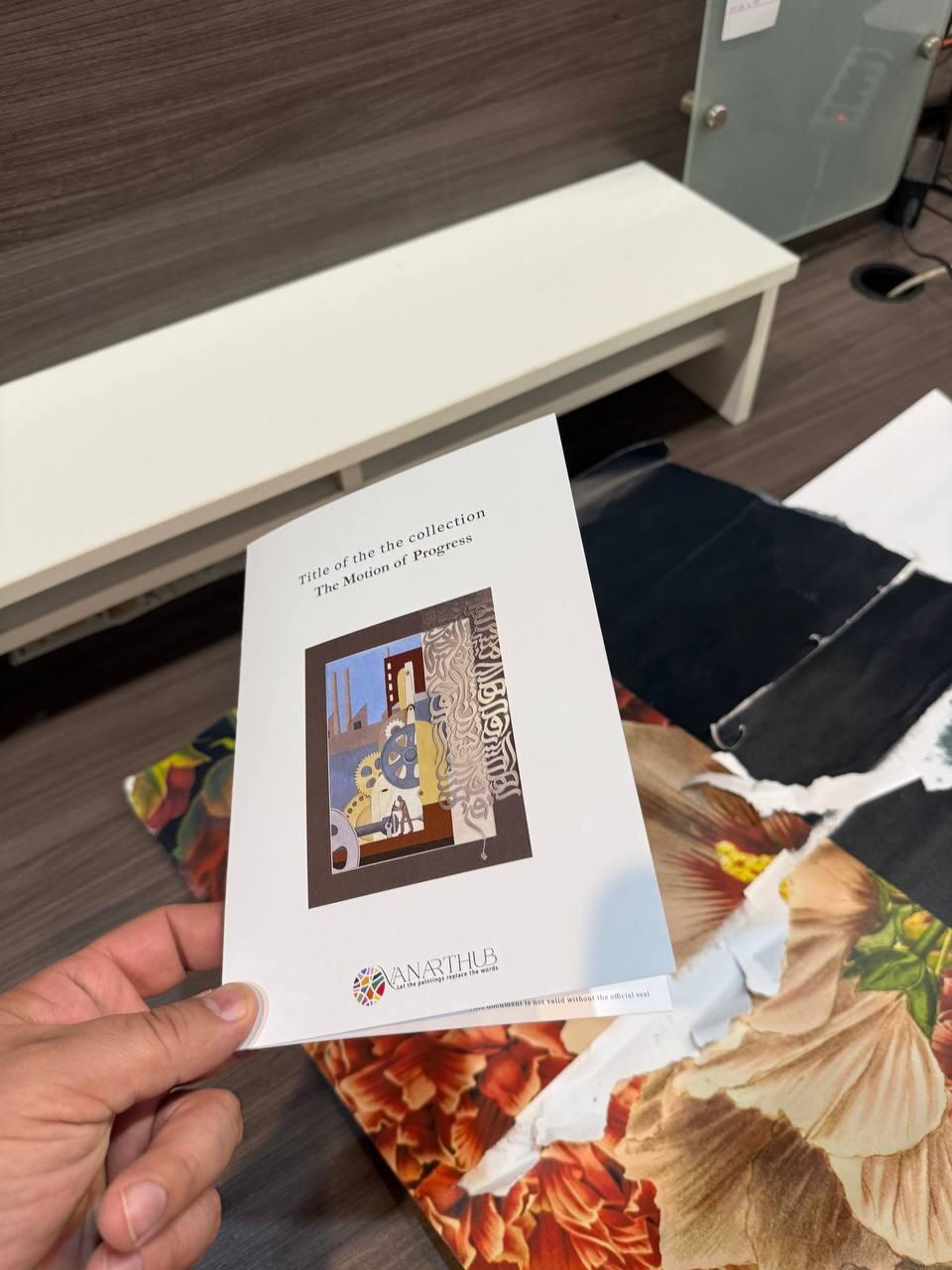
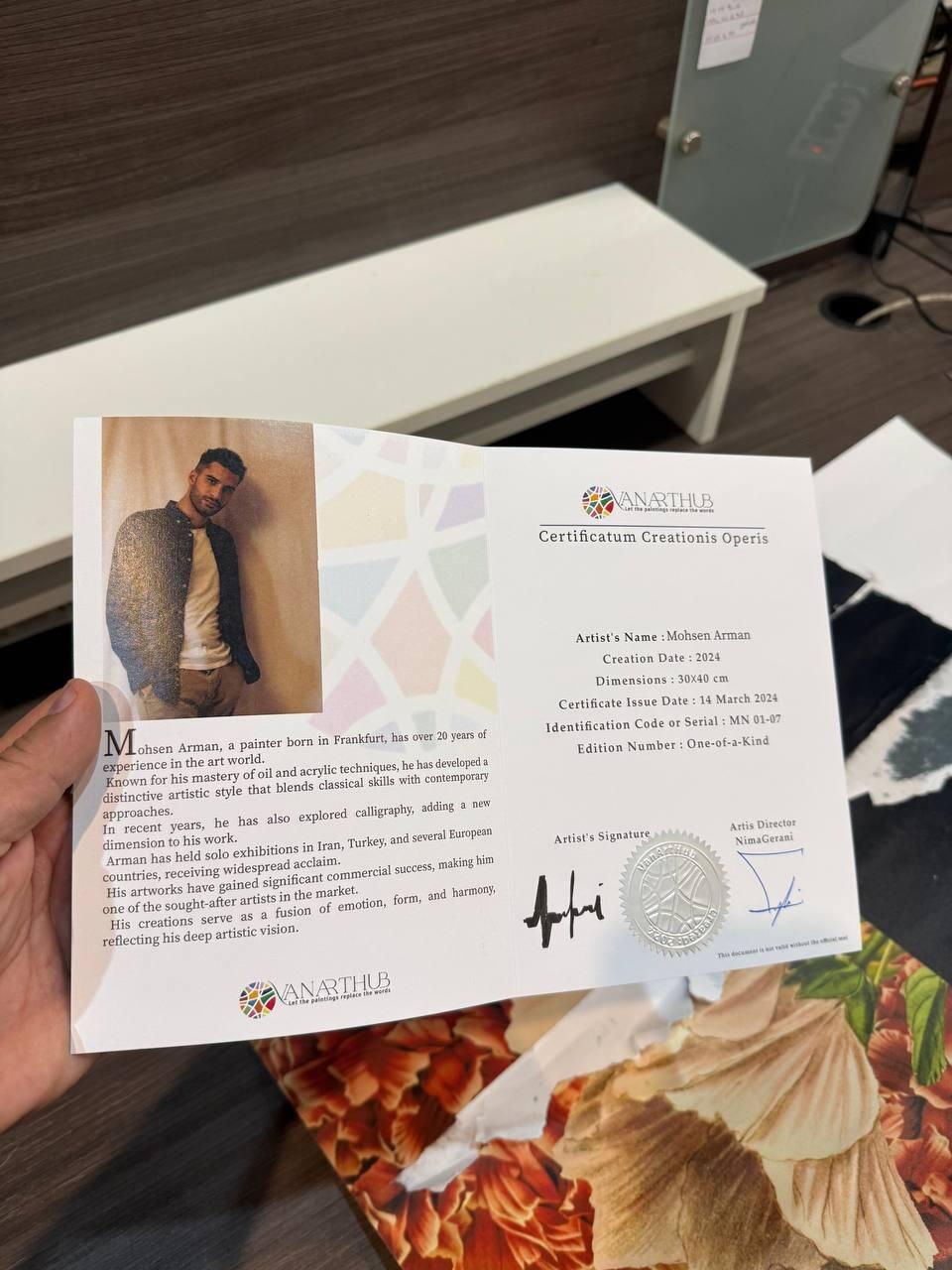
We are a gallery in Vancouver, and every painting in our surrealism collection is a signed, one-of-a-kind original sold with a Certificate of Authenticity. We say where our own work fits near the end of this page, and we say plainly where a surrealist painting is the wrong choice.
Key takeaways
- André Breton published the Manifesto of Surrealism in Paris in 1924 and defined surrealism as "pure psychic automatism".
- The first surrealist exhibition opened at the Galerie Pierre in Paris on 14 November 1925, with work by Max Ernst, Joan Miró, André Masson, Paul Klee, Pablo Picasso and others.
- Tate describes two directions inside surrealism: artists who painted dream imagery in realistic detail, and artists who used automatic techniques to make abstract work.
- Salvador Dalí painted The Persistence of Memory in 1931, and the Museum of Modern Art in New York has held it since it was given anonymously in 1934.
- The 2022 Venice Biennale took its title, The Milk of Dreams, from a book by the surrealist Leonora Carrington, which shows how present the movement still is in contemporary art.
What is a surrealist painting?
The word came before the movement. Tate records that the French poet Guillaume Apollinaire coined "surrealist", meaning "beyond reality", in the preface to a play performed in 1917. Breton gave the word its program seven years later. His 1924 manifesto described surrealism as the "dictation of thought in the absence of all control exercised by reason, outside of all aesthetic and moral preoccupation". Put simply, the surrealists wanted art to come from the part of the mind that works in dreams, jokes, fears and chance, before good sense edits it.
The Metropolitan Museum of Art traces the movement's roots to the psychological theories and dream studies of Sigmund Freud. That link explains the feeling a surrealist painting gives. Tate's glossary uses the word "uncanny" for it, a term Freud developed in a 1919 essay: the strange, anxious feeling that comes when something familiar appears in a place where it does not belong. A clock is ordinary. A clock that droops over a branch like a wet cloth is uncanny, and that small shock is what a good surrealist painting is built to produce.
So a painting is surrealist when its strangeness has a source inside the mind: a dream, a memory, a fear, a desire, or a process that let chance decide. A painting that simply looks odd, with no inner reason, is closer to fantasy illustration. For short definitions of this and related terms, see our art glossary.
The two main approaches: dream pictures and automatic pictures
Tate's display of international surrealism at Tate Modern puts the split in two sentences: "Some artists depicted the imagery of dreams in highly realistic detail. Others used 'automatic' techniques to make abstract works, without preparing themes or correcting mistakes." The Met's essay on surrealism describes the same divide, between the "visual automatism" of Masson and Miró and the "illusionistic Surrealism" of Dalí, Paul Delvaux and Yves Tanguy.
Dream images painted with precision
In the first approach, the painter plans the picture and uses a careful technique so that an impossible scene looks solid and believable. The Persistence of Memory, which Dalí painted in 1931 and which hangs at the Museum of Modern Art, is the clearest example. MoMA's text says the hard objects "become inexplicably limp", and quotes Dalí calling his soft watches "the camembert of time". The distant golden cliffs are the coast of Catalonia, Dalí's home, so one real place sits inside the dream.
Magritte worked in the same direction with a flatter, plainer finish. His The Treachery of Images of 1929, at the Los Angeles County Museum of Art, shows a pipe above a line of French text that translates as "This is not a pipe". LACMA says the painting is presented in the style of an advertisement and questions the habit of treating a picture of an object as the object itself. Our page on how to read a surrealist painting works through images like these one step at a time.
Automatic pictures that start from chance
In the second approach, the painter starts without a plan and lets the hand, the paint or the surface suggest the image. The Met describes Masson's free-association drawings of 1924 as "curving, continuous lines out of which emerge strange and symbolic figures", and says Breton considered them akin to his own automatic poetry. Miró painted The Birth of the World in 1925, and MoMA holds it today.
Max Ernst invented several tools for letting chance in. Tate explains that from 1925 he laid paper over an old wooden floor and rubbed it with soft pencil, a method called frottage, and later adapted the idea to oil paint by scraping paint over textured objects, which he called grattage. Tate also credits Ernst and Oscar Dominguez with decalcomania, where paint is pressed between two surfaces and pulled apart, leaving a pattern the artist then turns into creatures or scenery.
The two approaches in surrealist painting compared
| Question |
Dream images painted with precision |
Automatic, chance-based painting |
| How the image is made |
Planned in advance, then painted with careful, often smooth technique |
Started without a plan; the hand, the paint or a rubbed or scraped surface suggests the forms |
| What you see |
Recognisable people, objects and places in an impossible arrangement |
Loose lines, stains and shapes that may turn into figures or stay abstract |
| Painters named in the Met and Tate texts |
Salvador Dalí, René Magritte, Yves Tanguy, Paul Delvaux |
Joan Miró, André Masson, and Max Ernst in his frottage and grattage work |
| A museum example |
The Persistence of Memory, Dalí, 1931, Museum of Modern Art, New York |
The Birth of the World, Miró, 1925, Museum of Modern Art, New York |
| What to check when buying one today |
Drawing, finish and whether the impossible part looks convincing up close |
Surface, colour and whether the chance marks were developed with judgement |
For a first surrealist purchase we lean towards the first approach, because the pictures reward a long look and carry a story you can talk about. The automatic approach suits people who already like abstract painting. Tate notes that the abstract expressionists in New York were inspired by the surrealist idea that art should come from the unconscious mind, and by Miró's automatism, so a gestural abstract painting on your wall has a documented link to surrealism.
What makes a painting surrealist today?
Tate says surrealism "never became a shared artistic style" and that its ideas have been adapted to many places and cultures over the 100 years since the manifesto. Two major exhibitions show that the ideas are still active. The 2022 Venice Biennale, curated by Cecilia Alemani, took its title, The Milk of Dreams, from a book by Leonora Carrington, and one of its rooms was built around women artists of the early avant-garde, among them Carrington, Leonor Fini, Dorothea Tanning and Remedios Varo. From 4 September 2024 to 13 January 2025 the Centre Pompidou in Paris marked the manifesto's centenary with an exhibition that placed Breton's original manuscript at its centre.
When we look at a new painting, we ask whether it does what the movement asked for, whatever the date on the back. In practice that means we look for these things:
- Something in the picture that could not happen, painted with enough care that you believe it for a moment.
- A reason for the strangeness that comes from inside: a memory, a fear, a private symbol, a dream the artist can talk about.
- Details that repay a second and third visit, so the painting keeps changing as you live with it.
Many of the surrealist paintings we carry put the human figure at the centre, which is why our page on figurative painting sits in this guide. The movement's history is short and well documented: our short history of surrealist painting runs from the 1924 manifesto to New York in the 1940s, and our page on women surrealist painters covers Carrington, Varo, Tanning, Fini and Kay Sage.
Where surrealist painting went after Paris
The movement spread through exhibitions. The first, titled Surrealist Painting, opened at the Galerie Pierre in Paris on 14 November 1925. In June 1936 the International Surrealist Exhibition at the New Burlington Galleries in London drew more than 23,000 visitors in three weeks, according to Tate. On 9 December 1936 the Museum of Modern Art in New York opened Fantastic Art, Dada, Surrealism, which ran to 17 January 1937 and included The Persistence of Memory.
When war reached Europe, the Met records that Breton, Dalí, Ernst, Masson and Matta left for New York. On 14 October 1942 an exhibition called First Papers of Surrealism opened in a Manhattan mansion. Tate Papers describes it as the first major exhibition of surrealist art in the United States, with work by more than thirty artists and an installation by Marcel Duchamp that threaded a "mile of string" through the rooms.
Surrealism has one more branch that interests many of our collectors: the old Persian tradition of painted manuscripts, with its flattened space and impossible scenes. Our page on surrealism and Persian painting sets out which comparisons the sources support and which they do not.
How to choose a surrealist painting for your home
Buy the image you keep thinking about a week after you first saw it. That is our firmest advice, and it matters more with surrealism than with any other style we sell. A calm painting can be chosen to match a sofa. A strange one has to be chosen because it holds your attention, since it will set the mood of the room it hangs in.
Then check the practical questions in this order:
-
The room. An unsettling image suits a study, a hallway or a living room where people talk. It suits a bedroom or a child's room less often. Our page on living with surrealist art gives our view room by room, and our Canadian surrealist art guide covers placement on a single focal wall.
-
The scale. Detail is what makes precise surrealist painting work, so a small painting can be the right choice if you will see it at close range.
-
The medium. Oil, acrylic and coloured pencil age differently and cost differently to make. Our page on collecting contemporary surrealism explains how to judge drawing, finish and condition, and what to ask before you pay.
-
The artist's own account. Ask what the painting means to the person who made it. A surrealist painter with a real reason for the image can usually tell you, and that conversation becomes part of the painting's history.
A surrealist painting is the wrong buy if you want every guest to feel at ease, or if you are choosing for someone else whose taste you do not know well. We would rather you buy a quiet painting you love than a surreal painting you only admire.
How our surrealist paintings fit in
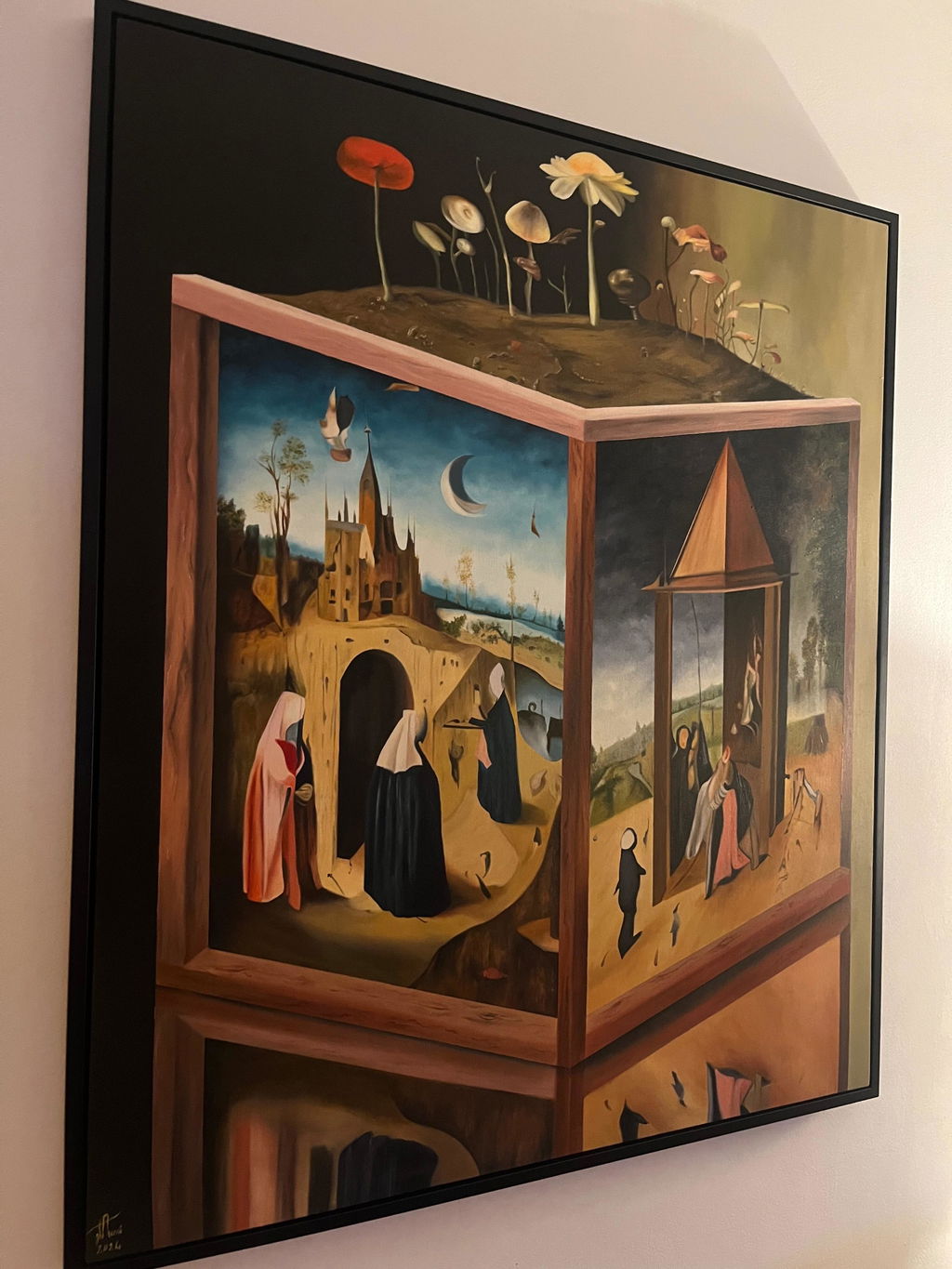
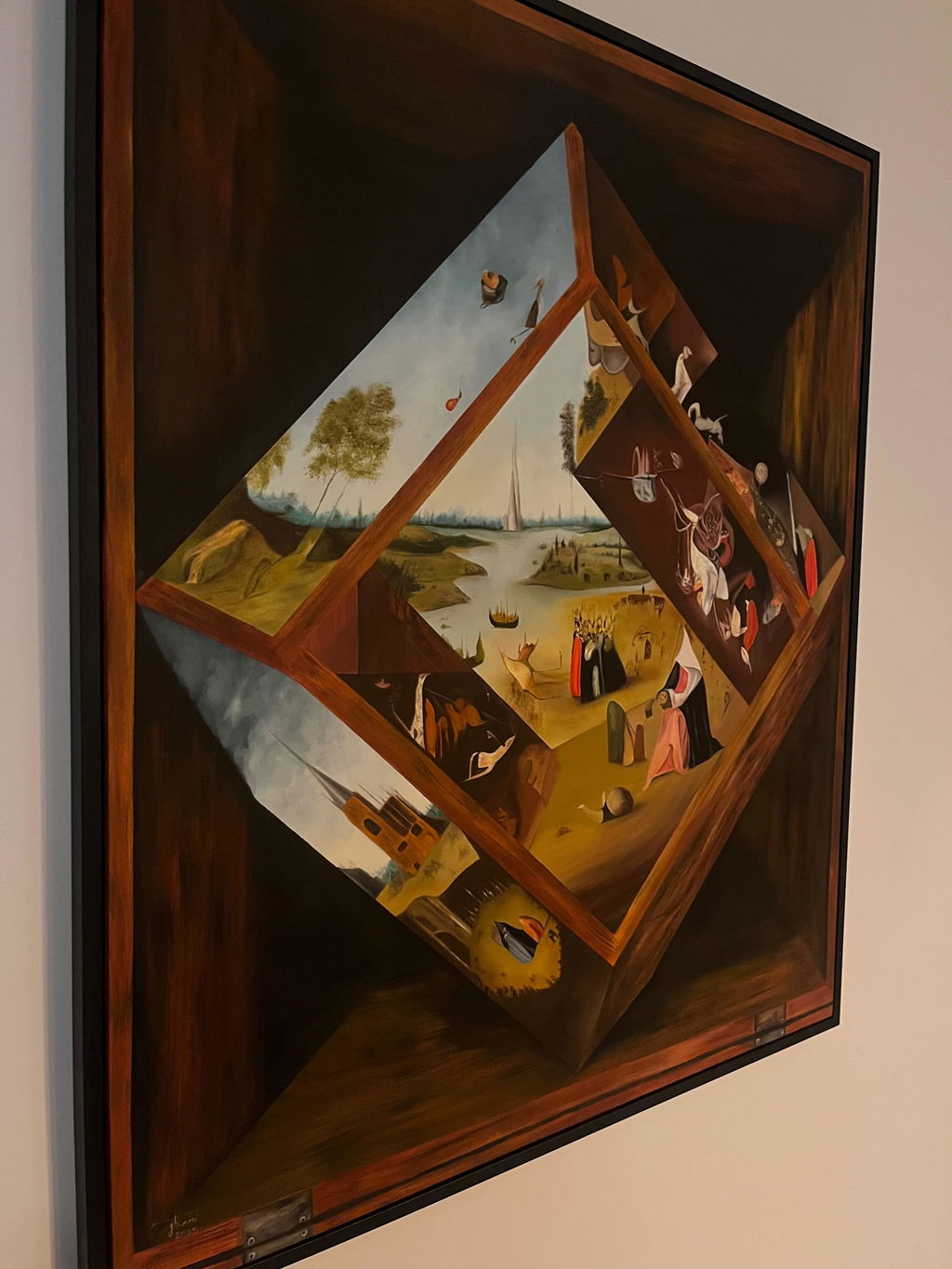
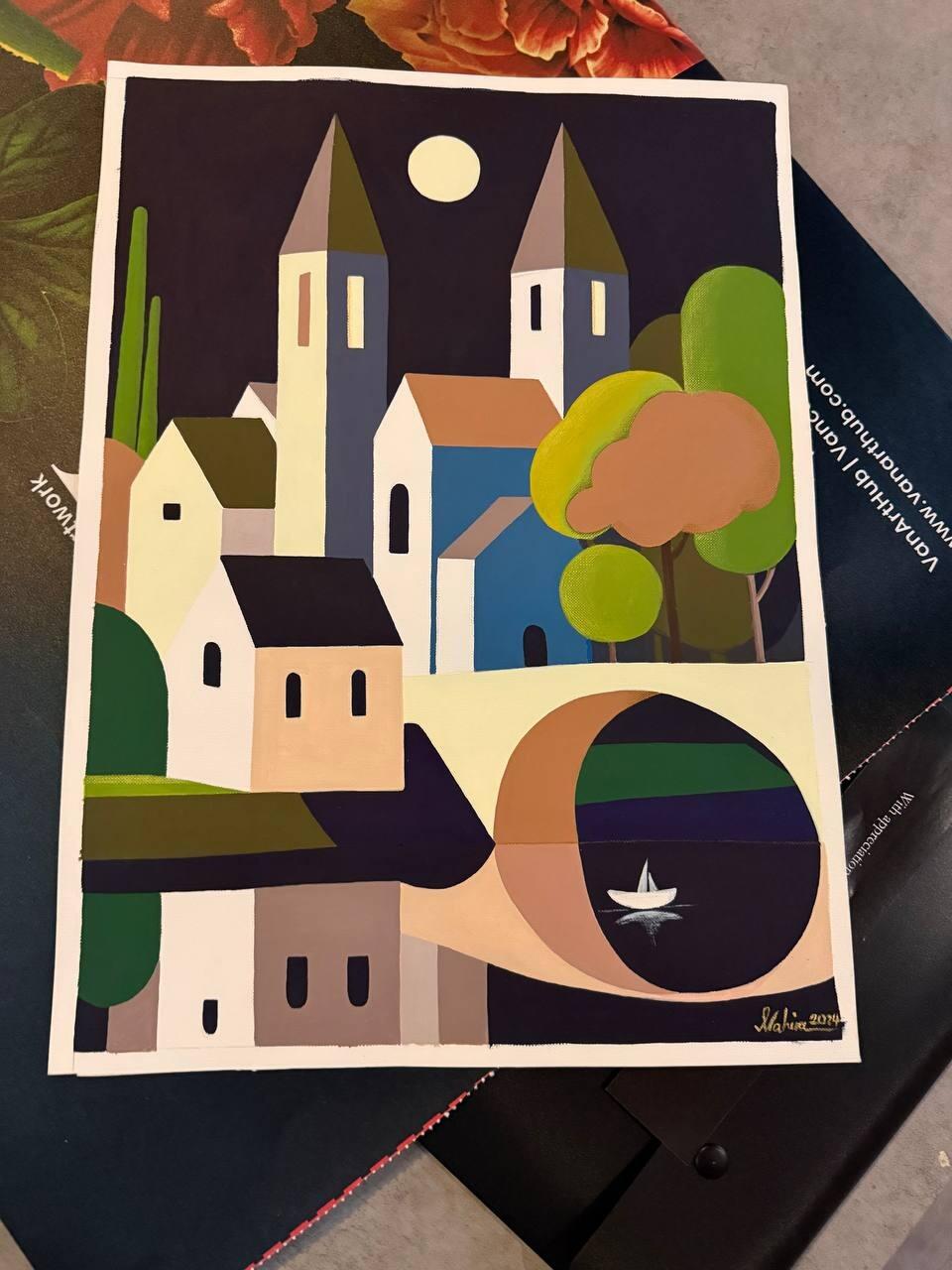
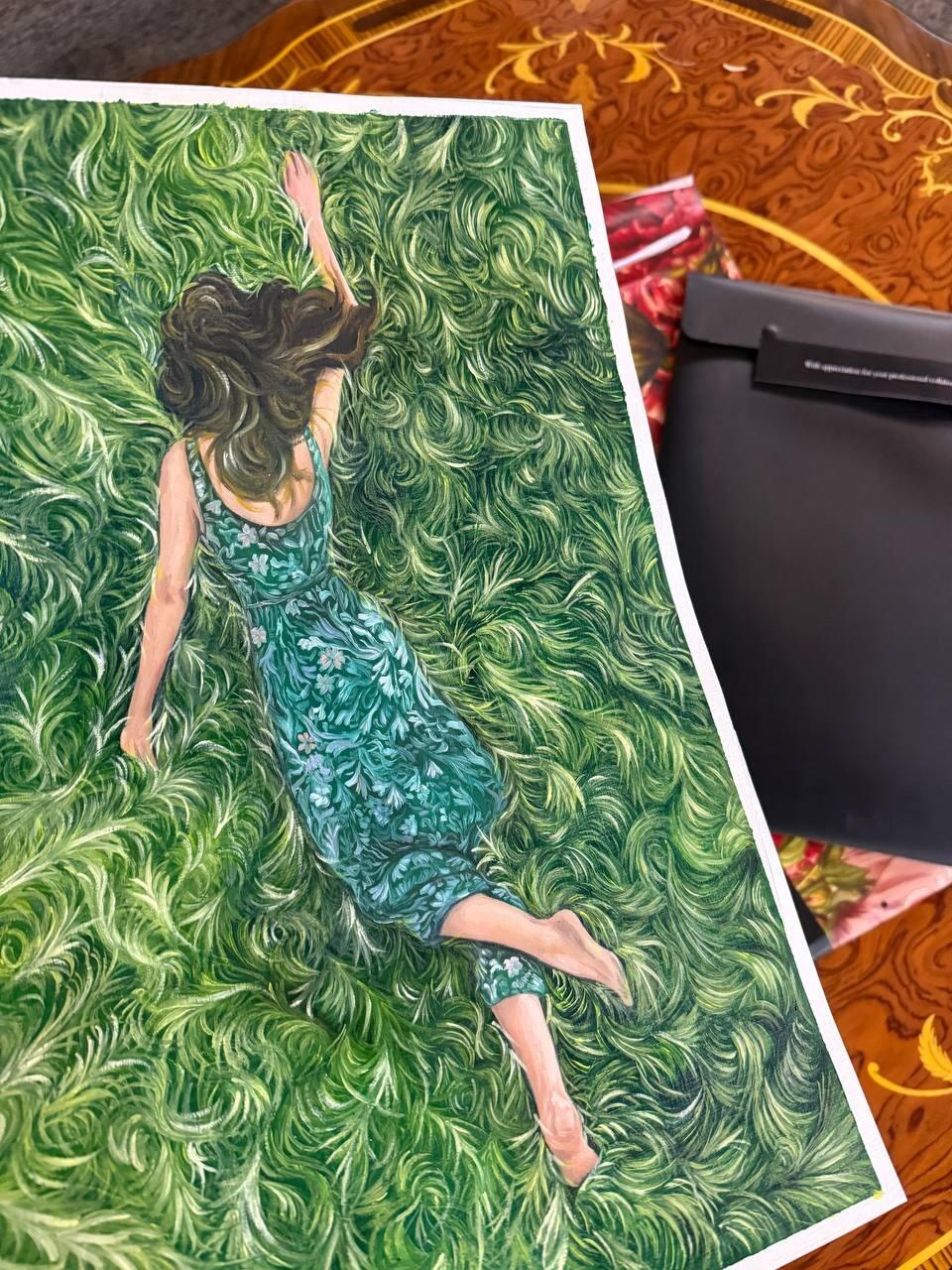
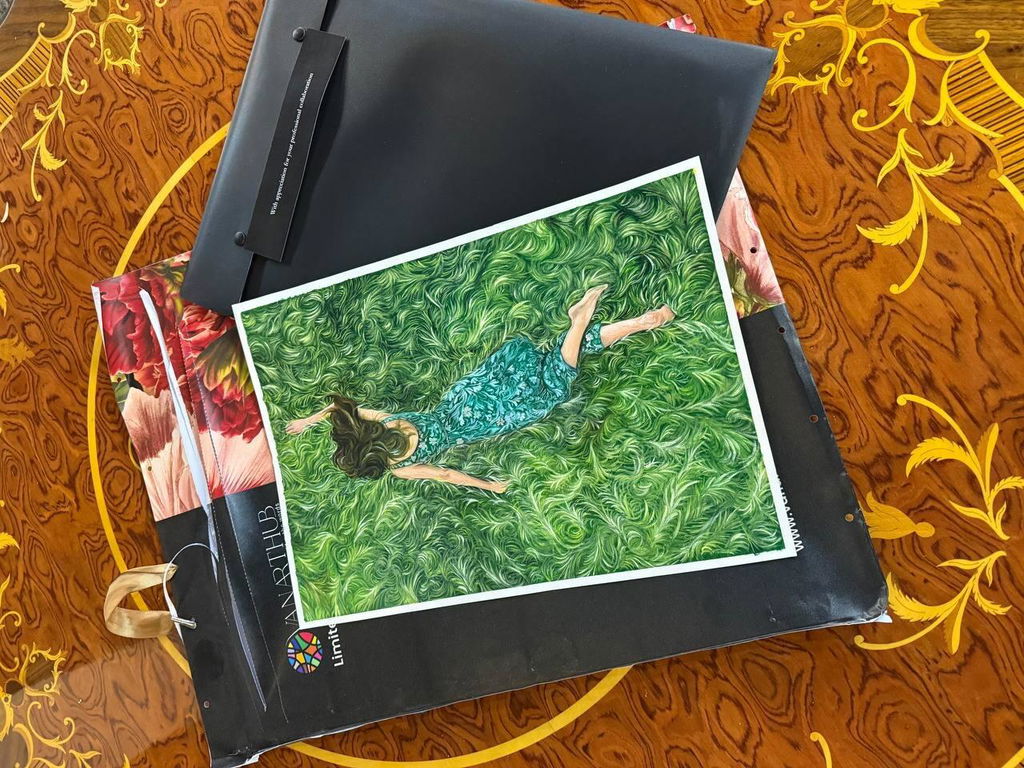
Our surrealism collection holds both approaches. Many of the paintings show recognisable people and animals in scenes that cannot happen, painted with care, and some are abstract works built from colour and gesture. The media range from oil on canvas and acrylic on canvas to coloured pencil on artboard and watercolour with ink. Some of our painters' artist pages name Persian miniature painting as an inspiration or as a source of their technique, and one names Magritte and de Chirico among his inspirations, so the collection draws on both the European surrealist tradition and the Persian manuscript tradition.
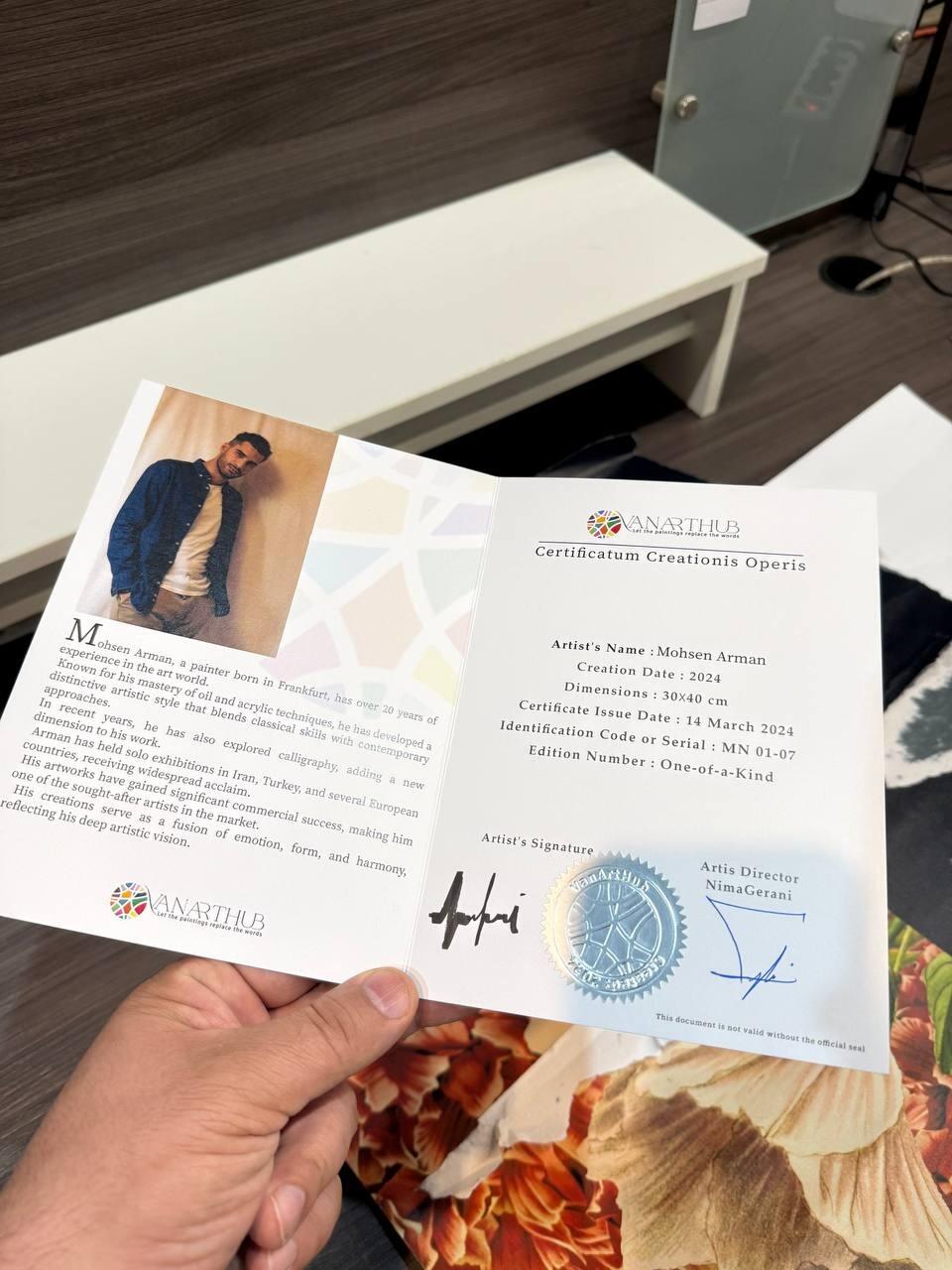
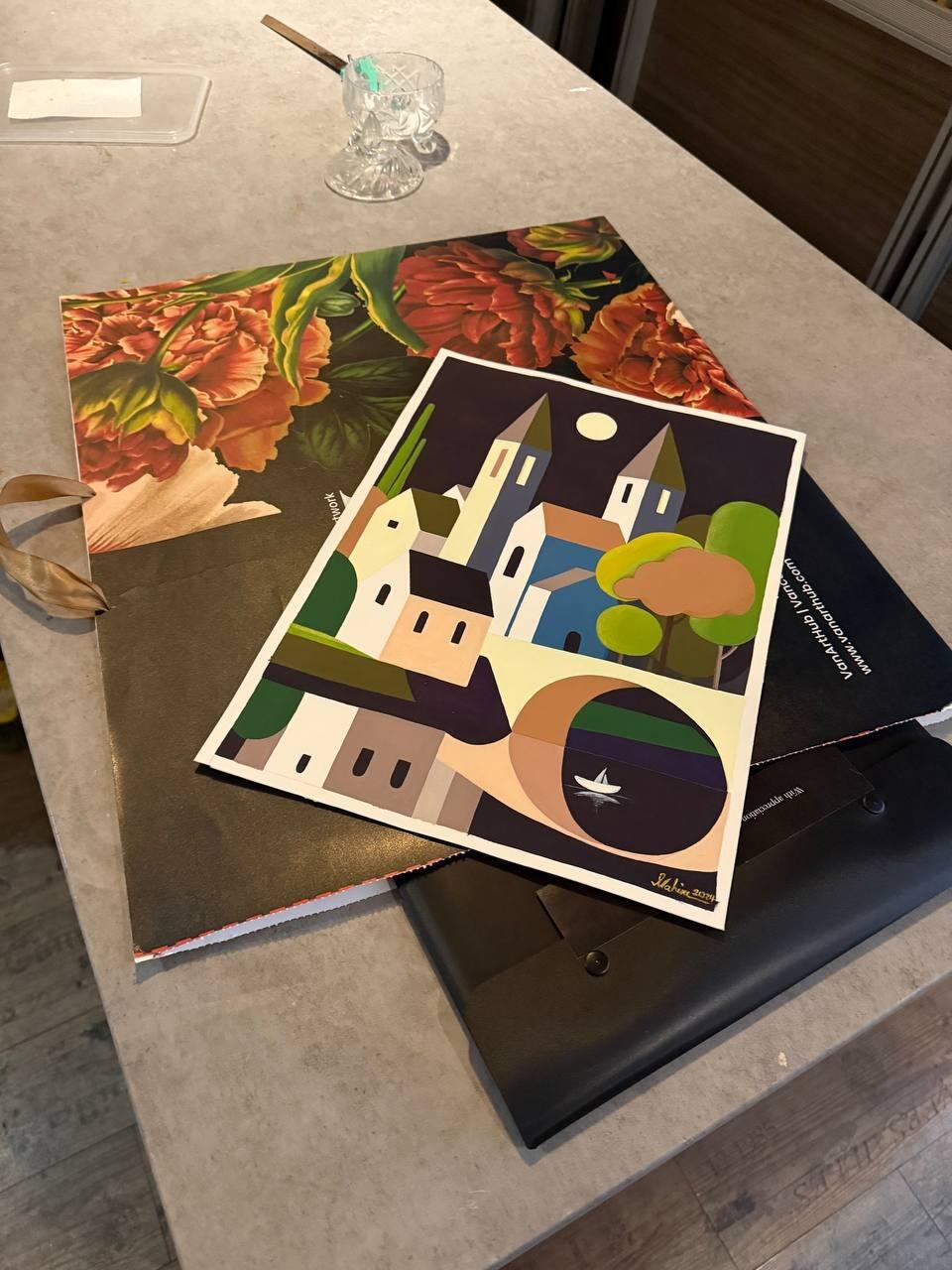
Every piece is signed by the artist and ships from our Vancouver studio with free, fully insured delivery: 3 to 7 business days within Canada and 5 to 10 business days to the United States. We set prices in Canadian dollars, and visitors from the United States see prices in US dollars at checkout.
Frequently asked questions
What is surrealist painting?
Surrealist painting is art that shows the logic of dreams: real things, painted so you can recognise them, arranged in ways that could not happen when you are awake, or forms produced by chance with no plan. The movement began in Paris in 1924 with André Breton's Manifesto of Surrealism, which defined surrealism as "pure psychic automatism".
Who founded the surrealist movement?
The poet André Breton founded the surrealist movement when he published the Manifesto of Surrealism in Paris in 1924. The word itself is older: Tate records that Guillaume Apollinaire coined "surrealist", meaning "beyond reality", in the preface to a play performed in 1917. Breton gave the word a program built on Freud's ideas about dreams and the unconscious.
What are the two main styles of surrealist painting?
The two main styles of surrealist painting are precise dream imagery and automatic, chance-based painting. Tate says some surrealists "depicted the imagery of dreams in highly realistic detail", as Dalí and Magritte did, while others "used 'automatic' techniques to make abstract works", as Miró and Masson did. Max Ernst added methods such as frottage and grattage.
Who are the best-known surrealist painters?
The best-known surrealist painters include Salvador Dalí, René Magritte, Max Ernst, Joan Miró, André Masson and Yves Tanguy, along with the women surrealists Leonora Carrington, Remedios Varo, Dorothea Tanning, Leonor Fini and Kay Sage. The 2022 Venice Biennale built one of its rooms around Carrington, Fini, Tanning and Varo, among other women of the early avant-garde.
What is The Persistence of Memory?
The Persistence of Memory is a surrealist painting by Salvador Dalí from 1931, showing soft, drooping watches in a bare dreamscape. The Museum of Modern Art in New York has held it since it was given anonymously in 1934. MoMA quotes Dalí describing the soft watches as "the camembert of time", and notes that the cliffs are the coast of Catalonia.
Is surrealism still practised by painters today?
Surrealism is still practised by painters today, and major museums continue to show it. The Centre Pompidou in Paris marked the manifesto's centenary with an exhibition from 4 September 2024 to 13 January 2025. The 2022 Venice Biennale took its title, The Milk of Dreams, from a book by Leonora Carrington and featured women surrealists of the early avant-garde.
How is surrealism different from abstract art?
Surrealism is a movement defined by its aim, reaching the unconscious mind, while abstract art is defined by how a picture looks. The two overlap: Tate says surrealists who used automatic techniques made abstract works, and that the abstract expressionists in New York were inspired by the surrealist idea that art should come from the unconscious and by Joan Miró's automatism.
Why do surrealist paintings feel unsettling?
Surrealist paintings feel unsettling because they place familiar objects in contexts where they do not belong. Tate calls this feeling the uncanny, a term Sigmund Freud developed in a 1919 essay, and says surrealist artists drew on it by combining familiar things in unexpected ways. A normal clock is ordinary, but a clock drooping over a branch is uncanny.
How do I choose a surrealist painting for my home?
Choose the surrealist painting you keep thinking about a week after first seeing it, then check the room, the scale, the medium and the artist's own account of the image. Surrealist work sets the mood of a room, so it suits a study, hallway or living room better than a bedroom. Precise surrealist detail often reads best at close range.
Does VanArtHub ship surrealist paintings to the United States?
VanArtHub ships every surrealist painting from its Vancouver studio with free, fully insured delivery, taking 5 to 10 business days to the United States and 3 to 7 business days within Canada. Prices are set in Canadian dollars, and visitors from the United States see US dollar prices at checkout. Each painting is a signed original with a Certificate of Authenticity.
When was the first surrealist art exhibition?
The first surrealist art exhibition opened at the Galerie Pierre in Paris on 14 November 1925. It showed work by Jean Arp, Giorgio de Chirico, Max Ernst, Paul Klee, André Masson, Joan Miró, Pablo Picasso, Man Ray and Pierre Roy, some of it lent from André Breton's own collection, according to the André Breton archive's record of the show.
References
-
Surrealism. Tate. Undated. Accessed 26 September 2026. Breton's 1924 manifesto and his definition, Apollinaire coining the word in 1917, and the adaptation of surrealist ideas across cultures.
-
International Surrealism. Tate Modern display text. Undated. Accessed 26 September 2026. The two directions within surrealism and the statement that it never became a shared artistic style.
-
Surrealism (Heilbrunn Timeline of Art History). James Voorhies, The Metropolitan Museum of Art. Published October 2004; Internet Archive copy of 28 January 2025. Accessed 26 September 2026. Freud's influence, Masson's 1924 drawings, the split between visual automatism and illusionistic surrealism, and the move to New York.
-
Salvador Dalí. The Persistence of Memory. 1931. The Museum of Modern Art. Undated; Internet Archive copy of 21 September 2026. Accessed 26 September 2026. The limp watches, "the camembert of time", and the Catalan coast.
-
The Persistence of Memory (catalogue raisonné, cat. no. P 265). Fundació Gala-Salvador Dalí. Undated. Accessed 26 September 2026. The location at MoMA, the anonymous gift of 1934, and the dates of MoMA's 1936 to 1937 exhibition.
-
René Magritte, The Treachery of Images (This is Not a Pipe), 1929. Los Angeles County Museum of Art. Undated. Accessed 26 September 2026. The date, the museum, and the advertisement style of the painting.
-
Joan Miró. The Birth of the World. Montroig, late summer-fall 1925. The Museum of Modern Art. Undated; Internet Archive copy of 28 January 2026. Accessed 26 September 2026. The date of the painting and MoMA's ownership.
-
Frottage. Tate. Undated. Accessed 26 September 2026. Ernst's frottage from 1925 and grattage.
-
Decalcomania. Tate. Undated. Accessed 26 September 2026. The blotting process and its use by Ernst and Oscar Dominguez.
-
The uncanny. Tate. Undated. Accessed 26 September 2026. Freud's 1919 essay and the surrealist use of familiar things in unexpected ways.
-
Abstract expressionism. Tate. Undated. Accessed 26 September 2026. The debt of the New York painters to surrealist ideas and to Miró's automatism.
-
1925: the Surrealist Painting exhibition, archive record (French-language page). Atelier André Breton archive, notice by Noémie Zinck. Published 2019. Accessed 26 September 2026. The opening date of 14 November 1925 at the Galerie Pierre and the artists shown.
-
Miró in London. Iria Candela, Tate Etc. issue 22. Published 1 May 2011. Accessed 26 September 2026. The International Surrealist Exhibition at the New Burlington Galleries in June 1936 and its 23,000 visitors.
-
Duchamp, Childhood, Work and Play: The Vernissage for First Papers of Surrealism, New York, 1942. David Hopkins, Tate Papers no. 22. Published 3 November 2014. Accessed 26 September 2026. The 14 October 1942 opening, the first major surrealist exhibition in the United States, and the mile of string.
-
Biennale Arte 2022: Statement by Cecilia Alemani. La Biennale di Venezia. Published 2022. Accessed 26 September 2026. The title taken from Carrington's book and the room of women avant-garde artists.
-
Surrealism. Centre Pompidou. Undated. Accessed 26 September 2026. The exhibition dates of 4 September 2024 to 13 January 2025 and the display of Breton's original manuscript.
Checked 26 September 2026. If something here is out of date, write to us and we will correct it.