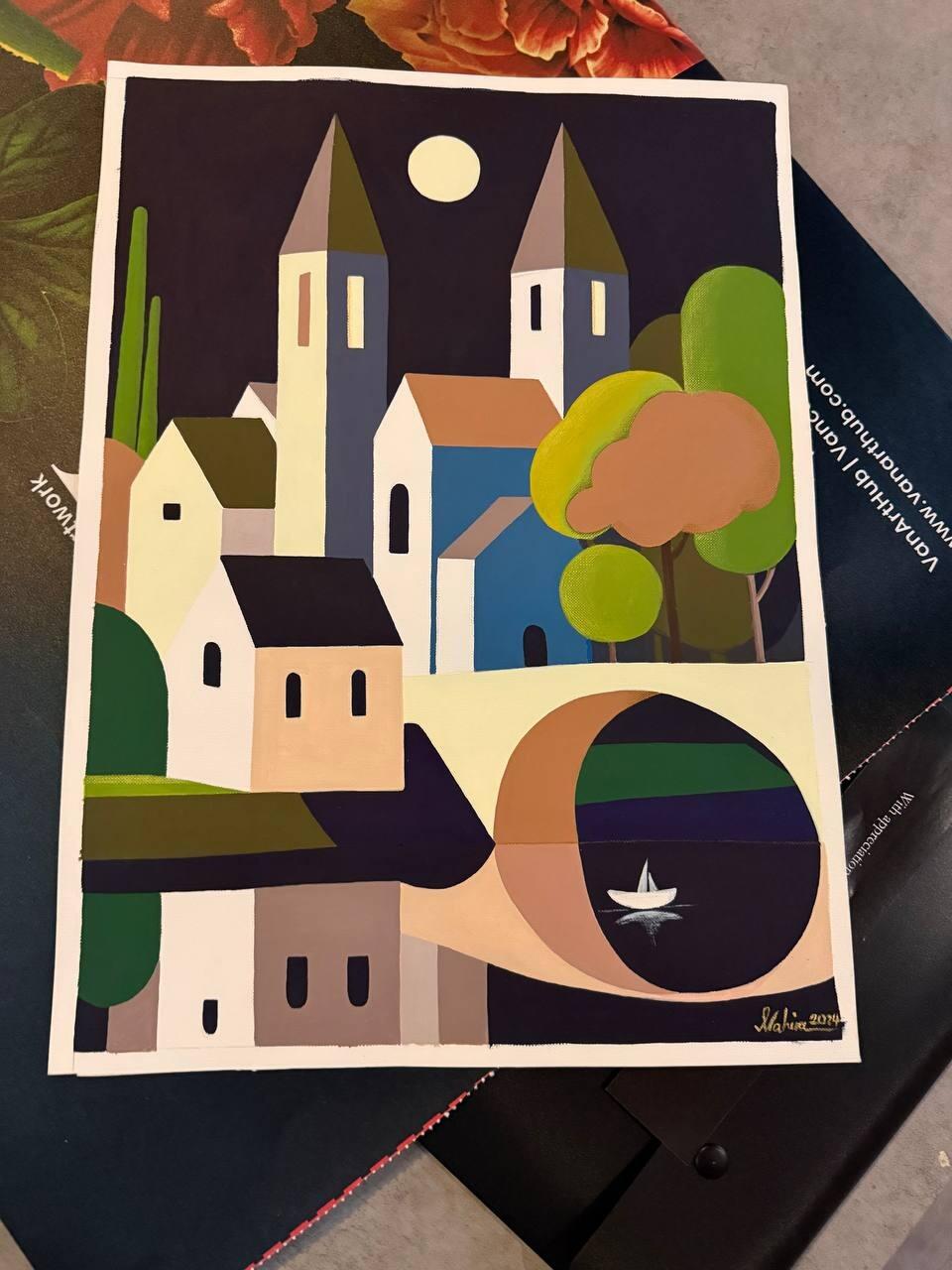
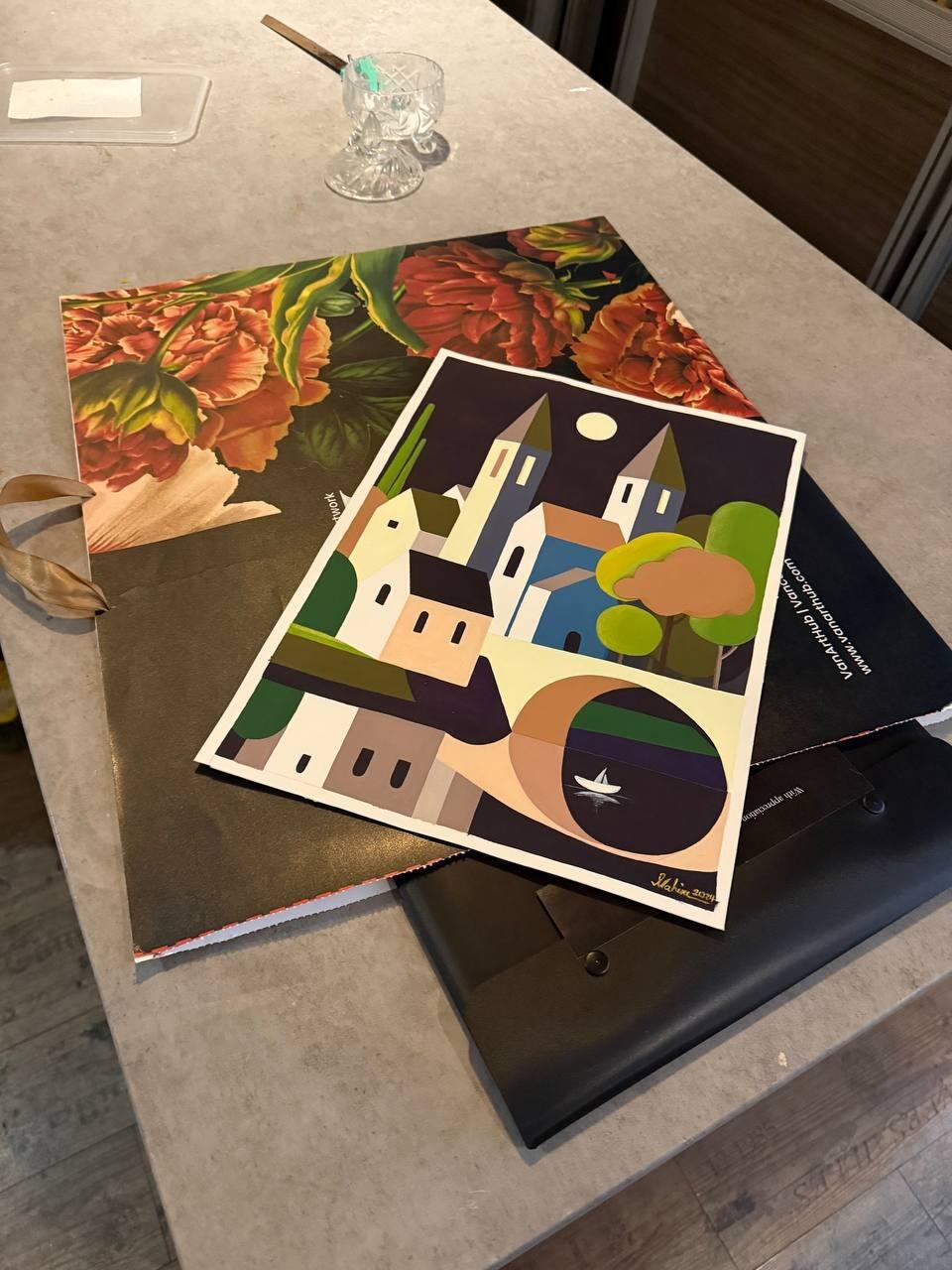
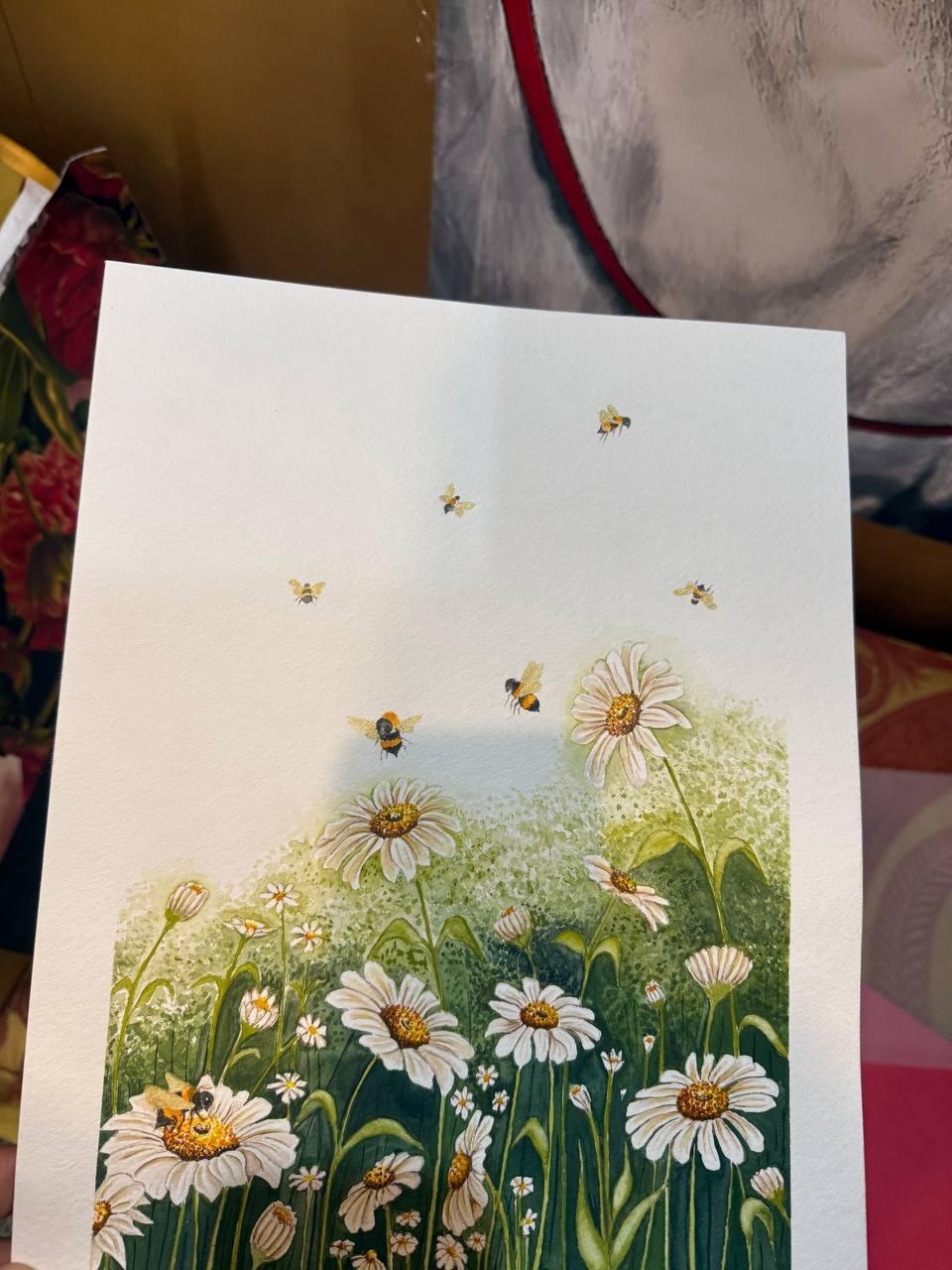
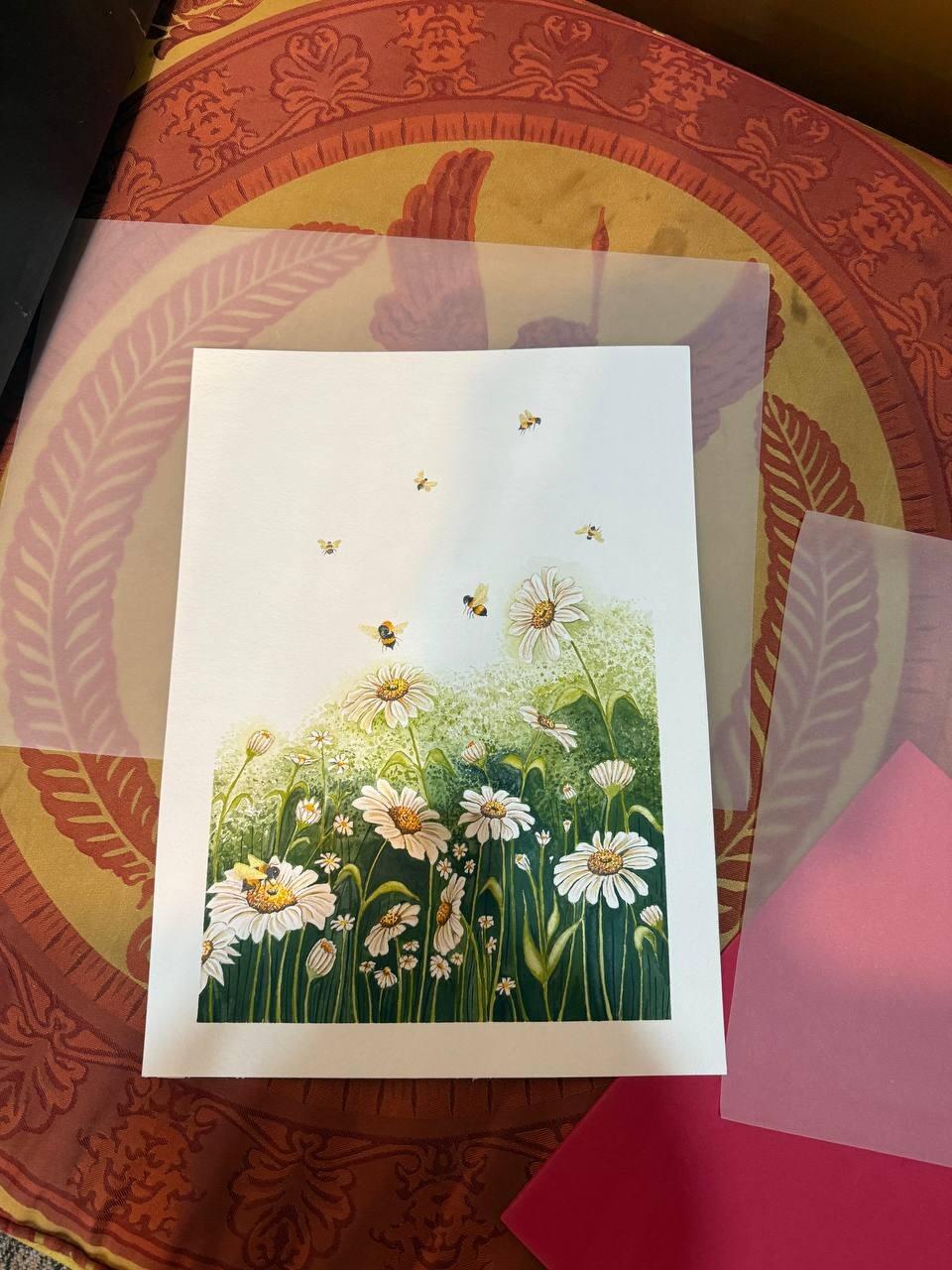
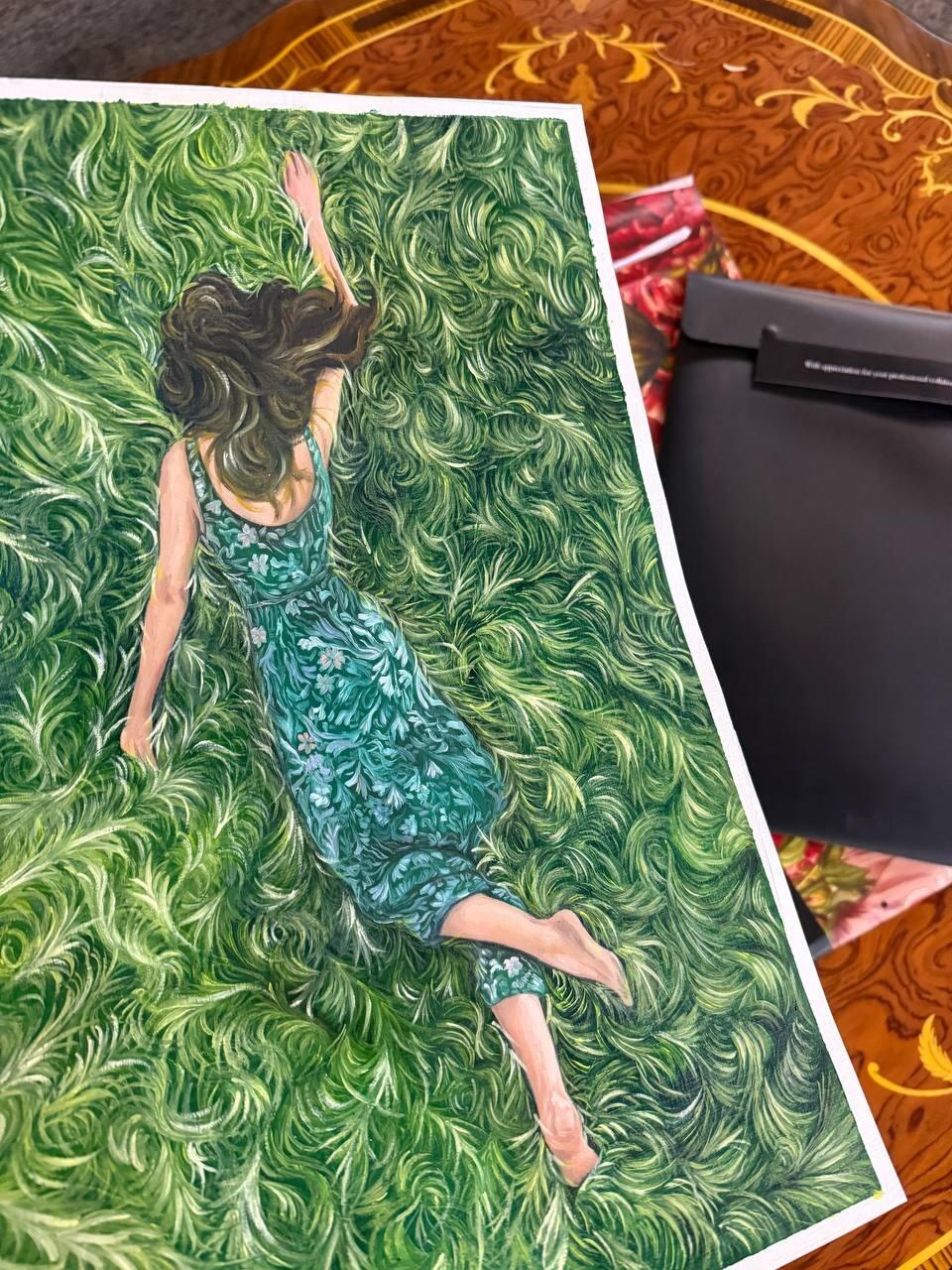
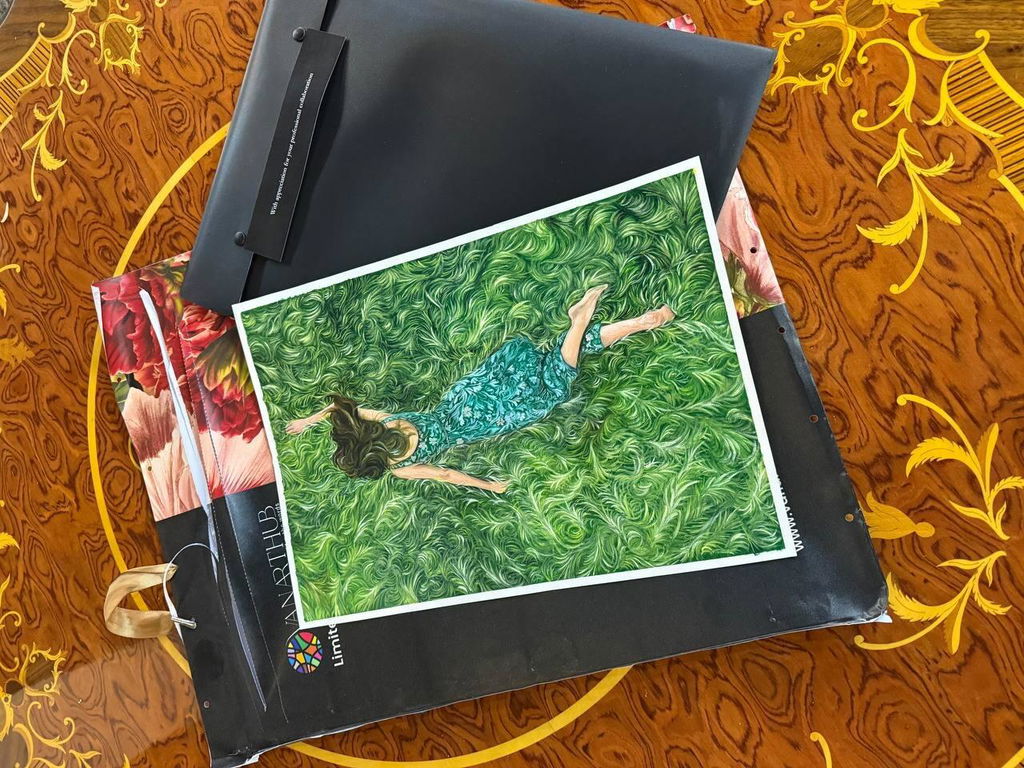
Stand close to an impressionist painting and it can look like a mess of marks. Step back four or five steps and the marks lock into light, water, and air. That trick, colour and loose brushwork doing the work of fine detail, is the whole point of the style, and it is why these paintings feel alive on a wall in a way a tight photo-real image often does not.
Every impressionist-style piece we sell is an original, painted by hand by a Vancouver artist and signed on the front. No prints, no reproductions. If you want to look before you read, the works are in our Canadian oil paintings collection.
What makes a painting "impressionist"?
An impressionist painting captures the impression of a scene, the light and the feeling of a moment, using visible loose brushwork and colour rather than sharp lines and fine detail. You see the strokes. Edges stay soft, shadows carry colour instead of flat grey, and the artist paints how the light hits the subject in one moment rather than every leaf and window frame. The eye blends the marks from a short distance back, which is why the style rewards a room where you can stand a few steps away.
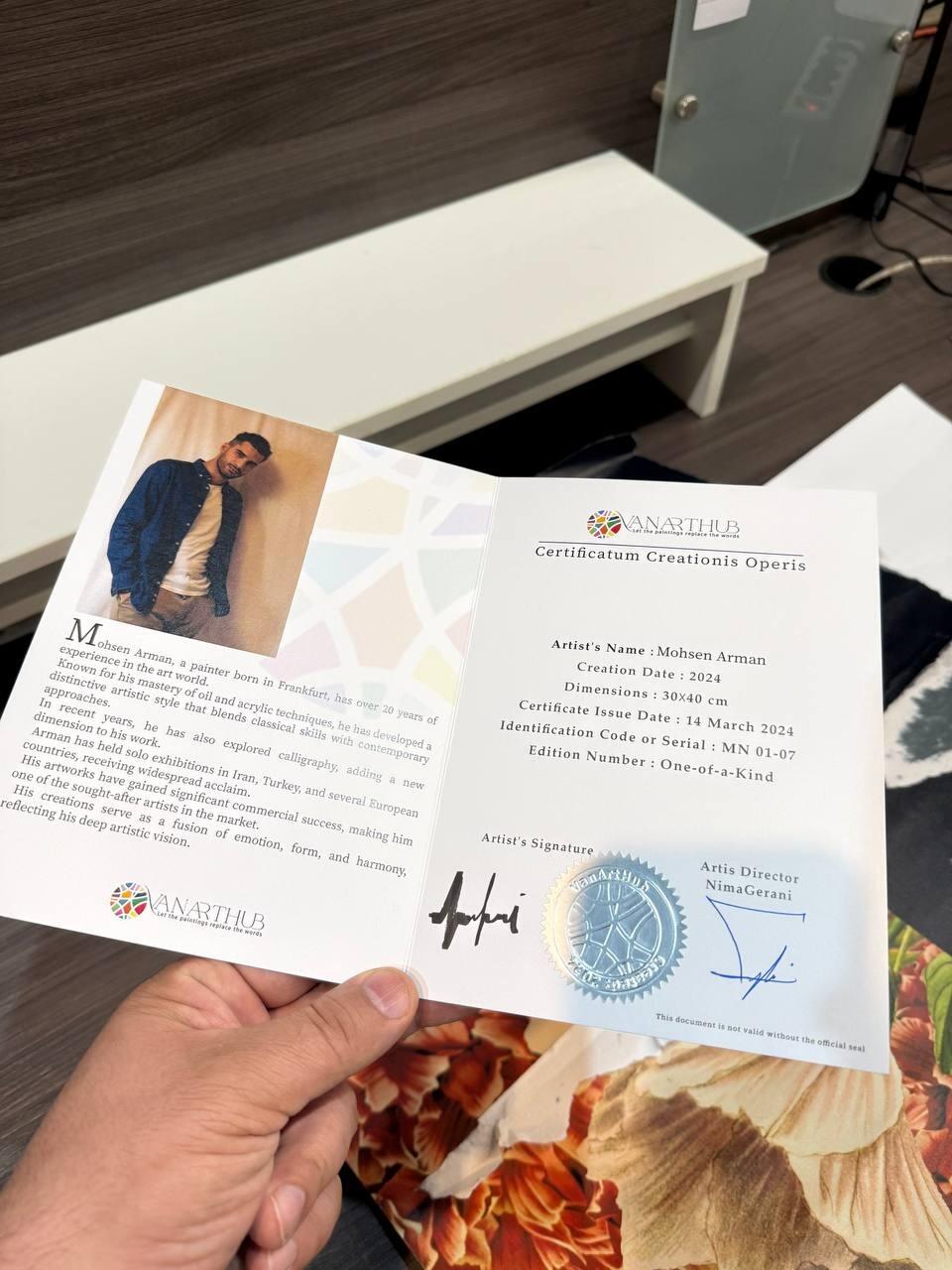
Here is the honest part. Our artists are contemporary painters working in an impressionist manner today. These are not 19th-century pieces by the names in the history books, and we would never suggest otherwise. What you get is a living Vancouver artist's fresh work in that loose, light-led tradition, signed, with their name on the Certificate of Authenticity.
The impressionist look versus a realist look
The core question buyers ask is whether they want a painting that reads as a mood or one that reads as a faithful record. Impressionism trades fine detail for feeling. Realism does the opposite. Neither is better, they just do different jobs in a room, and the table makes the difference concrete.
| Dimension |
Impressionist look |
Realist look |
| Brushwork |
Visible, loose, textured strokes you can see |
Smooth, blended, strokes hidden |
| Edges |
Soft, things melt into each other |
Crisp, sharp outlines |
| Detail |
Suggested, the eye fills it in |
Fully described, every part defined |
| Colour and light |
Bright, broken colour, light is the subject |
Accurate local colour, even light |
| Best viewing distance |
A few steps back, the marks resolve |
Close or far, reads the same |
| Feel in a room |
Airy, calm, atmospheric |
Grounded, precise, literal |
If you like a painting to shift as you move toward it and away, impressionism is your style. If you want a scene held perfectly still, look at our more literal work in the Canadian realism paintings guide.
How to size and place a loose, light-led painting
Impressionist work needs breathing room in two ways: physical distance and calm surroundings. Because the marks resolve from a short distance back, the style suits a wall you view across a room, above a sofa or opposite a bed, rather than a spot you only ever pass at arm's length. It also settles best against soft, plain interiors: a pale or warm-neutral wall, natural light, uncluttered furniture. A busy patterned wall fights the broken colour and both lose.
| Where it hangs |
Size to aim for |
Typical price at VanArtHub |
| Across a room, above a sofa or bed |
About 90 to 150 cm wide, or a pair |
About $900 to $3,000 |
| Above a console, dresser, or mantel |
About 60 to 90 cm |
About $700 to $1,300 |
| A calm corner, nook, or small grouping |
Up to about 40 cm each |
About $531 to $700 |
Treat these as planning numbers. Each listing shows its own exact size and price. For hanging height and light placement, our guide on hanging and lighting art goes into the detail.
Why oil suits the impressionist manner
Most of our impressionist work is oil, and there is a reason for that. Oil dries slowly, so an artist can push wet paint into wet paint, layer thick strokes, and keep edges soft while the surface is still open. That slow, workable paint is exactly what loose brushwork and blended light want. Oil also holds a real physical texture: ridges of paint catch the room light, so the surface changes through the day. Acrylic can be worked this way too and it is a true original, but it dries fast and leans crisper, so the softest, most atmospheric pieces tend to be oil.
Living with the surface
The texture that makes these paintings good is also the part to protect. Because the strokes stand up off the canvas, dust settles on the ridges over time. A gentle dry brush or a soft dry cloth is all it needs, never a wet wipe. Hang it out of direct sun and away from a heat vent so the colours stay true. Our full routine is in the caring for original paintings guide.
Key things to remember
- Impressionism trades fine detail for light and feeling, so the marks resolve when you stand a few steps back.
- Hang it on a wall you view across a room and against calm, plain surroundings, not a busy patterned wall.
- Oil suits the style best because slow-drying paint keeps edges soft and texture catches the room light.
- These are contemporary originals in an impressionist manner, signed by a Vancouver artist, never 19th-century pieces and never prints.
- Prices run from about $531 for small works to several thousand for large canvases, all shipped free and insured with a Certificate of Authenticity.
Frequently asked questions
Where can I buy original Canadian impressionist paintings online?
VanArtHub sells original, signed impressionist-style paintings by independent Vancouver artists, shipped free and fully insured across Canada and the USA. Each is a one-of-a-kind oil or acrylic with a Certificate of Authenticity, and every order comes with a 14-day trial so you can send it back for a full refund if it is not right.
Are these actual antique impressionist paintings?
No, and we are clear about that. These are contemporary paintings made today by living Vancouver artists working in the impressionist manner: loose brushwork, soft edges, and colour over fine detail. They are not 19th-century works by historical masters. Each is an original hand-painted piece, signed on the front, with the artist named on the Certificate of Authenticity.
Why does the painting look blurry up close?
That is the style working as intended. Impressionist paintings use visible, loose strokes and soft edges, so up close you see the marks rather than sharp detail. Step back three to five steps and your eye blends the marks into light, water, and form. Hang it where you can view it across the room for the best effect.
What kind of room suits an impressionist painting?
A calm room with a plain or warm-neutral wall and good natural light suits it best. The broken colour and soft edges need space to breathe, so a wall you view from across the room works better than a tight corridor. Avoid busy patterned walls, which fight the brushwork so both the wall and the painting lose impact.
Should I choose oil or acrylic for an impressionist piece?
Oil is the classic choice for this style. It dries slowly, so artists can blend soft edges and layer thick strokes, and the texture catches the room light. Acrylic works too and is a genuine original, but it dries fast and reads a little crisper. For the softest, most atmospheric look, pick an oil.
How do I clean a thickly painted impressionist canvas?
Dust it gently and keep it dry. Because the strokes stand up off the surface, dust gathers on the ridges, so a soft dry brush or dry cloth now and then is enough. Never use water, cleaners, or a damp wipe on an oil surface. Keep it out of direct sun and away from heat vents so the colours stay true.
Ready to look? Browse the full Canadian oil paintings collection, compare it with our Canadian landscape paintings and Canadian realism paintings guides, or return to the Canadian art hub for the complete buying guide.