Glass protects some art and would ruin the look of other art. The short rule: works on paper usually need glass, and stretched canvas usually does not.
Glazing is the framing word for the clear layer in front of the art, whether it is glass or acrylic sheet. This page explains when it matters, what UV and anti-glare glass do, and why we leave canvas open.
When glass matters, and when it does not
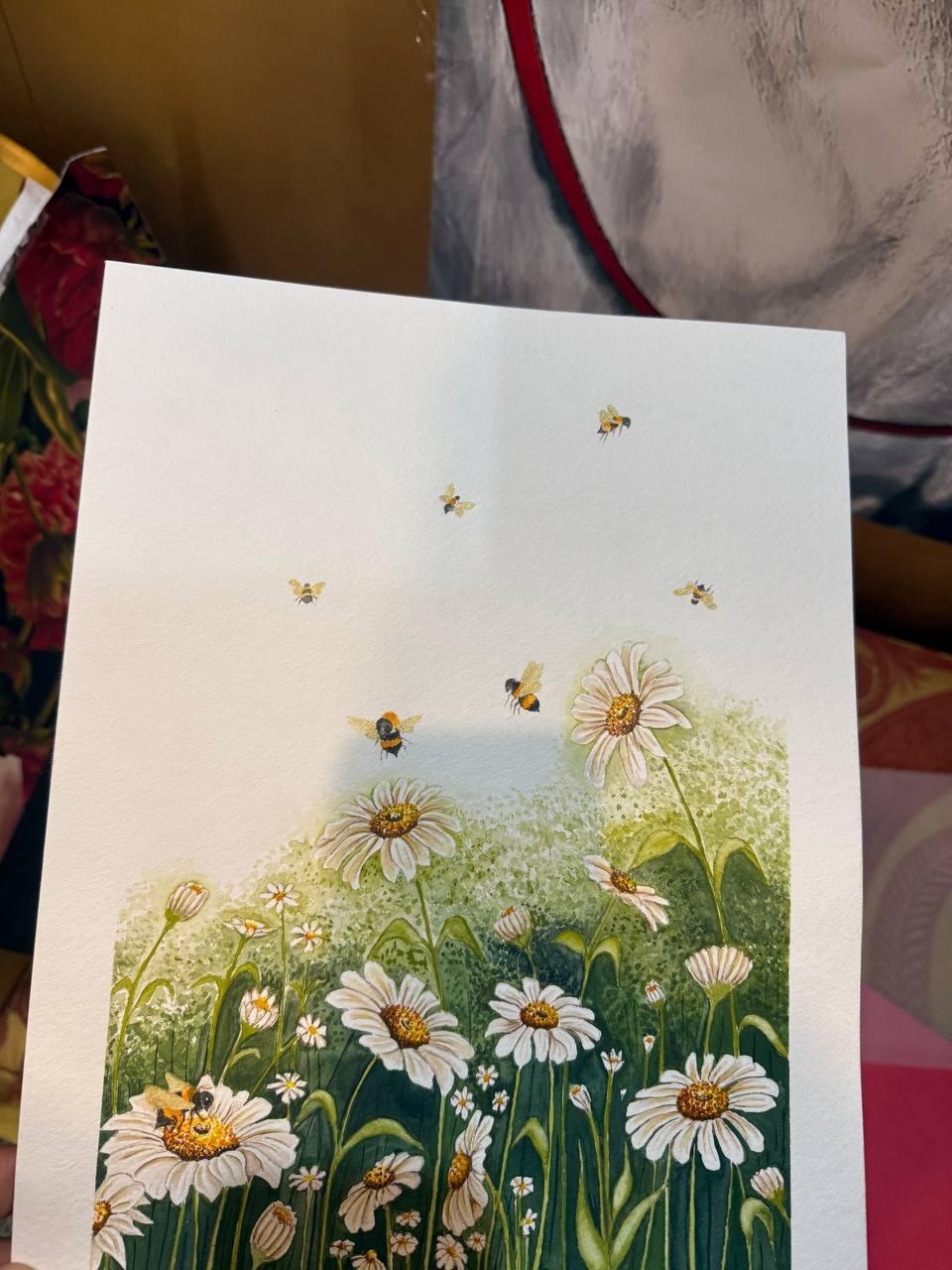
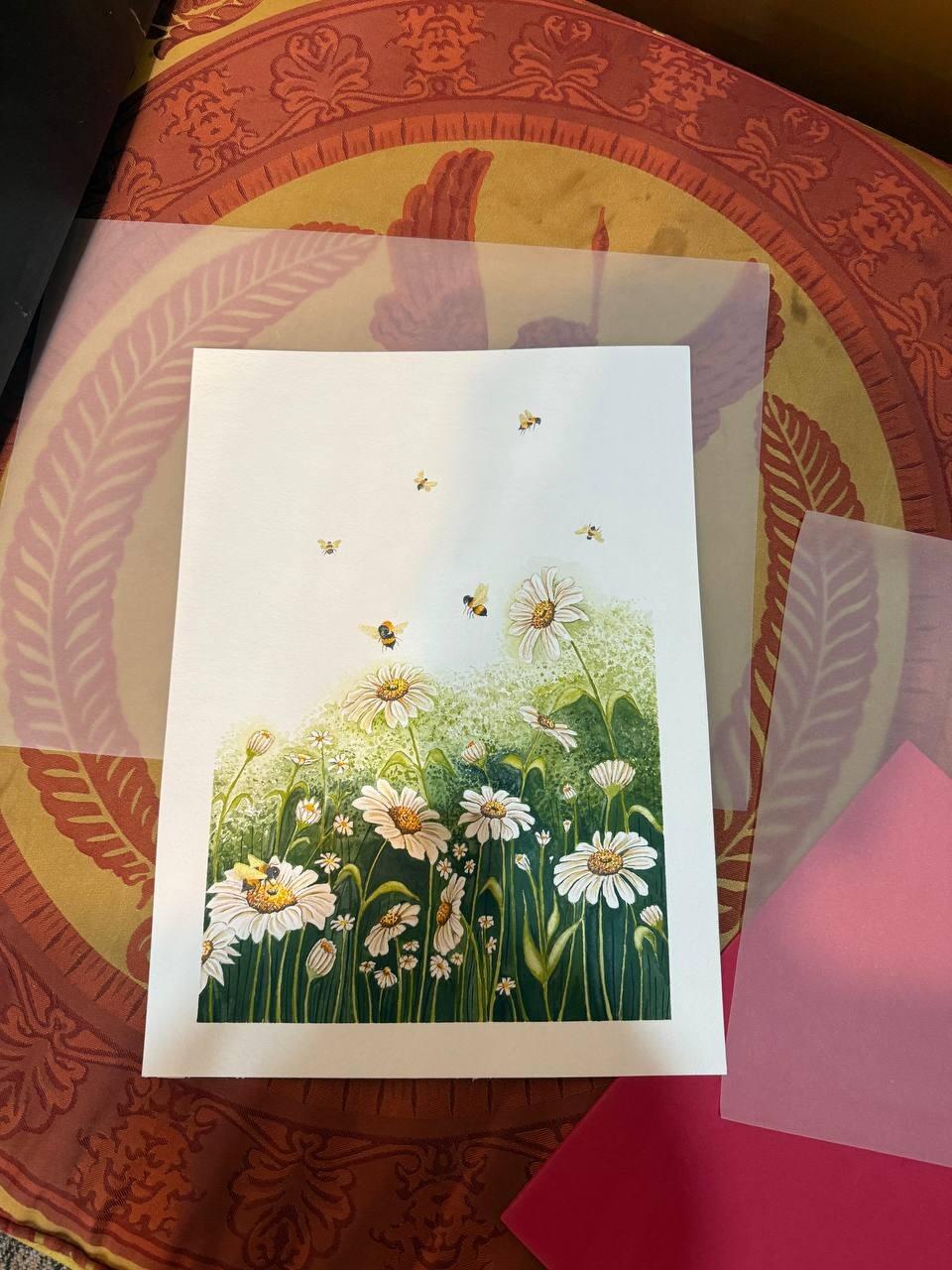
Works on paper are delicate. Watercolours, drawings, gouache, and prints can fade, cockle, or pick up dust and moisture over time. Glazing seals them behind a clear barrier and, with a mat, keeps the paper from touching the glass. So paper almost always goes behind glass.
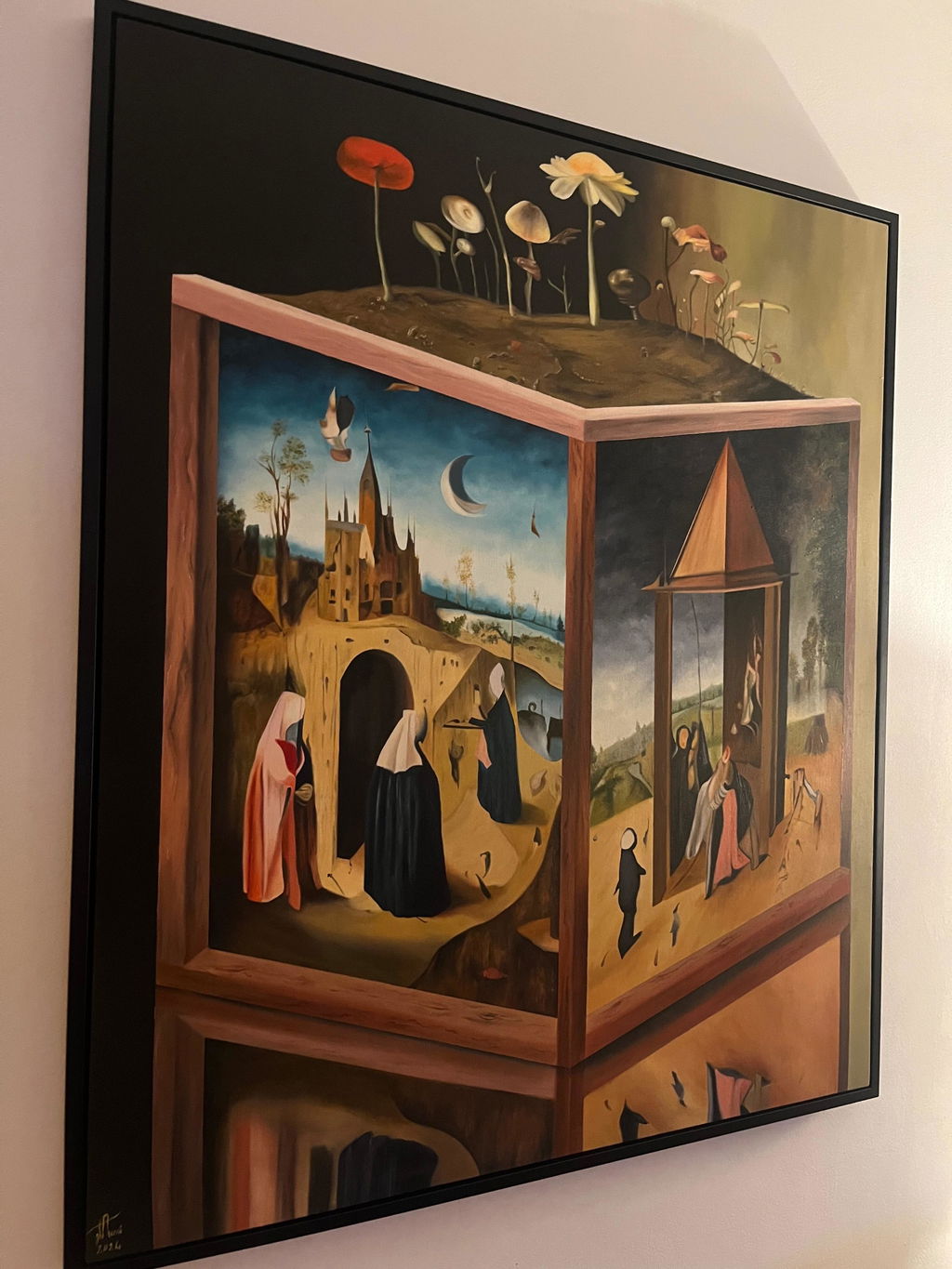
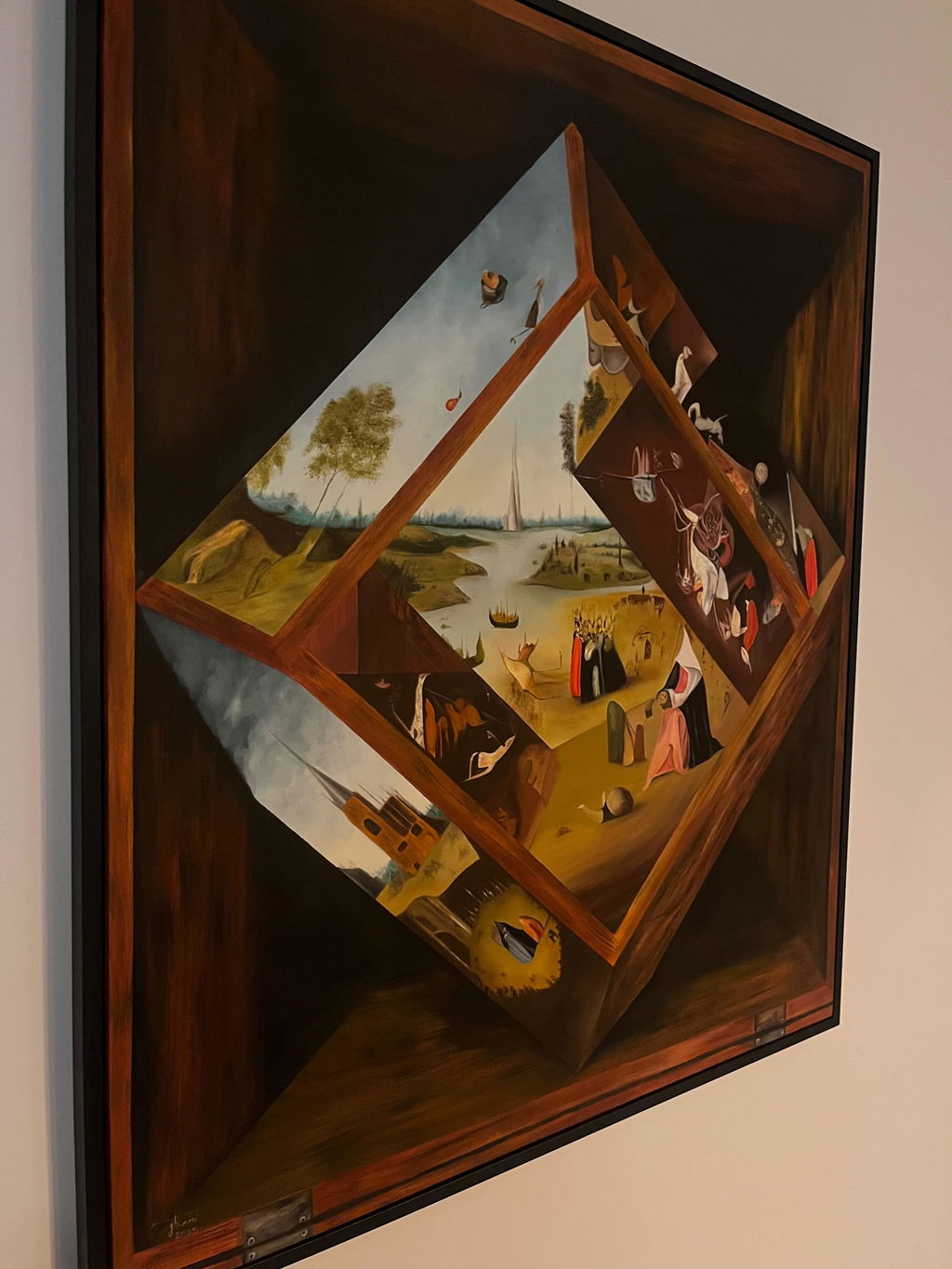
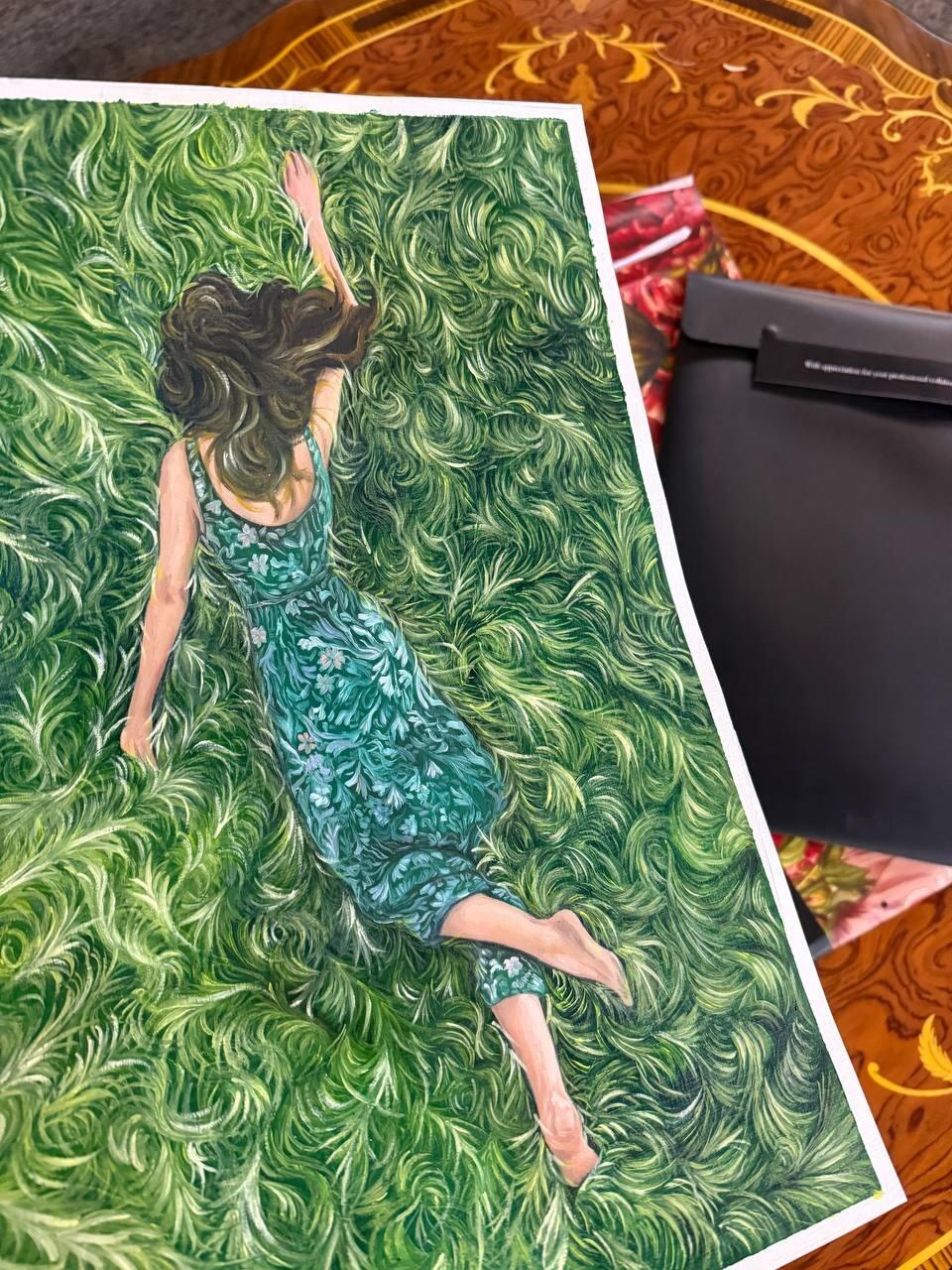
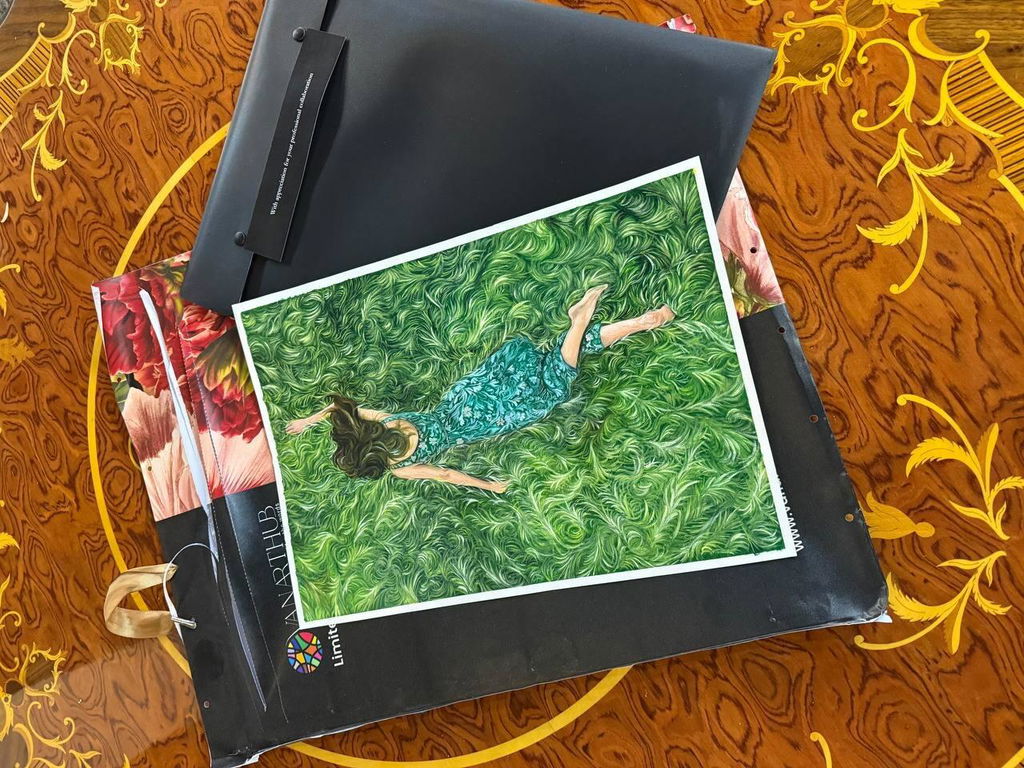
Stretched canvas is different. Oil and acrylic on canvas have a tough painted surface, often with real texture and impasto that stands off the cloth. Putting that behind glass would flatten the look, add glare, and trap it under a sheet that fights the whole point of the piece. So we frame canvas with a floater or leave it as a gallery wrap, with no glass. You can read more on that in floater frames for canvas.
UV glass: what it does
Light is the main thing that fades art on paper over the years. UV glass is coated to block most of the ultraviolet light that causes fading. It is not a magic shield, and no glass stops fading completely, but it slows it down a lot. For a valuable work on paper hanging in a bright room, UV glass is worth it.
Anti-glare and clarity
Standard glass reflects the room, which can make art hard to see near a window or a lamp. Anti-glare glass has a treated surface that cuts those reflections so you see the art, not the room. The best glazing options combine UV protection and low glare in one sheet, and some are so clear they almost seem to vanish.
-
Standard glass: lowest cost, protects from dust and moisture, but reflects light.
-
UV glass: blocks most fading light, best for paper in bright rooms.
-
Anti-glare glass: cuts reflections so the art stays easy to see.
-
Premium clear glass: combines UV and low glare, very clear, higher cost.
Glass or acrylic sheet
For most works on paper, real glass is fine and looks sharp. Acrylic sheet, sometimes called plexiglass, is lighter and does not shatter, so it is a safer pick for very large pieces or for shipping over long distances. It can scratch more easily, so it needs gentle cleaning. We help you weigh the two based on size, where the piece will hang, and how it will travel.
What we frame behind glass
Because we sell original oil and acrylic paintings on stretched canvas, most of what we ship is framed with a floater or hung bare, with no glass. When a piece is on paper, or when you bring us a work on paper of your own, we mat it and glaze it with the right glass for the room. For the full picture, see custom framing styles and the wider guide to framing original paintings.
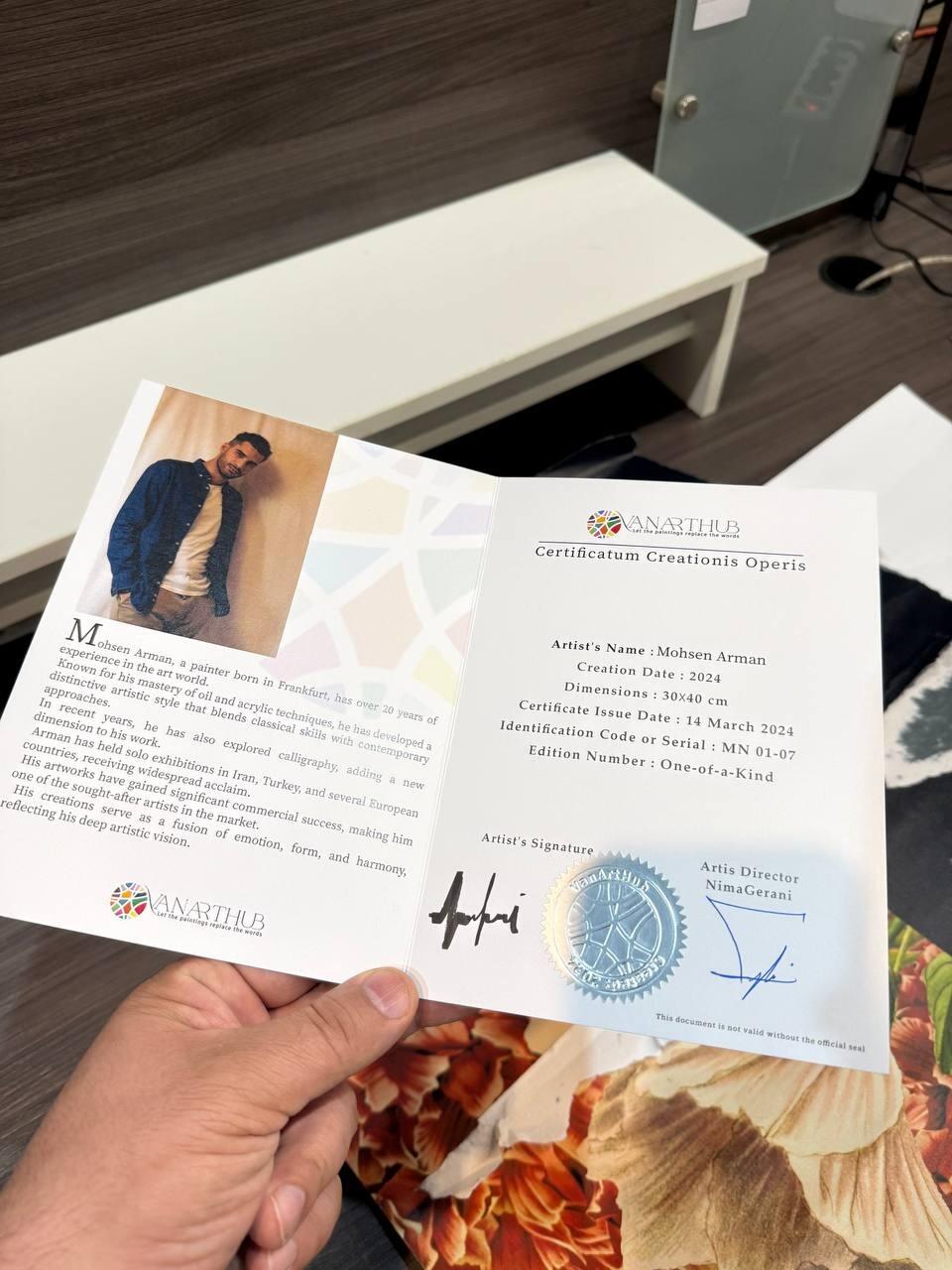
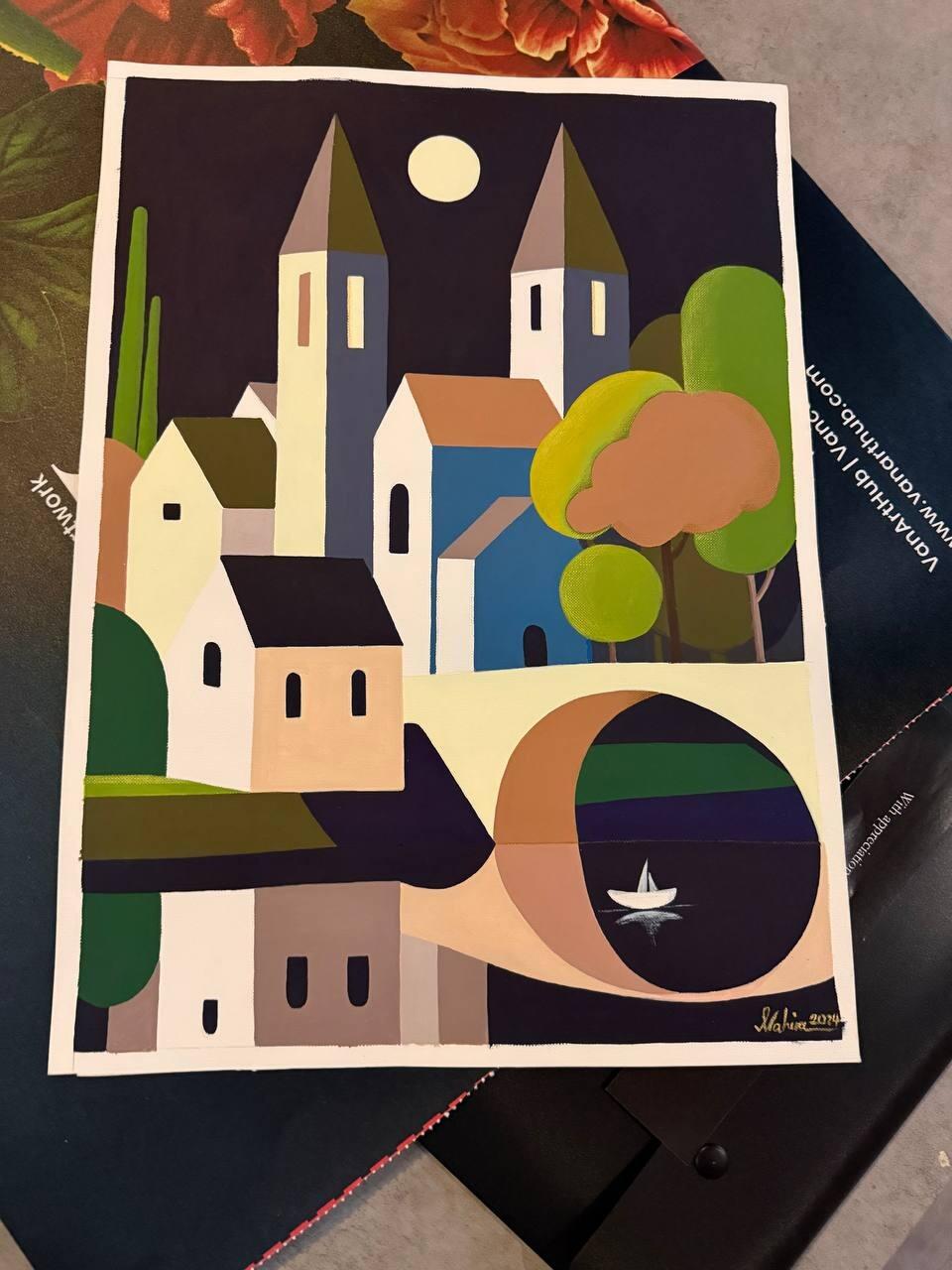
Every original we sell is hand signed by a Canadian artist and ships from our Vancouver studio with a Certificate of Authenticity. Browse the work in oil paintings, landscape paintings, and all artworks.
Frequently asked questions
Have a work on paper you want framed right? Contact us with the size and a photo, or ask our art advisory team which glazing fits your room.
Common questions
Why is my canvas painting not behind glass?
Stretched canvas is meant to be seen without glass. Oil and acrylic have a textured, often thick surface, and glass would flatten the look, add glare, and hide the depth. Canvas is protected by varnish and a floater frame instead. Glass is only for works on paper.
Does UV glass stop my art from fading?
UV glass blocks most of the ultraviolet light that causes fading, which slows the process a lot, but it does not stop fading completely. No glass does. For a work on paper in a bright room, UV glass is a strong choice. Keeping art out of direct sunlight also helps a great deal.
What is the difference between glass and acrylic glazing?
Glass is sharp and scratch resistant but heavy and breakable. Acrylic sheet is lighter and does not shatter, which makes it safer for very large pieces or long shipping, but it scratches more easily. We help you pick based on the size, the room, and how the piece will travel.
Do you offer anti-glare glass?
Yes, for works on paper. Anti-glare glass has a treated surface that cuts reflections so you see the art rather than the room. Some premium options combine anti-glare and UV protection in one very clear sheet. We quote the glazing based on the piece and where it will hang.
What percentage of UV light does UV-filtering glazing block?
Most UV-filtering glass and acrylic sold for framing blocks around 99 percent of ultraviolet light in the 300 to 380 nanometre range, the band most responsible for pigment fading. It does not block visible light, which also contributes to fading over a much longer timescale. See museum glass vs conservation glass for how filtering grade relates to clarity.
Does UV glazing protect against fluorescent and LED light too?
Yes. Fluorescent tubes emit some UV, and LED bulbs emit very little, but UV-filtering glazing blocks the UV component from any light source sitting in front of it, not just sunlight. Visible light from any source still contributes to fading over time regardless of the glazing.
Is UV glazing worth it for a painting that never gets direct sun?
It still helps, though less urgently than in a bright room. Ordinary daylight bouncing around an interior carries UV even without direct sun on the piece, and most household lighting adds a small amount too. For a work on paper especially, UV glazing is a low-cost, permanent layer of protection worth including as standard.
Can UV glazing be added to a frame that currently has none?
Yes, and it is one of the simplest upgrades in framing. The mat, backing and frame stay exactly as they are; only the glass or acrylic sheet is swapped for a UV-filtering one. Bring the piece in and we will check the rebate depth and quote the swap.
Does UV-filtering glass look different from ordinary glass?
Barely. Good UV-filtering glass looks clear and neutral to the eye, though very cheap UV coatings can carry a faint tint. It is a separate property from anti-glare treatment, which does visibly change reflections. Ask for both by name if you want a glass that is both UV-filtering and low-glare.