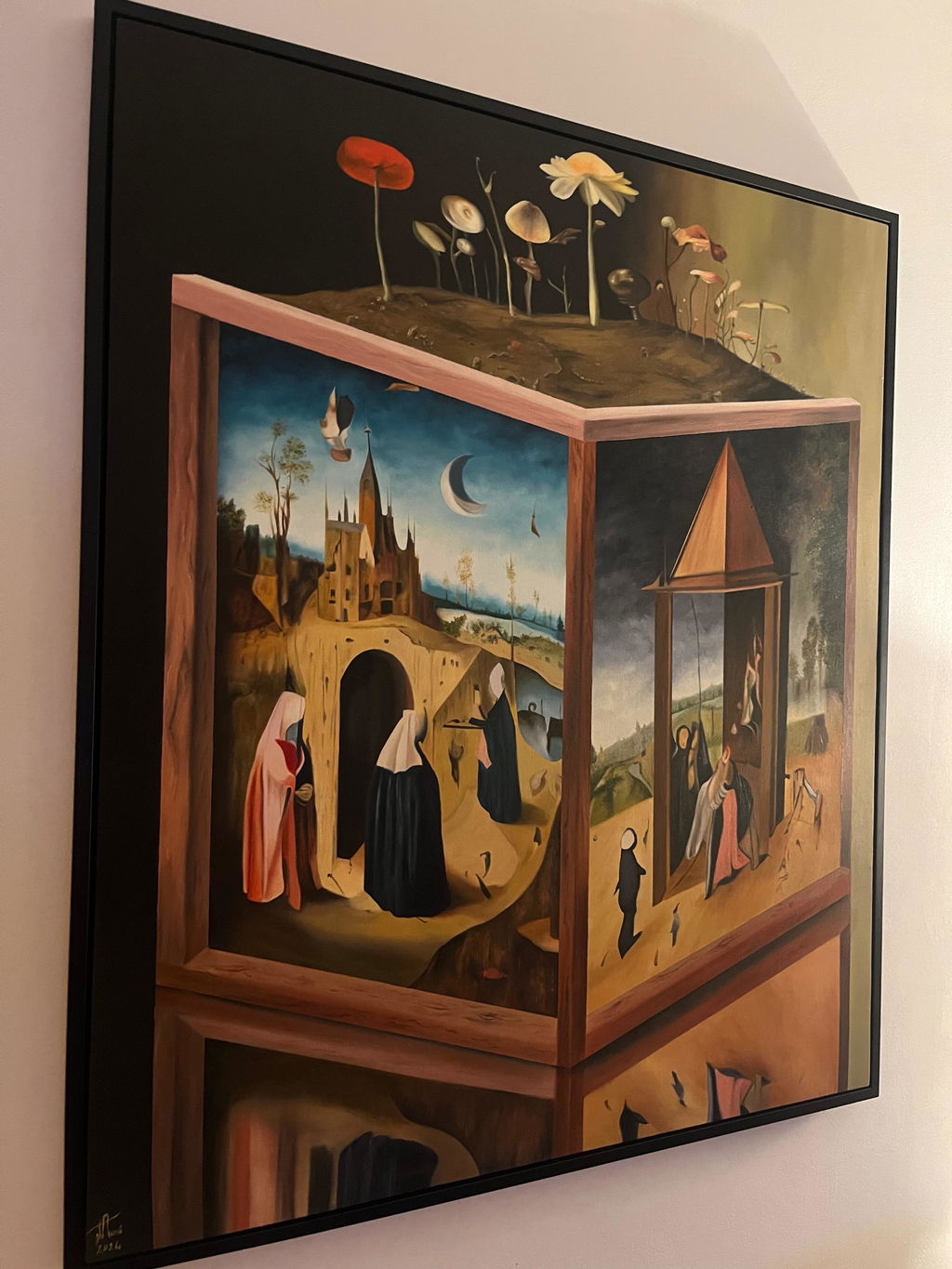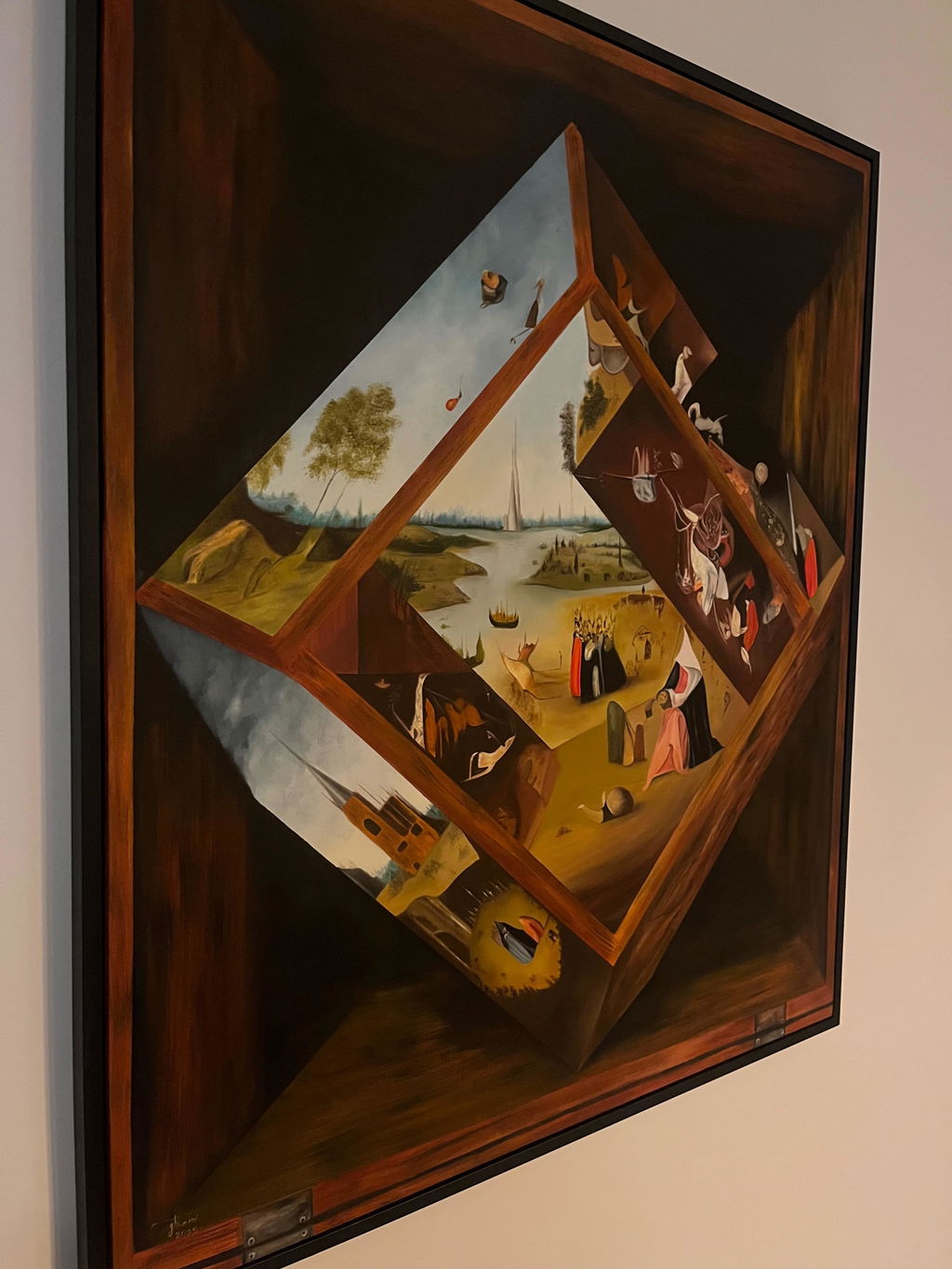
Calm in the Dark, an original oil painting of a whale in deep blue water, by Peyman Mehdizadeh

Collector's guide

Owning Original Art: Authenticity, Care and Protection

How to check that a painting is genuine before you pay, what the paperwork does and does not prove, and the small number of things that decide whether a canvas still looks right in forty years.

Start with authenticity Browse originals

Every VanArtHub painting is an original, signed by the artist, and ships with a Certificate of Authenticity and 14 days to return it.

  • Signed originals only, never prints
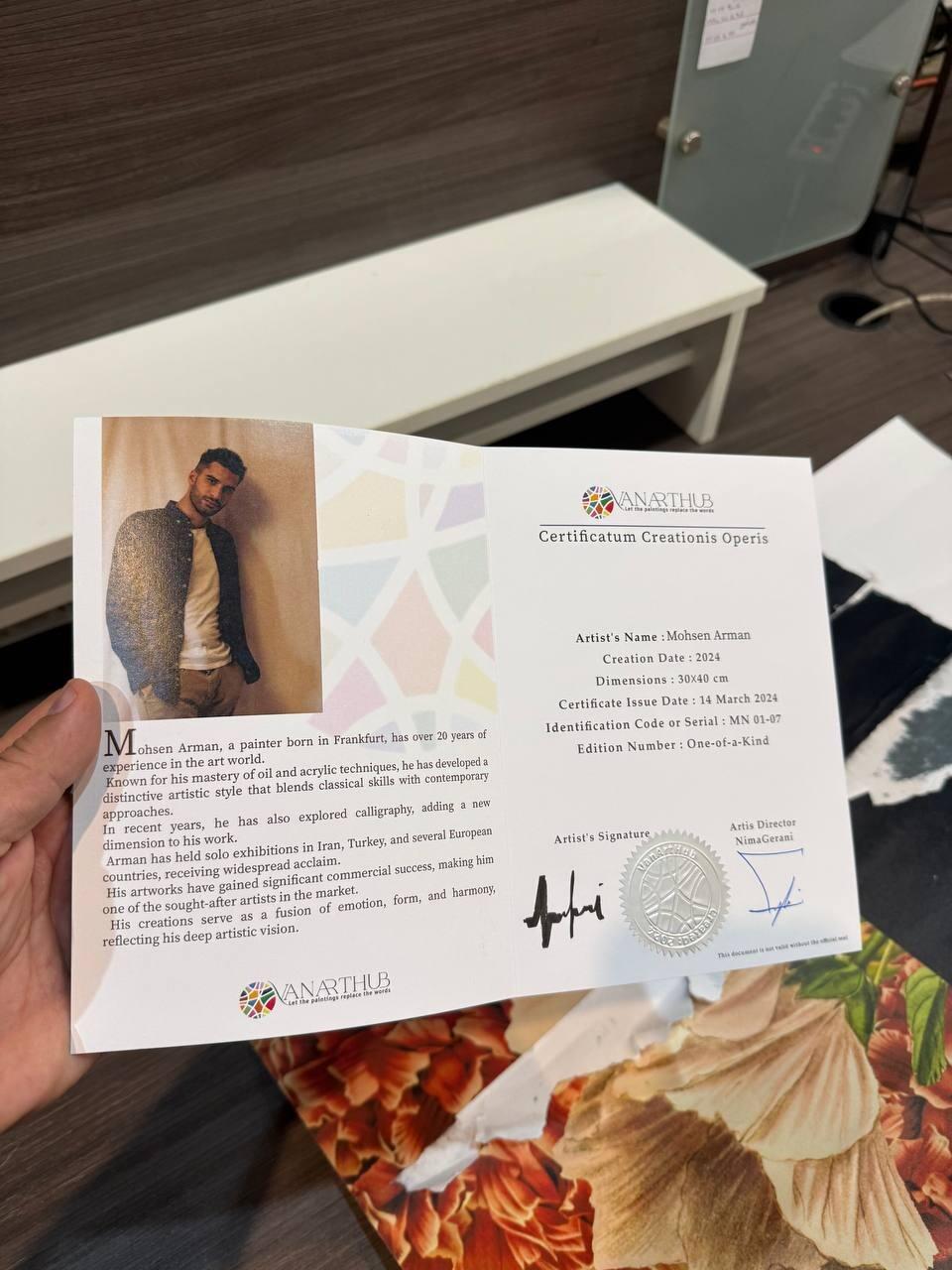
  • Certificate of Authenticity with every piece
  • 14-day return, we pay return shipping
  • Lifetime Trade-Back for store credit

Two questions decide whether buying an original painting feels safe. The first is whether the work is what the seller says it is. The second is what happens to it after it reaches your wall. This guide answers both, using the published conservation standards Canadian museums work to, and it is honest about where a document stops being useful.

The short version: a signature and a certificate are supporting evidence, never proof on their own. What actually establishes a painting is real is the chain of who has owned it and where it came from, checked against the physical object in front of you. And what keeps it in good condition is unglamorous: stable humidity, low light, and never cleaning it yourself.

Key takeaways

  • A Certificate of Authenticity is a statement by whoever signed it. Its value depends entirely on whether that person is in a position to know, and whether they can still be reached.
  • The Canadian Conservation Institute puts the safest relative humidity for paintings on canvas or wood at a stable 40 to 60%, with temperature anywhere in the range of 16 to 25 degrees Celsius.
  • Light damage accumulates and never reverses. The CCI notes most colours read well at 50 lux, and that detail in darker colours may need 150 lux.
  • Buying directly from the artist or the gallery that represents them gives you the cleanest possible provenance, because you are the first owner.
  • Never clean a painting yourself beyond light dusting with a soft dry brush. Household cleaners and water dissolve paint and varnish.
  • In Canada, a struck-through "regular" price must be a price the item genuinely sold at, under the Competition Act. Ask what the original price was and for how long.
  • Insure a painting on its own schedule once it is worth more than your policy's single-item limit for contents, which is often lower than owners expect.

Checking a painting is real, in order

Work through these in sequence. Each step is cheap and rules something out, so paying a specialist becomes the last resort rather than the first move. The order matters: there is no point paying for pigment analysis on a work whose seller cannot say where it came from.

Ask where it came from

Ask the seller to name the previous owner and how they acquired it. A seller who cannot or will not answer has told you something important. Buying from the artist or their gallery makes this step trivial.

Look at the surface in raking light

Hold a light almost flat to the canvas. A painting has physical texture: brush ridges, uneven varnish, canvas weave. A reproduction printed on canvas has a flat, regular dot pattern under magnification.

Check the back, not just the front

The reverse carries stretcher bars, tacking edges, labels, and age. Backs are harder to fake convincingly than fronts, and a back that looks newer than the front is worth a question.

Read the signature against known examples

Compare it to signatures on documented works by the same artist. A signature is the easiest element to copy, so treat a matching one as neutral rather than as confirmation.

Read the paperwork critically

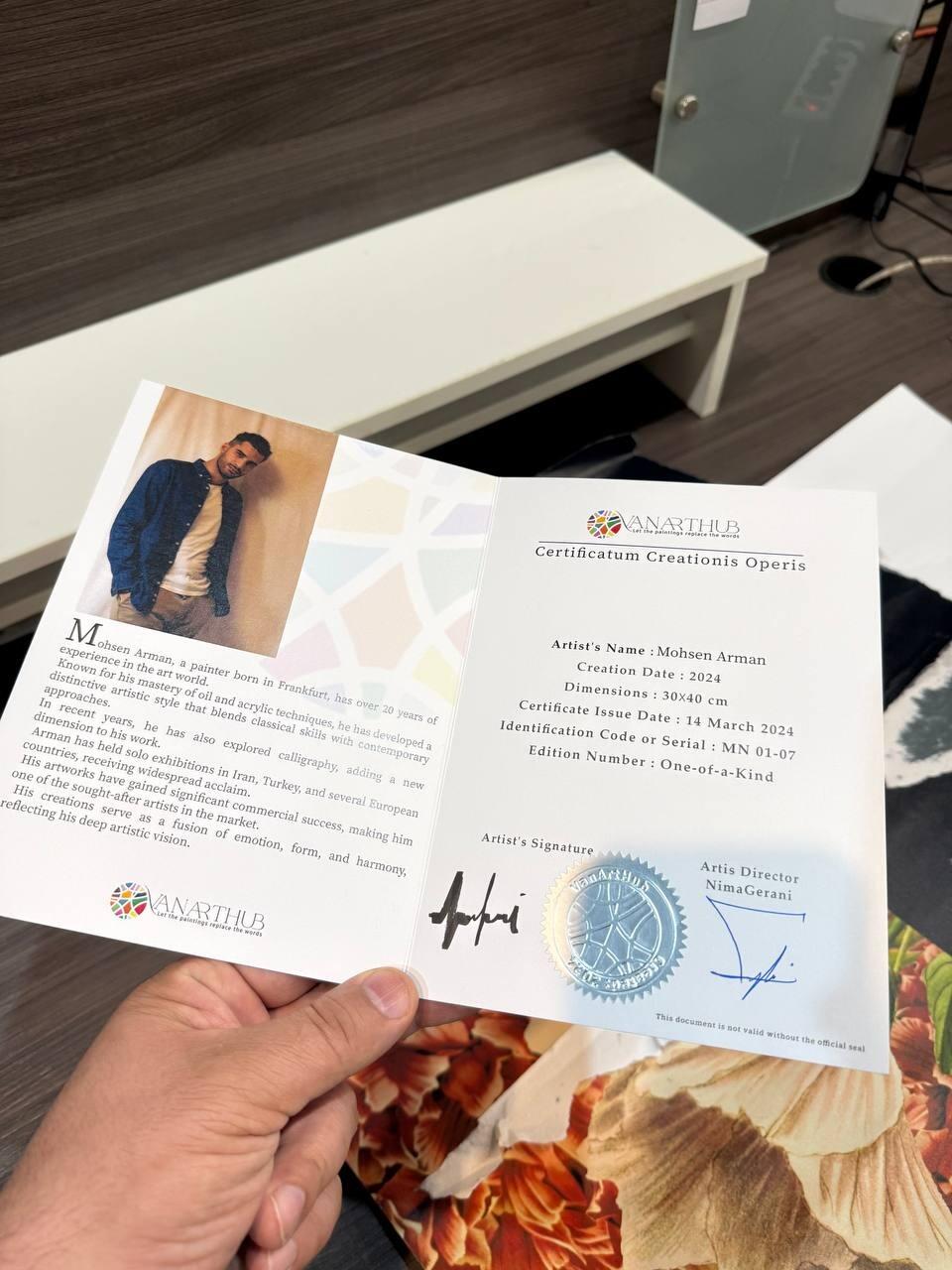
Who signed the certificate, and are they still contactable? A certificate signed by the artist, or by the gallery that sold the work new, carries weight. An unsigned one from an unnamed party carries none.

Escalate to a specialist only if it still matters

For a contested attribution on a valuable work, a conservator or an artist's foundation can examine materials and technique. This costs real money, so it belongs at the end of the list.

The conditions a painting actually needs

These are the figures the Canadian Conservation Institute publishes for museums, and they are the same physics in a living room. You do not need museum equipment to apply them. You need to avoid the four places in a house that break them: above a working fireplace, in a bathroom, on an exterior wall that gets direct sun, and in an unheated basement or attic.

Source: Canadian Conservation Institute, CCI Note 10/4, Environmental Guidelines for Paintings (published 1990, revised 2016), and CCI Note 10/3, Storage and Display Guidelines for Paintings (published 1986, revised 2016). Figures as published and checked 5 September 2026.
ConditionPublished guidanceWhat it means at home
Relative humidity A stable level between 40 and 60% Stability matters more than the exact number. Repeated swings make canvas expand and contract, which cracks paint.
Temperature Anywhere in the range of 16 to 25 degrees Celsius Normal room temperature is fine. Avoid the wall above a radiator or a working fireplace.
Light level Most colours read well at 50 lux; detail in darker colours may need 150 lux Light damage adds up and cannot be undone. Keep paintings off walls that get direct sun.
Ultraviolet Where UV cannot be blocked entirely, levels should not exceed 75 microwatts per lumen UV-filtering glazing on framed works on paper. Oils on canvas are usually displayed unglazed, so placement does the work instead.
Floor clearance in storage Supported at least 7 to 10 cm above the floor Never rest a painting directly on a floor, where a small leak becomes a total loss.
Stacking in storage No more than four to five paintings together Face to face and back to back, with a barrier between, and never leaning on a stretcher bar.

What goes wrong most often

These are the failures that turn up repeatedly, and every one of them is avoidable at no cost.

Cleaning it yourself

Water, spray cleaner, bread, saliva and cotton buds all remove paint and varnish along with the dirt, and the damage is permanent. Light dusting with a soft dry brush is the limit.

Hanging it above a fireplace

The single worst spot in most homes: heat, soot, and humidity that swings every time the fire is lit. It is also the spot people most want to use.

Treating a certificate as proof of value

A certificate speaks to identity, not to worth. Anyone can print one. What it is worth depends on who signed it and whether they can be reached.

Assuming home insurance already covers it

Standard contents cover usually caps the payout on any single item, often well below what a painting is worth. Coverage has to be arranged deliberately.

Storing it flat or on the floor

Flat storage invites dents and things stacked on top. Floor storage turns any leak into a ruined painting. Store upright, off the floor, face to face.

Varnishing too early

Oil paint keeps drying for months. Varnishing a canvas that is not fully cured traps solvent and can cloud or crack the surface later.

What we can prove about our own paintings

Being specific about our own practice matters more than describing the industry. As of 5 September 2026 VanArtHub lists 148 original paintings, from $531 to $8,000, with a median of $1,265, all prices in Canadian dollars. Every one is a one-of-a-kind original by a named living artist working in or near Vancouver. We do not sell prints, reproductions, or open editions, so there is no edition number to check and no print run to compare against.

Because we buy directly from the artists who made the work, the provenance on anything you buy here is one step long: artist to you, with the gallery recorded in between. That is the cleanest ownership record a painting can have, and it is worth more than any certificate, because it can be verified by asking the artist. The Certificate of Authenticity we issue records the title, the artist, the medium, the dimensions, the year, and the sale, and it is signed. It is a record of that transaction, and we say plainly that it is not an appraisal and carries no guarantee of future value.

On pricing, Canadian law is specific. Under subsections 74.01(2) and 74.01(3) of the Competition Act, a "regular" price shown next to a sale price has to be a price the item genuinely sold at, tested either by volume (more than half of sales at that price or higher within about a year) or by time (offered in good faith at that price for a substantial period). This is why our Daily Drop only ever discounts a work that has been listed at its full price for at least thirty days, and why we would rather show no discount than an invented one.

Frequently asked questions

How can you tell if a painting is real or a print?

Hold a light almost flat against the surface of the painting. An original has physical texture you can see and feel: ridges of brushwork, uneven varnish, and the weave of the canvas showing through thin passages. A reproduction printed onto canvas is flat, and under a magnifier it shows a regular pattern of dots rather than continuous paint. Checking the back for stretcher bars, tacking edges and labels settles most remaining doubt.

Does a certificate of authenticity mean anything?

A certificate of authenticity is a statement by whoever signed it, so its value depends entirely on whether that person is in a position to know and can still be contacted. One signed by the artist, or by the gallery that first sold the work, is meaningful supporting evidence. An unsigned certificate from an unnamed party proves nothing, because anyone can print one. A certificate speaks to identity, never to value.

What is provenance, and why does it matter more than a signature?

Provenance is the documented record of who has owned a painting, from the artist to the present. It matters more than a signature because a signature is the single easiest element of a painting to copy, while a chain of named owners, invoices and exhibition records is difficult to fabricate convincingly. When you buy directly from the artist or their gallery, that chain is one step long and you are its first entry.

What temperature and humidity should a painting be kept at?

The Canadian Conservation Institute states that the safest relative humidity for paintings on canvas or wood is a stable level between 40 and 60%, with a temperature set point anywhere in the range of 16 to 25 degrees Celsius. Stability matters more than the precise figure, because repeated swings make the canvas expand and contract, which is what cracks the paint layer over time.

How much light is too much for a painting?

Light damage accumulates and never reverses, so lower is always safer. The Canadian Conservation Institute notes that the average person perceives most colours reasonably well at 50 lux, and that detail in darker colours may require 150 lux. The practical rule at home is to keep a painting off any wall that receives direct sunlight, and to accept that a well-lit room is a compromise you are choosing.

Can I clean an original painting myself?

Light dusting with a clean, soft, dry brush is the only cleaning you should do yourself on an original painting. Water, household cleaners, cloths and the folk remedies that circulate online all remove paint and varnish along with the dirt, and that damage cannot be reversed. Anything beyond dust belongs with a trained conservator, who can test how the surface responds before touching it.

When should an oil painting be varnished?

An oil painting should not be varnished until the paint has fully cured, which takes considerably longer than it takes to feel dry to the touch. Varnishing too early traps solvent under the film and can cloud or crack the surface months later. Because the right timing depends on paint thickness and the mediums used, the artist who made the work is the right person to ask, and many supply a piece already varnished.

Do I need to do anything special to look after a painting at home?

Most homes need no special measures at all. Hang the painting on an interior wall in a room you heat and live in, keep it out of direct sunlight and away from the bathroom, the fireplace and the radiator, and dust it lightly once a year with a soft dry brush. Those four decisions cover almost everything that goes wrong with paintings in private hands.

Is a struck-through price on an artwork allowed in Canada?

A struck-through regular price is allowed in Canada only when the item genuinely sold at that price. Subsections 74.01(2) and 74.01(3) of the Competition Act require a seller to meet either a volume test, where more than half of sales were at that price or higher within about a year, or a time test, where the item was offered in good faith at that price for a substantial period. A regular price that was never real is a deceptive marketing practice.

What does VanArtHub include with every original painting?

Every VanArtHub painting is an original signed by the artist and ships with a Certificate of Authenticity recording the title, artist, medium, dimensions and year. Shipping is free and fully insured, taking 3 to 7 business days within Canada and 5 to 10 to the United States. You have 14 days to live with the piece and return it for a full refund, with return shipping paid, and a Lifetime Trade-Back for store credit after that.

Sources and references

Every figure on this page comes from one of the following. Each link was opened and confirmed to resolve on 5 September 2026.

  1. Environmental Guidelines for Paintings, CCI Notes 10/4. Canadian Conservation Institute, Government of Canada. Published 1990, revised 2016. Accessed 5 September 2026. Source for the 40 to 60% relative humidity range, the 16 to 25 degrees Celsius temperature range, the 50 and 150 lux figures, and the 75 microwatts per lumen ultraviolet limit.
  2. Storage and Display Guidelines for Paintings, CCI Notes 10/3. Canadian Conservation Institute, Government of Canada. Published 1986, revised 2016. Accessed 5 September 2026. Source for the 7 to 10 cm floor clearance and the four to five painting stacking limit.
  3. Ordinary selling price. Competition Bureau Canada. Page modified 18 December 2025. Accessed 5 September 2026. Source for the volume test and the time test, and for the citation of Competition Act subsections 74.01(2) and 74.01(3).
  4. Competition Act, R.S.C. 1985, c. C-34. Justice Laws Website, Government of Canada. Accessed 5 September 2026. The statute containing the ordinary price provisions cited above.
  5. VanArtHub catalogue figures (148 active originals, $531 to $8,000, median $1,265, Canadian dollars) counted directly from the store's own product records on 5 September 2026. These change whenever inventory changes.

Guidance on what a certificate of authenticity should contain is not covered by a published standard from any issuing authority. Where this guide describes certificate contents, it describes common gallery practice and our own, and says so rather than presenting it as a rule.

See the paintings this guide is about

148 original signed paintings by Vancouver artists, each with a Certificate of Authenticity, free insured shipping, and 14 days to decide.

Browse all originals How buying works