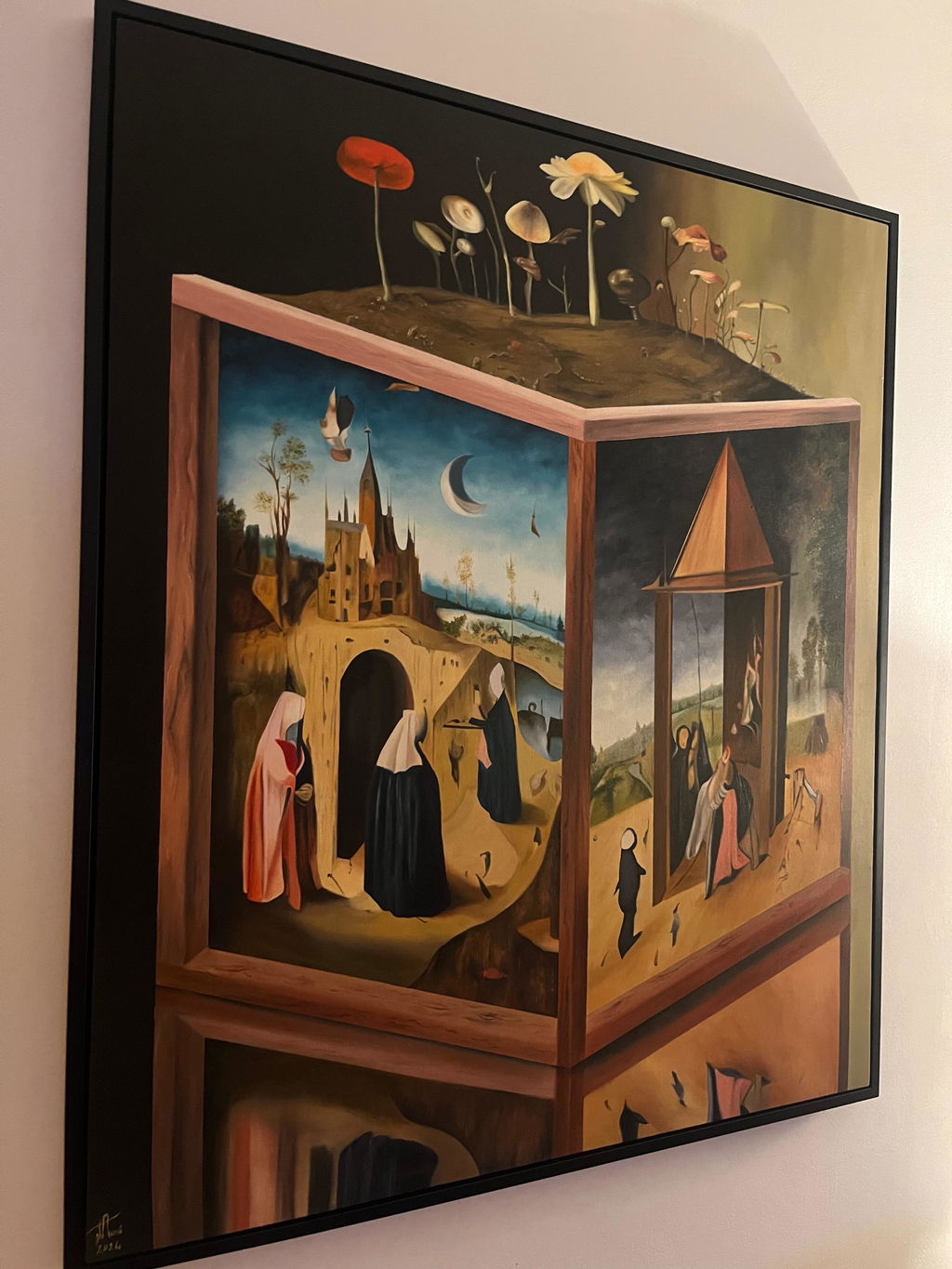
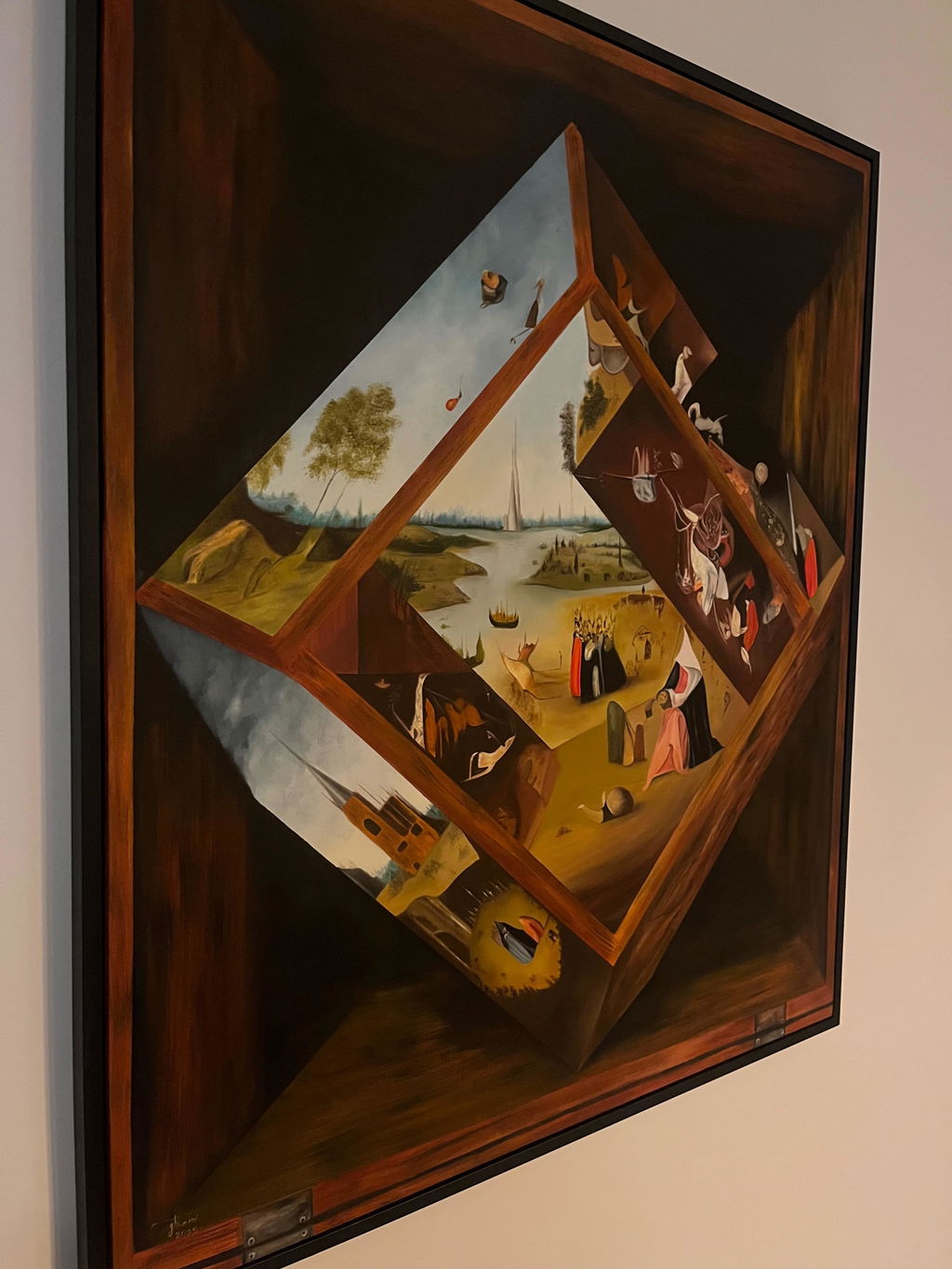
Standard home insurance covers fine art only up to a special limit, which is a fixed dollar cap that applies no matter what the work is worth. The Insurance Bureau of Canada lists fine art and antiques among the categories subject to such a limit, alongside cash, jewellery and furs. To insure a painting for its actual value, it has to be scheduled on the policy separately, and that generally requires an appraisal.
This is the part of ownership most people discover after a loss rather than before one. A painting is usually the single most valuable object in a room and the one the policy is least likely to cover properly. The fix is a phone call and a document, and it costs a great deal less than the gap it closes.
Key takeaways
- Fine art is subject to a special limit under a standard Canadian home policy, so the payout on a single work can be capped well below its value.
- Insuring a work specifically means scheduling it on the policy, where its value is agreed in advance, generally through an appraisal.
- An appraisal states value on a given date. A certificate of authenticity states identity. They are different documents and are not interchangeable.
- Appraisals go out of date as the market moves, so they need revisiting periodically for a work whose value changes.
What a standard policy actually does
A home policy insures contents in general, then carves out categories where individual items can be unusually valuable and applies a cap to each. The Insurance Bureau of Canada describes this directly: property is covered only up to a specific amount, known as a special limit, and fine art sits in that group.
The practical effect is that a painting worth several thousand dollars may be covered to only a fraction of that in a total loss, even though the overall contents limit is far higher. The cap is per category or per item rather than a share of the total, so a large contents limit gives no protection against it.
The number varies between insurers and policies, which is why the only useful action is to read your own policy or ask your broker what your fine art special limit is. Nobody can tell you that figure except the company that wrote your policy.
Scheduling a painting
To insure a work for what it is worth, it is listed on the policy individually. The Insurance Bureau of Canada describes this as insuring the article specifically, with the value determined in advance, generally through an appraisal. The industry terms for this are a schedule, an endorsement, or a floater, and they amount to the same arrangement.
Two advantages follow from agreeing value in advance. The amount is settled while everyone is calm and the painting still exists, rather than argued after a fire. And scheduled items are usually covered on broader terms than general contents, often including accidental damage and loss away from the home.
What the insurer will typically want: a description of the work, the purchase invoice, the certificate of authenticity, photographs, and an appraisal once the value passes their threshold. Keeping this material from the day of purchase, as described on our page about provenance, makes this straightforward.
What an appraisal is, and what it is not
An appraisal is a written opinion of value, produced by a qualified appraiser, for a stated purpose and on a stated date. The purpose matters, because the same painting has different values depending on the question being asked. Insurance replacement value, fair market value for tax or estate purposes, and likely auction result are three different figures, and an appraisal prepared for one purpose may not serve another.
An appraisal is not a certificate of authenticity, and a certificate is not an appraisal. The certificate says who made the work. The appraisal says what it is worth today. Our page on what a certificate of authenticity actually proves covers the other side of that distinction.
Appraisals also age. Art markets move, artists' reputations rise and fall, and a valuation from a decade ago may substantially misstate current value in either direction. Insurers commonly ask for periodic updates on scheduled items for exactly this reason.
Finding an appraiser
Look for an appraiser who works with fine art specifically rather than general personal property, who holds a recognised professional designation, and who charges by the hour or by the project rather than as a percentage of the value they assign. That last point matters: an appraiser paid a percentage of the figure they produce has an obvious incentive, and reputable practice is to charge for the work rather than the answer.
Ask what the appraisal is for before commissioning it, so the appraiser prepares it on the correct basis. Ask what it will include, since a usable insurance appraisal describes the work fully, states the basis of value, gives the date, and is signed.
Costs vary by region, by the appraiser's experience, and by how much research a work requires, so no single figure would be honest here. Ask for a quote in advance, and expect a fee that only makes sense once a painting is worth enough that the gap in coverage would hurt.
When a painting is probably worth scheduling
There is no universal threshold, but the decision is not complicated. Find out your policy's fine art special limit. If a painting is worth more than that, the difference is money you are carrying yourself. Whether that matters is your judgement, and for a modest work it often does not.
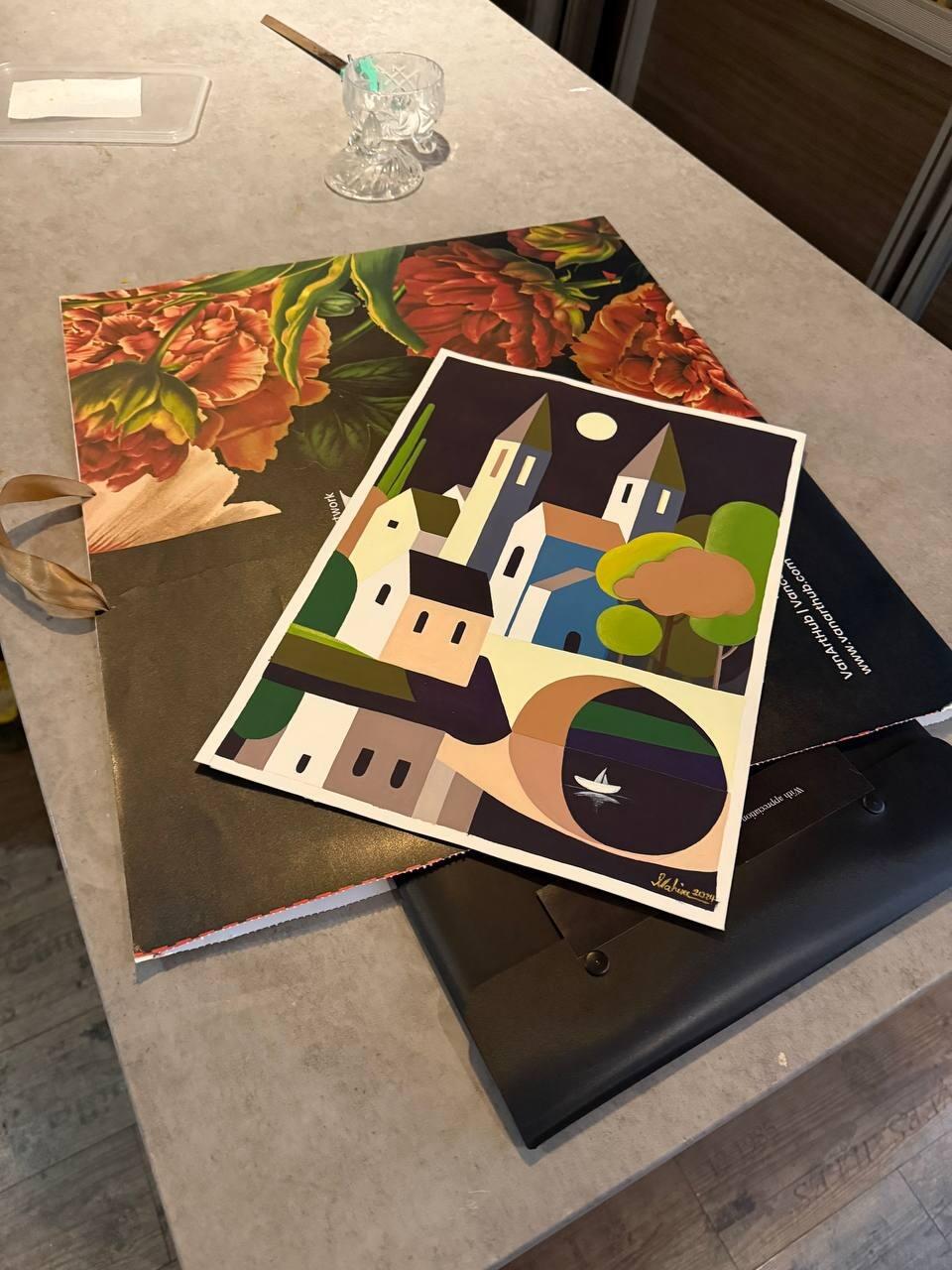
For context on the range this question applies to: as of 5 September 2026 VanArtHub lists 148 original paintings from $531 to $8,000, with a median of $1,265, all in Canadian dollars. Sixty of those are under $1,000. A painting at the lower end of that range may sit comfortably inside a policy's special limit, while one at the upper end quite likely does not.
Documentation to keep from day one
- The purchase invoice, showing the seller, the date and the price paid.
- The certificate of authenticity.
- Photographs of the front, the back, the signature and any labels, stored somewhere other than the house itself.
- The exact dimensions and medium.
- Any appraisal, with its date and stated purpose.
- A record of any conservation work, with the conservator's name and the date.
This is a fifteen minute task that cannot be done retrospectively after a loss, which is the entire argument for doing it when the painting arrives.
Frequently asked questions
Does home insurance cover an original painting?
Home insurance covers fine art only up to a special limit, which the Insurance Bureau of Canada describes as a fixed dollar cap applied to certain categories including fine art and antiques. That cap can sit well below what a painting is worth, regardless of how high the overall contents limit is. Covering a work for its full value requires listing it on the policy separately.
What does it mean to schedule a painting on a policy?
Scheduling a painting means listing it individually on the policy with an agreed value, rather than leaving it inside general contents cover. The Insurance Bureau of Canada notes that by insuring an article specifically, its value is determined in advance, generally through an appraisal. Scheduled items are also usually covered on broader terms, often including accidental damage and loss away from the home.
What is the difference between an appraisal and a certificate of authenticity?
An appraisal is a written opinion of value on a stated date for a stated purpose, prepared by a qualified appraiser. A certificate of authenticity states who made the work and says nothing about value. Insurers and estates ask for appraisals, and the two documents are not interchangeable, so having one does not remove the need for the other.
How often should an art appraisal be updated?
Appraisals age because art markets move and artists' reputations change, so a valuation can misstate current value in either direction after several years. Insurers commonly ask for periodic updates on scheduled items for this reason, and the right interval depends on the work and the insurer's requirements. Ask your broker how often they want a scheduled painting revalued.
How much does an art appraisal cost?
Appraisal fees vary by region, by the appraiser's experience, and by how much research a particular work requires, so any single figure quoted in advance would be misleading. Ask for a written quote before commissioning one. What is worth insisting on is that the appraiser charges by the hour or by the project rather than as a percentage of the value they assign.
Do I need an appraisal for a painting I just bought?
A recent purchase invoice from a reputable seller often serves as evidence of value for a newly bought painting, and many insurers will accept it in place of an appraisal at modest values. Ask your broker what they require at the value in question. An appraisal becomes more clearly necessary as value rises, and for work bought long ago or inherited without paperwork.
What is the fine art special limit on my policy?
The special limit for fine art differs between insurers and between policies, so the figure can only come from your own policy documents or your broker. It is worth asking directly, because the answer determines whether any of your paintings need scheduling. This is a single question that takes one phone call and settles the entire matter.
Does insurance cover a painting while it is being shipped?
Cover during shipping depends on the arrangement, and general home contents cover often does not extend to a work in transit with a carrier. Ask before shipping anything valuable. Every VanArtHub painting ships free and fully insured, taking 3 to 7 business days within Canada and 5 to 10 to the United States, so the piece is covered on its way to you.
What should I photograph for insurance purposes?
Photograph the front of the painting in even light, the back including any labels or inscriptions, the signature in close-up, and the frame. Store the images somewhere other than the house itself, such as cloud storage, since a fire that destroys the painting will destroy a local copy too. Record the exact dimensions and the medium alongside them.
Can I insure a painting for what I paid rather than its current value?
Insuring for the purchase price is common and often sensible for a recently bought work, since the invoice establishes that figure clearly. The gap appears over time if a work appreciates, because the agreed value stays where it was set. This is why insurers ask for periodic revaluation on scheduled items, and why the purchase price is a starting point rather than a permanent answer.
Sources and references
Each link was opened and confirmed to resolve on 5 September 2026.
-
Know your policy. Insurance Bureau of Canada. Accessed 5 September 2026. Source for the special limit applying to categories including fine art and antiques.
-
Glossary. Insurance Bureau of Canada. Accessed 5 September 2026. Source for the definitions of a Schedule of Insurance and a Floater.
-
Types of home coverage. Insurance Bureau of Canada. Accessed 5 September 2026. Source for insuring an article specifically, with value determined in advance through an appraisal.
- VanArtHub catalogue figures (148 active originals, $531 to $8,000, median $1,265, 60 under $1,000, Canadian dollars) counted from the store's own product records on 5 September 2026.
No specific dollar figure is given for a fine art special limit or for an appraisal fee, because both vary by insurer, policy and region. Ask your own broker and appraiser rather than relying on a figure quoted elsewhere.