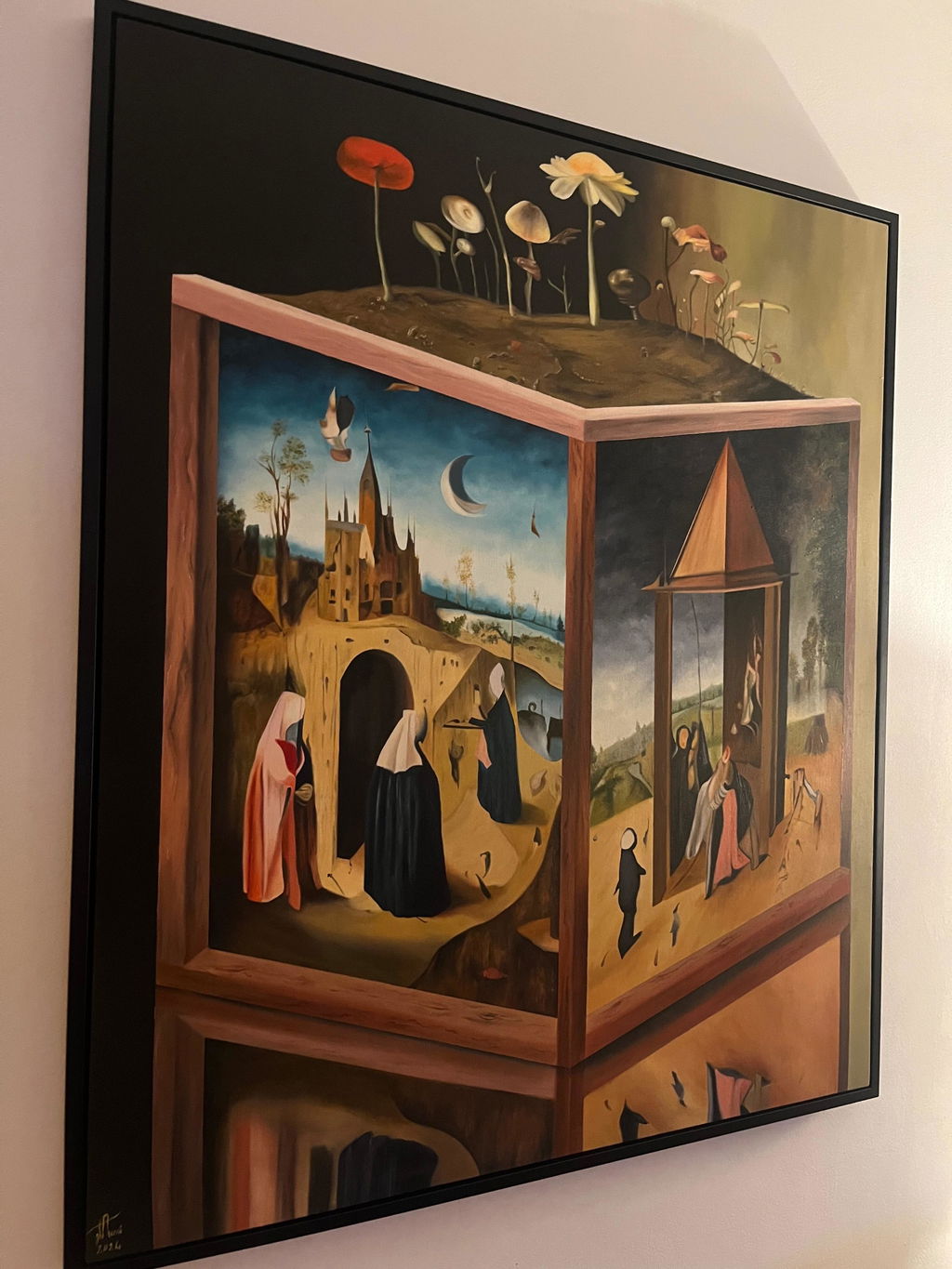
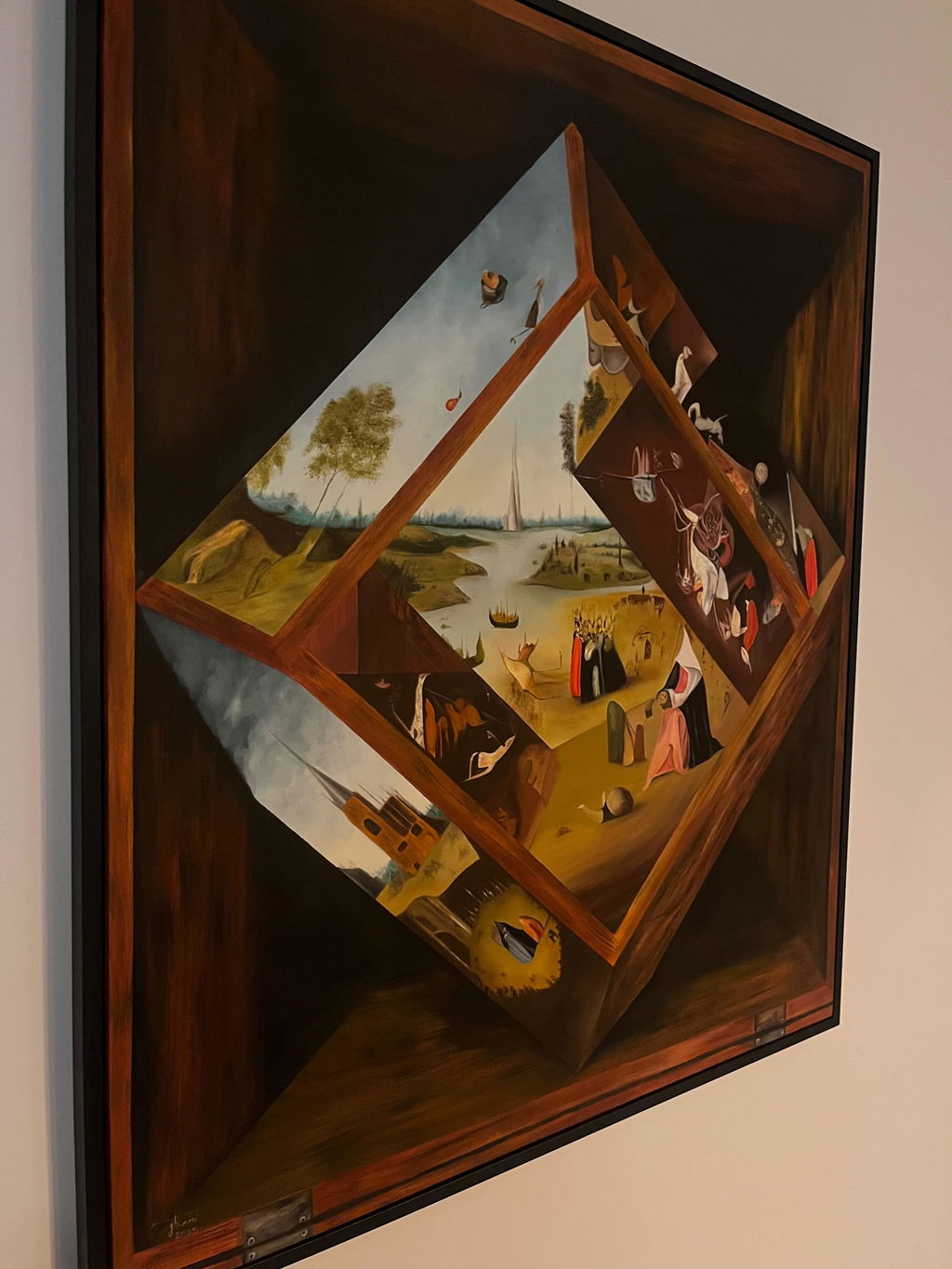
Here is the part most framers will not tell you: a lot of original paintings do not need a frame at all. Many of the canvases we sell are gallery-wrapped, which means the painting continues around the sides of a deep wooden bar and is ready to hang straight from the box. So the first framing question is not "which frame," it is "does this piece need one." This page walks you through that, and through the real cost of framing in Canada.
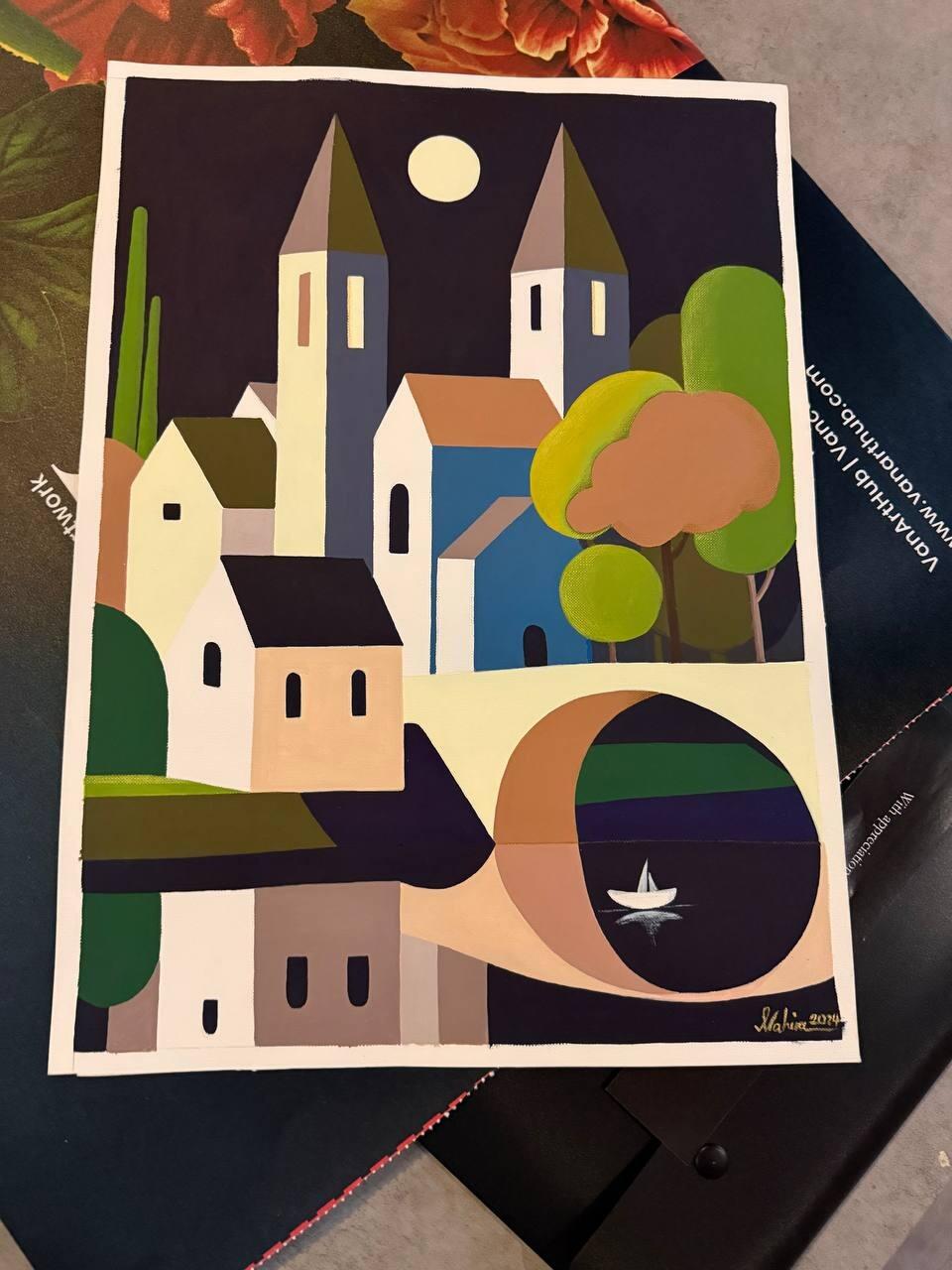
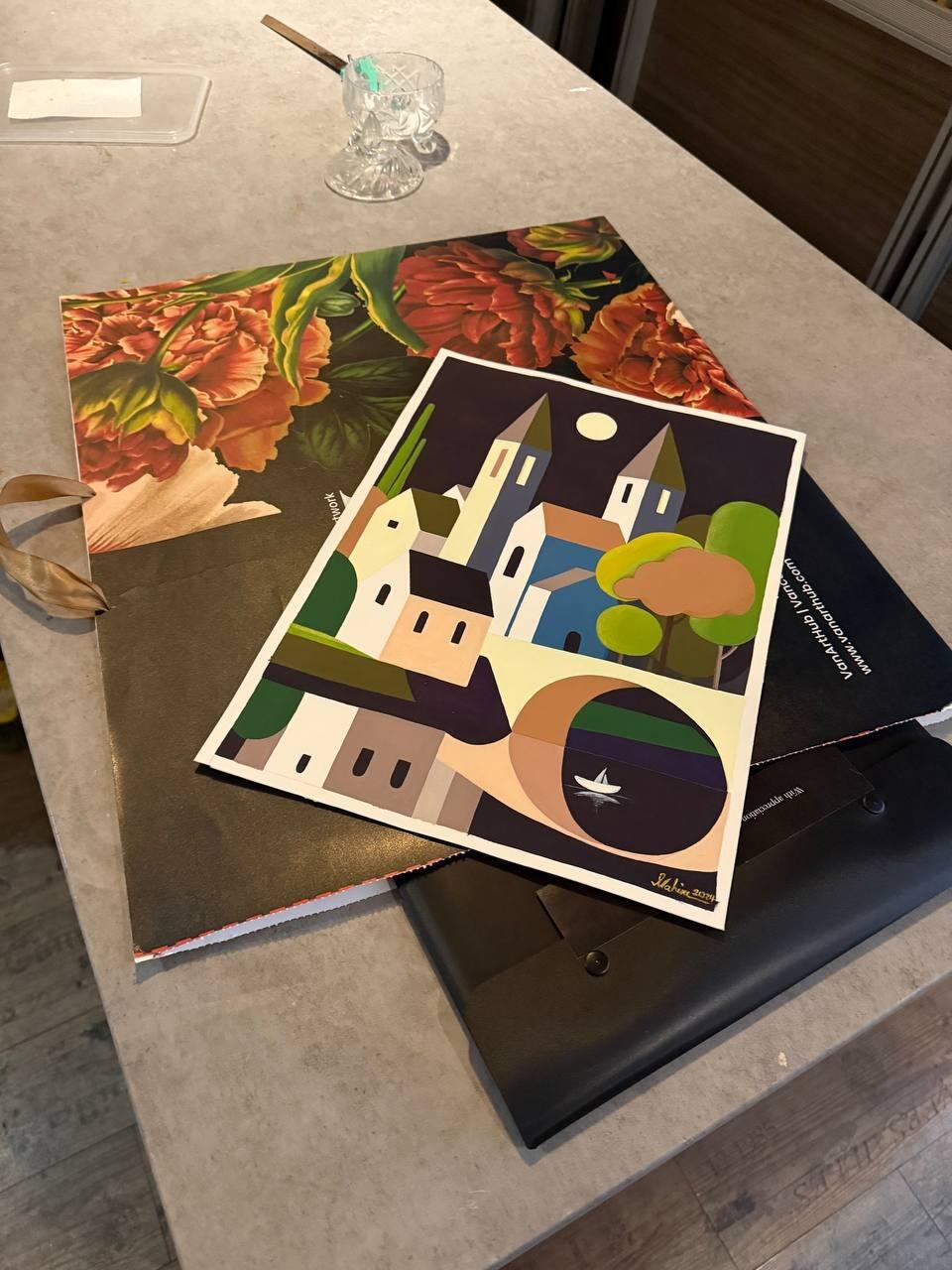
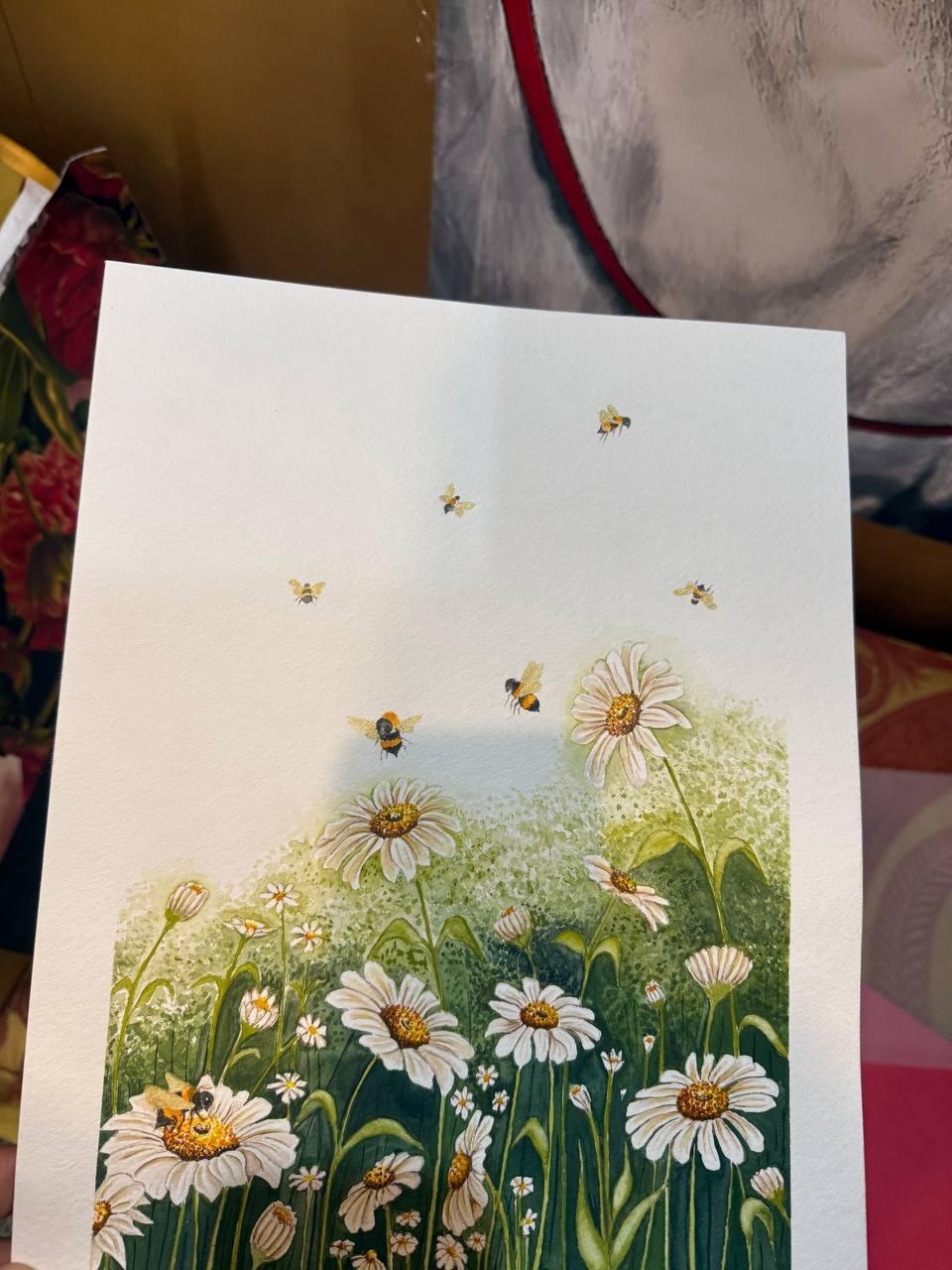
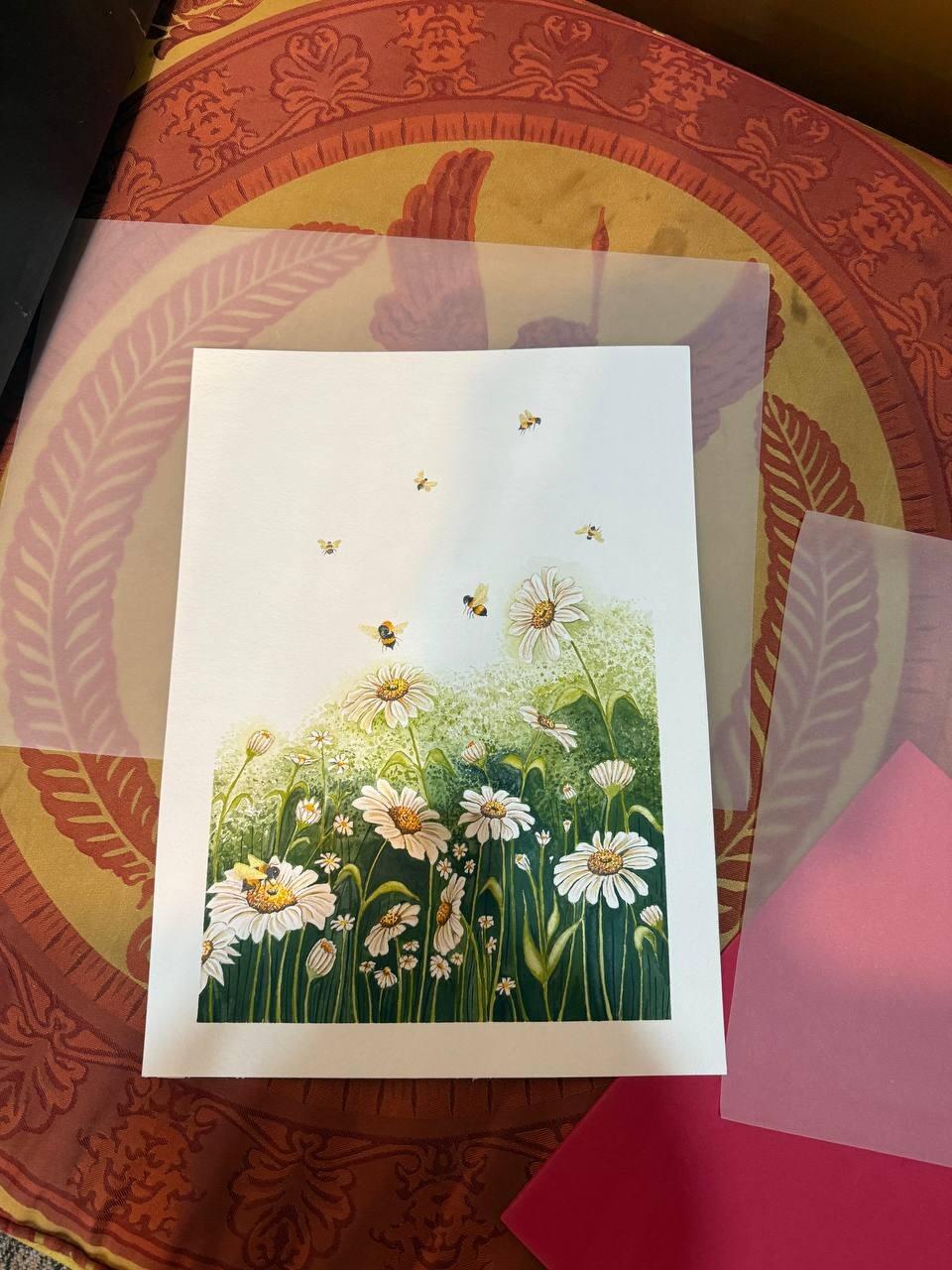
Most of what we ship at VanArtHub is painted on stretched canvas and made to hang bare. Works on paper, like pencil drawings and watercolours, are the exception and do want protection. If you want to see the work first, browse the full fine art collection, and check each listing for whether it is canvas or paper.
Does an original painting even need a frame?
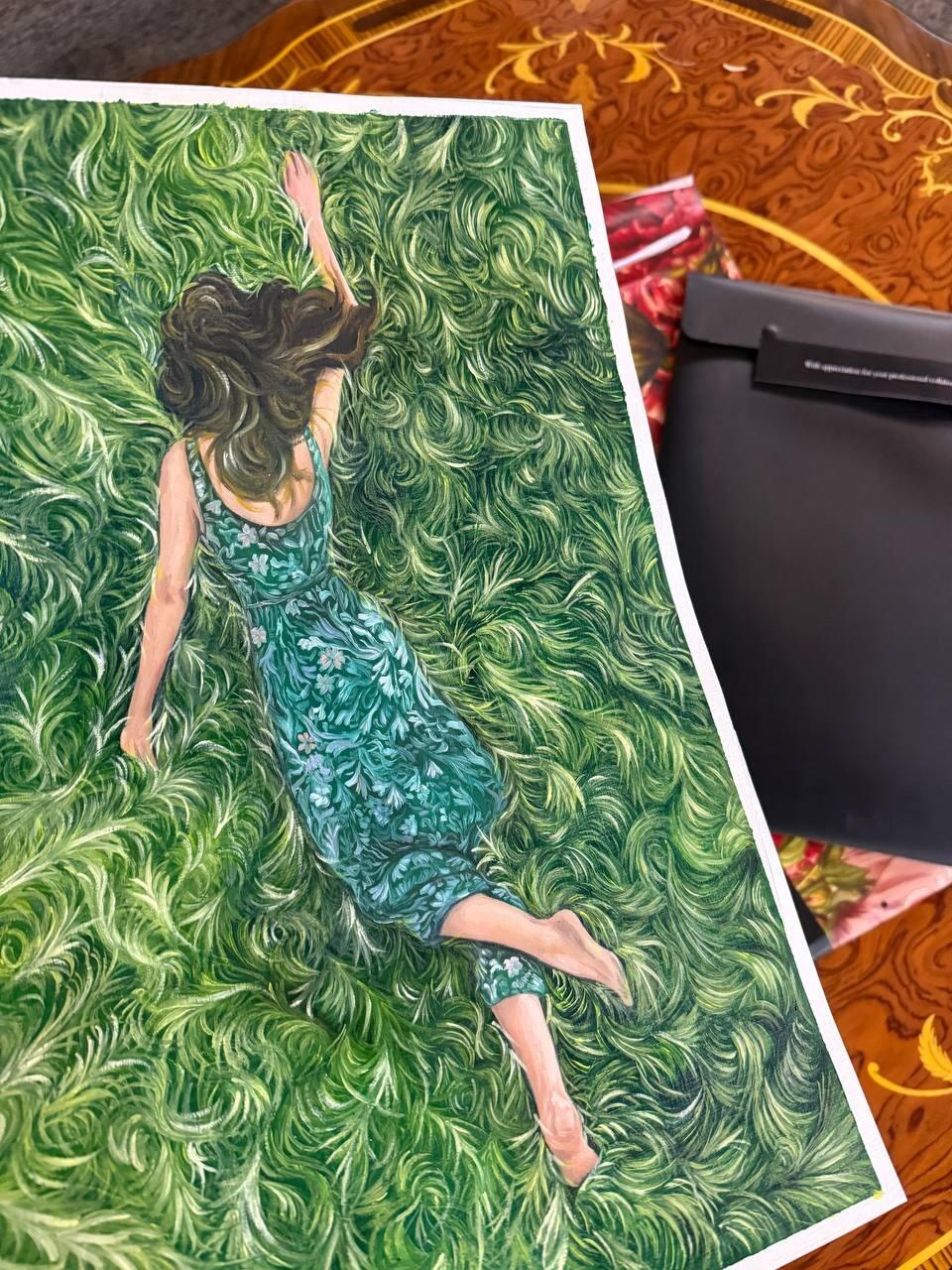
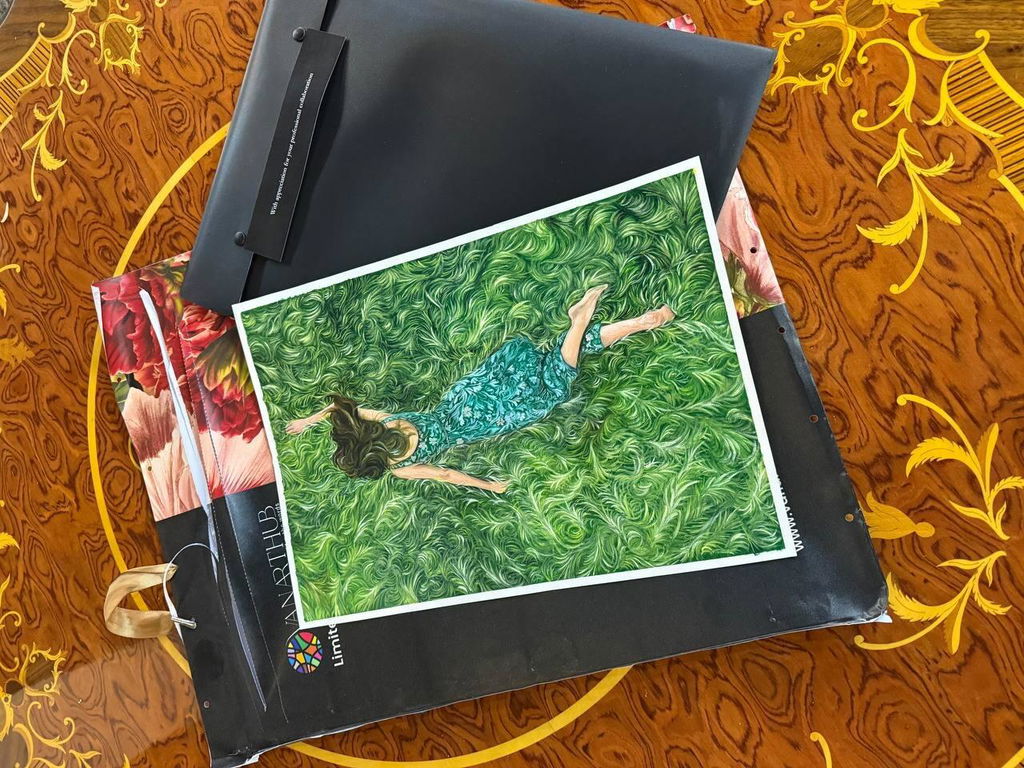
Often, no. A gallery-wrapped canvas is stretched over a bar that is usually about 3.5 to 4 cm deep, the paint carries around the edges, and the staples sit hidden on the back. That kind of piece is designed to hang unframed, and framing it can hurt the clean modern look many buyers want. A frame becomes worth it in three cases: the canvas edges are raw, you want a more formal feel, or the work is on paper and needs glass to protect it. Everything else is taste.
Float frames for canvas, traditional frames for paper
The frame you choose depends on what the art is painted on. A float frame is built for canvas. The canvas sits inside the frame with a small gap of about 5 to 8 mm all the way around, so it looks like the painting is floating in a thin border. It adds a finished edge without covering any of the image, and it uses no glass. A traditional frame, with a wider moulding and usually a mat and glass, suits works on paper and formal oils. Do not put a canvas behind glass. Oil and acrylic need to breathe, and glass flattens the texture that makes an original worth owning.
Glazing and UV glass for pencil and watercolour
Anything on paper needs glazing, which is the glass or acrylic sheet in front of the art. Plain glass protects against dust and fingers but not light. For a pencil drawing or a watercolour, ask for UV-protective glazing, which blocks most of the ultraviolet light that fades pigment over years. Museum glass goes further and cuts glare too, though it costs more. Always use a mat or a spacer so the paper never touches the glass, because trapped moisture is what causes buckling and mould.
What matches with what
Use this table as a starting point. Every piece is different, but this is the advice we give when a buyer asks how to frame a specific type of work.
| Artwork type |
Framing recommendation |
Why |
| Gallery-wrapped canvas (oil or acrylic) |
Hang bare, or add a float frame |
Painted edges and a deep bar mean it is finished on all sides. A float frame is the only frame that suits it, and glass would harm it. |
| Canvas with raw or stapled edges |
Float frame or a shallow canvas frame |
Hides the unfinished sides and gives a clean border without covering the image. |
| Watercolour or gouache on paper |
Mat plus UV-protective glazing in a traditional frame |
Paper fades and cockles. UV glass slows fading and the mat keeps the paper off the glass. |
| Pencil, charcoal, or ink drawing |
Mat plus glazing, non-glare if possible |
Loose media smudge and need a physical barrier. A mat stops the surface from touching the glass. |
| Formal oil on panel or board |
Traditional moulding, no glass |
A wider frame suits the formal look, and the paint still needs air, so no glazing. |
Choosing the frame colour
Match the frame to the room, not to the loudest colour in the painting. A natural oak or light wood frame is the safe modern choice and suits almost any palette. Black reads sharp and holds a busy abstract together. White or off-white keeps a light room feeling open. Gold and ornate mouldings suit classic interiors and formal portraits, but they can fight a modern canvas, so use them with care. When in doubt, pick a thin frame in a neutral wood tone.
What framing costs in Canada
Custom framing at a Canadian frame shop is not cheap, so it helps to know the ranges before you commit. A simple float frame for a mid-size canvas usually runs about $80 to $200. A framed work on paper with a mat and standard glass runs about $120 to $300 for a small to mid-size piece. Add UV-protective glass and you are looking at roughly $200 to $450, and museum glass on a large piece can pass $600. A ready-made frame from a craft or home store is far cheaper, often $30 to $80, but it only works if your piece matches a standard size. Our canvases are made to hang unframed, so for most buyers the honest answer is that you can spend nothing at all and the work still looks complete on the wall.
Key things to remember
- Most gallery-wrapped canvases at VanArtHub are made to hang bare, so framing is a choice, not a requirement.
- Use a float frame for canvas and never put oil or acrylic behind glass, because the paint needs air.
- Works on paper, like pencil and watercolour, do need glazing, and UV-protective glass is worth the extra cost to slow fading.
- Match the frame colour to your room, and when unsure choose a thin neutral wood tone.
- Custom framing in Canada often runs $80 to $450 depending on size and glass, while a bare canvas costs you nothing.
Frequently asked questions
Do original paintings need to be framed?
Usually not. Most originals at VanArtHub are gallery-wrapped canvases, which means the paint carries around a deep wooden bar and the piece is finished on all sides. It is designed to hang straight from the box with no frame. Framing is only needed for works on paper or for canvases with raw, unfinished edges.
Can I put a canvas painting behind glass?
No, and we would advise against it. Oil and acrylic paintings need air, and sealing a canvas behind glass can trap moisture and flatten the texture that makes an original worth owning. If you want a frame for a canvas, use a float frame, which leaves the surface open and adds a thin border around the edge instead.
How much does it cost to frame a painting in Canada?
Custom framing usually runs about $80 to $200 for a float frame on canvas, and about $120 to $450 for a work on paper with a mat and glass, with UV or museum glass at the higher end. Ready-made frames cost far less, around $30 to $80, but only if your piece matches a standard size.
What glass should I use for a watercolour or drawing?
Use UV-protective glazing for anything on paper. Plain glass keeps out dust but not light, and light is what fades pigment over the years. UV glass blocks most ultraviolet, and museum glass also cuts glare. Always add a mat or spacer so the paper never touches the glass, which prevents buckling and mould.
What frame colour goes with an original painting?
Match the frame to the room rather than to a colour in the art. Natural oak or light wood is the safe modern choice and suits almost any palette. Black reads sharp and contemporary, white keeps a light room open, and gold suits classic interiors. When unsure, choose a thin neutral wood frame and let the painting lead.
Do VanArtHub paintings arrive framed?
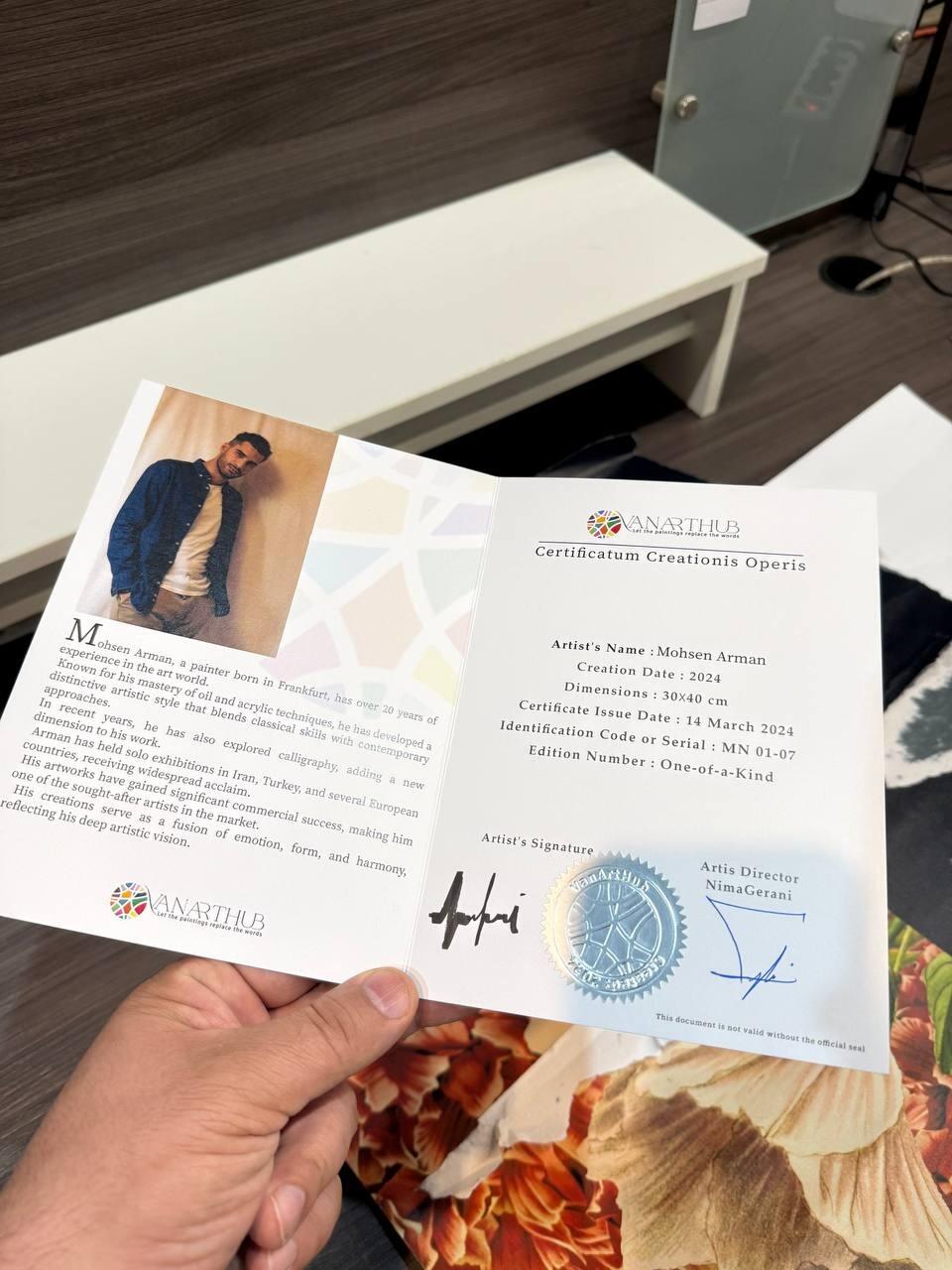
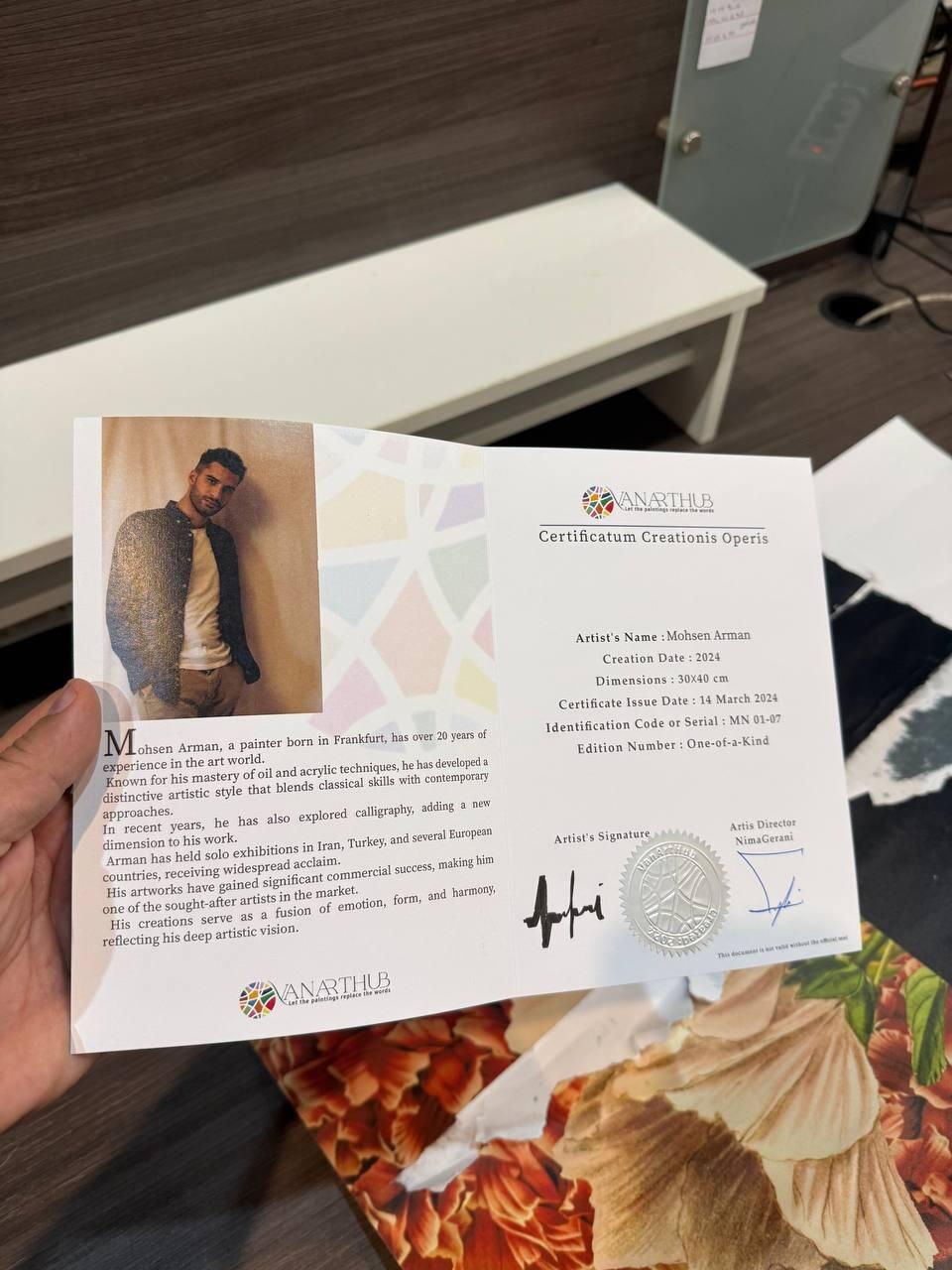
Our canvases are made to hang unframed and ship ready to mount straight from the box, packed to gallery standard from our Vancouver studio. Each piece includes a Certificate of Authenticity and ships free and fully insured, with Canadian orders arriving in 3 to 7 business days and US orders in 5 to 10. You are free to add your own frame later.
Ready to choose a piece? Browse the full fine art collection, then read our companion guides on caring for original paintings and hanging and lighting art. To keep learning how to buy, see how to buy original art, or return to the Canadian art hub.