Provenance is the documented record of who has owned a painting, from the artist to its present owner. It is the strongest evidence a work is genuine, stronger than a signature and stronger than a certificate, because it accumulates from many independent sources over years rather than being produced by one party at one moment.
A forger can copy a signature in seconds and print a certificate in minutes. Fabricating a convincing chain of invoices, exhibition catalogues, shipping labels, insurance schedules and auction records, all of which can be checked against third-party archives, is a different order of problem. That difficulty is exactly what makes provenance valuable.
Key takeaways
- Provenance is a chain. Its strength is set by its weakest link, and by any gap where the record goes quiet.
- Documents created for other purposes at the time, such as an invoice or a shipping record, are stronger evidence than documents created later to support a sale.
- A painting bought new from the artist or their gallery has the shortest possible provenance, which is the best kind.
- Provenance also establishes legal ownership, which matters separately from authenticity.
What provenance is made of
Provenance is assembled from whatever paper a painting has generated over its life. The useful items are those created by someone other than the current seller.
-
Sale invoices and receipts, showing a named seller, a named buyer and a date.
-
Gallery and exhibition labels on the reverse of the work.
-
Exhibition catalogues that list the work and often name the lender, which places the painting with a particular owner at a particular time.
-
Auction records, which are published and searchable, making them one of the easiest links to verify independently.
-
Correspondence between the artist, dealers and owners.
-
Insurance schedules and appraisals, which list works by owner and date.
-
Wills, estate inventories and probate records, which move a work between generations.
-
Shipping and customs documents, which place a work in a location on a date.
How to read a provenance record
Read it as a timeline and look for the places where it breaks.
Look for gaps. A chain that runs from the artist in 1962 to a named collector in 1964, then goes silent until a sale in 2019, has a fifty-five year hole. The hole does not prove anything is wrong, and paintings genuinely do sit in one family unnoticed for decades. It does mean nobody can confirm what happened during that period.
Prefer named parties. "Private collection, Europe" is the phrase used when a record is thin. It cannot be checked. A named gallery in a named city can be.
Check what can be checked. Auction results are published. Museum exhibition histories are published. If a provenance claims a work appeared in a particular show, the catalogue for that show either lists it or does not.
Watch the period 1933 to 1945. For European works, ownership during those years is examined closely because of art looted during the Nazi era. A gap in that window is treated seriously by auction houses, museums and buyers, and unresolved questions can make a work effectively unsaleable.
Provenance and legal ownership
Provenance answers a second question alongside authenticity: does the seller have the right to sell this. A painting can be entirely genuine and still be one you cannot safely buy, if it was stolen at some point in its history or if its ownership is disputed among heirs.
This is not a remote concern. Stolen art continues to circulate, and databases exist specifically so that buyers can check. A clean, continuous ownership record is what demonstrates the seller can pass good title, and that protection is worth as much to a buyer as the authenticity question.
Building provenance from the start
If you buy a new painting, you are creating the first link in a record that may outlast you. Doing it properly costs nothing.
- Keep the invoice, with the seller's name and the date visible.
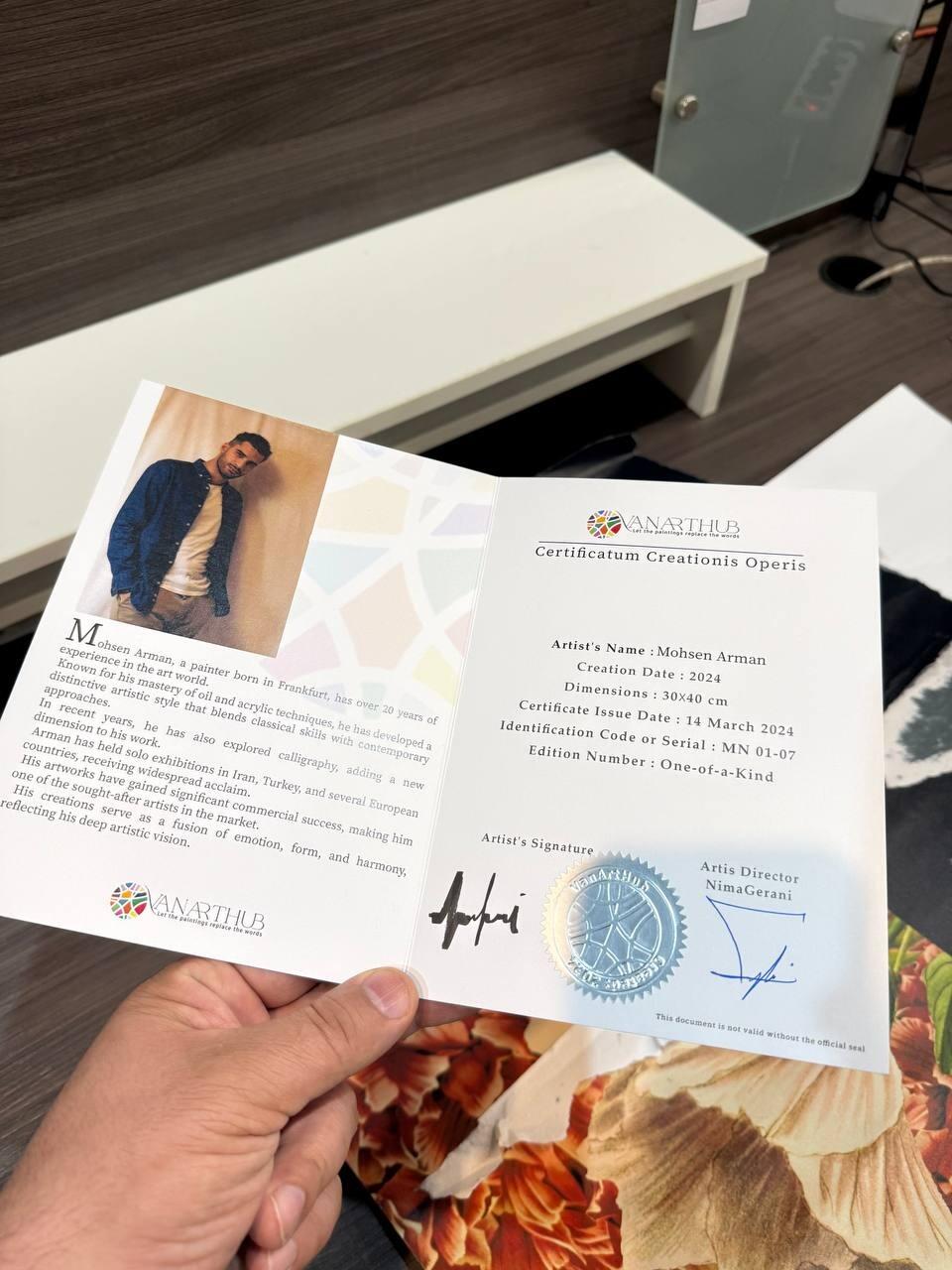
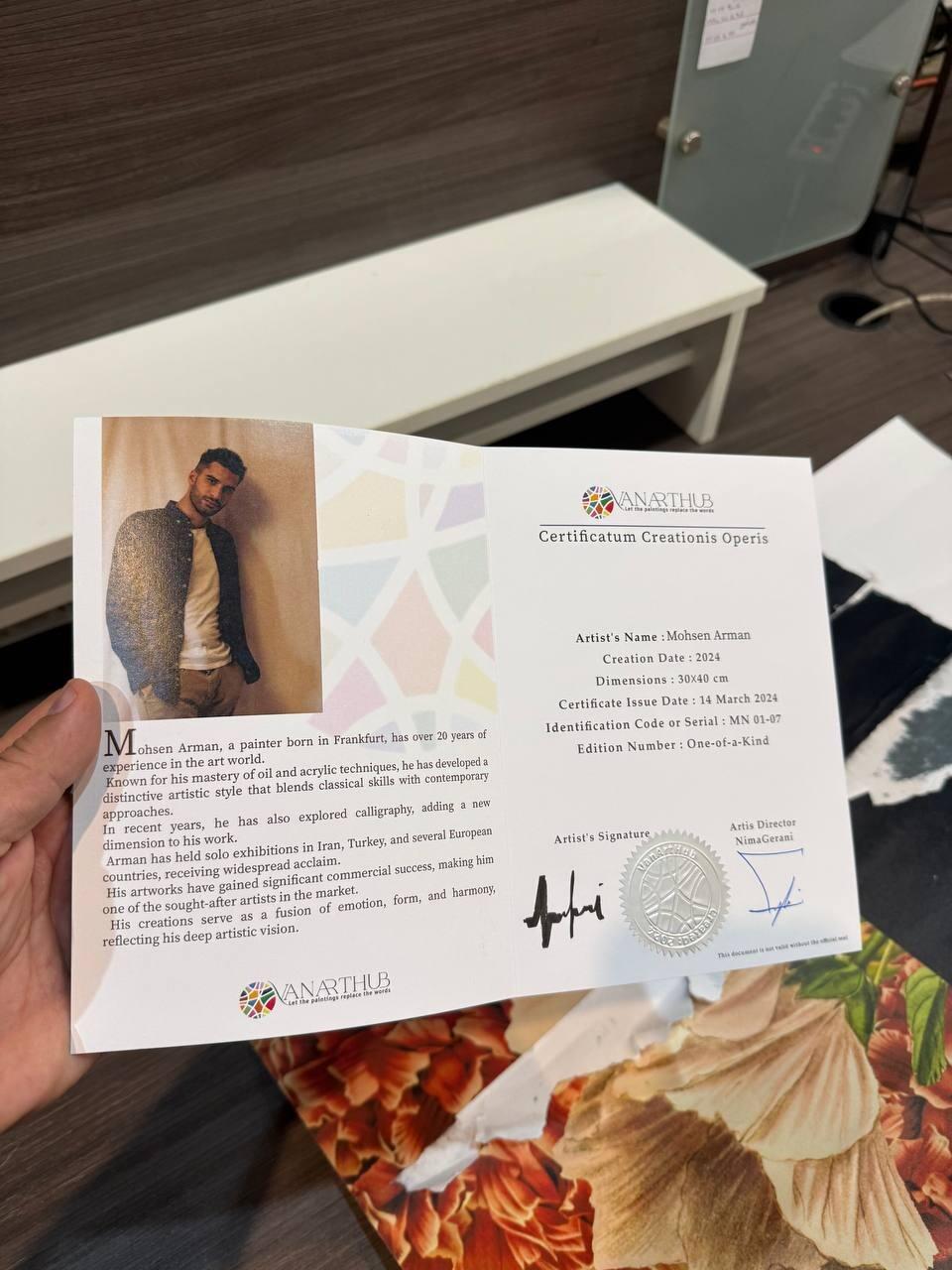
- Keep the certificate of authenticity, and read our page on what a certificate of authenticity actually proves so you know what it does and does not cover.
- Photograph the front, the back, the signature, and any labels, then store the images separately from the paper.
- Record the artist's full name and any contact details, since a living artist is the ultimate authority on their own work.
- Keep exhibition documentation if the piece is ever loaned or shown.
- Note any conservation work, with the conservator's name and the date, because a documented repair is far better than an undocumented one discovered later.
Why buying new gives you the cleanest record
Every transfer of ownership is an opportunity for a record to break. A painting that has moved through six owners over ninety years has six chances of a lost invoice, a misremembered date, or a dealer who kept no files. A painting bought new from the gallery that represents the artist has one link, and both ends of it can be contacted.
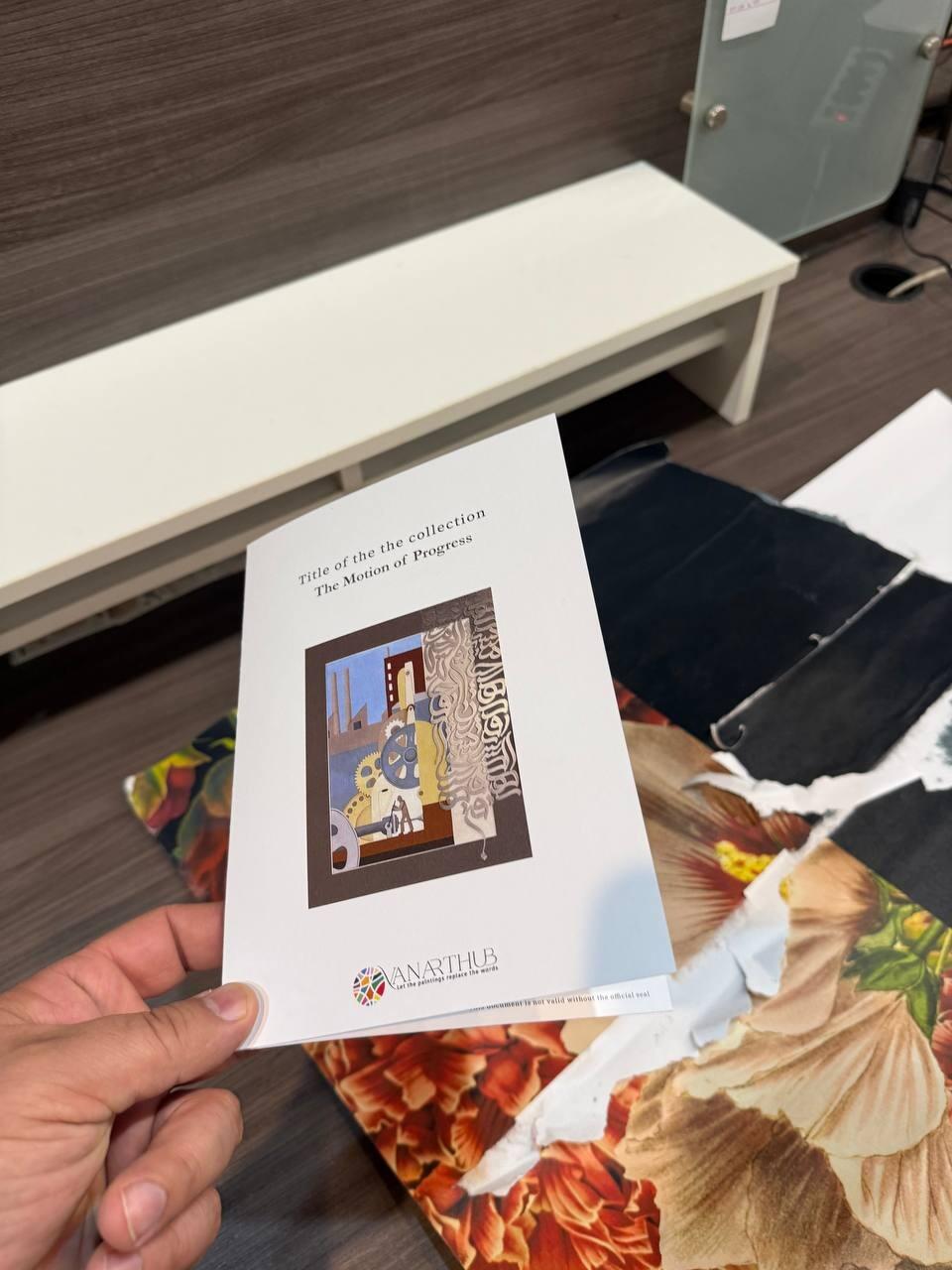
That is the position VanArtHub buyers are in. The gallery buys directly from the artists who make the work, so provenance on a piece bought here reads: made by a named living artist working in or near Vancouver, sold by VanArtHub, bought by you, on a dated invoice, with a signed certificate. As of 5 September 2026 that applies to all 148 original paintings currently listed, priced from $531 to $8,000 with a median of $1,265, all in Canadian dollars.
Frequently asked questions
What does provenance mean for a painting?
Provenance means the documented history of who has owned a painting, traced from the artist who made it through to the person who owns it now. It is built from invoices, exhibition catalogues, auction records, labels and correspondence, ideally with no unexplained gaps. Provenance is the strongest single form of evidence that a work is genuine, and it separately establishes that a seller has the right to sell it.
Why is provenance stronger evidence than a signature?
Provenance is stronger evidence than a signature because a signature is a small mark that a competent forger can reproduce in seconds, whereas a provenance chain draws on documents created independently by galleries, auction houses, shippers and insurers over many years. Those records can be checked against third-party archives. Fabricating all of them consistently is far harder than copying a name.
What is a gap in provenance and how serious is it?
A gap in provenance is a period during which nobody can say who owned a work or where it was. Gaps are common and often innocent, since paintings sit in family homes for decades without generating paperwork. Their seriousness depends on length, on the value at stake, and on the period covered, with gaps in European works between 1933 and 1945 examined especially closely because of Nazi-era looting.
Does a new painting have provenance?
A new painting has provenance from the moment it is first sold, and it is the cleanest kind because the chain has only one link. The record consists of the artist who made it, the gallery that sold it, and the dated invoice naming the buyer. Buyers create this record by keeping the invoice and certificate and photographing the work, which costs nothing and matters greatly at any future sale.
How do I check a provenance claim myself?
Check the parts of a provenance claim that were published by someone other than the seller. Auction results are searchable, museum exhibition histories are documented, and a catalogue for a named exhibition either lists the work or does not. Where a record names a gallery, confirm the gallery existed at that address in that period. Claims that cannot be checked at all, such as an unnamed private collection, should carry little weight.
What is the significance of the years 1933 to 1945 in provenance?
The years 1933 to 1945 matter in provenance because large numbers of artworks were looted or sold under duress in Europe during the Nazi era, and many have never been returned to their rightful owners. Museums, auction houses and serious buyers examine ownership during that window closely. An unexplained gap in that period can make a European work difficult or impossible to sell.
Can a painting be genuine but still risky to buy?
A painting can be entirely genuine and still be risky to buy if its ownership is disputed or if it was stolen at some point in its history. Authenticity and legal title are separate questions, and a seller can be honest about the first while having no right to sell. A continuous ownership record is what demonstrates good title, which is why provenance protects buyers twice over.
Does provenance affect what a painting is worth?
Provenance affects what a painting is worth, sometimes substantially, because a work with a clear record is easier to sell and carries less risk for the next buyer. Notable former owners or inclusion in a significant exhibition can add value in their own right. A work with a broken or missing record often sells at a discount that reflects the doubt a buyer is being asked to absorb.
What should I record about a painting I already own?
Record the artist's full name, the title, the year, the medium and the exact dimensions, along with where and when you bought it and from whom. Photograph the front, the back, the signature and any labels, and keep those images separately from the physical paperwork. Add any conservation work with the conservator's name and date, since documented repair is treated far more favourably than repair discovered later.
Do I need provenance for a painting I only bought to enjoy?
Keeping a basic record costs nothing and protects you even if you never intend to sell, because insurers ask for proof of ownership and value after a loss, and heirs otherwise inherit an object with no history attached. An invoice, a certificate and a few photographs are enough. The effort is small now and cannot be recreated later once a gallery has closed or an artist has died.
Sources and references
Each link was opened and confirmed to resolve on 5 September 2026.
-
Movable cultural property. Department of Canadian Heritage, Government of Canada. Accessed 5 September 2026. Covers the Canadian framework for cultural property, export control and provenance.
-
Cultural Property Export and Import Act, R.S.C. 1985, c. C-51. Justice Laws Website, Government of Canada. Accessed 5 September 2026.
- VanArtHub catalogue figures (148 active originals, $531 to $8,000, median $1,265, Canadian dollars) counted from the store's own product records on 5 September 2026.