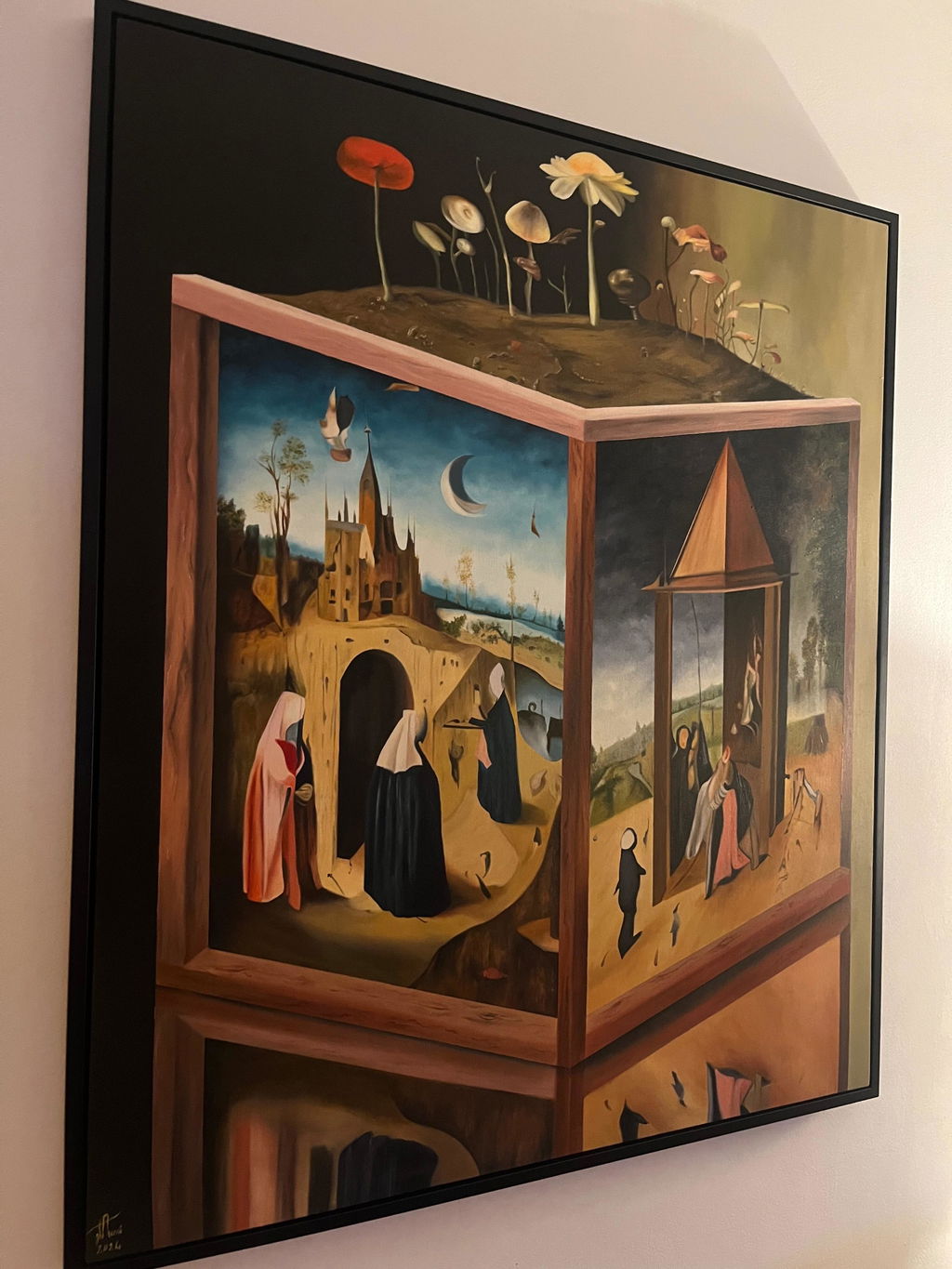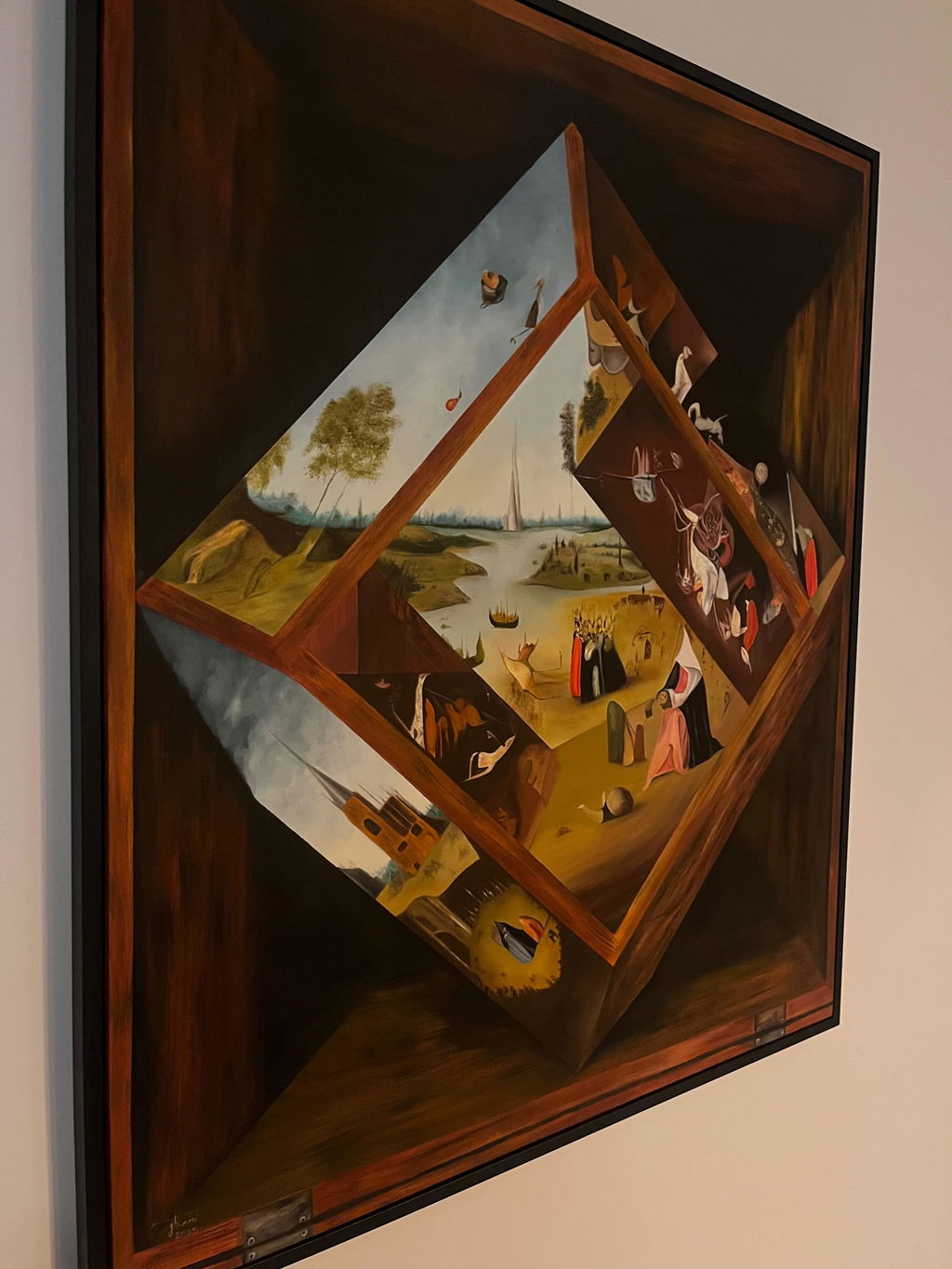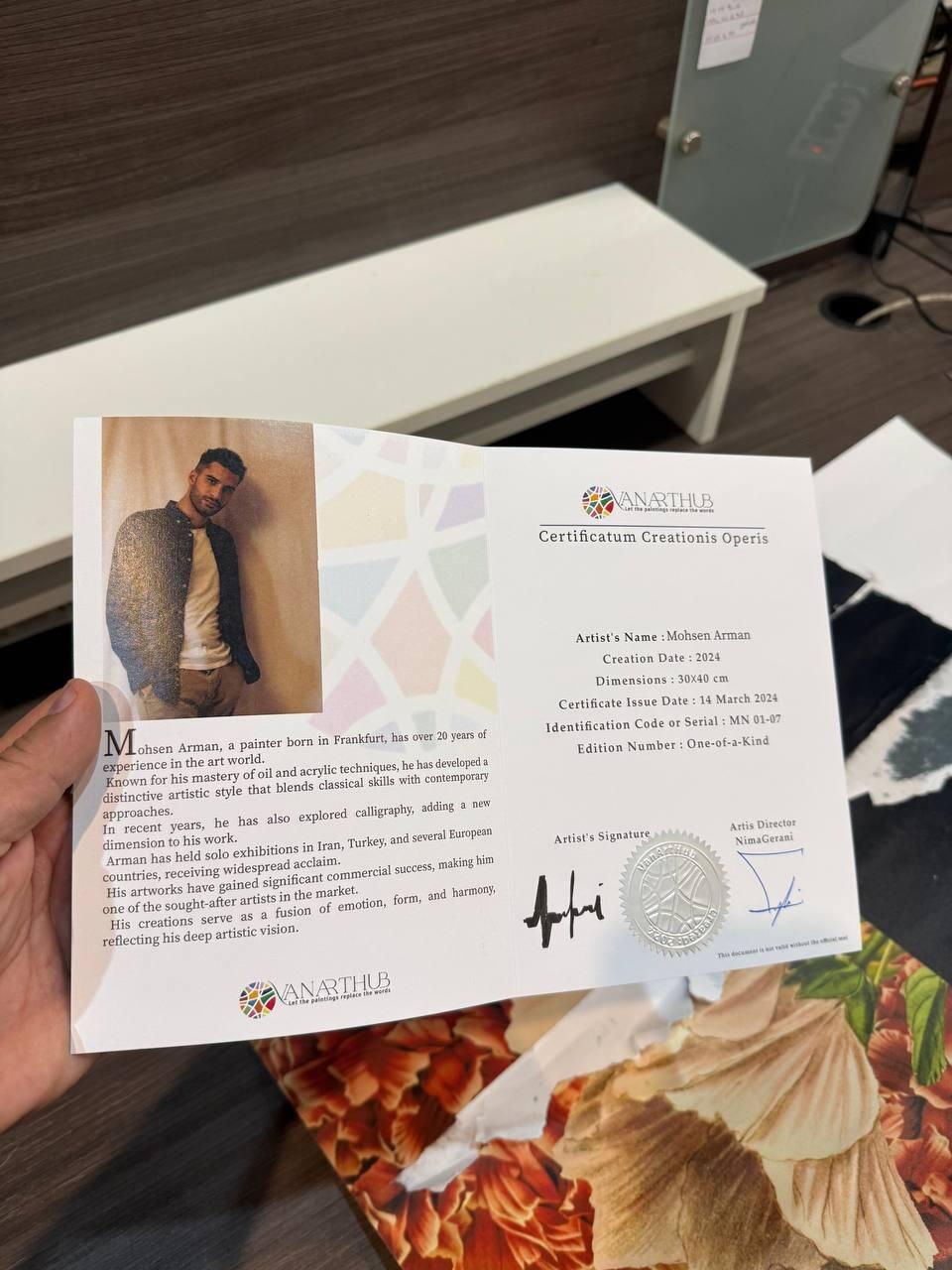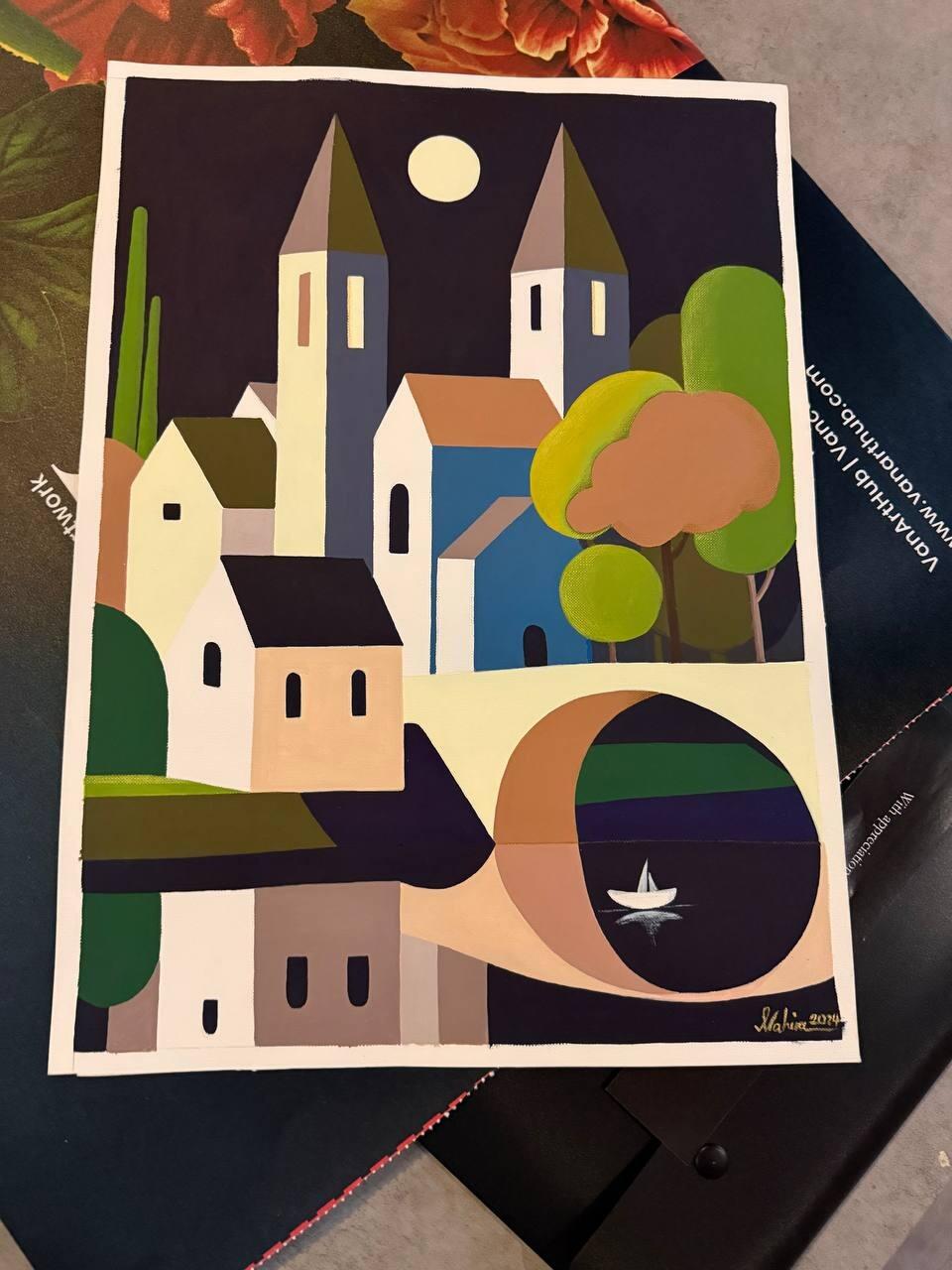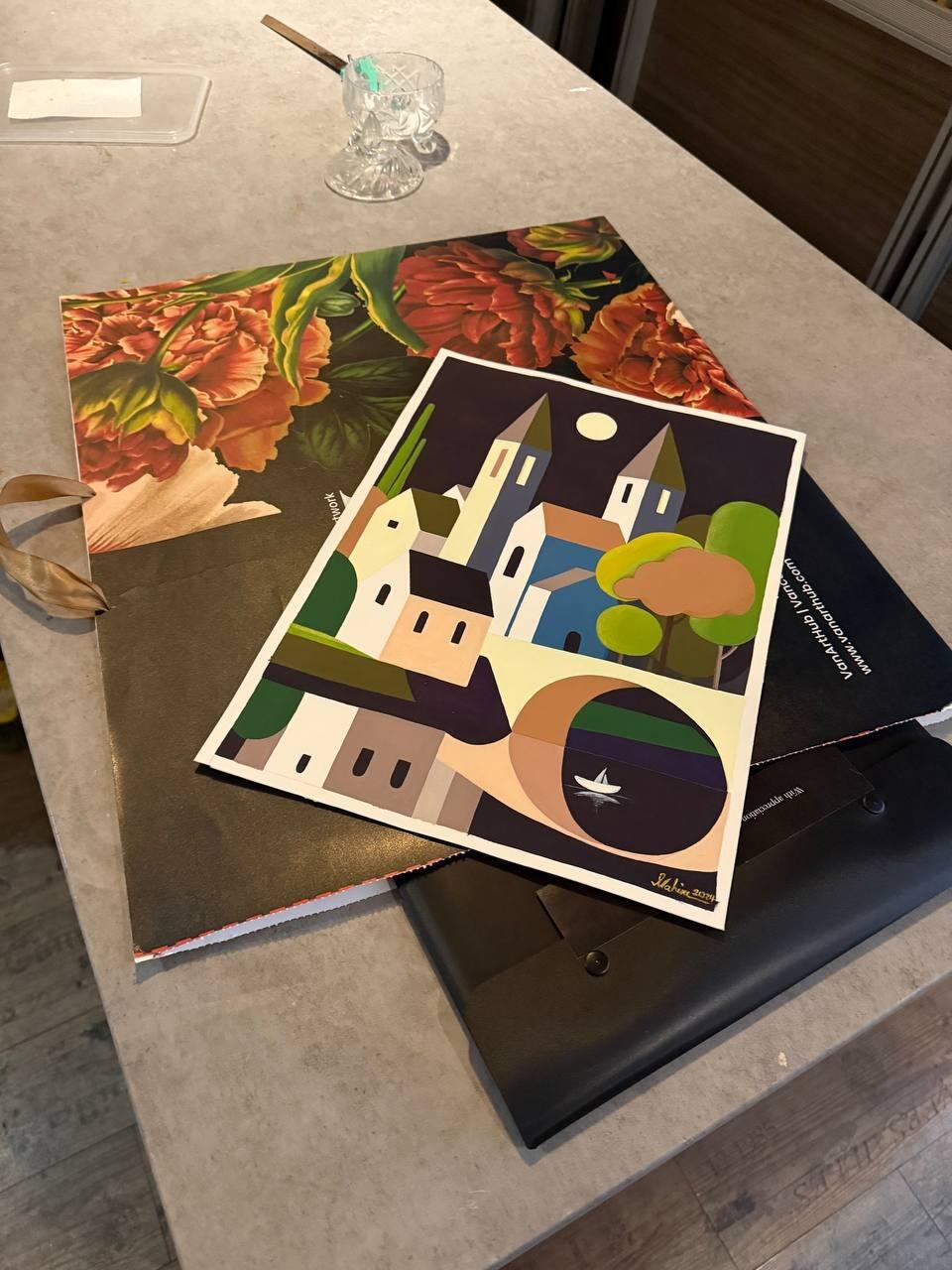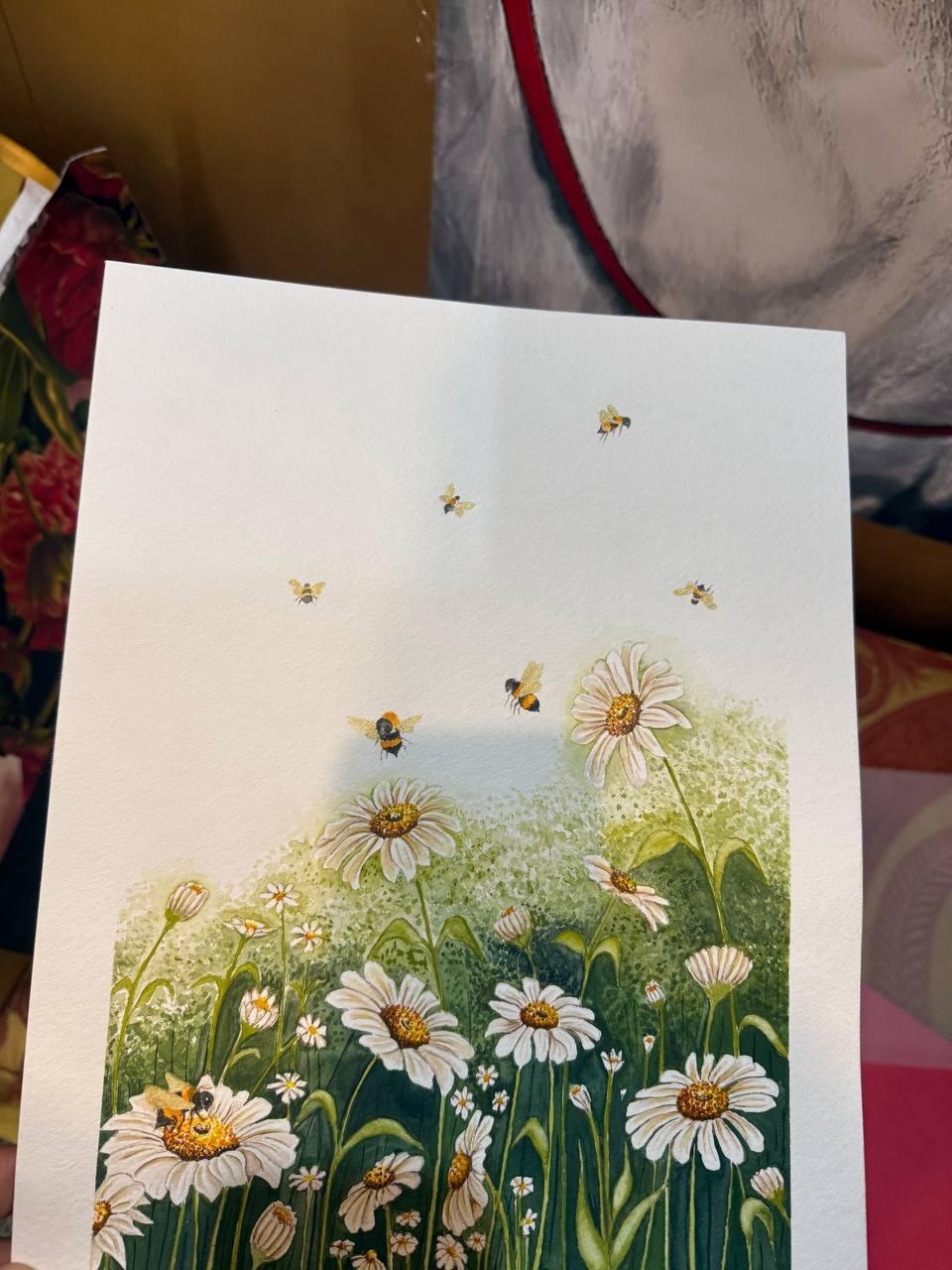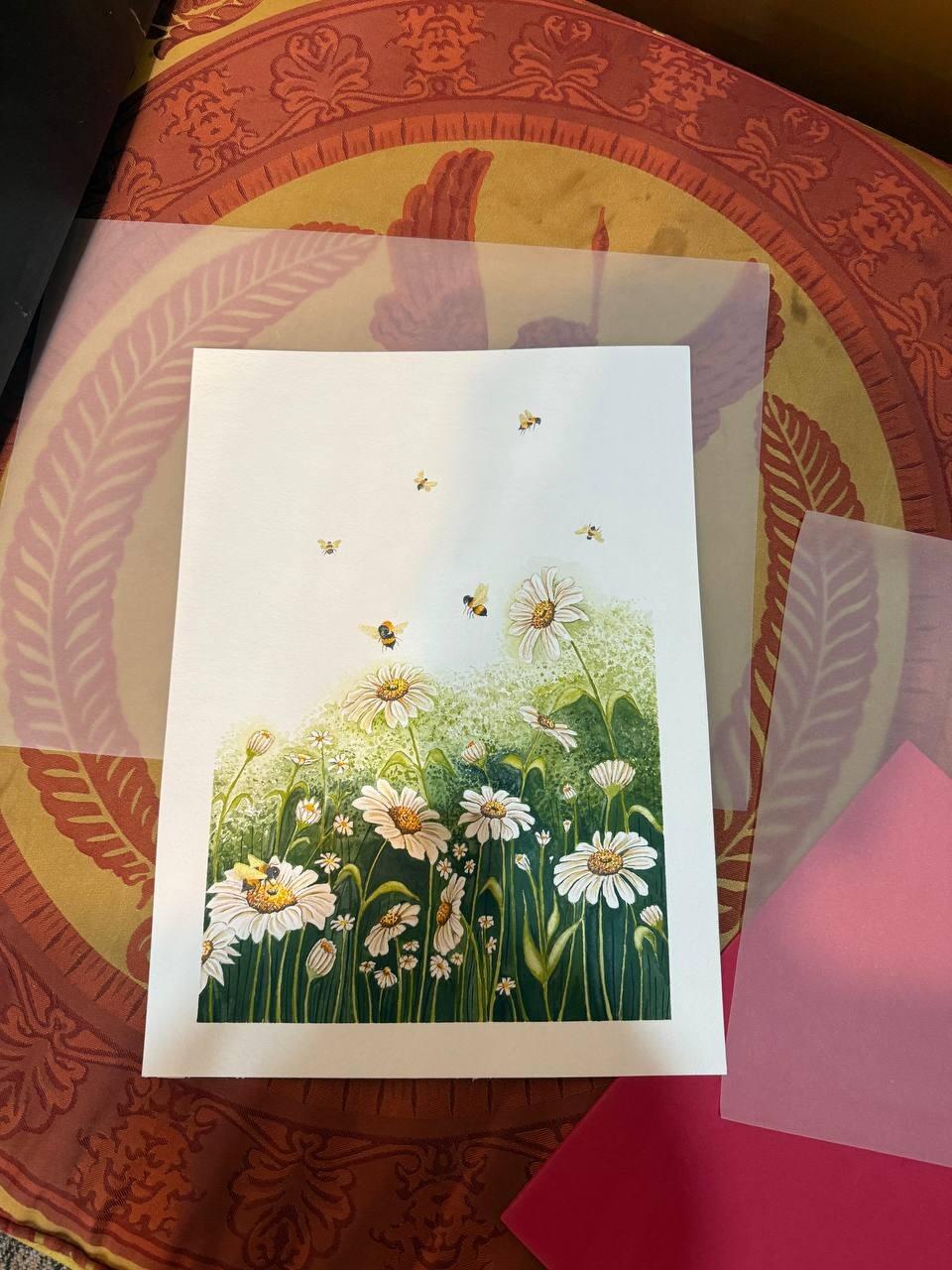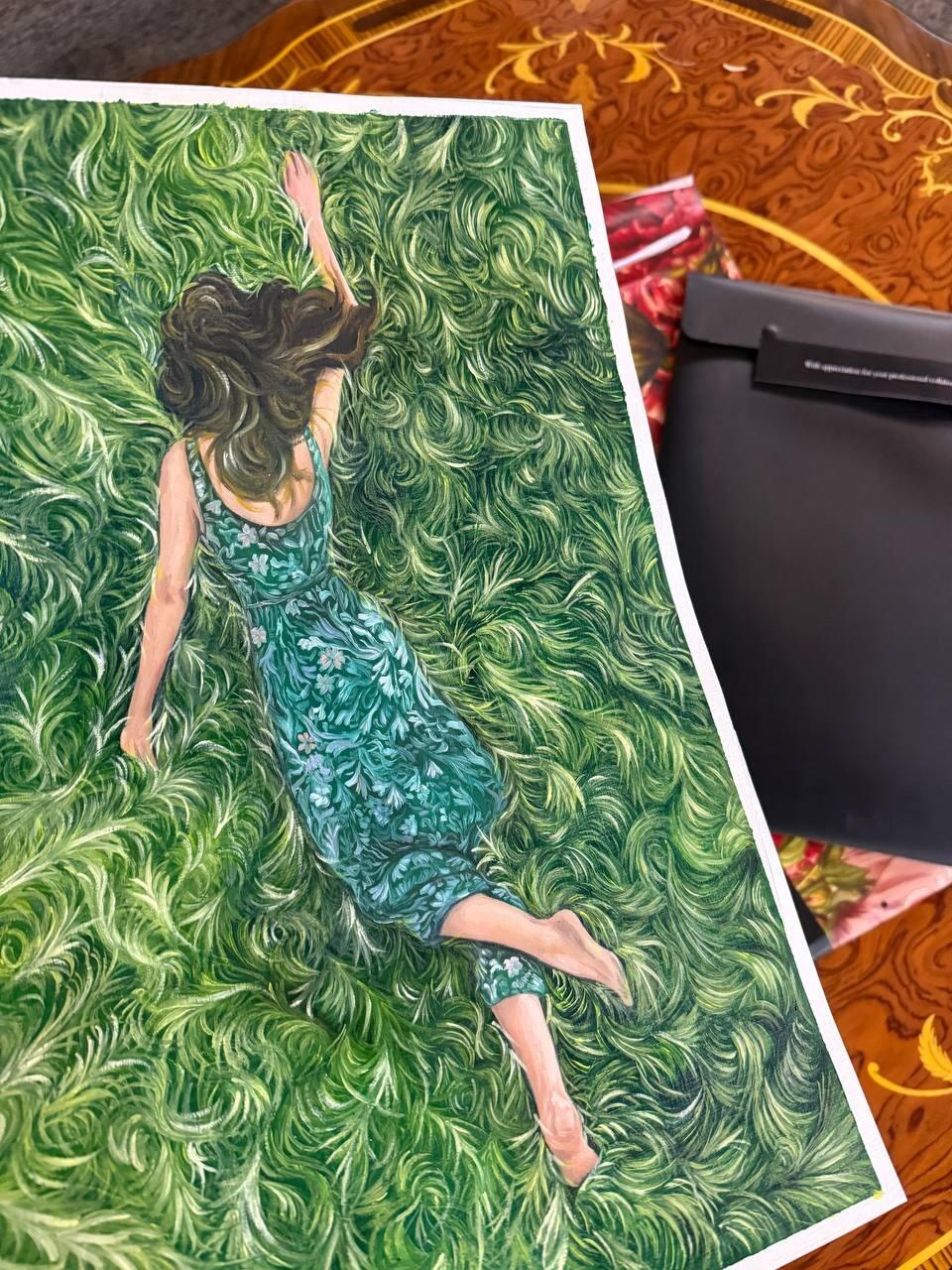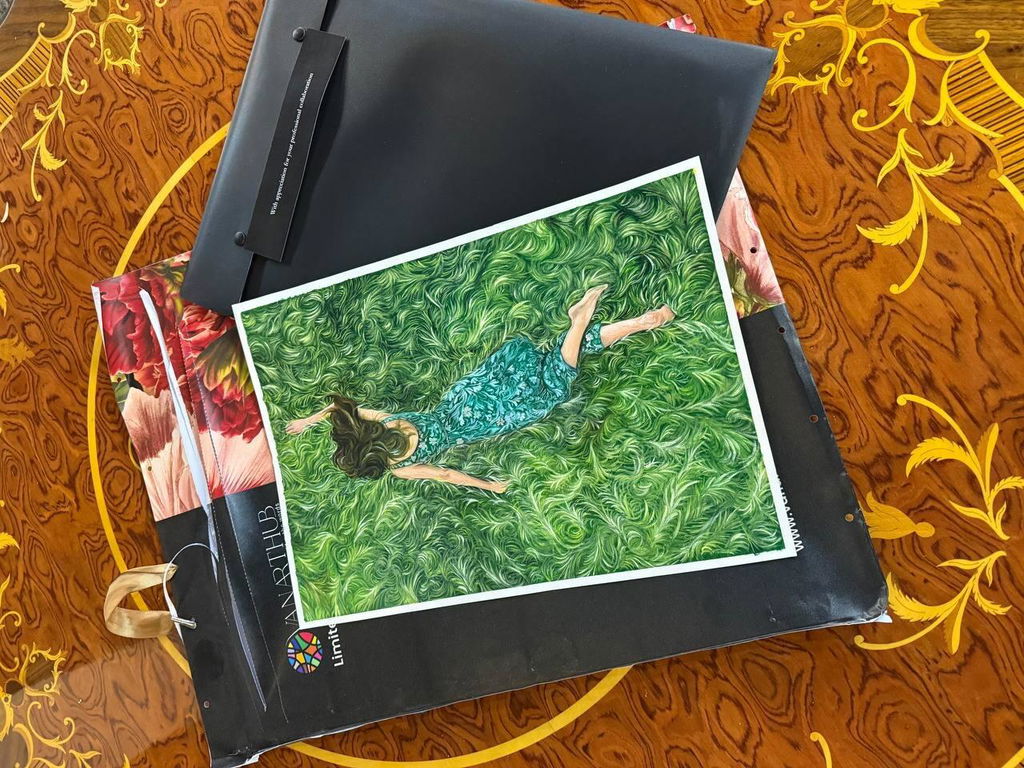
A framed original painting on the wall of the VanArtHub gallery on Davie Street in Vancouver

Custom framing · Vancouver

Bring us the thing you want framed

Paintings, photographs, prints and posters, a diploma, a jersey, something you inherited and have never known what to do with. We frame it here in our own workshop on Davie Street, cut to the piece rather than to a standard size, using materials that will not damage it later. You do not have to buy anything from us first.

  • Anything you bring in
  • Framed in-house, not sent out
  • Conservation materials
  • Walk in at 1242 Davie Street
  • Rated 5.0/5 on Etsy

Why it matters who frames it

A frame is the only thing standing between your piece and the room

Most of the damage is slow. Light takes the colour out of a photograph or a print a little at a time. A backing board made of ordinary card turns acidic and burns a brown line into the edge of a sheet of paper, and it does the same to a certificate. Air moving in and out of an unsealed frame carries moisture, and the moisture condenses on the inside of the glass. None of it announces itself. You notice about five years too late, and none of it reverses.

Framing well is not decoration. It is the set of decisions that determines whether the thing you framed still looks the same in thirty years. Those decisions are not difficult once someone explains them, which is what this whole section of the site is for.

Framing is one part of protecting a painting. For the published limits on light, humidity and temperature, see protecting art from light and humidity, part of our guide to owning original art.

Bring in anything. You do not have to buy from us first.

Paintings and drawings, family photographs, art prints and posters, maps, a diploma or an award, a signed jersey, medals, embroidery and fabric. Flat work goes behind glazing in a frame cut to it. Anything with depth goes in a shadow box built around it. If you are not sure which yours needs, that is the first thing we tell you.

The work is done by hand in our own workshop, not packed off to a trade framer in another city and returned three weeks later. That means you can see the mouldings held against your actual piece before anything is cut, and it means one person is answerable for the result.

We are a gallery as well as a framer, and that is the part most framing shops do not have. We sell original, hand-signed paintings, so we spend every day looking at what different surfaces do over time: what fades, what cockles, what should never sit against glass. You get that judgement applied to your piece whether you bought it here, inherited it, or picked it up at a market twenty years ago.

What is actually in there

Every layer in a frame is doing a job

Cut a framed sheet of paper through the side and you get seven layers, and each one is there for a reason. This is the same whether the sheet is a drawing, a photograph, a poster or a degree certificate. The layer people have never heard of is the spacer, the small strip that holds the glazing off the surface. Without it the glass rests directly on the piece, and anything with moisture in it eventually sticks to the underside of the glass.

Glazing: glass or acrylic, UV filtering Spacer: holds the air gap open Window mat, bevel cut at 45° The artwork, hinged not glued Acid-free backing board Dust seal and flexible points Frame moulding and rebate FRONT OF FRAME
A framed work on paper cut through the side. Front of the frame is at the left. The spacer is what keeps the glazing off the surface of the art, which matters most for anything that can bloom, cockle, or stick.

A stretched canvas is simpler, because it usually needs no glazing and no mat at all. That is covered in do oil paintings need glass and floater frames for canvas. An object with depth to it, a jersey or a set of medals, is the opposite problem: it needs a box deep enough that nothing is pressed flat.

The complete guide

Everything we know about framing, written down

Four hubs and 48 guides, in plain language, covering every decision you will be asked to make. Start wherever your question is.

See every framing guide on one page →

Our process

How your piece gets framed here

  1. We look at what you brought

    What it is made of, whether it has depth to it, whether the edges are finished, and whether it should sit behind glazing at all. A canvas, a photograph and a medal each answer that differently, and it decides most of what follows.

  2. You see the options against your own piece

    Real moulding samples held against the actual thing, in daylight, not a swatch on a screen. Walk in with it, or send photographs and measurements and we send the combinations back to you.

  3. We cut and fit it

    Cut to your piece, not to a standard size. Hinged or mounted so nothing is glued down, sealed, fitted with hanging hardware rated for the weight, and cleaned.

If you bought a painting here, it ships framed and ready to hang, with the same free insured shipping and the same 14-day trial as any other order. See framing turnaround and shipping.

Our standards

The things we always do, and the things we will not do

Any framer can list what they offer. What tells you more is what they turn down. These are the ones we hold to, and we will explain any of them if you ask.

Always

  • Acid-free, lignin-free mat board and backing on anything on paper, including photographs, posters and certificates.
  • Anything on paper hinged at the top edge only, so the sheet can move.
  • A spacer or a mat holding the glazing off the surface. Glass never rests on the piece.
  • Objects and textiles mounted in a box deep enough that nothing is pressed flat.
  • UV filtering glazing as the default on anything light-sensitive.
  • Cut to the actual piece, measured in millimetres, both diagonals checked.
  • Hanging hardware rated above the finished weight, fitted at two points.
  • Every method reversible, so a future framer can undo what we did.

Never

  • Gluing or dry-mounting anything irreplaceable down. It cannot be undone, and on an original or a one-off photograph it ends the piece's life as an original.
  • Masking tape, packing tape, or self-adhesive corners anywhere near your piece.
  • Trimming anything to fit a frame we already have.
  • Ordinary cardboard or chipboard backing, which turns acidic and stains the sheet from behind.
  • Sealing an oil painting airtight behind glass with no gap.
  • Selling you museum glazing for a piece that does not need it.

Choosing the look

Start with the wall, not the frame

People usually choose a frame by looking at frames. It works better in reverse. The wall colour, the light the room gets, and the piece itself narrow the field to two or three options before you look at a single moulding, and choosing between three is easy where choosing between three hundred is not. The two examples below are paintings, because those are what we have to hand, but the same reasoning decides the frame on a photograph or a poster.

The four woods we use most

  • Oak Open grain, warm and pale. Lifts landscape and anything with a lot of light in it.
  • Ash Paler and calmer than oak. The safest choice against a white wall.
  • Maple Fine, almost closed grain. Reads as clean rather than rustic.
  • Walnut Dark, close grain, slightly purple in daylight. Weight without going to black.

Colour and relative width only. These are drawn, not photographed, so they share one light source and can be compared against each other. Real grain varies piece to piece, and we will show you the actual moulding before anything is cut.

Dark, high-contrast work usually takes a dark frame. Pale, quiet work usually takes a pale one. The exception is a dark painting on a dark wall, where a pale frame is the only thing keeping the two apart. There is more on this in black frames vs white frames and frame colour by room.

Works on paper are a different job entirely. Colored pencil, graphite, and watercolour all need glazing, a mat or a spacer, and hinging rather than mounting. That is covered in framing works on paper.

What it costs

Where the money in a framing quote actually goes

Framing is priced off the perimeter, not the area, which is why a quote climbs faster than people expect when a painting gets bigger. Every material is bought by the length or the sheet, and a piece twice as wide needs more than twice as much of all of them.

Size and perimeter ~35%Glazing choice ~25%Moulding and finish ~20%Mat and backing ~10%Labour and fitting ~10%Shares of a typical quote, not dollar amounts. Doubling the longest side more than doubles the price.
The rough share each decision takes of a framing quote. Size drives everything because it multiplies through the moulding, the glazing, and the board at the same time. Glazing is the single choice most worth spending on, and the one most often cut to save money.

The full breakdown, including where it is worth spending and where it is not, is in custom framing cost. If you want a number for a specific piece, send us the measurements and we will quote it.

Common questions

Framing questions we get asked most

Do I have to have bought something from you to use your framing?

No. Most of what we frame was not bought here. Walk in with anything: a painting you have owned for years, something inherited, a print that has been rolled in a tube since you moved. We will tell you what it needs and what it does not, including when the honest answer is that the frame it already has is fine.

What can you frame?

Paintings and drawings, photographs, art prints, posters and maps, diplomas, awards and certificates, and objects and textiles such as jerseys, medals and embroidery. Flat pieces are framed behind glazing. Anything with depth goes into a shadow box built deep enough that nothing is pressed flat. If you are not sure which yours needs, send a photograph and we will tell you.

Can you frame a photograph or a poster properly?

Yes, and the materials matter more than people expect. A photograph or a poster on ordinary cardboard backing will pick up a brown acid line from behind within a few years, and direct light will pull the colour out of it. We use acid-free mat board and backing on everything on paper, and UV filtering glazing as the default on anything light-sensitive.

Can you frame a jersey, medals, or something with depth?

Yes. That is a shadow box: a frame built deep enough that the object sits in its own space rather than being squashed against the glass. The piece is mounted so it can be taken out again later without damage. Send a photograph and the rough depth and we will quote it.

Does a painting I buy here come framed?

Many pieces are ready to hang as they are, particularly stretched canvases with finished edges. Anything on paper or board needs framing before it goes on a wall. Tell us the piece and we will say which it is, and frame it before it ships if you want us to. See ready to hang, explained.

Do canvas paintings need a frame at all?

Often not. A gallery-wrapped canvas with painted edges is finished on all sides and is meant to hang bare. A floater frame is a choice rather than a requirement, and it is about giving the piece a defined edge and a shadow line. See frameless and gallery wrap.

What glazing should I choose?

For anything on paper, UV filtering as a minimum. If the piece will hang opposite a window or under a spotlight, anti-reflective as well, because glare is what stops you seeing a painting in a bright room. For oil and acrylic on canvas, usually no glazing at all. The comparison is in museum glass vs conservation glass.

Can I see the frame against my piece before I commit?

Yes, and you should. Come to the gallery at 1242 Davie Street and we will hold the actual mouldings against your actual piece in daylight. If you are not in Vancouver we photograph the combinations and send them before anything is cut.

How long does framing take?

It depends on the size and on whether the moulding is in stock. Tell us the piece and we will give you a date before you commit. Details are in framing turnaround and shipping.

Can you reframe something without damaging it?

Usually. The risk is in what the last framer did, not in the reframing. Dry-mounted and glued-down work is the one case where the damage is already permanent. We open it, tell you what we find, and stop before doing anything you have not agreed to. See reframing an old or inherited painting.

Do you frame for businesses and designers?

Yes, including whole properties. Framing across a hotel, office, or building is handled through art for business, with trade pricing, delivery, and installation on one plan.

Come and see

Bring it in

Framing decisions are much easier in person and take about ten minutes. Walk in with whatever it is, or bring photographs and the measurements if it is large or fragile, and we will go through the options with you. There is no charge for the conversation and no obligation at the end of it, and you do not need to have bought anything here.

Where to find us

VanArtHub Gallery 1242 Davie Street
Vancouver, BC V6E 1N3
Canada
Gallery opening hours
Monday10 a.m. to 7 p.m.
Tuesday10 a.m. to 7 p.m.
Wednesday10 a.m. to 7 p.m.
Thursday10 a.m. to 7 p.m.
Friday10 a.m. to 7 p.m.
Saturday11 a.m. to 7 p.m.
Sunday11 a.m. to 6 p.m.

Get it framed

Tell us what you have

Send the measurements, what it is made of, and a photograph. We will come back with what we would do, what it would cost, and how long it would take. If the honest answer is that it does not need framing, or that the frame it already has is fine, we will say that instead.