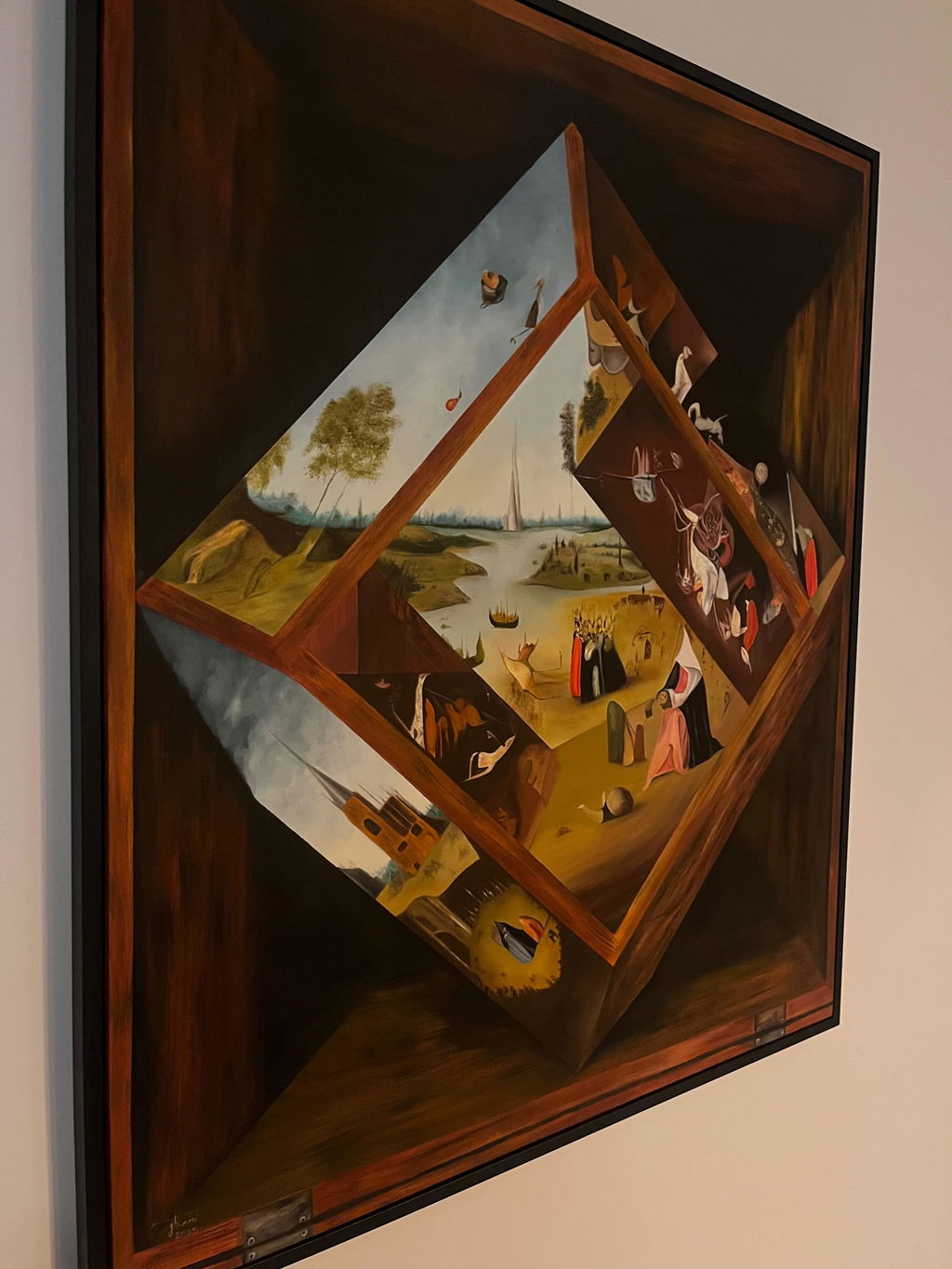
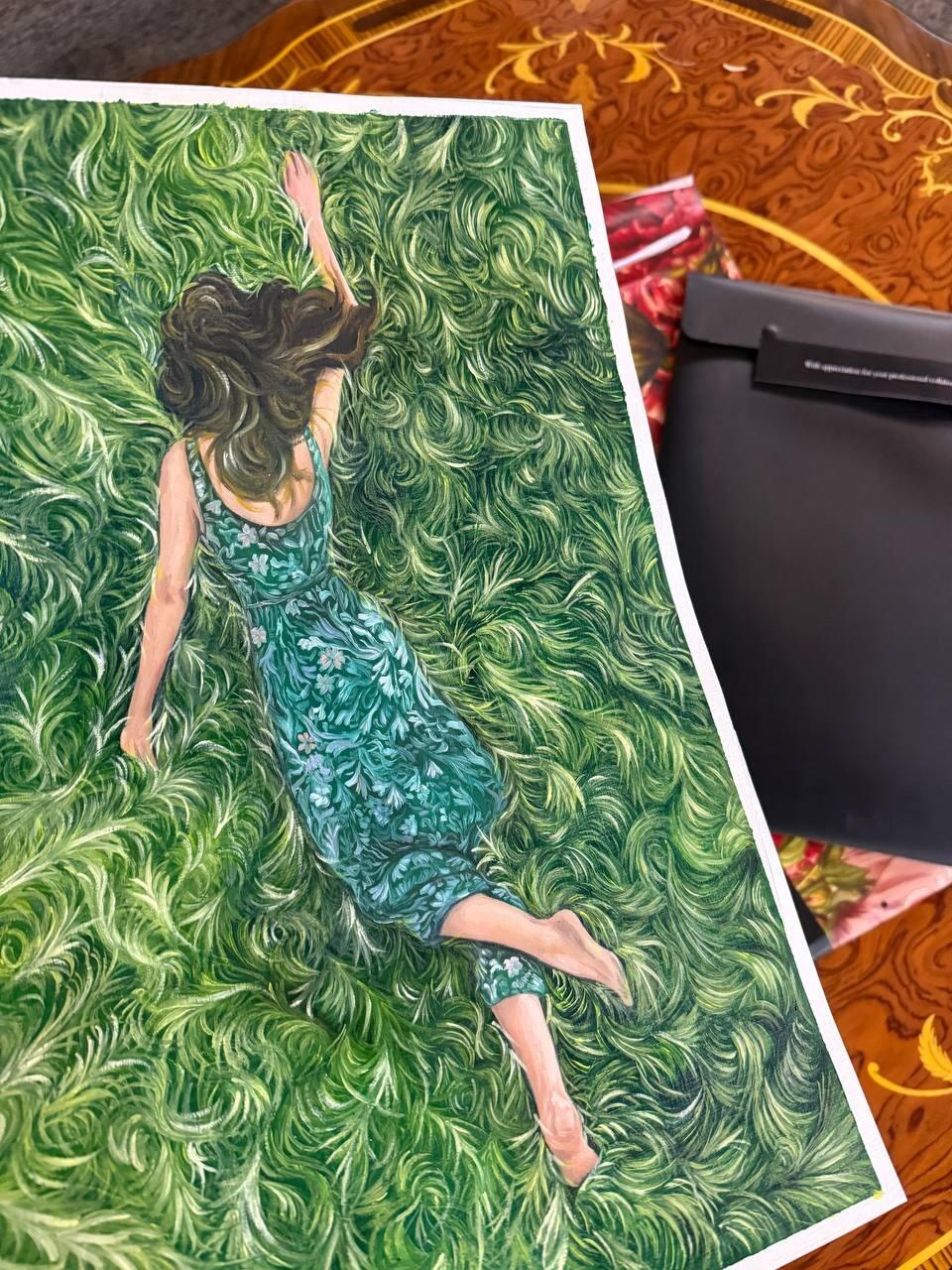
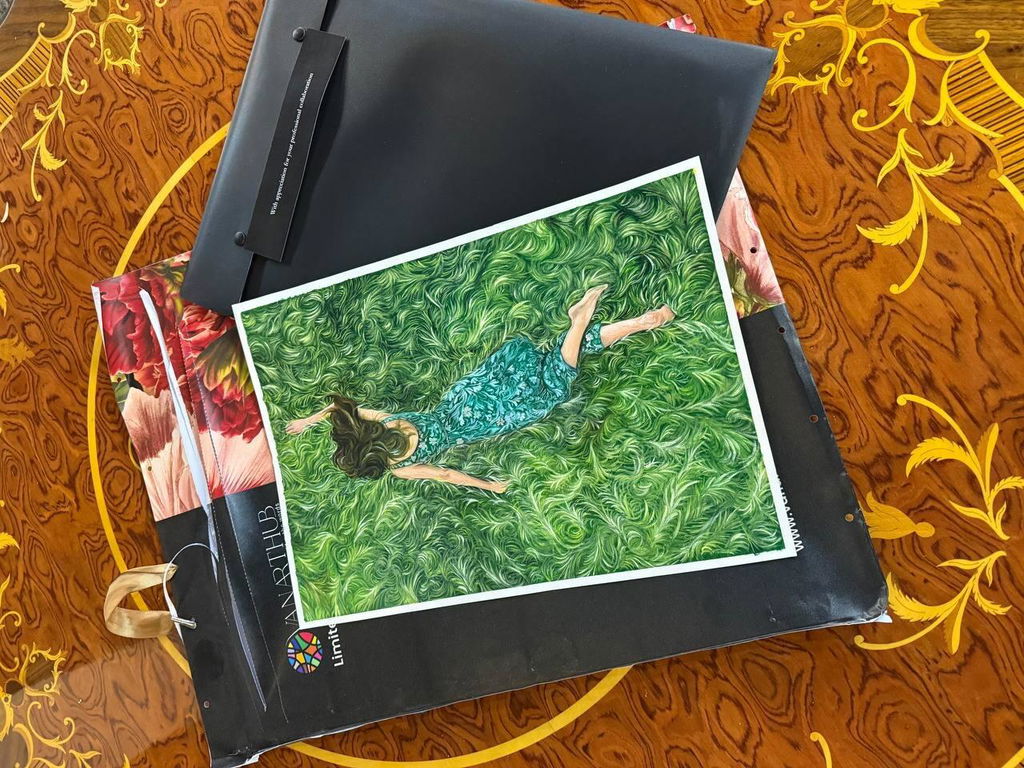
Most buyers ask how to frame their painting before they ask whether oil or acrylic changes anything. For framing on stretched canvas, the two are more alike than different, but a few real differences are worth knowing.
Both oil and acrylic on stretched canvas take the same frame families, and both are usually framed without glass. The differences come down to how the paint behaves and how long it needs before it is ready.
The short answer
For a stretched canvas, whether it is oil or acrylic, a floater frame is the standard choice, or you can hang a gallery wrap with no frame at all. Neither medium goes behind glass on canvas. So the frame decision is mostly the same. What differs is drying time, varnish, and a little about surface feel.
Drying and curing
Acrylic dries fast. A painting can be touch dry in hours and fully ready in days, which means it can be framed and shipped sooner. Oil is slower. The surface can feel dry in days, but oil paint keeps curing underneath for weeks or longer, and thick impasto areas take the longest. A quality oil painting is usually varnished only after it has cured, and framing waits until the surface is stable.
For you as a buyer, this mostly matters for timing. An oil piece may need more lead time before it is framed and boxed. We build that into the quote so nothing is rushed while the paint is still soft.
Varnish and surface
Both oil and acrylic paintings are often varnished to protect the surface and even out the sheen. Because neither is behind glass, the varnish is the layer that guards against dust and light over the years. This is one more reason canvas does not need glazing: the varnish and the frame together do the protecting.
-
Acrylic: dries fast, ready sooner, flexible paint film, framed with a floater or hung as a gallery wrap.
-
Oil: cures slowly, richer depth in thick areas, varnished after curing, same floater or gallery wrap options.
-
Both: no glass on stretched canvas, so texture and depth stay visible.
Does the medium change the frame style?
Not really. The frame style follows the art and the room, not the paint type. A bold acrylic abstract and a moody oil landscape can both take a floater, or both take a wider wood moulding, depending on the look you want. For the full breakdown of styles, see custom framing styles, and for the clean modern option on canvas see floater frames for canvas.
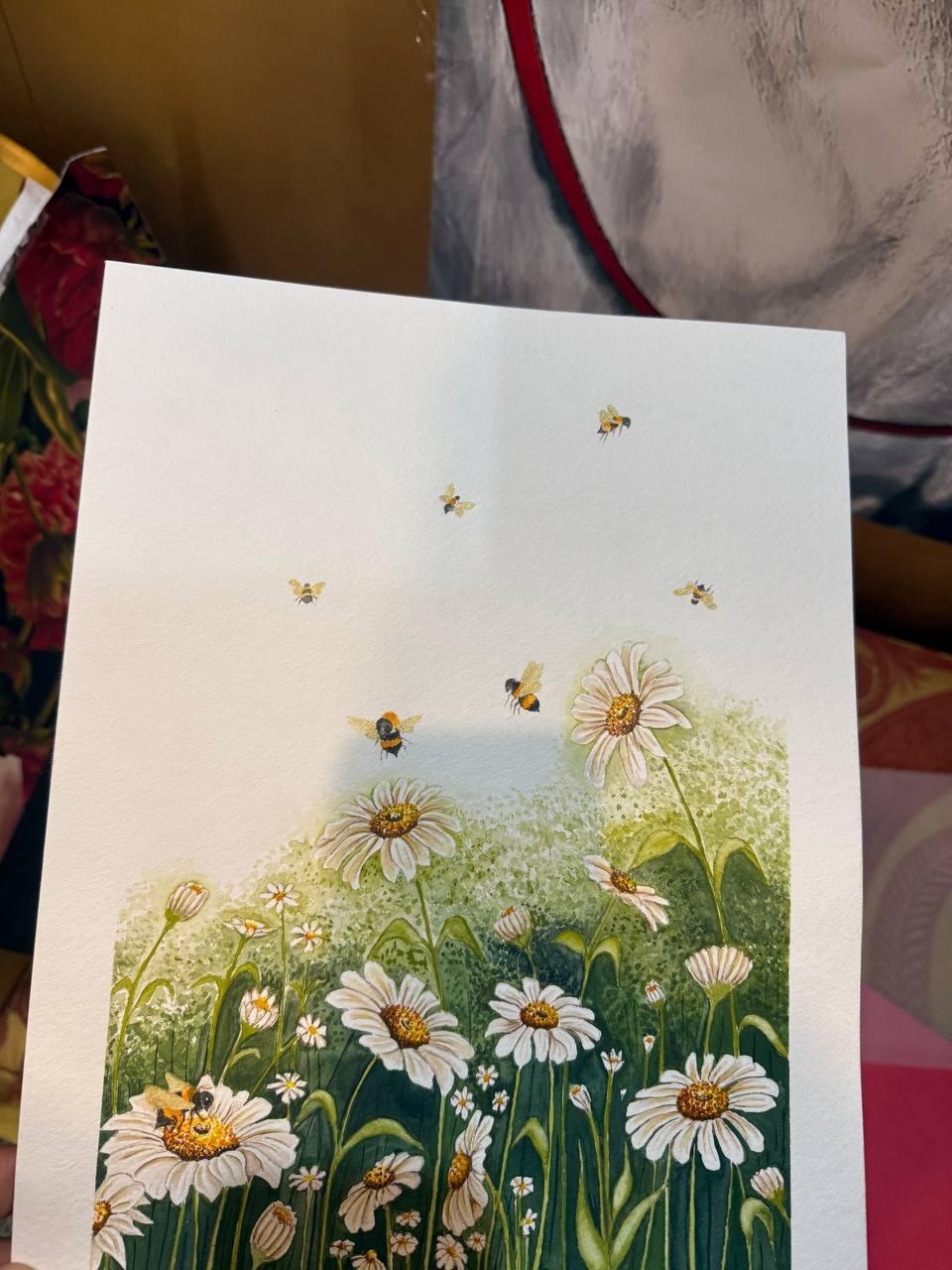
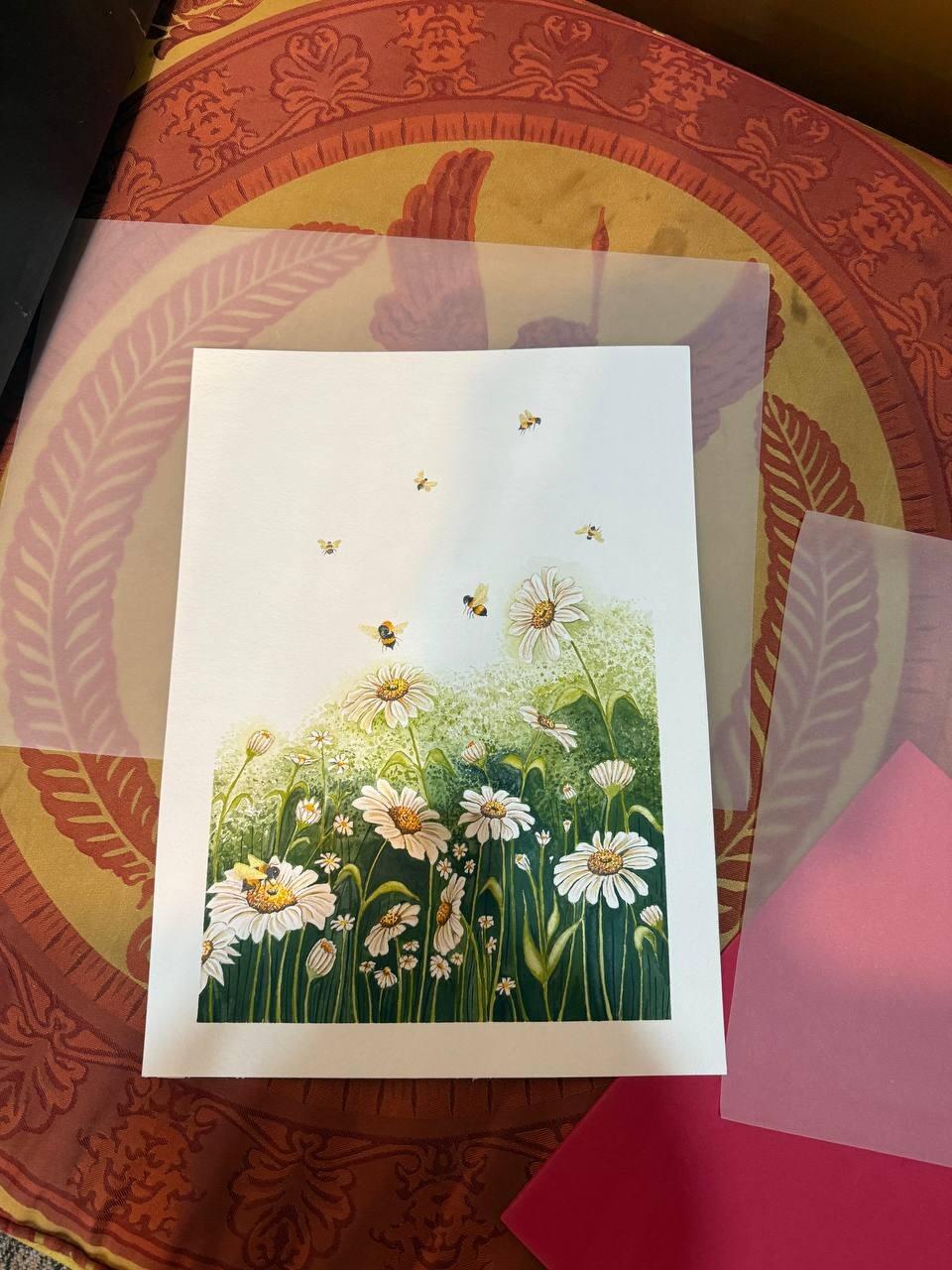
The one place the medium changes things is when the piece is on paper rather than canvas, for example a watercolour or a gouache. Then it needs a mat and glass. That is a different path, covered in UV glass and glazing and the wider guide to framing original paintings.
What we suggest
If you are choosing between an oil and an acrylic piece and framing is on your mind, do not let the medium decide it. Pick the painting you love, then frame it to suit your wall. Both hold up well framed the same way. You can see both mediums across our oil paintings, abstract paintings, and landscape paintings.
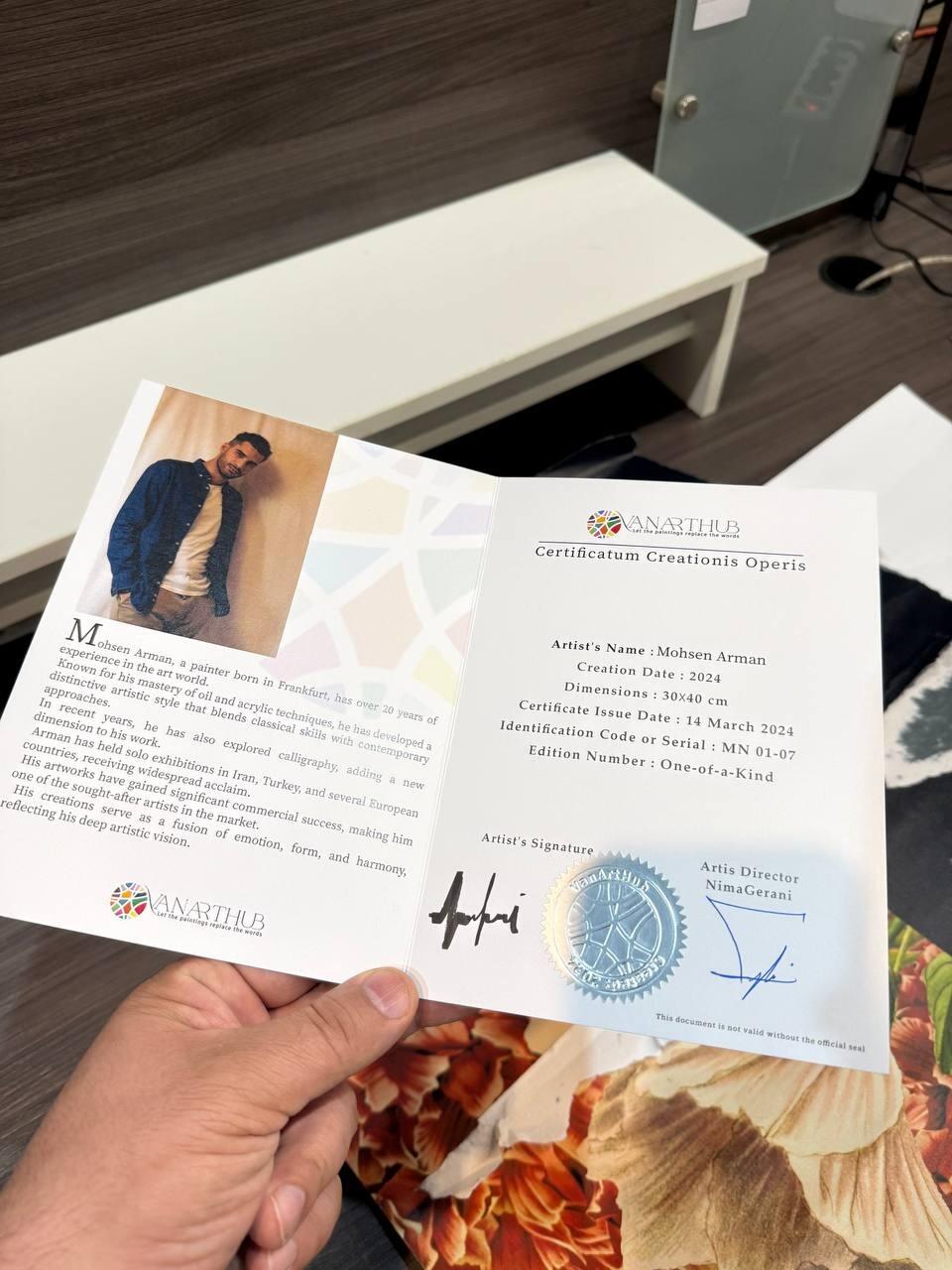
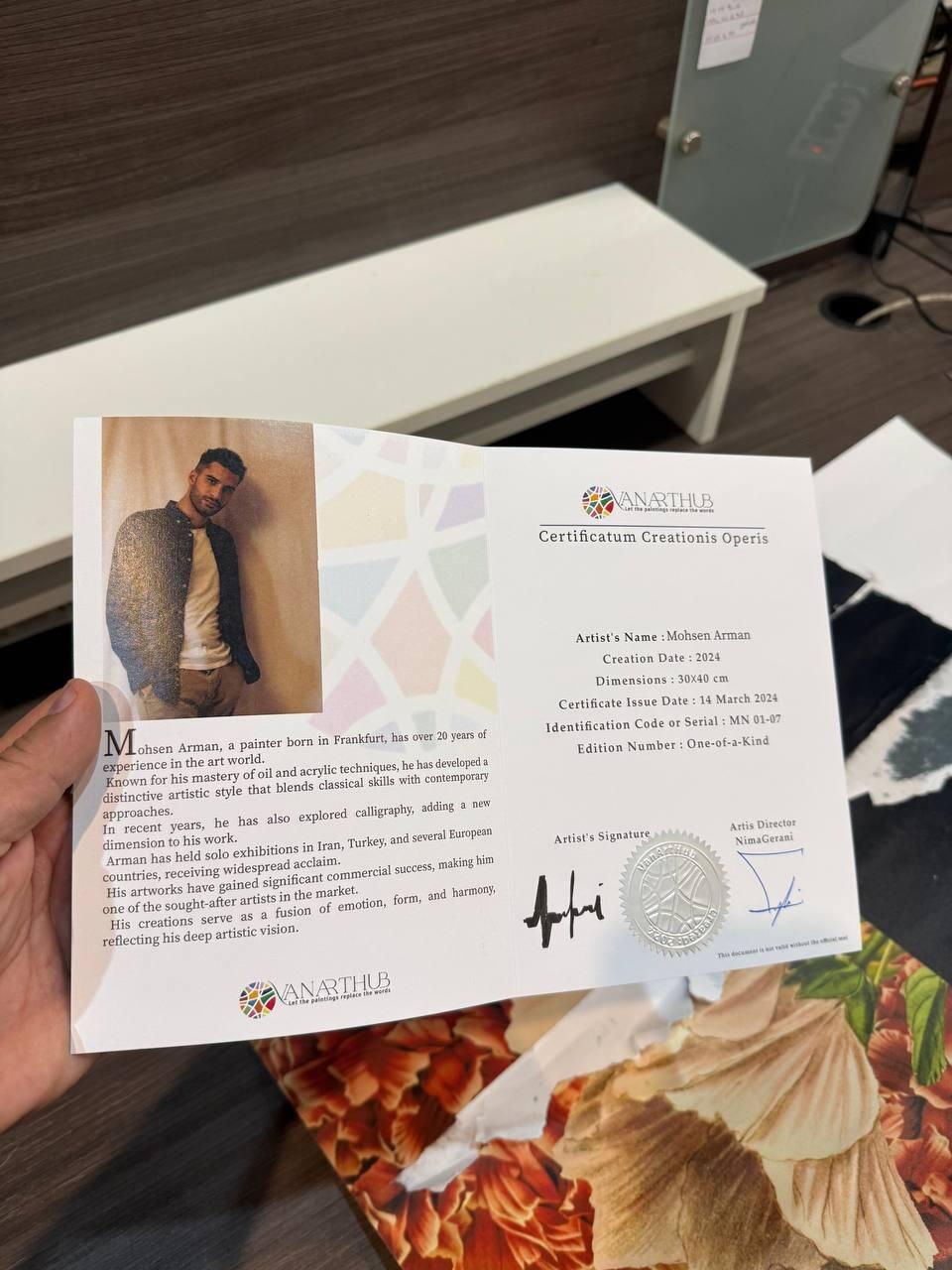
Every original ships from our Vancouver studio, hand signed by a Canadian artist, with a Certificate of Authenticity. When we frame a piece for you, we wait until the surface is ready, then finish it so it arrives ready to hang.
Frequently asked questions
Not sure how your piece should be framed? Ask our art advisory team for a straight answer, or read the full custom framing guide.
Common questions
Is oil or acrylic easier to frame?
They are about the same to frame once the paint is ready. Both take a floater frame or hang as a gallery wrap, and neither goes behind glass on canvas. The main difference is timing. Acrylic is ready sooner because it dries fast, while oil needs longer to cure before it is framed.
Does an oil painting need to dry before framing?
Yes. Oil paint keeps curing under the surface for weeks, and thick areas take longer. We wait until the surface is stable, and usually varnished, before framing so the paint is not disturbed. This is why an oil piece can need more lead time than an acrylic one.
Do acrylic paintings go behind glass?
Not on stretched canvas. Acrylic on canvas is framed with a floater or hung as a gallery wrap, with no glass, so the texture stays visible. Glass is only used for works on paper, such as an acrylic painting done on paper rather than canvas.
Can the same frame suit both an oil and an acrylic painting?
Yes. The frame follows the look of the art and the room, not the paint type. A floater or a wood moulding can work for either medium. Choose the frame to match the piece and your wall, not to match whether it is oil or acrylic.
How long should I wait before framing a fresh oil painting?
A thin oil layer can be surface-dry in a few weeks, but the paint film keeps curing underneath for months longer. We generally wait at least three to six months on a normally built painting before fitting a floater frame, longer if the paint is applied thickly. Framing too early can trap uncured solvent against the rebate.
Does acrylic paint ever need a varnish before framing?
It helps but is not required the way it often is with oil. A removable varnish evens out the sheen across the surface and adds a layer that can be cleaned later without touching the paint itself. Acrylic dries to the touch in hours, so varnishing can usually happen soon after painting, well before framing begins.
Can an oil painting yellow inside its frame over time?
The paint film can, particularly with certain oils and a varnish that ambers with age, and this happens regardless of the frame. A floater frame with no glazing does not slow or speed this process. Keeping the piece out of direct sun and away from smoke or cooking fumes does more to protect the surface long term.
Is one medium heavier to frame than the other?
The paint itself adds negligible weight either way. What changes the weight of the finished piece is the canvas size and the frame profile, not whether the paint is oil or acrylic. A large oil and a large acrylic on the same size stretcher, in the same floater frame, weigh close to the same amount.
Should I tell you which medium it is when ordering framing?
Yes, always. It changes our timeline more than it changes the frame itself, since an oil piece may need extra curing time before we can safely mount it. Tell us the medium, the approximate paint thickness, and roughly when it was painted, and we will tell you honestly if it needs more time on the wall before framing.