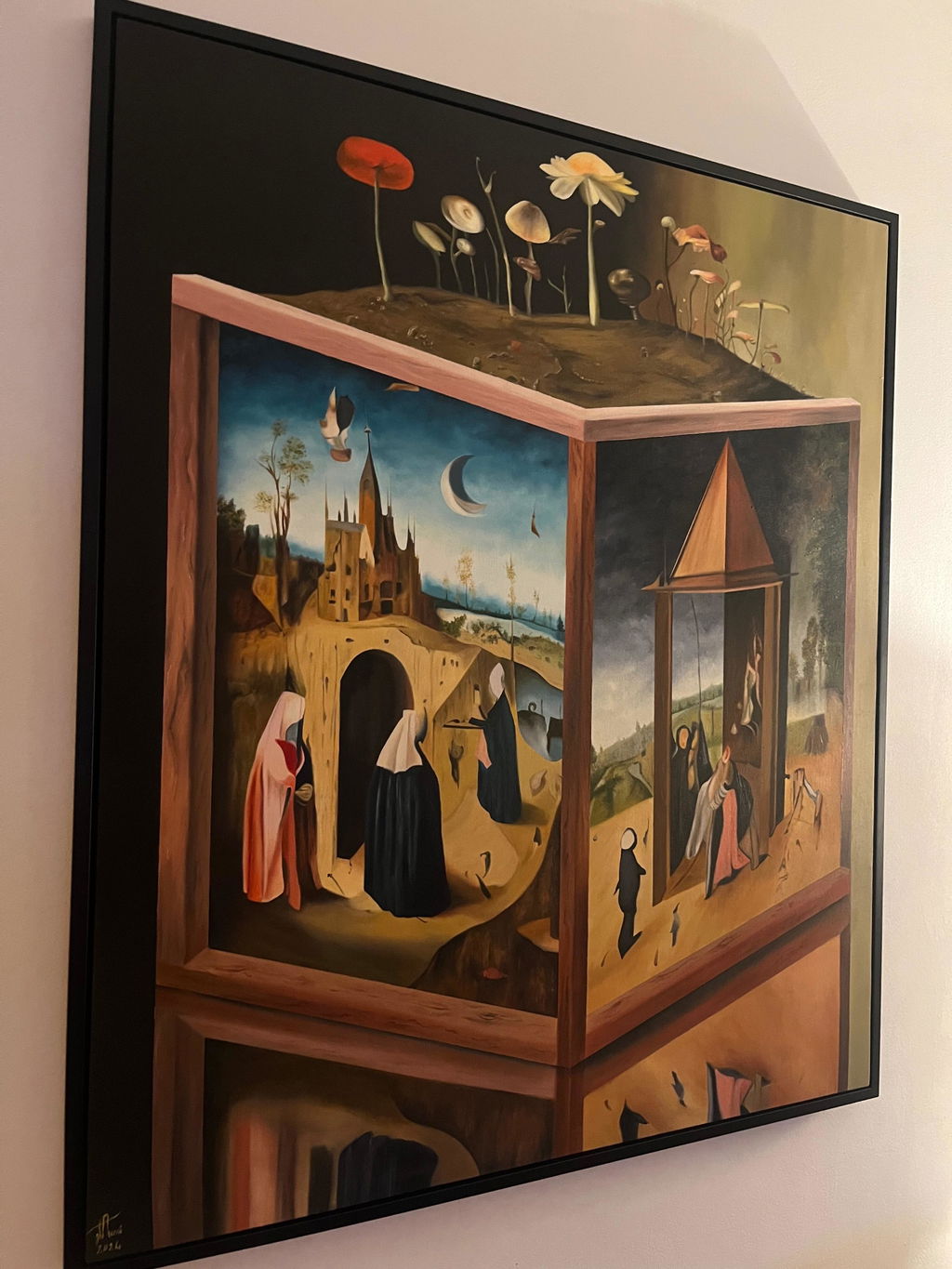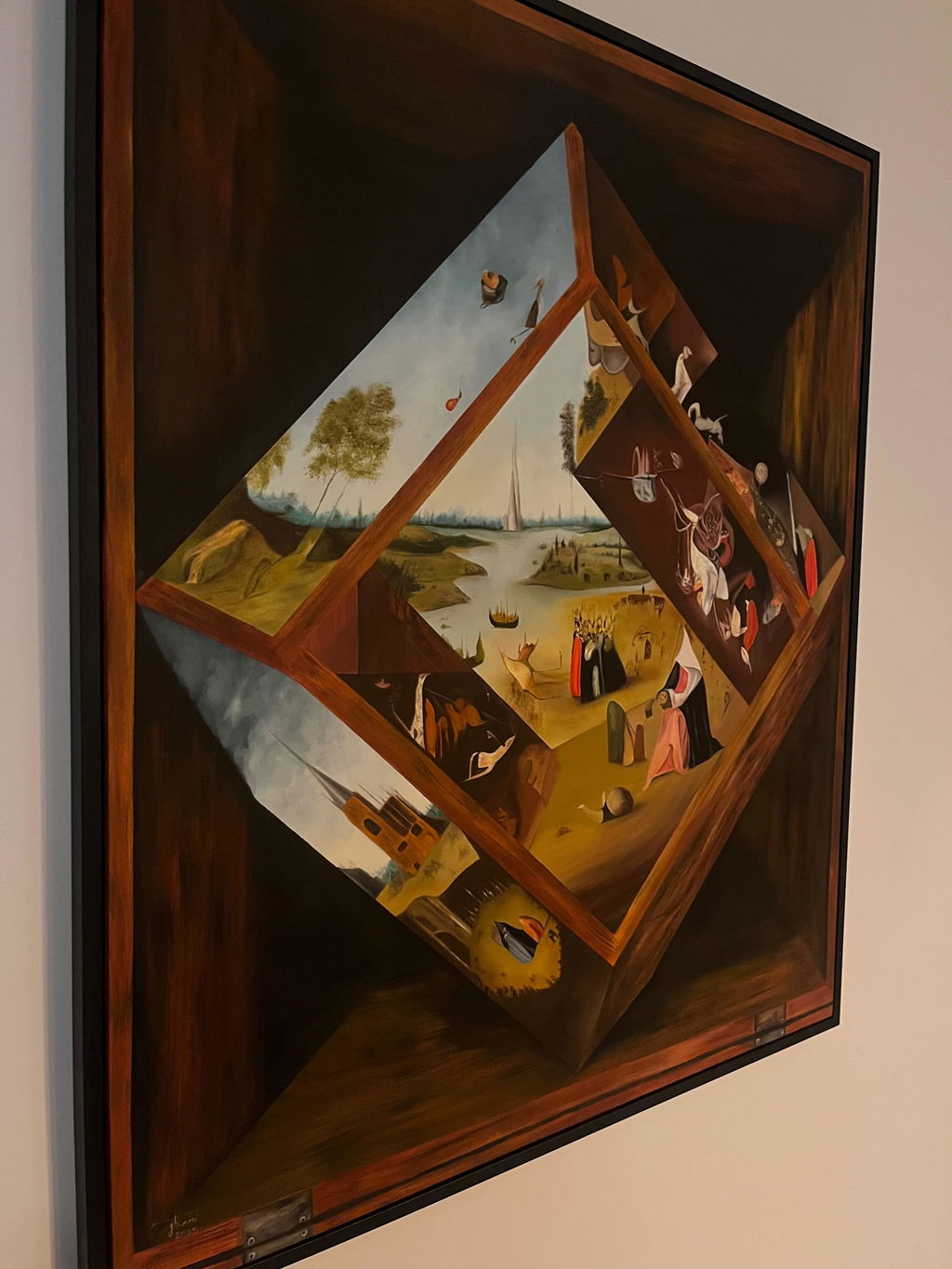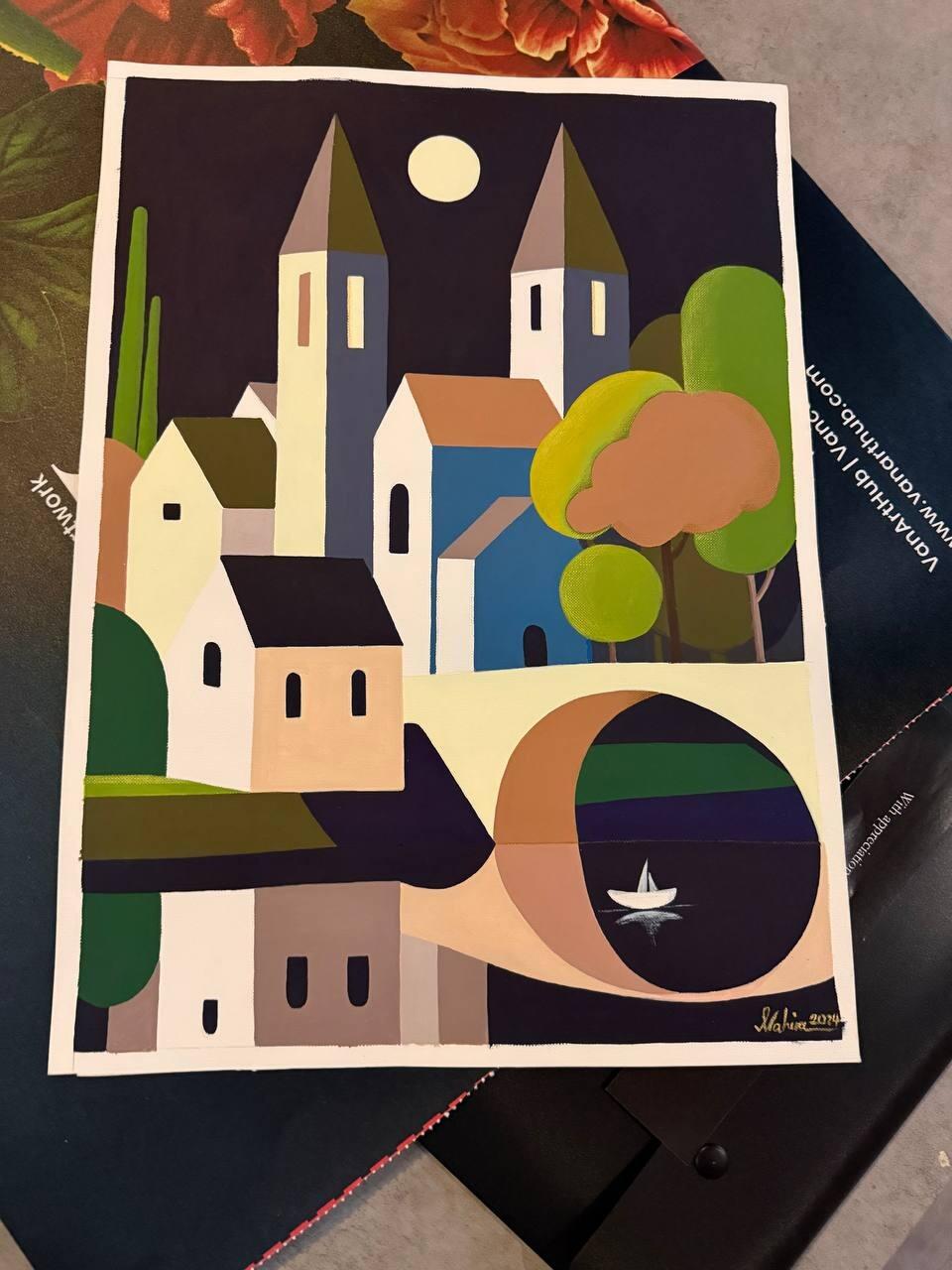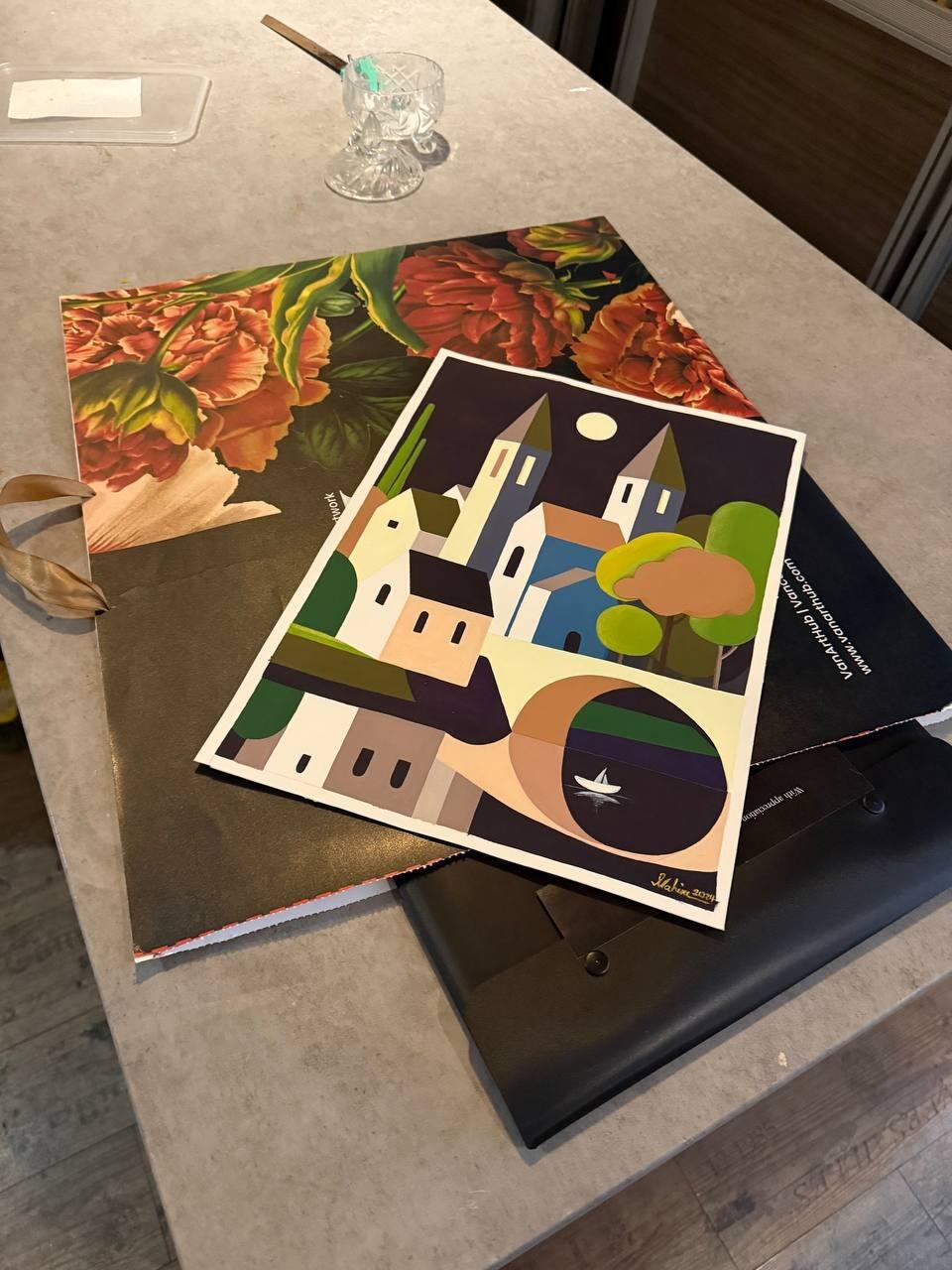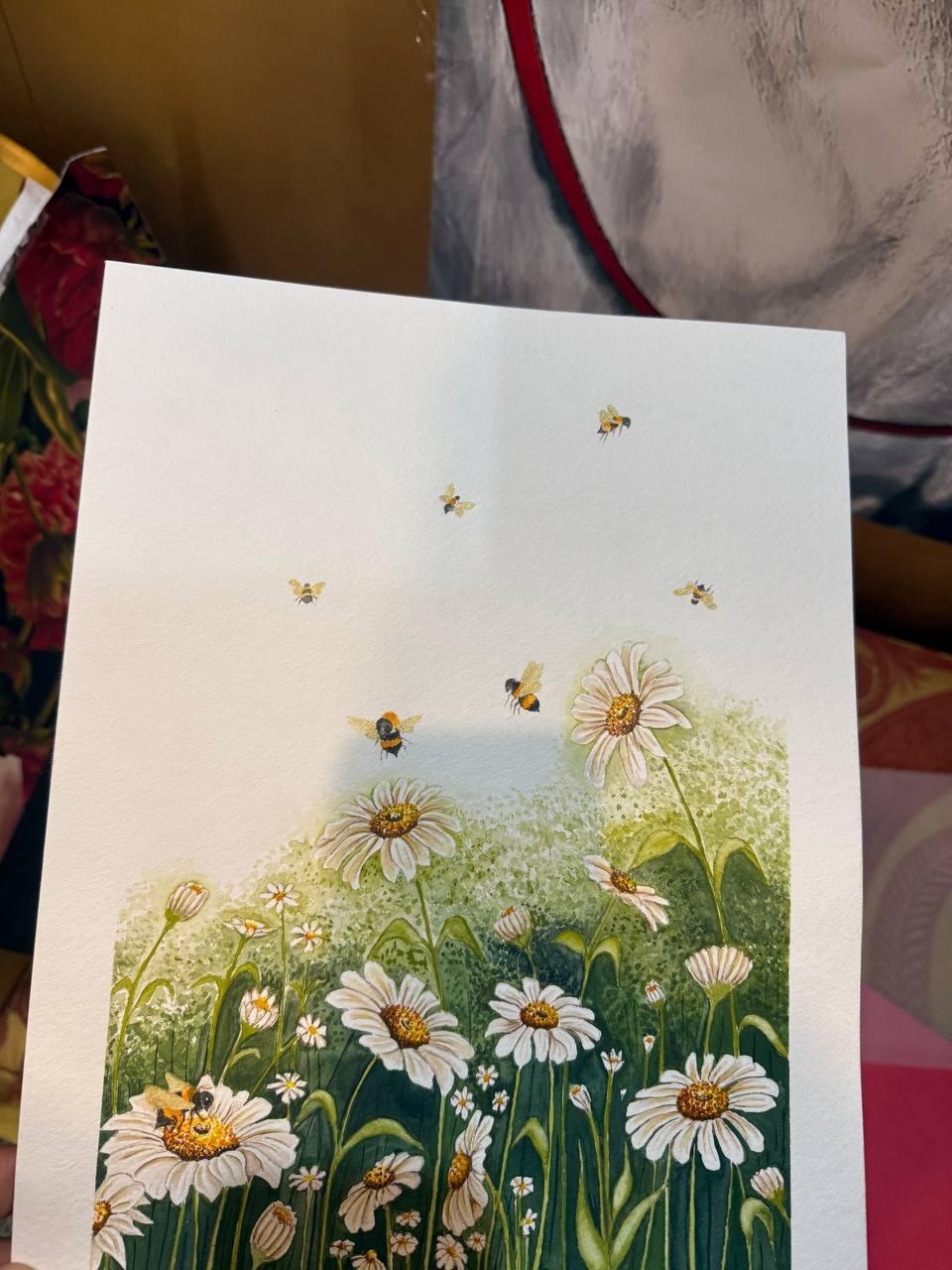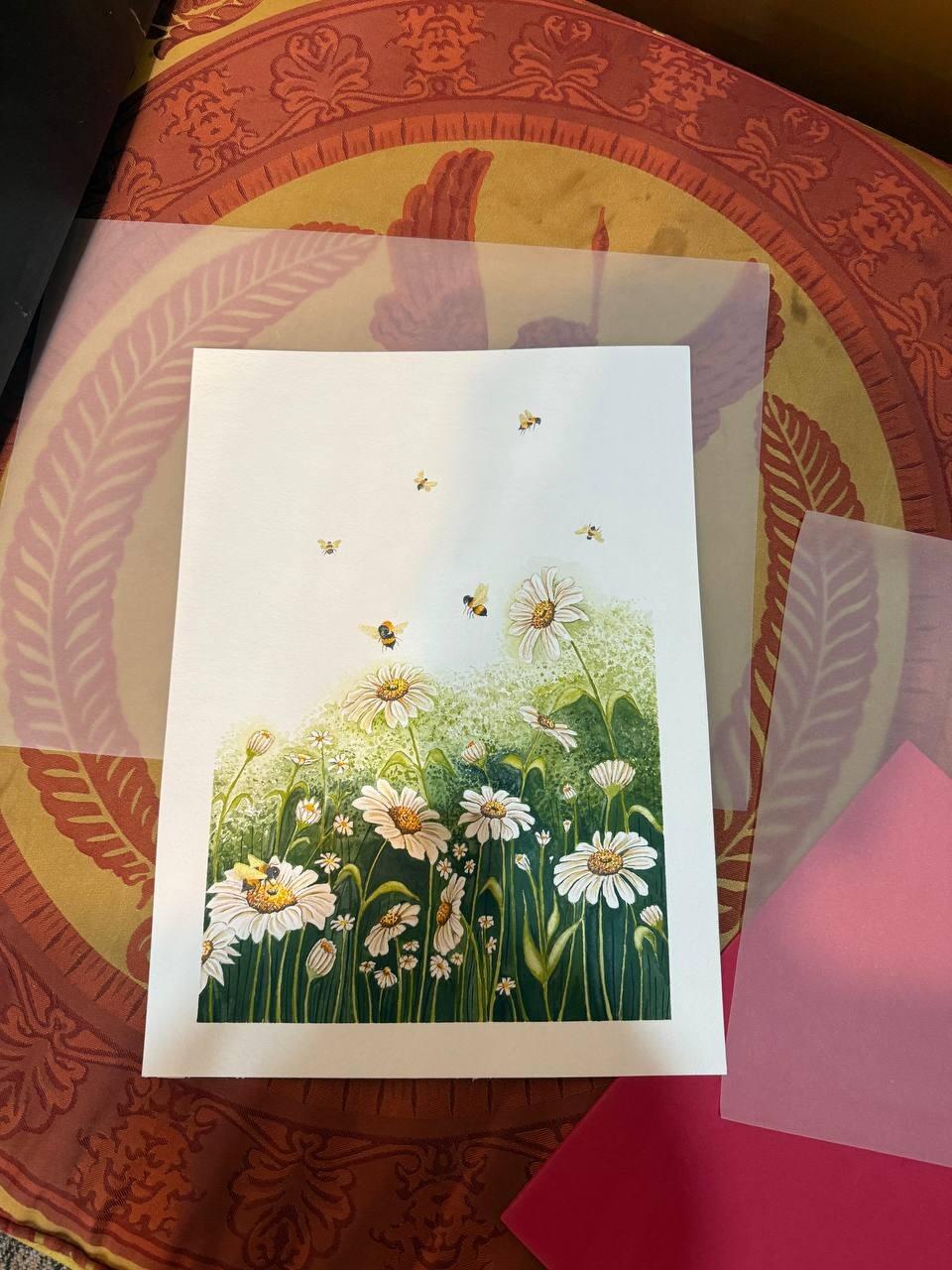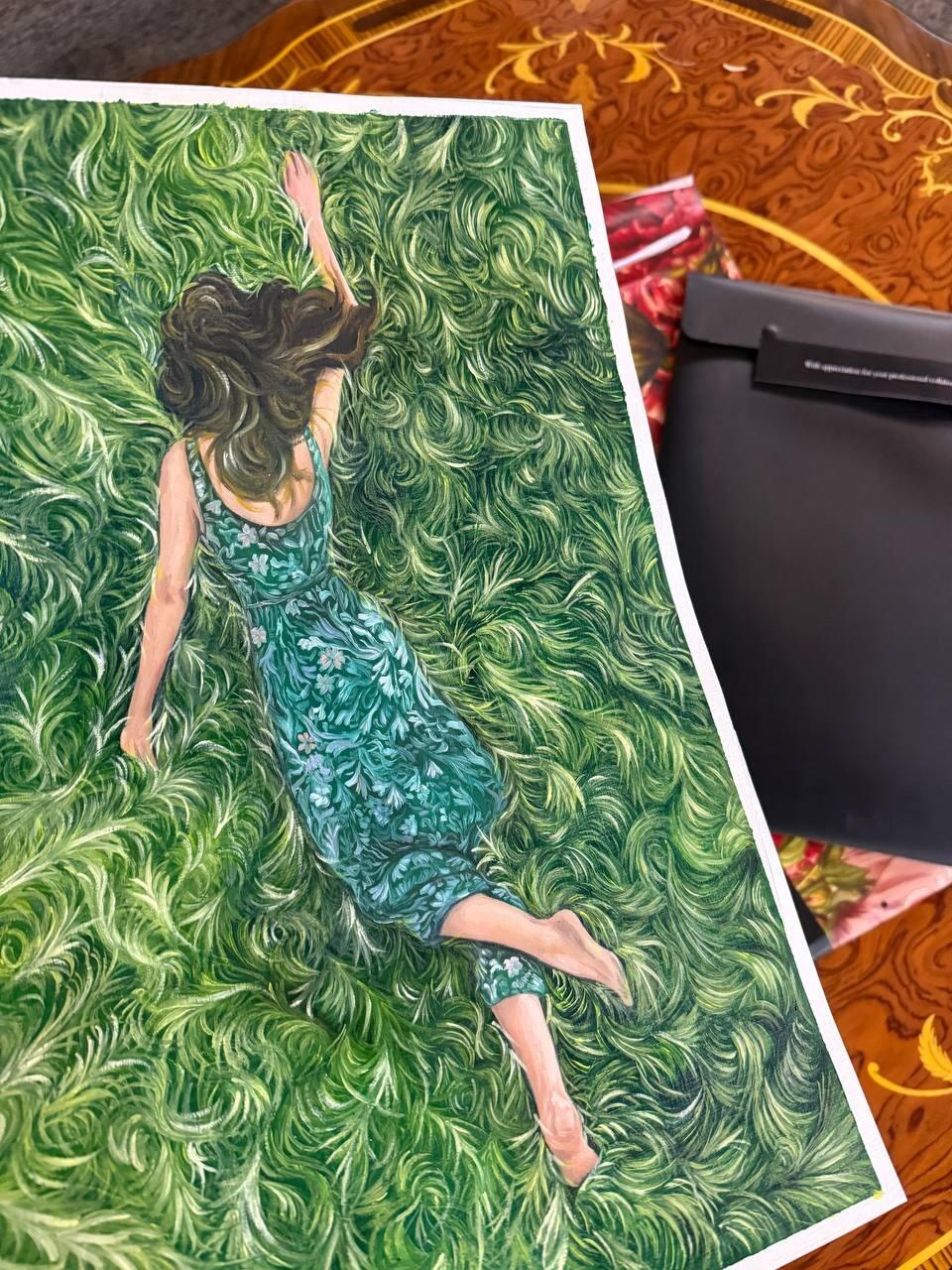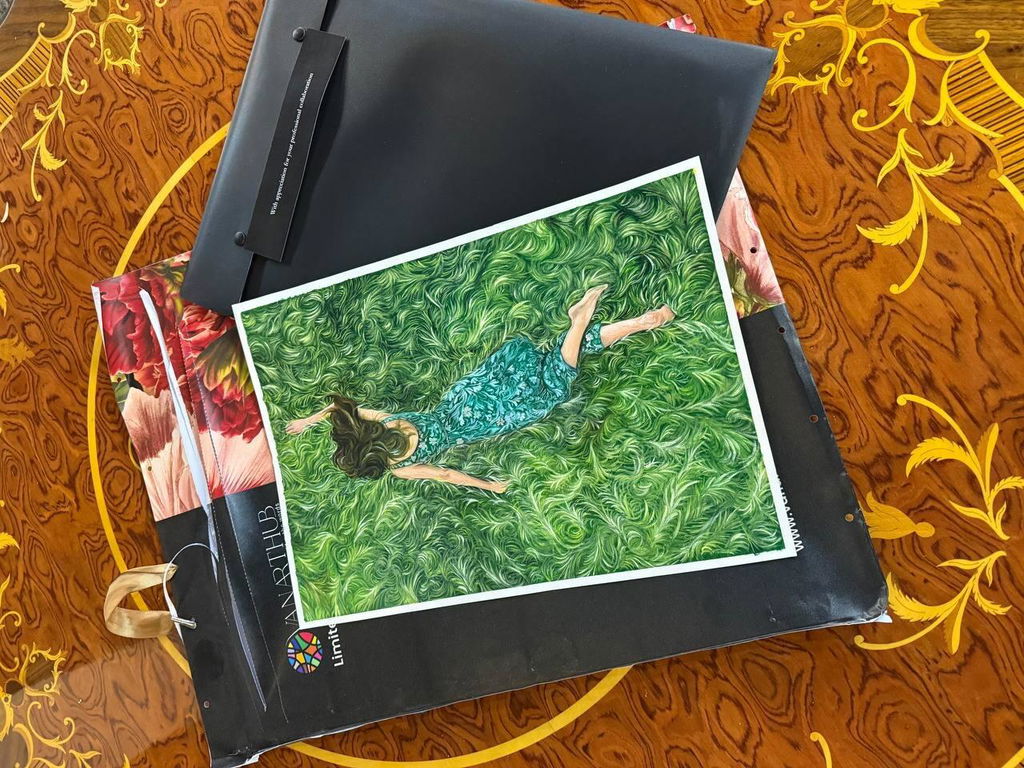
An original painting on canvas from the VanArtHub gallery at 1242 Davie Street in Vancouver.

Canvas · Vancouver

Canvas Stretching in Vancouver

Canvas stretching in Vancouver, done by hand on kiln-dried bars. Bring in a rolled canvas, a slack painting that needs re-tensioning, or a piece that needs a deeper bar. Walk in at 1242 Davie Street.

VanArtHub stretches canvases by hand at 1242 Davie Street in Vancouver's West End. Bring in a painting that arrived rolled in a tube, one that has gone soft in the middle after years on the wall, or one on bars that have twisted and are pulling it out of shape. You do not have to have bought it from us, and you do not have to buy anything else.

The three jobs people bring in

  • A rolled canvas that has never been stretched. Usually a painting bought from an artist at a distance, shipped in a tube because shipping a stretched canvas is expensive and risky. It arrives as an unfinished job. Leave it sealed until it is at room temperature and bring it in still rolled.
  • A painting that has gone slack. Canvas relaxes with age and moves with humidity, and a wet winter followed by dry indoor heating moves it a lot. Most cases are corrected by tapping the keys rather than re-stretching, and we will tell you if that is all yours needs.
  • A painting on bars that have failed. Timber that was not properly dried twists, and a twisted bar puts a permanent ripple in the fabric that no amount of tensioning removes, because the fault is in the wood. That one needs new bars.

What we need from your canvas

Unpainted margin. Four to five centimetres on all four sides is comfortable, because that border wraps the bars and takes the staples. Under about two and a half centimetres is tight. If yours has already been trimmed close to the image, bring it in exactly as it is: there are ways to handle it and every one of them starts with not cutting anything further.

What you get back

A canvas on kiln-dried bars cut to the piece, tensioned evenly from the centre of each side outward, with clean and consistent corner folds, keys fitted and secured so they cannot rattle loose, and a cross-brace where the span needs one. If it is going on the wall without a frame, the corners are turned so the seam faces away from view.

What we will tell you honestly

When a canvas does not need re-stretching, we say so, and tapping the keys is often a five-minute answer rather than a job. When a painting has already cracked along the line of the slack, we will tell you not to tighten it, because tightening a cracked canvas drives the cracks further. And when the bars are straight and worth keeping, we reuse them.

If you are not in Vancouver

Send the dimensions of the image, the width of the unpainted margin on each side, and a photograph of one corner. That is usually enough to say what it needs and what it will cost.

cross-brace keys bar depth mitred corner, deliberately not glued
A stretcher seen from the back. The bars are mitred at the corners and left slightly loose on purpose, because the eight wedges, called keys, are what let the frame be pushed very slightly wider later to take up slack. A bar longer than about 100 cm bows inward under the pull of the fabric, so it gets a cross-brace.

How it works

  1. 1

    Bring it in, or send photographs

    Walk in to 1242 Davie Street during opening hours. If you are not in Vancouver, send the dimensions and a photograph and we will work from that.

  2. 2

    We look at the actual piece

    What it is made of, what condition it is in, and where it is going to hang all change the answer. You get a straight recommendation and a price for your piece, not a rate card.

  3. 3

    It is made by hand and fitted

    Cut to the piece, using conservation materials, and finished with hanging hardware rated for the actual weight.

Common questions

Do you stretch canvases brought in from elsewhere?

Yes. It does not need to be a piece bought from us. Rolled canvases, loose canvases, and paintings that need lifting off tired bars and mounting again are all normal work. Bring it to 1242 Davie Street in Vancouver during opening hours.

What is the difference between stretching and re-stretching?

Stretching puts a loose or rolled canvas onto bars for the first time. Re-stretching takes a painting that is already mounted, lifts it off, and mounts it again at the right tension. Re-stretching is the more delicate job, because the paint has already dried in one position.

My painting arrived rolled in a tube. What should I do before bringing it in?

Very little, and that is deliberate. Leave the tube sealed until it has reached room temperature, which usually takes a few hours. Do not unroll a cold canvas, because cold paint is brittle. Bringing it in still rolled is completely fine. See stretching a rolled canvas.

How much unpainted margin does my canvas need?

Four to five centimetres on all four sides is comfortable, because that margin wraps the bars and takes the staples. Under about two and a half is tight. If yours has been trimmed close to the image, bring it in as it is rather than cutting anything further, because the options depend on what is left.

My canvas has gone soft in the middle. Does it need re-stretching?

Often not. Most slackness is seasonal and is corrected by tapping the keys in the corners, which pushes the bars very slightly apart. Re-stretching is for canvases where the keys are already fully in, or where the fabric hangs away from the bars. See why a canvas goes slack.

How is the price worked out?

Off the perimeter of the piece rather than its area, because bars are cut by the length, plus the depth of bar, whether it needs cross-bracing, whether it is a new stretch or a re-stretch, and what condition it is in. We quote the actual canvas rather than publishing a rate. See what changes the cost of stretching.

Can you frame the piece once it is stretched?

Yes, and most people do both at once. A stretched canvas is usually finished with a floater frame, which leaves a narrow reveal around the edge, or left as a gallery wrap with no frame at all. See floater frames for canvas.

What if the bars are fine and only the fabric is loose?

Then it is a keying job or a re-stretch onto the same bars, and we will say so. Lay the frame on a flat surface first: if all four corners touch, the timber is straight and worth keeping. If one lifts, the bars have twisted and reusing them would put the same ripple straight back in.

Where to find us

VanArtHub Gallery 1242 Davie Street
Vancouver, BC V6E 1N3
Canada
Gallery opening hours
Monday10 a.m. to 7 p.m.
Tuesday10 a.m. to 7 p.m.
Wednesday10 a.m. to 7 p.m.
Thursday10 a.m. to 7 p.m.
Friday10 a.m. to 7 p.m.
Saturday11 a.m. to 7 p.m.
Sunday11 a.m. to 6 p.m.

Not sure what yours needs?

Send the measurements, what it is made of, and a photograph. We will tell you what it actually needs, including when the answer is that it needs less than you expected.