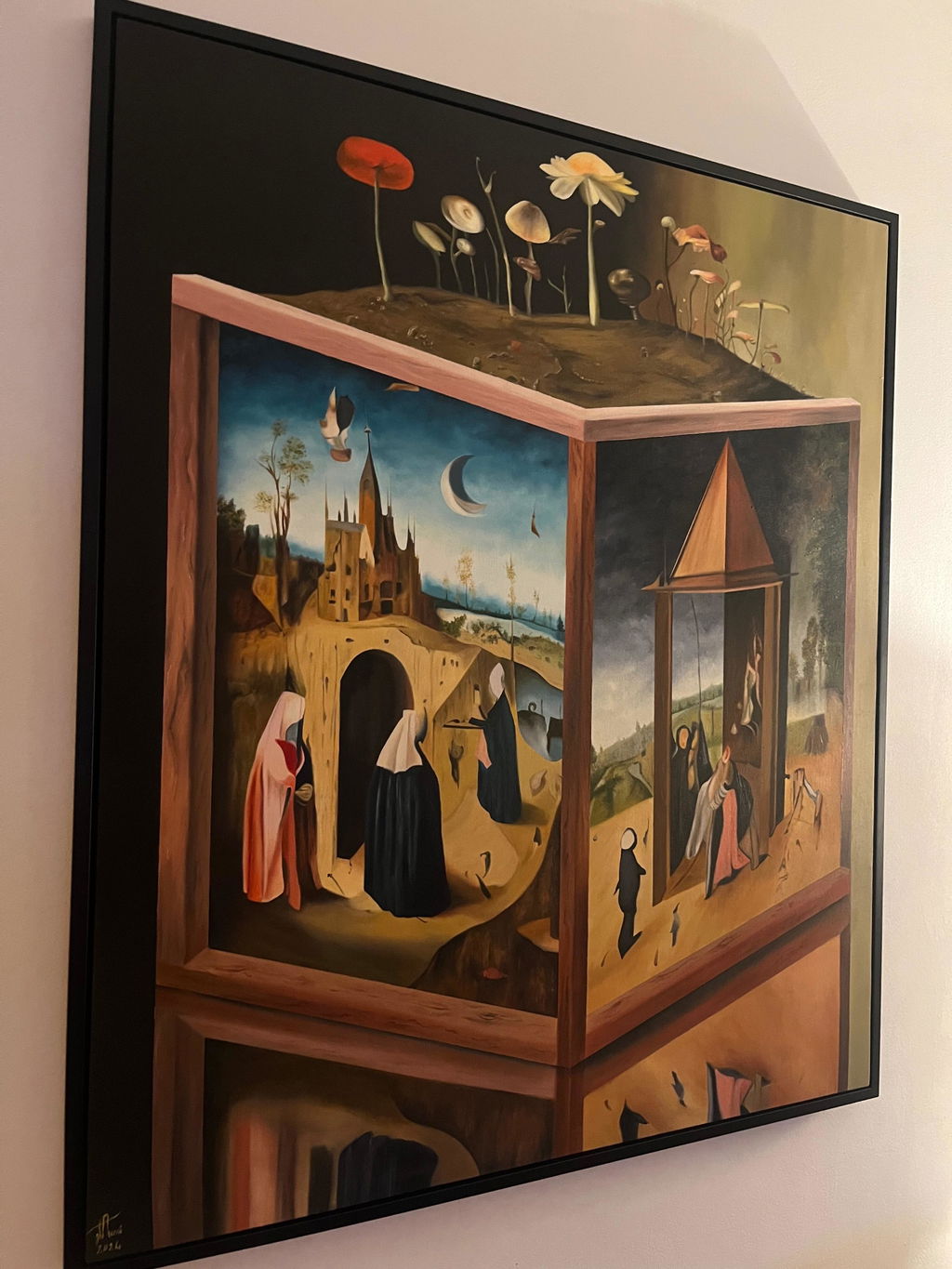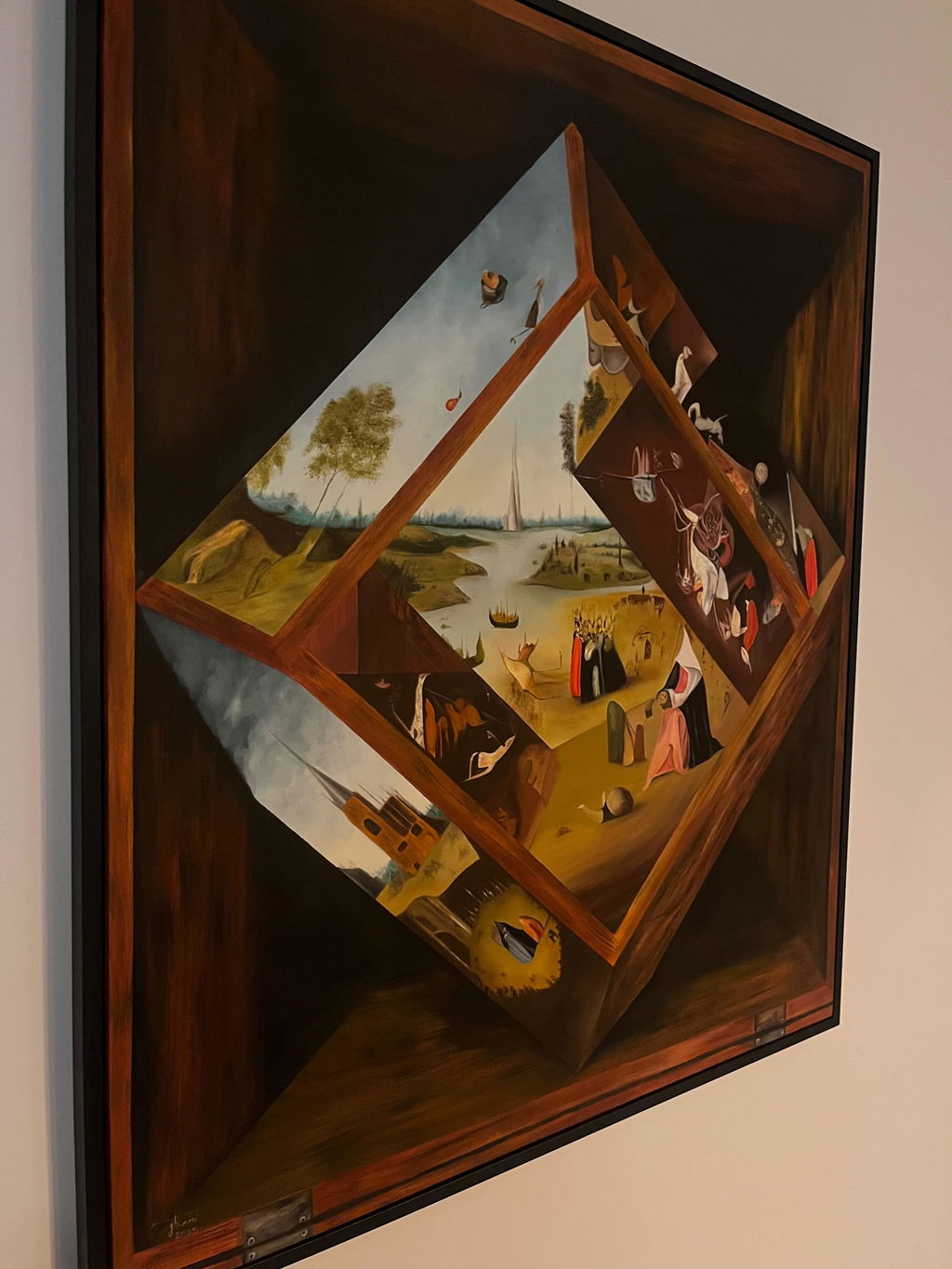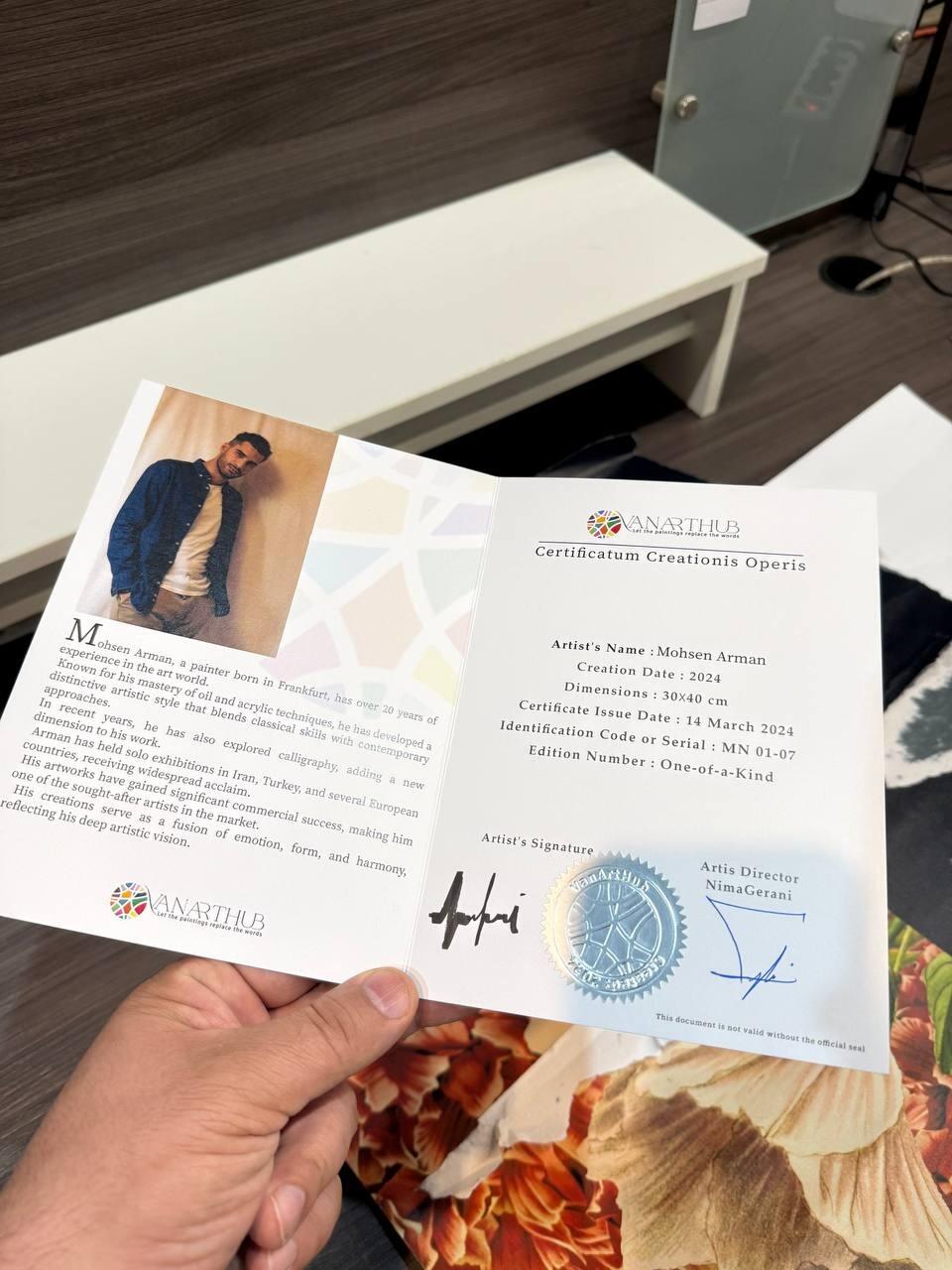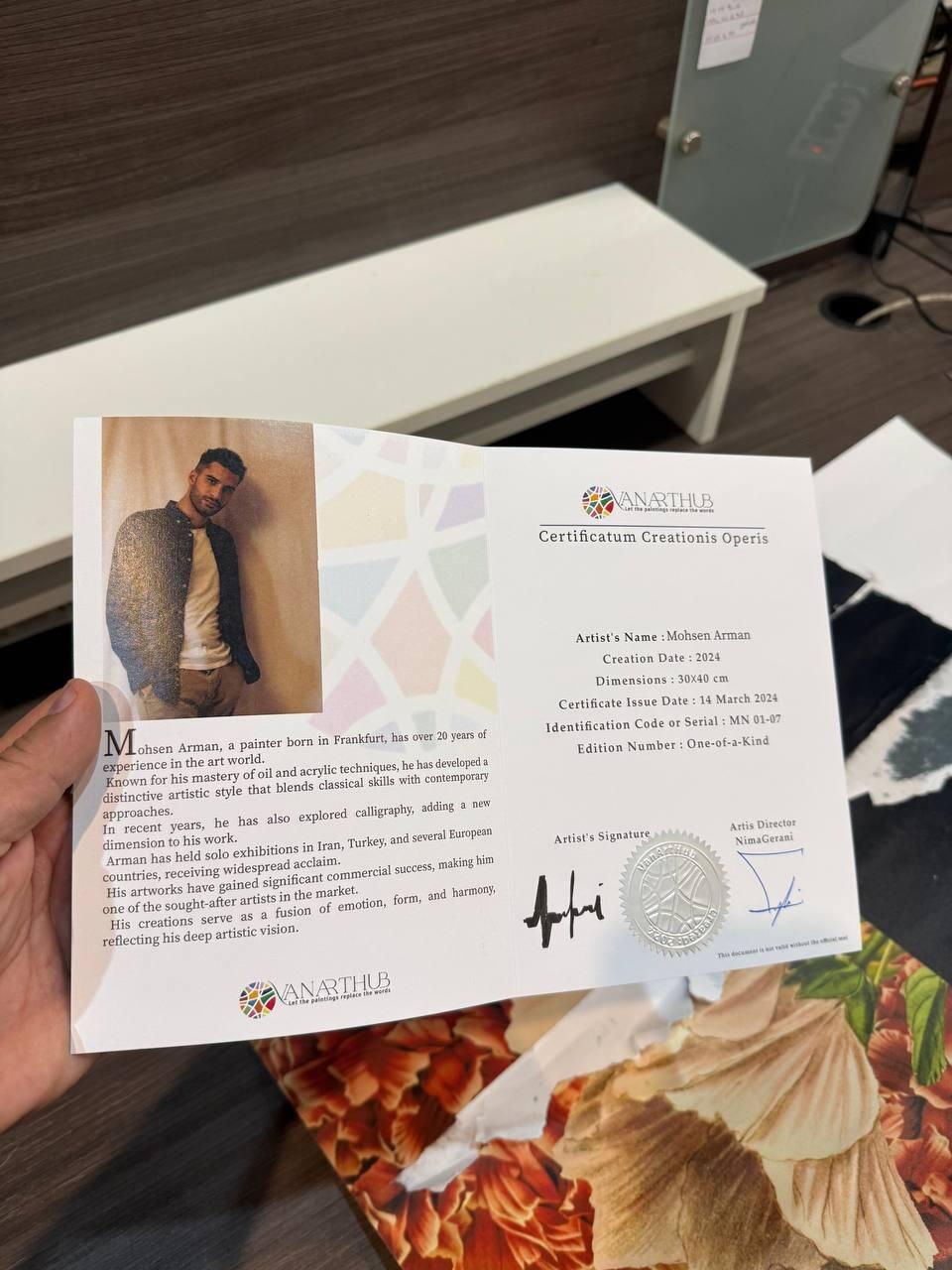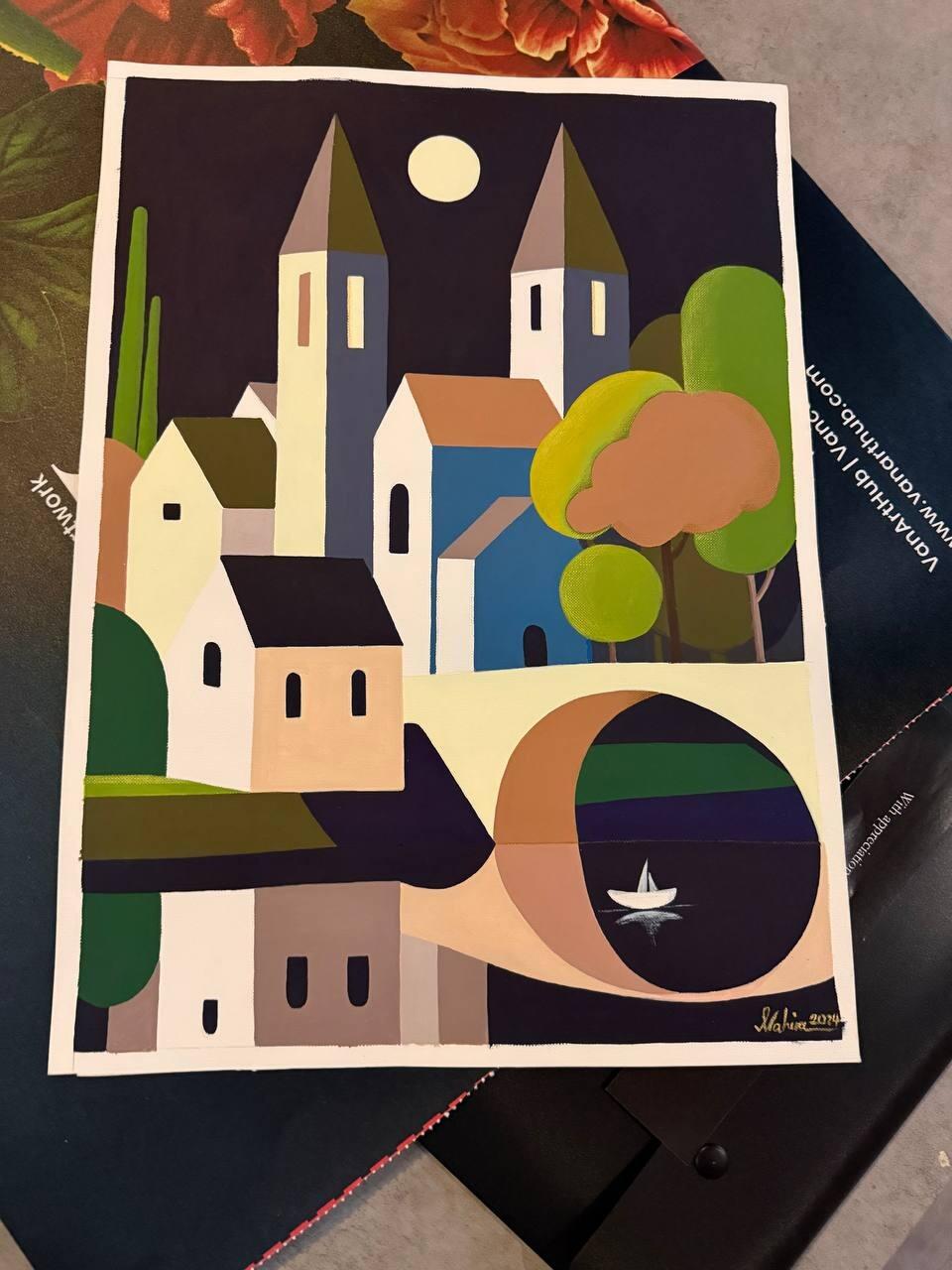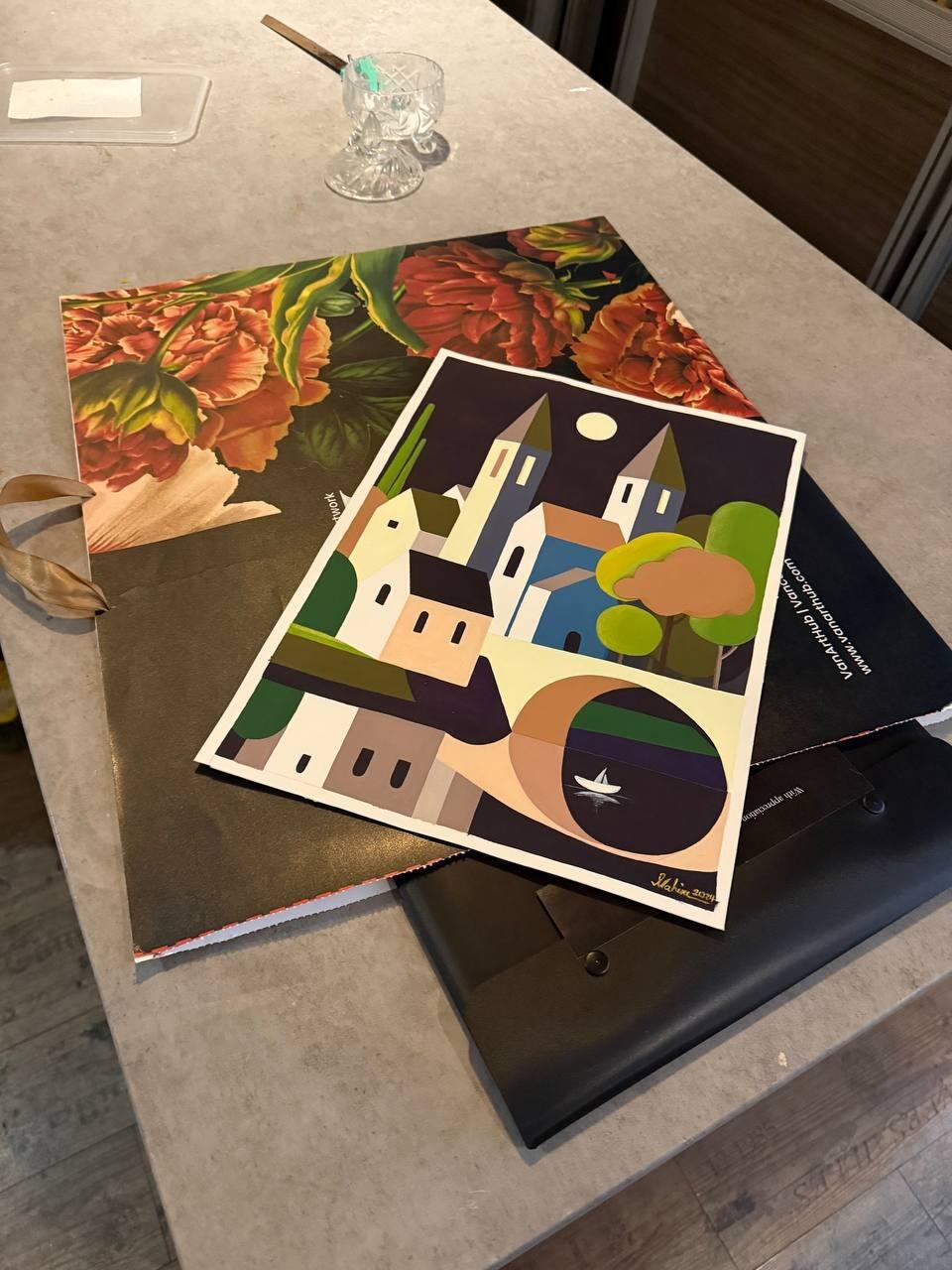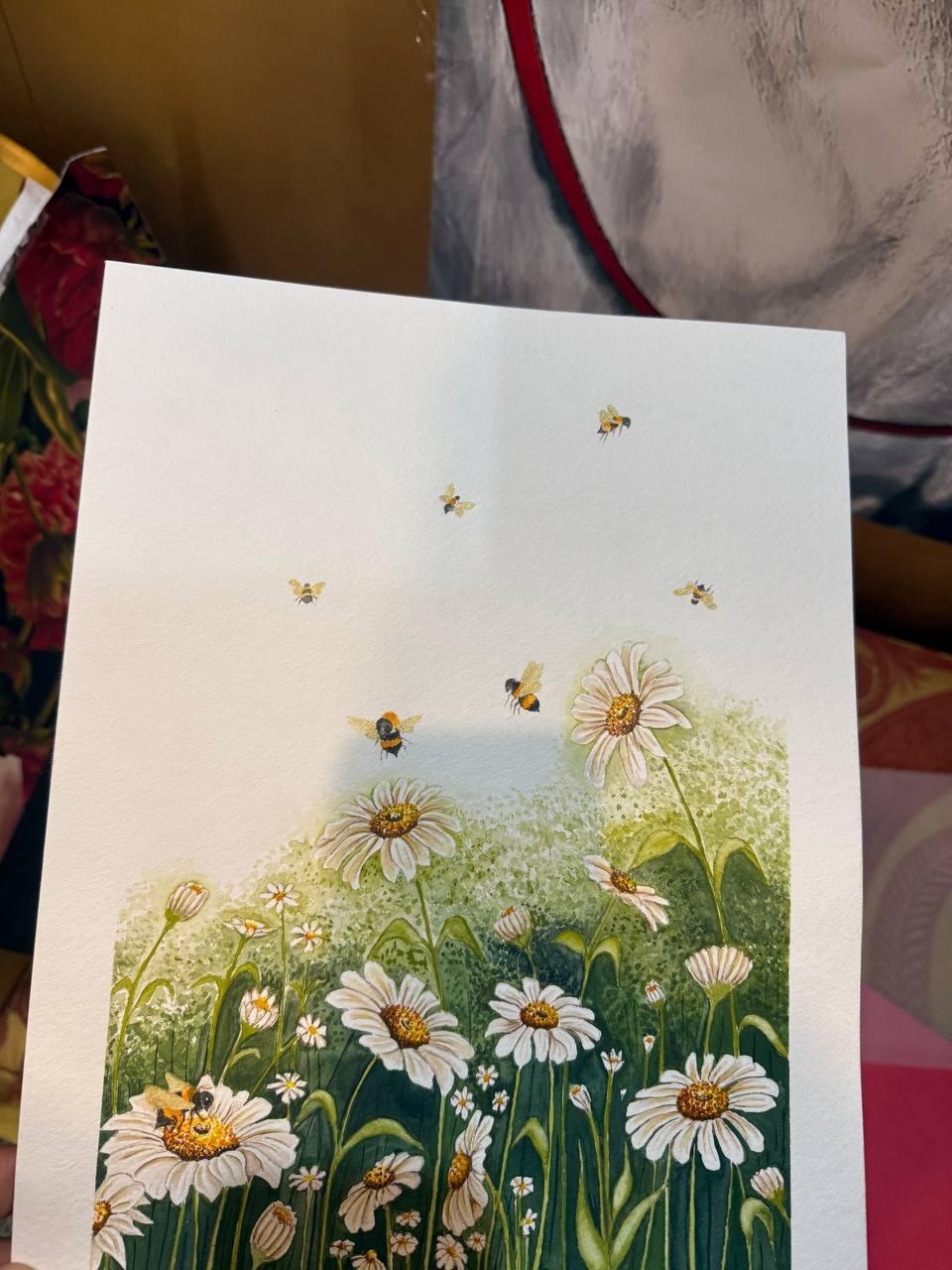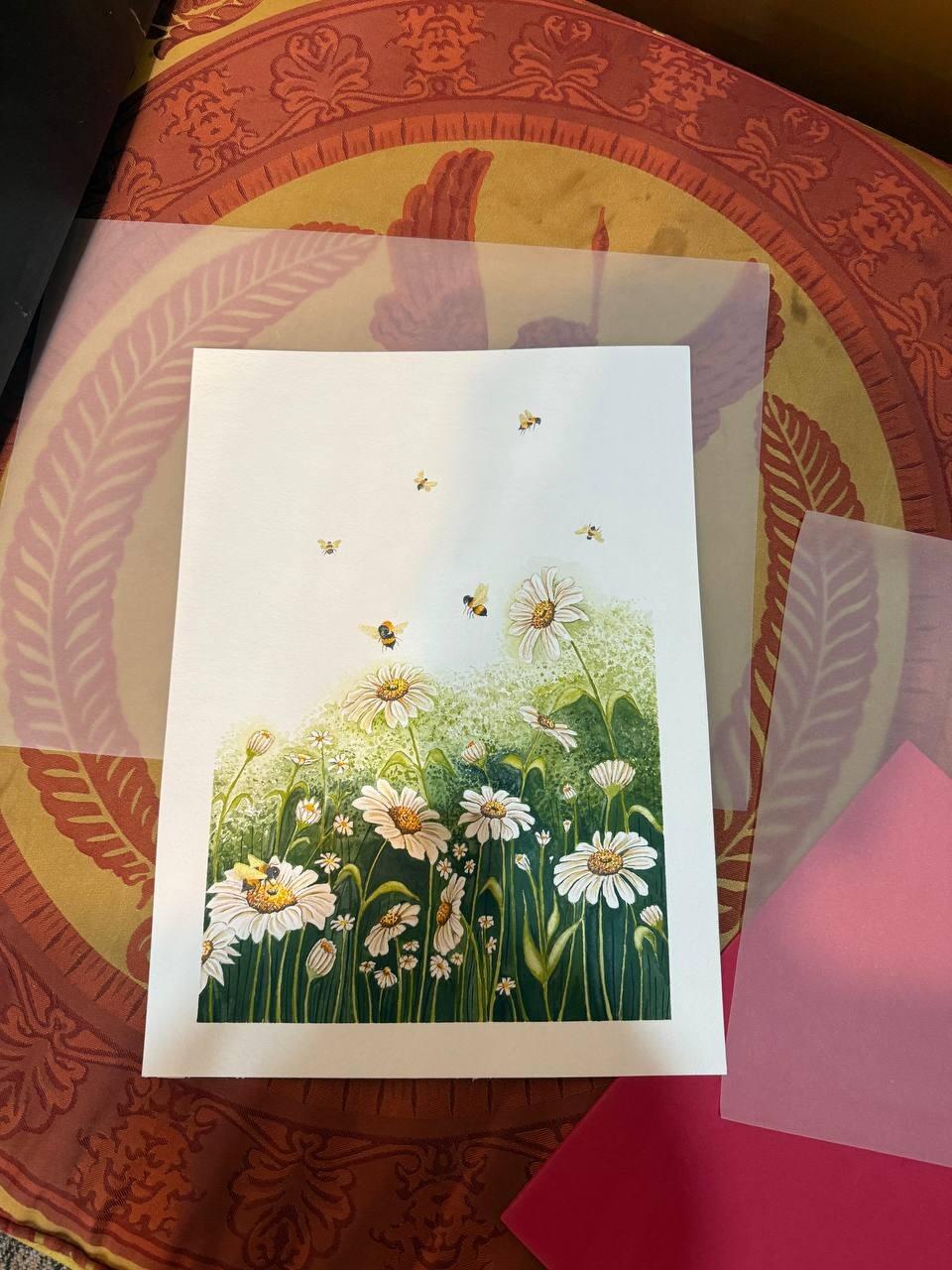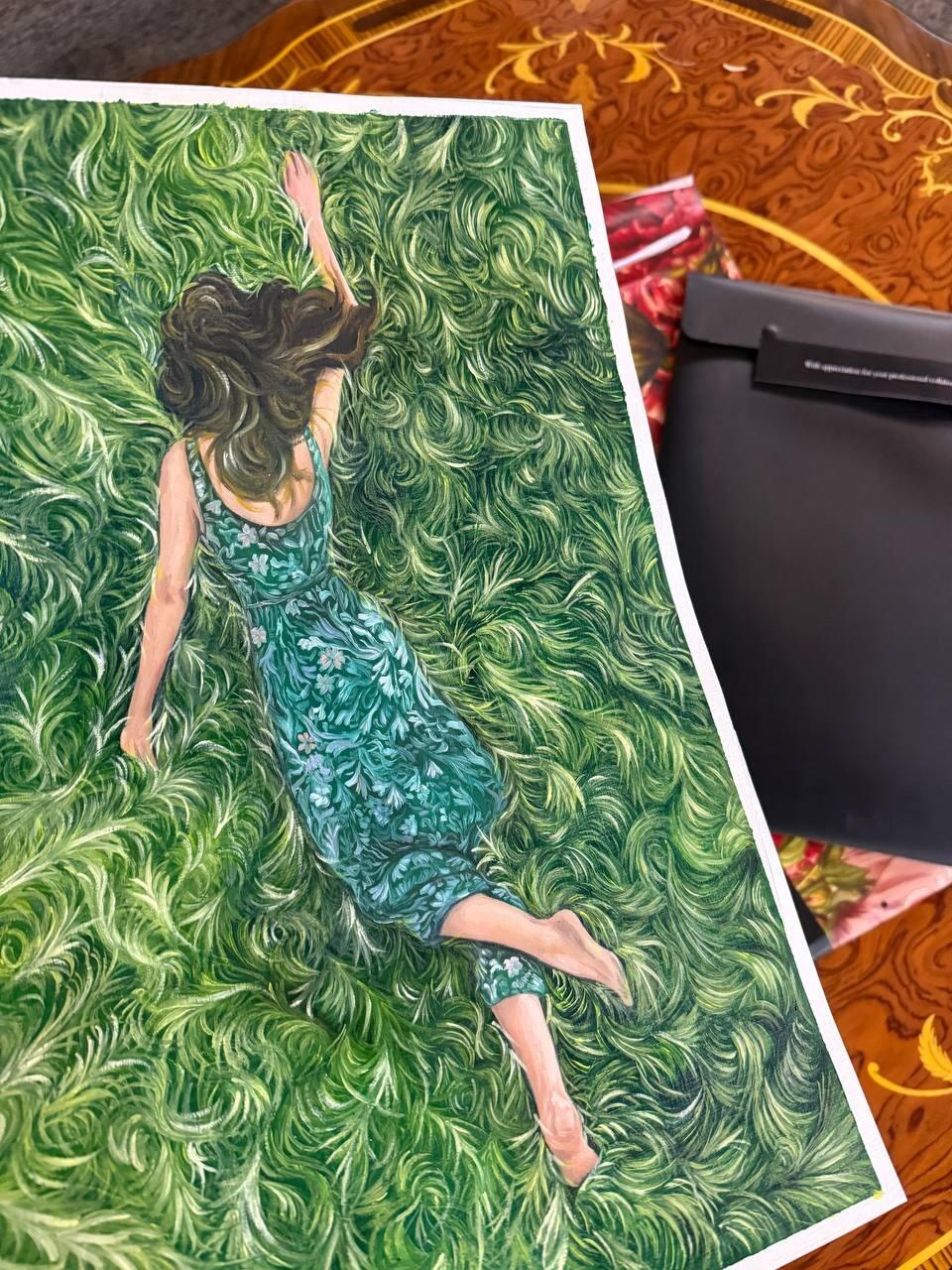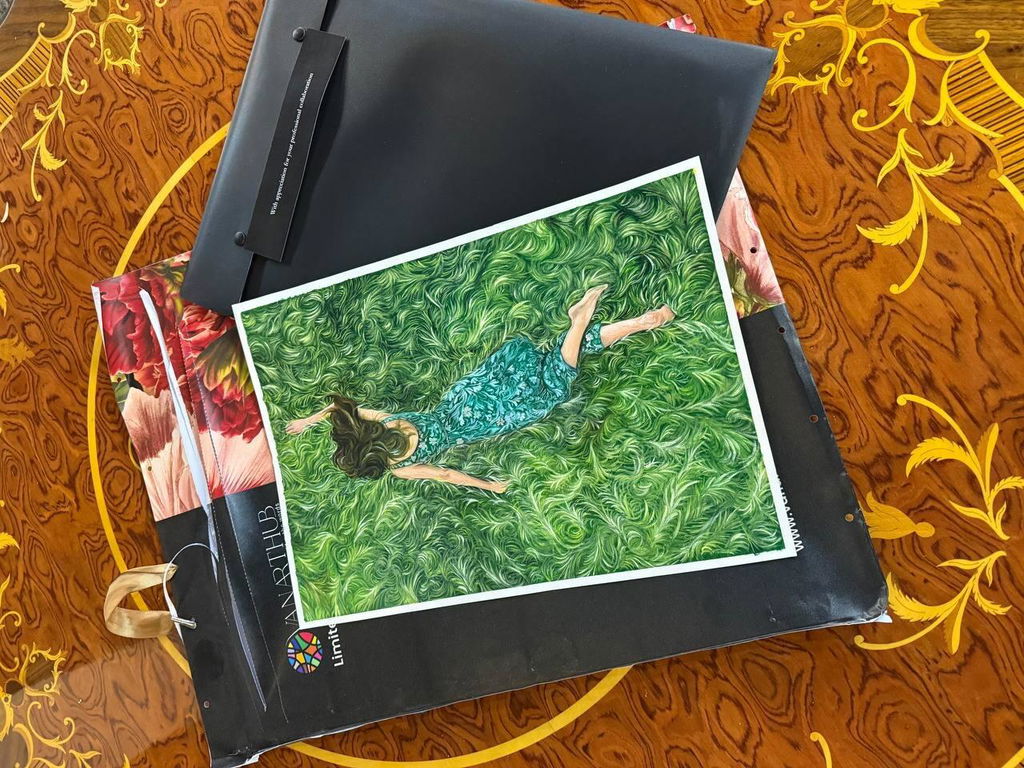
An original painting on canvas from the VanArtHub gallery at 1242 Davie Street in Vancouver.

Works on paper · Vancouver

Photograph & Print Framing

Photographs and prints framed with acid-free mats and backing, hinged rather than dry-mounted, behind glazing chosen for the wall it will hang on. Vancouver, 1242 Davie Street.

Photographs fade faster than almost anything else we frame, and the print type decides how fast. A traditional colour print, an inkjet print and a fibre-based black and white print all behave differently under the same light, so the framing that suits one is wrong for another.

Hinged, not dry mounted

Dry mounting glues a photograph permanently to a board. It gives a very flat result and it destroys any resale or archival value the print had, because it cannot be undone. We hinge instead, using acid-free hinges at the top edge, unless you specifically want the piece dry mounted and understand the trade.

Glazing, and where the print will hang

The glazing choice follows the wall rather than the photograph. A print opposite a window gets anti-reflective glazing, because otherwise you will be looking at the window rather than the picture. A print in a hallway with no direct light does not need to pay for that. UV filtering is worth it in almost every case, because it is fading you cannot see happening until you compare the print to one that was kept in a drawer.

A mat, or no mat

A mat holds the glazing off the surface of the print, which matters: a photograph in contact with glass can stick to it over years in a humid room, and separating them afterwards takes the emulsion with it. If you want a frameless look with no mat, we use spacers instead, which do the same job invisibly.

What we need

The print, the wall it is going on, and roughly how much light that wall gets. Those three things settle most of the decisions.

Hinged at the top free to move at the sides and bottom Glued down nowhere to go, so it buckles
A work on paper is held by two hinges at the top edge and nothing else, so the sheet can expand and contract with the room. Glue, tape, and dry mounting all fix the sheet in place, and a fixed sheet buckles. Hinges are also reversible, which is the test of every conservation decision.

How it works

  1. 1

    Bring it in, or send photographs

    Walk in to 1242 Davie Street during opening hours. If you are not in Vancouver, send the dimensions and a photograph and we will work from that.

  2. 2

    We look at the actual piece

    What it is made of, what condition it is in, and where it is going to hang all change the answer. You get a straight recommendation and a price for your piece, not a rate card.

  3. 3

    It is made by hand and fitted

    Cut to the piece, using conservation materials, and finished with hanging hardware rated for the actual weight.

Common questions

Should a photograph be dry mounted?

Usually not. Dry mounting glues the print permanently to a board, which gives a very flat result and destroys any archival or resale value because it cannot be undone. We hinge with acid-free hinges unless you specifically want it dry mounted and understand the trade.

Which glazing does a photograph need?

It follows the wall rather than the print. A photograph opposite a window needs anti-reflective glazing or you will be looking at the window. UV filtering is worth it almost everywhere, because photographic fading is invisible until you compare the print to one kept in a drawer.

Does a photograph have to have a mat?

No, but something must hold the glazing off the surface. A photograph in contact with glass can stick to it over years in a humid room, and separating them afterwards takes the emulsion with it. If you want no mat, we use spacers instead.

Do different print types need different framing?

Yes. A traditional colour print, an inkjet print and a fibre-based black and white print all behave differently under the same light. Tell us which yours is, or bring it in and we will tell you.

Can you frame a photograph without a border showing?

Yes. The mat can overlap the edge of the print, or the print can be floated so its full edge including any deckle shows. They read very differently, so it is worth deciding with the print in front of you.

What do you need from me to quote?

The print, the wall it is going on, and roughly how much light that wall gets. Those three things settle most of the decisions, including the ones that change the price.

Where to find us

VanArtHub Gallery 1242 Davie Street
Vancouver, BC V6E 1N3
Canada
Gallery opening hours
Monday10 a.m. to 7 p.m.
Tuesday10 a.m. to 7 p.m.
Wednesday10 a.m. to 7 p.m.
Thursday10 a.m. to 7 p.m.
Friday10 a.m. to 7 p.m.
Saturday11 a.m. to 7 p.m.
Sunday11 a.m. to 6 p.m.

Not sure what yours needs?

Send the measurements, what it is made of, and a photograph. We will tell you what it actually needs, including when the answer is that it needs less than you expected.