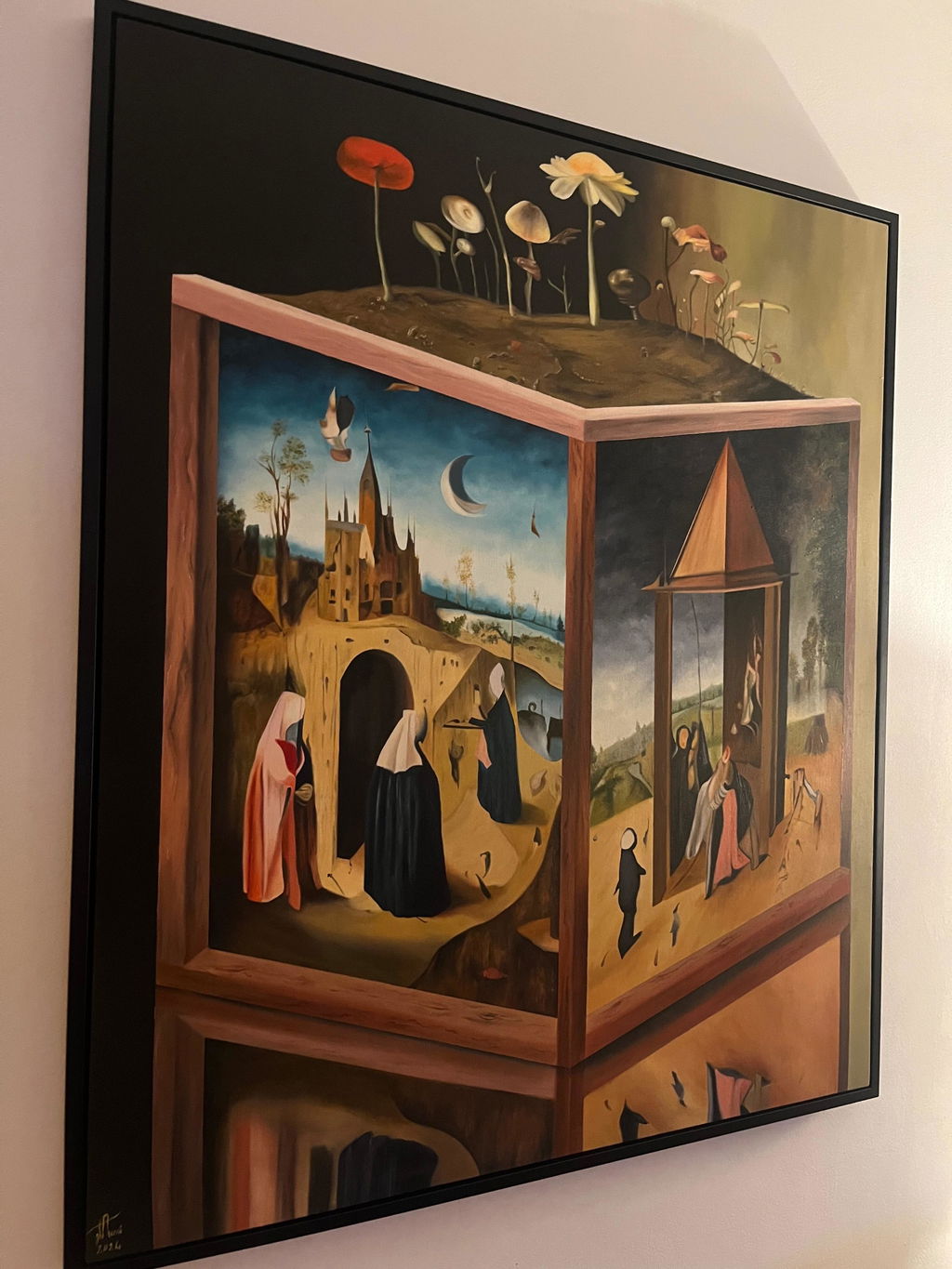
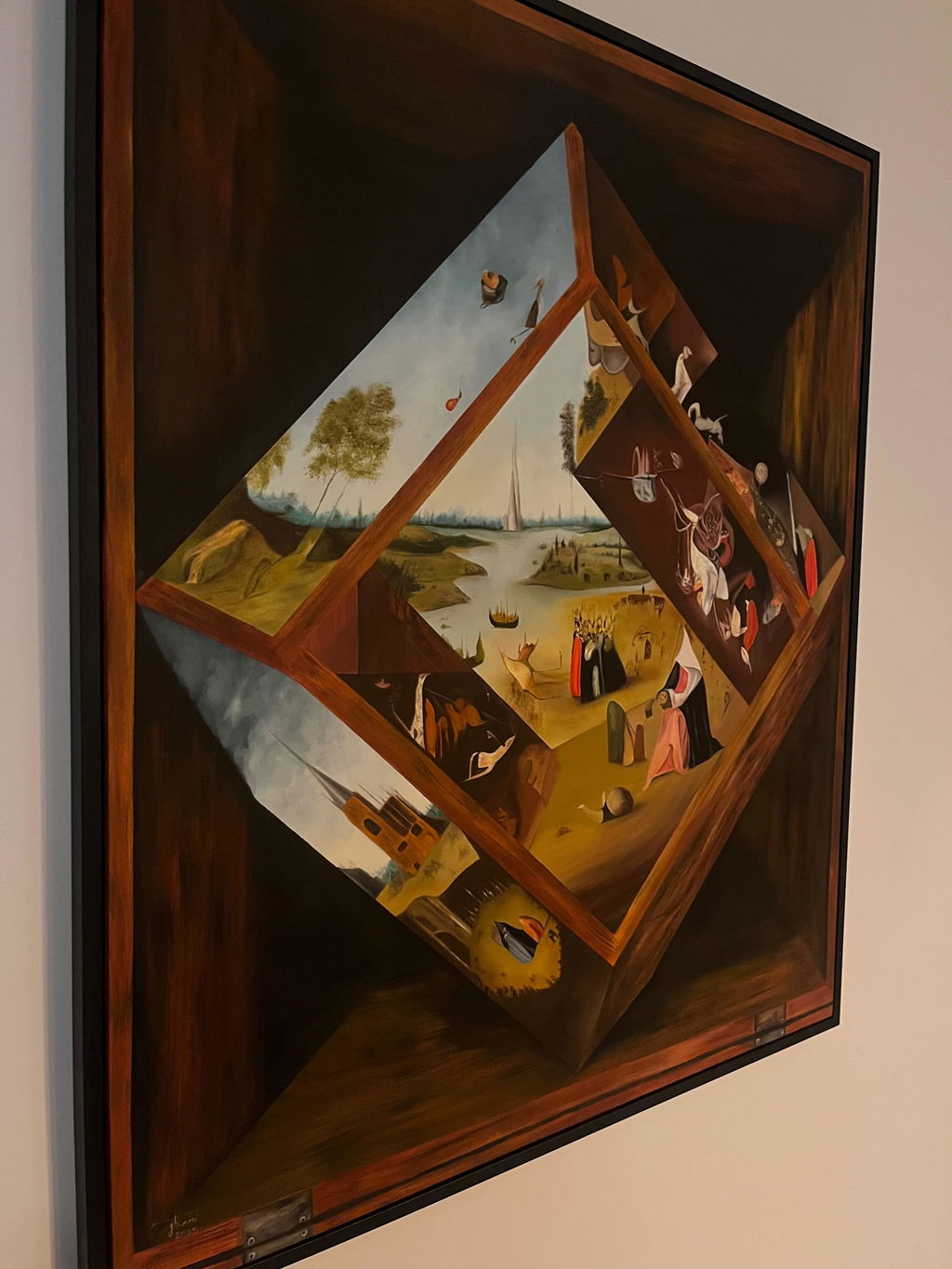
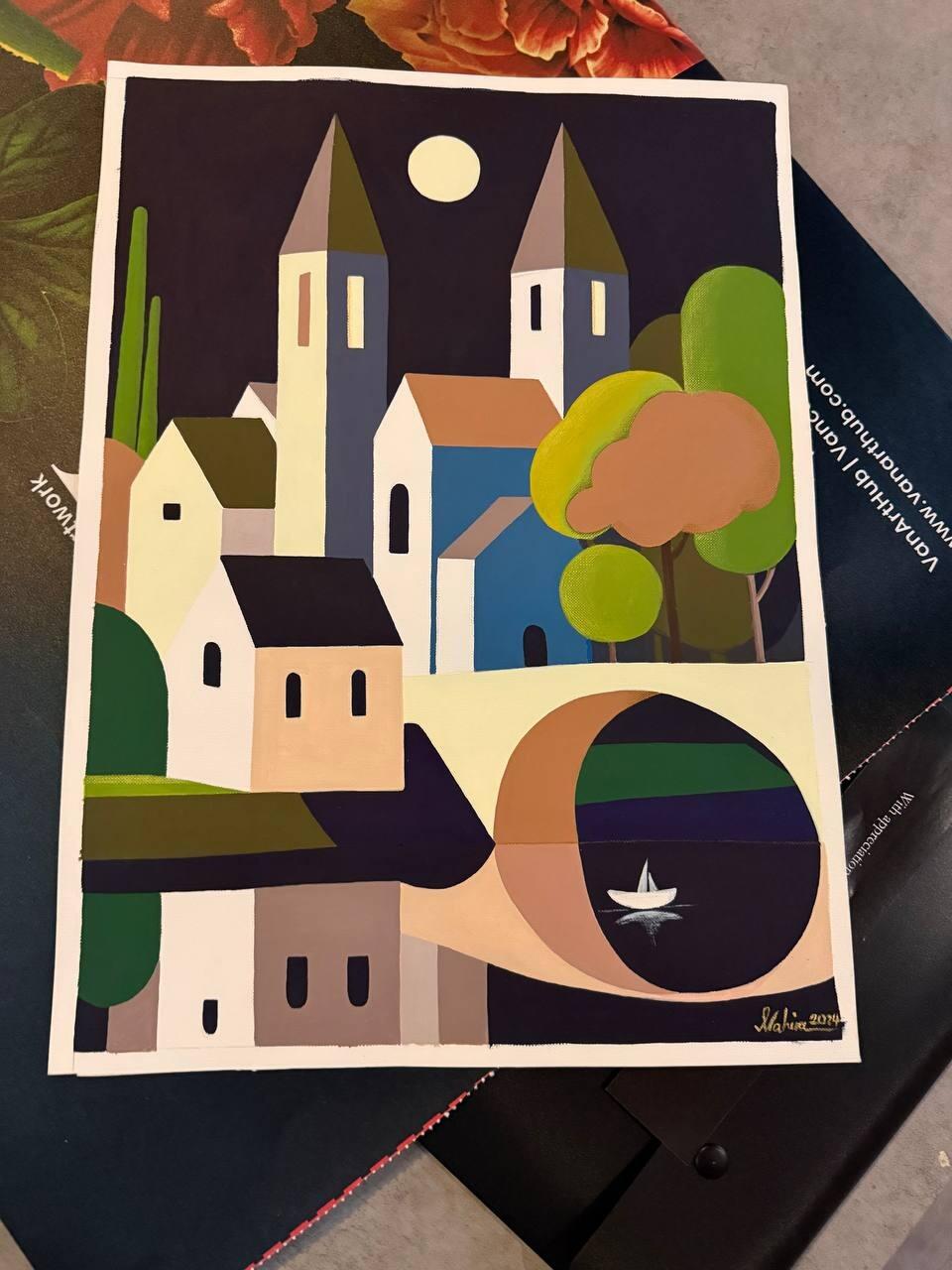
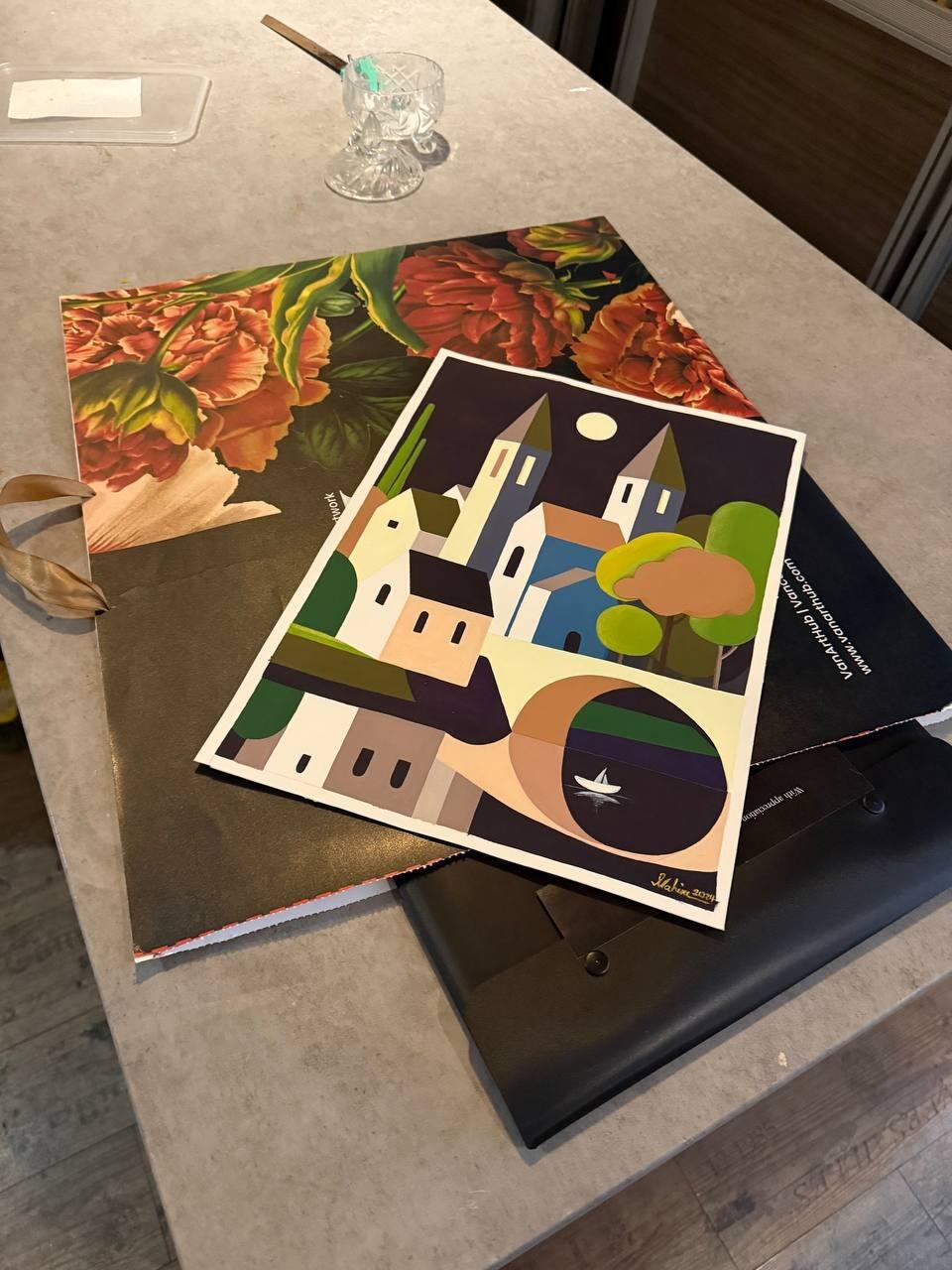
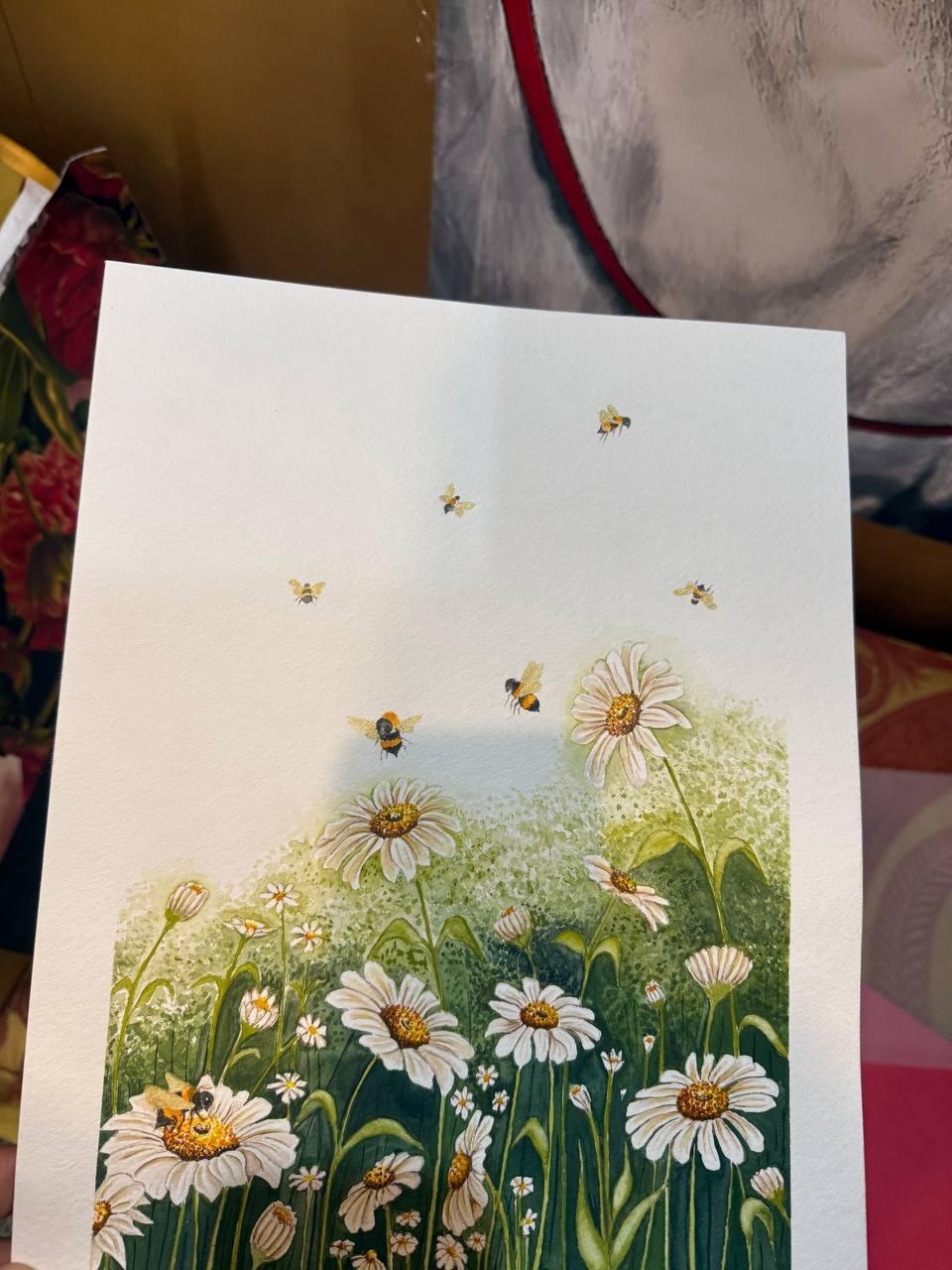
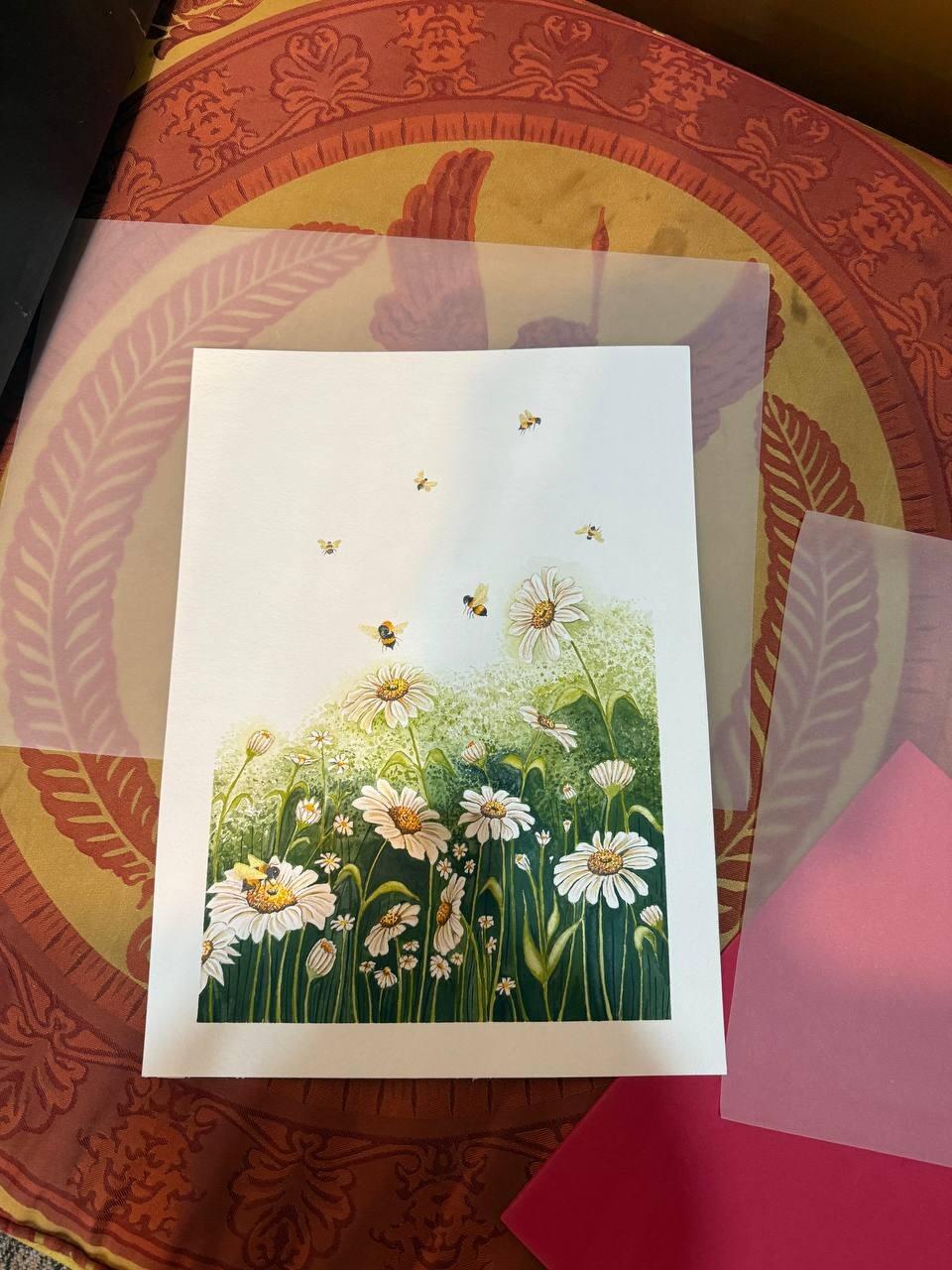
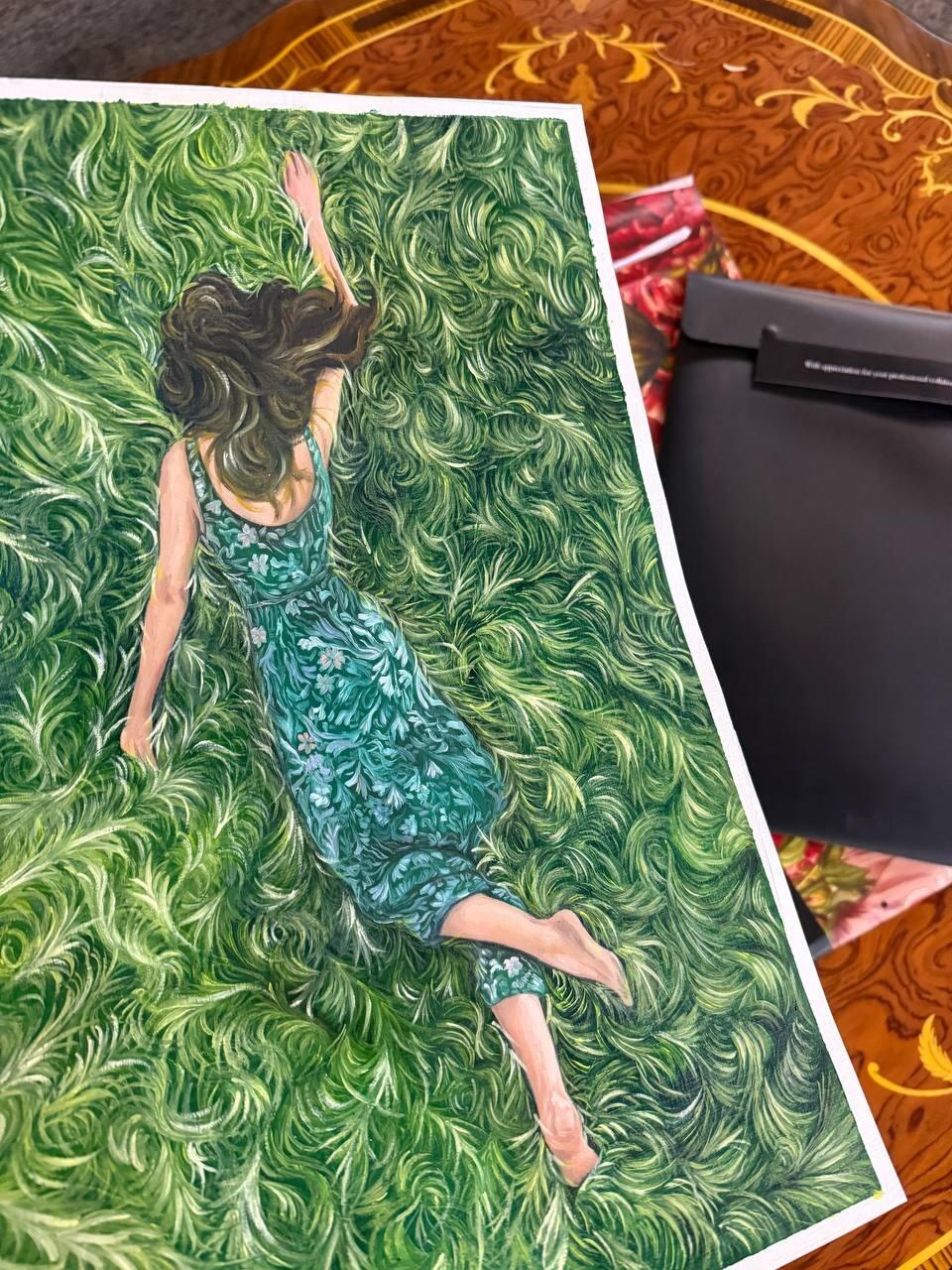
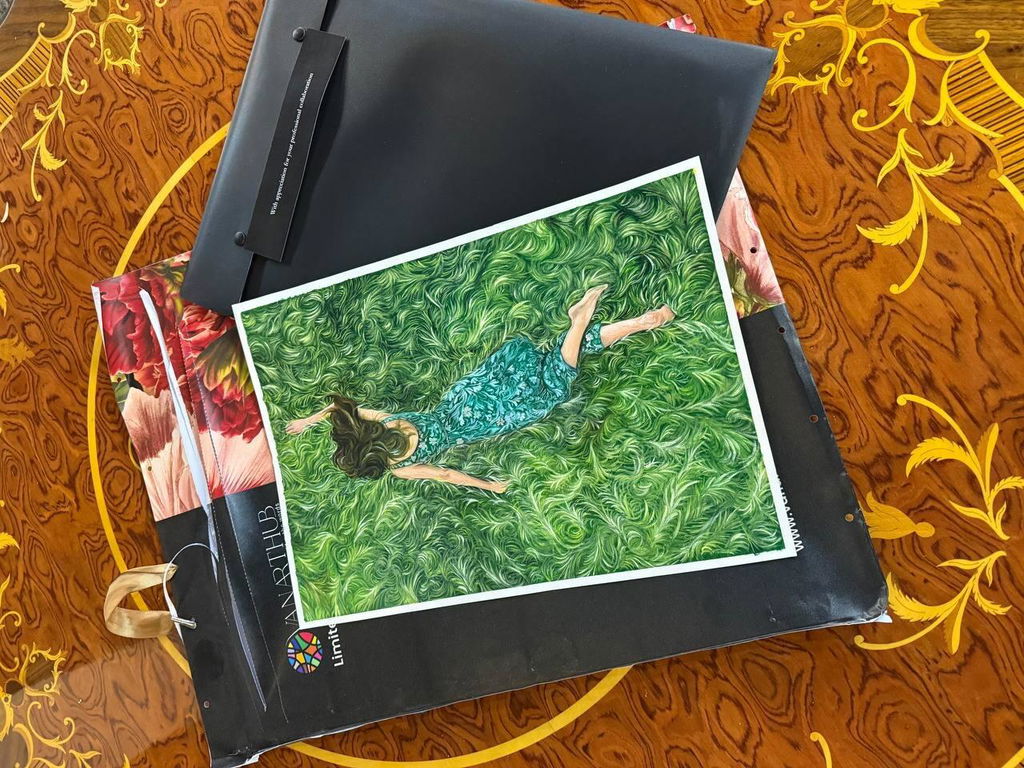
An original painting is a physical object made of oil or acrylic paint, canvas or paper, and a frame. Treat it well and it will look right for a hundred years and longer. Caring for one is mostly about leaving it alone in the right spot, not fussing over it. This is our plain guide to keeping a painting from VanArtHub in the condition it left our Vancouver studio.
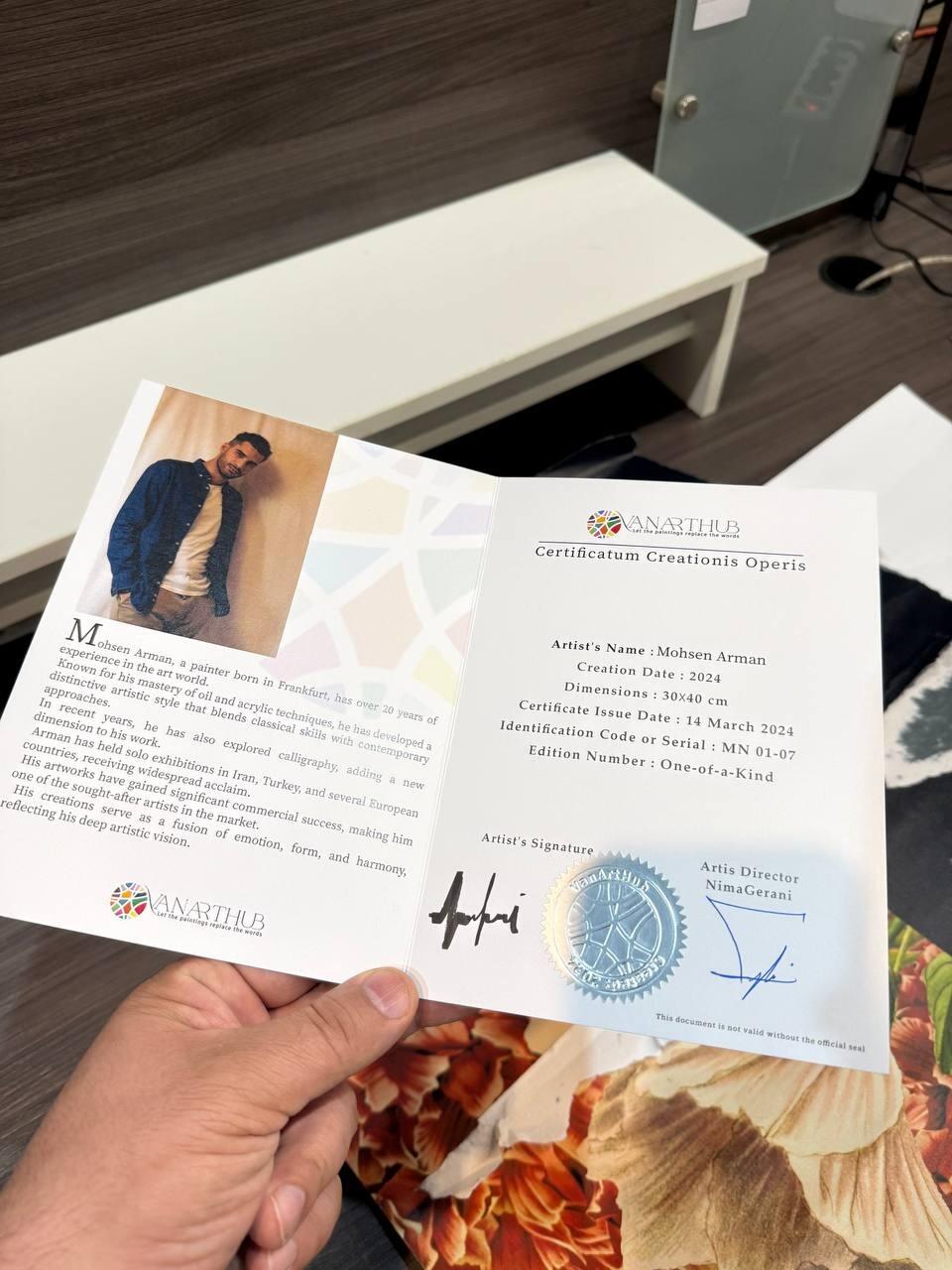
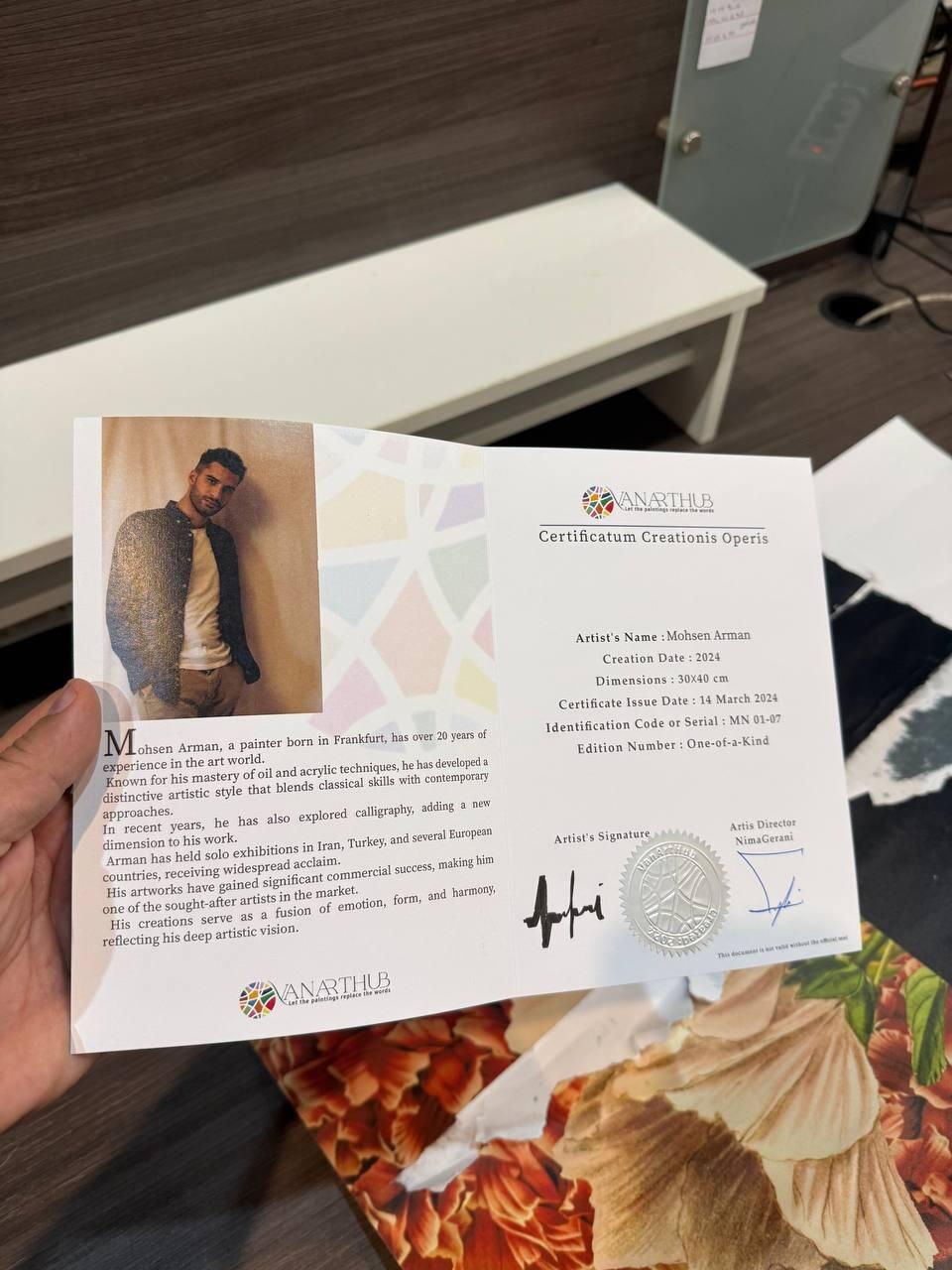
Every piece we sell is an original, signed by the artist, and shipped with a Certificate of Authenticity. If something ever goes wrong with a painting you bought from us, write to us and we will help. Ready to add one to your walls? Browse the original oil paintings collection.
Where should you hang it?
The spot matters more than any cleaning trick. Keep the painting out of direct sunlight. Strong sun fades pigment and dries out the paint film over years, and once colour is lost it does not come back. Bright indirect daylight is fine. A beam of afternoon sun across the canvas is not.
Avoid rooms with steam and swings in temperature. Kitchens coat art in a thin film of cooking grease. Bathrooms and laundry rooms hold moisture that can grow mould behind a canvas or buckle a work on paper. Above a working fireplace, radiator, or heat vent, the heat and soot are hard on paint. A stable interior wall in a living room, bedroom, hallway, or office is the safe choice.
How do you clean a painting?
Gently, and almost never with anything wet. For day-to-day care, dust the surface with a soft, dry brush. A clean, wide watercolour brush or a natural-hair makeup brush works well. Brush lightly from the top down, about once a month, so dust does not settle into the texture. That is the whole routine for most paintings.
Do not use cleaning sprays, glass cleaner, or any product with alcohol or ammonia, and never wipe the surface with a wet cloth or water. Skip the online tricks like a slice of bread or a cut potato too. These can lift paint, leave a haze, or strip the finish. If a painting has real grime, smoke buildup, or a spill, that is a job for a professional art conservator, not a home fix.
Do oil, acrylic, and pencil need different care?
The basics are the same for all of them: no direct sun, stable air, dust with a dry brush. The differences are in the details, and they matter most in the first weeks and with works on paper.
A fresh oil painting is the one people worry about most. Oil paint can feel dry to the touch in days but keeps curing underneath for up to a year. During that time, hang it and leave the surface alone, and do not press bubble wrap or plastic against it, since a soft film holds the imprint.
| Type of artwork |
What to watch |
How to care for it |
| Oil on canvas |
Cures slowly, stays a little soft for months, attracts dust while curing |
Do not touch or wrap the surface for the first 6 to 12 months. Dust with a dry brush only. Never varnish it yourself. |
| Acrylic on canvas |
Dries fast but the paint film stays slightly soft and can pick up dust and fingerprints |
Dust with a dry brush. Keep out of high heat, which can make the surface tacky. No sprays or solvents. |
| Colored pencil or works on paper |
Paper is the fragile part: it yellows in sun and cockles in damp air |
Keep framed under glass or acrylic glazing, away from sun and moisture. Never wipe the surface. Handle by the frame. |
What should you never do?
Most damage we see is not from age. It comes from good intentions with the wrong tool. Here is the short version of what helps and what hurts.
| Do |
Don't |
| Dust with a soft, dry brush about monthly |
Spray any cleaner or wipe with a wet cloth |
| Hang on a stable interior wall, out of direct sun |
Hang in a bathroom, over a stove, or on a sun-hit wall |
| Keep the room at a normal, steady temperature and humidity |
Let the room swing between hot and damp |
| Handle the frame, not the painted surface |
Touch, poke, or lean objects against the paint |
| Call a conservator for grime, tears, or spills |
Try bread, potato, or other online cleaning tricks |
What if it gets damaged?
Accidents happen. A frame corner catches a doorway during a move, or a scratch appears you cannot explain. Do not try to repair a paint surface with glue, paint, or tape from a drawer, because a home fix usually makes a proper repair harder. Take a clear photo and set the piece flat and safe.
If you bought the painting from VanArtHub, write to us with the photo and we will tell you the sensible next step, whether that is a light touch-up or a referral to a conservator. Every piece ships free and fully insured, so transit damage on arrival is our problem to solve, not yours. Keep the Certificate of Authenticity somewhere safe, since it names the artist, title, medium, and size and is the document a future buyer or an insurer will ask for.
Key things to remember
- Keep every painting out of direct sunlight and away from steam, since sun fades pigment and moisture damages canvas and paper.
- Dust with a soft, dry brush about once a month, and never use water, sprays, or household cleaners on the surface.
- Leave a new oil painting's surface untouched for 6 to 12 months while the paint finishes curing underneath.
- Frame colored pencil and other works on paper under glass, away from sun and damp, and handle them by the frame.
- For grime, tears, or spills, use a professional art conservator, and for a VanArtHub piece, write to us first and keep the Certificate of Authenticity safe.
Frequently asked questions
How do I clean dust off an original painting?
Use a soft, dry brush, such as a wide watercolour brush or a natural-hair makeup brush. Brush lightly from the top down about once a month so dust does not settle into the paint texture. Do not use water, a damp cloth, or any spray. That gentle dry dusting is all most original paintings ever need.
Can I use glass cleaner or a wet cloth on a painting?
No. Glass cleaner, all-purpose spray, alcohol, ammonia, and plain water can lift paint, leave a haze, or strip the finish. Never wipe a painted surface with anything wet. If a painting has real grime, smoke buildup, or a spill, leave it to a professional art conservator rather than trying a home cleaning method.
Does an oil painting need different care than an acrylic one?
The basics are the same: no direct sun, stable air, dry-brush dusting. The main difference is that a new oil painting keeps curing for up to a year, so leave its surface untouched for the first 6 to 12 months. Acrylic dries faster but can turn tacky in high heat, so keep it cool and away from vents.
How do I care for a colored pencil piece or work on paper?
Keep it framed under glass or acrylic glazing, since paper is the fragile part. Hang it away from direct sun, which yellows paper, and away from damp air, which makes paper cockle or grow mould. Never wipe the surface. Handle the piece by its frame, and let a conservator handle any staining or tears.
What do I do if my VanArtHub painting gets damaged?
Do not attempt a home repair with glue, paint, or tape, since that makes a proper fix harder. Take a clear photo, lay the piece flat and safe, and write to us. We will advise the sensible next step. Every order ships free and fully insured, so damage on arrival is ours to resolve, not yours.
Care is simple once the painting is on the right wall, and a well-kept original will outlast the room around it. When you are ready to start or add to a collection, browse our original oil paintings collection, compare mediums in our guide to oil vs acrylic paintings, or read up on framing original paintings. To see how it all fits together, return to the Canadian art hub.