Botanical art is art that takes plants as its main subject: flowers, leaves, branches, seed pods, fruit still on the tree. The tradition covers everything from exact scientific illustration, drawn so a botanist could identify a species, to free contemporary painting made for the pleasure of looking. Plant imagery is one of the easiest kinds of art to live with, which is a large part of why it has stayed popular for centuries.
This page traces the tradition from the scientific record to the gallery wall, and then gives practical help with choosing a plant painting for your own home.
Key takeaways
- Botanical art is any artwork whose main subject is plants, from strict scientific illustration to loose contemporary painting.
- Scientific botanical illustration began as a working record for science, where accuracy mattered more than beauty, yet the best examples deliver both.
- Maria Sibylla Merian is one of the best known figures in the tradition; her botanical and insect illustrations are still studied and admired today.
- Plant imagery is calm, seasonless, and fits almost every room, which makes it one of the safest choices for a home.
- A painting of plants is not automatically made from plant-based materials; the subject and the materials are two separate questions.
From scientific record to gallery wall
Botanical illustration started as a tool, not as decoration. Before photography, a careful drawing was the only reliable way to record what a plant looked like: the shape of each leaf, the structure of the flower, the fruit at different stages. Illustrators worked to strict standards because scientists used the images to identify species. Beauty was not the goal, but it kept arriving anyway, because a plant drawn with full attention tends to be beautiful.
Maria Sibylla Merian is one of the most celebrated figures in this tradition. Her botanical and insect illustrations showed plants together with the insects that lived on them, so a single image recorded a small living world rather than a lone specimen. Work like hers proved that scientific accuracy and visual beauty could share the same sheet of paper, and her illustrations are still studied and collected today.
Painters later borrowed the subject and dropped the scientific duty. A plant in a modern painting does not need to be identifiable to species. It can be simplified, enlarged, abstracted, or reduced to colour and gesture. What survives from the older tradition is the close attention. Botanical art, in any style, comes from looking at a plant longer than most people ever do.
What counts as botanical art today
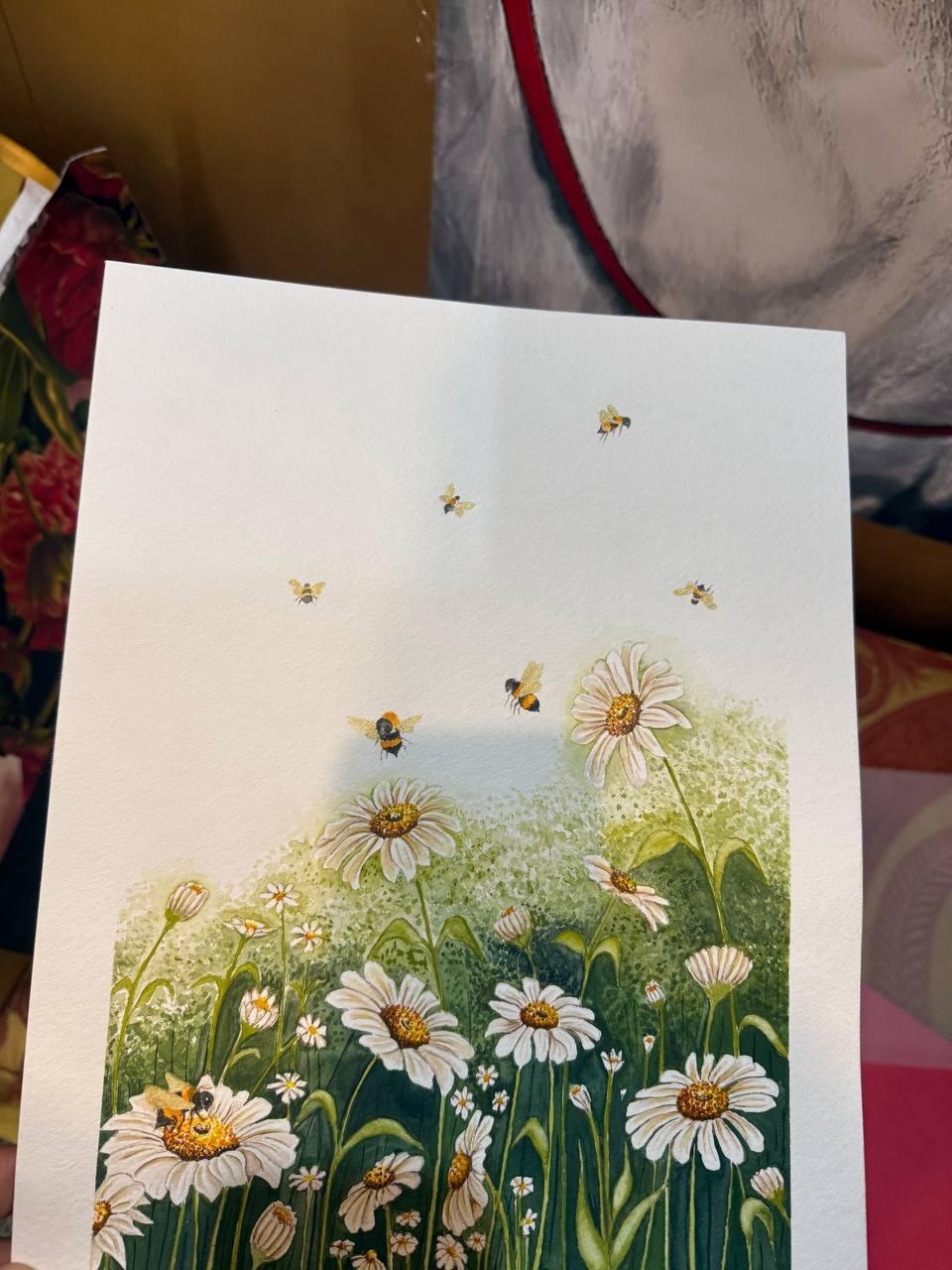
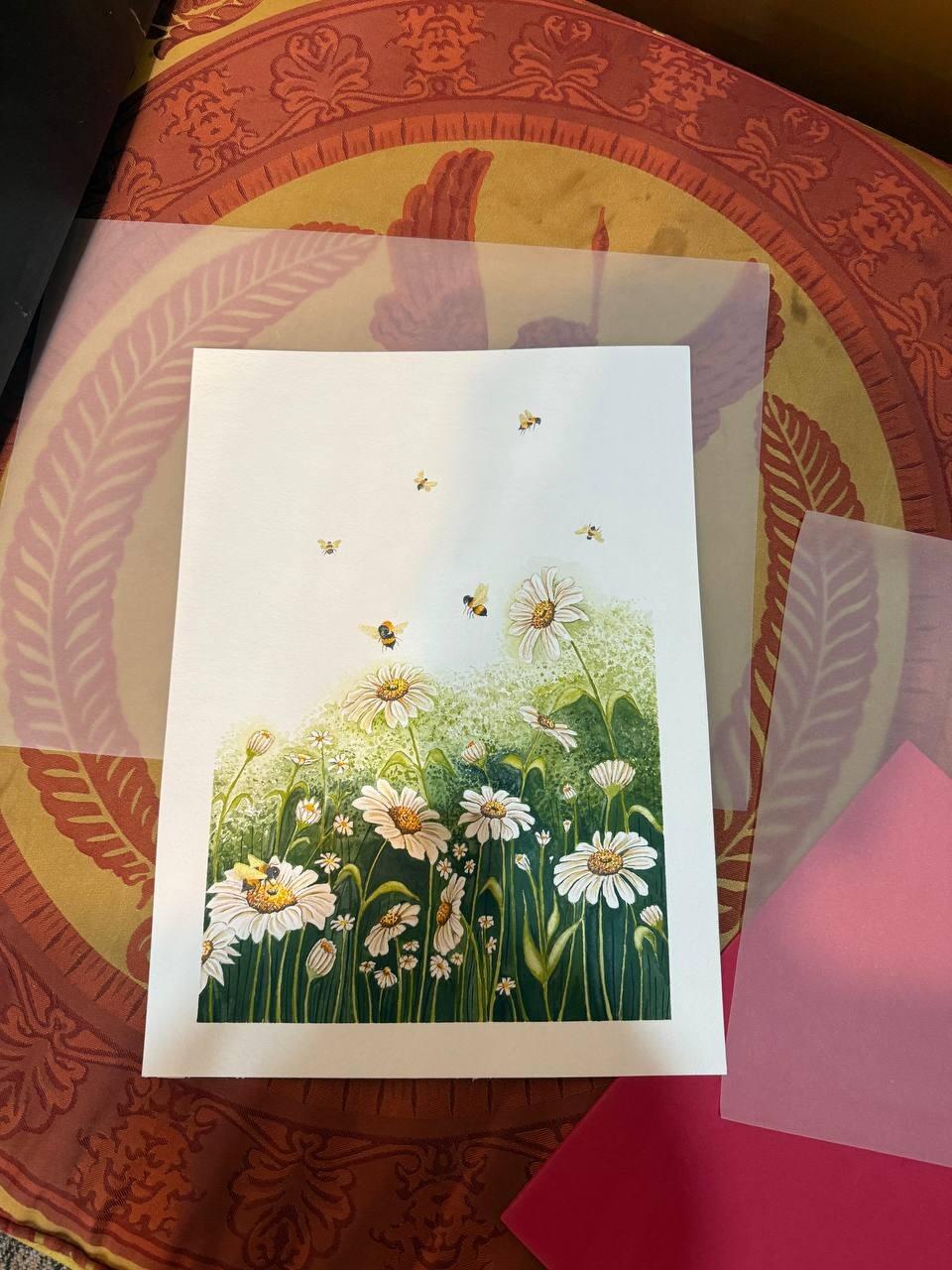
The term now covers a wide range of work, and the borders between the types are soft. A loose watercolour of a fern sits somewhere between illustration and painting, and that is fine. What all of it shares is that the plant is the point of the picture, not the background. This also separates botanical art from landscape painting: a landscape shows a whole scene, while botanical art gives one plant, or a small group of plants, the leading role.
| Type |
What it shows |
Typical feel |
| Scientific botanical illustration |
A species recorded accurately, often with roots, seeds, and growth stages |
Precise, quiet, detailed |
| Floral still life |
Cut flowers arranged in a vase or on a table |
Composed, rich in colour |
| Botanical painting |
Living plants, leaves, or gardens as the main subject |
Looser, more personal |
| Abstract botanical |
Plant shapes simplified into pattern, colour, or gesture |
Modern, open to interpretation |
Why plant imagery is so easy to live with
A plant painting is calm company. It has no face and no story that demands attention every time you pass it, so it rewards both a quick glance and a long look. It is also seasonless: a painting of leaves or a flowering branch looks right in January and in July, which is not true of every subject. And plant imagery fits almost every decorating style, from a traditional dining room to a minimal apartment.
There is a deeper reason too. Biophilic design is the idea that people feel better in rooms that reference nature, and plant art is one of the simplest ways to bring that reference indoors, especially in a city apartment with no garden. A single well-chosen botanical painting can do quiet work in a room all year.
Colour is part of the appeal as well. Plant subjects bring greens into a room in a natural way, without painting the walls. If green is the colour you want more of, the green paintings collection gathers original works where that colour leads.
Plant subjects and plant-based materials
One point matters on this hub: painting plants is not the same as painting with plants. Some classic art materials are already plant-based. Gum arabic, the usual watercolour binder, is sap from acacia trees, and linseed oil, the traditional binder in oil paint, is pressed from flax seed. Other traditional materials come from animals, and you cannot tell which is which by looking at the finished work.
Our guide to plant-based pigments and inks covers the materials side in detail, and the vegan art hub maps the whole subject, material by material. VanArtHub has not audited the materials of every artist we work with, so we never label a painting vegan. If materials matter to you, ask us before you buy and we will put the question directly to the artist.
Choosing a botanical painting for your home
Start with the room. Bedrooms and living rooms suit the calm of leaves and flowers. Kitchens and dining rooms lean naturally toward garden and harvest subjects; our practical guide to art for plant-based kitchens covers placement and framing in those rooms. If harvested produce appeals more than the living plant, the closely related genre of vegetable and fruit still life may be the better fit.
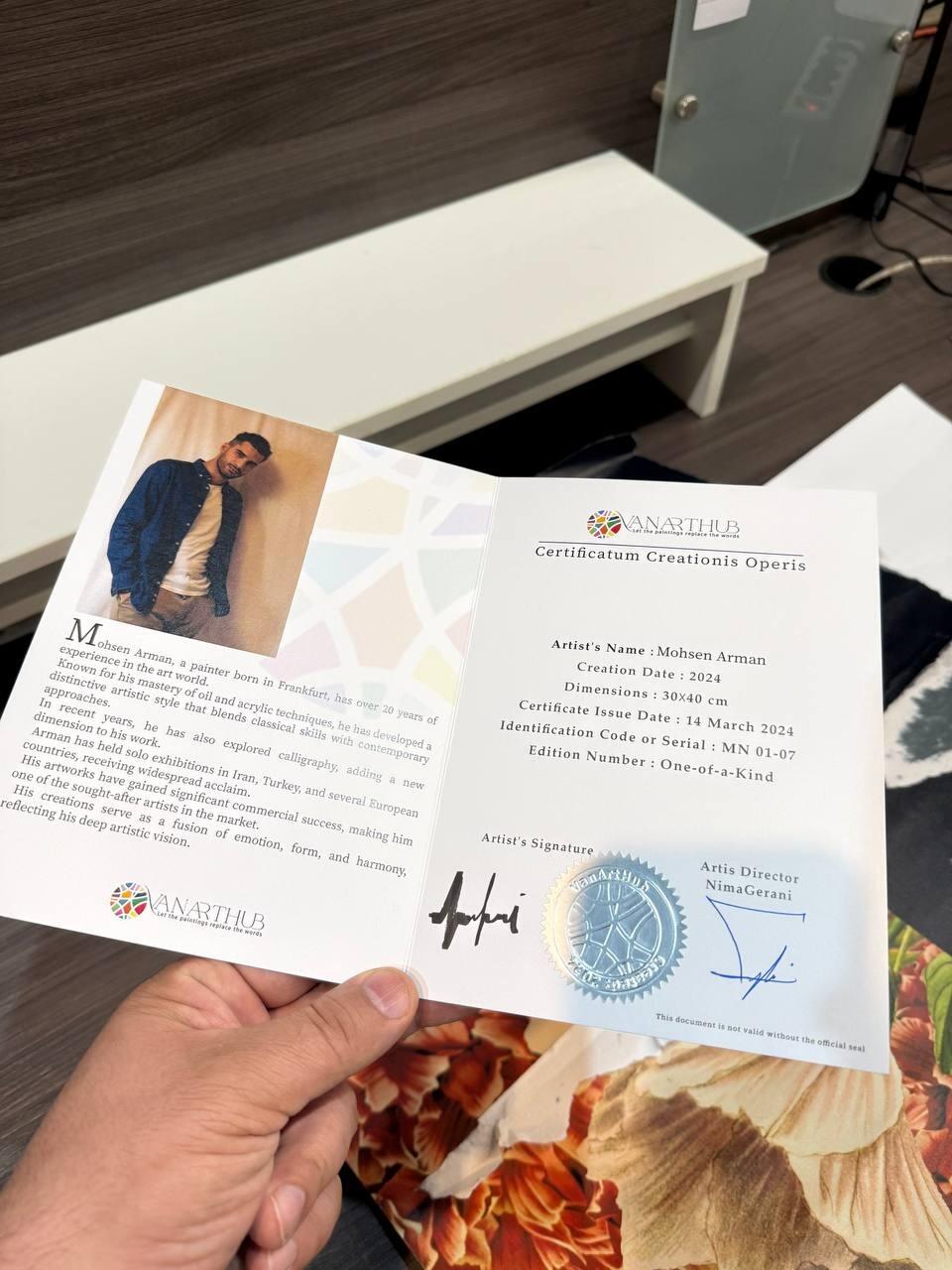
Then think about scale. A small study of a single stem suits a narrow wall or a shelf, while a large leafy work can anchor the space above a sofa or bed. Buying an original makes the decision easier than it sounds: every piece at VanArtHub is an original, signed painting with a Certificate of Authenticity, and every purchase includes a 14-day trial. If the work does not suit the room, return it within 14 days for a full refund, and we pay the return shipping.
Common questions
What is the difference between botanical art and a floral still life?
A floral still life shows cut flowers arranged by a person, usually in a vase. Botanical art more often shows living or whole plants, and it ranges from scientific illustration to abstract painting. The two overlap, and many collectors enjoy both.
Is botanical illustration considered fine art?
Yes. It began as a scientific record, but the skill involved is high, and celebrated historical examples such as Maria Sibylla Merian's botanical and insect illustrations are collected and exhibited as fine art today.
Which rooms suit botanical paintings best?
Almost any room works. Bedrooms and living rooms benefit from the calm of plant imagery, kitchens and dining rooms suit garden and harvest subjects, and a hallway can hold a series of smaller plant studies.
Are botanical paintings made with vegan materials?
Not automatically. The subject of a painting says nothing about its materials, and some traditional art materials contain animal ingredients. VanArtHub does not label any painting vegan, but if you ask before buying, we will put the materials question directly to the artist.
Does botanical art go out of style?
Plant imagery has stayed popular for centuries because it is calm and seasonless. Styles of painting change, but plants as a subject have never disappeared from homes or galleries.
To see plant and nature subjects available now as original paintings, browse the nature collection and look for the work you would want to see every morning.