Animals are one of the oldest subjects in art. Some of the earliest known paintings, made with earth pigments tens of thousands of years ago, show animals, and artists have never stopped painting them since. The reasons have changed over time: animals have been records, symbols of power, working partners, scientific specimens, and, more and more, fellow creatures painted with respect.
This page follows animals through art history, from Durer's hare to Franz Marc's blue horses, and then looks at what animal art can mean in a modern home.
Key takeaways
- Animals appear in some of the earliest paintings known, made with earth pigments tens of thousands of years ago.
- Albrecht Durer's Young Hare (1502) gave a small wild animal the kind of attention usually reserved for portraits of people.
- George Stubbs, Rosa Bonheur, and Franz Marc each made the horse central to their work, in very different styles.
- John James Audubon's The Birds of America is a landmark of bird illustration, part scientific record and part art.
- Modern taste in animal art leans toward respectful portrayal: the animal as a living individual, not a trophy.
The oldest subject there is
Long before writing existed, people were painting animals. The earliest painters we know of worked with earth pigments such as ochres and charcoal, tens of thousands of years ago, and animals were among the subjects they chose. Why they painted them is still debated, because the makers left no written records. What is certain is the impulse itself: watching an animal closely and wanting to record it is as old as painting.
That impulse has never gone away. It runs under every era of animal art, from careful natural history illustration to the boldest modern colour.
Five artists, five ways of seeing animals
Albrecht Durer's Young Hare, painted in 1502, is a study of an ordinary wild animal observed in close detail and treated as worth the finest craft. It did not need to be a lion or a king's horse. A hare was enough.
George Stubbs devoted much of his career to horse paintings, bringing to the animal itself a level of care that painting usually spent on people. Rosa Bonheur's The Horse Fair went further in scale of ambition: horses as the entire subject and drama of the painting.
John James Audubon's The Birds of America sits between science and art. It set out to record birds, and the results are studied and collected on both counts. Franz Marc took the opposite path from accuracy: he painted horses in blue, choosing colour for feeling rather than fact, and his blue horses remain some of the most recognizable animal paintings of the modern era.
| Artist |
Known for |
What it added |
| Albrecht Durer |
Young Hare (1502) |
Close study of a single small wild animal |
| George Stubbs |
Horse paintings |
The animal itself as a subject worth a career |
| Rosa Bonheur |
The Horse Fair |
Animals as the full drama of a major painting |
| John James Audubon |
The Birds of America |
Scientific record and art in one body of work |
| Franz Marc |
Blue horses |
Colour used for feeling, not accuracy |
The modern turn toward respectful portrayal
A lot of older animal art shows animals as property or prey: hunting scenes, game still lifes, trophies on a wall. The modern turn goes the other way. Contemporary animal art tends to treat the animal as an individual: wildlife painting that values the living creature, pet portraits that record a family member, bird and hare studies in the spirit of Durer rather than the hunt.
Collectors have changed with the art. Many people now want an animal on their wall because they love animals, and they want the painting to show that. A picture of a deer as a neighbour reads very differently from a picture of a deer as a target, and buyers notice the difference.
This shift connects naturally to the values behind our vegan art hub: respect for animals can shape both what a painting shows and what it is made from.
Animal subjects and animal ingredients are different questions
A painting of an animal may contain animal products, and a painting of anything else may be fully animal-free. You cannot tell by looking. Historically, many art materials came from animals: ivory black and bone black pigment are made from charred animal bones, carmine red was extracted from cochineal insects, and many traditional brushes use sable or hog hair. Our pages on animal ingredients in art history and animal-derived pigments cover this side in detail.
Animal-free alternatives now exist for nearly every material. Carbon black and Mars black are non-animal pigments, and synthetic brushes have improved greatly for both watercolour and oils. VanArtHub has not audited every artist's materials, so we never label a painting vegan; if the materials matter to you, ask us before you buy and we will put the question directly to the artist.
Bringing animal art into your home
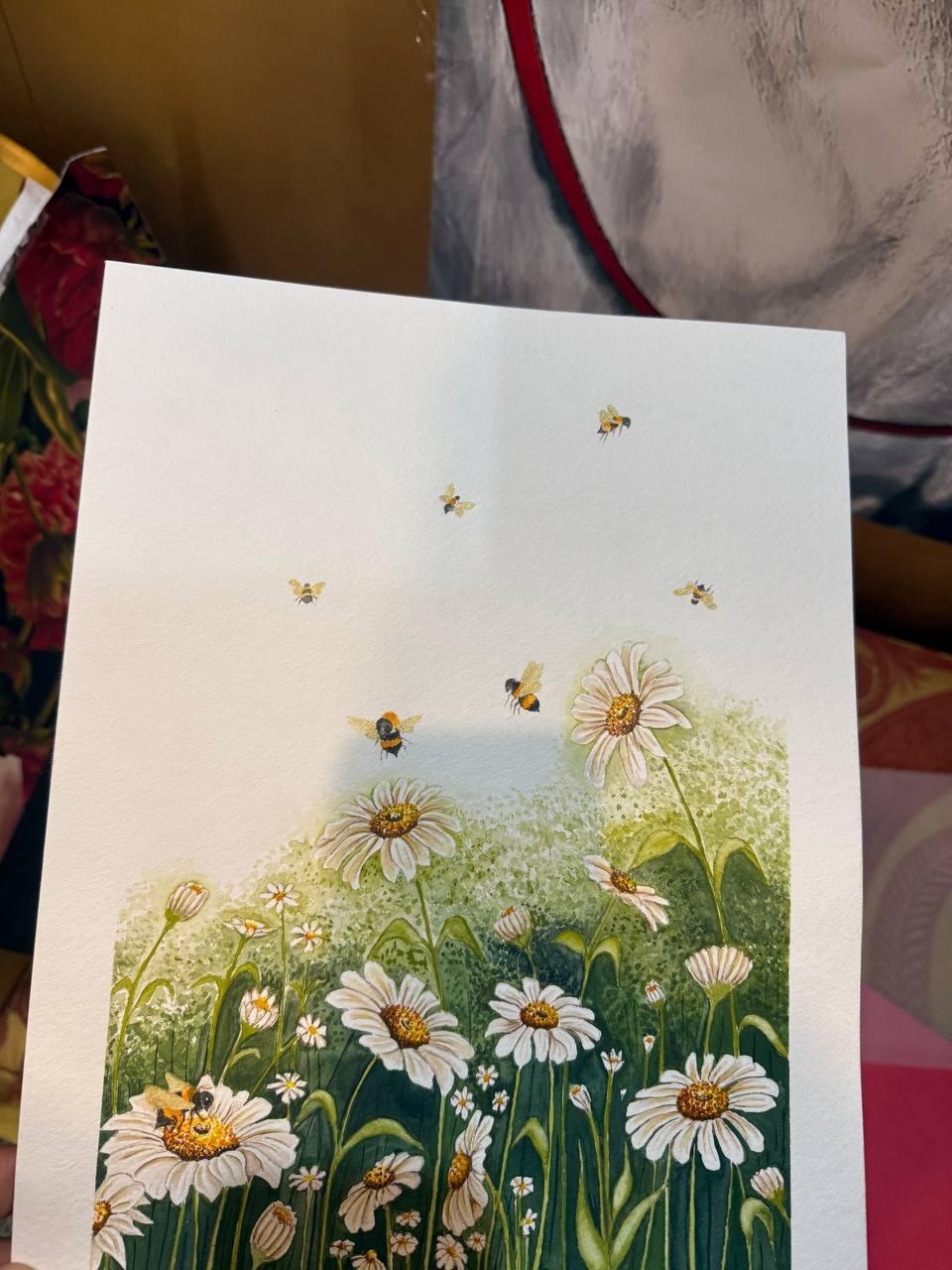
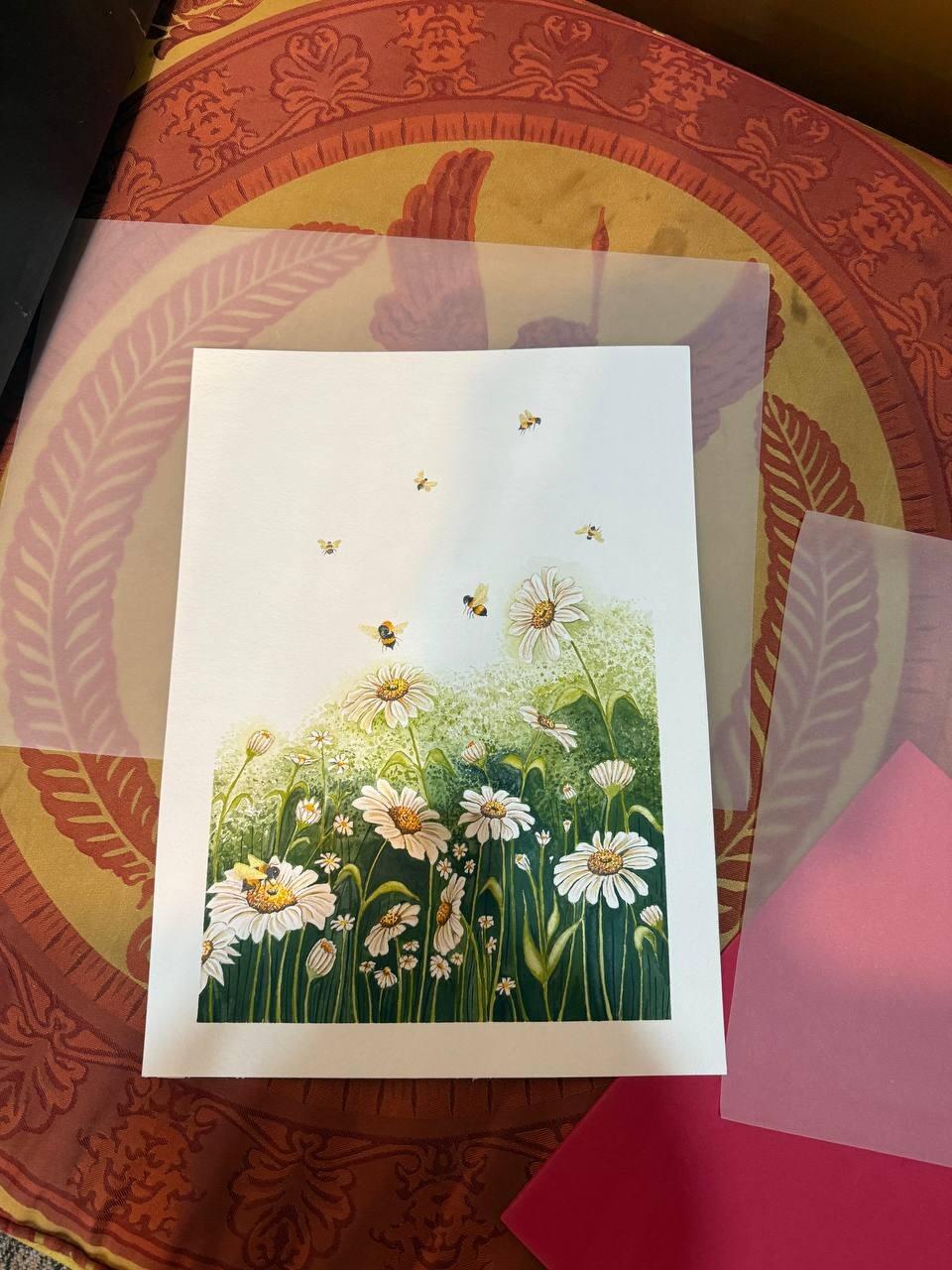
Animal paintings carry personality in a way few other subjects do, so match the animal to the room. A small bird or hare study suits a quiet bedroom or study. A bold horse can hold a living room wall. Animals shown within their habitat bring the outdoors in; the nature collection has original works in that spirit. Children's rooms are a classic home for animal subjects, and an original painting can stay with a child into adulthood.
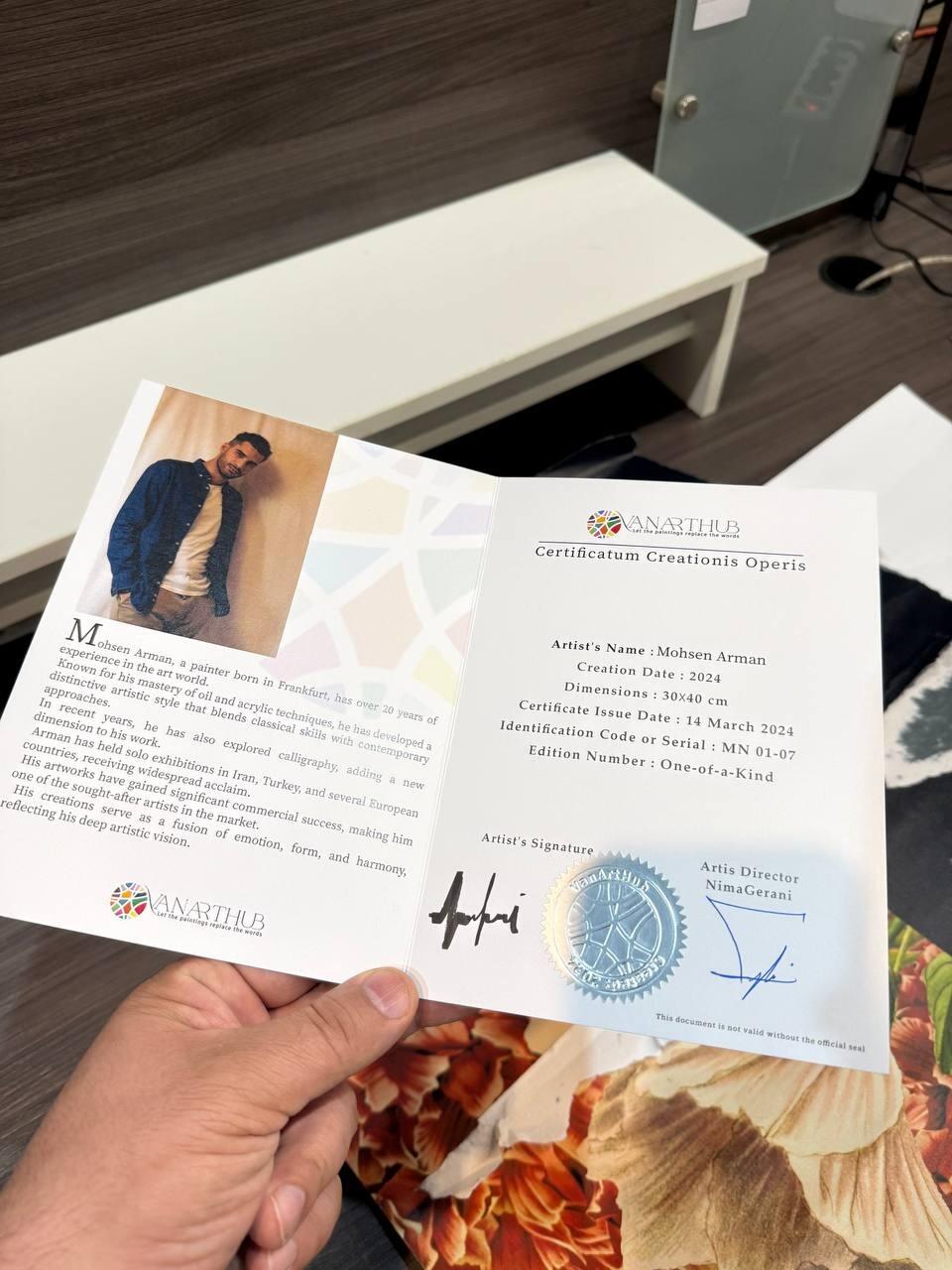
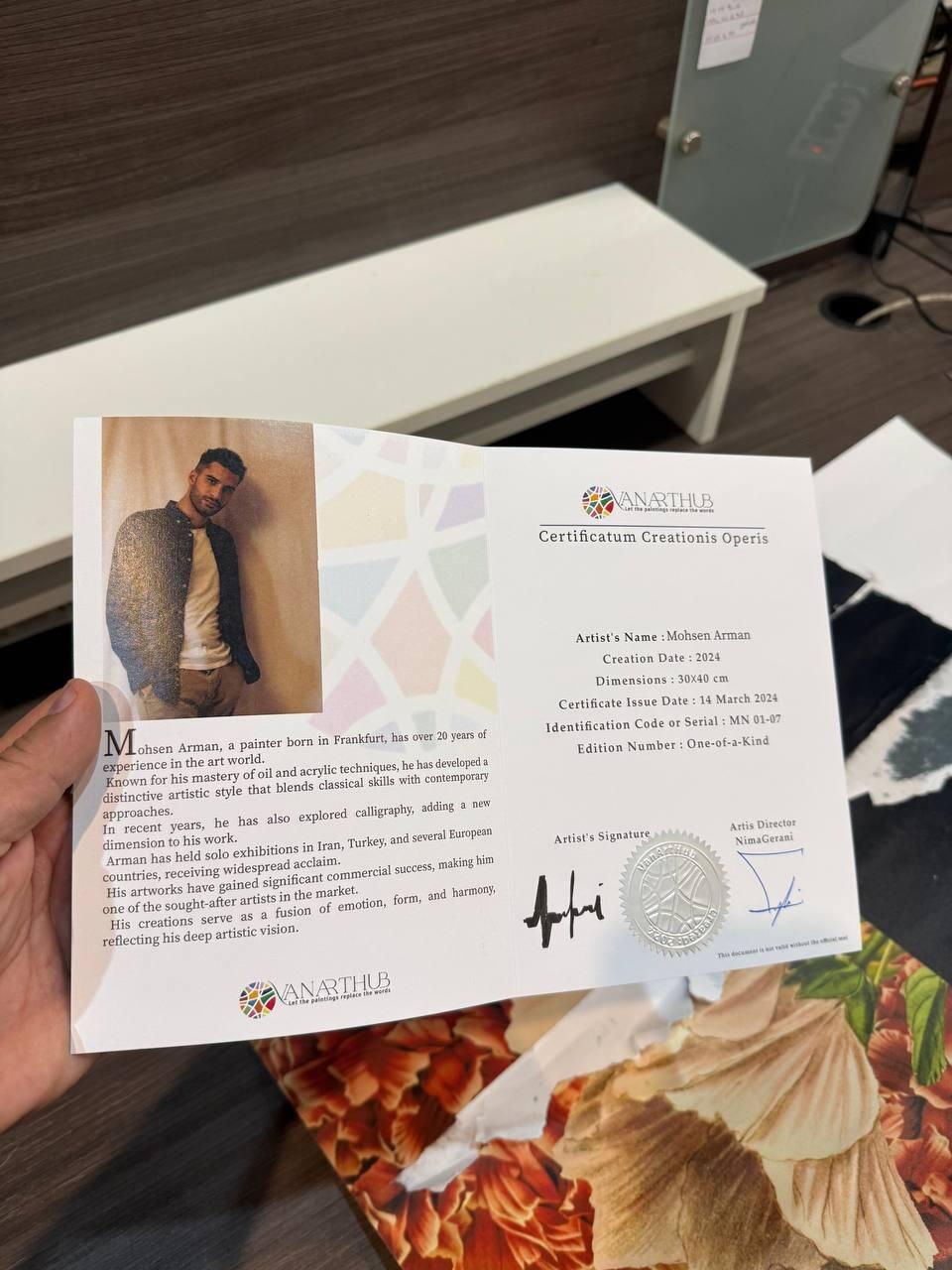
Nature imagery also affects how a room feels day to day; our page on art, nature, and wellbeing at home looks at that side. Every animal work at VanArtHub is an original, signed painting with a Certificate of Authenticity, bought directly from a living artist, and every purchase includes a 14-day trial with a full refund and paid return shipping if the piece does not suit the room.
Common questions
Why did early humans paint animals?
No one knows for certain. The oldest known paintings, made with earth pigments, include animals, but the makers left no written records, so the purpose behind the images is still debated.
What is Albrecht Durer's Young Hare?
It is a study of a wild hare made by Albrecht Durer in 1502. It is famous for treating a small, ordinary animal with extraordinary care, and it remains one of the best known animal artworks in the world.
What does respectful animal art mean?
It means art that presents the animal as a living individual rather than as a trophy, a resource, or a decoration. In practice that usually shows in close observation of the animal, and in the absence of hunting or trophy themes.
Is animal art a good choice for a child's room?
Yes, animals are a classic subject for children's spaces. Gentle subjects such as birds, hares, or farm animals work well, and an original painting can stay with a child into adulthood.
Can a painting of an animal be made without animal ingredients?
Yes. Non-animal pigments such as carbon black, synthetic brushes, and modern acrylic binders make fully animal-free painting possible. If this matters to you, ask the gallery to confirm the materials with the artist before you buy.
To see how living artists paint animals today, browse the animal art collection, where every piece is a one-of-a-kind original.