Choosing art for a plant-based kitchen means answering two questions at once: what the artwork shows, and whether it will survive the room. The subjects that fit best are produce still lifes, botanical studies, and orchard or field landscapes, because they put plants and harvests at the centre of the picture. The practical side matters just as much. Kitchens produce heat, steam, and airborne grease, all of which are hard on original artwork, so placement and framing decide how long a painting stays in good condition.
This page covers both sides: the subjects that reflect plant-based values, and the practical rules for hanging original art near cooking areas.
Key takeaways
- Produce still lifes, botanical studies, and orchard or field landscapes are the most natural subjects for a plant-based kitchen or dining space.
- Heat, steam, and airborne cooking grease damage artwork over time, so never hang an original painting directly above the stove or beside the sink.
- Works on paper, such as watercolours and drawings, need glass or acrylic glazing in a kitchen; canvas paintings cope better but still need distance from cooking.
- The safest spots for art are a dining nook, the wall facing the work area, and the wall between the kitchen and the dining room.
- If your plant-based values extend to the art materials themselves, ask before you buy; VanArtHub will put the materials question directly to the artist.
Subjects that reflect plant-based values
The most direct choice is the produce still life: paintings of fruit and vegetables, a genre that runs from the Dutch harvest tables of the 17th century to Cezanne's apples. Our page on vegetable and fruit still life art covers that history; in a kitchen, the effect is simple and warm, since the painting shows what the room is for.
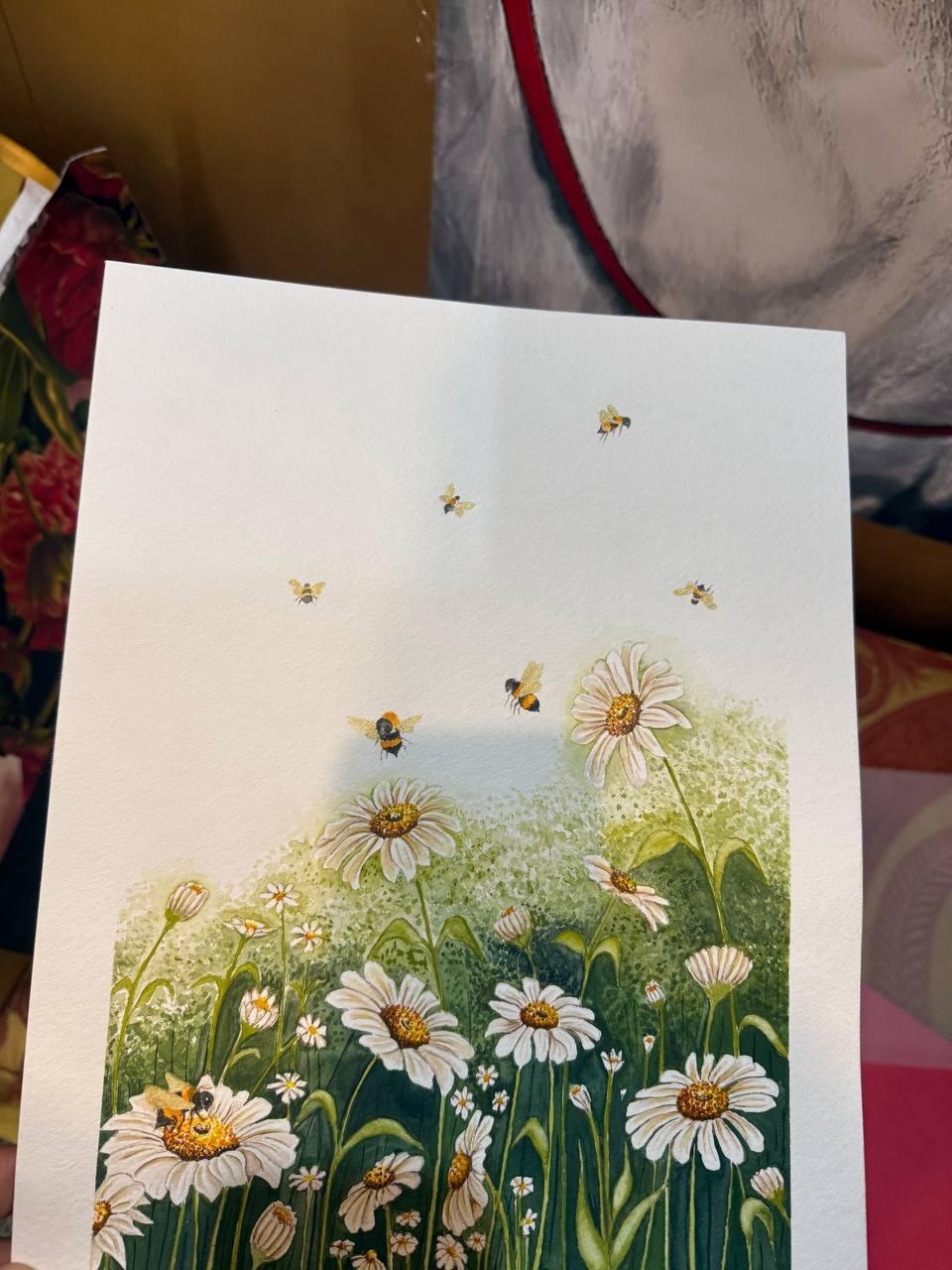
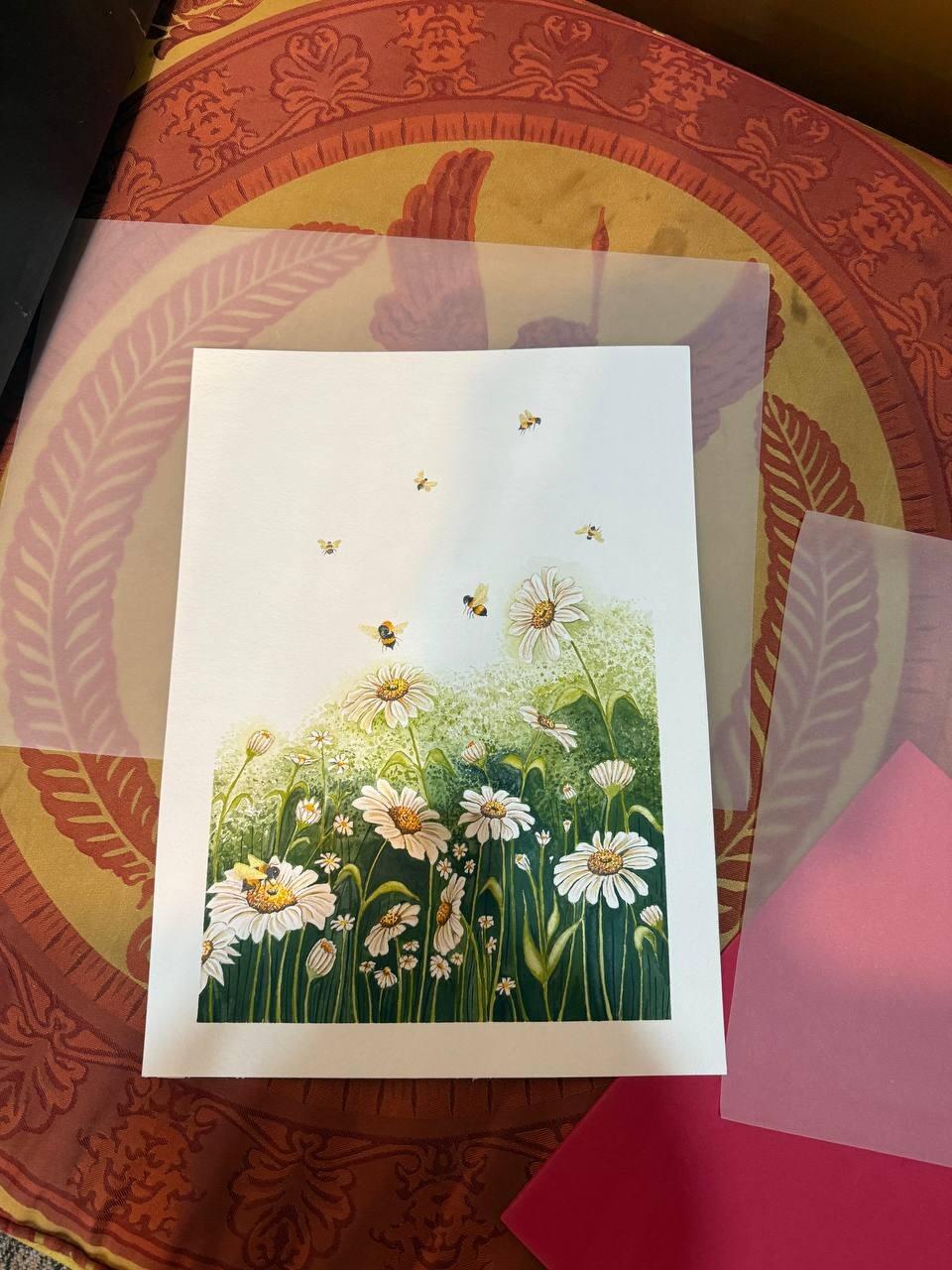
The second choice is botanical art: living plants, leaves, herbs, and flowering branches rather than harvested food. Botanical subjects read a little quieter than produce and suit open-plan spaces where the kitchen flows into a living area.
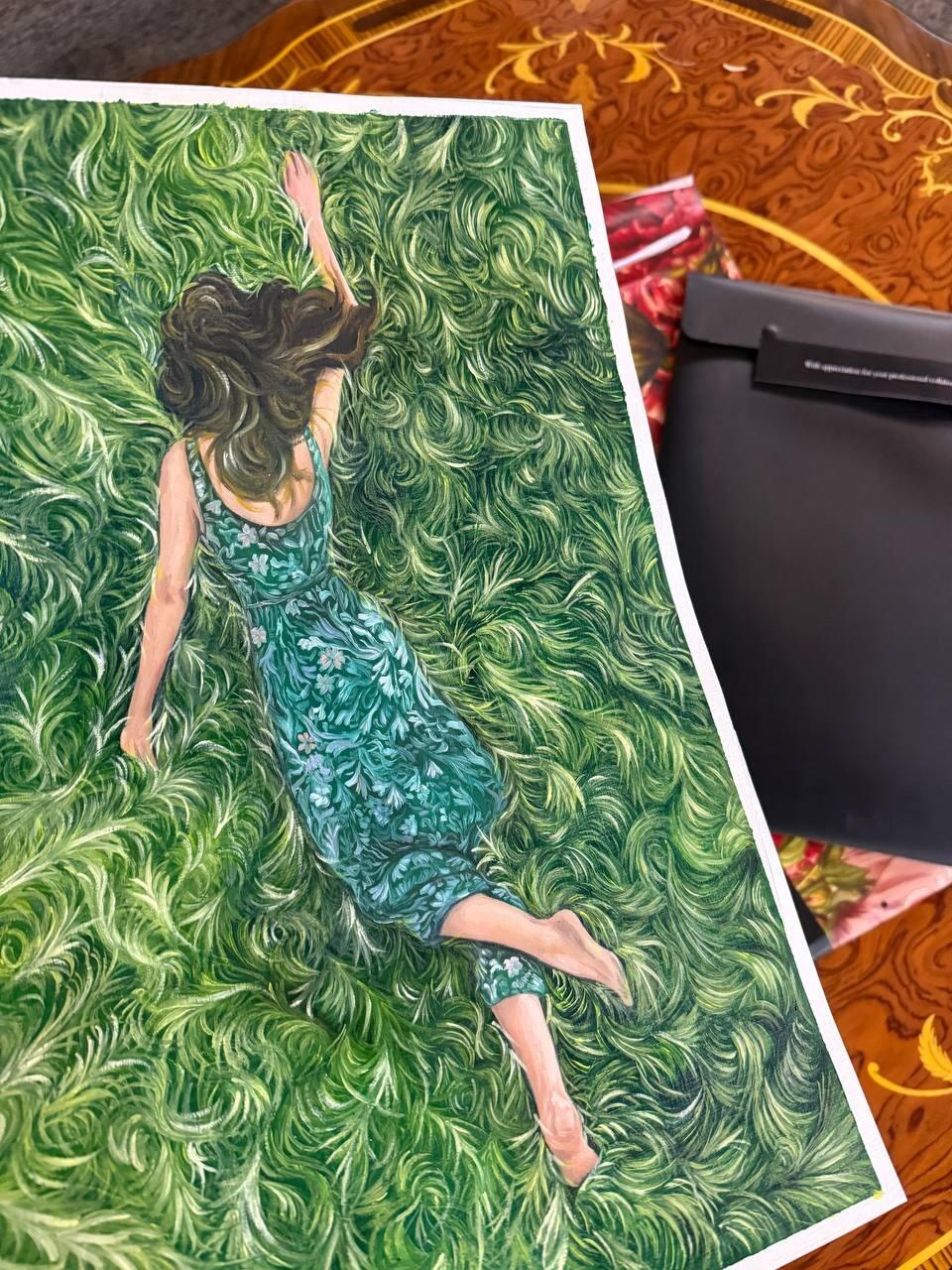
The third is the growing land itself. Paintings of orchards, fields, and farmland connect a kitchen to where food comes from; browse the landscape paintings collection for original works in that vein. Many plant-based households also choose to skip one traditional genre: hunting scenes and game still lifes, which show hunted animals as food. That is a matter of personal values, and the plant side of the tradition offers more than enough to choose from.
Where art survives in a kitchen
A kitchen is the hardest room in the house for artwork. Cooking sends up heat and a fine mist of grease, kettles and dishwashers release steam, and sinks splash. None of this ruins a painting overnight, but the exposure adds up, so the spot you choose matters more than in any other room.
| Spot |
Main risk |
Advice |
| Directly above the stove |
Heat and airborne grease |
Never place original art here |
| Beside or above the sink |
Water splashes and steam |
Avoid for originals |
| Above the kettle, toaster, or dishwasher |
Rising steam and heat |
Avoid placing art directly above these |
| Wall facing the work area |
Low exposure |
Good spot for a canvas painting |
| Dining nook or eating area |
Lowest exposure |
The best home for original art in a kitchen |
A good range hood reduces the amount of grease that travels, but it does not remove the risk near the stove itself. Treat the cooking zone as a no-art zone and use the calmer walls, which most kitchens have more of than people expect.
Framing and protection near cooking areas
Works on paper are the most vulnerable. In a kitchen, a watercolour or drawing should always sit behind glass or acrylic glazing, in a frame with a sealed backing, so steam and grease cannot reach the paper. Choose a simple, smooth frame profile: grease settles into ornate carving and is hard to clean out.
Canvas paintings in oil or acrylic are normally hung without glass, and that is fine in the safer zones of a kitchen. A varnished surface is easier to dust and keep clean than raw paint, which is worth asking about when you buy. Whatever the medium, leave real distance between art and cooking, and if a piece matters greatly to you, hang it in the dining area rather than in the kitchen proper.
Households thinking about air quality and family safety around art materials in general can start with our page on non-toxic art for family homes.
If the materials matter as much as the subject
Many plant-based households want the artwork itself made without animal ingredients, and that is a fair question with no visible answer. You cannot tell from looking whether a black pigment is bone black, made from charred animal bones, or carbon black, which is non-animal. The same goes for brushes, canvas preparation, and paper.
VanArtHub has not audited every artist's materials, so we never label a painting vegan. What we will do is ask: tell us before you buy, and we will put the materials question directly to the artist. Our guide on how to verify vegan art explains which questions to ask, and the vegan art hub covers each material in depth.
Sizes, heights, and practical buying
Kitchens rarely offer big uninterrupted walls, so small originals earn their place: the strip of wall between windows, the end of a cabinet run, a shelf where a small canvas can lean. In an eating area, hang art a little lower than you would elsewhere, because people view it while seated.
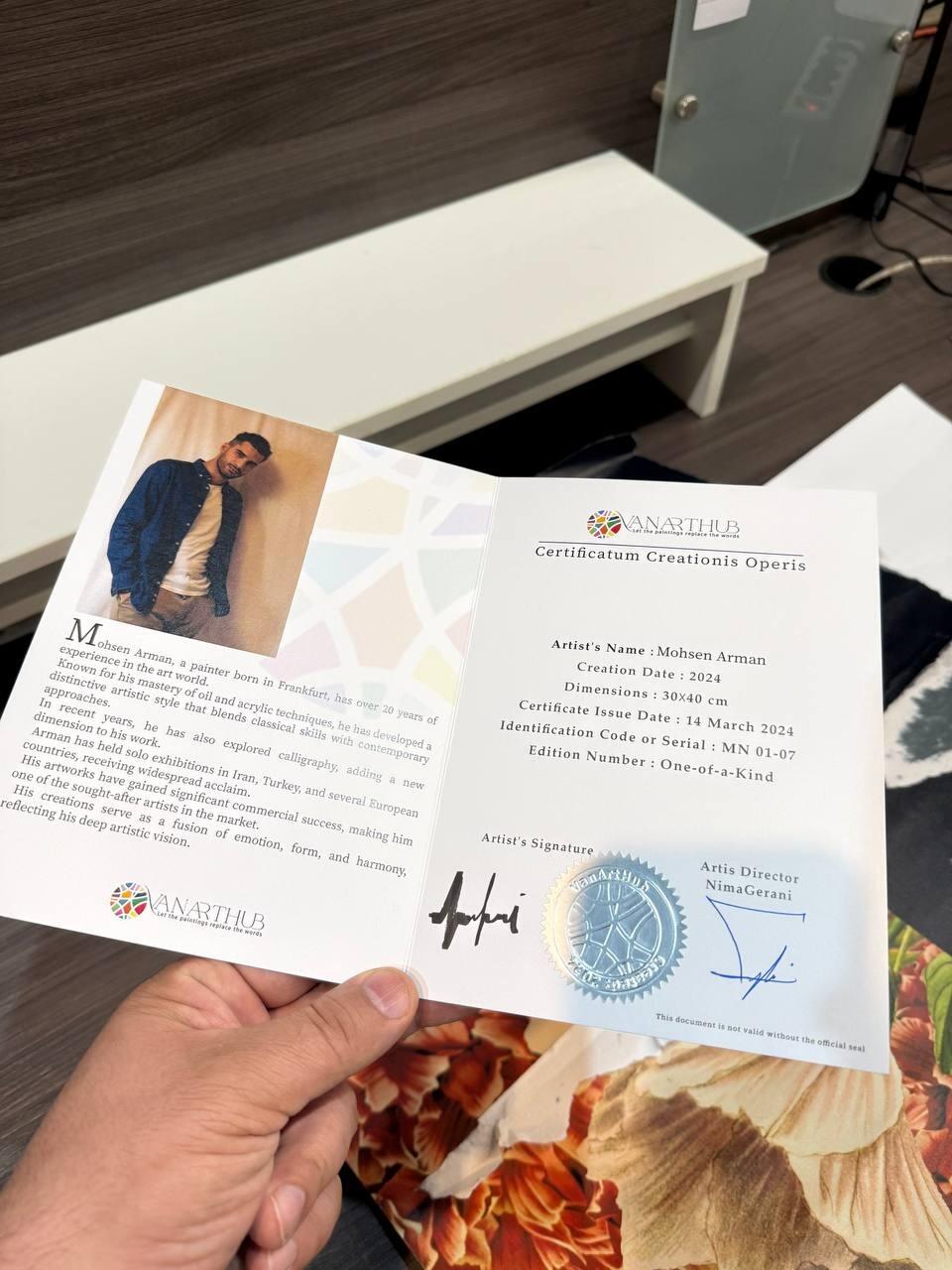
Buying from VanArtHub keeps the practical risk low. Every piece is an original, signed painting with a Certificate of Authenticity, prices start from about $531, and shipping is free and fully insured (Canada 3 to 7 business days, USA 5 to 10). Most useful of all here is the 14-day trial: hang the painting in your real kitchen light, live with it through a week of cooking, and if it does not work, return it within 14 days for a full refund with return shipping paid.
Common questions
Can I hang an original painting in my kitchen?
Yes, if you choose the spot well. Keep the painting away from the stove, the sink, and steam sources, and favour the dining area or the wall facing the work zone. In those spots a painting faces little more risk than in a living room.
Why should art not hang above a stove?
Cooking sends up heat and a fine mist of grease. The grease settles on nearby surfaces, including artwork, and heat speeds up the aging of paint, canvas, and paper. A range hood reduces this but does not remove it.
Do canvas paintings need glass in a kitchen?
Canvas paintings are usually hung without glass, and that is fine in the safer parts of a kitchen, away from cooking and steam. Works on paper are different: in a kitchen they always need glass or acrylic glazing and a sealed frame back.
What kind of art suits a vegan or plant-based kitchen?
Subjects that centre plants work best: still lifes of fruit and vegetables, botanical studies, and landscapes of orchards or fields. Many plant-based households also skip hunting scenes and game still lifes.
How do I find out if a painting was made with vegan materials?
You cannot tell by looking, so ask. A gallery can put the question to the artist and confirm details such as the pigments, brushes, and canvas preparation used. VanArtHub offers to do exactly that before you buy.
Once you know the wall and the spot, the next step is to browse the Canadian kitchen art collection and shortlist two or three originals to try in the room.