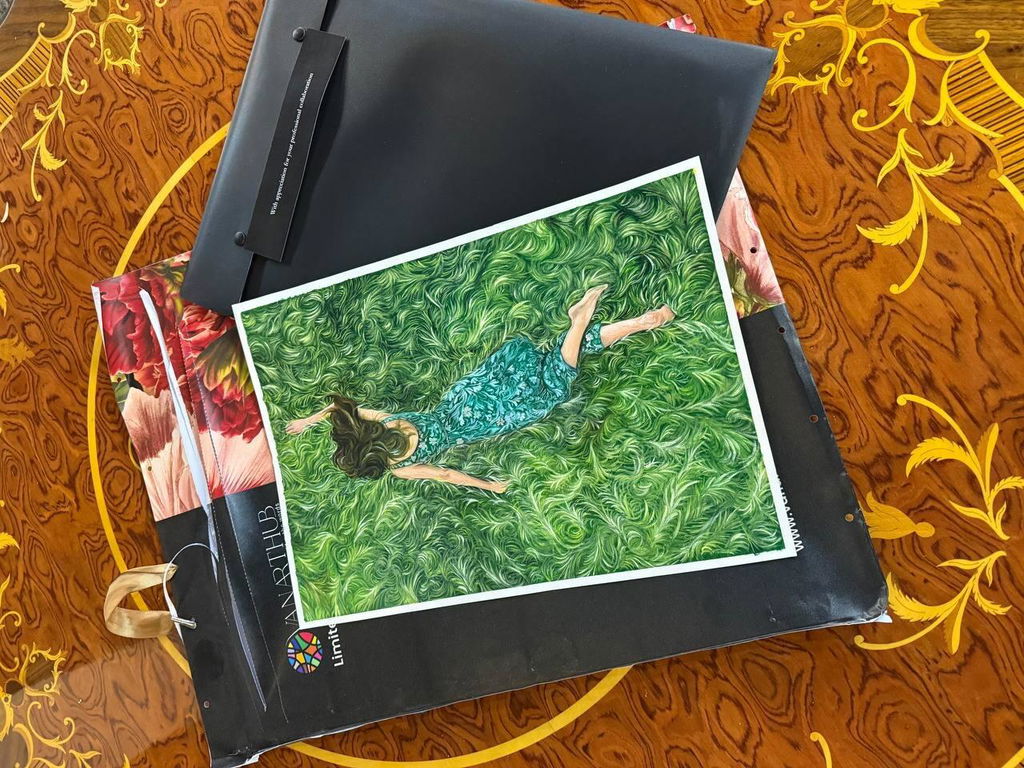


Original Art for the Kitchen

Original paintings for the kitchen, small bright pieces that fit a snug wall, each one hand-painted, signed, one of a kind, and shipped free and fully insured.

Where should art hang in a kitchen?

Art belongs on the kitchen walls farthest from the stove: the eat-in nook, the end wall, the pantry wall, or above a sideboard or coffee station. Airborne grease is the real enemy, and it travels farther than most people think, coating everything within about a metre of the cooktop in a film you cannot fully remove from a painted surface. Heat from the range does slower damage, drying and stressing canvas and paint. We are direct about this even though the wall beside the stove is often the most tempting spot in the room.

Kitchen zoneSafe for original art?Why
Above or beside the stoveNoGrease film and heat, unfixable on paint
Within 1 m of the cooktopNoAirborne grease still lands here
Behind or beside the sinkAvoidSplash and constant moisture
Eat-in nook or banquette wallYesDistance from cooking, seen daily at leisure
Open shelving away from the rangeYes, small worksLeaning small pieces are easy to move and clean around
End wall or pantry wallBest spotMaximum distance, often the room's natural focal point
Blossom Serenade: Original Colored Pencil on Artboard by Phaedra | VanArtHub, an original painting in the Canadian Kitchen Art collection
Blossom Serenade: Original Colored Pencil on Artboard by Phaedra | VanArtHub · $1,446.00

What subjects work in a kitchen without becoming wallpaper?

Choose cheerful work with enough substance to reward the thousandth viewing, which usually means skipping the literal food art. A painting of a lemon says kitchen and then has nothing left to say by March. A loose animal piece, a bold small abstract, or a warm figure study keeps offering something new, and our animal art ends up in more kitchens than any other room for exactly this reason. The test we suggest: would you hang it in the living room? If yes, it is strong enough for the room you stand in three times a day. If it only makes sense beside a fridge, it will become wallpaper within a year.

What about eat-in nooks and open shelving?

The eat-in nook is the best art wall in most kitchens, because people actually sit still there. A single mid-sized original above the banquette turns a cereal corner into the most-used room in the house. Open shelving suits small original paintings leaned rather than hung, mixed in with the bowls and jars, as long as the shelf sits well away from the cooking zone. Leaning also makes seasonal rotation painless. Many of our kitchen-bound pieces come from the under $400 collection, and every one is a signed, one-of-a-kind original, since we sell nothing else.

Azure Whisper: Original Colored Pencil on Artboard by Phaedra | VanArtHub, an original painting in the Canadian Kitchen Art collection
Azure Whisper: Original Colored Pencil on Artboard by Phaedra | VanArtHub · $723.00

How do you keep kitchen art clean?

Placement does ninety percent of the cleaning for you; the rest is a dry, soft brush a few times a year. Never use kitchen sprays or damp cloths on a painted surface. Works on paper should go under glass in a kitchen, since glass wipes clean and paper does not. We will admit the tradeoff we cannot solve: if you fry daily with a weak range hood, the whole kitchen slowly becomes a grease zone, and we would honestly steer you toward hanging the good piece in the room next door. Shipping either way is free and fully insured, Canada in 3 to 7 business days, USA in 5 to 10.

Frequently asked questions

Who actually paints the kitchen pieces you sell?

Two artists. Phaedra makes the colored pencil work on artboard, including the flower studies Blossom Serenade, Azure Whisper, and Scarlet Majesty, and Marjan Mousavi paints the acrylic on canvas pieces. Keeping this list to two hands is deliberate, because a kitchen usually has room for only one or two works and they need to agree with each other. Both artists sign every piece.

Is there anything in the kitchen collection under $100?

Yes, this group starts around $93. That buys a small original colored pencil work on artboard, hand made and signed, never a print. The middle of the collection sits near $400, and the top is about $1,300, which is where the larger acrylic canvases sit. Free insured shipping is included at every price, so a $93 piece does not turn into a $140 piece at checkout.

My kitchen is being renovated. Should I have the painting delivered to the site?

No, send it to your home address instead. An active kitchen renovation means dust, cutting, and trades moving boxes around, and a canvas leaning against a wall in that will get damaged. Order once the cabinets and the paint are done. If the timing is tight, have it delivered somewhere safe and dry, leave it boxed, and hang it when the room is finished.

My kitchen has almost no free wall. What do you suggest?

Go small and lean it rather than hang it. Pieces here start around 30 by 40 cm, which sits well on an open shelf, on a counter against the backsplash, or on the end panel of a run of cabinets. Keep it away from the range and the sink, where grease and steam land. A small work near the doorway usually gets seen more than a large one.

If I move to a different house, can I swap the piece for something that fits?

Yes, through our Lifetime Trade-Back. Return any piece in good condition at any time, years later included, and we give you store credit toward something that suits the new place. It exists because kitchen art is tied to one specific wall more than art in any other room, and people move. Send us a photo of the new kitchen and we will suggest what fits it.

What do people get wrong when they buy art for a kitchen?

They buy too small. Kitchens are full of competing shapes, cabinet doors, handles, appliances, and tile, and a 20 cm picture disappears into all that noise. Pieces here run up to about 100 by 100 cm, and the larger end reads far better across a room. If the only free wall is small, hang one clear piece there rather than three tiny ones.

Can you hang original paintings in a kitchen?

Yes, as long as they hang well away from the stove and sink. The eat-in nook, end wall, and pantry wall are all safe, good spots. Airborne grease coats everything within about a metre of a cooktop, and that film cannot be fully cleaned off a painted surface.

What subjects work best for kitchen art?

Cheerful pieces with enough depth to survive daily viewing: animal paintings, bold small abstracts, warm figure studies. Literal food art tends to exhaust itself quickly. A useful test is asking if the piece would hold its own in your living room. If yes, it will thrive in the kitchen.

What size art suits a kitchen?

Small to mid-sized works, roughly 25 to 60 cm (10 to 24 in), fit most kitchen walls, which are broken up by cabinets and windows. One mid-sized painting above an eat-in nook usually works better than several tiny pieces scattered between the upper cabinets.

How do I clean and care for art in a kitchen?

Dust the surface with a dry, soft brush a few times a year, and never use kitchen sprays or damp cloths on paint. Put works on paper under glass, which wipes clean. Good placement away from the cooking zone prevents most problems before they start.

How much does original kitchen art cost?

Small originals start around $72 with us, and most kitchen-scale pieces sit under $400. Every painting is hand-painted, signed, and one of a kind, with free fully insured shipping across Canada in 3 to 7 business days and to the USA in 5 to 10.

Is kitchen art from VanArtHub really original?

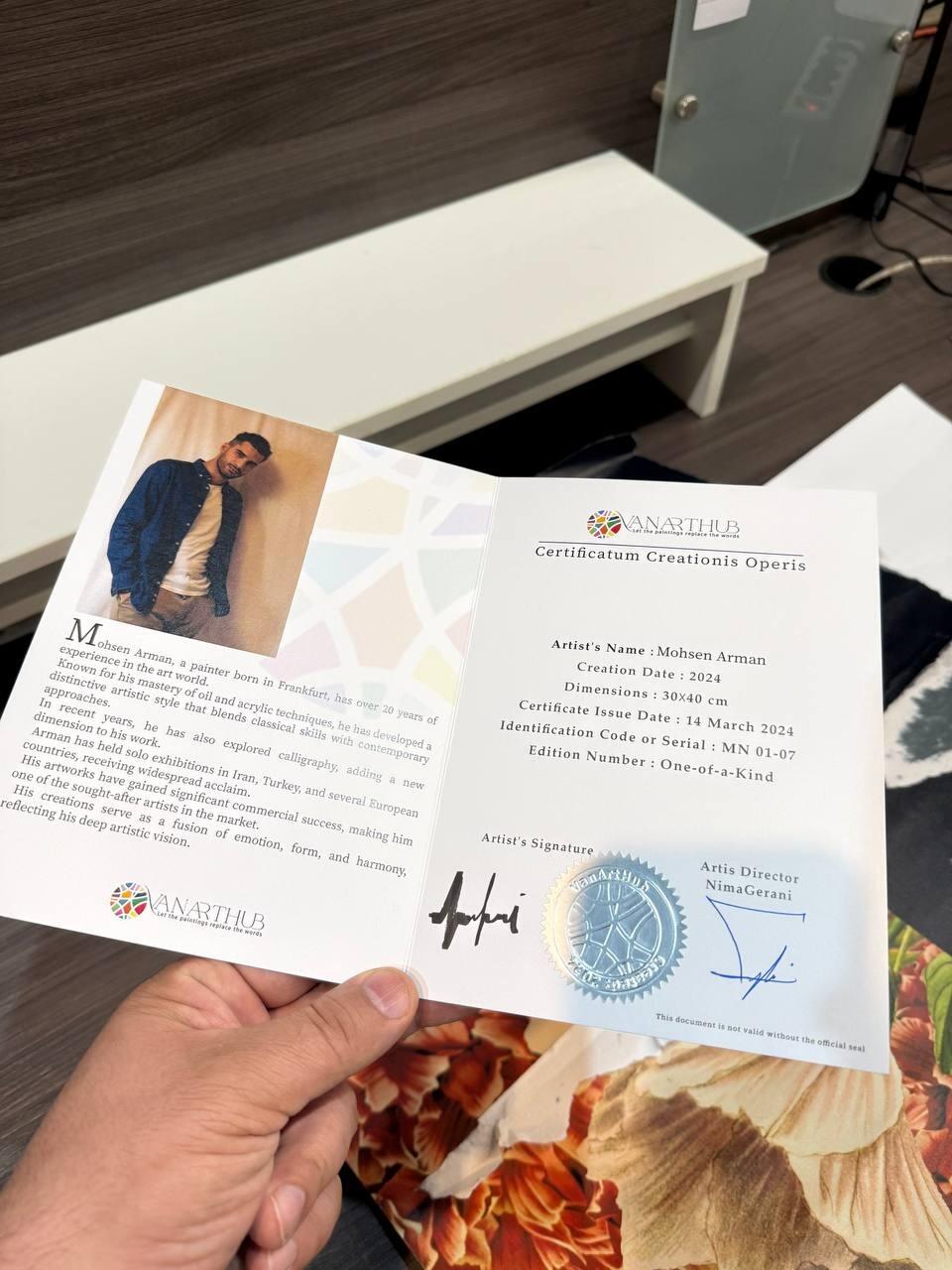
Yes. We sell only original, hand-painted, signed works, never prints or reproductions, and every piece ships with a Certificate of Authenticity. The painting leaning on your open shelf is the only copy of itself in the world, which is a nice thought over morning coffee.

When should I not buy art for my kitchen?

Hold off if you fry daily under a weak range hood, or if every available wall sits within a metre of the cooktop or sink. In that kitchen, grease will win eventually. Hang the piece in the adjacent dining space or hallway instead, where you still see it constantly.