Stretch It or Frame It?, from the VanArtHub custom framing guides

Canvas, Stretching & Care · Choosing

Stretch It or Frame It?

A rolled canvas can be stretched, framed, or both. Which one your piece needs, and what each costs you in the long run.

Stretching and framing are different jobs, and a lot of pieces want both. Stretching mounts loose fabric onto bars so it is flat and hangable. Framing puts a moulding around a piece that is already finished. A rolled canvas always needs stretching first. Whether it then gets a frame is a decision about how it should look, not about whether it will survive.

What each one is actually for

Stretching Framing
Solves The canvas is loose, rolled, or slack The piece needs a finished edge, or protection
Priced from Perimeter, bar depth, bracing Perimeter, moulding, glazing
Optional? No, for a canvas that is not on bars Yes, for a canvas
Comes first Always After stretching

When a canvas needs no frame at all

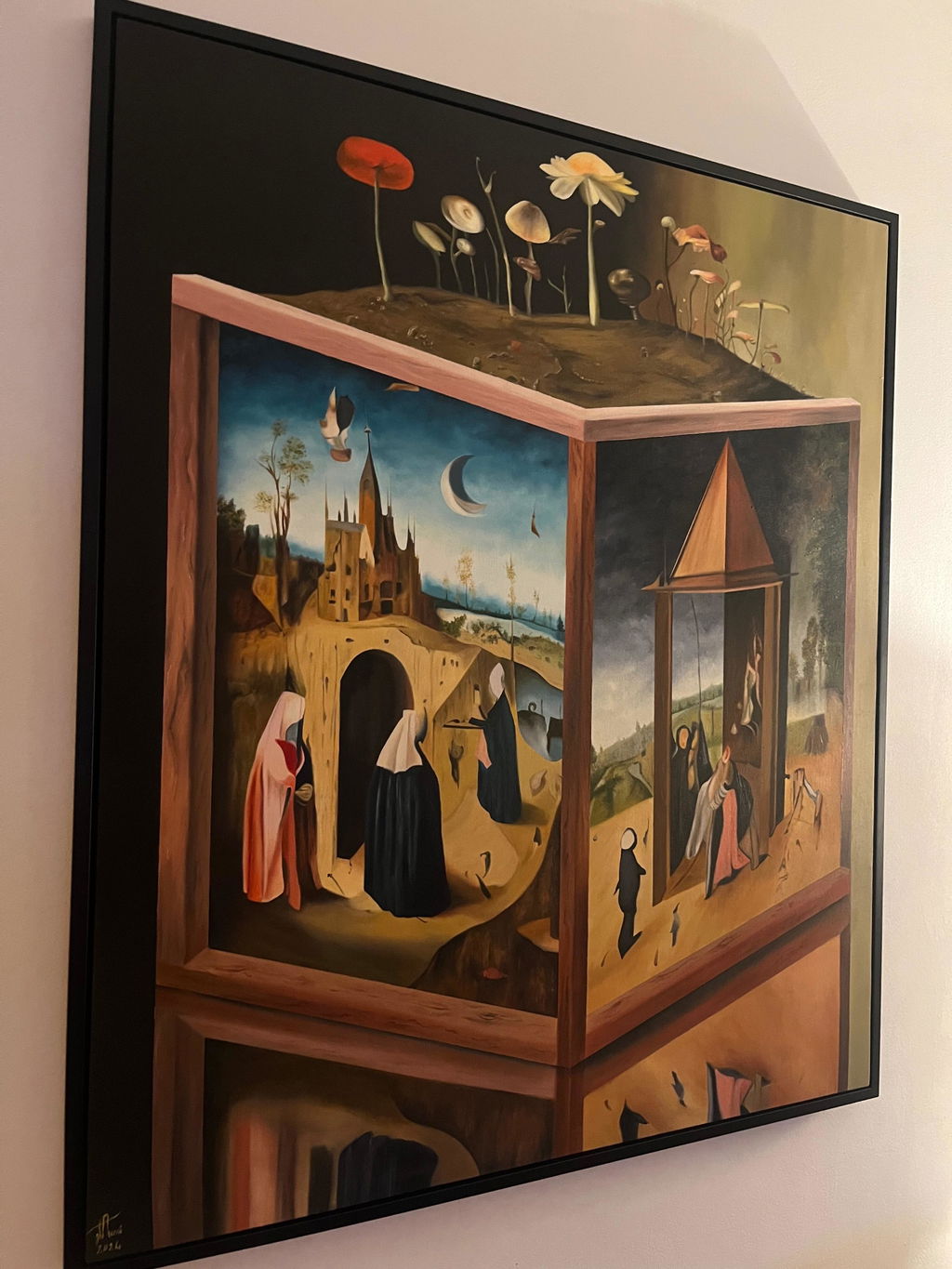
A gallery wrap hangs bare, and it looks deliberate when three things are true: the sides are painted or otherwise resolved, the bar is deep enough that the edge reads as an object rather than as a thin sheet, and the corners are folded cleanly. On a shallow bar with raw white edges and lumpy corners it reads unfinished, and a frame is the fix.

When a frame is doing real work

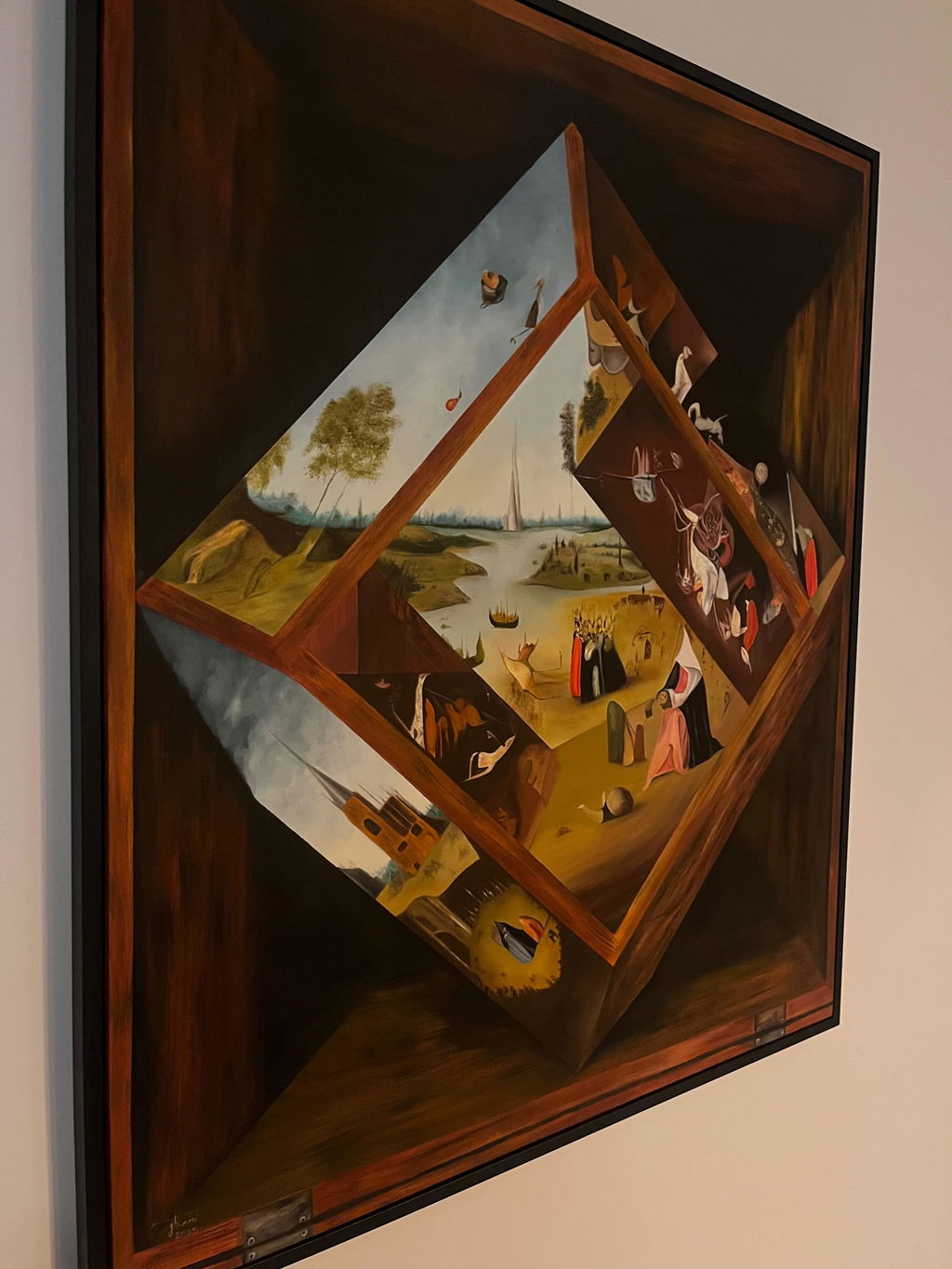
On a work on paper, always, because paper needs a mount and glazing and neither exists without a frame. On a canvas, a frame is doing aesthetic work and edge protection rather than conservation. The usual choice is a floater frame, which sits around the piece with a narrow gap so the canvas appears to float and none of the image is covered.

The one thing not to do

Do not put a stretched canvas behind glass without a spacer. Canvas needs air movement, and glass pressed against a painted surface traps moisture, which is worse than the dust the glass was meant to keep off.

Related

See floater frames for canvas, frameless and gallery wrap, and canvas and art stretching in Vancouver.

Glazing: glass or acrylic, UV filtering Spacer: holds the air gap open Window mat, bevel cut at 45° The artwork, hinged not glued Acid-free backing board Dust seal and flexible points Frame moulding and rebate FRONT OF FRAME
A framed work on paper cut through the side. Front of the frame is at the left. The spacer is what keeps the glazing off the surface of the art, which matters most for anything that can bloom, cockle, or stick.

Common questions

Should I stretch my canvas or frame it?

They are different jobs and many pieces want both. Stretching mounts the fabric on bars so it is flat and hangable. Framing puts a moulding around the finished piece. A rolled canvas always needs stretching first; whether it then gets a frame is a look decision, not a structural one.

Can a stretched canvas hang with no frame?

Yes, and that is a gallery wrap. It is finished if the sides are painted or resolved, the bar is deep enough that the edge reads as deliberate, and the corners are folded cleanly. On a shallow bar with raw white edges it reads unfinished. See frameless and gallery wrap.

Is framing or stretching more expensive?

Neither reliably. Stretching is priced off the perimeter and the bar depth. Framing is priced off the perimeter, the moulding and the glazing, and glazing is often the biggest single item. A simple stretch on a large canvas can cost less than a small framed work on paper.

Does a stretched canvas need glass?

Almost never, and putting one behind glass without a spacer can damage it. Canvas needs to breathe, and trapped moisture against a painted surface is worse than the dust the glass was meant to stop. See when an oil painting does need glazing.

What is a floater frame and where does it fit?

It is the usual way a stretched canvas is framed: the piece sits inside the moulding with a narrow gap all round, so the canvas appears to float. It adds a finished edge without covering any of the image. See floater frames for canvas.

If I am only doing one, which comes first?

Stretching, always. A canvas has to be flat and on bars before anything can be built around it, and the finished stretched dimensions are what a frame is cut to. Framing first is not possible.

Framed in-house

Not sure this applies to your piece?

Send the measurements, what it is painted on, and a photograph. We frame original work in-house and we will tell you what it actually needs.