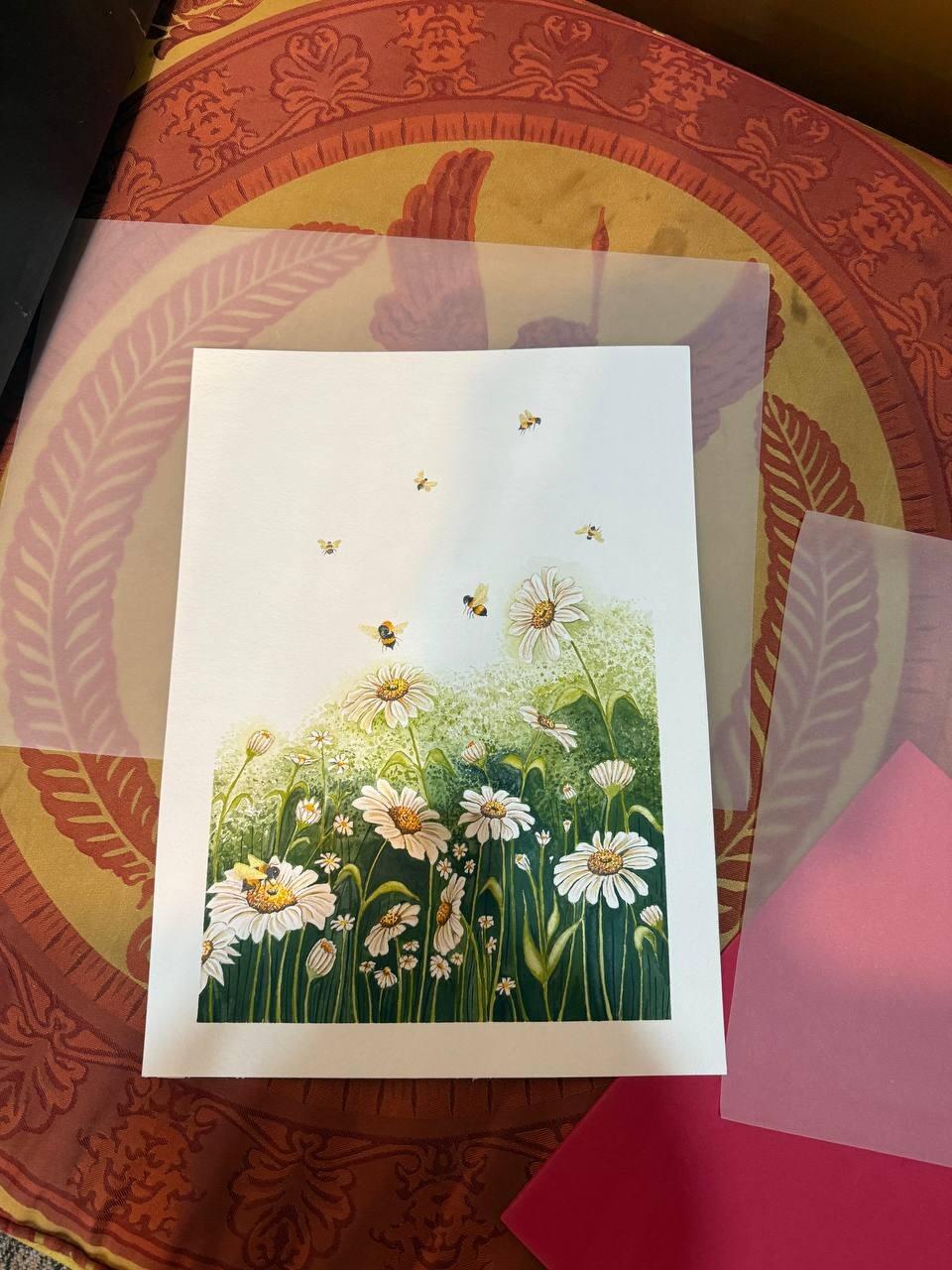
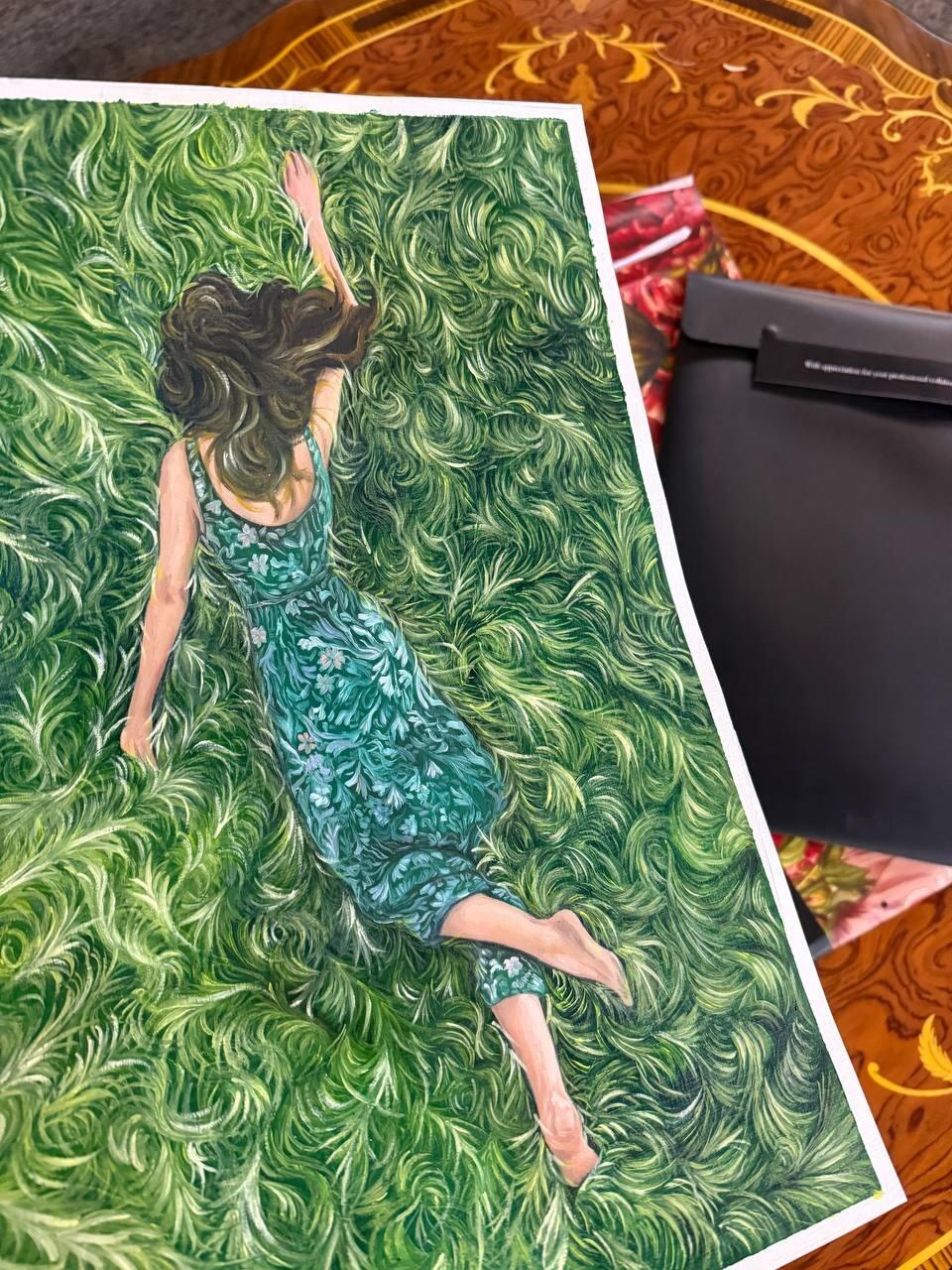
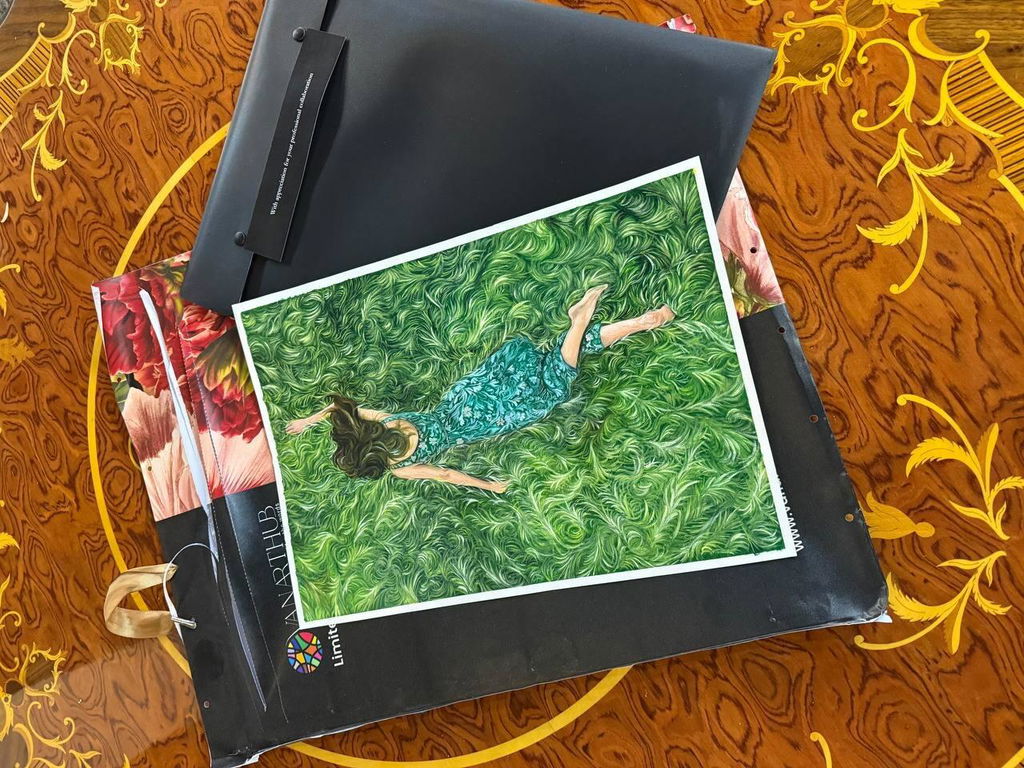
The phrase "green art" carries two separate meanings, and people who search for it usually want one or the other. For some, it means art connected to the environment: work made about nature, in nature, or with attention to what the making costs the planet. For others, it means something much simpler: paintings where green is the leading colour, chosen to suit a wall. Both meanings are valid, and they lead to very different places. This page separates them so you can reach the one you came for quickly.
At VanArtHub we meet both kinds of visitor. Decorators arrive looking for original paintings in sage, olive, and forest tones. Readers of our sustainability guides arrive wanting to understand the environmental side of art. The two groups want different things, yet they often type the same two words into a search box.
Key takeaways
- "Green art" can describe environmentally minded art, or it can simply mean artwork in which green is the dominant colour.
- The environmental meaning covers fields such as eco art, land art, and low-impact studio practice.
- The colour meaning is a decorating question: a green painting is chosen for how it sits in a room, next to your furniture and light.
- Green paint on a canvas says nothing about how the work was made, so keep the two meanings apart when you shop.
Two meanings, one phrase
English has used "green" as shorthand for "environmental" for a long time. Political parties, cleaning products, and energy companies all borrowed the word. Art picked it up too, so "green art" came to describe work tied to the environmental movement. At the same time, the older and plainer meaning never went away: green as a colour on a canvas. Search engines cannot tell which one you mean, so this page acts as a fork in the road.
| What you typed |
What you probably want |
Where to go |
| Green art (the movement) |
Art made about, in, or for nature, and lower-impact ways of making it |
Our guide to environmental art and eco art
|
| Green art (the colour) |
Original paintings in sage, olive, emerald, or forest tones for a specific room |
The green paintings collection
|
| "Green" as a sales label |
To know whether an eco claim on art or supplies is real |
Our guide to greenwashing in the art world
|
If you mean art and the environment
The environmental meaning of "green art" is an umbrella. Under it sit several fields that overlap but are not the same. Environmental art is work made in, with, or about the natural world. Land art shapes the ground itself into artworks. Eco art usually carries a stated purpose, such as restoring a site or planting trees. There is also the quieter, practical side: artists choosing materials and studio habits that produce less waste. Our guide to eco-friendly and natural art materials covers that side in detail.
If this is the meaning you came for, the best starting point is our sustainable art hub. It maps the whole subject in plain language, from the history of the movement to what any of it means for a person buying one painting for one wall.
If you mean paintings in green tones
If you came for the colour, you are asking a decorating question, and it is a good one. Green sits between the cool and warm ends of the colour wheel, which is why it works in so many rooms. It reads as calm and natural. It pairs well with wood, cream, linen, terracotta, and brass. Deep forest greens give a room weight; sage and olive soften it; emerald adds energy without shouting.
Undertone matters more than shade. A sage with a grey undertone suits cool northern light. An olive with a yellow undertone warms a dim hallway. Hold a photo of the painting against a photo of your wall before you decide, and use our 14-day trial if you want certainty: hang the painting at home, and return it for a full refund if it does not work, with return shipping paid by us.
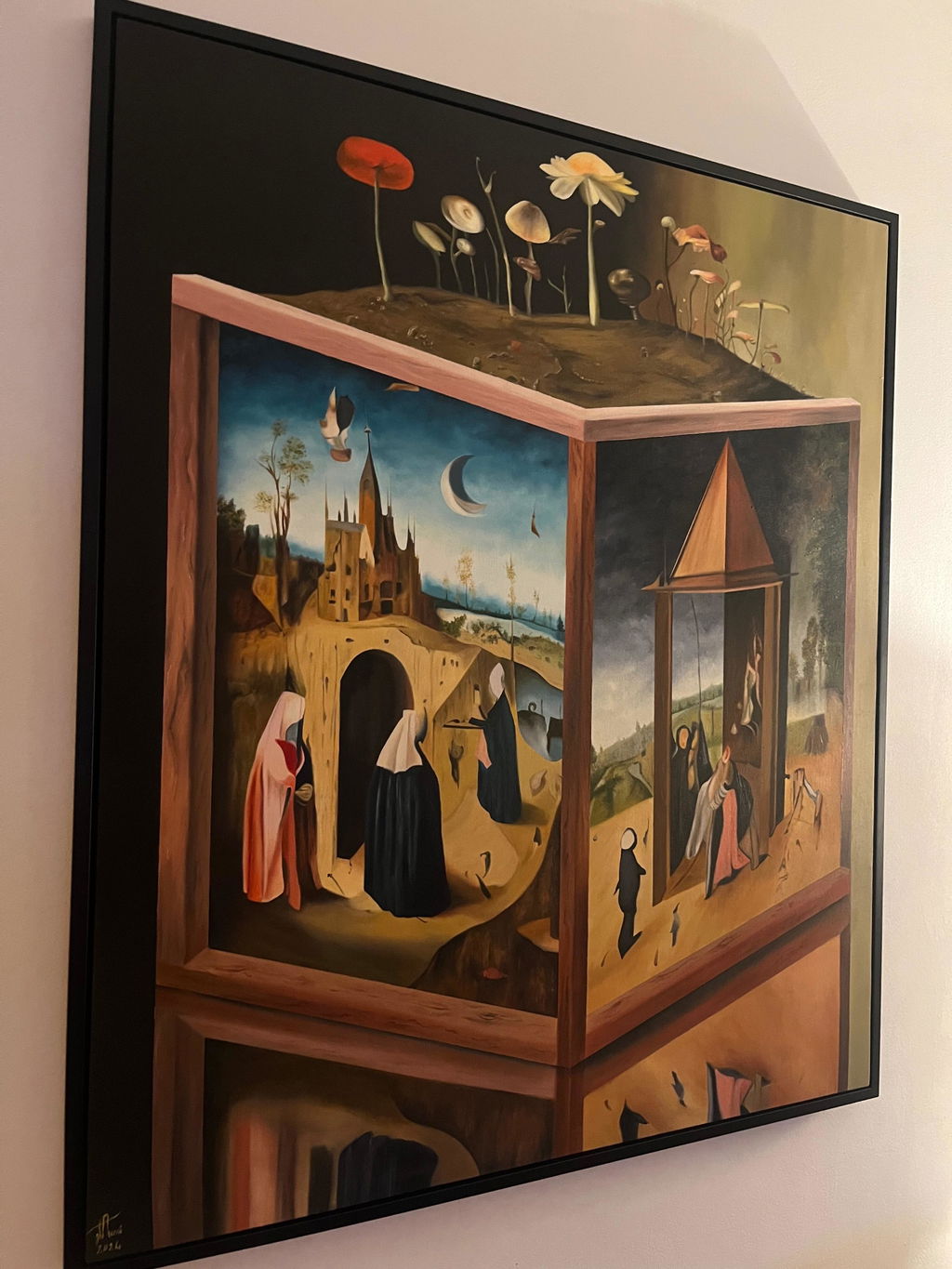
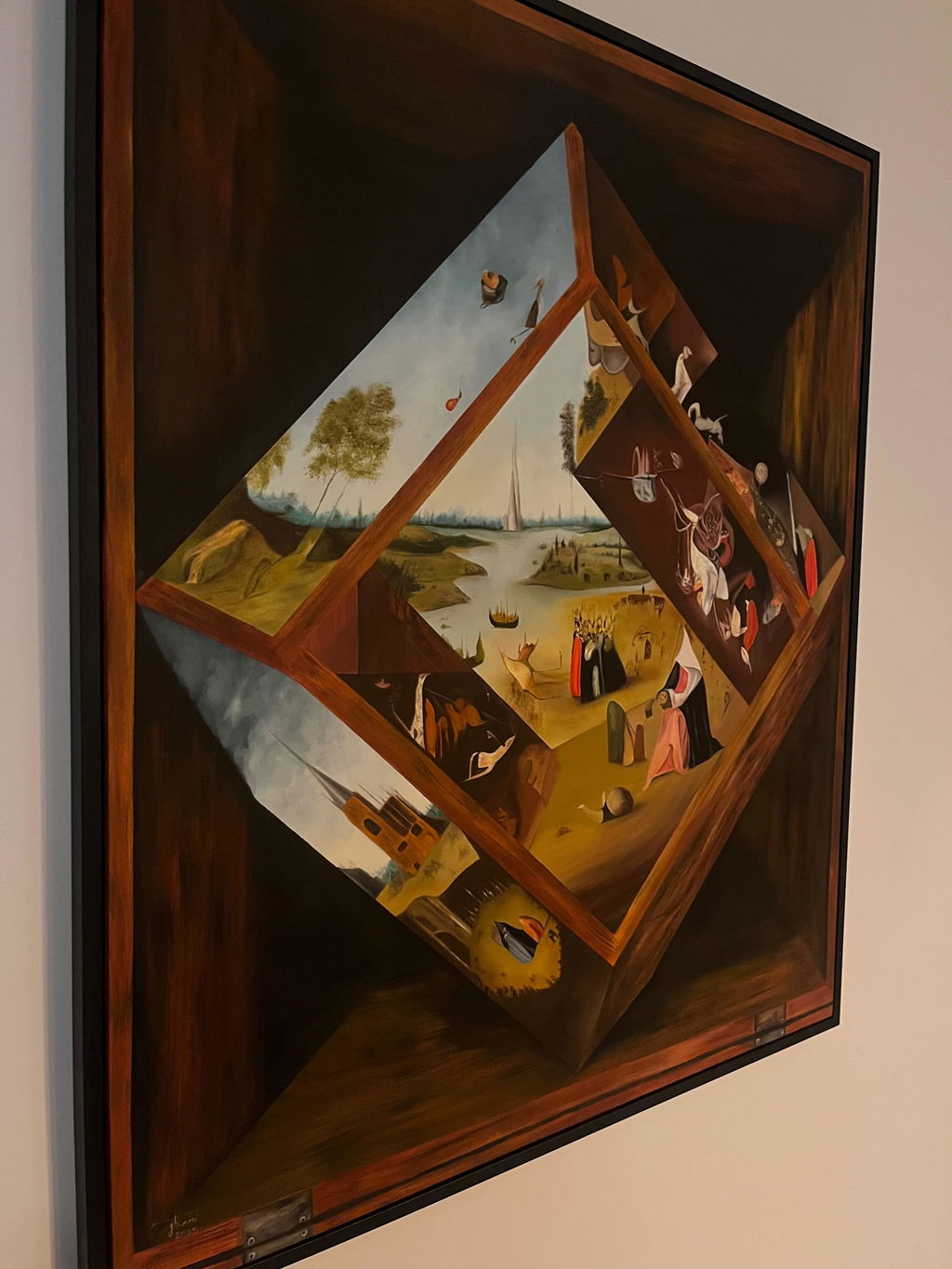
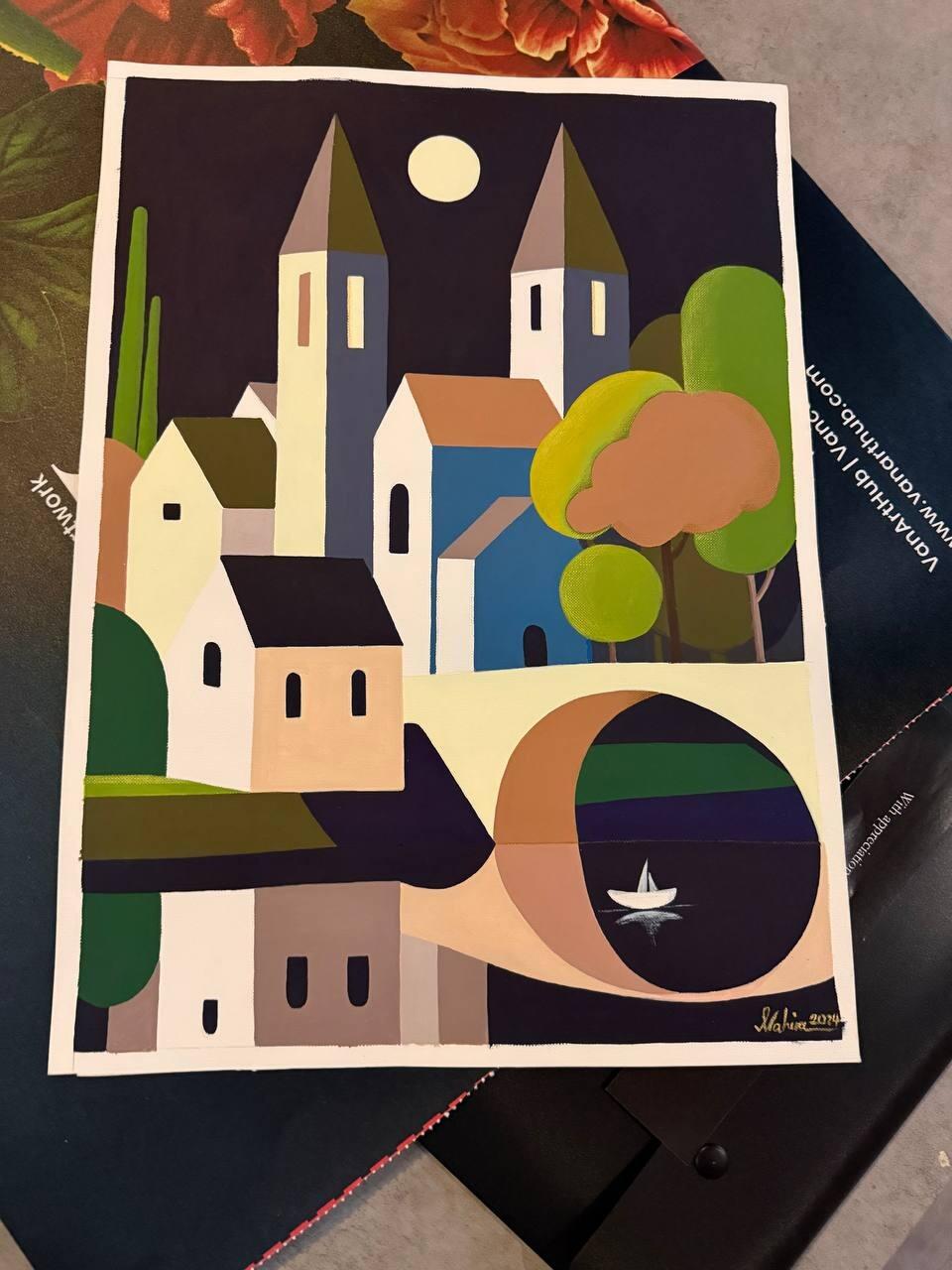
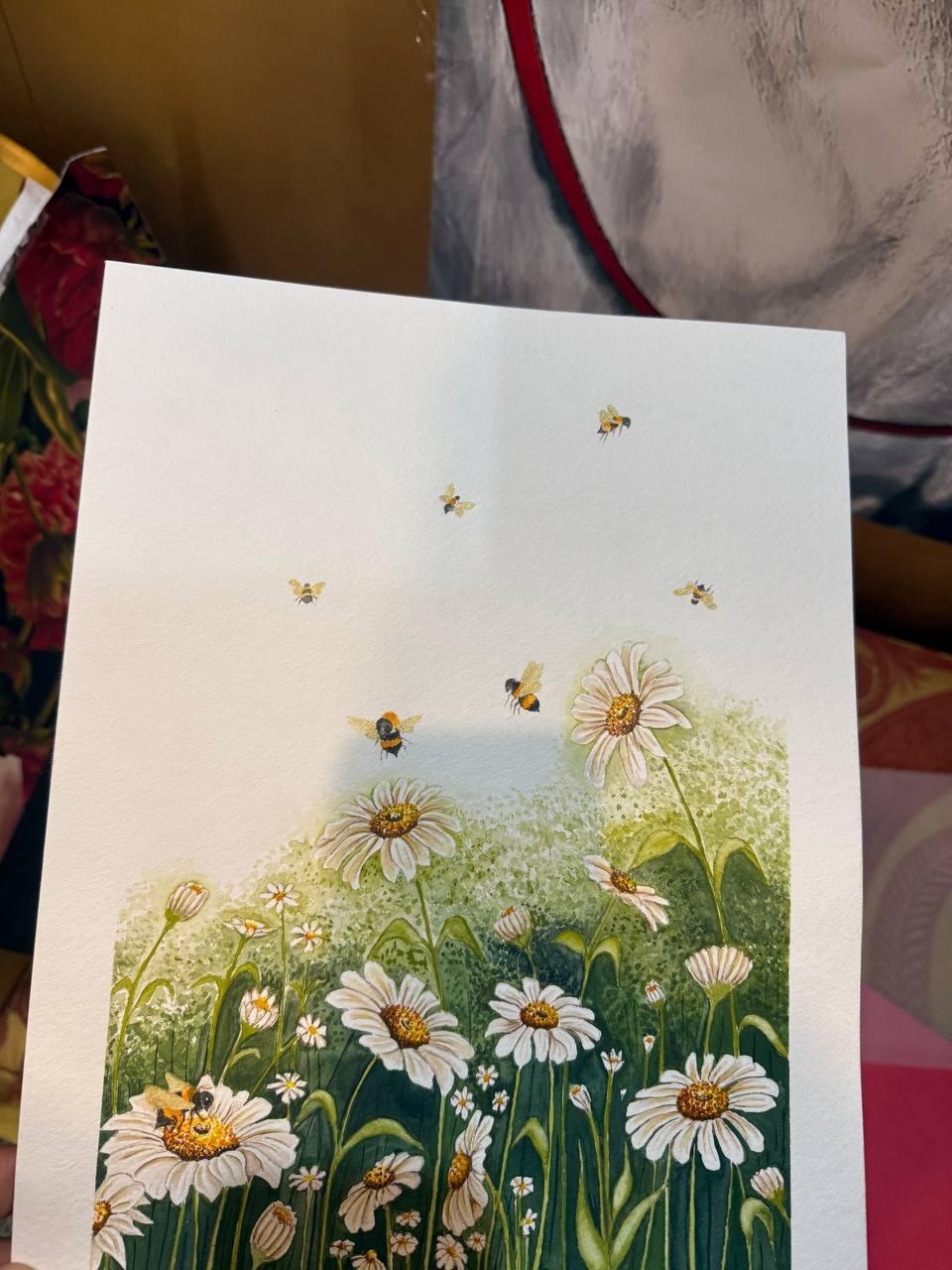
Browse the green paintings collection for original works where green leads. Many pieces in our nature collection also carry strong greens, since forests and gardens are their subject. Every work is an original signed painting, never a print, with prices starting from about $531.
The colour does not certify the canvas
Here is where the two meanings must be kept apart. A green painting is not automatically an environmentally friendly object, and an eco-minded artwork is not necessarily green in colour. The paint itself makes the point: a colour name tells you nothing about what is inside the tube. Golden Artist Colors, a paint maker, lists its Terre Verte Hue, a muted green, among the products that contain bone black, a pigment the company says is made from carbonized cattle bones. A "green" paint can contain animal bone char. If ingredients matter to you, our guide to plant-based pigments and inks explains which colours come from plants and which do not.
The same honesty applies to us. VanArtHub does not claim its paintings are eco-friendly, non-toxic, or certified, because we have not audited the materials each artist uses. What we can state plainly: every work is an original made to last for decades, our Lifetime Trade-Back keeps art in circulation instead of in a landfill, and buying here supports living Vancouver artists directly.
Common questions
Is green art the same as eco-friendly art?
Not necessarily. "Green art" has two uses. One refers to environmentally minded art, which overlaps with eco art. The other simply means artwork where green is the main colour. A seller may use either meaning, so check which one applies before you assume anything about how the work was made.
Which rooms suit a green painting best?
Green works well in rooms meant for rest and focus: bedrooms, offices, dining rooms, and reading corners. It pairs naturally with wood, cream, and warm metals. Match the undertone to your light: grey-based sages suit cool light, while yellow-based olives warm up dim rooms.
Are green paints made from plants?
Mostly no. Most modern green pigments are synthetic mineral colours made in factories. A colour name does not reveal ingredients. Golden Artist Colors, for example, lists its Terre Verte Hue green among products containing bone black, a pigment it describes as made from carbonized cattle bones. If ingredients matter to you, ask the maker directly.
Does VanArtHub certify its paintings as environmentally friendly?
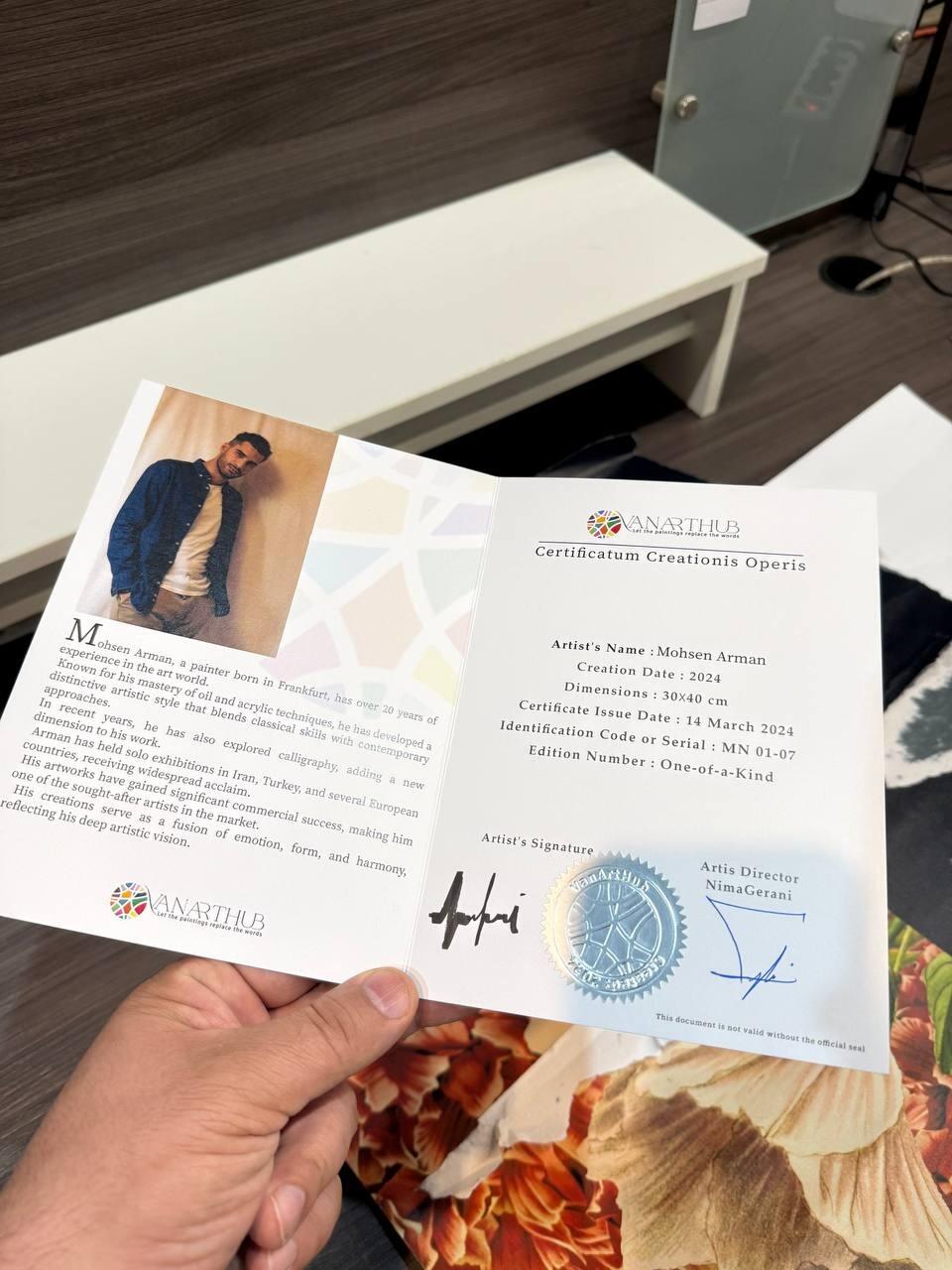
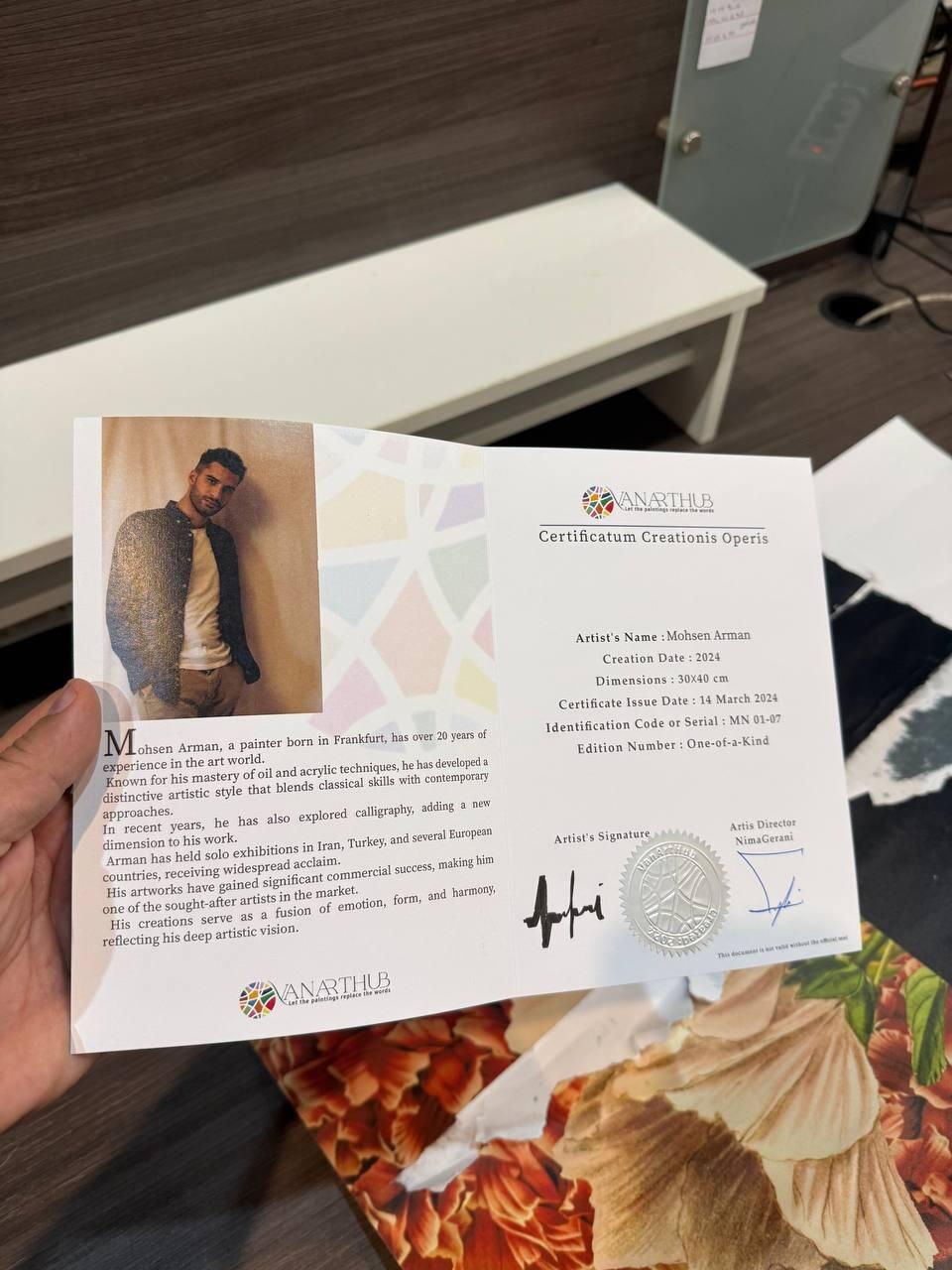
No. We have not audited the materials every artist uses, so we do not attach eco labels to the work. We state what we can verify: each piece is an original signed painting with a Certificate of Authenticity, made to last decades, covered by a 14-day trial and a Lifetime Trade-Back for store credit.
Whichever meaning brought you here, the next step is simple. If you want the colour, browse the green paintings collection and find the original that fits your room.