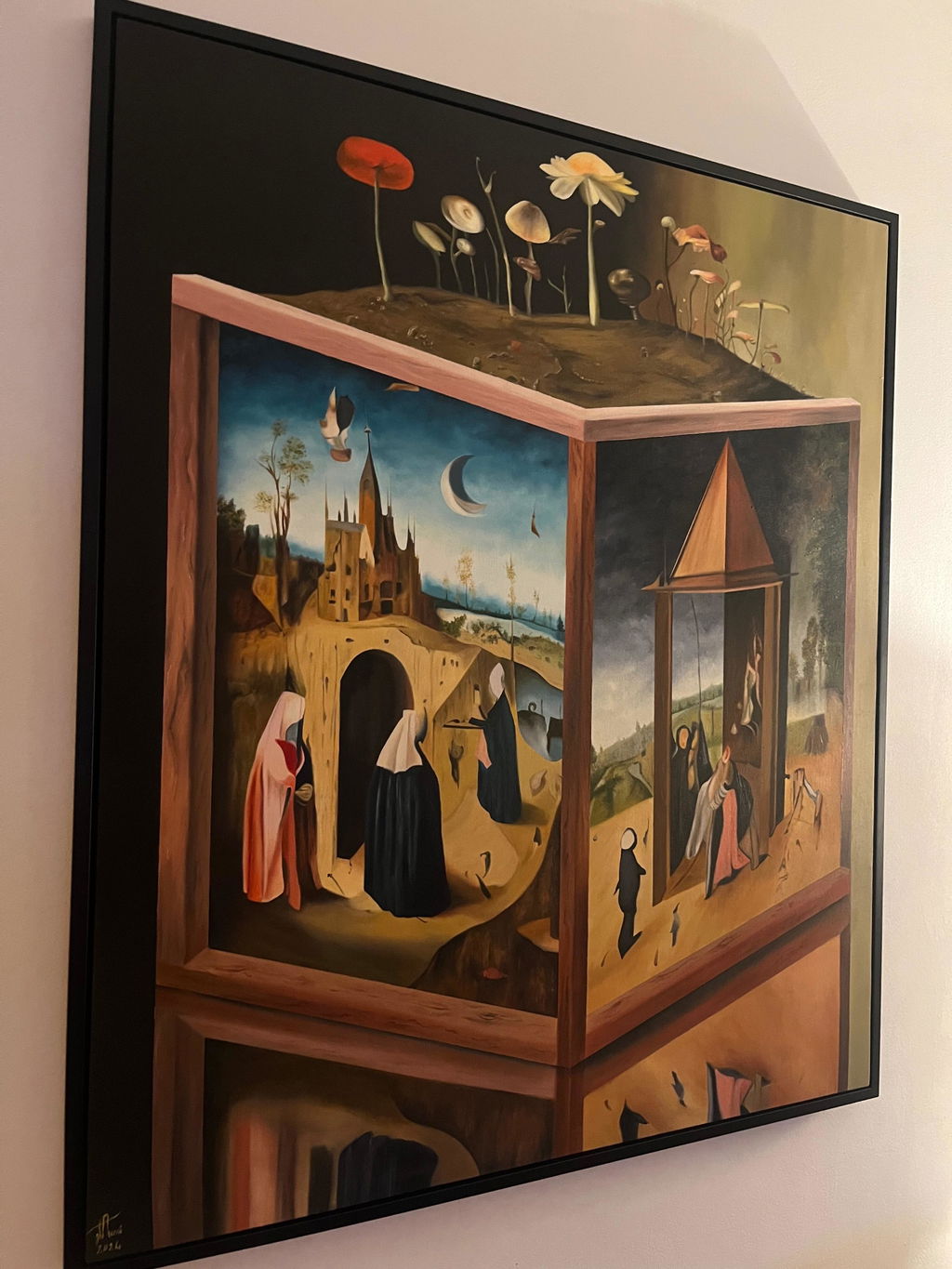
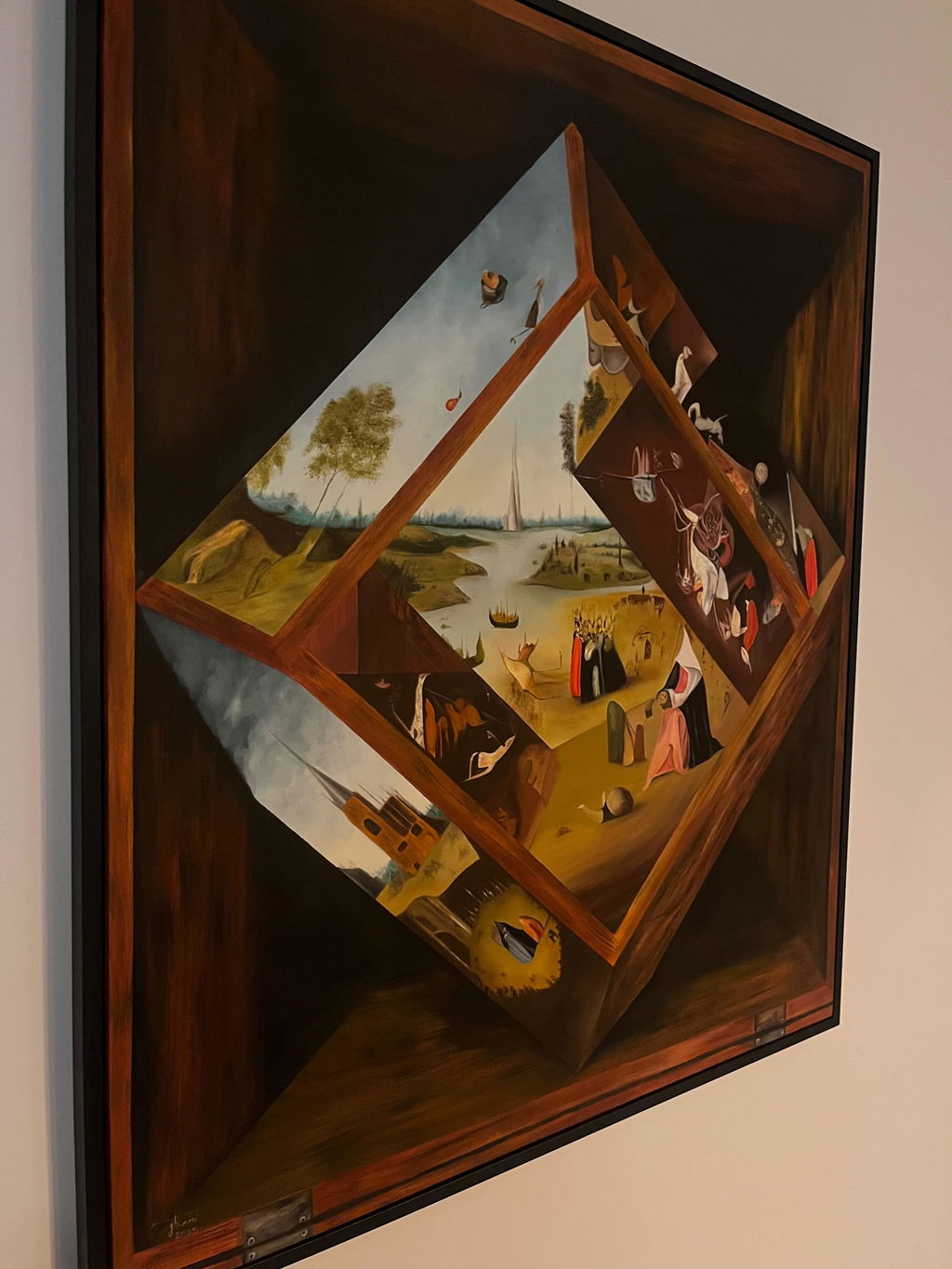
An heirloom painting is a work of art one generation buys and later generations keep. Three things turn a purchase into an heirloom: the painting must be an original that can physically last, its history must be recorded so the family can prove what it is, and its story must be told so the next owner cares about keeping it. This page covers all three: choosing a work that can survive the decades, building the provenance file that starts with the Certificate of Authenticity included with every VanArtHub original, and caring for the piece so it reaches the next generation in good condition.
Key takeaways
- Only an original work can become a true heirloom; a mass reproduction can be replaced at any time, so nothing unique is passed down.
- Provenance is the recorded history of a painting: who made it, when, and who has owned it since.
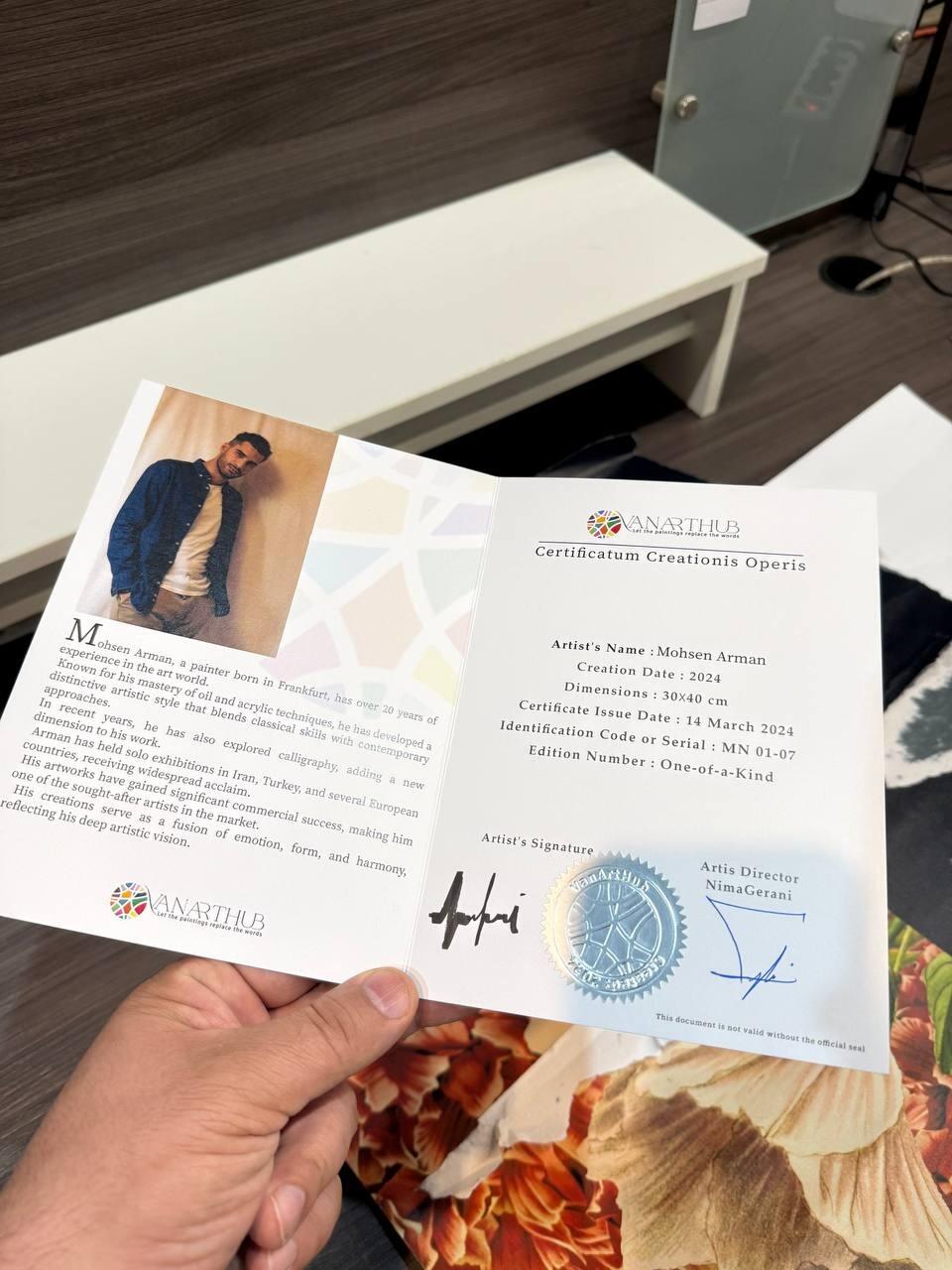
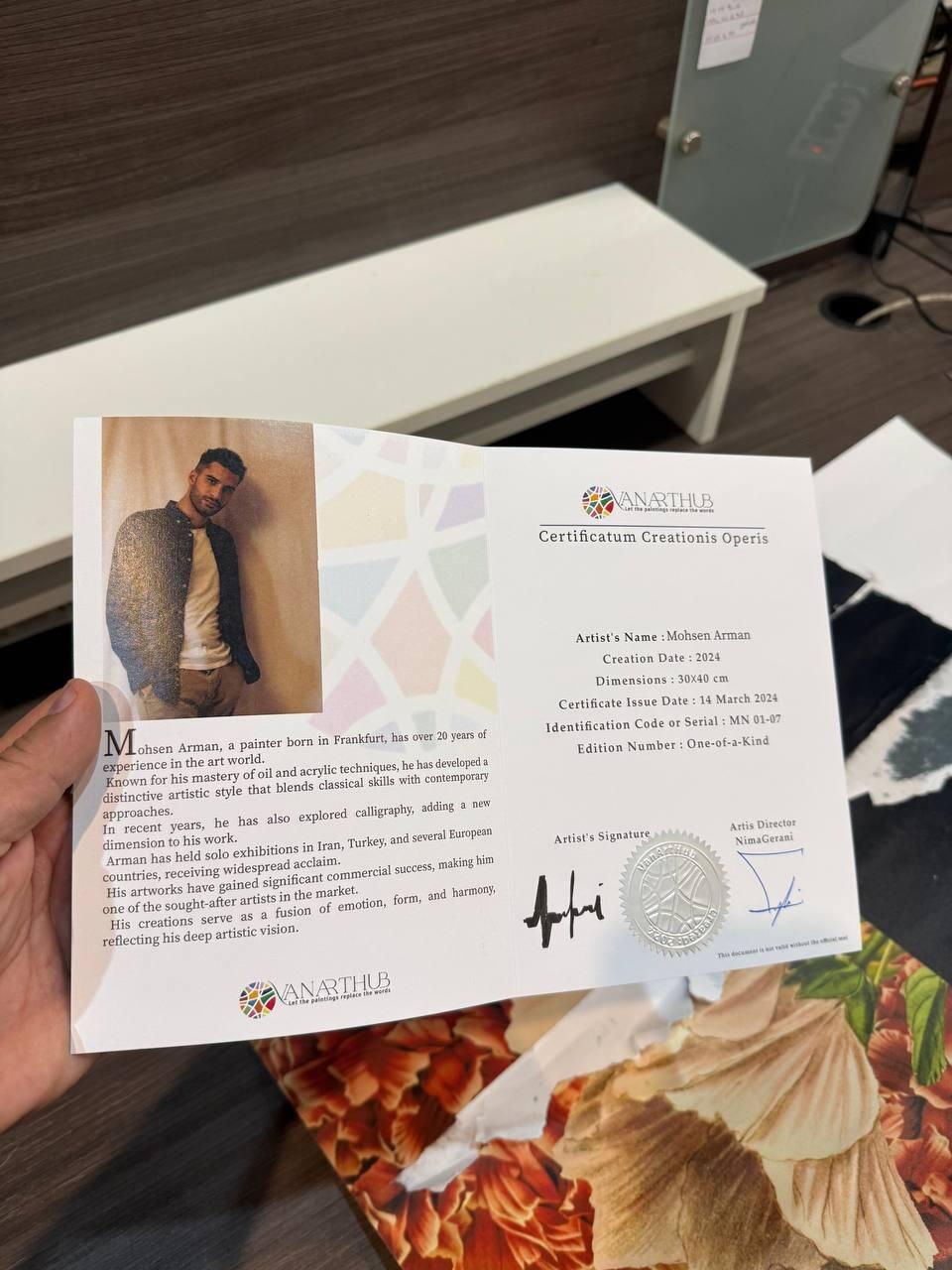
- Every VanArtHub painting comes with a Certificate of Authenticity, which is the first document in its provenance file.
- Most paintings need only basic care to cross generations: stable indoor conditions, no direct sun, and careful handling.
- The story attached to a painting is part of the inheritance, and it survives only if someone writes it down.
What makes a painting heirloom material
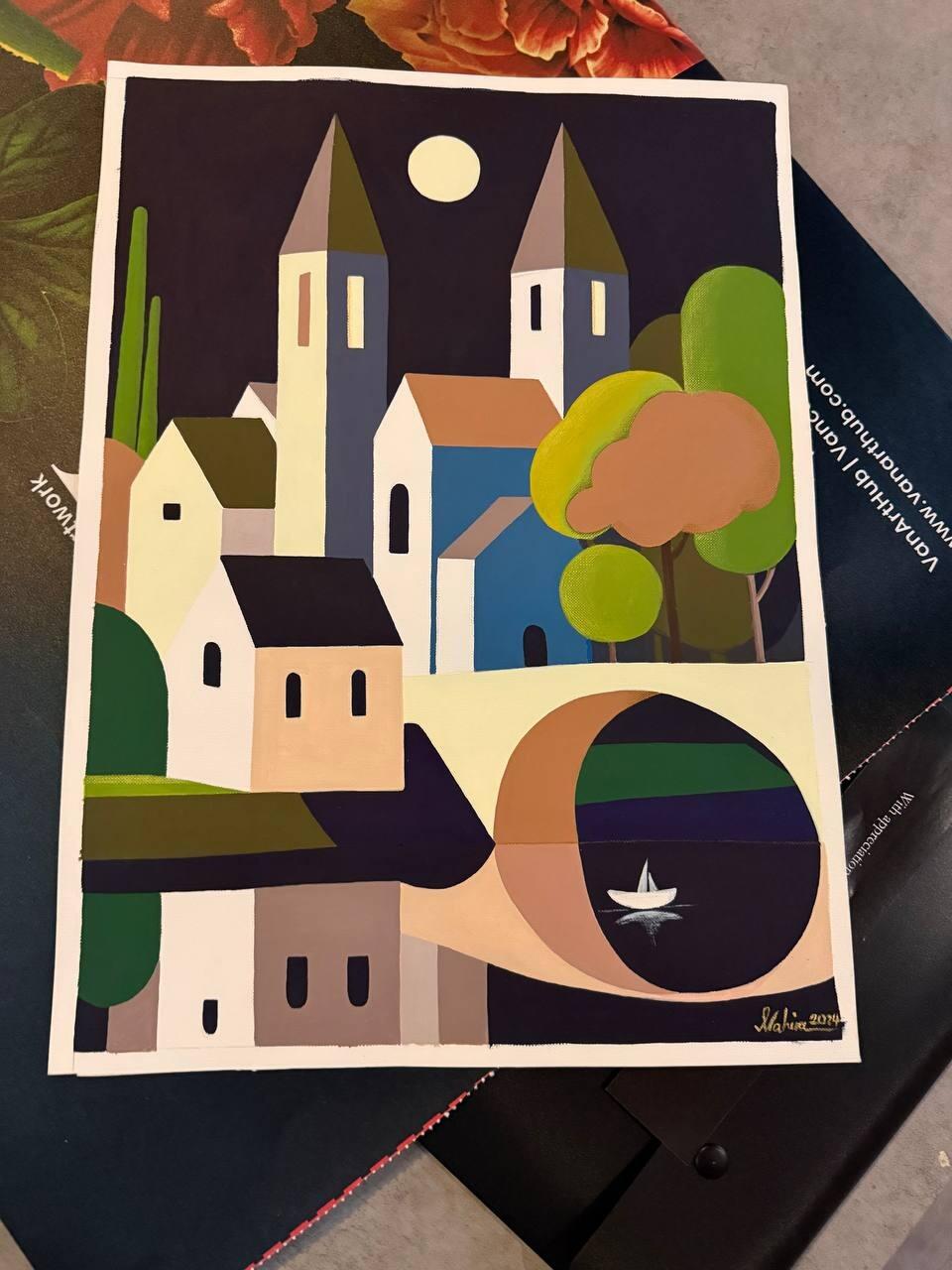
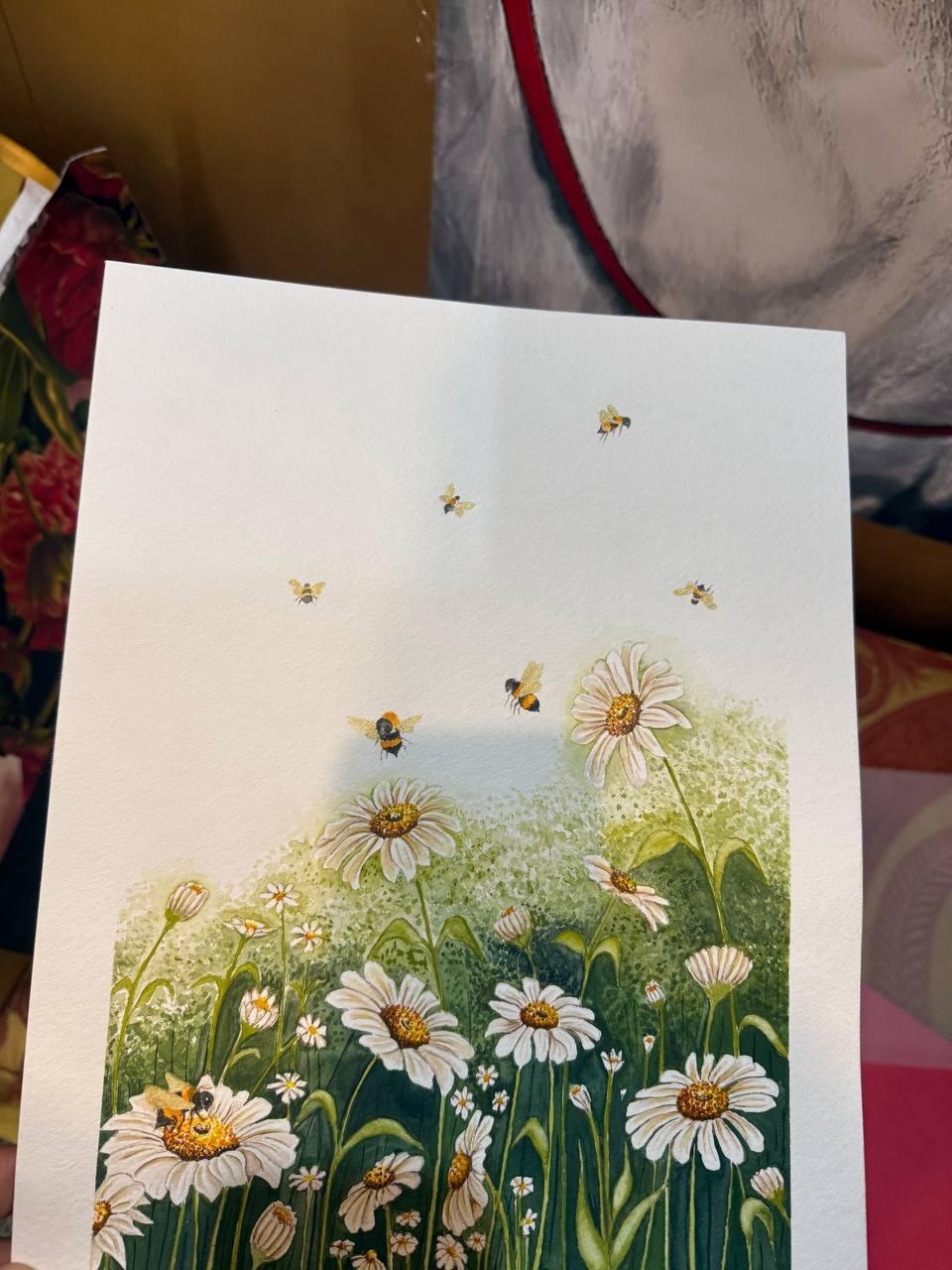
Start with originality. An heirloom must be irreplaceable, and only an original is. A print run of five thousand can be bought again by anyone; the painting your parents chose, with the artist's own hand in every brushstroke, exists once. That is why VanArtHub sells originals only.
Then durability. Paintings are among the most durable objects a family can own. Albrecht Durer's watercolour of a young hare, painted in 1502, still exists in museum care, and ordinary well-kept oil and acrylic paintings routinely outlive their first owners. The companion page on how long a painting lasts explains what affects a work's lifespan; as a category, oil paintings have the longest track record simply because they have existed the longest.
Finally, choose with the long view. A future heirloom should pass a harder test than "it suits the room": it should be a work you can imagine your children arguing over, in a good way. Subjects with lasting personal meaning, a place the family knows, or a scene tied to a shared memory, tend to hold that role better than pieces chosen to match a colour scheme.
Provenance: the paper trail that travels with the painting
Provenance is the documented history of an artwork. For museums it can run to centuries of ownership records. For a family it starts much more simply: proof of what the work is, who made it, and when it entered the family. A Certificate of Authenticity is the natural first document, because it states that the work is a genuine original by the named artist. Every VanArtHub piece ships with one.
Build the file the week the painting arrives, while everything is easy to find. A complete family provenance file looks like this:
| Document |
What it does for the next generation |
| Certificate of Authenticity |
Proves the work is a genuine original by the named artist |
| Purchase receipt |
Records when and where the family acquired it, and for how much |
| Photos of the front, back, and signature |
Fix the work's identity and condition at a known date |
| A note about the artist |
Tells the next owner who made it and where the artist worked |
| Your written story |
Explains why the painting matters to the family |
Keep the file separate from the painting itself, with your other important papers, and tell at least one family member where it is. A document taped to the back of a frame is better than nothing, but a copy stored elsewhere survives accidents that the painting's location does not.
Caring for a painting across decades
Long-term care is mostly about placement, and it is simpler than people fear.
- Keep the work out of direct sunlight, which fades colour over years of exposure.
- Hang it where temperature and humidity stay reasonably stable. Bathrooms, damp basements, and walls above active heat sources are the places to avoid.
- Dust with a soft, dry brush. Never use water, household cleaners, or wipes on a painted surface.
- When moving house, carry the painting upright, padded, and never stacked with other objects against the paint surface.
- If damage happens, stop. Do not attempt home repair. The page on repairing and restoring a painting explains what professional conservators can do, and it is usually far more than owners expect.
The story is part of the inheritance
Ask anyone who inherited art what they value about it, and the answer is rarely the object alone. It is that the painting hung in a grandmother's hallway, or was bought on a honeymoon, or was the first real artwork a parent ever saved for. The object carries the story, but only if the story is recorded.
So write it down. One page is enough: why you bought this painting, what it shows, where it has hung, and anything you know about the artist. VanArtHub works are made by living Vancouver artists, which means the buyer's generation can record details the next generation could never recover: what the artist said about the piece, what the studio was like, what the city looked like then.
Passing it on: practical steps
When the time comes, four steps move the painting cleanly to the next generation. Name the work and its intended recipient in your will or in a letter kept with your papers. Hand over the provenance file with the painting, never separately at some later date. Tell the story out loud at least once, because a story that has been heard is more likely to be retold. And photograph the work one more time at handover, so its condition at that date is on record.
Be honest about one more possibility: the next generation may not want it. Taste is not hereditary. This is why an exit path matters as much as the paperwork. A VanArtHub original can go back through the Lifetime Trade-Back for store credit, which lets an heir pass the work respectfully to another collector instead of storing it unloved. Keeping good art in circulation, rather than in an attic, is part of what the wider sustainable art hub is about.
Common questions
What is provenance in art?
Provenance is the recorded history of an artwork: who made it, when, and who has owned it since. For a family painting, provenance can be as simple as a Certificate of Authenticity, the purchase receipt, photos of the work, and a written note about where it came from and why it was bought.
Does a Certificate of Authenticity make a painting more valuable?
It proves what the painting is: a genuine original by a named artist. That proof protects whatever value the work has and matters greatly to future owners. Market value itself still depends on the artist and on demand, so a certificate is best understood as essential documentation, never as a price guarantee.
How do I pass a painting down to my children?
Do four things: name the work and its recipient in your will or in a letter kept with your papers, hand over the provenance documents together with the painting, tell the story behind the piece out loud, and photograph the work at handover so its condition is on record.
How should I store a painting I am not hanging?
Keep it upright, padded on the corners, with nothing pressing on the paint surface, in a room with stable temperature and humidity. Avoid attics, damp basements, and garages. Wrap it so air can still reach the work, and check on it once or twice a year.
Can a damaged painting still become an heirloom?
Yes, in most cases. Professional conservators can repair tears, flaking paint, and water damage far better than most owners expect. What matters is to stop, avoid any home repair attempt, and take the work to a professional, since amateur fixes cause more permanent loss than the original damage.
If you are choosing a work with the next generation in mind, start with the fine art paintings collection: signed originals, each shipped with the Certificate of Authenticity that begins its provenance file.