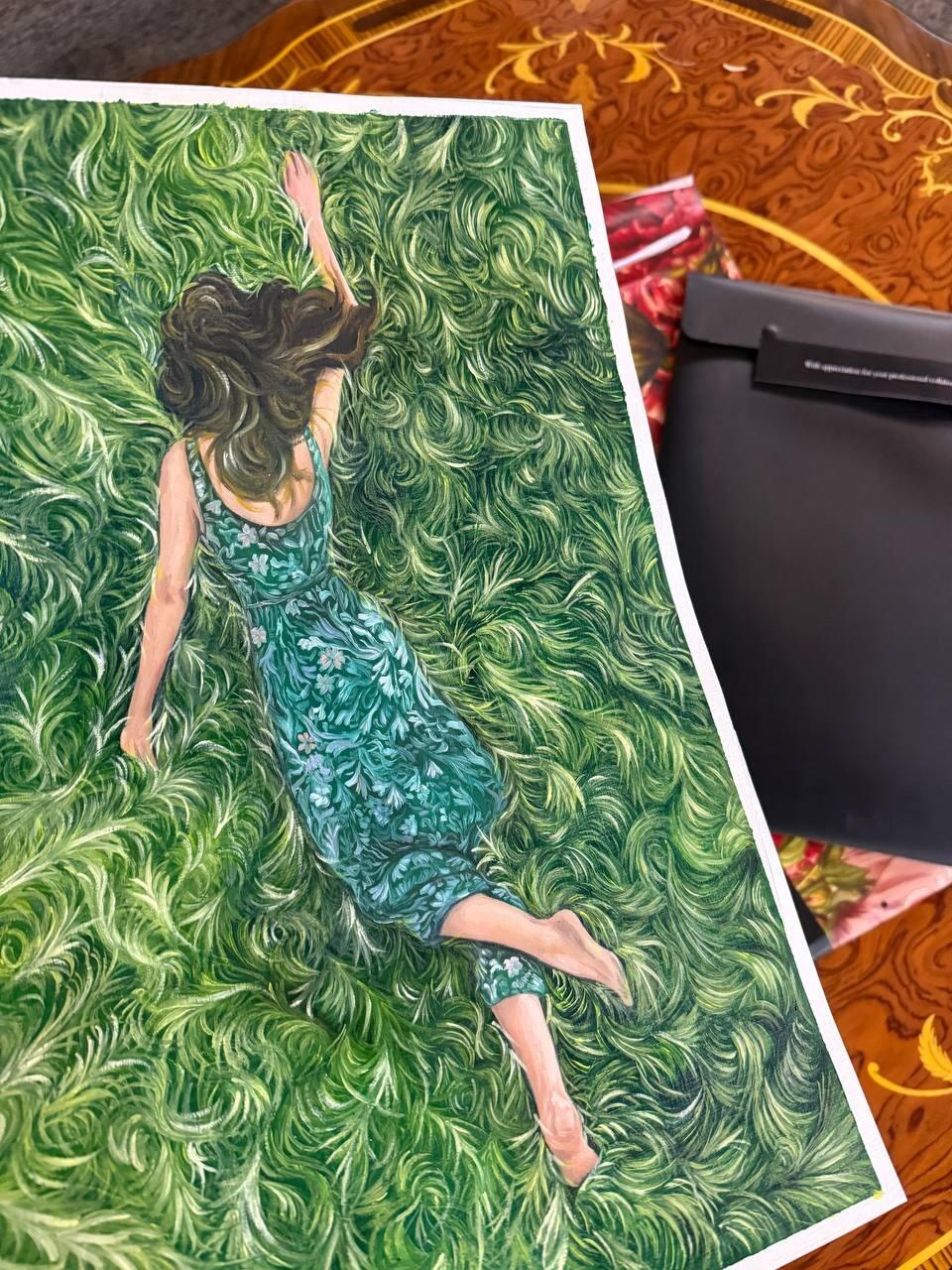
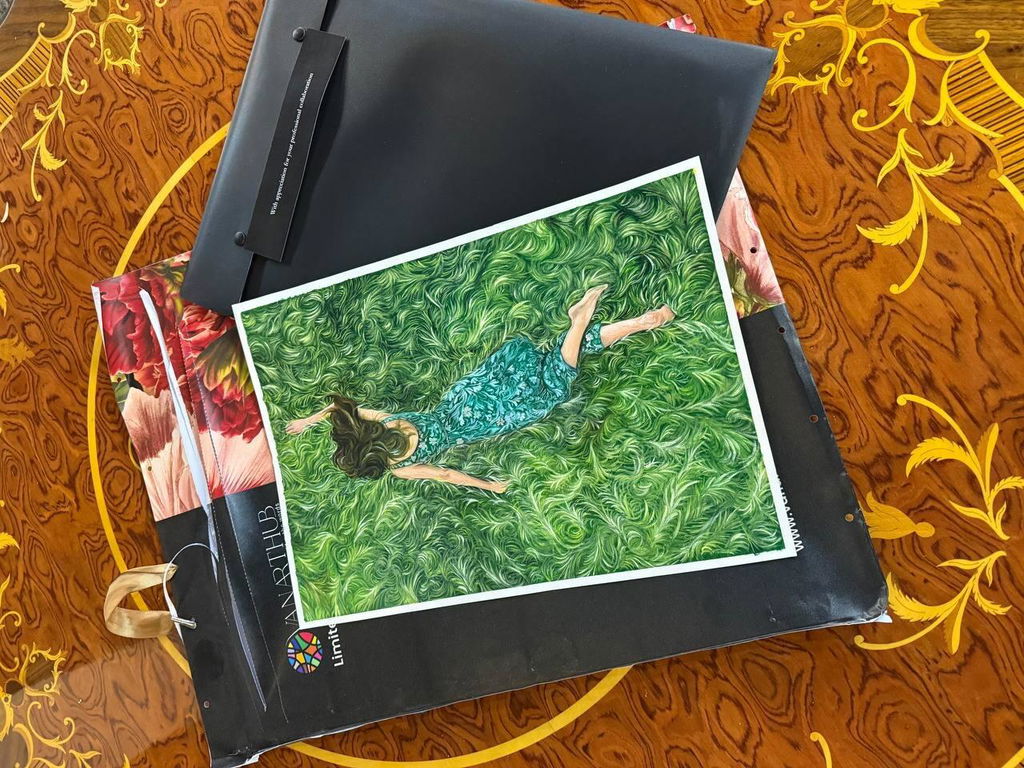
Land art is art made directly in and from the land. Earth, rock, plants, water, and weather are the materials, and the site itself becomes the work. Instead of painting a picture of a lake, a land artist might build a stone spiral into the lake. The best-known example is Robert Smithson's Spiral Jetty, an earthwork built in the Great Salt Lake in Utah in 1970. Because works like this are fixed to their sites or designed to disappear, almost none of them can be bought, moved, or hung on a wall.
That fact shapes this whole guide. We will explain what land art is and walk through four landmark works. Then we will answer the question that matters to a collector: if the art is a lake or a field, what can a private person actually own? VanArtHub sells original paintings rather than earthworks, so we come at this from the domestic side, and we will be clear about where the two worlds meet.
Key takeaways
- Land art uses the land itself, its earth, rock, plants, and water, as both material and site.
- Robert Smithson's Spiral Jetty (1970) in the Great Salt Lake, Utah, is one of the most cited works in the field.
- Agnes Denes planted Wheatfield: A Confrontation, a wheat field on a Manhattan landfill, in 1982; Joseph Beuys began his 7000 Oaks tree planting in Kassel the same year.
- Because most works are fixed in place or short-lived, private collectors own photographs, studies, and gallery works by land artists instead of the works themselves.
- Landscape painting is the domestic relative of land art: the same attention to the land, at a scale a home can hold.
What land art is
Land art grew out of a simple move: artists left the studio and the gallery and started working in open country. The gesture had scale on its side. A gallery wall holds a painting; a dry lakebed can hold a work a kilometre long. It also changed the relationship between art and time. A painting is finished and then protected. An earthwork is handed over to weather, water levels, and seasons, and the artist accepts what they do to it.
Land art is one branch of the wider field covered in our guide to environmental art and eco art. Not all of it carries an environmental message. Some works moved large amounts of earth and were criticized for it. Others, like Andy Goldsworthy's arrangements of leaves, ice, and stone that melt or blow apart within hours or days, touch the land so lightly they survive only as photographs. The field contains both extremes, which is worth remembering before assuming "land art" means "gentle".
Four landmark works
These four works appear in almost every account of the field, and each shows a different way of working with the land.
| Artist |
Work |
Year |
What it is |
| Robert Smithson |
Spiral Jetty |
1970 |
An earthwork built into the Great Salt Lake, Utah |
| Agnes Denes |
Wheatfield: A Confrontation |
1982 |
A real wheat field planted and harvested on a Manhattan landfill |
| Joseph Beuys |
7000 Oaks |
Begun 1982 |
A long-term tree-planting work across the city of Kassel, Germany |
| Andy Goldsworthy |
Ephemeral works |
Ongoing practice |
Short-lived pieces made from leaves, ice, and stone, recorded in photographs |
Notice the range. Smithson shaped rock and earth into a permanent form. Denes grew a crop where a city dumped its waste, then harvested it. Beuys turned planting trees into an artwork that keeps growing after the artist is gone. Goldsworthy makes work that the next tide or the morning sun removes. Four artists, four different answers to what it means to make art out of a place.
Why most land art cannot be bought
Three things keep land art out of private hands. First, location: a work built into a lakebed belongs to that lakebed. Moving it would destroy it. Second, scale: even where a work could in theory be excavated, no living room holds a wheat field. Third, time: ephemeral works no longer exist at all. Ownership in this field usually means an institution or foundation acting as caretaker of a site, which is a very different thing from hanging something above a sofa.
This is not a flaw. The refusal to become a portable object was part of the point for many land artists. But it does mean the market around land art works differently from the market around painting.
What a private collector can actually own
Land artists still made and make things that fit through a door. A private collector can realistically own three kinds of object.
Photographs and documentation. For ephemeral works, the photograph is often the only lasting form, and photographic documentation is how works like Goldsworthy's reach any audience at all. Documentation of major earthworks also circulates.
Studies and preparatory drawings. Large projects begin on paper. Sketches, plans, and studies connected to famous works come to market through galleries and auctions.
Gallery works by the same artists. Most land artists also produced sculptures, drawings, and other works meant for indoor display, made and sold the ordinary way.
All three routes run through established galleries and auction houses, and prices sit well above what most first-time buyers expect to spend. If what draws you to land art is the land itself rather than the famous names, there is a much more direct route, and it hangs on a nail.
The domestic relative: landscape painting
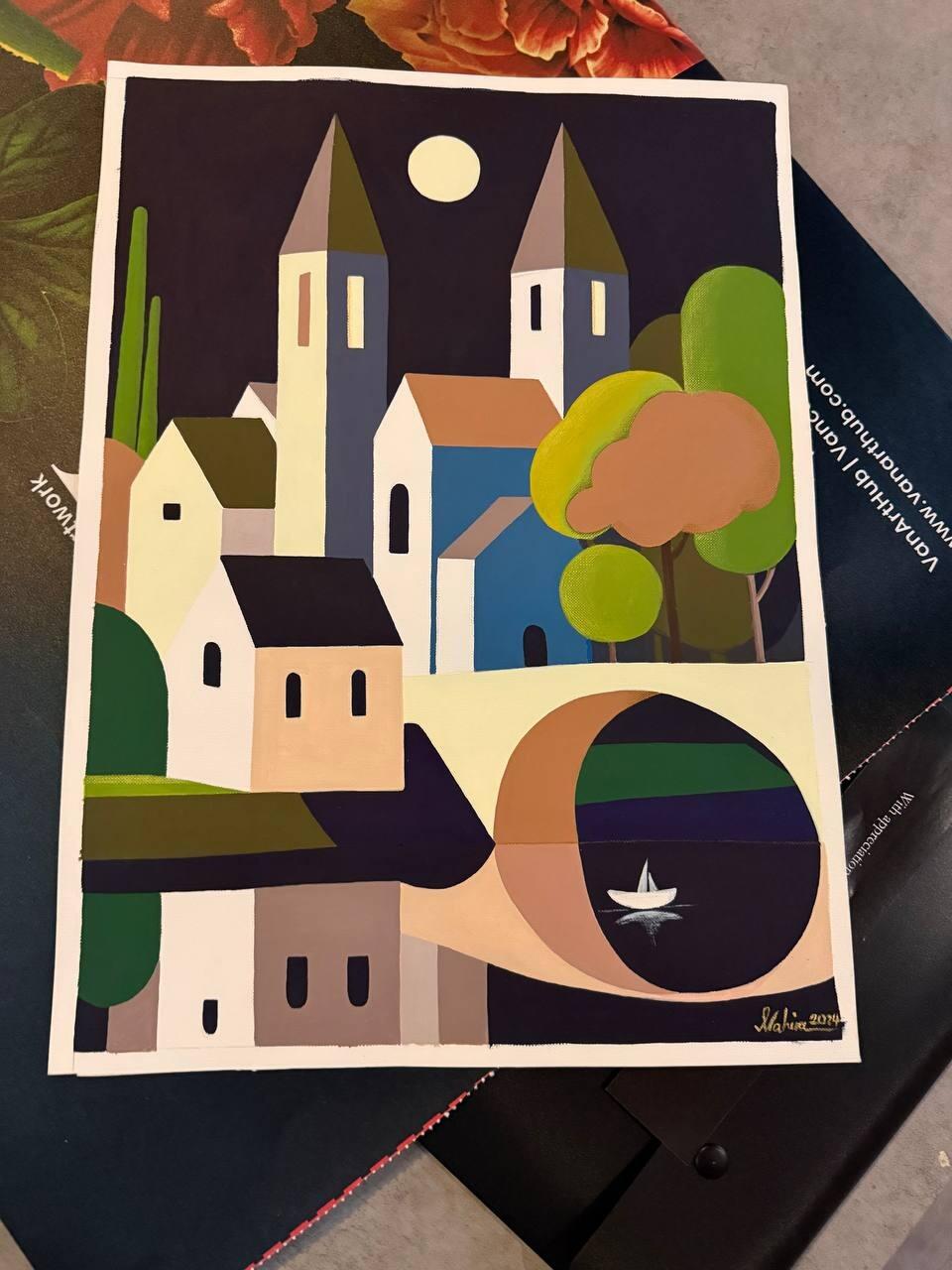
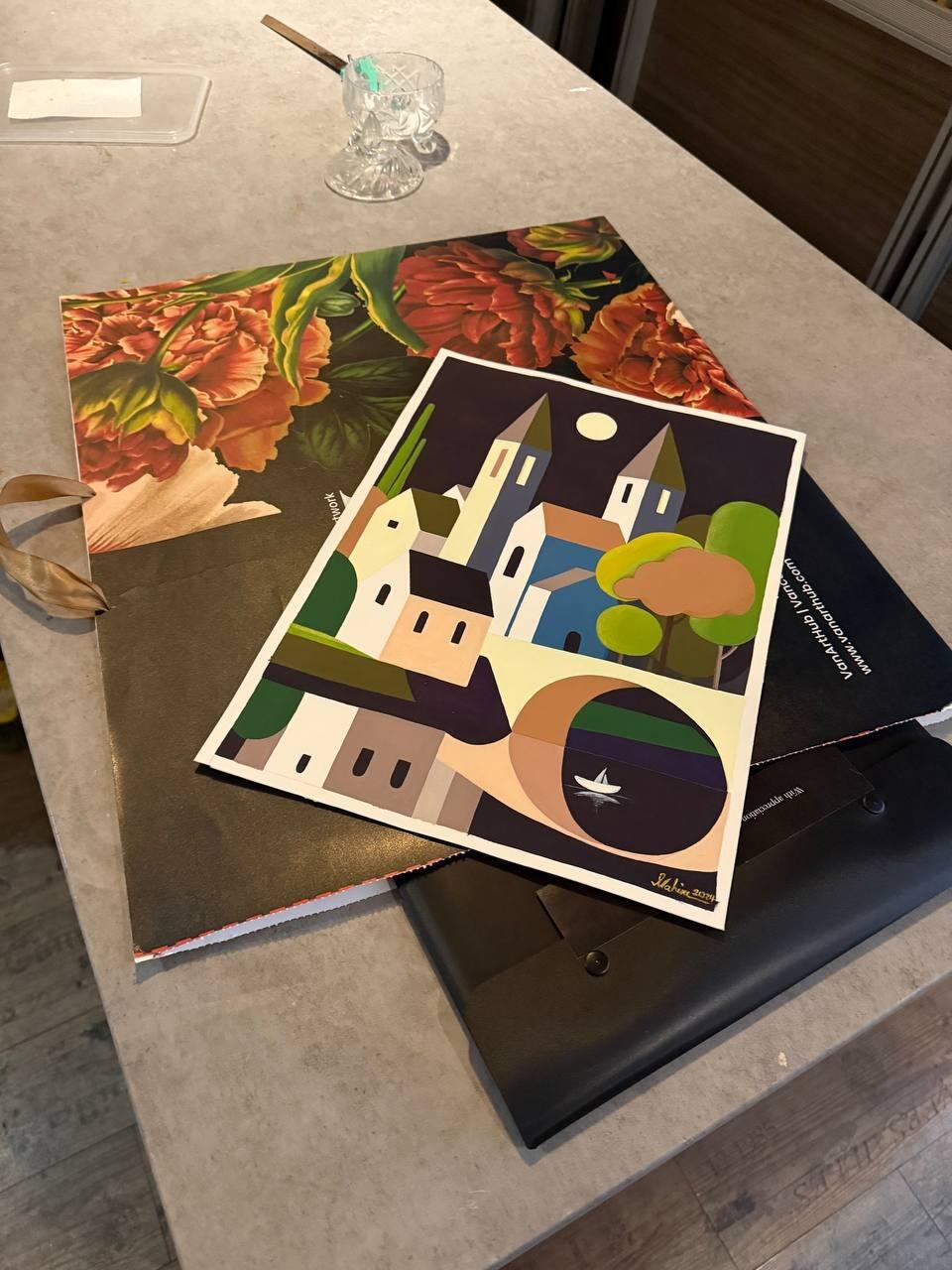
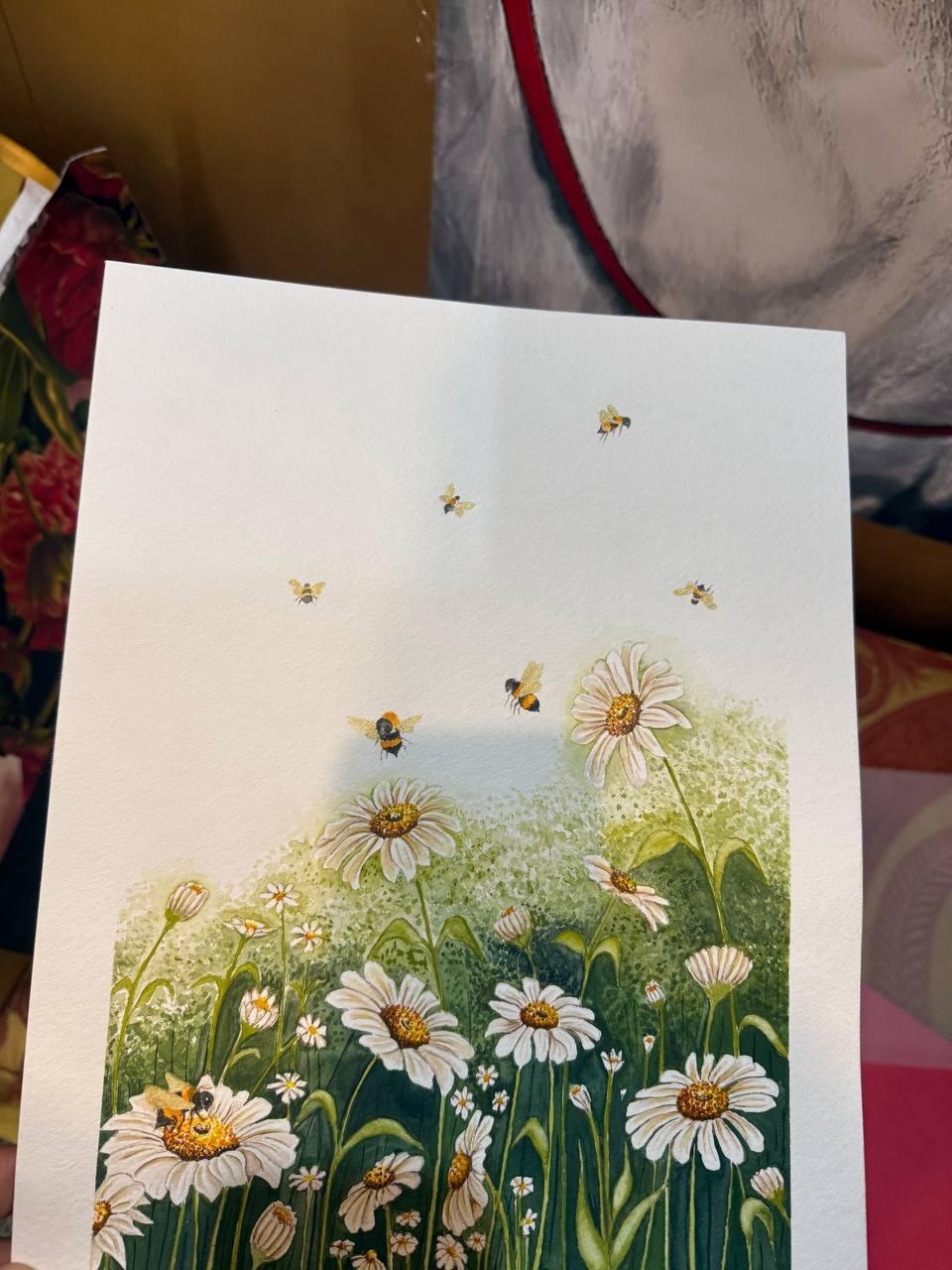
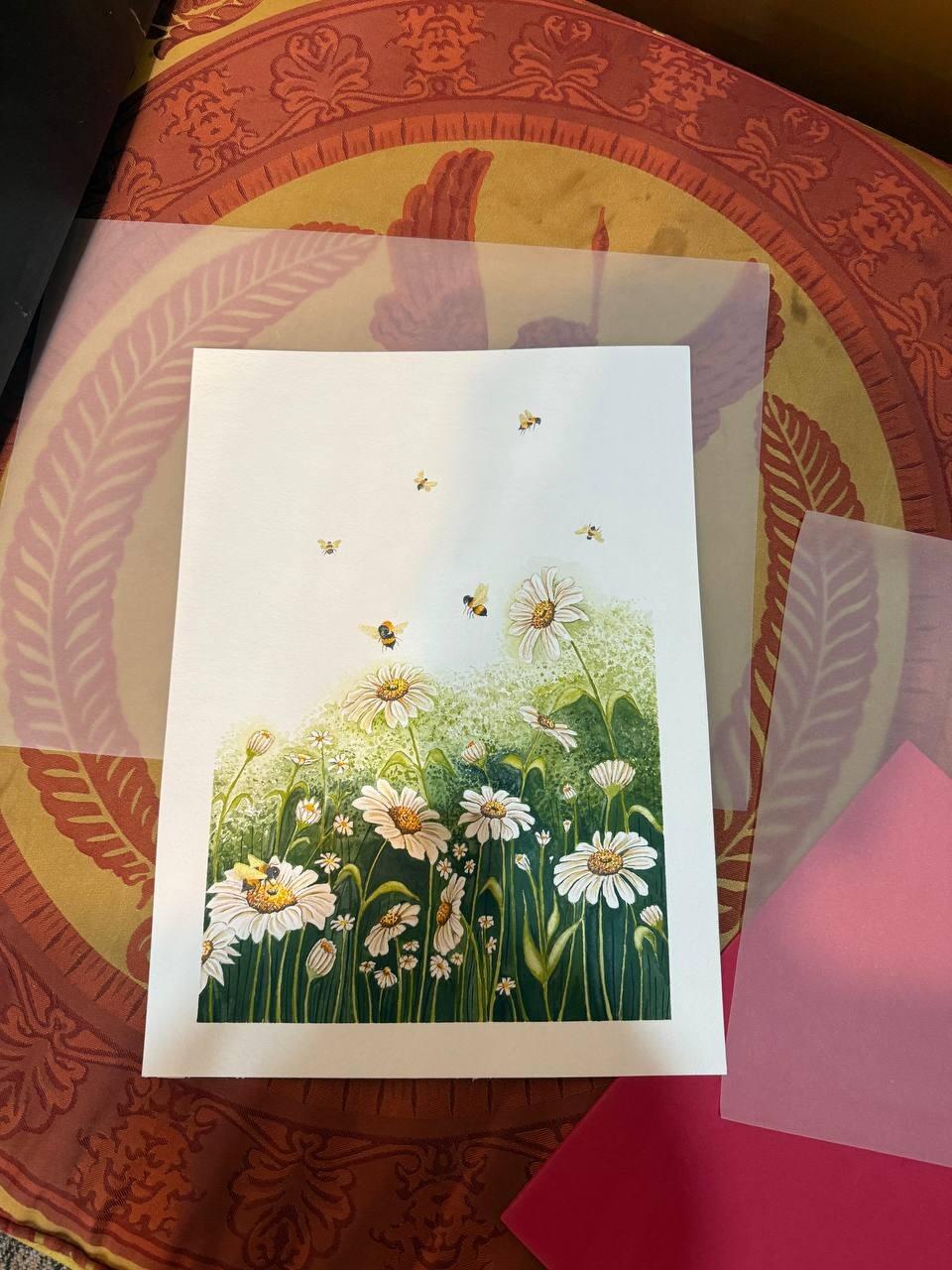
Landscape painting comes from the same root as land art: sustained attention to a specific place. The painter walks the ground, watches the light, and carries the place home on canvas. The result is the version of this field that fits domestic life. It needs no site visit, no caretaker, and no auction paddle.
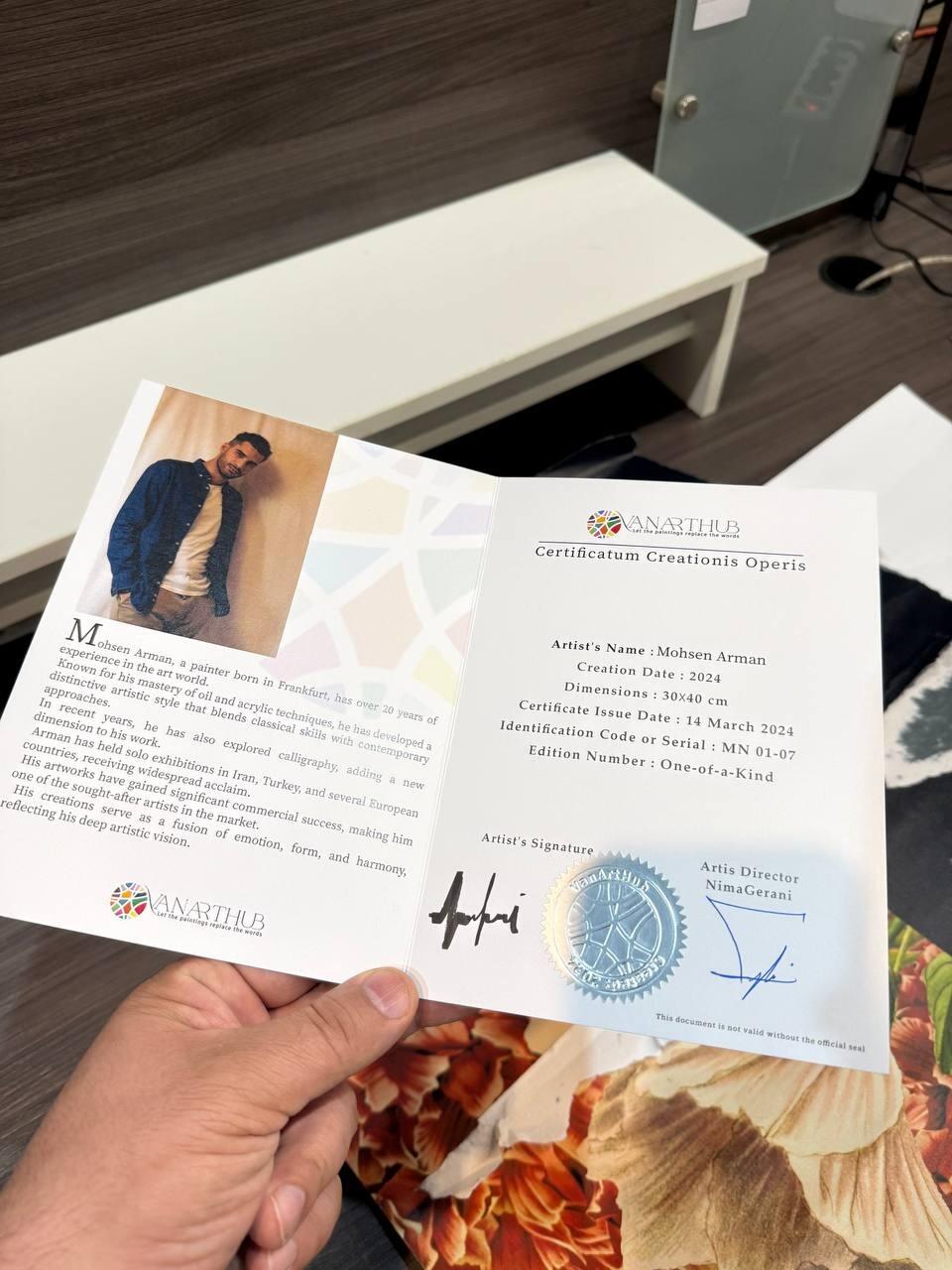
Our landscape paintings collection holds original works in exactly this tradition, and the nature collection goes closer in, to forests, water, and living things. Every piece is a signed original with a Certificate of Authenticity, and our 14-day trial lets you hang a work at home before you commit to it. Artists respond to a changing land too, which is the subject of our guide to climate change art.
Common questions
Can you buy land art?
Almost never in its primary form, because the works are fixed to their sites or have already disappeared. What collectors buy instead is what surrounds the works: photographs and documentation, preparatory studies and drawings, and conventional gallery pieces made by the same artists. These trade through galleries and auction houses.
What is the most famous work of land art?
Robert Smithson's Spiral Jetty, built in the Great Salt Lake in Utah in 1970, is the work most often cited as the emblem of land art. Agnes Denes' Wheatfield: A Confrontation from 1982 and Joseph Beuys' 7000 Oaks, begun the same year, are close behind it in most accounts of the field.
What is the difference between land art and landscape painting?
Land art makes the work out of the land itself: the earth, rocks, plants, and site are the materials. Landscape painting represents the land on a canvas that can hang anywhere. One is fixed to its place and usually impossible to own; the other was made to live indoors with people.
Is land art environmentally friendly?
Not automatically. The field covers both heavy interventions that moved large amounts of earth and drew criticism for it, and ephemeral pieces made of leaves or ice that vanish without a trace. Land art made people think hard about art's relationship to the land, but each work has to be judged on what it actually did to its site.
Why do photographs matter so much in land art?
Because for many works the photograph is the only form that lasts. Ephemeral pieces melt, scatter, or get harvested, and remote earthworks are seen in person by very few people. Photographic documentation is how these works reach the public, and it is also the main way private collectors can own a piece of the field.
If land art has given you a taste for art rooted in real places, start where ownership is simple: browse the original works in our landscape paintings collection, or step back to the full picture in the sustainable art hub.