No one can tell you exactly where sustainable art is going. Anyone who says they know for certain is selling something. What we can see clearly is the direction of travel, and it is more hopeful than the word "sustainable" usually sounds. The best sign is this: for a growing number of artists, care for materials and waste is turning into a source of new ideas, not a set of rules that boxes them in.
Below is how we read the next few years, framed honestly. We tell you where we already live inside this shift, and where the field is still guessing.
Limits are becoming a starting point, not a fence
For a long time the green conversation in art sounded like a list of things you could no longer do. That story is changing. When an artist decides to work only with reclaimed wood, leftover house paint, or pigments they grind themselves, the limit forces a fresh look at the work. A smaller palette can make a painting stronger. A found surface can carry a mark that a fresh canvas never would.
This is not new in spirit. William Morris and the Arts and Crafts movement in the 1800s argued for honest materials and skilled hands over factory output. What is new is the range of tools. Some painters now trade notes with material scientists and researchers about pigment stability, plant-based binders, or how a paint will age over fifty years. The question moves from "what looks good today" to "what will still be here, and safe, in decades."
What the honest experiments look like
- Artists building work from reclaimed substances, so the material already had one life before it became art.
- Small-batch and hand-made pigments, chosen for how they age rather than for how cheap they are.
- Circular studio habits: reusing offcuts, refilling instead of replacing, keeping solvents in a closed loop.
- Collaborations with people outside the art world, from chemists to conservators, to test what actually lasts.
Rethinking supply chains and the idea of value
A second shift is quieter and slower. Artists and galleries are asking where their materials come from, and questioning old habits about how much to make. A print run of ten thousand posters is cheap per unit and easy to churn out. One signed original is slow, and there is only ever one. The future leans toward the second idea: fewer objects, made with more care, meant to be kept.
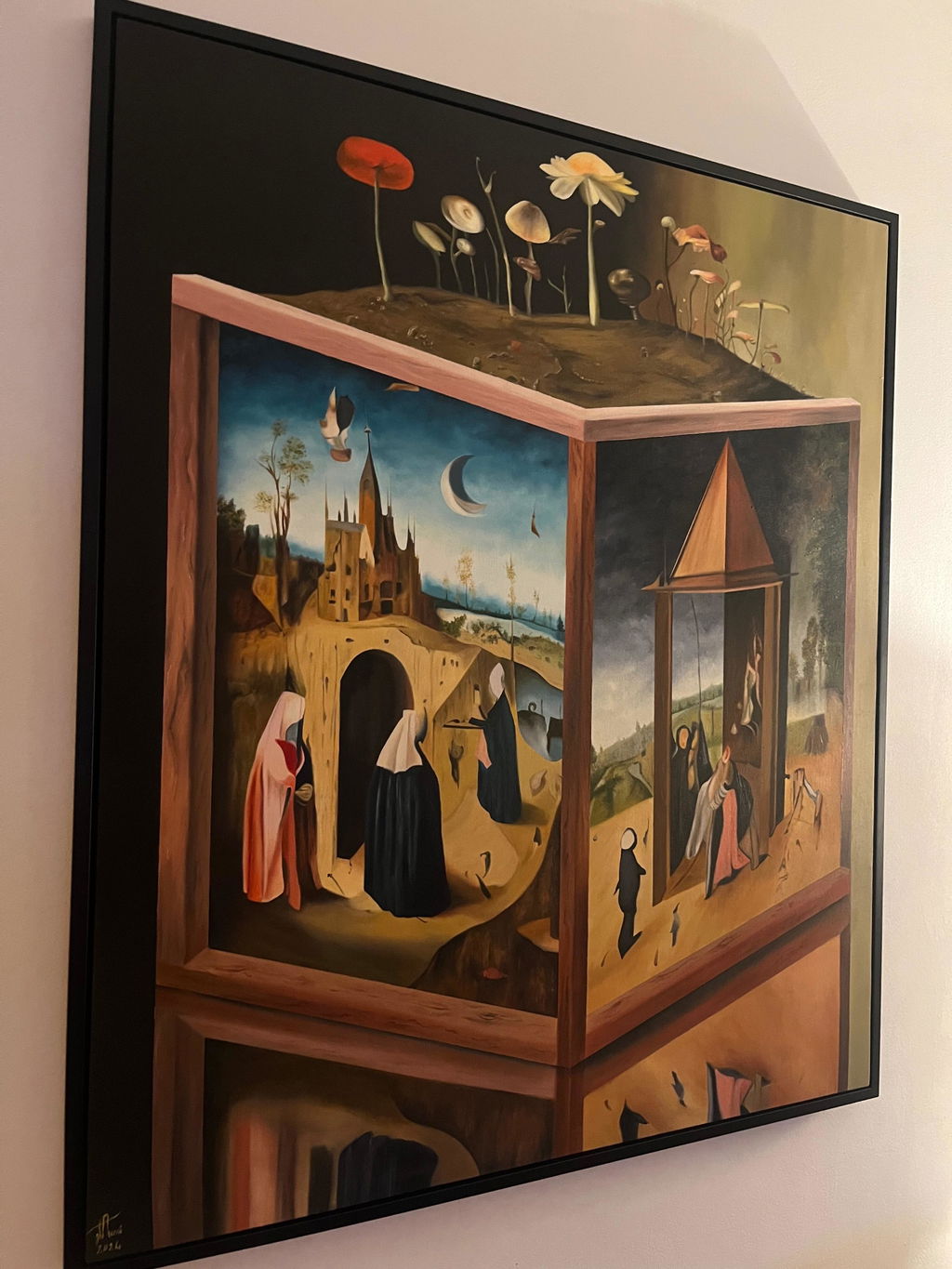
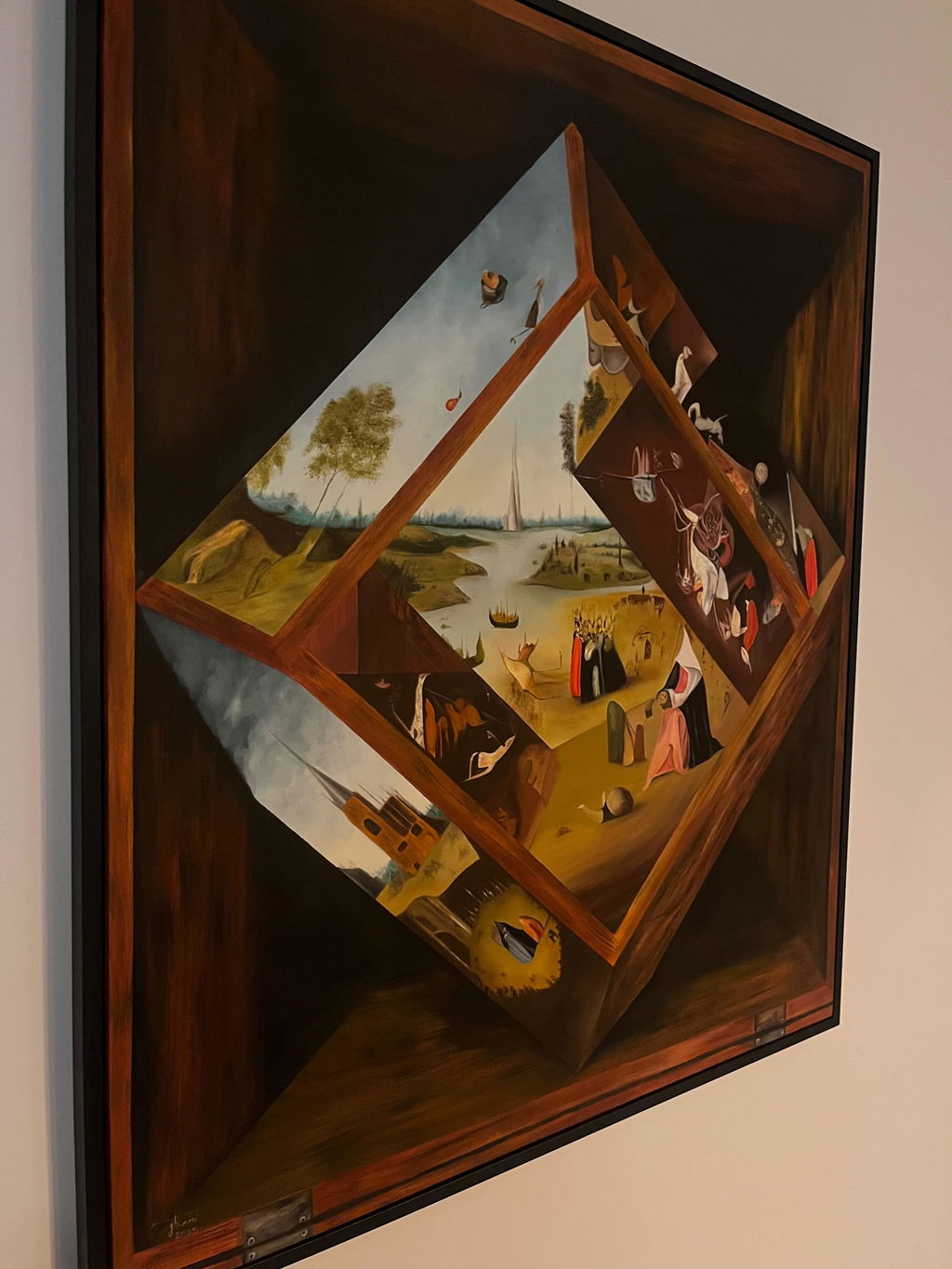
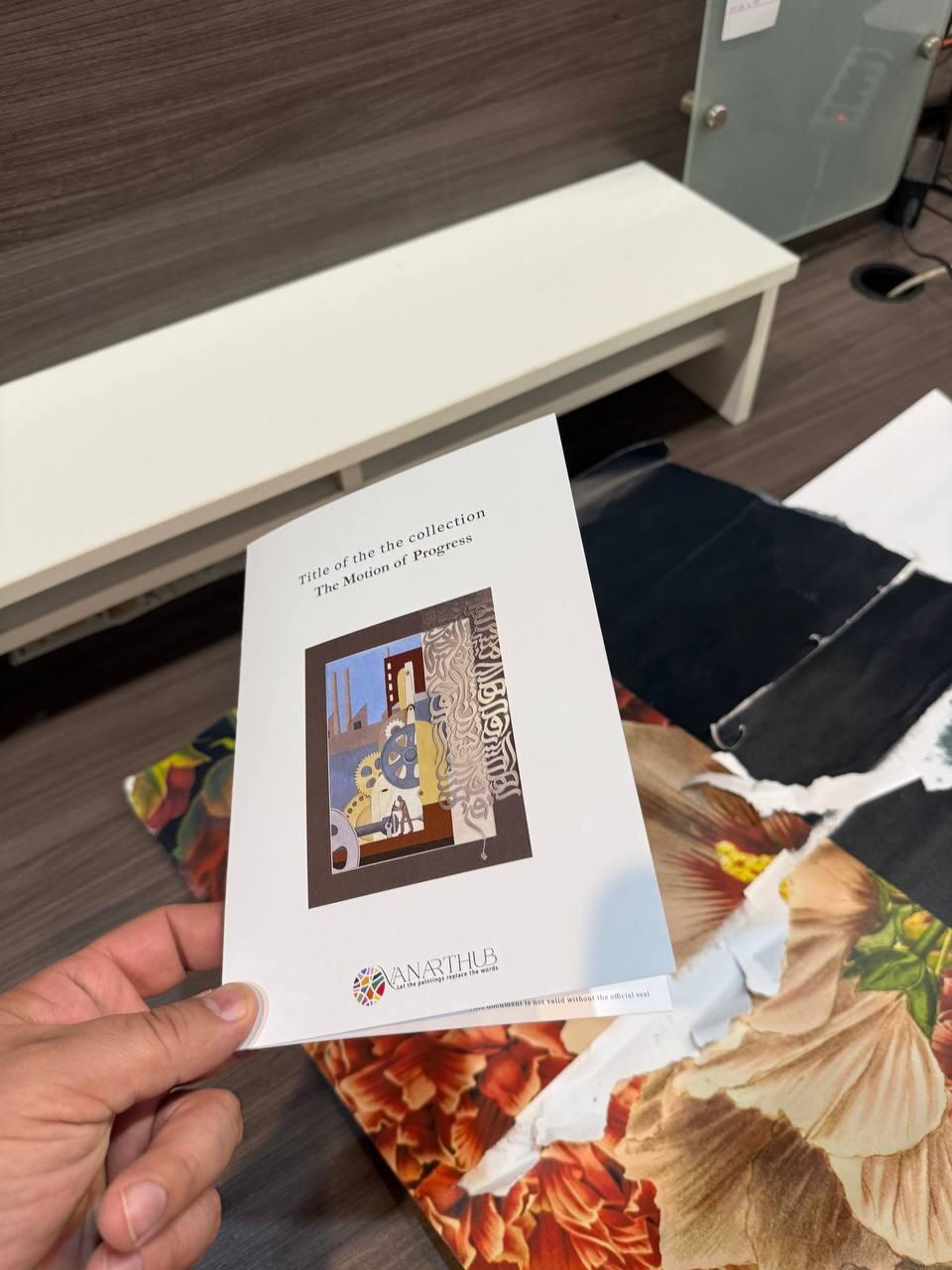
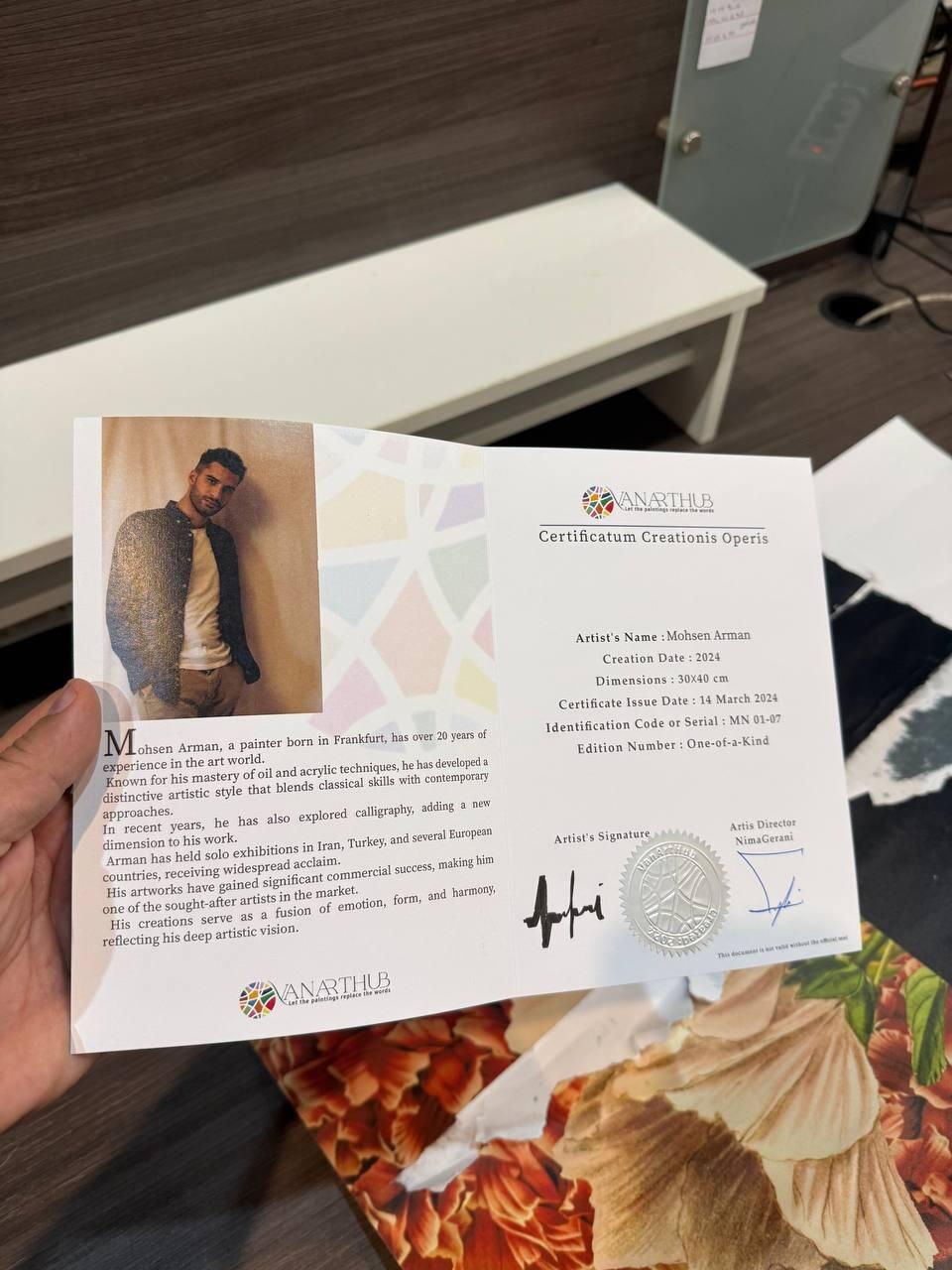
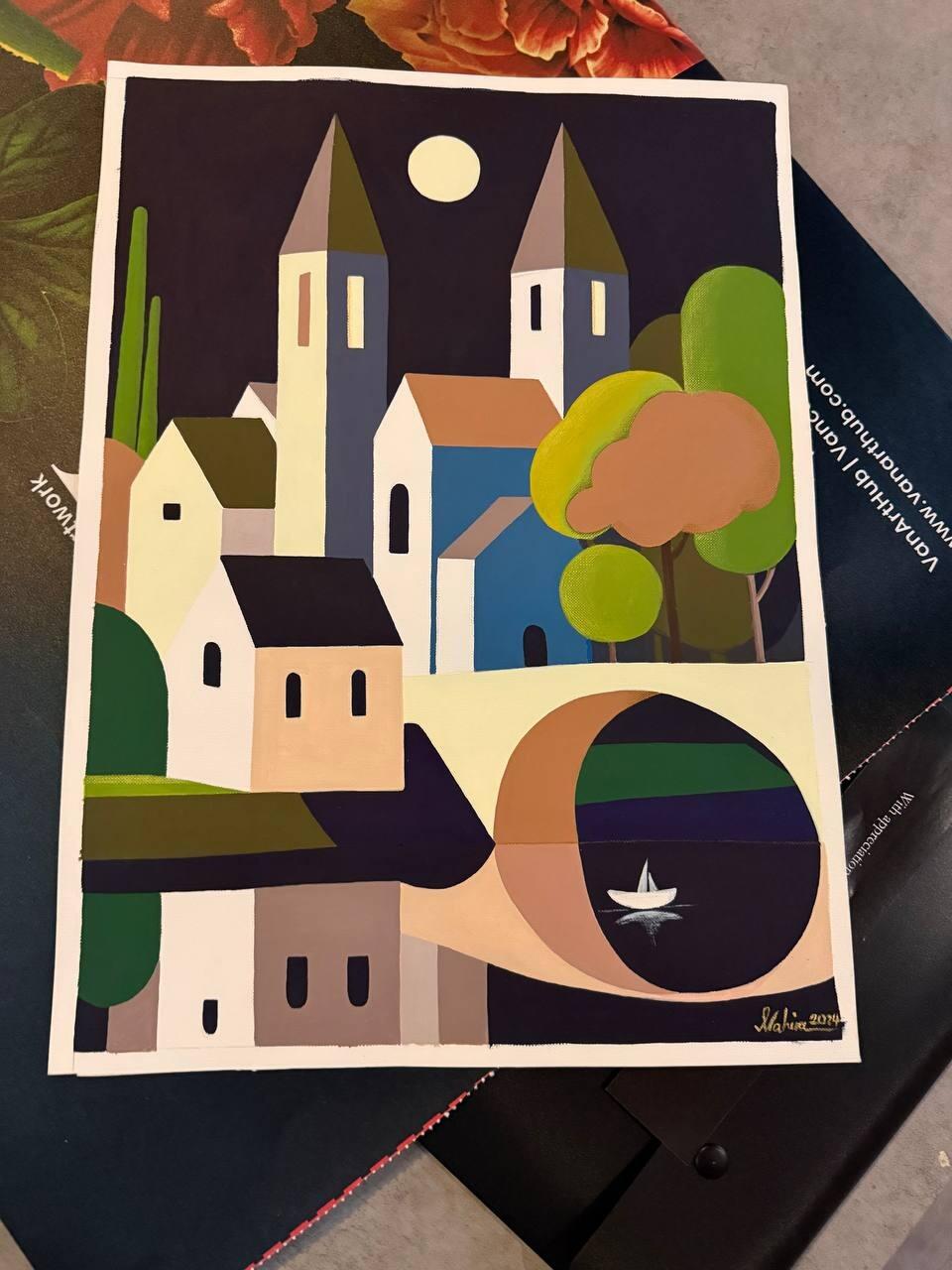
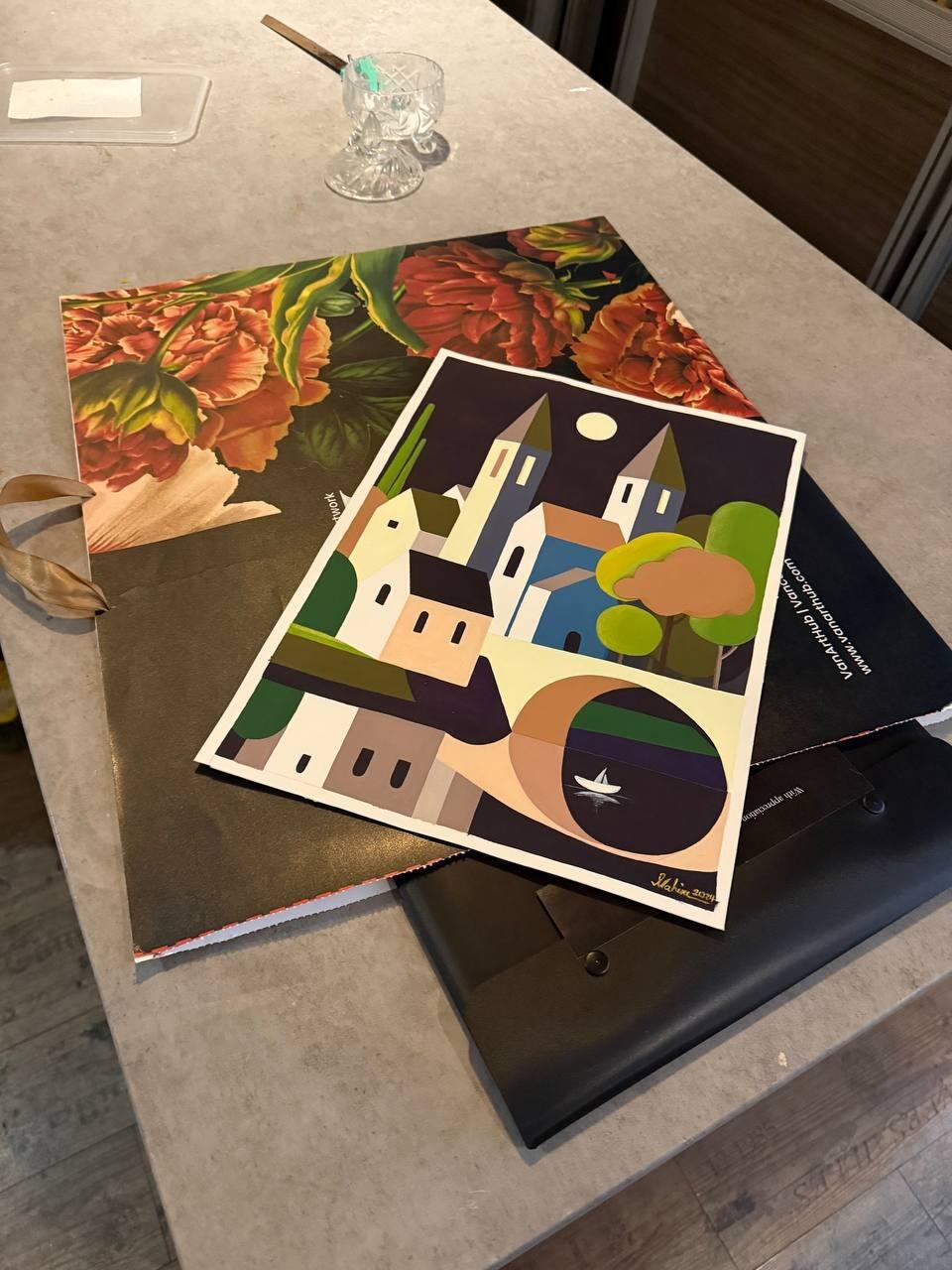
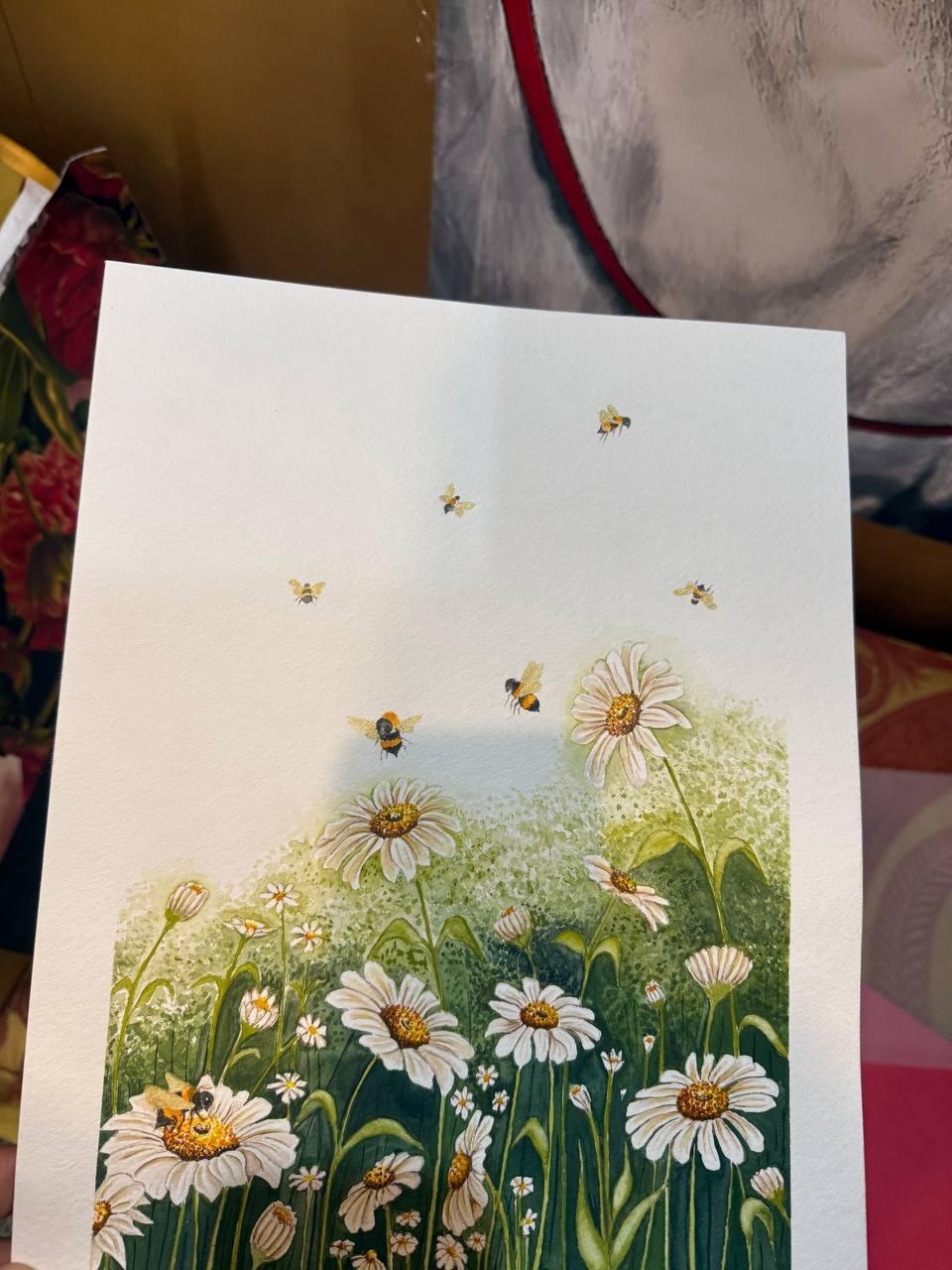
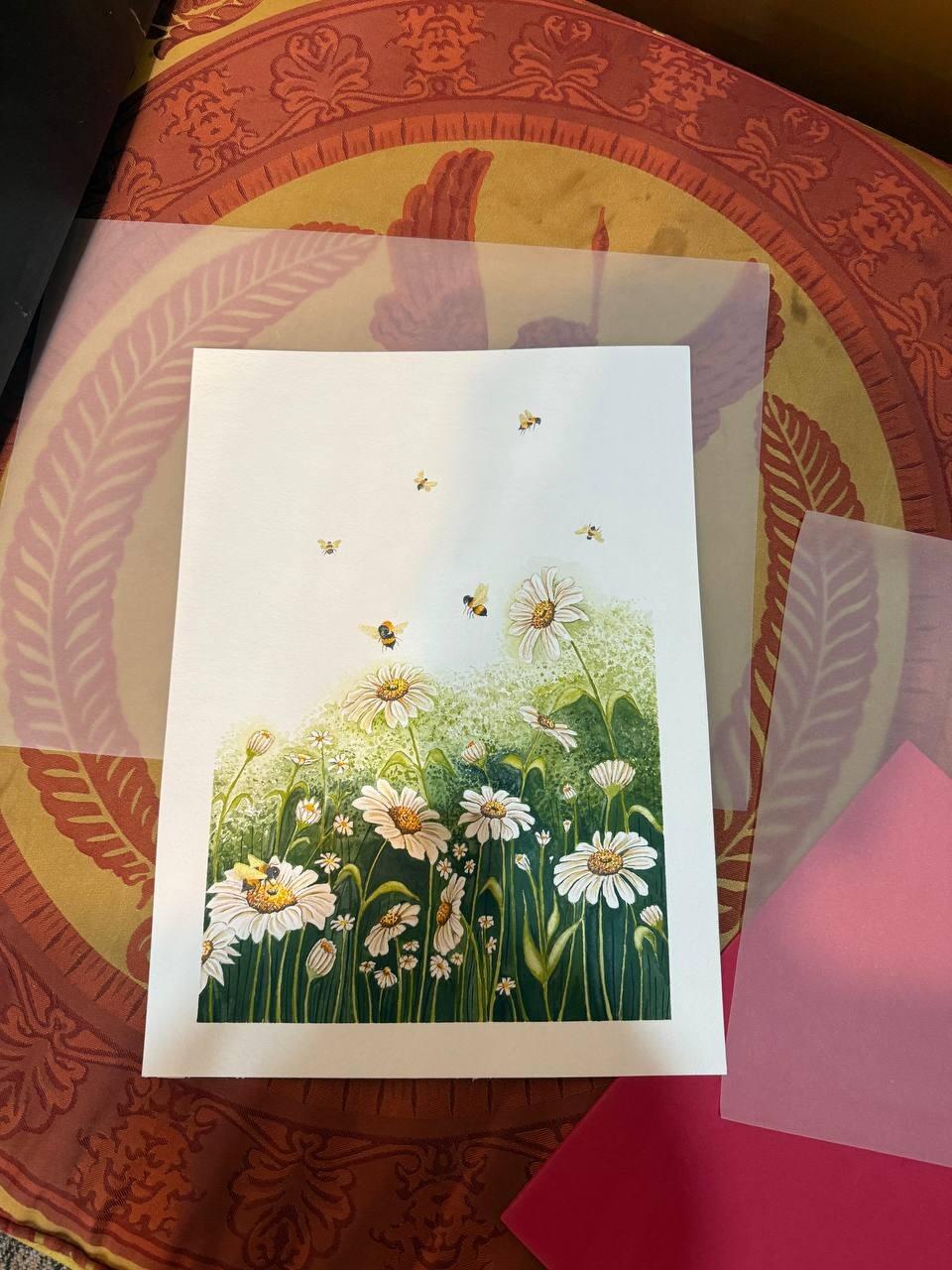
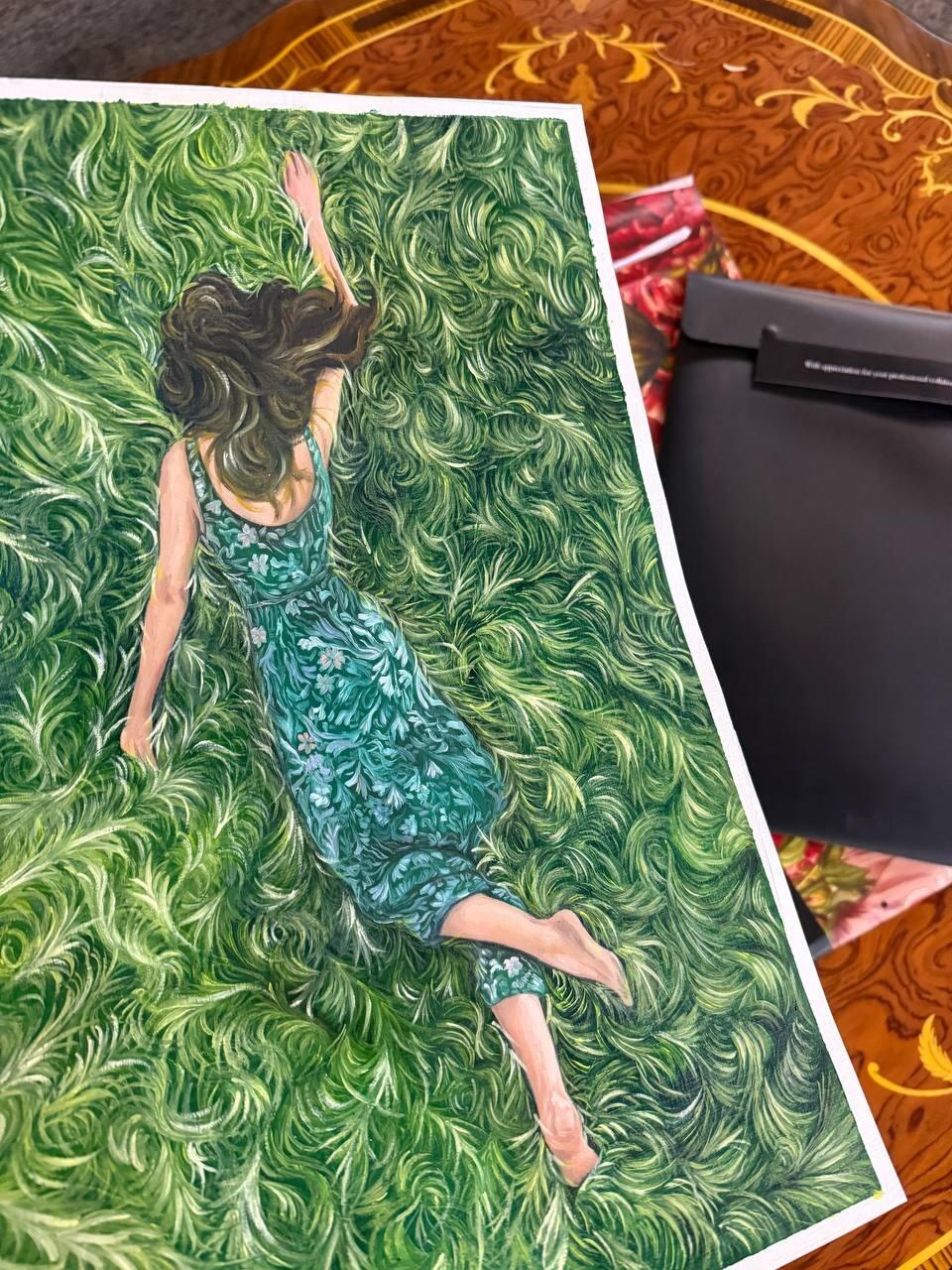
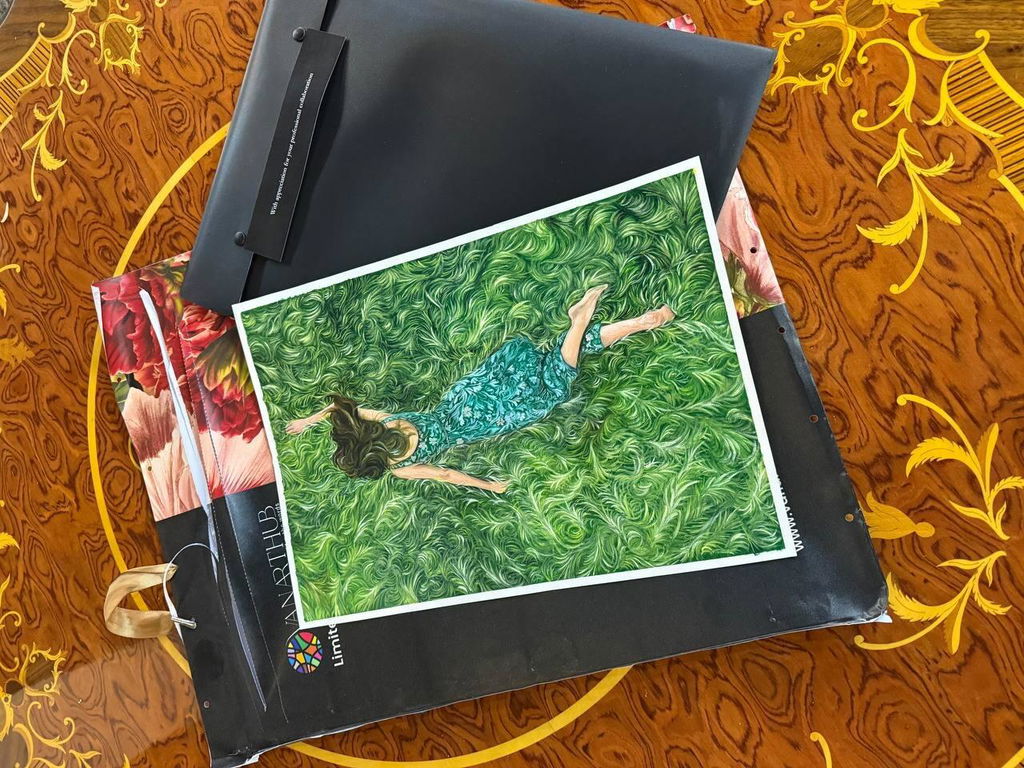
This changes what "value" means. For decades, value in decor often meant new and matching and easy to replace. The direction now points the other way, toward the object you keep for years and pass on. That is the ground VanArtHub already stands on. We sell original, signed, one-of-a-kind paintings by independent Vancouver artists, never prints or reproductions, priced from about $531 to several thousand. You can read our case for that in original art vs prints.
The part that matters most to collectors: how we own art
Making art greener is only half the story. The other half is what happens after you buy it. Most home decor follows a straight line: buy, use, throw away, buy again. A circular model bends that line into a loop, where a piece moves from one owner to the next instead of ending in landfill. For collectors, this is the most concrete change coming, and it is one you can already use.
At VanArtHub this loop is a working promise, not a plan. Our Lifetime Trade-Back lets you return any painting you bought from us, in good condition, at any time, for store credit toward another piece. If your taste changes, or you move, or a wall needs something different, the painting does not get discarded. It comes back to us and finds another home. That is low-waste collecting in practice. We explain the full mechanics in the circular art Trade-Back.
Paired with our 14-day trial (live with a piece, and if it is wrong for the room, return it within 14 days for a full refund with return shipping paid by us), the aim is simple: keep good paintings in use and out of the bin. A hand-made original built to last decades already beats disposable decor replaced every few seasons. Keeping it moving between homes stretches that even further.
A fair word on digital art and energy
Not everything labeled "new" is greener. Some digital art trends carry a real environmental cost. Certain blockchain-based artworks, especially older high-energy systems, used large amounts of electricity to create and trade. Newer systems use far less, but the lesson stands: a format being modern does not make it clean. We mention this only to keep the picture honest. Judge each thing by what it actually costs, not by how futuristic it feels.
Where this actually goes (the honest answer)
We will not pretend to know the ending. A green label with no substance behind it is worse than no label at all, because it teaches buyers to stop trusting the word. What we do trust are the durable ideas underneath the trend: longevity, reuse, care, and direct support for living artists. Those hold up whether or not the term "sustainable art" is still in fashion in ten years. The term "sustainability" itself only entered wide use after the 1987 Brundtland Report, "Our Common Future," so the vocabulary is younger than the practice.
Coming shifts and what each means for you as a collector
| Shift or trend |
What it means for a collector |
| Limits used as a creative starting point |
More original work made from reclaimed or carefully chosen materials, often with a story you can actually tell. |
| Fewer objects, made with more care |
Value shifts toward the piece you keep and pass on, away from disposable, easy-to-replace decor. |
| Circular ownership (works move between homes) |
You can hand a piece back for credit instead of discarding it. At VanArtHub this is the Lifetime Trade-Back, available today. |
| Artists working with scientists and conservators |
Better information on how a painting will age, so you buy something built to last decades, not seasons. |
| Digital and blockchain art |
Check the real energy cost before assuming it is "greener." New format does not mean low impact. |
| More green labels with no substance |
Ask what the claim actually means. Prefer proof (originals, longevity, buy-back) over the word alone. |
Key takeaways
- Sustainability is turning into a source of new ideas for artists, not only a set of rules.
- The bigger shift for collectors is how we own art: circular models keep pieces moving between homes instead of landfill.
- VanArtHub's Lifetime Trade-Back is a working example of that loop, available now, not a future plan.
- "New" is not automatically "greener." Some digital and blockchain art has a real energy cost.
- The durable ideas are longevity, reuse, care, and supporting living artists. Those outlast any trend.
- A green label with no substance is worse than none, because it teaches buyers to stop trusting the word.
Frequently asked questions
What is the future of sustainable art likely to look like?
Most likely fewer objects made with more care, and a stronger focus on how art is owned over time. Artists are treating material limits as a creative starting point, and circular models let works move between homes instead of being thrown away. No one knows the exact path, so treat confident predictions with caution.
Are VanArtHub paintings made from recycled or eco-certified materials?
We do not claim that. Materials vary by artist, from oil to acrylic to mixed media, and we do not label our artists "eco artists." Our real sustainability story is different: original one-of-a-kind paintings built to last decades, kept in use through our Lifetime Trade-Back, with direct support for a living Vancouver artist.
How does the Lifetime Trade-Back make collecting more circular?
It keeps each painting in use instead of sending it to landfill. You can return any piece you bought from us, in good condition, at any time, for store credit toward another work. When your taste or space changes, the painting comes back to us and finds a new home rather than being discarded.
Is digital or blockchain art more environmentally friendly?
Not automatically. Some blockchain-based artworks, especially older high-energy systems, used large amounts of electricity to create and trade. Newer systems use far less. The point is to check the real cost of any format rather than assume that "new" or "digital" means low impact.
Does buying an original really reduce waste compared to a print?
It can, in two ways. An original is a single hand-made object built to last decades, not a mass-produced item made to be replaced. And with our Trade-Back, it can move between owners for years instead of ending up discarded. A cheap print run makes many copies meant to be swapped out.
How do I avoid greenwashing when I buy art?
Ask what the green claim actually means and look for proof behind it. Prefer concrete facts, such as an original built to last, a buy-back or trade-back promise, and a named living artist, over the word "sustainable" on its own. A label with no substance is a warning sign, not a selling point.
Will "sustainable art" still matter in ten years?
The label may fade, but the ideas under it should not. Longevity, reuse, care, and supporting living artists hold up regardless of what the trend is called. The term "sustainability" only entered wide use after the 1987 Brundtland Report, so the vocabulary is younger than the practice it describes.
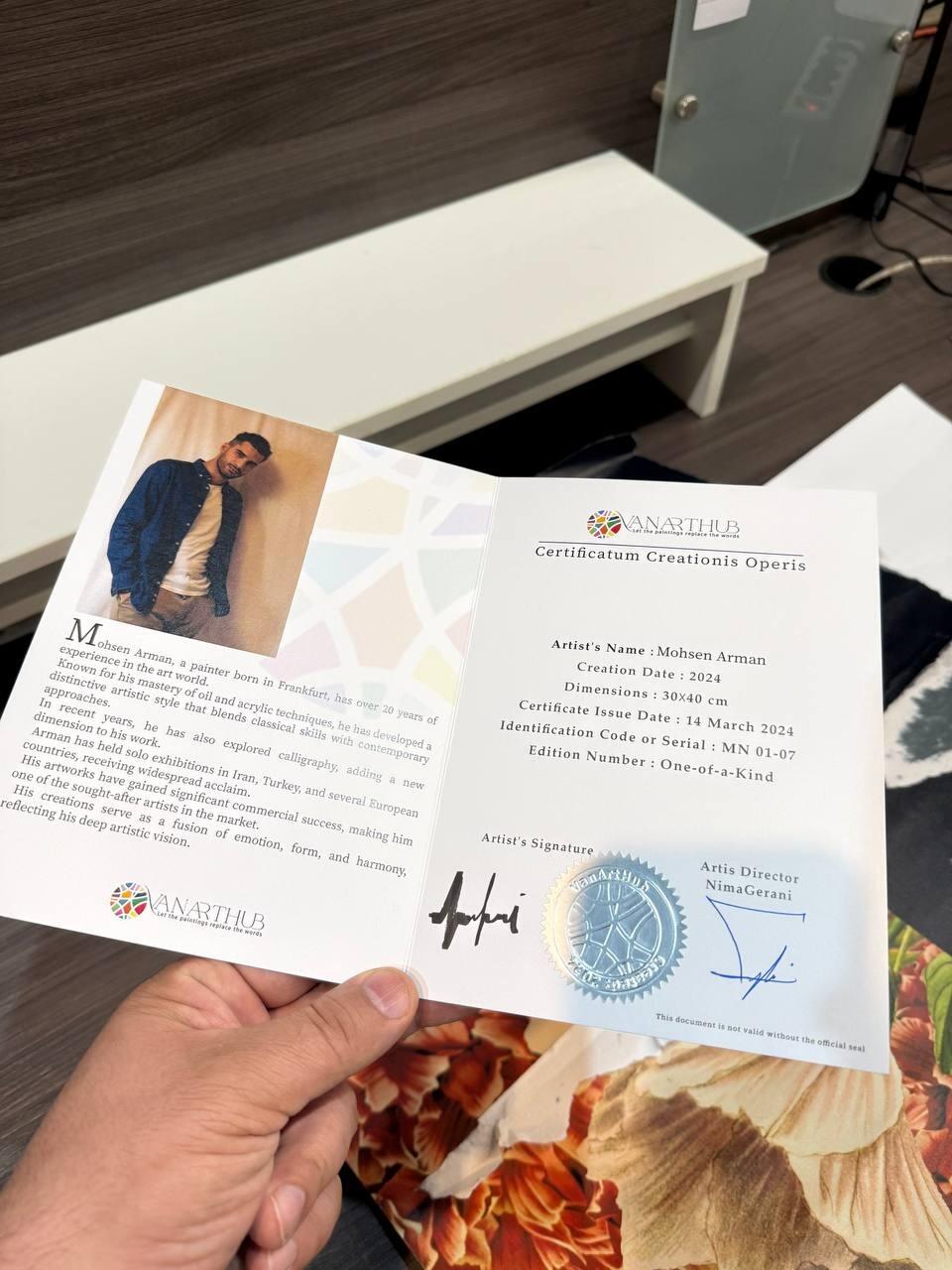
VanArtHub is an online gallery in Vancouver selling original, signed, one-of-a-kind paintings by independent Vancouver artists, never prints or reproductions, each with a Certificate of Authenticity and free insured shipping. If you want the wider picture, start with our pillar on sustainable art, see how the buy-back loop works in the circular art Trade-Back, and learn how to build a collection that lasts in collecting with intention.