People often talk about sustainable art like it started a few years ago, next to reusable bags and electric cars. It did not. The idea that art comes from the earth, uses natural materials, and should last a long time is one of the oldest ideas in art. What we call sustainable art today is a new name for a very old habit.
This page tells that longer story. It runs from cave walls to today's galleries, and it shows how our relationship with nature kept changing along the way.
Art began in the earth
The first paintings were made from the ground itself. Some cave paintings are more than 40,000 years old, and the people who made them used what was around them: charcoal from fire, red and yellow ochres from iron-rich earth, and other mineral pigments dug from the land. There were no factories and no tubes of paint. The color came straight from the soil and the rock.
That matters for our story. Long before anyone wrote the word sustainability, art and the natural world were the same thing. A painting was a piece of the land, moved onto a wall.
Centuries of natural pigments
From ancient times through the Renaissance, artists kept getting their colors from nature, and they had to know their materials well. Ultramarine, the deep blue, was ground from lapis lazuli, a stone so rare it cost more than gold. Verdigris, a green, came from copper. The warm ochres came from iron-rich earth, the same family of pigments the cave painters used.
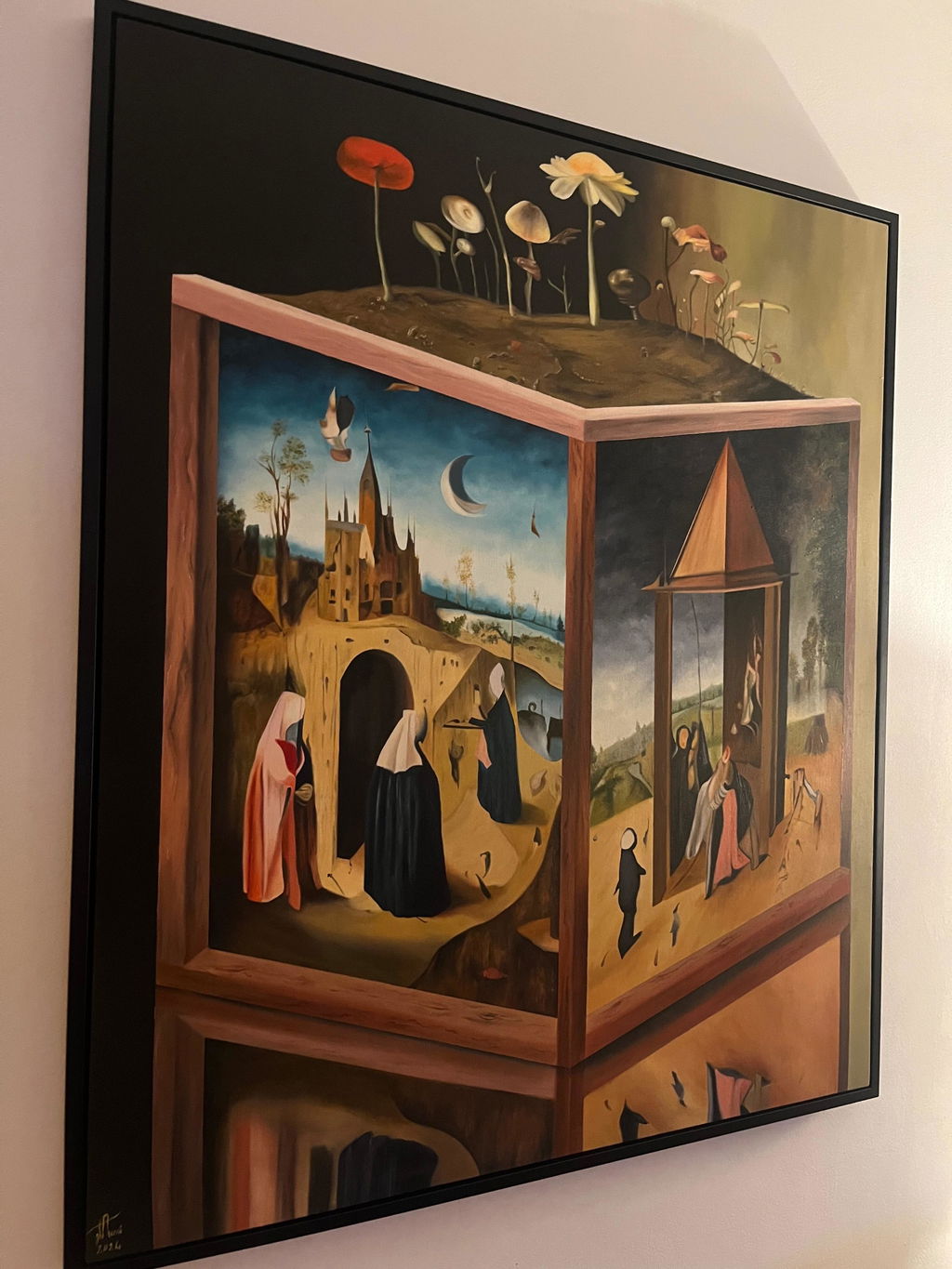
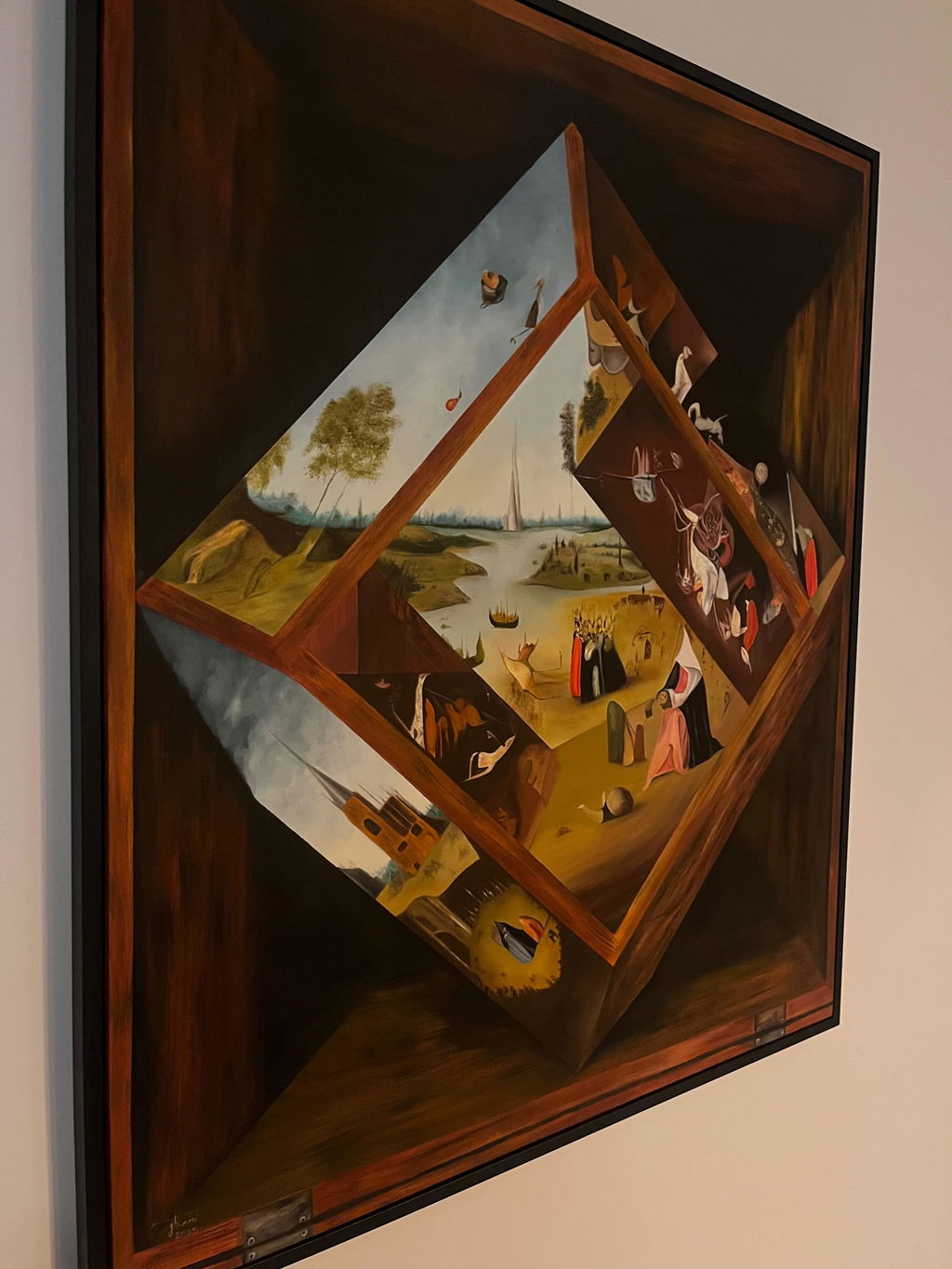
So the history of art is also a history of material knowledge. A painter had to understand where each color came from, how to prepare it, and how to make it last. That care for materials is a thread you can follow all the way to a signed original hanging in a home today.
How people learned to love nature
For a long time, wild places felt dangerous to most people. Mountains, thick forests, and rough coastlines were seen as hard and unfriendly. The Romantic movement, roughly from the late 1700s into the 1800s, changed that. Poets and painters started to show these places as beautiful and worth protecting. This shift in feeling fed later ideas about conservation, the belief that nature has value and should be kept safe.
Industry, and a push back
Industrialisation changed everything, including how people made and bought objects. Machines could produce the same thing thousands of times. In Britain, the Arts and Crafts movement pushed back against this. Led by William Morris, it argued for skilled handwork, honest materials, and objects built to last instead of cheap goods made to be replaced.
You can hear that argument in what a small gallery believes today. A hand-made original built to last for decades is a different thing from disposable decor swapped out every few seasons. The Arts and Crafts idea, longevity and material integrity, is close to the honest part of sustainable art now.
The 20th century: new materials, new worry
The 1900s brought synthetic pigments and new materials made in labs, which gave artists more colors and more freedom. It also brought rising worry about the environment, which grew strong by the 1960s and 1970s. People began to ask what all this making and buying was doing to the planet.
Land Art and eco art
Some artists answered by leaving the gallery and working in the land itself. In 1970, Robert Smithson built Spiral Jetty, a huge coil of rock and earth reaching into a lake. Nancy Holt and Walter De Maria also made large works set directly in the landscape. This became known as Land Art, and environmental art, or eco art, grew alongside it. These artists made nature part of the artwork, not just the subject of it.
When "sustainability" got its name
The word we use now spread widely after 1987. That year the United Nations published the Brundtland Report, titled Our Common Future. It defined sustainable development as meeting the needs of the present without harming the ability of future generations to meet their own needs. That simple sentence gave a name to a feeling many artists already had.
Today's sustainable art builds on all of it: the earth pigments of the cave, the material care of the old masters, the craft values of William Morris, and the environmental awareness of the last century. The idea is broader now. It covers environmental care and cultural responsibility, and it means something a little different to each artist and buyer, because there is no single agreed definition.
A timeline of the long story
How the relationship between art and nature changed over time
| Era |
What changed |
Example |
| Prehistory (40,000+ years ago) |
Art made from the earth itself, using pigments dug from the land |
Cave paintings in charcoal, ochre, and mineral color |
| Antiquity to Renaissance |
Deep knowledge of natural pigments and how to prepare them |
Ultramarine from lapis lazuli, verdigris from copper |
| Romantic movement (late 1700s to 1800s) |
Wild nature reframed as beautiful, feeding conservation ideas |
Mountains and coastlines painted as worth protecting |
| Arts and Crafts (1800s) |
Push back against mass production, valuing handwork and longevity |
William Morris and the Arts and Crafts movement |
| 20th century (1900s) |
Synthetic pigments arrive, and environmental awareness rises |
New lab-made colors, plus green concern by the 1960s to 70s |
| Land Art (1960s to 70s) |
Artists work directly in the landscape as their material |
Robert Smithson's Spiral Jetty, 1970 |
| 1987 onward |
The word sustainability enters wide use with a clear definition |
The UN Brundtland Report, Our Common Future
|
Key takeaways
- Sustainable art is not a new trend. Art has come from the earth and natural pigments since the first cave paintings, more than 40,000 years ago.
- The history of art is also a history of material knowledge, from ultramarine ground out of lapis lazuli to ochres dug from iron-rich earth.
- The Arts and Crafts movement, led by William Morris, championed handwork and longevity against cheap mass production. That value carries into sustainable art now.
- Land Art of the 1960s and 70s, like Robert Smithson's Spiral Jetty, moved art directly into the natural world.
- The word sustainability spread widely after the UN's 1987 Brundtland Report, Our Common Future.
- Buying one lasting, hand-made original continues the oldest idea in this story: care for materials and things built to last.
Frequently asked questions
When did sustainable art actually start?
Sustainable art has no single start date, because the idea is old even though the name is new. Art has used earth pigments since cave paintings over 40,000 years ago. The word sustainability spread widely only after the United Nations Brundtland Report in 1987, but the habit of using natural materials came long before.
What did old paintings get their colors from?
For centuries, artists made colors from nature and had to know their materials well. Ultramarine blue was ground from lapis lazuli, a stone rarer than gold. Green verdigris came from copper, and warm ochres came from iron-rich earth. The history of art is partly a history of this material knowledge.
What is Land Art?
Land Art is a movement from the 1960s and 70s in which artists worked directly in the landscape, using rock, earth, and space as their material. Robert Smithson's Spiral Jetty, built in 1970, is a famous example. Nancy Holt and Walter De Maria made large outdoor works too. Environmental art grew alongside it.
Where does the word "sustainability" come from?
The word spread widely after 1987, when the United Nations published the Brundtland Report, Our Common Future. It defined sustainable development as meeting the needs of the present without harming the ability of future generations to meet their own needs. That sentence gave a name to ideas artists had felt for a long time.
How does the Arts and Crafts movement connect to sustainable art?
The Arts and Crafts movement, led by William Morris in the 1800s, pushed back against mass production. It valued skilled handwork, honest materials, and objects built to last. That is close to the honest part of sustainable art today: a hand-made original meant to last decades, not cheap decor made to be thrown away.
Are VanArtHub paintings made from recycled or eco-certified materials?
We do not claim that, and we will not pretend. Our artists use different materials, including oil, acrylic, colored pencil, and mixed media. Our honest sustainability story is different: original works instead of mass prints, longevity, circular ownership through our Lifetime Trade-Back, and direct support for a living Vancouver artist.
How does buying an original fit this history?
Buying one lasting, hand-made original continues the oldest idea in the story, which is care for materials and things built to last. It is not the same as land art or natural pigments. It is a simple, honest link: an original built for decades keeps art out of the disposable cycle, the way handwork always tried to.
VanArtHub is an online gallery in Vancouver selling original, signed, one-of-a-kind paintings by independent Vancouver artists, never prints or reproductions. If this longer story interests you, start with our pillar guide to sustainable art, then read what sustainable art means and the different types of sustainable art. You can also meet the Vancouver artists whose work carries this old thread of material care into a home today.