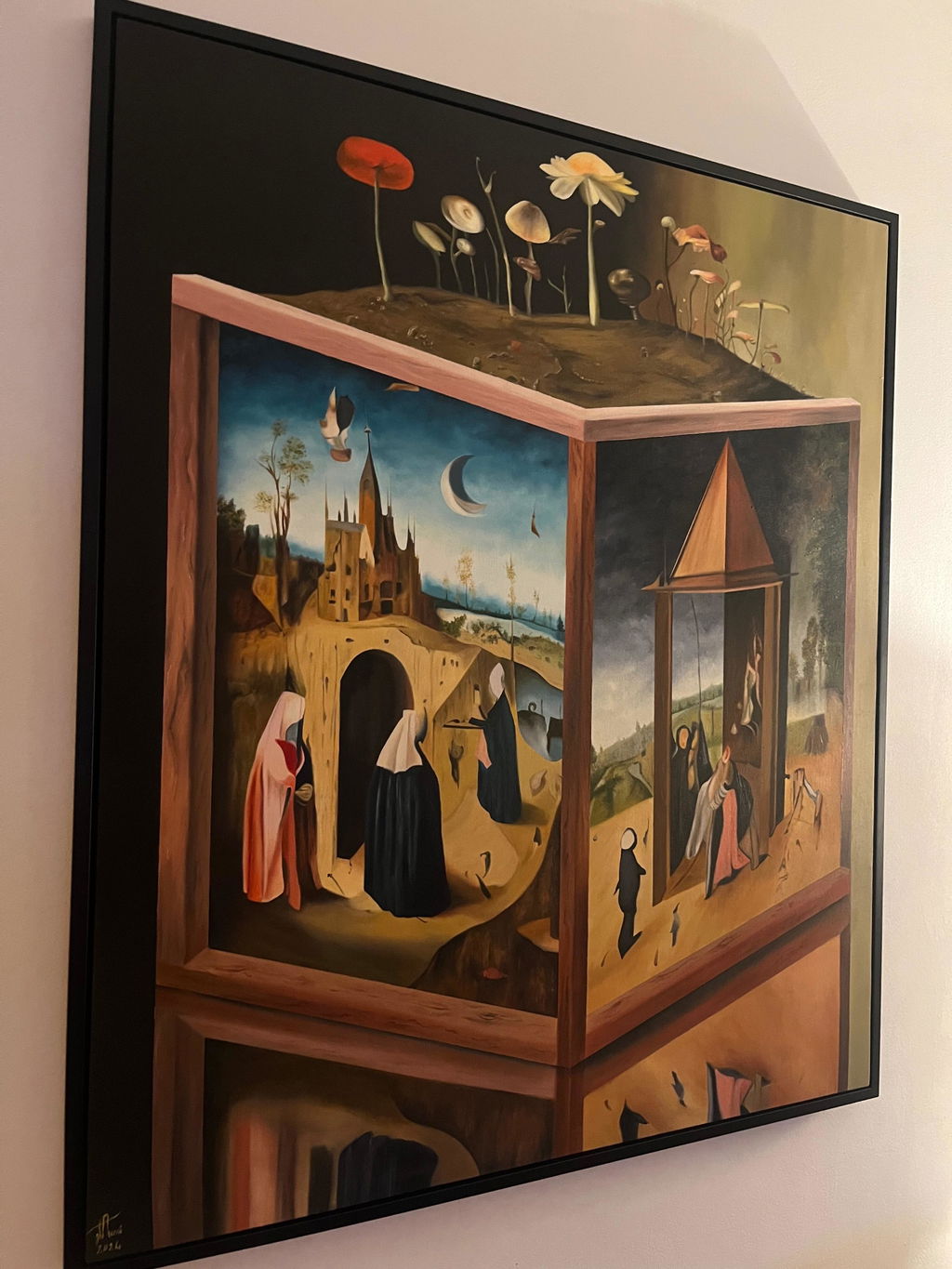
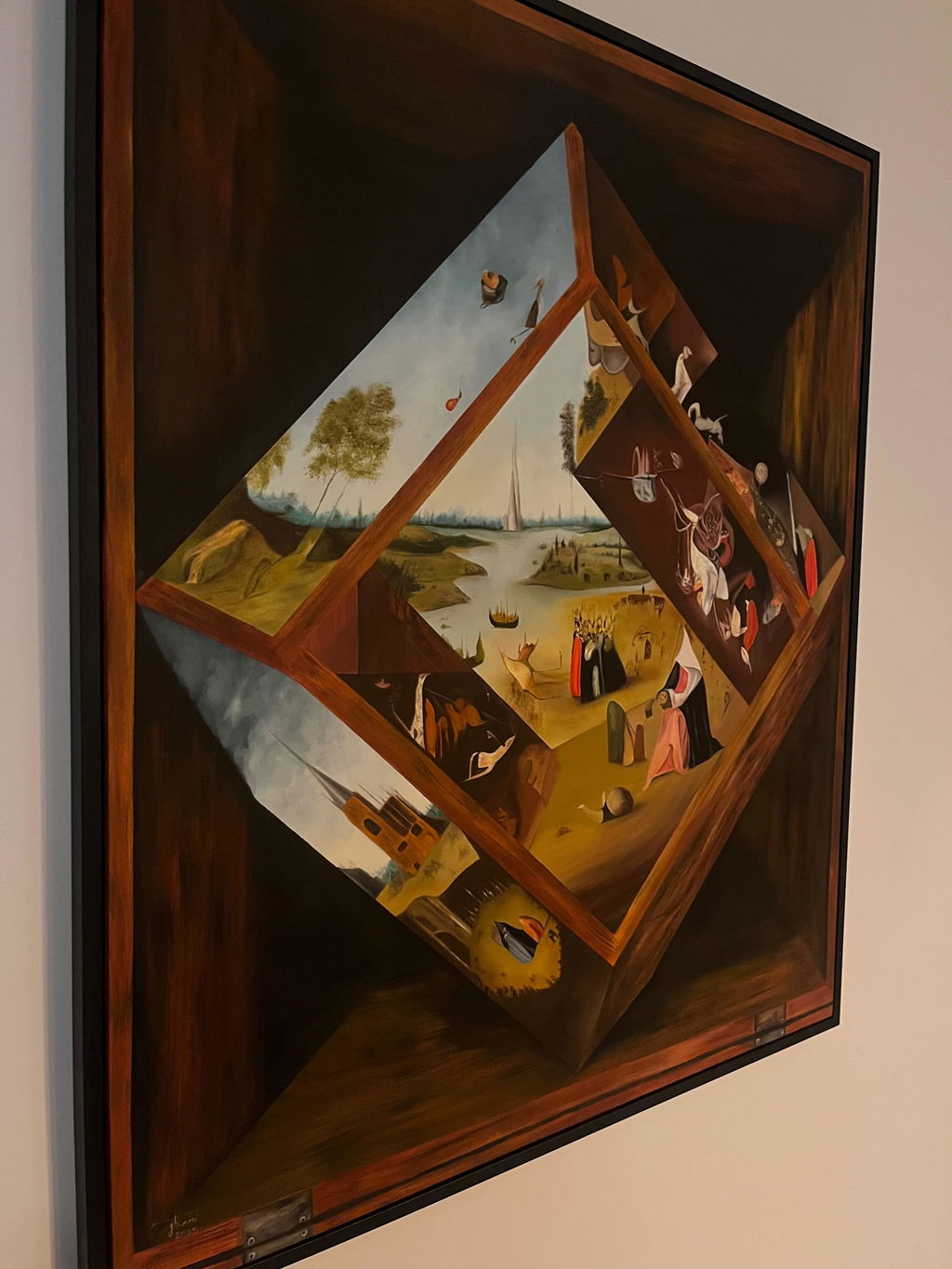
People ask us for "sustainable art" as if there is one style to point to. There is not. Sustainable art is a whole field, with many different ways an artist can work with care. A painter using earth pigments and a sculptor rebuilding a chair from scrap metal are both part of it, and they share almost nothing on the surface. What ties the field together is a question, not a look: in what ways does this work, and my choice to keep it, engage with care?
Below are the main forms you will meet. Read them as overlapping circles, not separate boxes. One painting can sit in two or three at once.
Material innovation: making new work from what others throw away
This form starts with waste. Reclaimed wood, scrap metal, broken tiles, ocean plastic, offcuts from a factory floor. The artist sees a usable resource where most people see a bin. The finished work often keeps a trace of its old life, a bolt hole, a paint mark, a bent edge, and that history becomes part of the meaning.
Material innovation is the most visible form because you can often tell at a glance. It also asks the most of the maker. Turning a pile of pallet wood into something you would hang on a wall takes real skill and a lot of trial and error.
Natural materials: earth pigments, plant dyes, wood, wool, clay, and fibre
Here the artist chooses materials for honesty and long life rather than for waste diversion. Think ground mineral pigments, plant dyes, clay, wool, linen, and wood finished with oil instead of plastic. These materials behave differently from synthetic ones. They can shift a little with light and humidity, and many people count that as a feature, not a fault. The work feels alive because the material is alive.
This is an old idea. William Morris and the Arts and Crafts movement in the 1800s argued for honest, hand-made objects built from real materials, made to last, against cheap factory goods. If you want a fuller picture of the substances themselves, our guide to eco-friendly art materials walks through pigments, binders, and surfaces one by one.
Ecological themes: art about biodiversity, water, and changing land
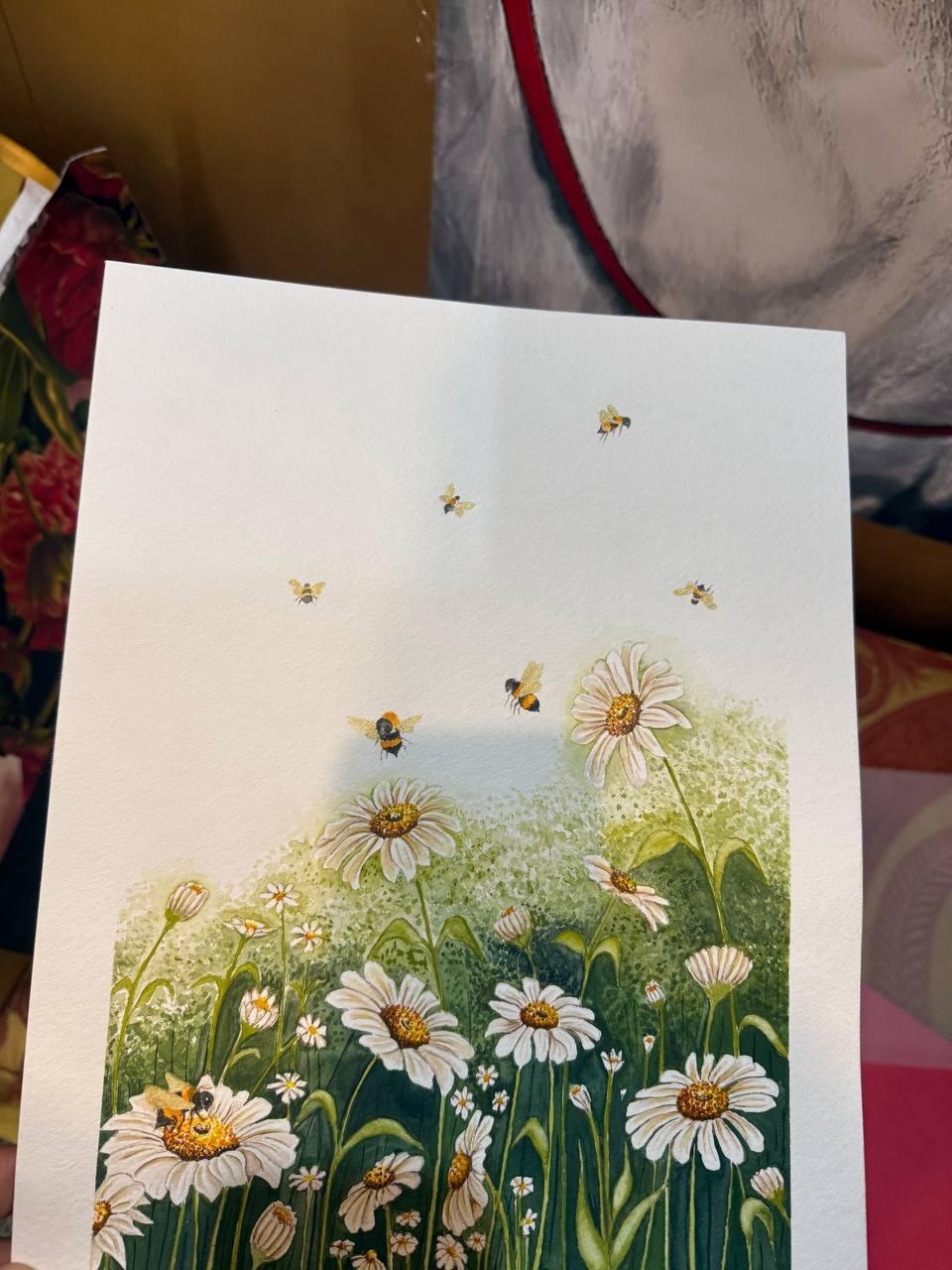
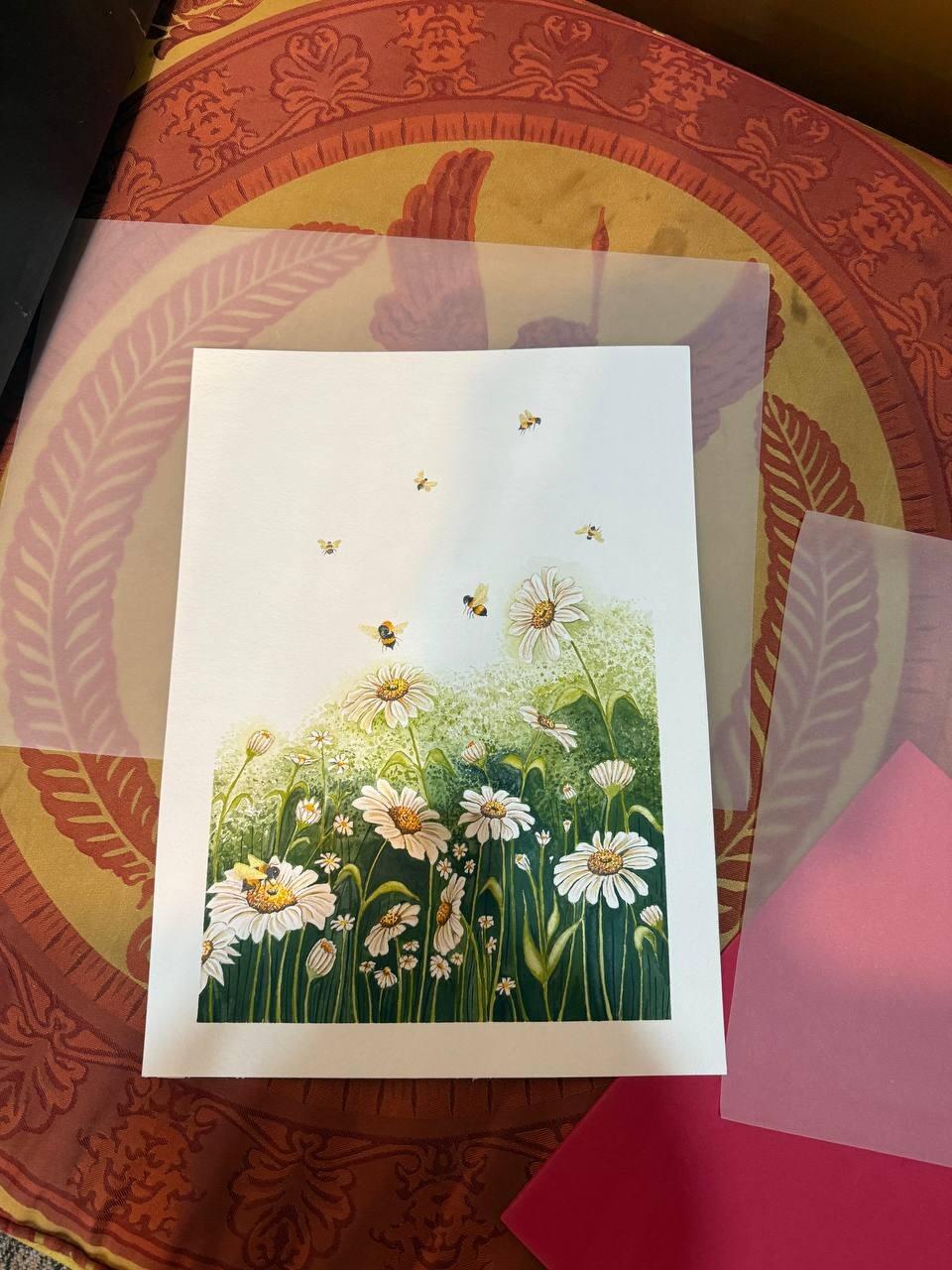
This form is about subject, not material. The work is about nature: a river, a forest edge, a species in decline, the way a coastline is changing. The materials might be ordinary oil and canvas. What makes it part of the field is that it helps you notice and value the living world, and it can make you care about a place you have never stood in.
Some of the field's earliest famous works sit here, on a huge scale. Robert Smithson built Spiral Jetty in 1970, a coil of rock and earth reaching into the Great Salt Lake, a work that changes as the water rises and falls. You do not need land art on that scale to take part. A quiet painting of Canadian forest can do the same job in a living room, which is part of why our Canadian nature art and the nature collection connect so naturally to this idea.
Slow attention and care: sustainability as a way of looking
This one is more of an idea than a material choice, and it comes from within the field itself. The argument goes like this: a throwaway culture trains us to glance and move on. Art that rewards slow looking pushes back. A piece you keep for years, and keep noticing new things in, teaches a kind of patience. Some artists and writers treat this attention as a form of sustainability in itself, a way of paying attention rather than consuming.
We think there is truth in this, and we also think it is the hardest form to prove. Treat it as a lens, not a label. If a work still holds you after the first month, it is doing something a poster never will.
Longevity and reuse: the quiet form most collectors can actually act on
The four forms above are mostly about how an artist works. This last one is about how you collect, and it is the one almost any buyer can do something about today. It is simple: choose one lasting original instead of a stack of disposable decor, and keep it in use.
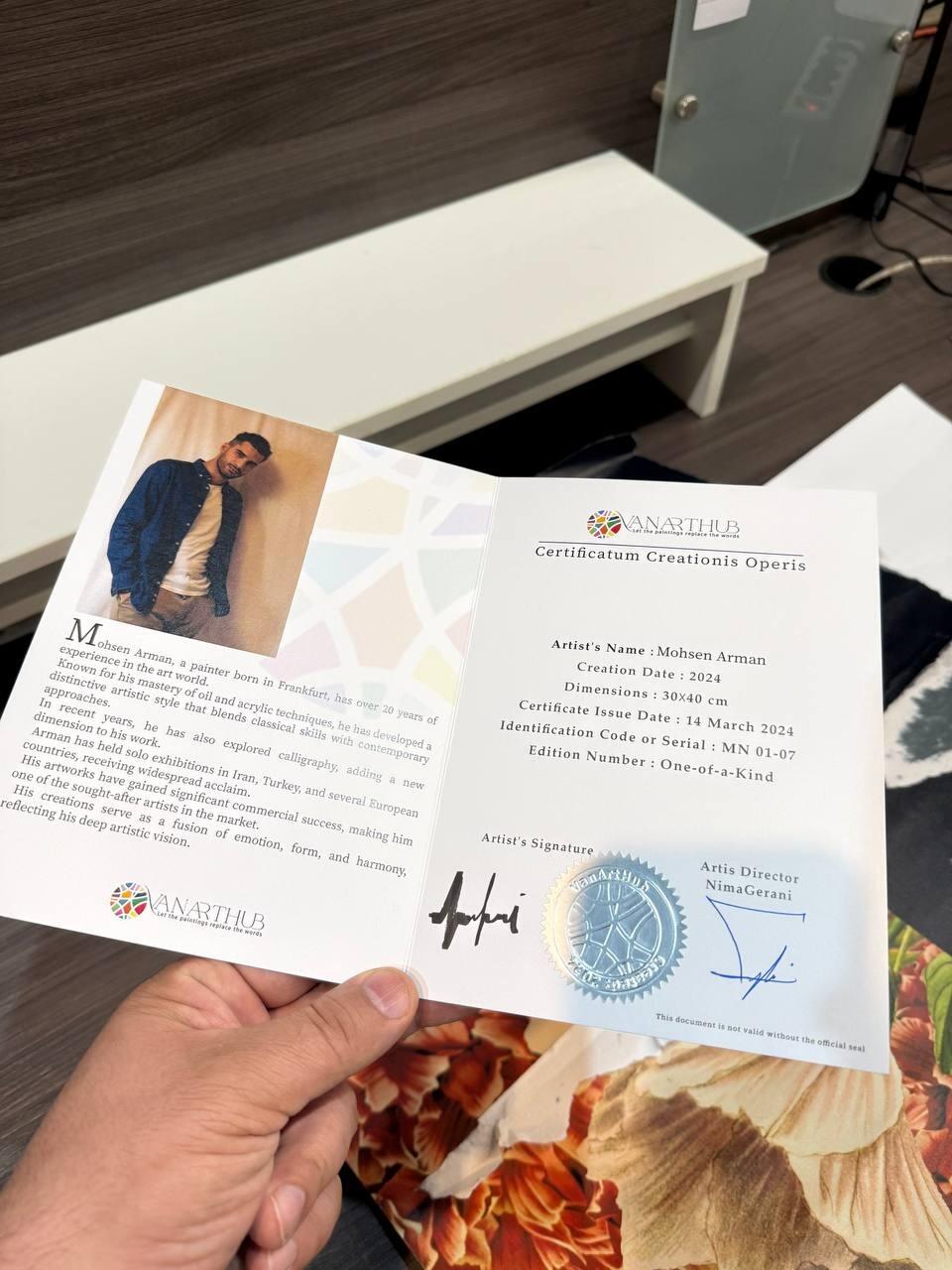
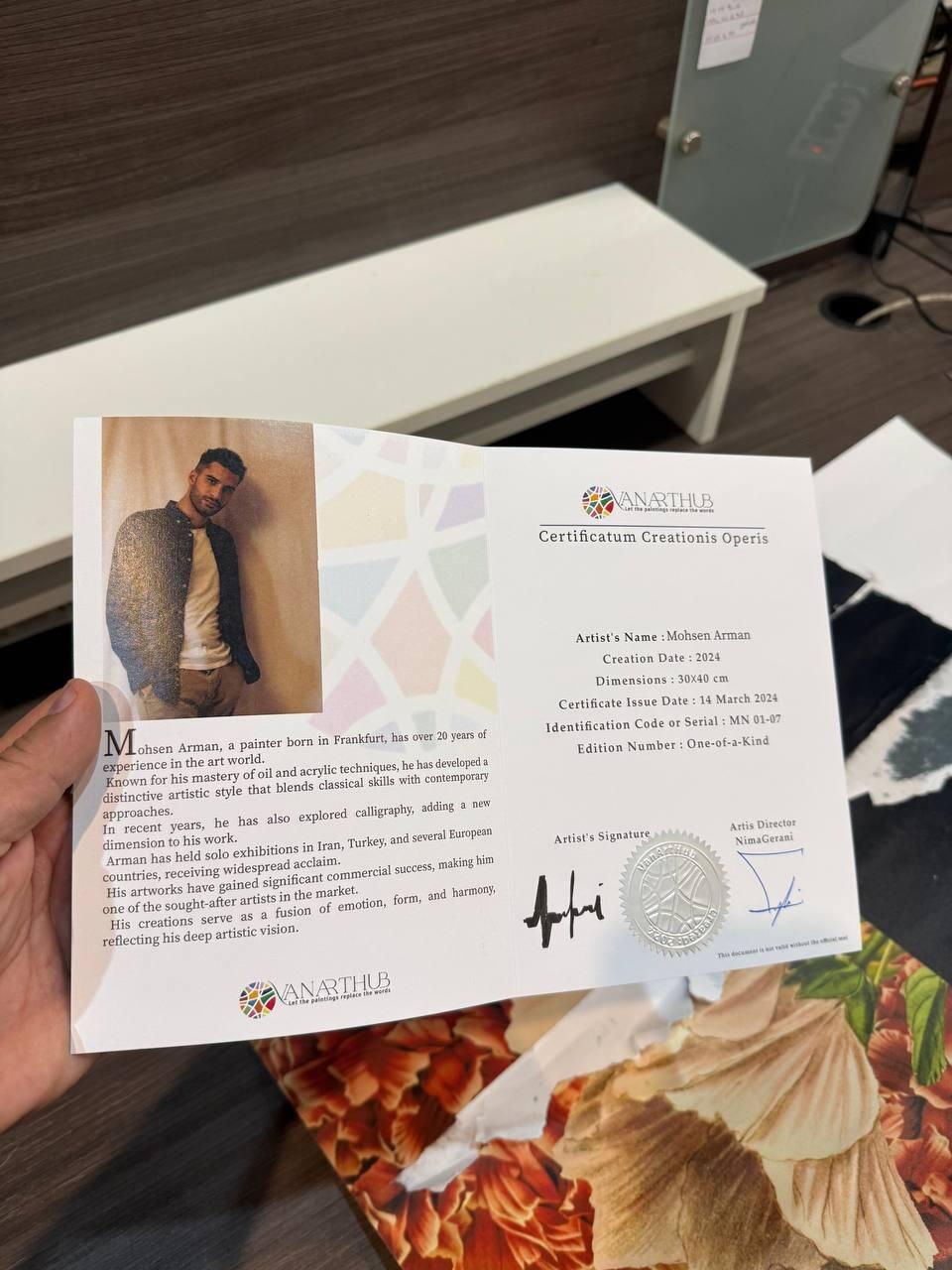
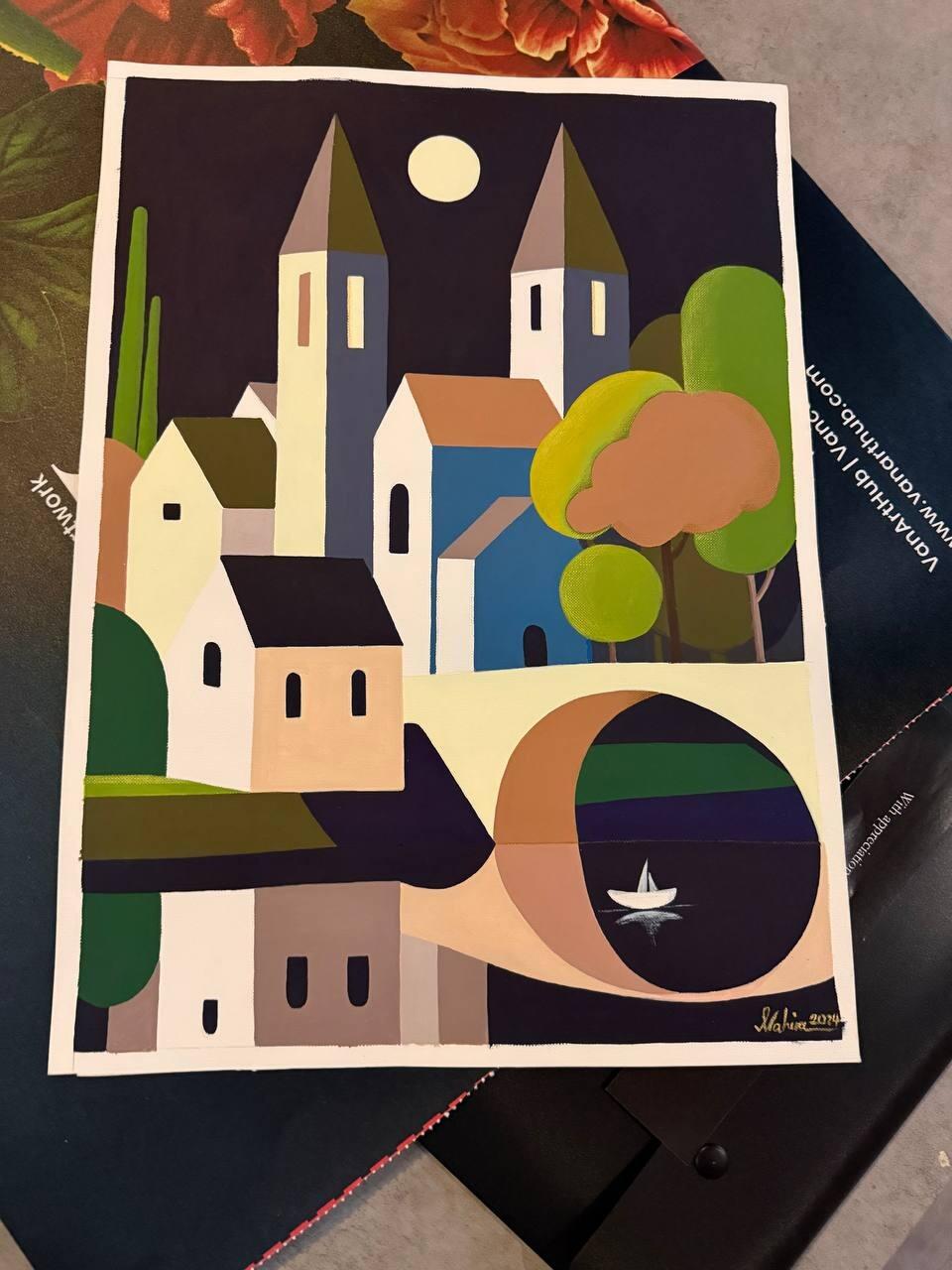
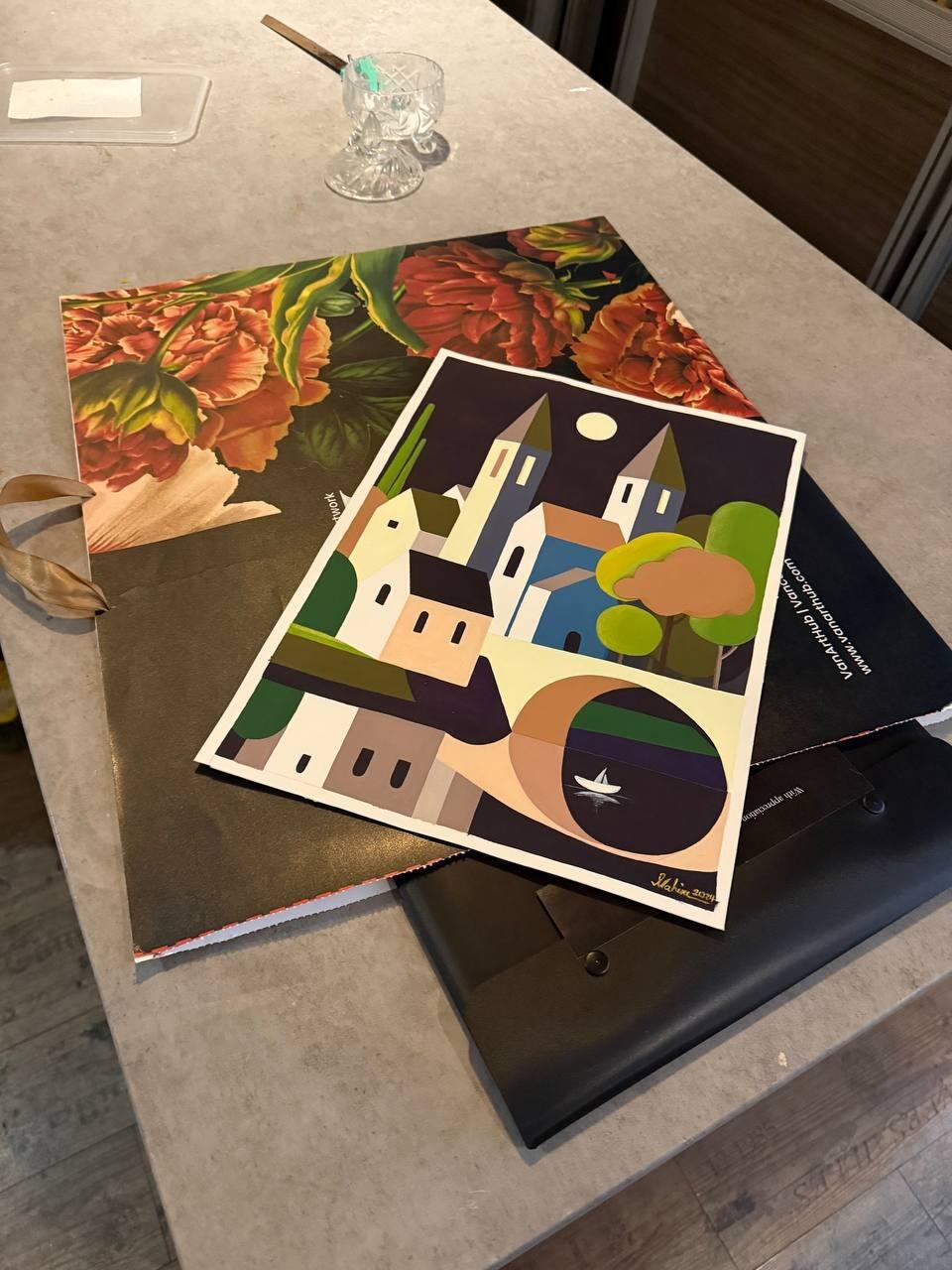
This is the honest edge of what we do at VanArtHub, and we will not stretch it further than the truth. We are an online gallery in Vancouver selling original, signed, one-of-a-kind paintings. Never prints or reproductions. Our real sustainability story is four provable things, and material recycling is not one of them:
-
Originals, not mass-produced prints. Nothing churned out at factory scale, nothing made to be thrown away.
-
Longevity. A hand-made painting built to last for decades, not seasonal decor swapped out every year or two.
-
Circular ownership. Our Lifetime Trade-Back lets you return any painting in good condition, any time, for store credit, so a piece moves to a new home instead of to landfill.
-
Direct support for a living Vancouver artist.
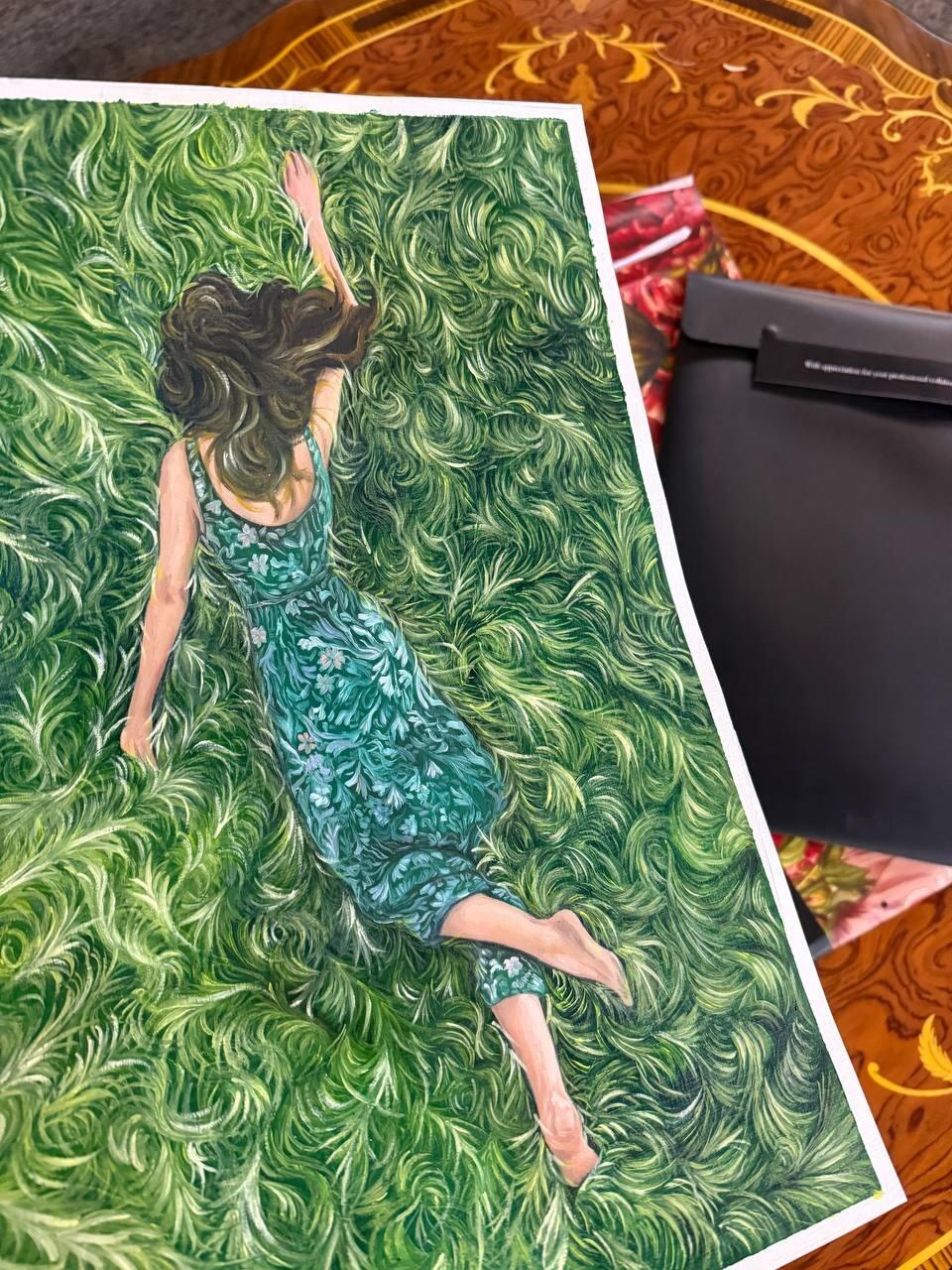
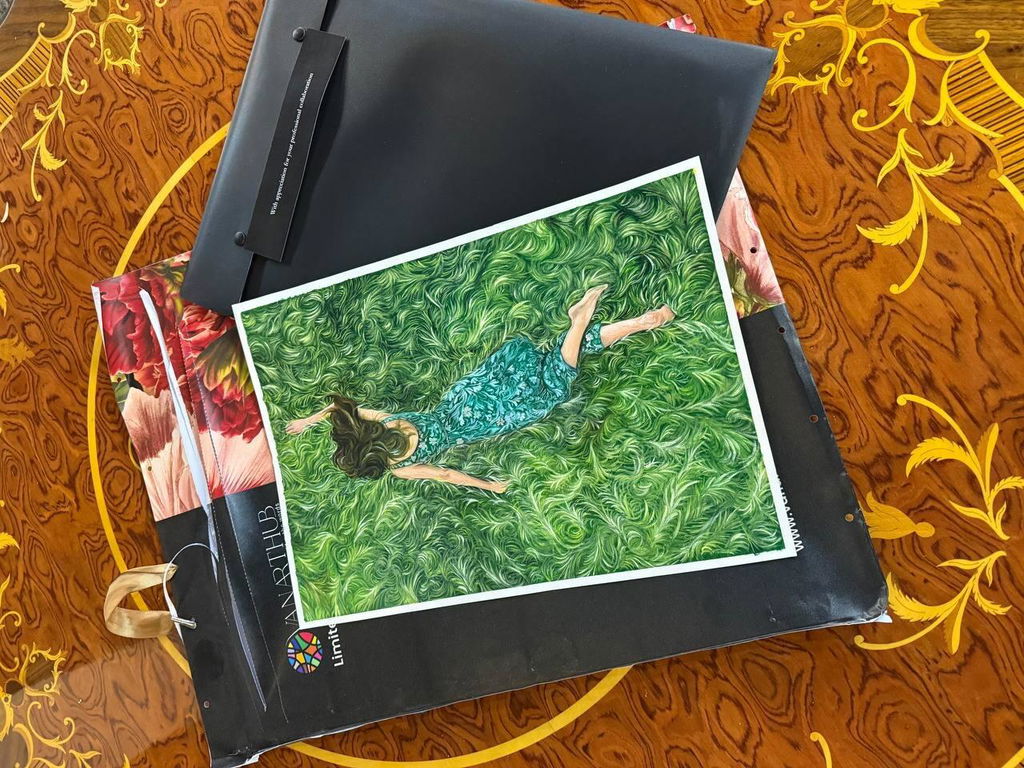
Our artists paint in oil, acrylic, colored pencil, and mixed media. We do not claim their materials are recycled or eco-certified, because materials vary by artist and honesty matters more than a nice-sounding claim. What we can promise: a real object, made once, built to stay. If you want the full case, see why collect sustainable art.
The forms at a glance
The main forms of sustainable art, and how a collector engages with each
| Form |
What it means |
How a collector engages with it |
| Material innovation |
New work made from waste, reclaimed resources, or industrial by-products. |
Look for pieces that reuse real materials, and value the history the material carries. |
| Natural materials |
Earth pigments, plant dyes, wood, wool, clay, and fibre, chosen for honesty and long life. |
Ask what a work is made from, and accept that natural materials age and respond to their room. |
| Ecological themes |
Work about biodiversity, water, changing land, and how living things depend on each other. |
Choose subjects that make you notice and value nature, and live with them daily. |
| Slow attention and care |
Work that rewards slow looking, treated by some in the field as a form of sustainability. |
Keep a piece you can look at for years and still find new things in. |
| Longevity and reuse |
Choosing one lasting original and keeping it in use, instead of disposable decor. |
Buy an original built to last, and keep it moving between homes rather than to landfill. |
You do not have to pick one
There is no official checklist and no single aesthetic. A painting can use natural pigments (natural materials), show a threatened coastline (ecological themes), reward years of slow looking (attention), and be an original you keep for life (longevity) all at once. Do not chase a label. Ask the better question instead: in what ways does this artist, and my choice, engage with care? Then decide what matters most to you.
Key takeaways
- Sustainable art is a field with several forms, not one style, and no official checklist decides what counts.
- The main forms are material innovation, natural materials, ecological themes, slow attention, and longevity and reuse.
- A single work can belong to more than one form at the same time.
- The form most collectors can act on today is longevity and reuse: choose one lasting original and keep it in use.
- VanArtHub's real, provable story is originals not prints, long life, circular ownership through Trade-Back, and direct support for a Vancouver artist. We do not claim recycled or eco-certified materials.
- The most useful question is not "is this sustainable?" but "in what ways does this work, and my choice, engage with care?"
Frequently asked questions
Is sustainable art a single style?
No. It is a field with several forms, not one look. A painter using earth pigments and a sculptor rebuilding scrap metal are both part of it, and they share almost nothing on the surface. What connects them is a shared concern with care, in materials, subject, or how long the work lasts, not a common aesthetic.
What are the main forms of sustainable art?
The main forms are material innovation (using waste and reclaimed materials), natural materials (earth pigments, plant dyes, wood, wool, clay, fibre), ecological themes (work about nature and interdependence), slow attention (work that rewards long looking), and longevity and reuse (choosing one lasting original and keeping it in use).
Can one artwork belong to more than one form?
Yes, and many do. A painting can use natural pigments, show a changing landscape, reward years of slow looking, and be an original you keep for decades, all at the same time. The forms are overlapping circles, not separate boxes. Do not expect a work to fit neatly into just one.
Are VanArtHub paintings made from recycled or eco-certified materials?
We do not claim that. Materials vary by artist and include oil, acrylic, colored pencil, and mixed media. Our honest sustainability story is different: original works not mass-produced prints, long life, circular ownership through our Lifetime Trade-Back, and direct support for a living Vancouver artist.
Which form can I, as a collector, actually act on?
Longevity and reuse. You can choose one lasting original instead of disposable decor and keep it in use for decades. Our Lifetime Trade-Back lets you return a painting in good condition any time for store credit, so it moves to a new home rather than to landfill.
Does the subject of a painting make it sustainable?
It can be part of it. Work about biodiversity, water, or changing land helps us notice and value nature, which is one recognised form of the field. But subject alone is not a full definition. How the work is made and how long it lasts matter too. There is no single checklist.
What is the best question to ask when judging sustainable art?
Ask "in what ways does this artist, and my choice, engage with care?" rather than "is this sustainable, yes or no?" The field has no official checklist, so a yes-or-no test misleads. The better question lets you weigh materials, subject, and longevity together and decide what matters most to you.
VanArtHub is an online gallery in Vancouver selling original, signed, one-of-a-kind paintings by independent Vancouver artists, never prints or reproductions, each with free insured shipping, a 14-day trial, and a Lifetime Trade-Back. To see where these forms fit together, start with our pillar guide to sustainable art, then read about eco-friendly art materials and why collecting a sustainable original is worth it.