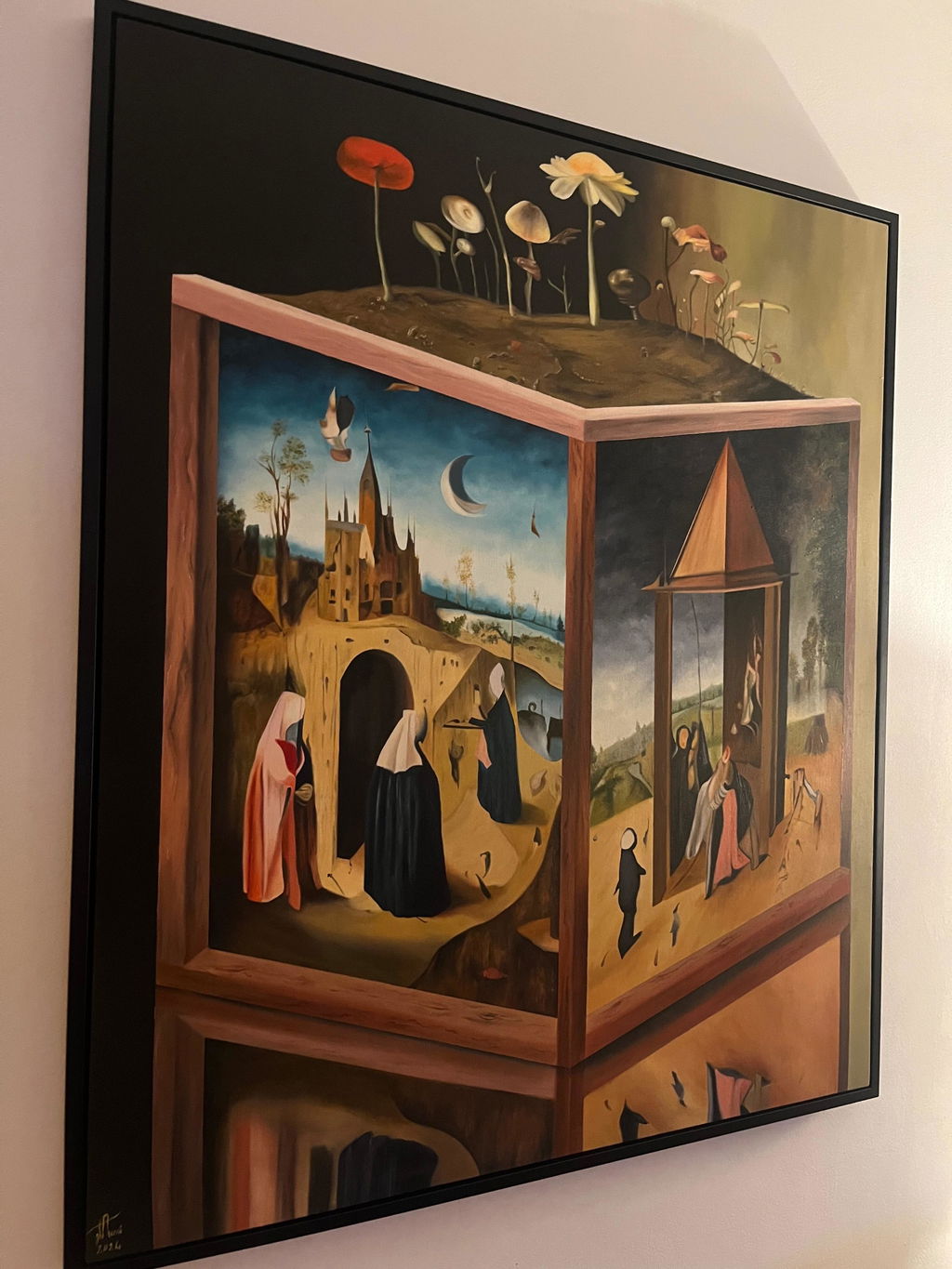
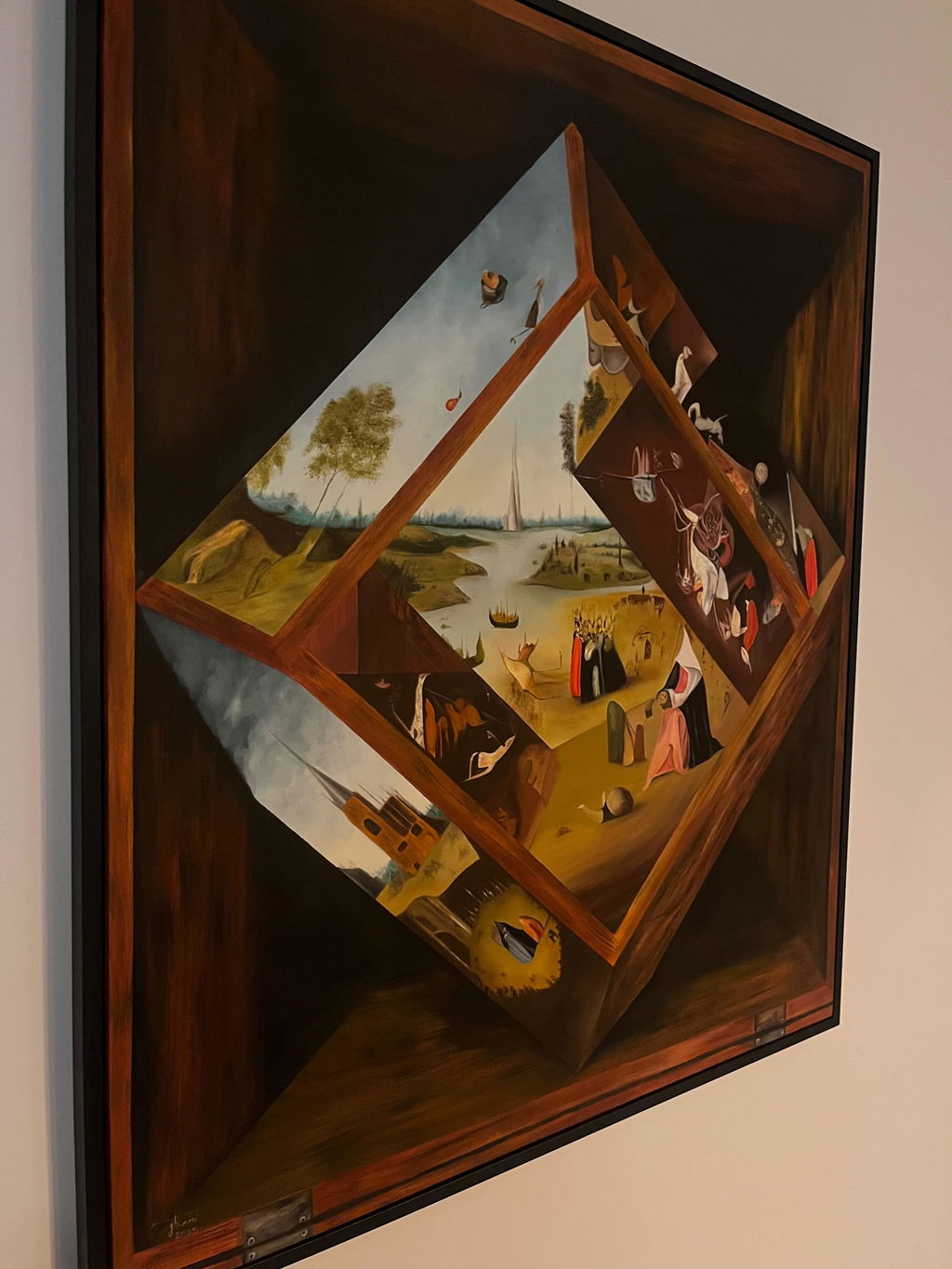
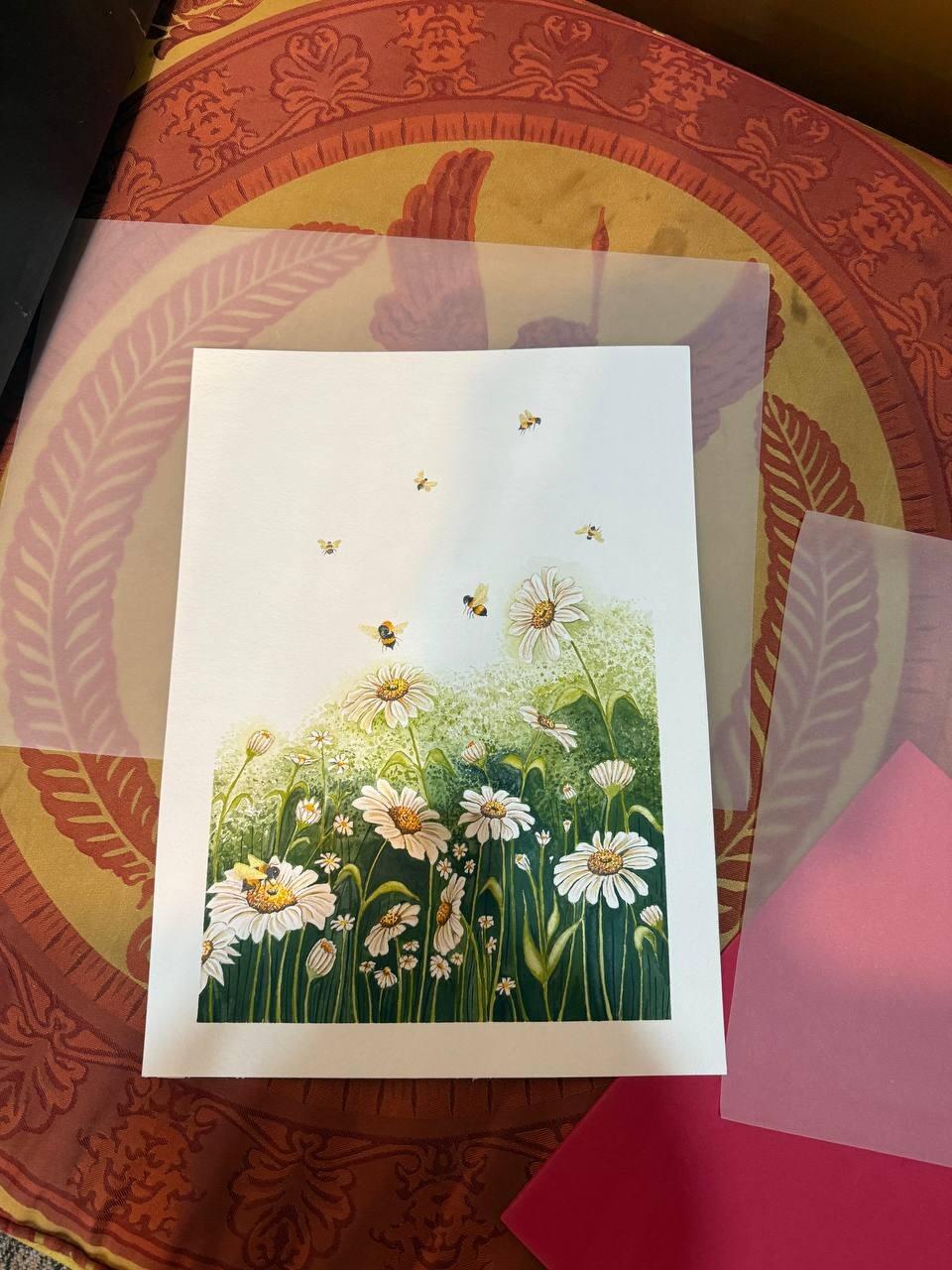
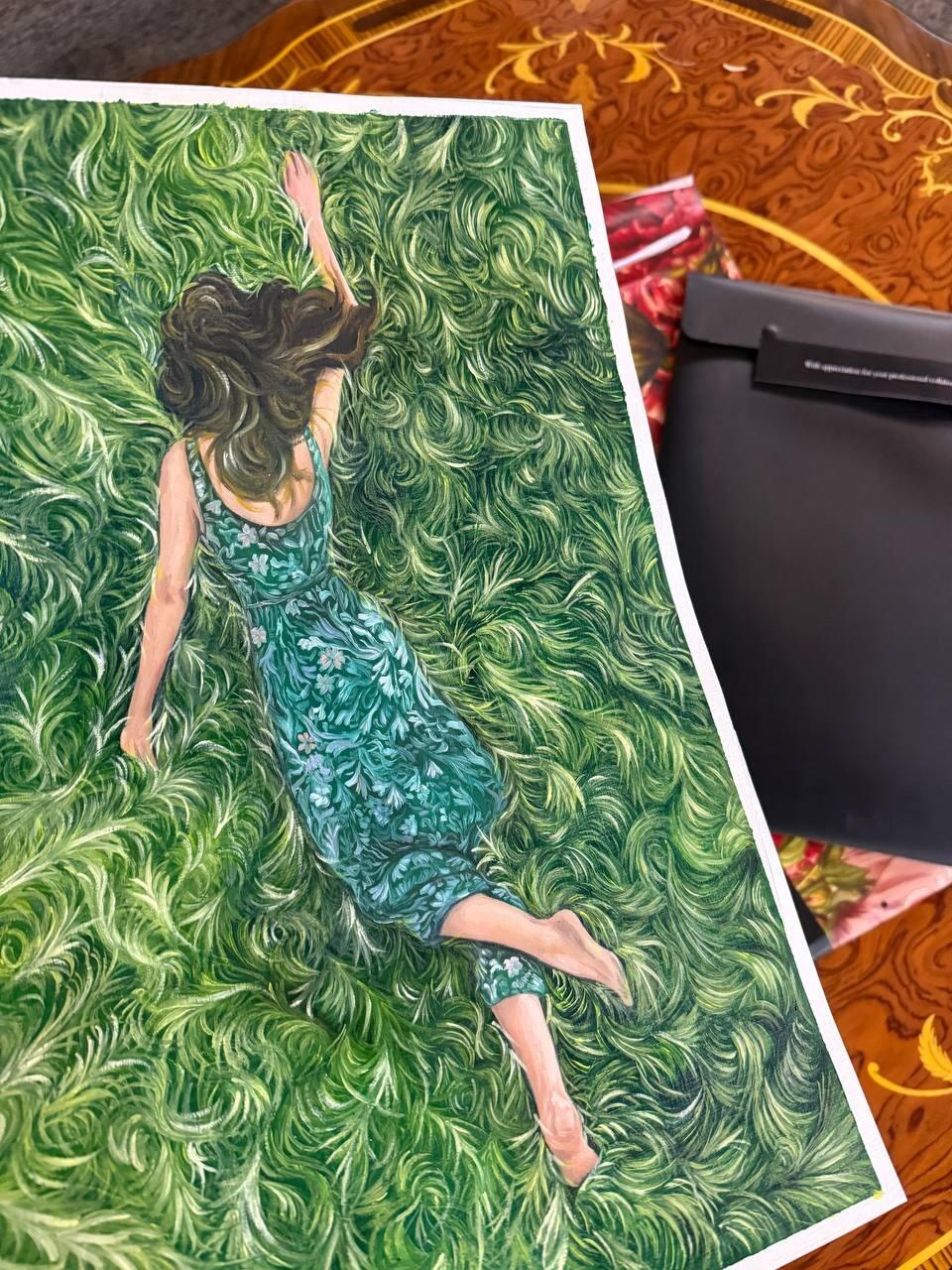
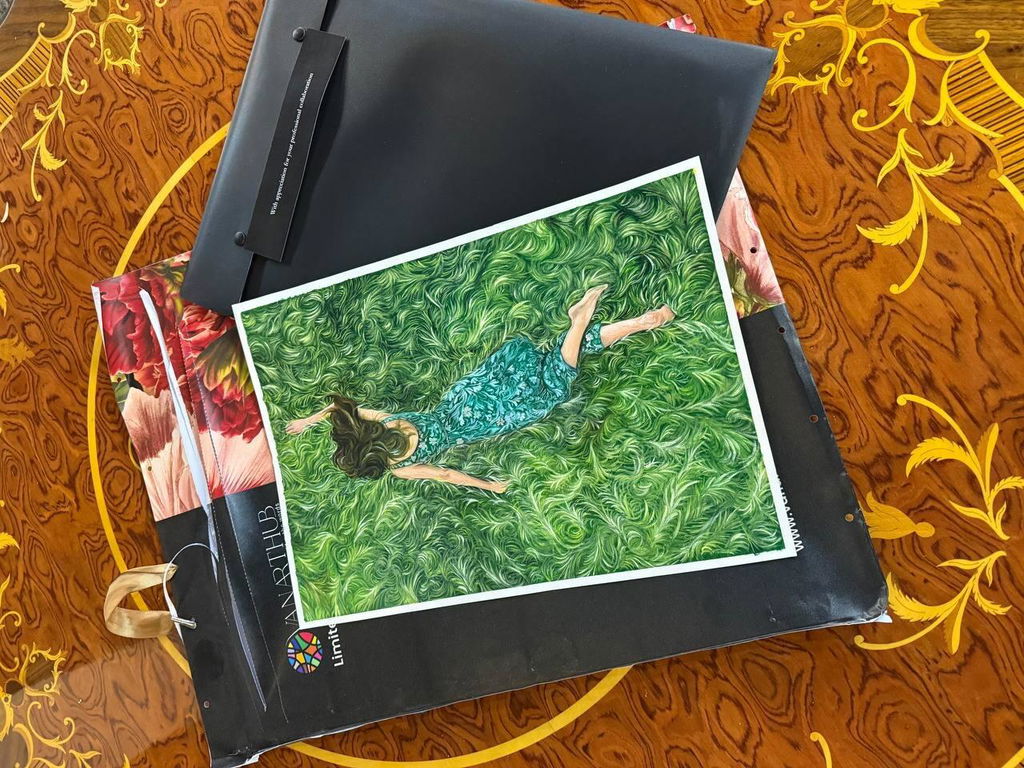
Hold a painting up to the light and ask a simple question: what is it actually made of? The answer is more interesting than most people expect. A finished picture is ground rock, burnt wood, plant dye, oil, and woven fibre, all bound together by an artist's hand. "Eco-friendly art materials" is a phrase you will see a lot, so this page explains what it can mean, what is true history, and where we at VanArtHub are honest about the limits of what we can promise.
Every pigment has a history
Color does not come from nowhere. For most of human history, paint was made from things people could dig up, burn, crush, or grow. The reds and yellows in a cave painting are ochres, which are iron oxides pulled straight from the earth. Black was often charcoal, made by burning wood. Deep blue was once the rarest color of all: ultramarine was ground from lapis lazuli, a semi-precious stone carried across long trade routes, which is why medieval painters used it so carefully.
Some pigments were mined. Some were made in a workshop through chemistry. Some came from plants and even insects. The point is that a color has a source, and that source ties the painting to a real material in the world. When people talk about natural pigments today, they usually mean these older, earth-based and plant-based colors.
Common natural and traditional materials
A short guide to where traditional art materials come from.
| Material |
Source |
Note |
| Ochre (yellow, red, brown) |
Iron-rich earth and clay |
Among the oldest pigments used by people. Very stable. |
| Iron oxide reds |
Mined or manufactured iron minerals |
Warm earth reds, long-lasting and lightfast. |
| Ultramarine blue |
Lapis lazuli stone (later made in labs) |
Once more costly than gold to grind by hand. |
| Charcoal black |
Burnt wood or vine |
A soft, deep black used since prehistory. |
| Plant dyes (indigo, madder, weld) |
Leaves, roots, and flowers |
Give blues, reds, and yellows. Can shift over time in light. |
| Clay and chalk |
Earth deposits |
Used as grounds, fillers, and pale tones. |
| Wood and panel |
Trees |
A painting surface older than canvas. |
| Wool and fibre |
Animals and plants |
Used in textile and mixed-media art. |
Natural materials are alive, not frozen
Here is something worth sitting with. Earth pigments, plant dyes, wood, wool, and clay are not dead, inert stuff. They came out of living systems, and they keep changing. A plant dye can slowly shift its shade in strong sunlight. Wood breathes with the seasons and moves a little with humidity. These materials are part of larger ecological cycles, and a good artist works with that, not against it. This is one reason care matters so much, which is why we keep a full guide on caring for original paintings.
What material innovation looks like
The field is not stuck in the past. Some artists reclaim or recycle materials that would otherwise be thrown away. Others transform waste and industrial by-products into new pigment or form: ash, offcuts, scrap metal, salvaged wood, or leftover house paint given a second life on a canvas. This kind of work sits inside the wider story of types of sustainable art, where the material itself carries part of the meaning.
Low-impact studio habits
Beyond the raw materials, many artists choose lower-impact ways of working. These practices exist across the field, and they include:
- Water-based media such as acrylic and watercolor, which need no harsh solvents to clean up.
- Low-VOC or solvent-free approaches to oil painting, which cut down on strong chemical fumes.
- Reused surfaces: painting over an old canvas or working on salvaged panel.
- Careful sourcing, buying materials thoughtfully instead of in wasteful bulk.
We describe these as things that happen in the field. They are real practices used by real artists. They are not a promise that every VanArtHub piece was made this way.
Longevity is a material virtue
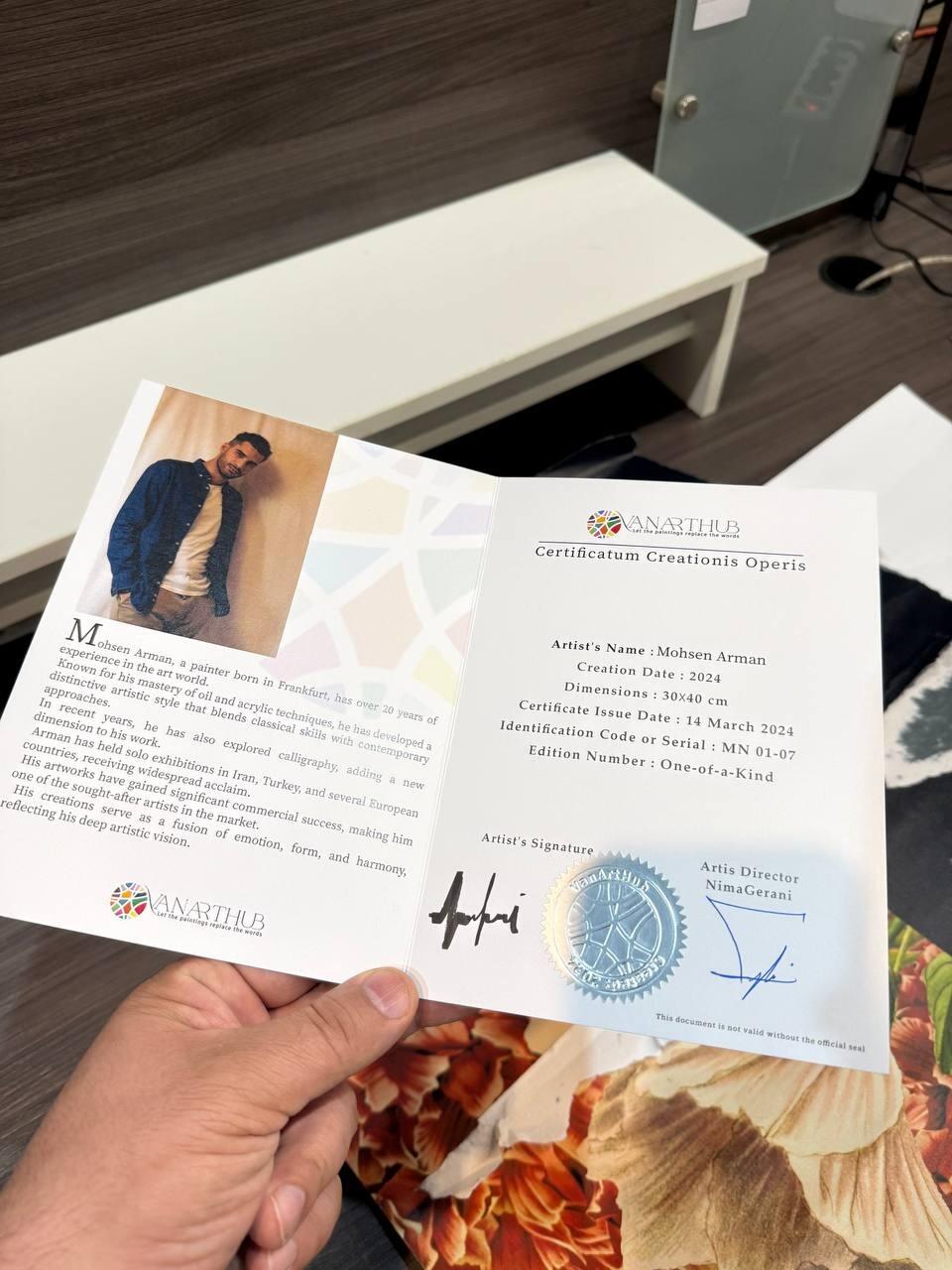
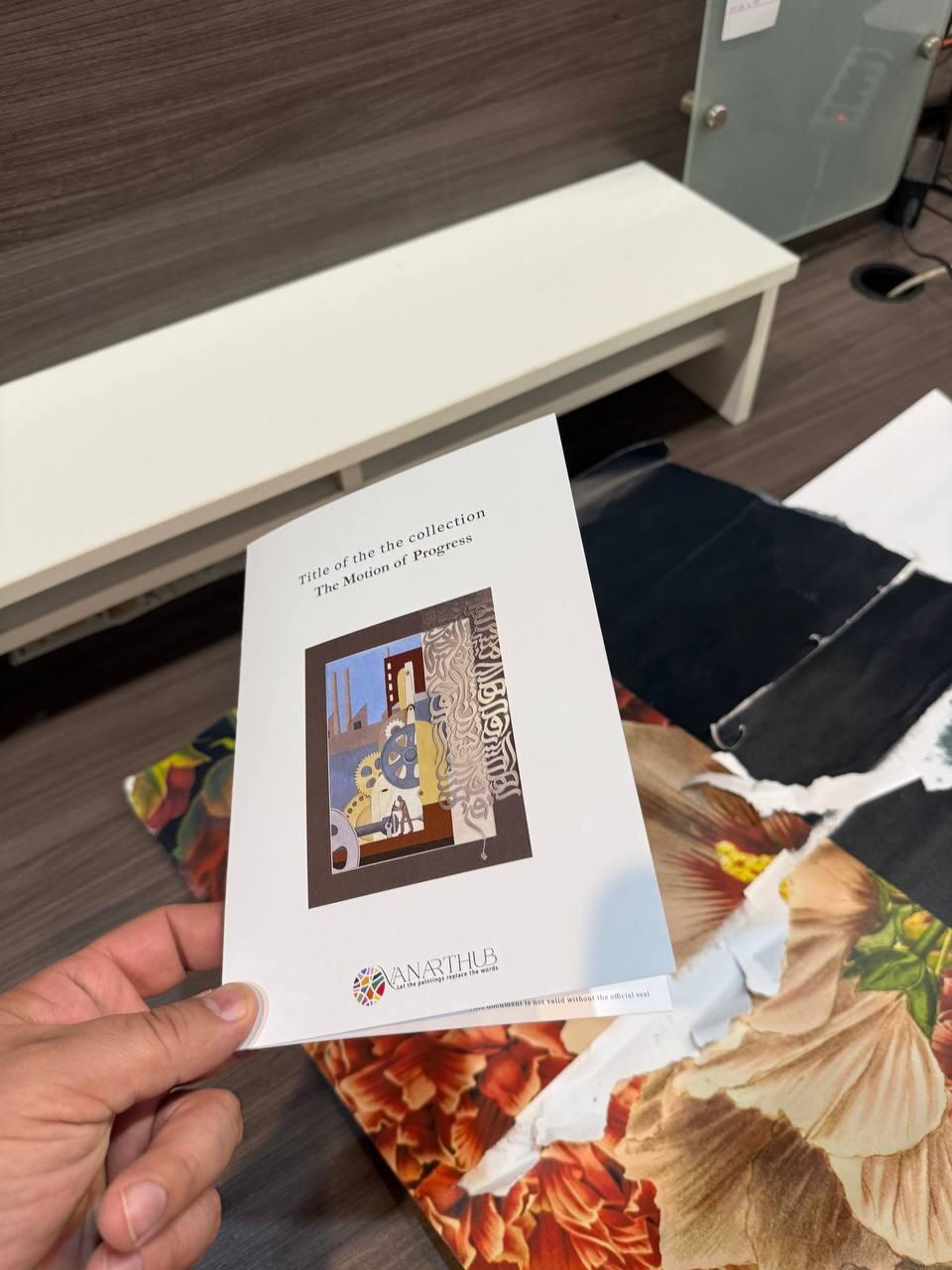
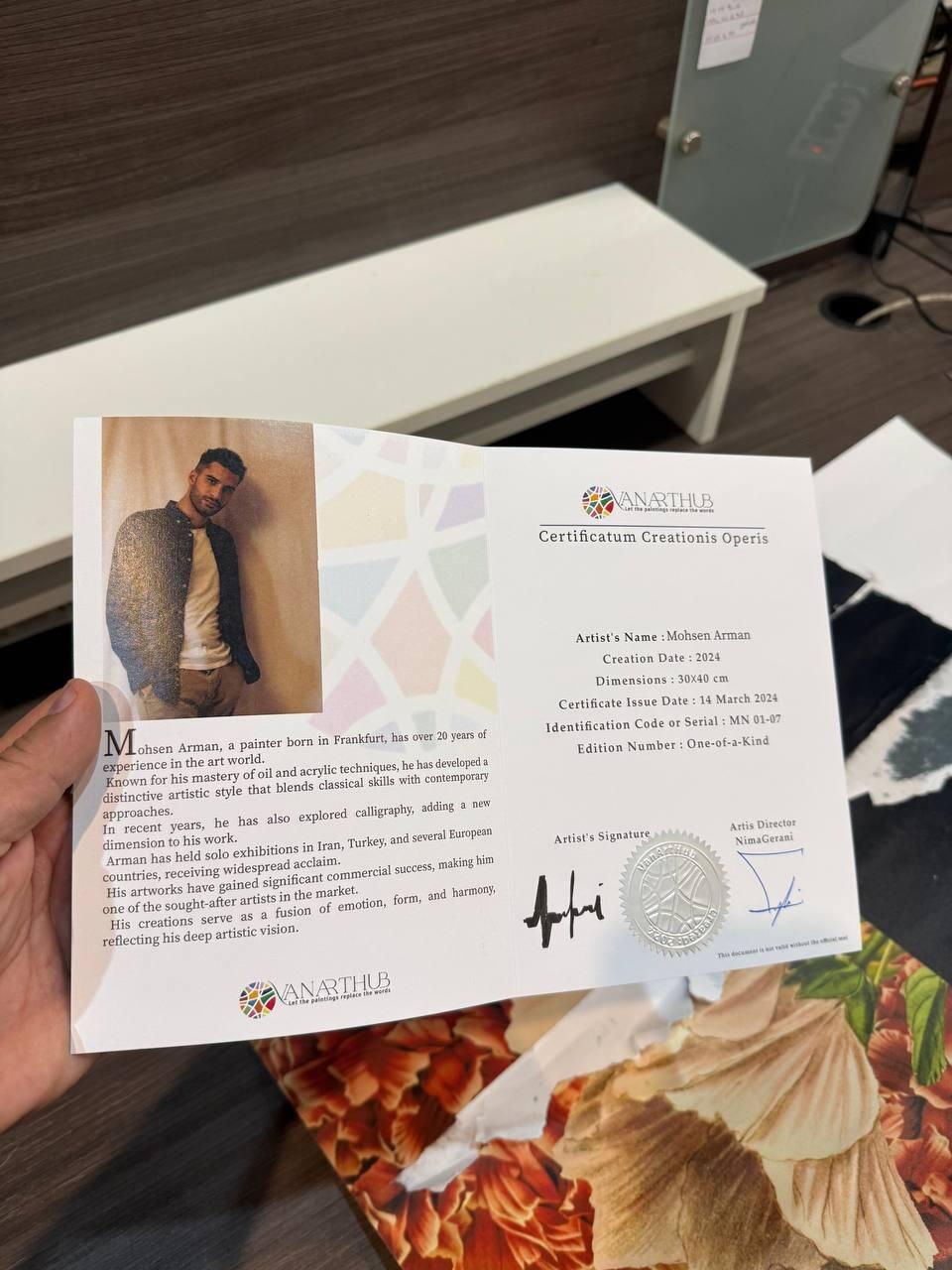
There is one kind of sustainability that comes straight from good materials: things that last. Artist-grade paint on a properly stretched canvas or a solid panel is built to survive for generations. A well-made original does not need replacing every few seasons the way cheap printed decor does. A print fills wall space for a while. A hand-made original stays in a family, gets passed on, and holds its value. Every piece we sell ships with a Certificate of Authenticity that records the medium, so the exact materials are documented from day one.
Where we are honest about our materials
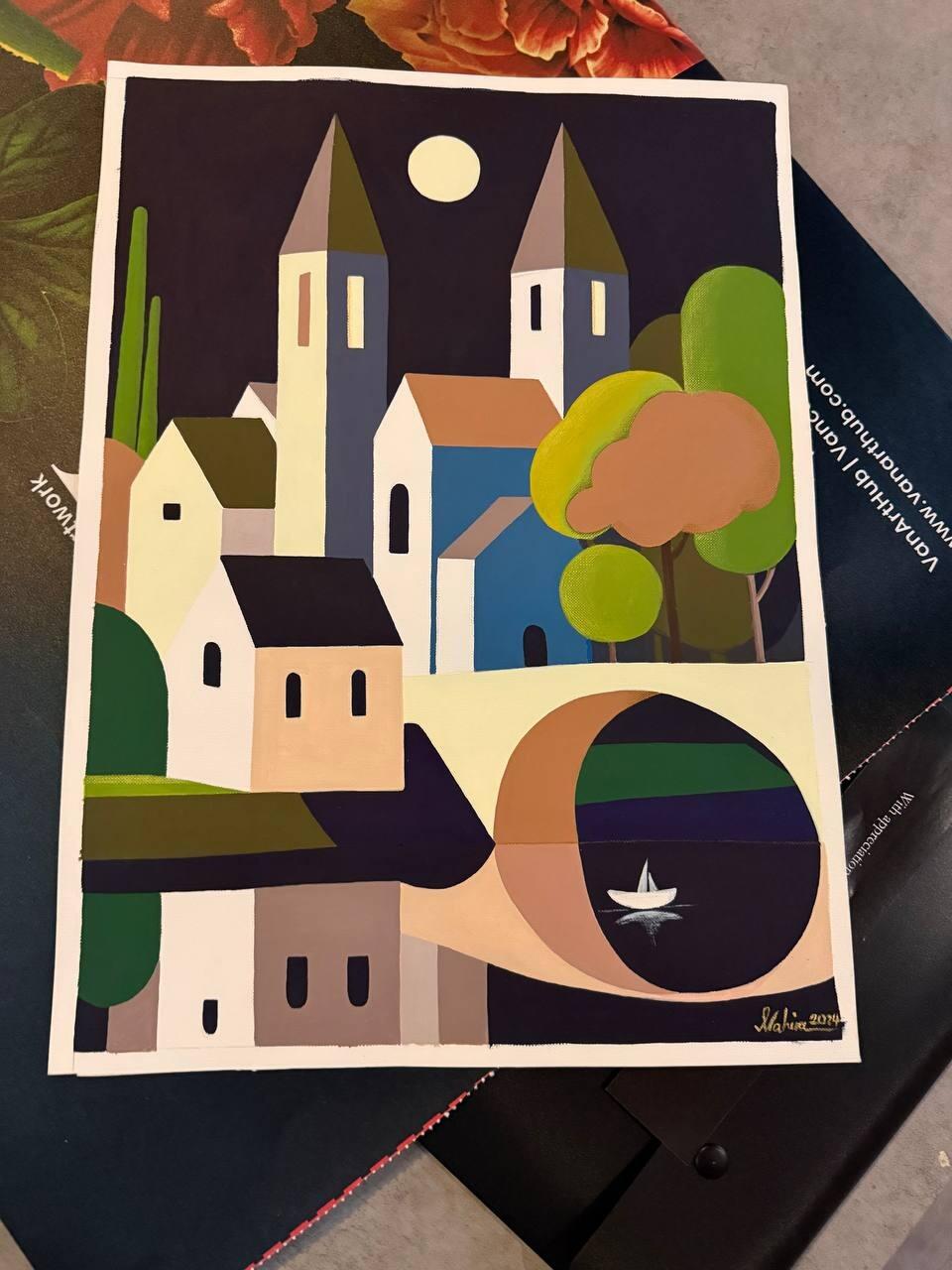
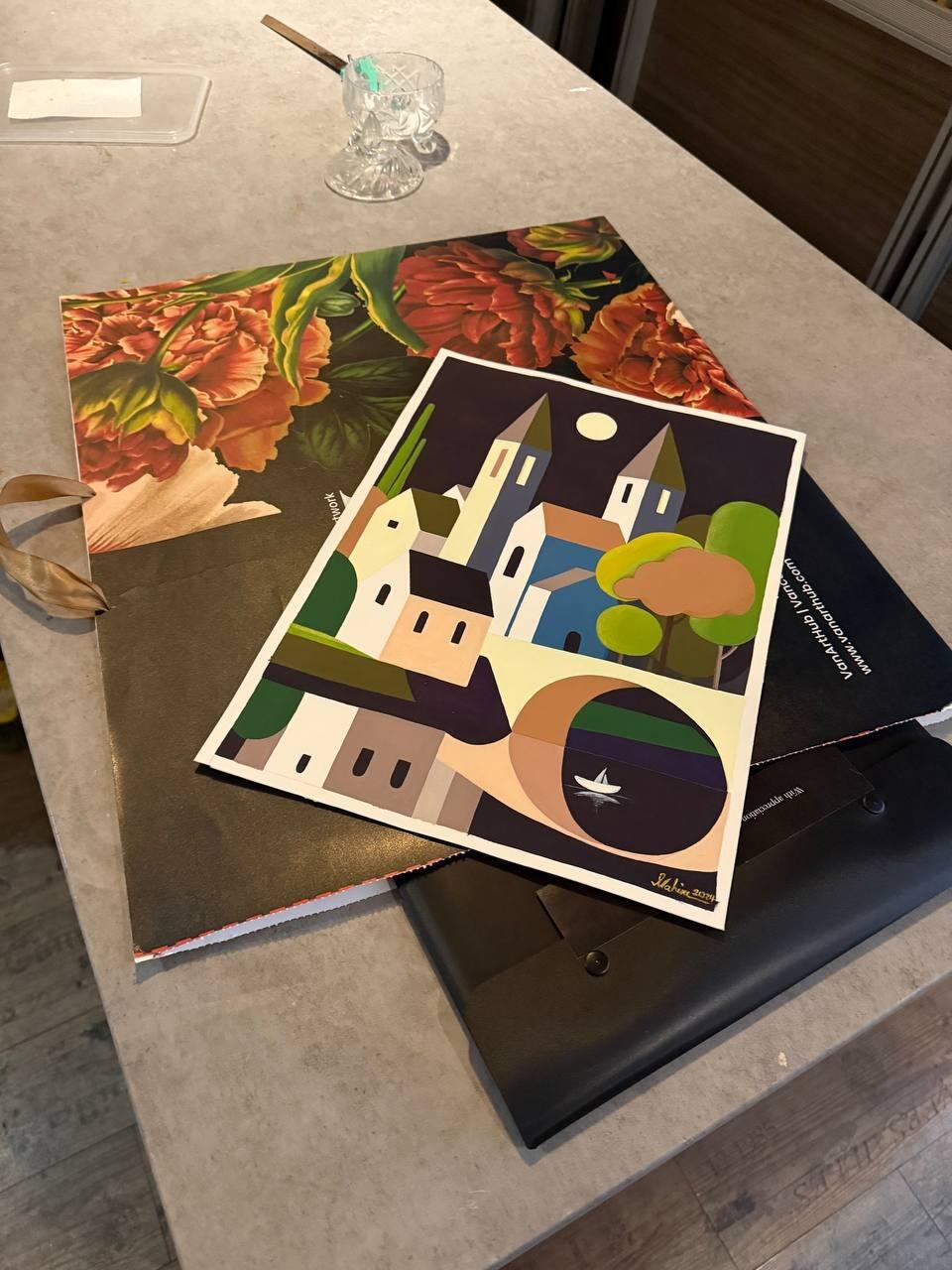
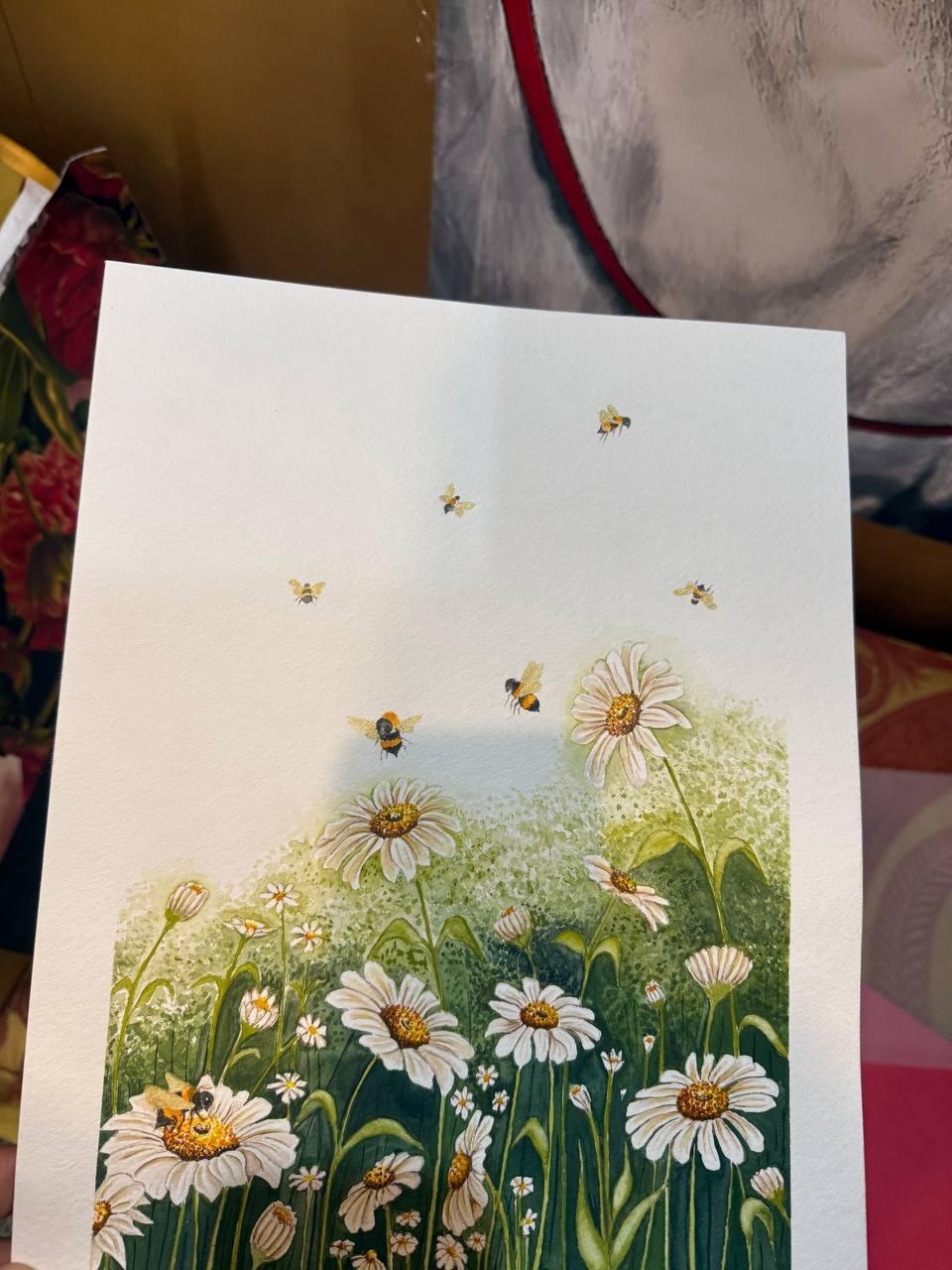
Now the plain truth. At VanArtHub, materials vary by artist. Some work in oil, some in acrylic, some in colored pencil, some in mixed media. We do not certify any of our paintings as "eco materials," and we will not pretend to. What we can prove is different, and it still matters:
- We sell originals, not mass-produced prints. Nothing is churned out at factory scale to be thrown away.
- Our pieces are built to last for decades, not for one season of a trend.
- Our Lifetime Trade-Back keeps each painting in use, moving from home to home instead of to landfill. That is our circular ownership promise.
- Every purchase supports a living Vancouver artist directly.
You can read the full picture on our pillar page about sustainable art. We would rather tell you the honest limit than sell you a story we cannot back up.
Key takeaways
- Traditional pigments come from real sources: ochres and iron oxides from earth, ultramarine from lapis lazuli, charcoal from burnt wood, and dyes from plants.
- Natural materials keep changing over time and belong to living systems, which is why care and light control matter.
- Some artists reclaim, recycle, or transform waste into pigment and form, and many use water-based or low-solvent methods.
- Longevity is real sustainability: an artist-grade original outlasts disposable printed decor by generations.
- VanArtHub does not certify eco materials. Our provable story is originals over prints, longevity, and the Lifetime Trade-Back.
Frequently asked questions
Are VanArtHub paintings made from eco-friendly materials?
We do not certify them as eco materials, and we will not claim that. Materials vary by artist, from oil and acrylic to colored pencil and mixed media. What we can prove is that every piece is an original, built to last for decades, and covered by our Lifetime Trade-Back so it stays in use.
What is ultramarine blue actually made from?
Historically, ultramarine was ground from lapis lazuli, a semi-precious blue stone. It was so costly and hard to prepare that medieval painters treated it like treasure. Today the same color is usually made in a lab, but the natural mineral version is a real part of art history.
Do natural pigments fade or change over time?
Some do, especially plant dyes exposed to strong light, since natural materials belong to living systems and keep reacting. Earth pigments like ochre and iron oxide are very stable. Good care and controlled light keep any original looking its best for far longer.
Is a water-based medium like acrylic more eco-friendly than oil?
Water-based media such as acrylic and watercolor need no harsh solvents to clean up, which is one reason some artists prefer them. Oil painting can also be done in low-solvent or solvent-free ways. Neither is automatically "green"; the studio habits around the paint matter as much as the paint itself.
What does it mean when an artist recycles or reclaims materials?
It means using materials that would otherwise be thrown away: salvaged wood, offcuts, ash, scrap metal, or leftover paint given a second life. Some artists turn industrial by-products into pigment or form, so the material itself becomes part of the artwork's meaning.
How does longevity make a painting more sustainable?
A painting that lasts does not need replacing. Artist-grade paint on stretched canvas or solid panel is made to survive for generations, unlike cheap printed decor swapped out every season. Fewer things made, fewer things thrown away. That is a real material benefit you can rely on.
Does the Certificate of Authenticity list the materials?
Yes. Every VanArtHub piece ships with a Certificate of Authenticity that records the medium, so the materials used are documented from the day it reaches you. This helps with care, resale, and knowing exactly what you own.
VanArtHub is an online gallery in Vancouver selling original, signed, one-of-a-kind paintings by independent Vancouver artists, never prints or reproductions. If material and meaning interest you, start with our pillar on sustainable art, then read about the different types of sustainable art and how to keep any piece in good shape in our guide to caring for original paintings.