Environmental art is a broad field of art made in nature, made with natural materials, or made about the natural world and our place in it. It stretches from monumental earthworks in remote deserts to a small painting of a forest hanging in a kitchen. The term "eco art" is often used alongside it, usually for work that carries a stated environmental purpose, such as restoring a damaged site or planting trees. This guide explains the field in plain terms: what belongs to it, where it came from, and which part of it a normal person can actually live with.
VanArtHub sits at the domestic end of this field. We sell original paintings, many of them about the natural world, so we spend a lot of time thinking about where a painting of a river fits inside a movement known for planting wheat fields on landfills.
Key takeaways
- Environmental art includes work made in the land, work made from natural materials, and work about nature as a subject.
- Land art, such as Robert Smithson's Spiral Jetty (1970) in the Great Salt Lake, Utah, is the most widely cited branch of the field.
- Eco art usually means work with a declared environmental purpose, such as Joseph Beuys' 7000 Oaks tree-planting project, begun in 1982 in Kassel.
- Most famous environmental artworks live outdoors or in institutions; paintings of the natural world are the branch most people can bring home.
What counts as environmental art
The field is easiest to understand as three overlapping circles.
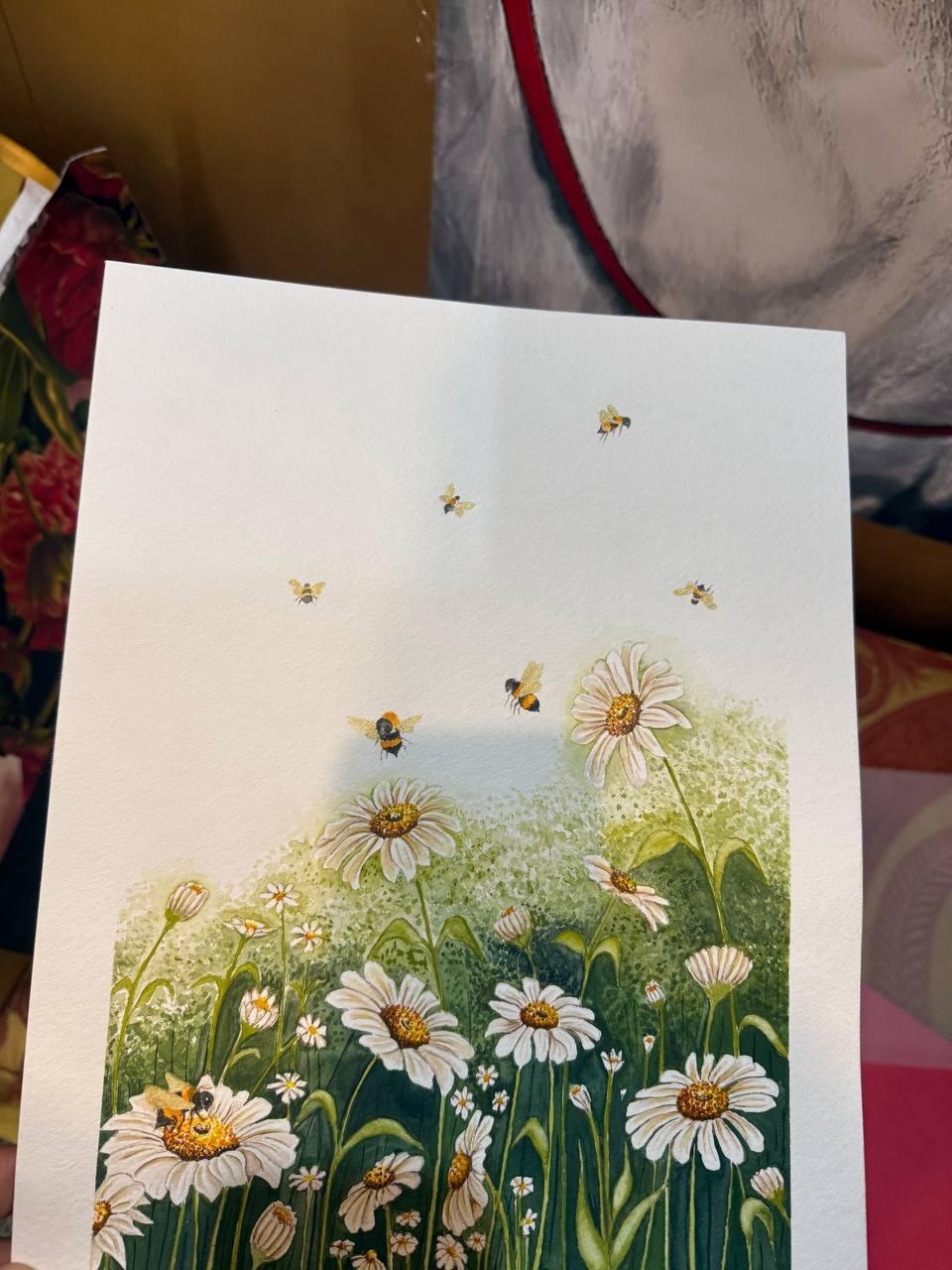
The first circle is art about nature. This is the oldest and largest group: work that takes the natural world as its subject. Botanical illustration belongs here, including Maria Sibylla Merian's detailed studies of plants and insects. So does the long tradition of landscape painting, and so does much of the original art sold today.
The second circle is art made in or with nature. Here the material and the site are part of the work. Andy Goldsworthy's ephemeral pieces, built from leaves, ice, and stone and left to melt or scatter, are a clear example. Land art belongs in this circle too, and it is a large enough subject that we cover it separately in Land Art, Explained.
The third circle is art for nature: projects where the environmental outcome is the point. Agnes Denes planted Wheatfield: A Confrontation in 1982, a real wheat field grown on a Manhattan landfill. Joseph Beuys began 7000 Oaks the same year, a long tree-planting work in the German city of Kassel. Work in this circle is often called eco art.
A short history, kept honest
Art about the natural world is as old as art itself. Cave painters worked with earth pigments, ochres and charcoal, tens of thousands of years ago. Centuries of landscape painting and scientific botanical illustration followed, recording places and species with care.
The field changed shape in the twentieth century. In 1970, Robert Smithson built Spiral Jetty, an earthwork in the Great Salt Lake in Utah. In 1982, Denes planted her wheat field in Manhattan and Beuys began his oaks in Kassel. Goldsworthy's short-lived works from leaves, ice, and stone showed that environmental art could also be small, quiet, and temporary. These are the anchor points most histories of the field agree on, and they are enough to see the shift: nature moved from being the subject of art to being its material, its site, and sometimes its beneficiary.
Environmental art, eco art, land art: what is what
The three terms get mixed together constantly. This table keeps them straight.
| Term |
Core idea |
Example |
| Environmental art |
The umbrella: art in, with, or about the natural world |
Goldsworthy's ephemeral works from leaves, ice, and stone |
| Land art |
The land itself is shaped into the artwork, fixed to its site |
Smithson's Spiral Jetty (1970) |
| Eco art |
Art with a declared environmental purpose or outcome |
Beuys' 7000 Oaks, begun 1982 |
| Climate art |
Art responding directly to a warming world |
See our guide to climate change art
|
The materials question
Once art starts caring about nature, an awkward question follows: what is the art itself made of? Paints, canvas, paper, and framing all have supply chains. Some environmental artists make the materials part of the message by working only with what a site provides. Most painters make quieter choices: fewer solvents, longer-lasting supports, less studio waste. If that side interests you, our guide to eco-friendly and natural art materials goes through the options honestly, including where the trade-offs are.
Environmental art at home
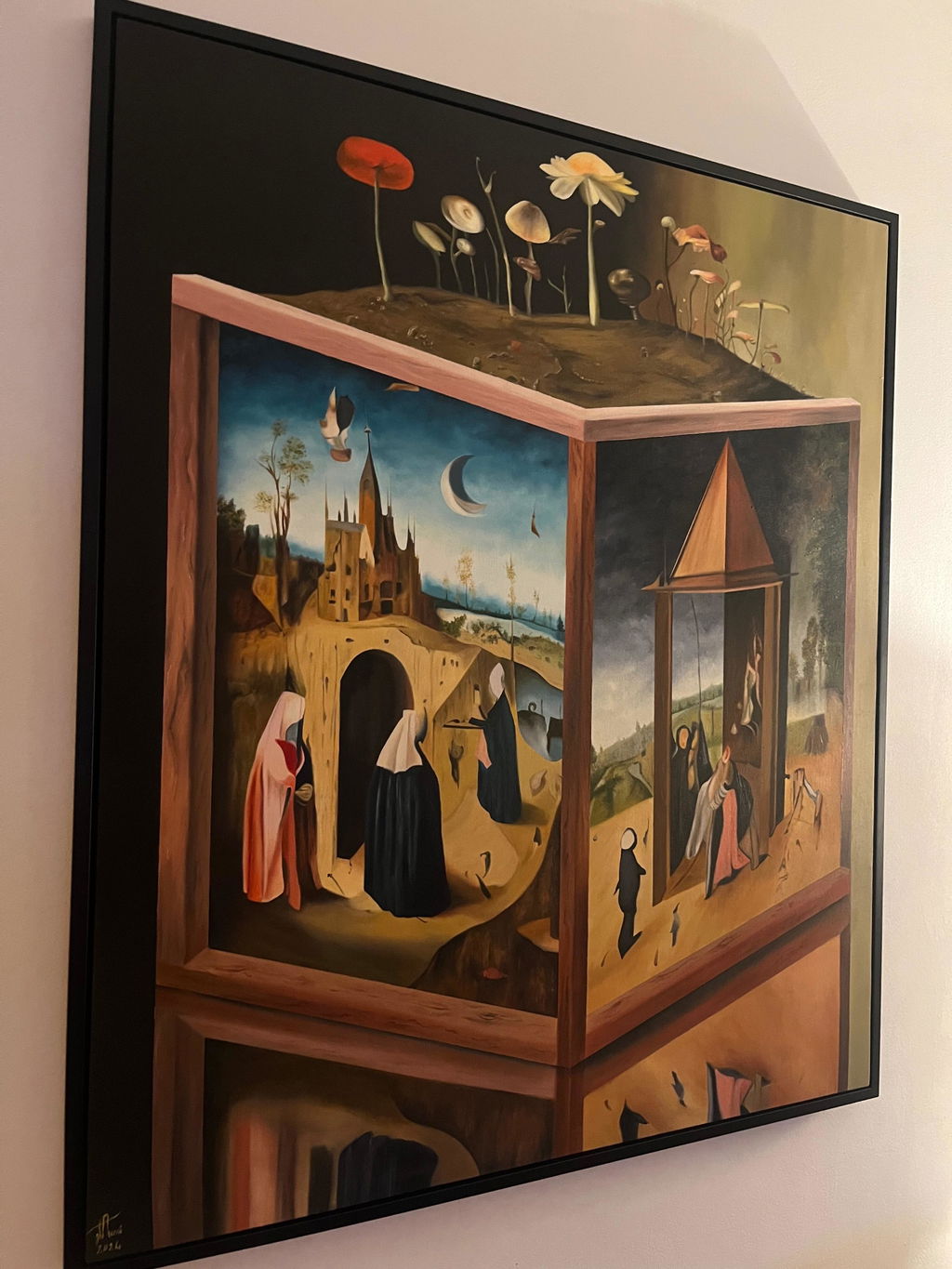
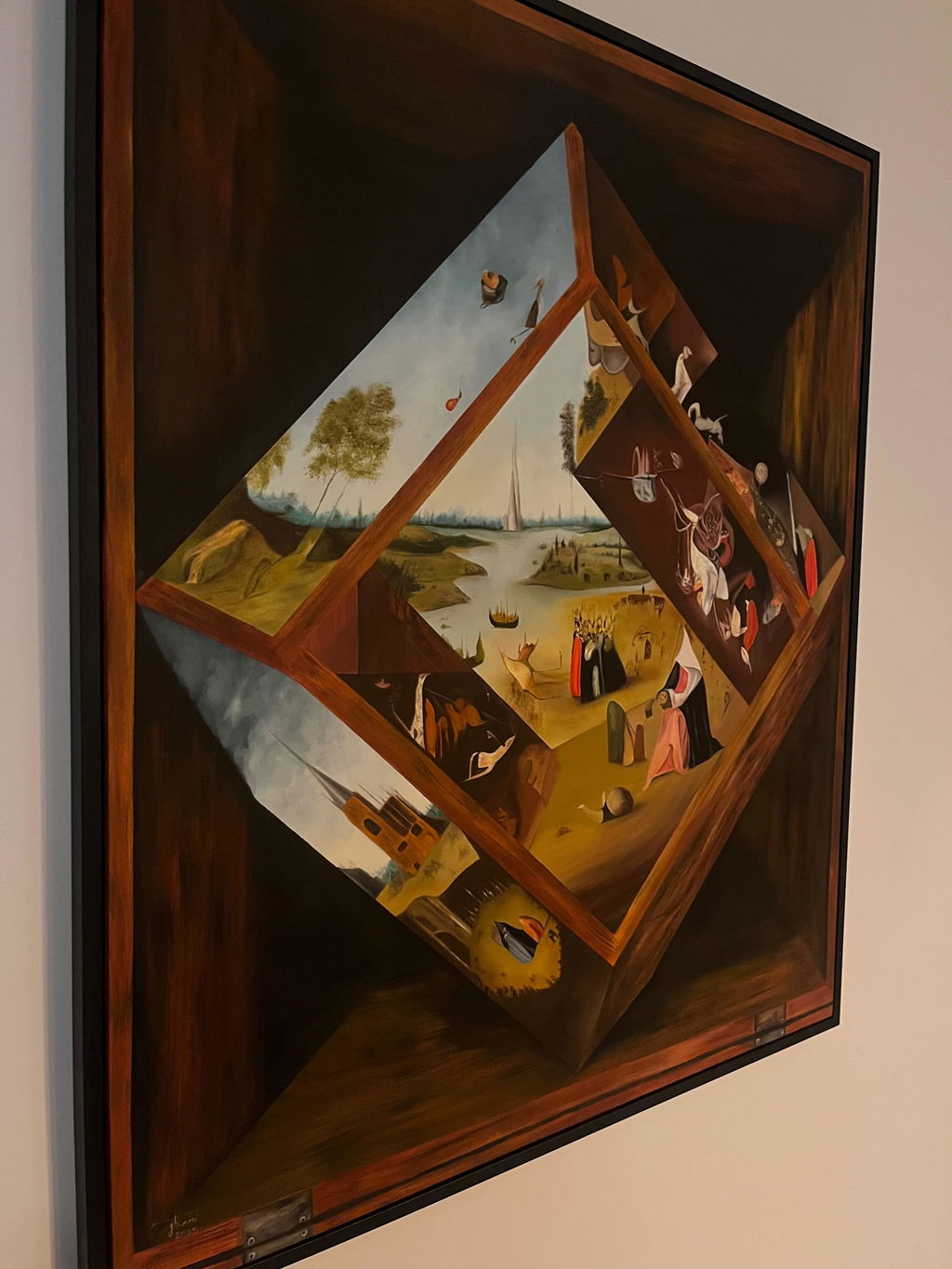
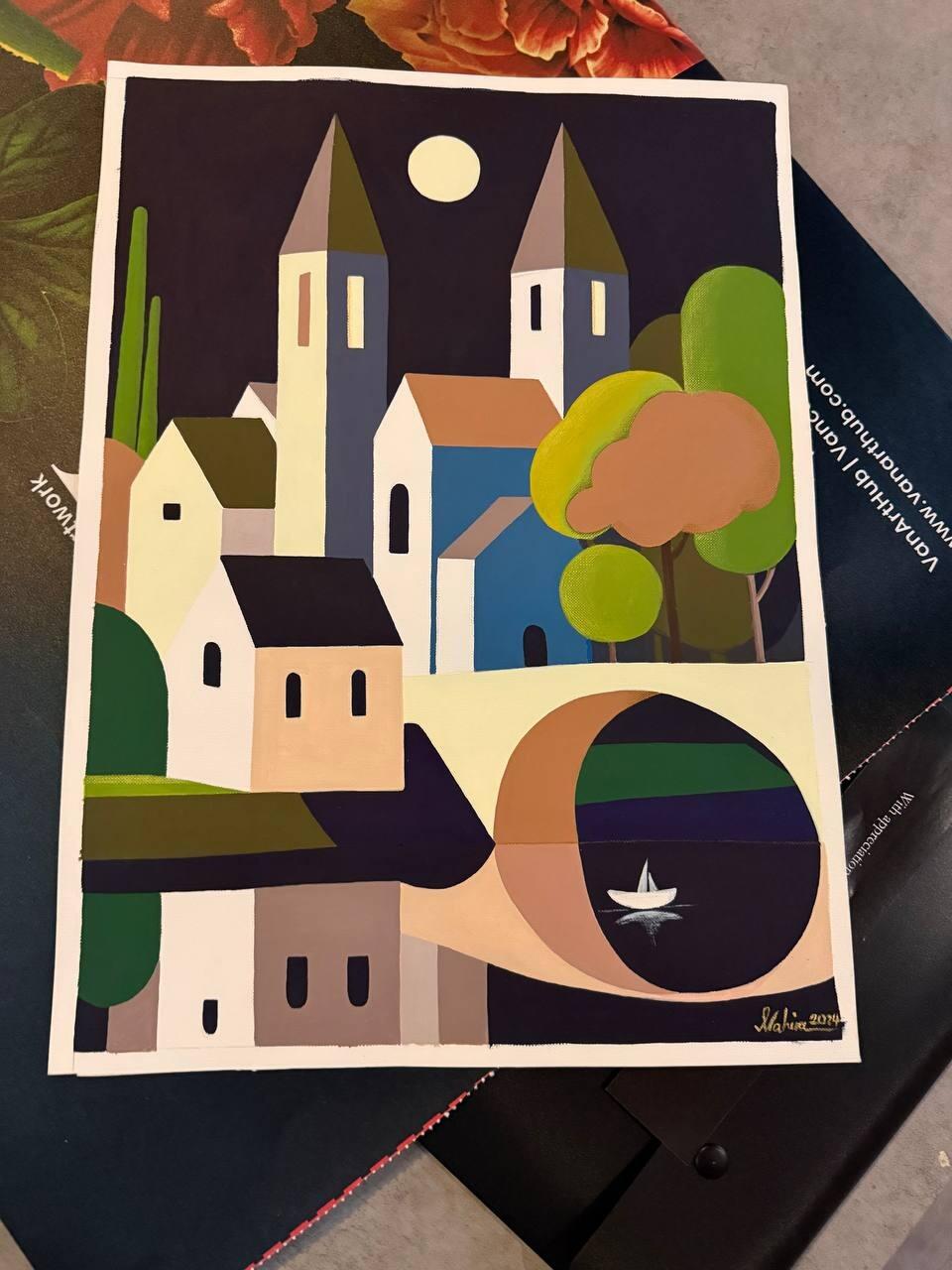
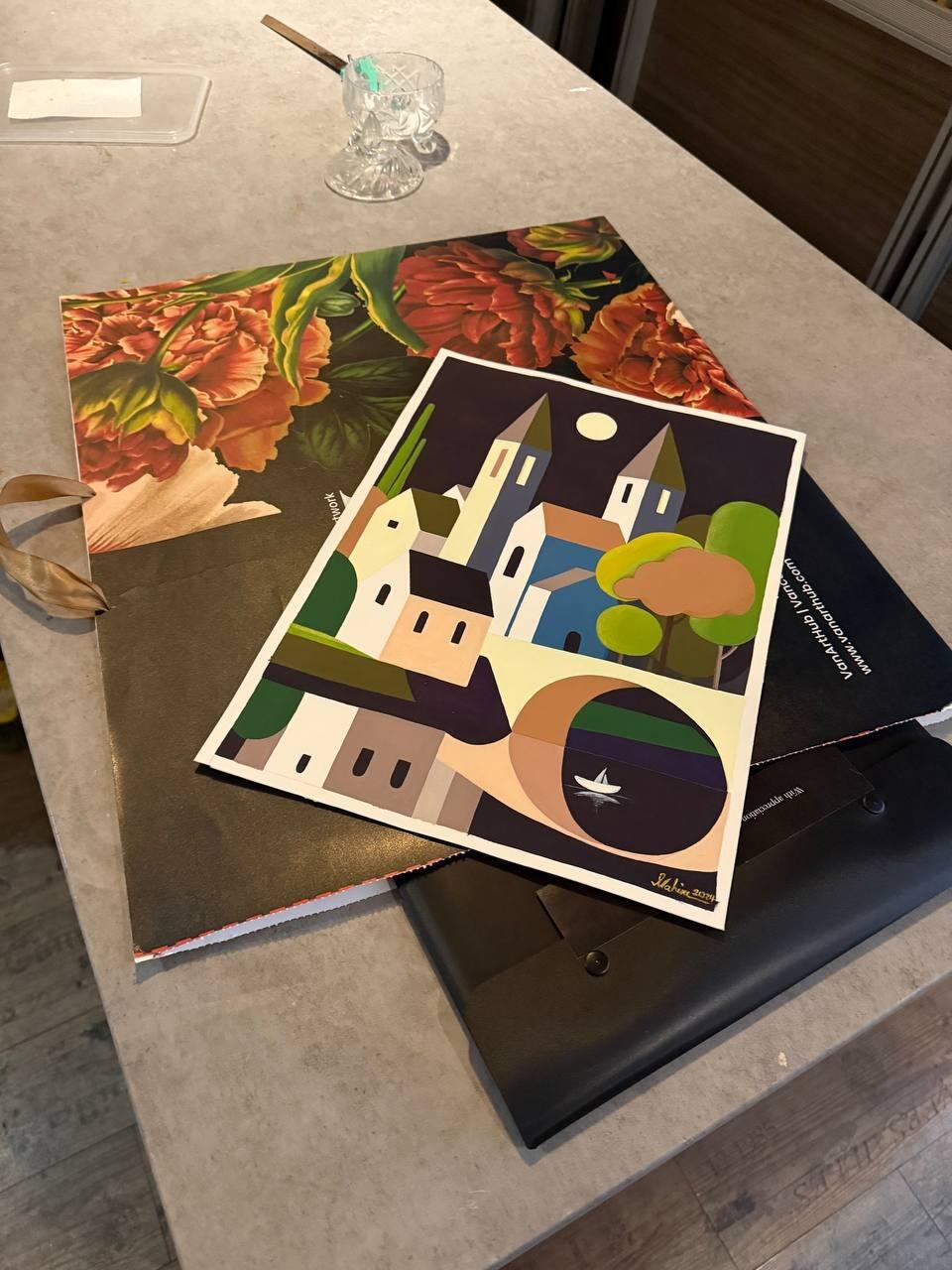
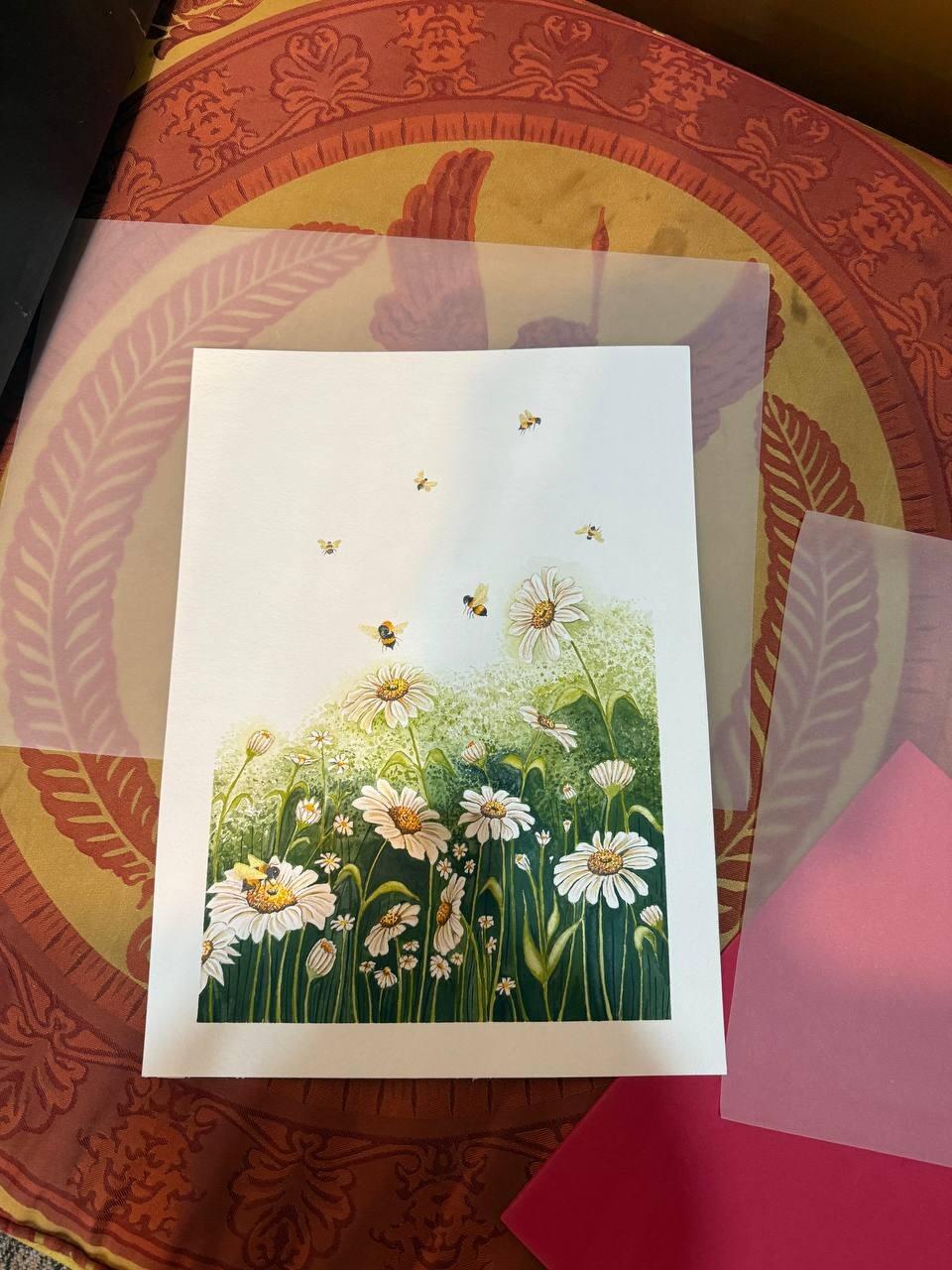
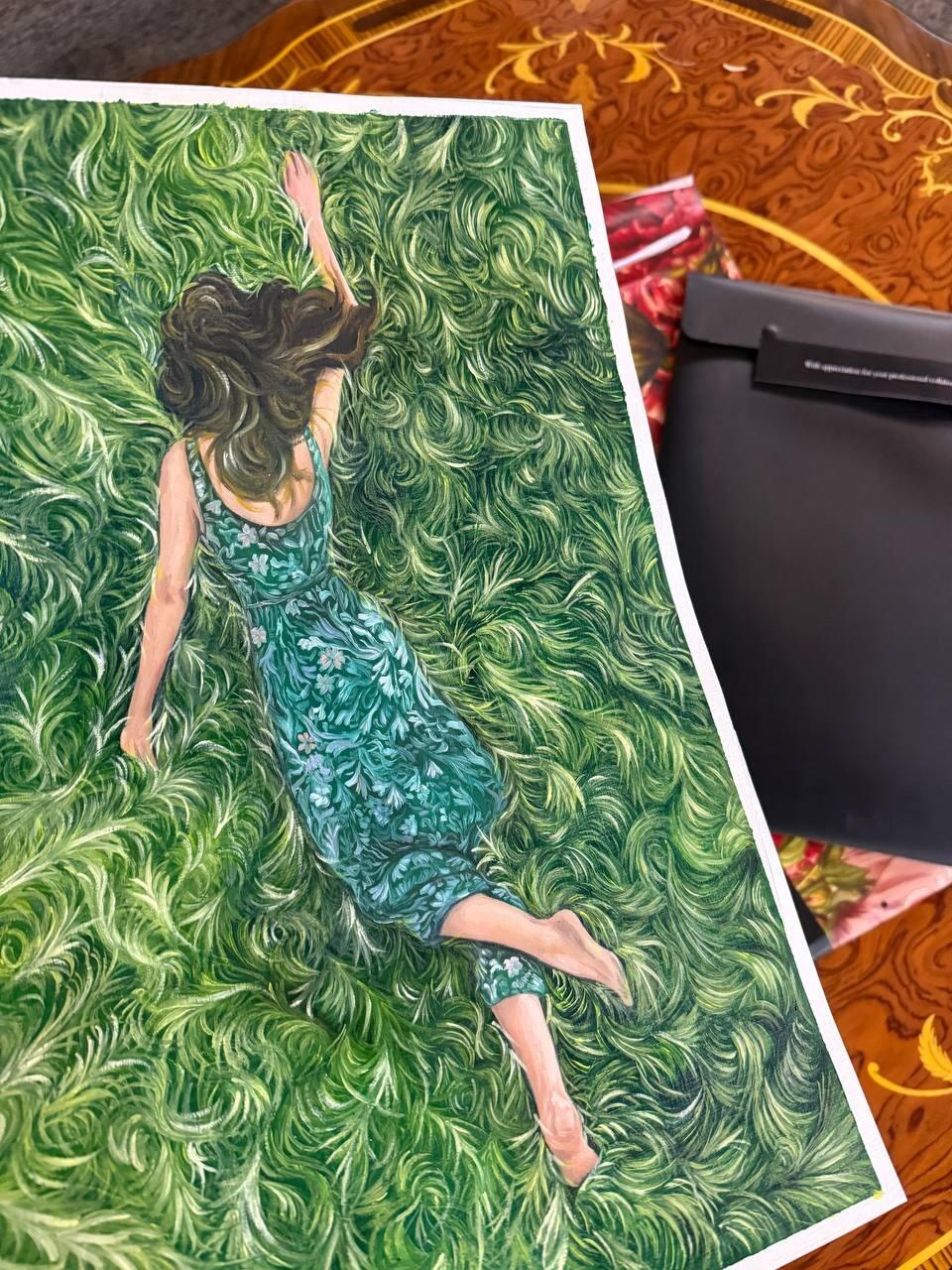
You cannot hang a wheat field. Most of the famous works in this field are fixed to their sites, gone entirely, or held by institutions. What a private person can own is the domestic branch: original paintings and drawings of the natural world. A painting of a forest does a modest version of what the big projects do. It holds your attention on the living world, every day, in the room where you drink your coffee.
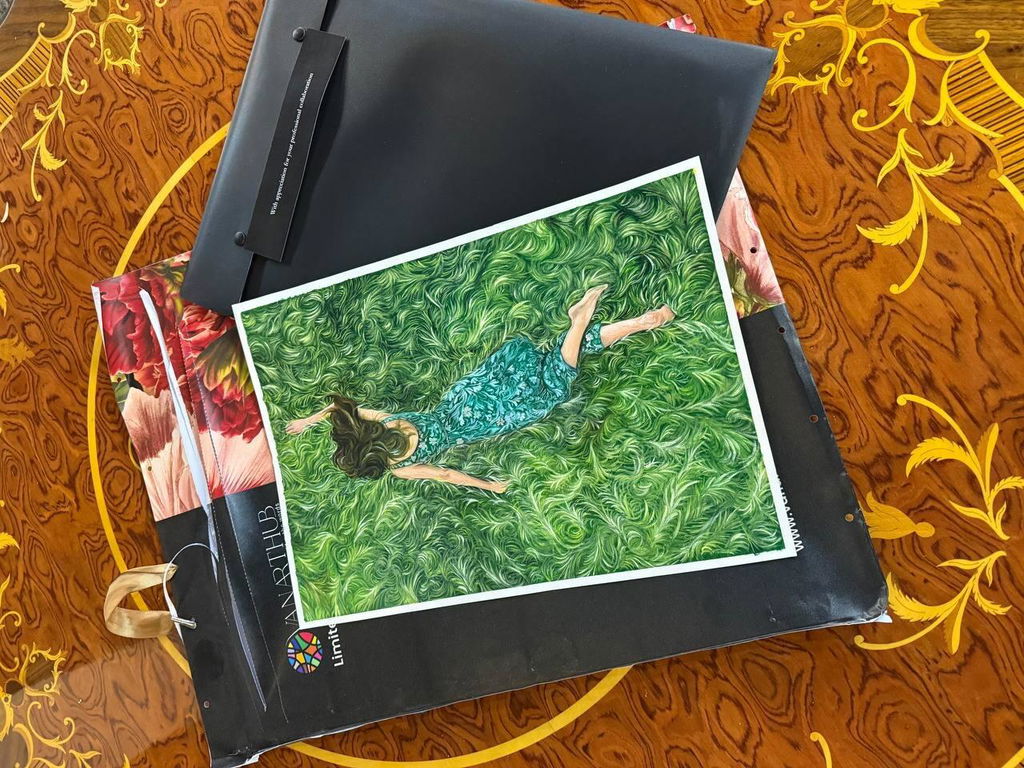
Our nature collection gathers original works on exactly this ground, and the landscape paintings collection covers the wider view. Each piece is a signed original, shipped free and fully insured, with a 14-day trial so you can live with it before you commit.
Common questions
What is the difference between environmental art and eco art?
Environmental art is the umbrella term for art made in, with, or about the natural world. Eco art is the narrower group inside it: work with a declared environmental purpose, such as Joseph Beuys' 7000 Oaks tree-planting project. All eco art is environmental art, but a landscape painting is environmental art without being eco art.
Who made the most famous environmental artworks?
Four names come up in almost every account of the field: Robert Smithson, whose Spiral Jetty earthwork was built in Utah's Great Salt Lake in 1970; Agnes Denes, who planted a wheat field on a Manhattan landfill in 1982; Joseph Beuys, who began the 7000 Oaks tree planting in Kassel in 1982; and Andy Goldsworthy, known for short-lived works made from leaves, ice, and stone.
Is landscape painting a form of environmental art?
Yes, in the broad sense. Landscape painting is art about the natural world, which places it inside the field's oldest circle. It does not shape the land or restore a site, so it is not land art or eco art, but it belongs to the same family and it is the branch most people can actually own.
Does environmental art have to be made outdoors?
No. Some of it is made outdoors and stays there, like earthworks. But botanical illustration, nature painting, and many material-focused practices happen in studios. What defines the field is the relationship with the natural world, as subject, material, site, or purpose, and any one of those is enough.
Can I collect environmental art on a normal budget?
Yes, if you collect the domestic branch. Original paintings and drawings of the natural world are widely available at accessible prices; at VanArtHub original works start from about $531. Documentation and studies by famous land artists also exist, but they trade through galleries and auctions at much higher levels.
Environmental art is a large field, and this page is one door into it. For the full map, from history to materials to living with the work, start at our sustainable art hub.