Most damage to a painting can be repaired. A trained conservator can mend a torn canvas, secure flaking paint, and remove the yellowed varnish that makes older paintings look brown and dull. Because every original is one of a kind, repairing a damaged painting is almost always worth pricing out before you think about replacement. This page explains what conservators can and cannot fix, when repair is the better choice, how to find a qualified professional in Canada or the USA, and the simple habits that prevent most damage in the first place.
Key takeaways
- Conservators routinely repair tears, flaking paint, dents, water marks, and discoloured varnish.
- Faded pigment is the main damage that cannot be undone, so keeping work out of direct sun is the only protection.
- Repair usually beats replacement for an original, because no second copy of the object exists.
- Professional conservation associations in Canada and the USA publish public directories of qualified members; hire through those.
- Never clean a painting with household products or water; home cleaning attempts often cause more harm than the dirt did.
What a conservator can fix
Conservation work falls into a few families. Structural repair deals with the support: tears in canvas are mended from the back and can become very hard to see, badly weakened canvases can be reinforced, and dents or bulges can often be relaxed out with careful humidity treatment. Paint-layer work deals with the image itself: lifting or flaking paint is secured before more is lost, and small areas of missing paint are filled and retouched with reversible materials, so a future conservator can undo the repair without touching the original.
Surface work is where results look most dramatic. Natural varnishes yellow as they age, and removing an old varnish can shift a painting from murky brown back to the colours the artist chose. Surface dirt, smoke residue, and fly marks come off in the same kind of treatment. The honest limit is fading: light slowly bleaches some pigments, and no treatment brings faded colour back. A conservator can stabilize a faded work and improve everything around the loss, but the lost colour is gone.
| Problem |
Can it be fixed? |
Notes |
| Torn canvas |
Yes |
Mended from the back; large tears may need reinforcement |
| Flaking or lifting paint |
Yes |
Treated early, losses stay small; delay makes them grow |
| Yellowed varnish |
Yes |
Removal and revarnishing often makes the biggest visual difference |
| Dent or bulge in canvas |
Usually |
Often relaxed out with controlled humidity treatment |
| Water mark or mould |
Often |
Depends on how deeply it has penetrated the layers |
| Faded colours |
No |
Fading is permanent; prevention is the only protection |
When repair beats replacement
For mass-produced decor, replacement is usually cheaper than repair, which is exactly why that category fills landfills. For an original painting the logic flips. There is no second copy to buy, so "replacement" really means losing the work, and any sentimental or family history goes with it. Repair keeps the object, the history, and the wall it hangs on, and it keeps the painting inside the circular art economy instead of ending its story early.
Cost fears are the usual reason people hesitate, and they are often out of date. Conservators examine a work first and quote in writing before treating anything, so the decision is made with real numbers, and modest treatments sit at the modest end. VanArtHub's originals are made to last for decades, and the same thinking applies to any original you own: a work you love is nearly always worth the quote, even when it turns out not to be worth the treatment.
How to find a professional conservator
Painting conservation is a distinct profession with formal training, and both Canada and the USA have professional associations for conservators that publish codes of ethics and public directories of their members. Searching for the conservation association in your country along with your city is the reliable route to a qualified person. Framers and antique dealers sometimes offer "restoration" as a side service; some are skilled, but training varies widely, so ask about credentials wherever you go.
Before handing over a painting, ask five things: what formal conservation training the person has, whether they will examine the work and give a written treatment proposal before starting, whether they document the work with photographs before and after, whether their materials and methods are reversible, and whether the work is insured while in their care. A professional expects these questions. Mention the medium when you first make contact, because oil paintings and acrylic paintings need different cleaning methods, and acrylic surfaces are sensitive to solvents that older oil paintings tolerate.
What never to do yourself
The damage conservators find hardest to undo is often the owner's own repair. Never touch a painting with household cleaners, soap, water, or wipes of any kind; liquids can soften paint and grounds, and rubbing takes paint off with the dirt. Never put tape over a tear, because the adhesive stains the canvas; instead, lay the work flat, paint side up, and call a professional. Never iron a canvas, never re-varnish over dirt, and never try to remove varnish with anything from a hardware store. The one safe thing to do at home is light dusting with a clean, soft, dry brush, and only when the paint surface is stable, with no flaking.
Prevention: the cheapest conservation there is
Most treatable damage starts with location. Keep paintings out of direct sunlight, since fading is the one permanent injury, and away from rooms with big humidity swings: bathrooms, damp basements, and the wall right above a radiator, fireplace, or stove. Kitchens add grease to that list. Hang work on two proper hooks or anchors rather than one nail, handle it with two hands on the sides of the frame, and store spare works upright in a dry room, never in an attic or garage. A well-fitted frame with a backing board protects the edges and the back of the canvas from knocks and dust; our page on sustainable framing choices covers this. For how long a well-kept painting can actually live, see how long a painting lasts.
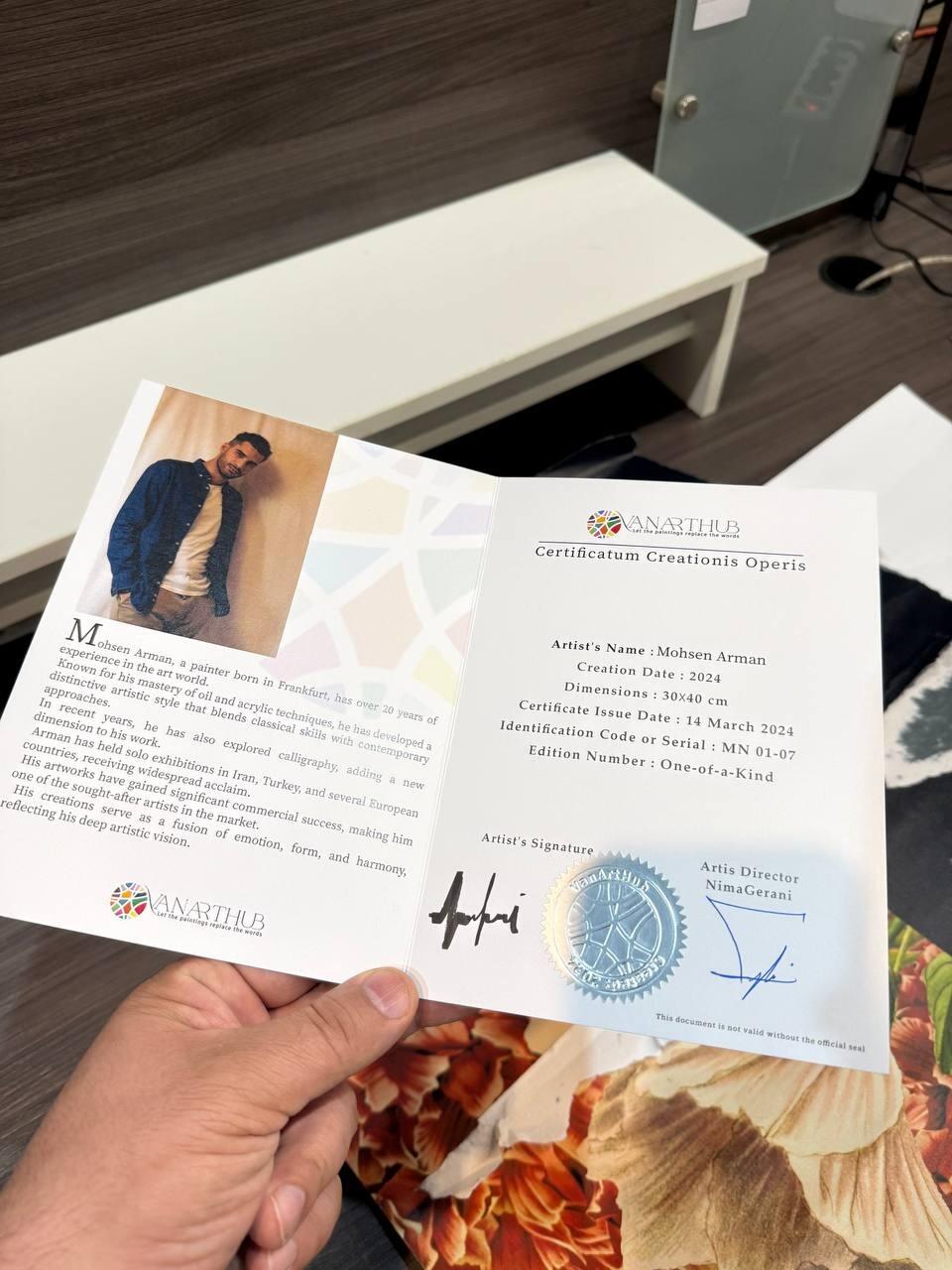
Keep the paper trail too. Every VanArtHub painting ships with a Certificate of Authenticity; store it together with any conservation reports, because a documented treatment history supports the work's value the same way service records support a house.
Common questions
How much does it cost to restore a painting?
It depends on the size of the work and the damage, so conservators examine the painting first and give a written quote before any treatment. Surface cleaning sits at the low end, and structural repairs such as tears cost more. Ask what the examination itself costs when you book it.
Can a torn canvas really be repaired?
Yes. Conservators mend tears from the back of the canvas, then fill and retouch the front, and a repaired tear can be very hard to see. Until the repair, store the painting flat with the paint side up, and do not put tape on the tear.
Should I clean an old painting myself?
No, beyond dusting with a soft dry brush. Household cleaners, water, and rubbing can remove paint along with the dirt, and that damage is permanent. Dirt and yellowed varnish are among the easiest things for a professional to remove safely.
Does restoring a painting lower its value?
Professional, documented conservation normally protects value, because the alternative is a work that keeps deteriorating. What lowers value is amateur repair: overpainting, harsh cleaning, and glued patches. Keep the conservator's report with the work as part of its history.
How do I find a painting conservator near me?
Search for the professional conservation association in your country and use its public member directory; both Canada and the USA have such associations. Then ask any candidate about training, insurance, and a written treatment proposal before you hand over the work.
A repaired painting goes back on the wall and back into use, which is the whole point of owning things made to last. For the wider picture of collecting this way, start with our full guide to sustainable art.