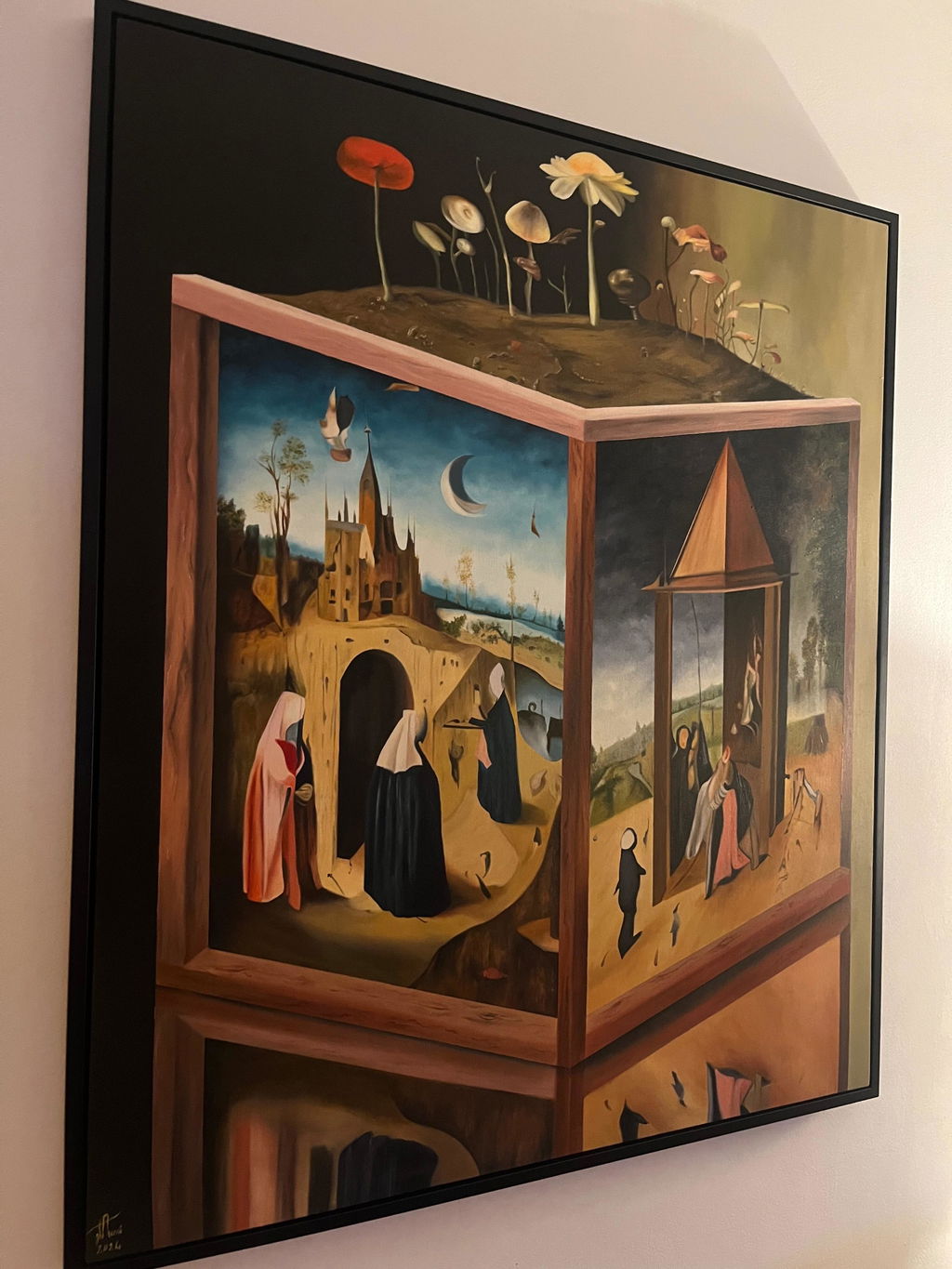
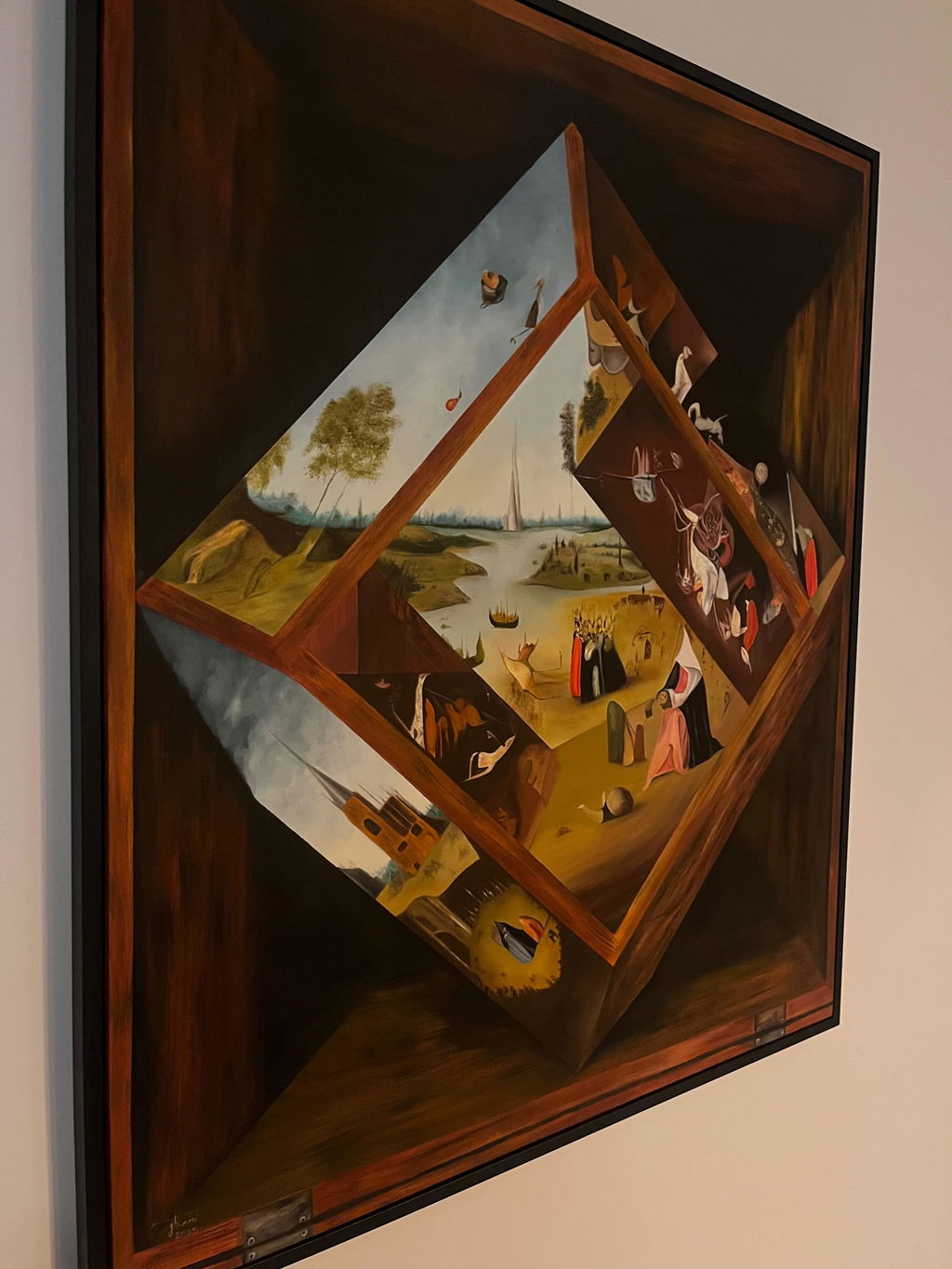
A well-made, well-kept painting lasts for generations. Museums display oil paintings that are hundreds of years old, and even delicate works on paper have survived for centuries, so the upper limit is far beyond a single human lifetime. For a collector, the practical answer is this: an original painting bought today and hung with basic care will outlive its first owner and can be passed on.
This page explains where that confidence comes from, the simple habits that protect a painting, and why mass-produced printed decor behaves so differently. It is part of the sustainable art hub at VanArtHub, where every work sold is an original made to be kept.
Key takeaways
- A painting made with sound materials and kept with basic care lasts for generations, and the oldest surviving examples show the upper limit is centuries or more.
- The three main risks are direct sunlight, damp, and careless handling, and all three are easy to manage in an ordinary home.
- Works on paper are more light-sensitive than paintings on canvas and belong behind glass.
- Damage does not end a painting: originals can be repaired and restored.
- Mass-produced prints fade and get replaced; no honest lifespan number can be given for them, because print products vary too much.
What the oldest artworks tell us
The upper bound is not a guess. Cave painters worked with earth pigments such as ochres and charcoal tens of thousands of years ago, and their marks are still visible. Dutch still life paintings from the 17th century hang in museums today with their fruit and flowers still readable. Albrecht Durer's Young Hare, a watercolour painted in 1502, still exists, which shows that even a work on paper can cross five centuries when it is kept with care.
None of those objects survived by accident. They lasted because the materials were sound and because people protected them from light, damp, and rough handling. Those are the same factors that decide how long your painting lasts, and they are within your control.
What makes a painting last
Four things, mainly.
Stable pigments. Artist paints are rated by their makers for lightfastness, which means resistance to fading in light. A painting made with well-rated colours keeps its appearance for a very long time on any wall out of direct sun.
A sound binder. The binder is what holds the pigment to the surface. Linseed oil, the traditional binder in oil paint, is pressed from flax seed and has centuries of surviving paintings behind it. Acrylic binder is a modern synthetic polymer. Both are stable materials when the painting is kept with basic care.
A prepared support. Canvas is sized and primed before painting, which protects the fibre and gives the paint a sound base to hold on to.
A protective layer. Many finished paintings carry varnish, a clear layer that takes the dust and small wear, and that a conservator can remove and renew without touching the paint underneath. Varnish choices, including plant-based options, are covered in our guide to vegan varnishes and mediums.
Simple care: light, damp, and handling
A painting does not need a museum vault. It needs an ordinary wall away from a few specific dangers.
| Risk |
What it does |
What to do |
| Direct sunlight |
Fades colours over the years |
Hang away from direct sun; give works on paper glass |
| Damp and humidity swings |
Slackens canvas and invites mould |
Avoid bathrooms and damp basements; keep the room stable |
| Heat sources |
Dries and stresses the paint layer |
Keep clear of radiators, fireplaces, and heat vents |
| Careless handling |
Dents, scratches, and marks from bare hands |
Carry with two hands by the frame; never press the surface |
| Liquids and sprays |
Stain or soften the surface |
Dust gently with a soft dry brush; no cleaning products |
That table is the whole job. A painting hung on an interior wall of a normal living room, out of direct sun and away from the radiator, can stay there for decades without any other attention.
Oils, acrylics, and works on paper
Oil. The longest proven record of any common painting medium. Museum collections hold oil paintings hundreds of years old, and a well-made modern oil painting kept with basic care has no known reason to do worse.
Acrylic. A modern material, so the honest statement is that no acrylic painting is centuries old yet; the medium has not existed long enough. Its binder is a stable synthetic polymer, and cared for like any other painting, an acrylic painting should serve for generations. Anyone quoting an exact lifespan for acrylics is inventing the number.
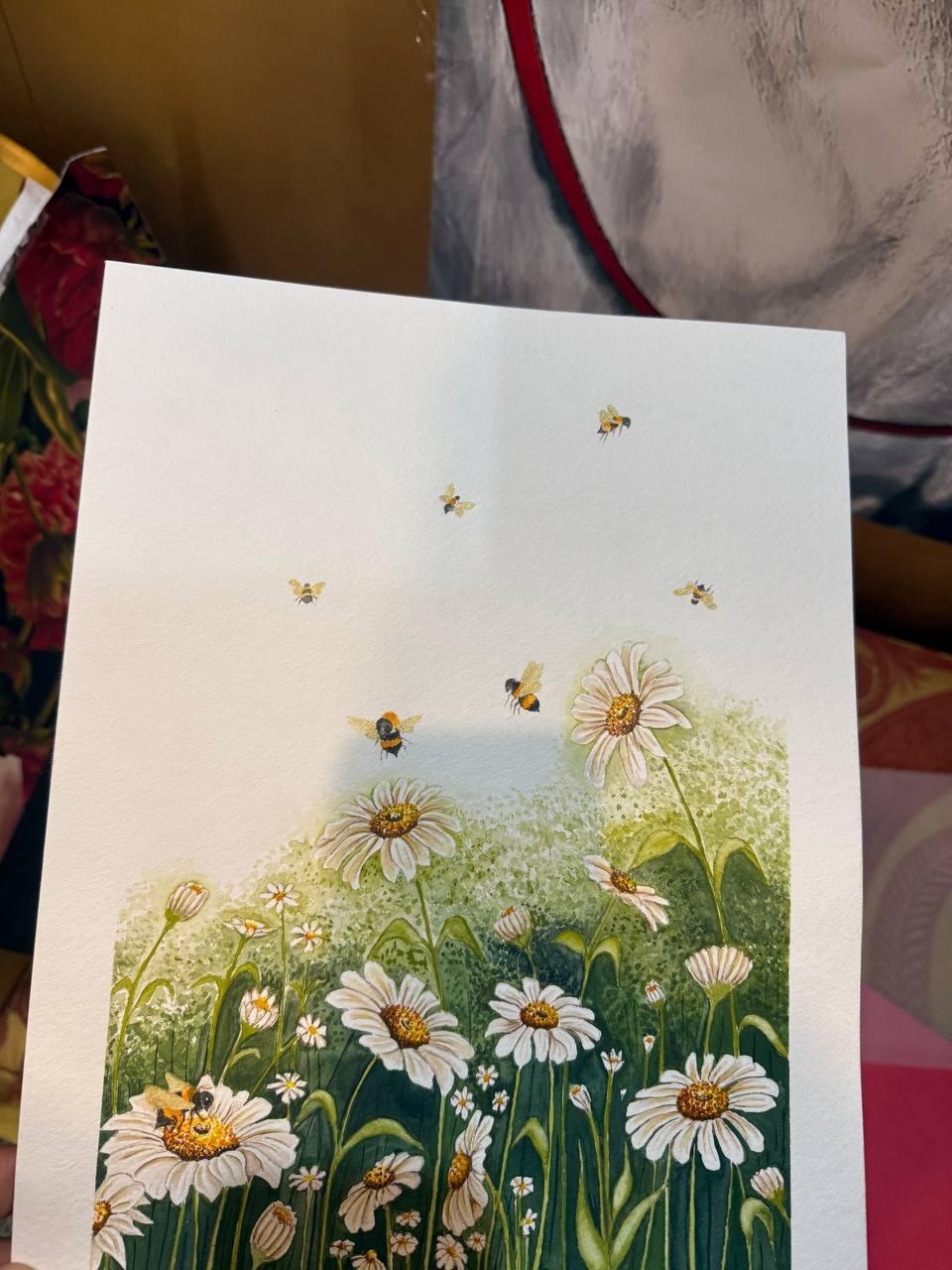
Works on paper. Watercolour, ink, charcoal, and pencil are more light-sensitive, and the paper itself needs protection, so these works belong behind glass. The Young Hare shows what careful keeping makes possible: a watercolour that has crossed five centuries.
When damage happens, repair exists
A tear, a dent, flaking paint, or a yellowed varnish layer does not end a painting. Conservators treat all of these, and an original is worth treating, because the object itself is one of one. Our page on repairing and restoring a painting explains what can be fixed and when to call a professional. Repairability is a quiet but central part of why paintings last so long: when something does go wrong, the object can be brought back.
Why printed decor is different
Mass-produced prints fade, and when a print fades no one repairs it. It is replaced, because identical copies exist and the object itself has nothing unique to save. We will not quote a lifespan number for prints, because print products vary far too much for an honest figure. The difference that matters is not a number anyway. One object is made to be kept and can be restored; the other is made to be replaced. The full comparison is on our page about original art vs prints.
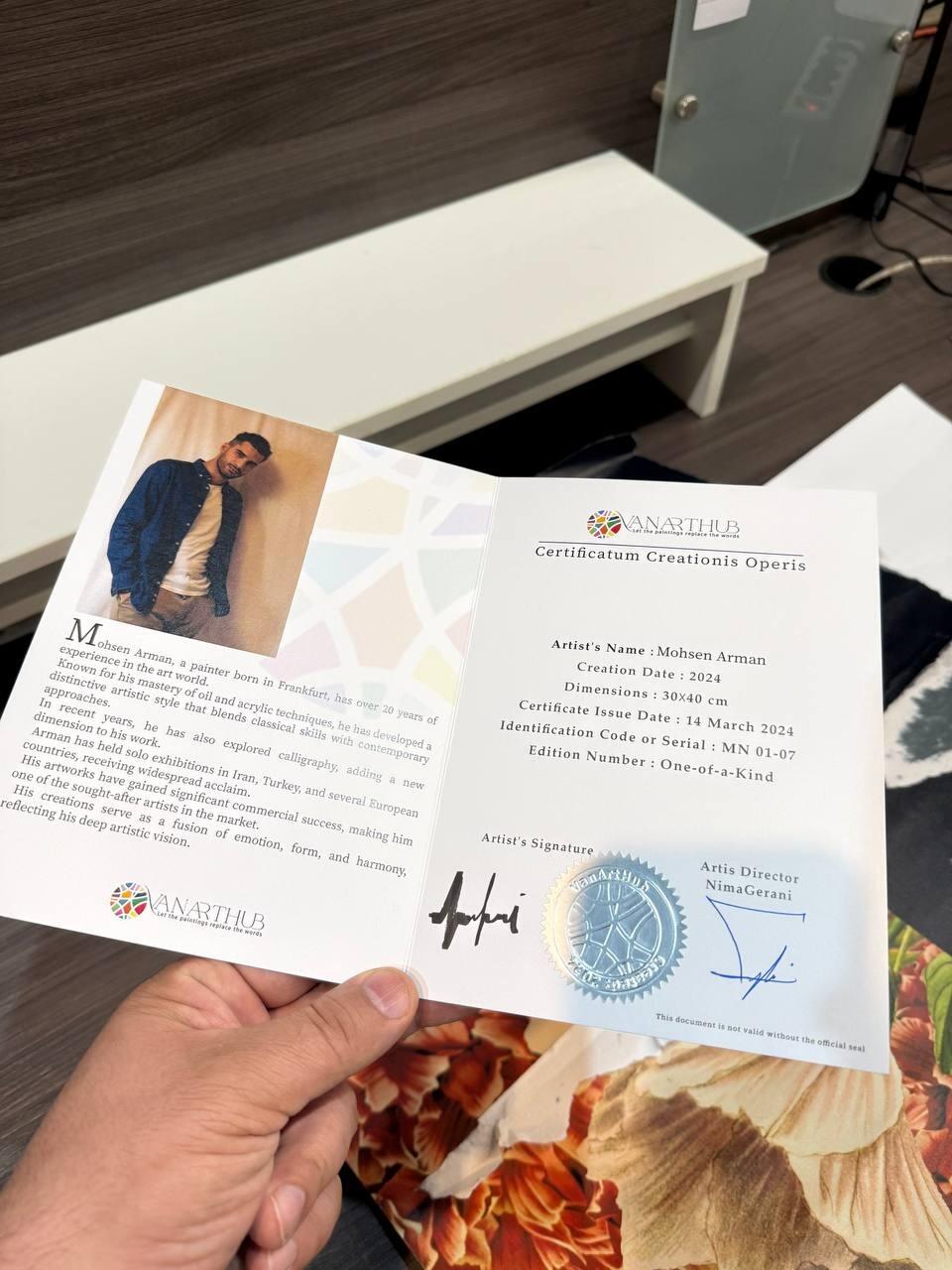
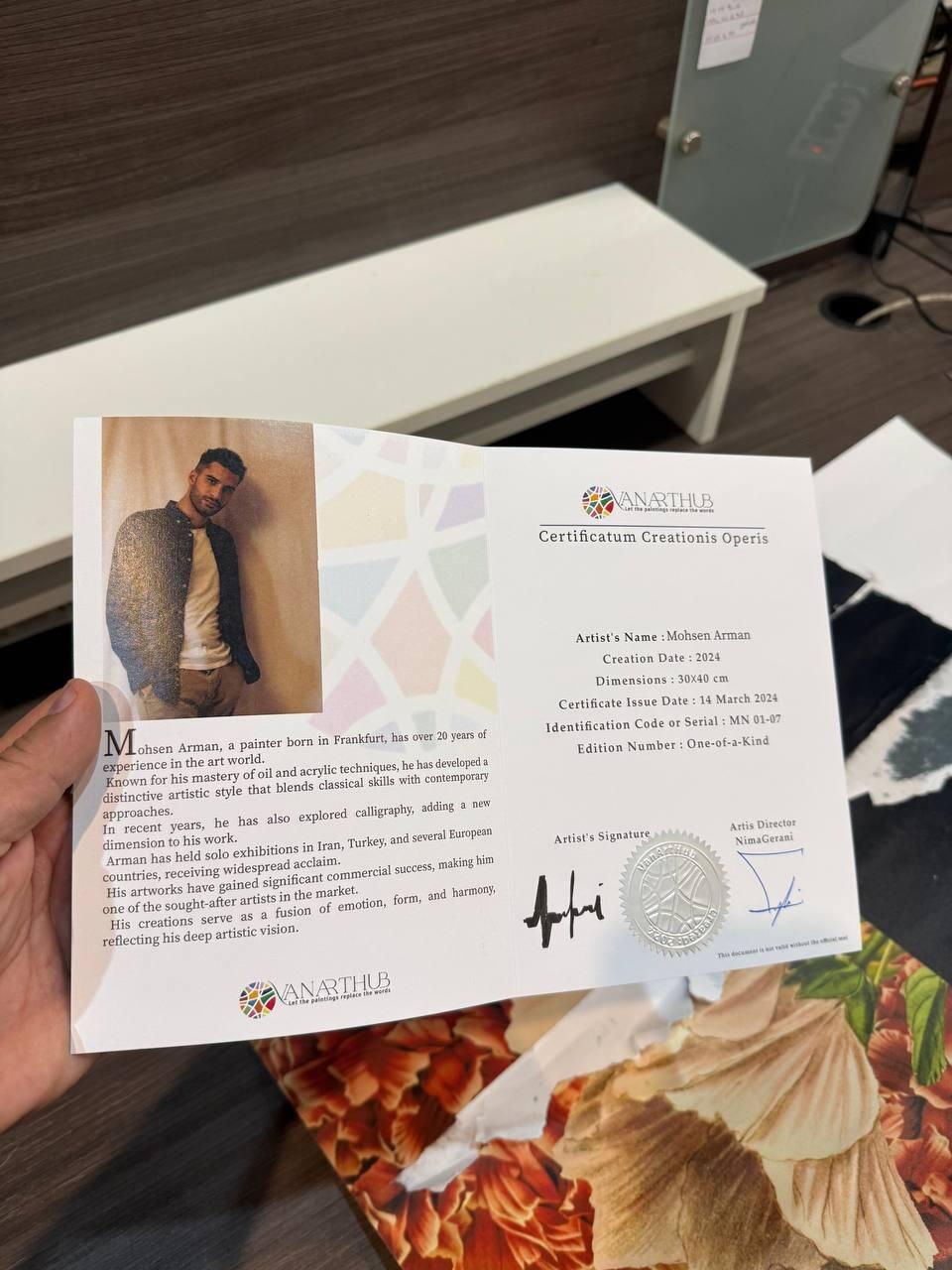
This is also why a painting can become an heirloom and a print rarely does. A signed original with its Certificate of Authenticity carries its identity from one generation to the next; see art as an heirloom for how collectors plan for that.
Common questions
How long does an oil painting last?
With basic care, centuries. Museums display oil paintings that are hundreds of years old, and a well-made modern oil painting kept away from direct sun and damp has no known reason to do worse.
How long does an acrylic painting last?
Acrylic is a modern medium, so no acrylic painting is centuries old yet. Its binder is a stable synthetic polymer, and with the same care as any painting it should last for generations. An exact number would be invented, so we do not give one.
Does a painting need to be behind glass?
Works on paper, such as watercolour, ink, charcoal, and pencil, belong behind glass because paper is light-sensitive and fragile. Oil and acrylic paintings on canvas usually hang without glass, often protected by a varnish layer instead.
What damages a painting fastest?
Direct sunlight, damp, and careless handling. Keep the work out of direct sun, away from bathrooms and damp basements, and carry it with two hands by the frame without touching the paint surface.
Can a damaged painting be repaired?
Yes. Conservators treat tears, dents, flaking paint, and yellowed varnish. Because an original is one of a kind, it is worth repairing, which is a key difference from mass-produced decor.
Do prints last as long as original paintings?
Mass-produced prints fade with light exposure and are replaced rather than repaired, because identical copies exist. Print products vary too much for an honest lifespan number, but the pattern is clear: prints get replaced, paintings get kept and restored.
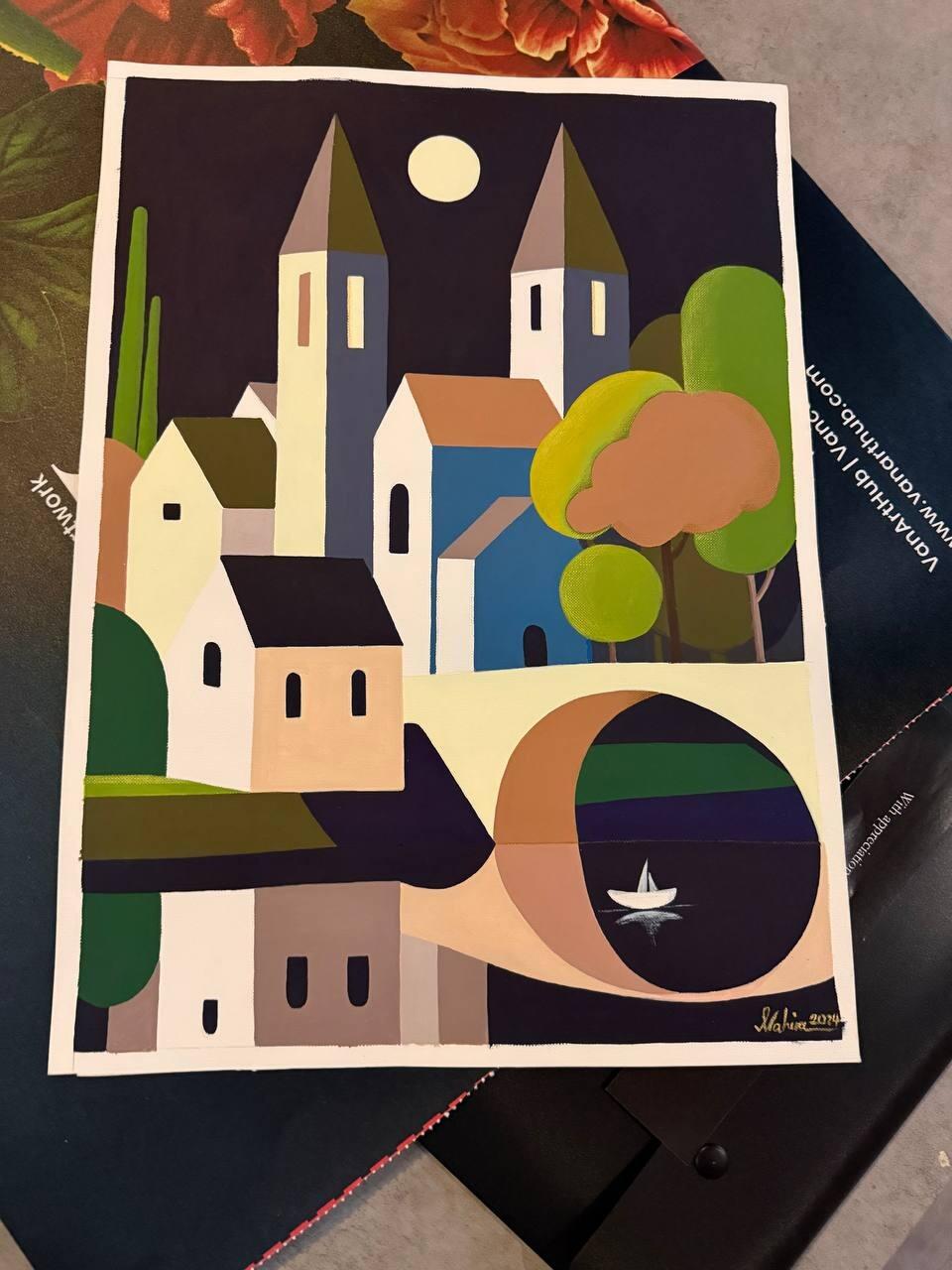
The strongest reason to buy an original is that it is built to be kept. Every VanArtHub painting is an original with a Certificate of Authenticity, and the oil paintings collection is a good place to start with the medium that holds the longest proven record.