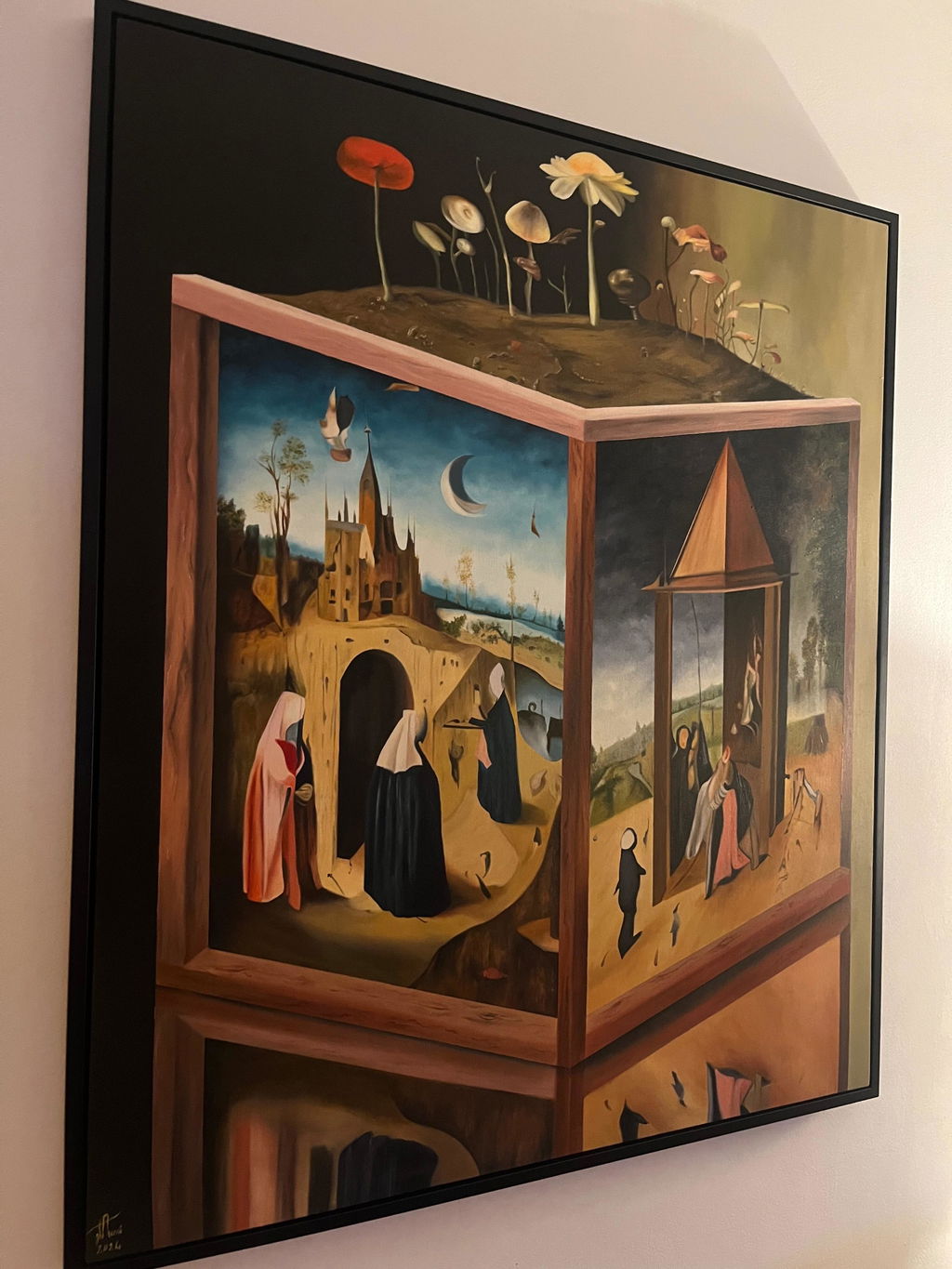
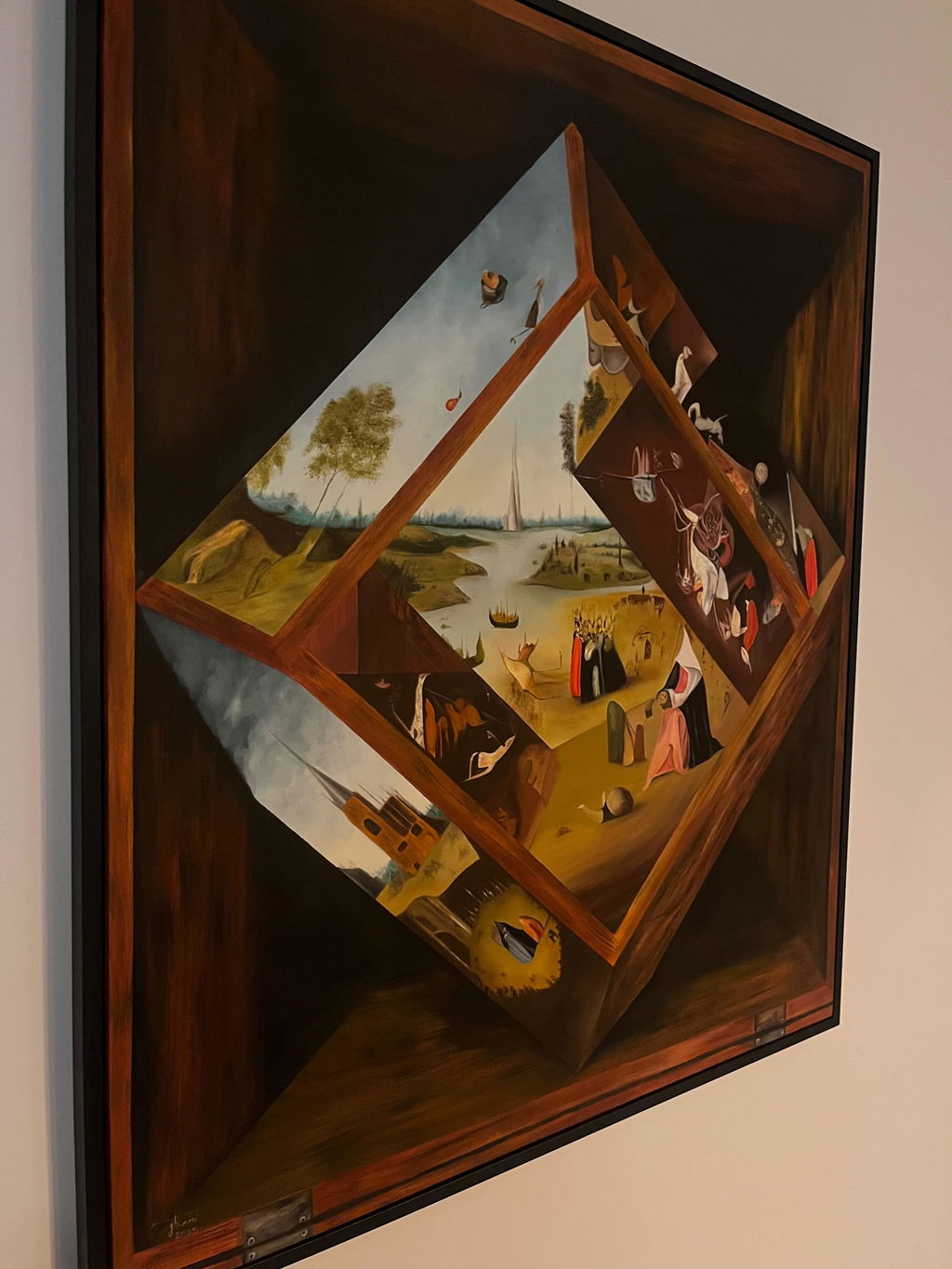
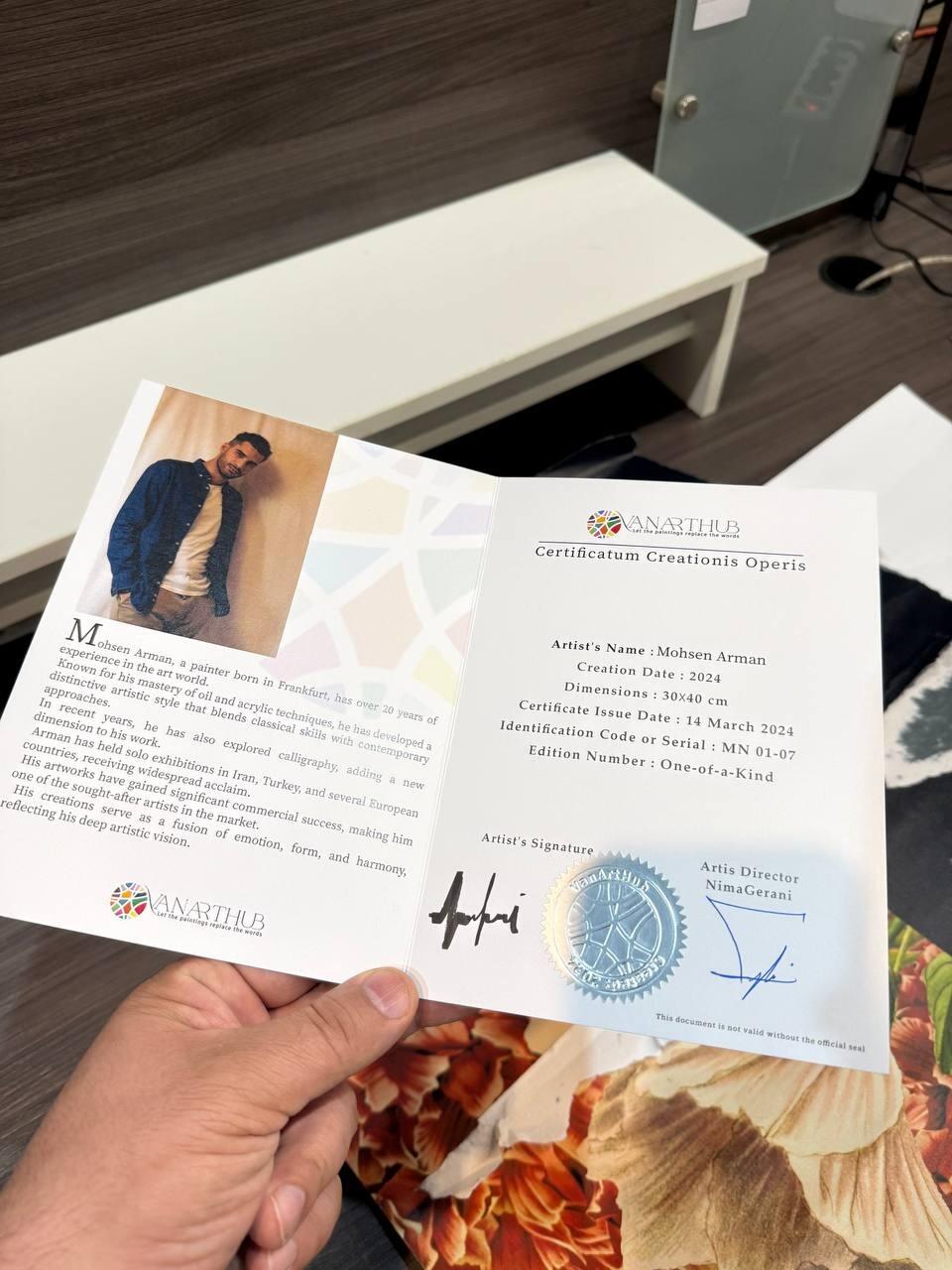
A finished, fully cured painting is a stable object. Once the paint has dried through, very little leaves the surface, which is why the real questions about art in bedrooms and nurseries are practical ones: has a new oil painting had time to air, is a work on paper sealed behind glazing, and is the piece fixed to the wall so a child cannot pull it down.
One thing this page will not do is call any artwork non-toxic. VanArtHub does not audit or certify the materials its artists use, so we make no safety claims about individual works. What we will do is ask: tell us the room and the concern before you buy, and we will put the materials question directly to the artist. This guide is part of our sustainable art hub.
Key takeaways
- A fully cured painting releases very little into a room; wet paint and solvents in a working studio are a different situation.
- New oil paintings can smell while they cure, so give them time in a ventilated space before hanging them in a sleeping room.
- Framing a work on paper behind glass or acrylic glazing puts a sealed barrier between the surface and small hands.
- In a nursery, secure mounting matters more than material worries: proper anchors, out of reach, and no heavy glass directly over the crib.
- No gallery can honestly label a finished artwork non-toxic without auditing its materials; VanArtHub does not make that claim, but will ask the artist for you.
"Non-toxic" describes materials in use, not a finished painting
Safety labels on art supplies describe the tube, the jar, and the spray can while they are being used. That is where exposure happens: an artist handles wet paint, breathes studio air, and washes brushes daily. A finished painting is a different object. The water or solvent has evaporated, the binder has hardened, and the pigment is locked inside a solid film. We explain the studio side, including what solvent vapours are, in low-VOC paints and mediums.
So the useful question for a home buyer is not "is this artwork certified safe" (no credible certificate for that exists) but "is this object dry, stable, sensibly framed, and securely hung". Those you can actually check.
Bedrooms: give new paintings time
Sleep spaces deserve the most caution, simply because people spend hours breathing there with the door closed. The one medium that needs patience is oil. A recently completed oil painting cures slowly and can carry a linseed smell for a while. It fades on its own; hanging the work in a ventilated room until you no longer notice a smell up close is the whole procedure. Acrylics and watercolours dry fast and carry almost no smell once finished.
Freshly varnished work of any medium can also smell for a few days. If a painting arrives with a noticeable odour, do not put it straight into a bedroom; let it air first. This costs nothing but a little waiting.
Nurseries: mounting is the real safety issue
Parents often worry about the paint and overlook the physics. A framed artwork is a hard, sometimes heavy object on a wall, and a curious toddler will eventually reach for anything reachable. The genuine safety rules are about mounting. Use proper wall anchors or a stud, not a bare nail in drywall. Hang the work out of a standing child's reach. Do not hang anything heavy, and especially nothing glazed with glass, directly above the crib; if you want art there, choose a light piece, and prefer acrylic glazing, which does not shatter.
Weight and glazing choices belong to framing, and there are sustainability angles to the same decisions. Our guide to sustainable framing choices covers glass against acrylic in detail.
Framing behind glazing: a simple barrier
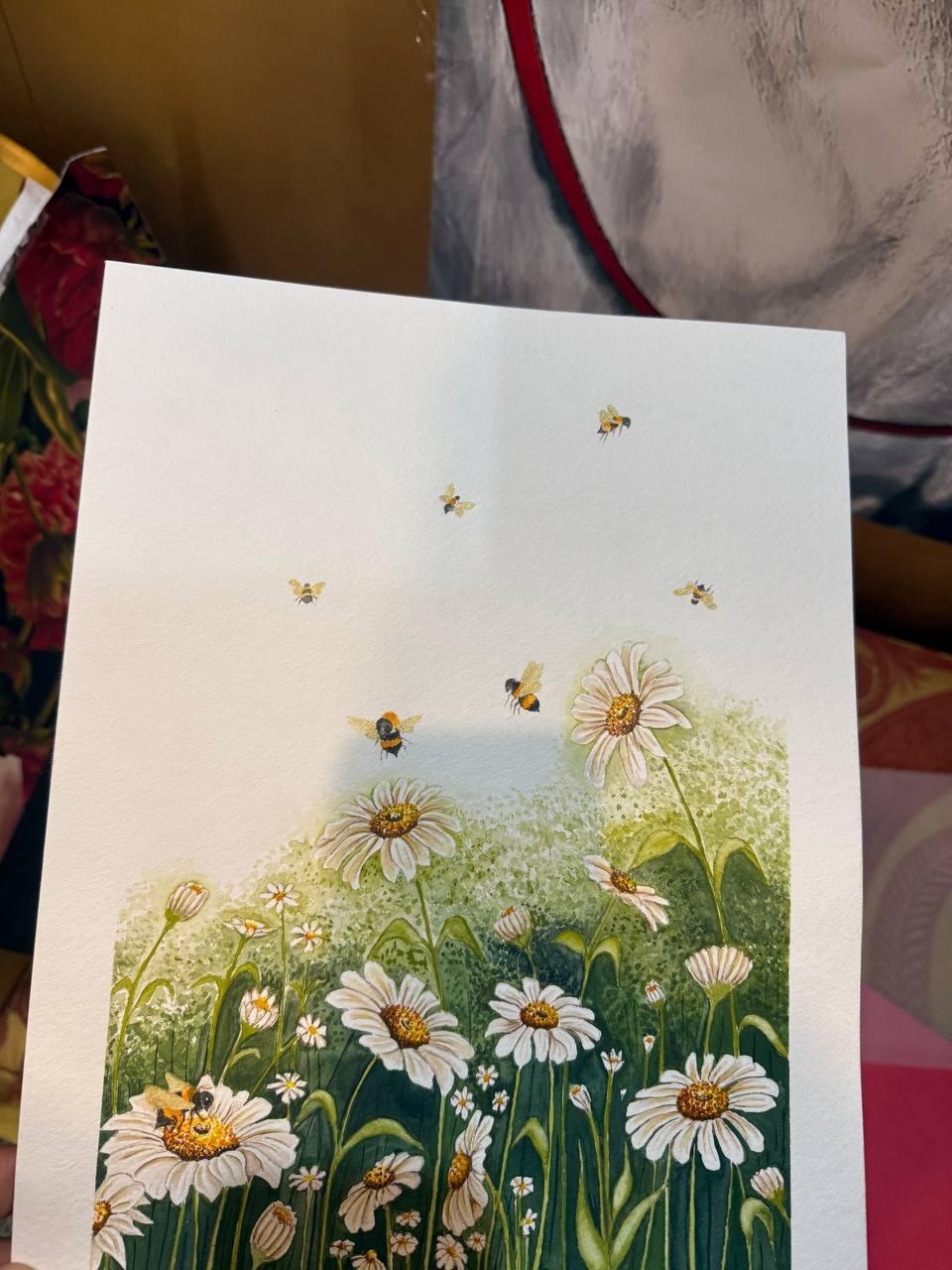
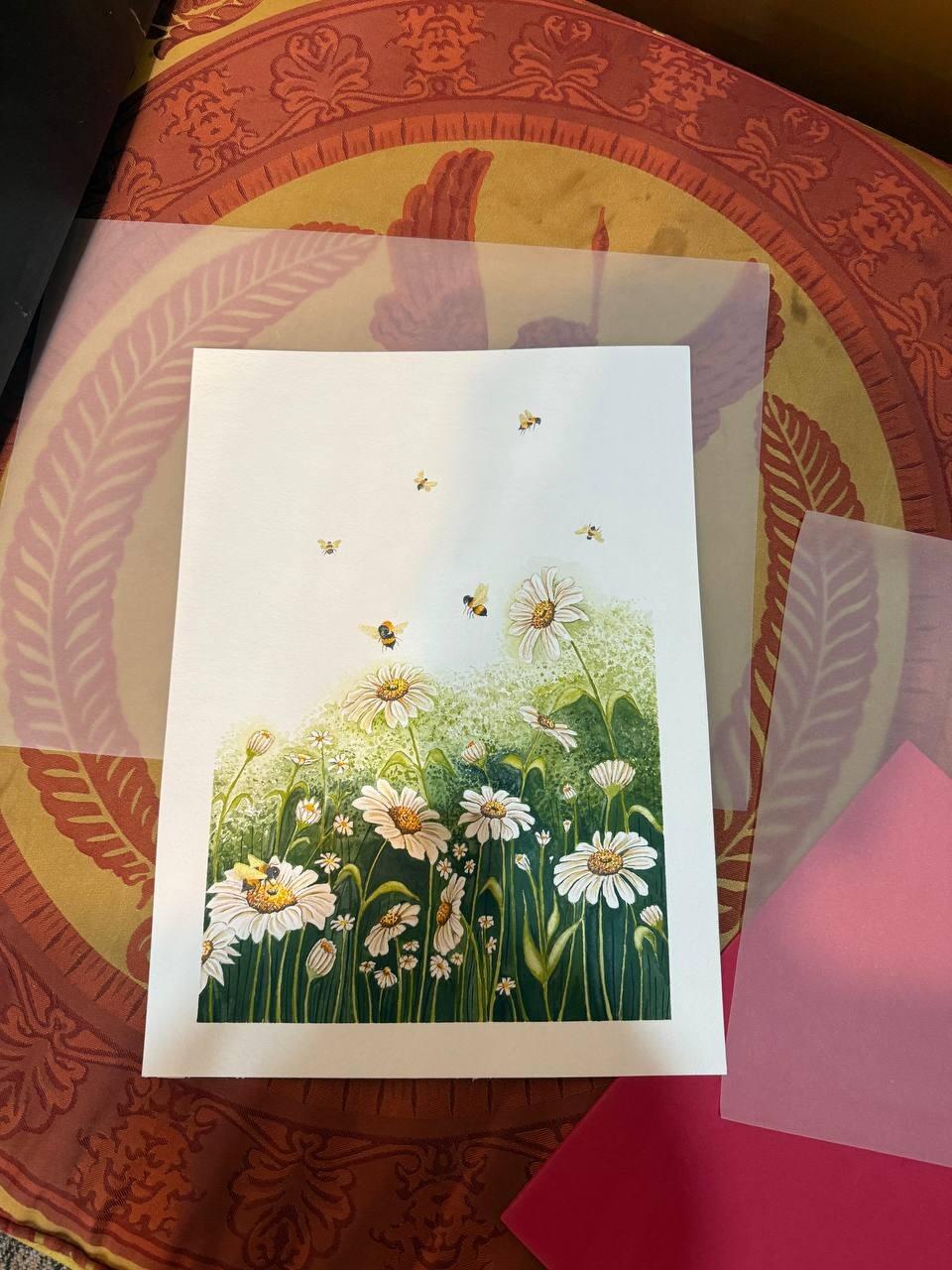
For works on paper, watercolours, drawings, and sketches, framing behind glazing with a backing board does two jobs at once. It protects fragile paper from dust, moisture, and touch, and it seals the artwork's surface behind a solid barrier. In a family home that barrier is worth having: the art survives sticky fingers, and nothing on the surface can be touched at all.
Canvas paintings are usually hung unglazed, which is normal and fine. The paint film on a cured canvas is tough enough for ordinary household life; it simply should not be scrubbed or hung over a heat source.
Ask before you buy: the honest way to choose
If materials matter for your home, ask about them before the purchase, and expect straight answers. Useful questions: what medium is the work, when was it completed, has it been varnished, and how is it framed. A seller who works directly with living artists can get every one of those answered by the person who made the piece. That is our standing offer at VanArtHub, and it is worth more than a reassuring label, because it is specific and checkable.
Art in a family home is a positive choice first, and a list of precautions second. On that side, see art, nature and wellbeing at home.
Common questions
Is it safe to hang an oil painting in a baby's nursery?
A fully cured oil painting is a stable object, and hanging one in a nursery is common. The two practical steps are to let a recently finished oil painting air in a ventilated room until you no longer notice a smell, and to mount it securely, out of reach, with proper wall anchors.
Are acrylic paintings a good choice for bedrooms?
Yes. Acrylics are water-based, dry quickly, and carry almost no smell once finished. For a bedroom the main considerations are the same as for any art: secure hanging and keeping the work out of direct sunlight.
Should art above a crib be glazed with glass or acrylic?
If the work needs glazing at all, acrylic is the safer choice near a crib because it is light and does not shatter. Better still, hang art on a wall away from the crib rather than directly over it; then either glazing works.
Can VanArtHub tell me what materials a painting was made with?
We do not certify materials and we will not guess. What we will do is ask the artist directly before you buy. Tell us which painting you are considering and what you need to know, and we will get the answer from the person who made it.
Do watercolours and drawings need to be behind glass in a family home?
They should be glazed, yes. Works on paper are fragile, and glazing with a backing board seals the surface against dust, touch, and knocks. In a home with children, that barrier protects the art as much as anything else.
Calm subjects suit sleeping rooms, and compact works fit nursery walls without dominating them. Browse our nature paintings and originals under $700, and tell us the room before you buy; we will check anything you need with the artist.