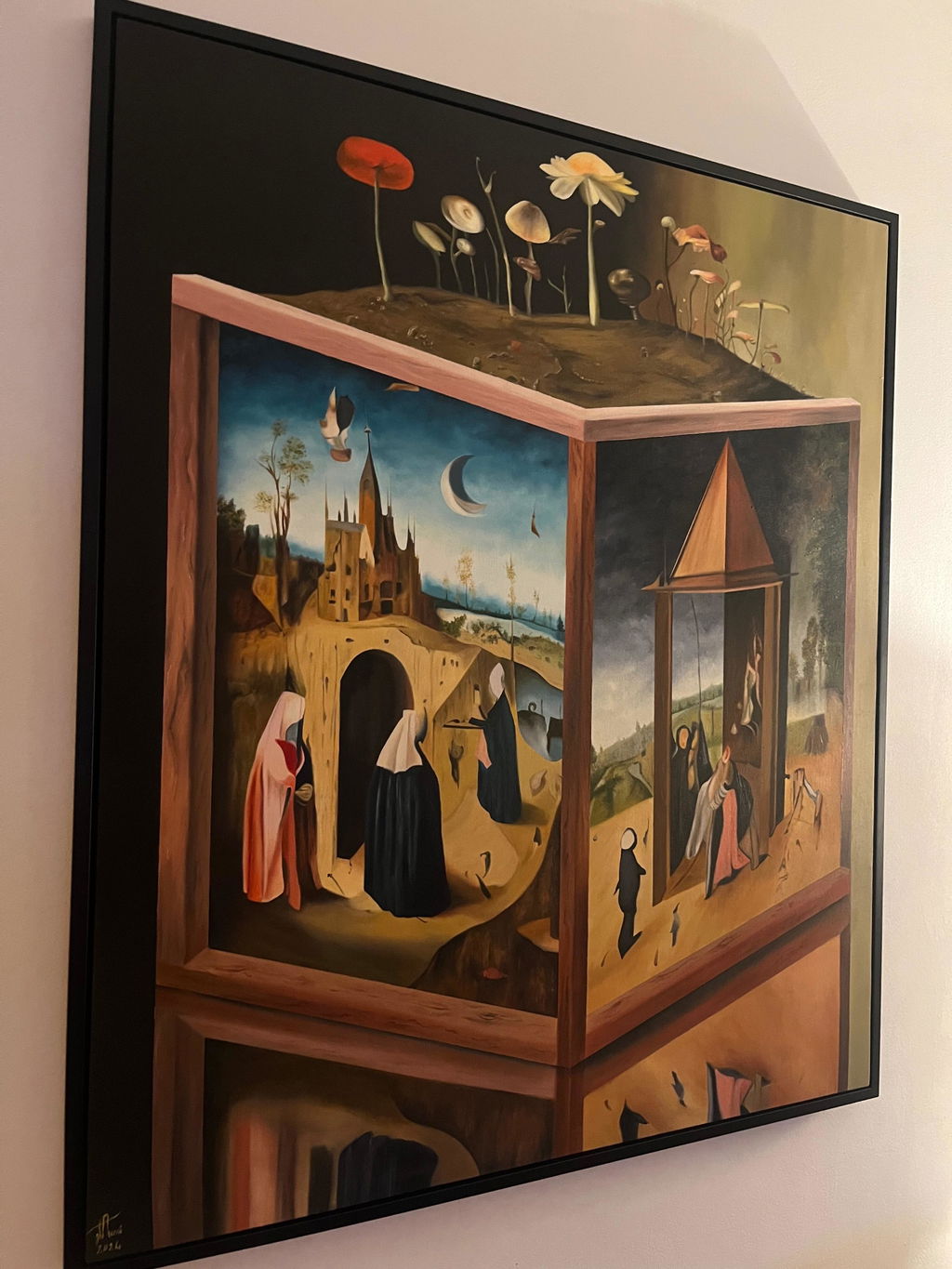
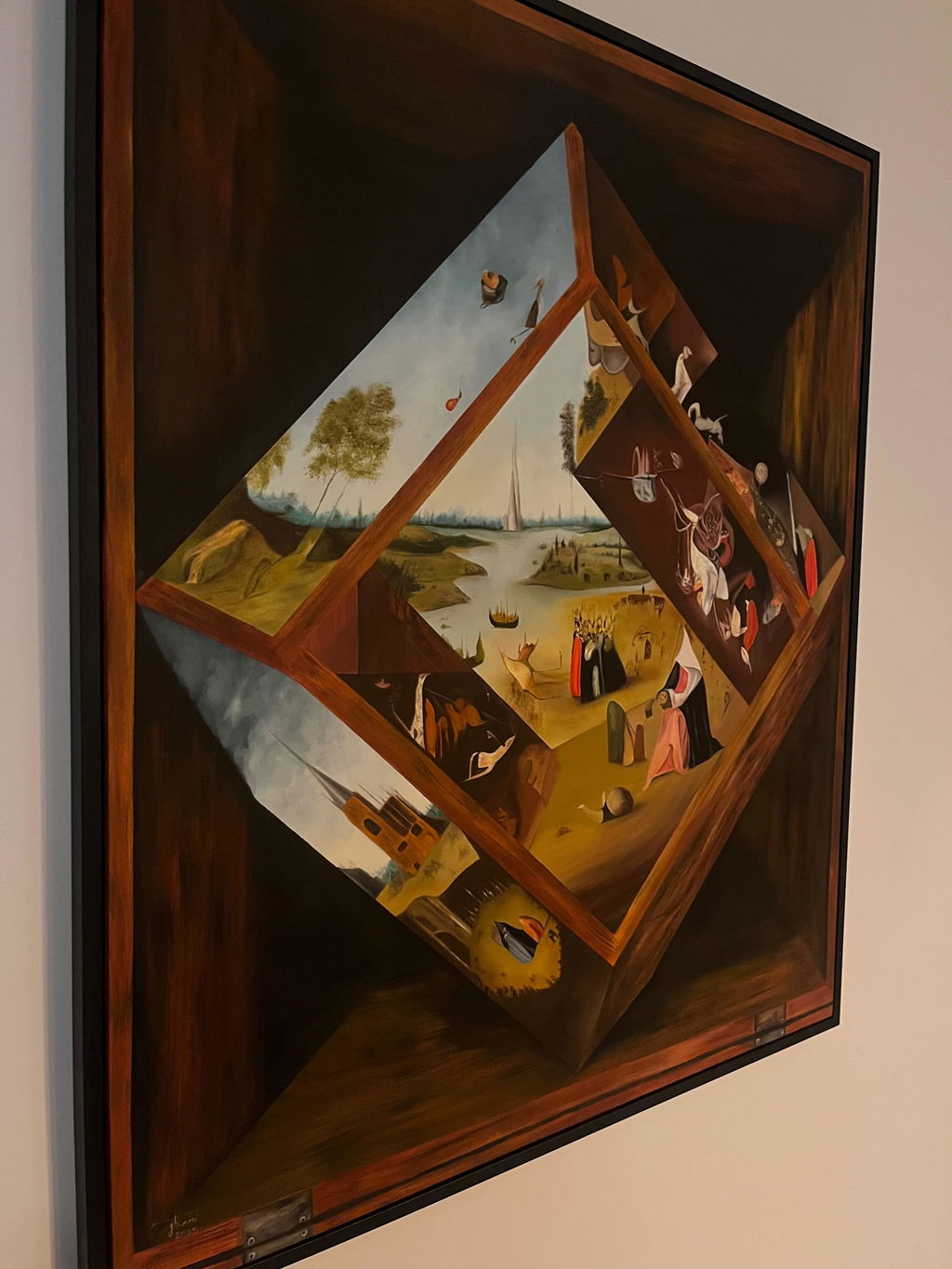
Second-hand art is any artwork that has had at least one previous owner. You find it at estate sales, at auction, on online resale platforms, and sometimes in charity shops. Buying it is one of the most sustainable ways to collect, because the work already exists and your purchase simply extends its life. Before you pay, check three things: the physical condition, the signature, and the provenance, which is the record of where the work has been.
This guide covers where to look and how to run those three checks without any special training. It also explains why a gallery page that stays online after a sale, a practice VanArtHub follows for every sold original, quietly makes provenance easier for everyone who owns the work later.
Key takeaways
- Estate sales, auction houses, online resale platforms, and charity shops are the main sources of second-hand art.
- Check condition under strong side light, and look for tears, flaking paint, mould, and a slack or patched canvas.
- A signature supports identification, but it does not prove authorship on its own; provenance documents matter more.
- Provenance is the ownership record: receipts, certificates, gallery labels, and any page for the work that is still online.
- Many faults, including yellowed varnish and loose canvas, are repairable, so factor repair costs into the price instead of walking away.
Where to look
Estate sales. When a household is cleared, its art is usually sold along with everything else. The people running the sale are often generalists, so both bargains and mispriced hopefuls appear. Ask what is known about the work and the family; even a sentence of history ("she bought it on a trip in the 1970s") is a start for provenance.
Auction houses. Local and regional auction houses handle ordinary household art as well as expensive works. You get a catalogue entry, sometimes a condition note, and a preview day when you can inspect the work in person. Remember that a buyer's premium, a fee added on top of the winning bid, raises the final price.
Online resale platforms. General marketplaces and specialist art resale sites both carry second-hand work. Photos can hide problems, so ask for images of the back, the edges, and the signature, plus a photo taken with light raking across the surface. Read the return policy before you commit.
Charity shops. Most framed pieces in thrift stores are reproductions, but originals do appear. The prices are low enough that the main skill you need is telling a print from a painting, which is covered below.
Check one: condition
Look at the work under strong light coming from the side. Raking light makes tears, dents, flaking paint, and repairs jump out in a way that flat light hides. Turn the work over: the back tells you more than the front. Look for patches, water stains, and a stamp or label from a framer or gallery. Press nothing; just look. A musty smell suggests mould, which spreads to other artworks, so treat it seriously.
Do not reject a work just because it has faults. A slack canvas, surface dirt, and yellowed varnish are all routine jobs for a professional; our page on repairing and restoring a painting explains what can be fixed and what cannot. The practical move is to estimate the repair cost and subtract it from what you are willing to pay.
Check two: the signature, and print versus original
Look for a signature on the front, usually a lower corner, and on the back of the canvas or panel. A signature helps identify the artist, but it is weak proof by itself, because signatures are the easiest thing to copy. If the seller names a known artist, compare the work and signature against images of that artist's accepted works before you believe the label, and treat any famous name at a bargain price with doubt.
Also confirm the work is a painting at all. Under a magnifier, a mechanical reproduction shows a regular dot or spray pattern and a flat, even surface. An original shows raised, irregular brushwork, and paint often continues over the edges of the canvas. Glass over a "painting" with a perfectly smooth surface is another hint that it is a print.
Check three: provenance
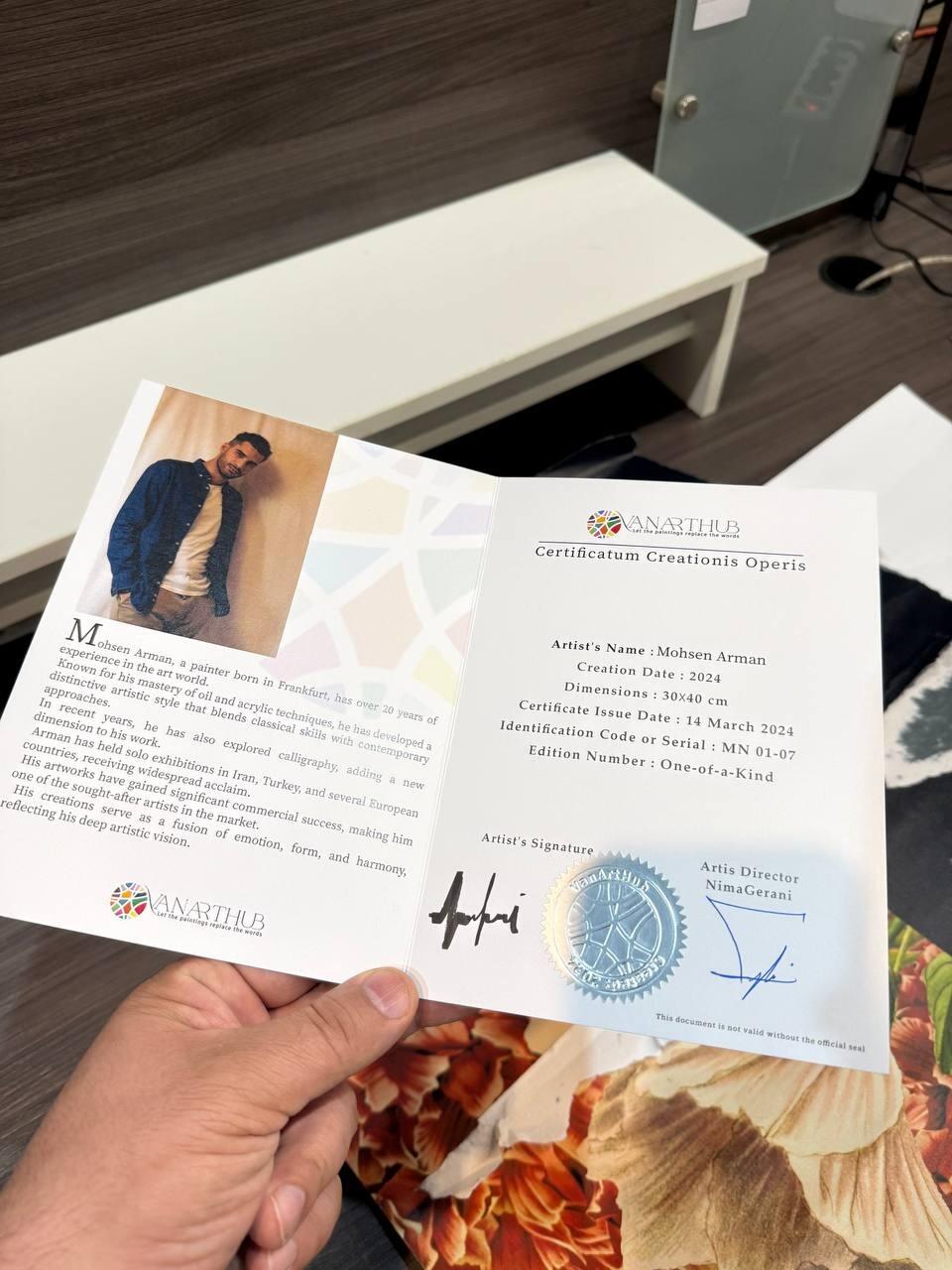
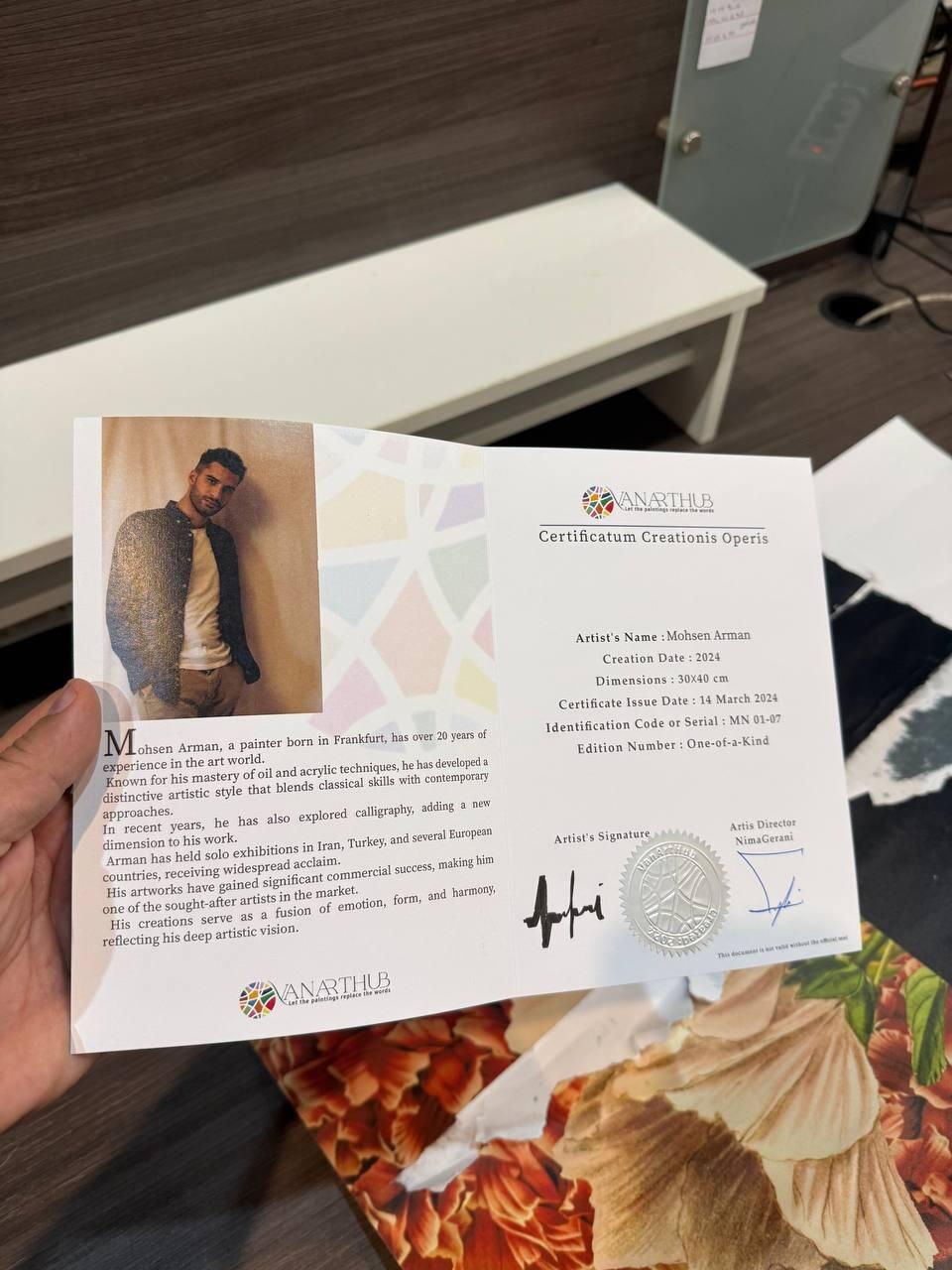
Provenance is the documented story of ownership. For a second-hand work it can include purchase receipts, a Certificate of Authenticity, gallery or exhibition labels on the stretcher, letters, and old photos showing the work in someone's home. None of these is required for a cheap decorative find, but for anything attributed to a named artist, provenance is the backbone of the claim and of the price.
One modern form of provenance is simply a web page that stays up. When the gallery that first sold a painting keeps that work's page online after the sale, the page permanently ties together the image, title, size, medium, and artist. VanArtHub keeps the page for every sold original live for exactly this reason: a later owner, or a buyer from that owner, can match the physical painting to its original record. Newly bought work has it even easier, since every VanArtHub painting ships with a Certificate of Authenticity that starts the chain on day one; our guide on how to buy original art covers this from the first-owner side.
One thing provenance rarely tells you is what the work is made of. If animal-free materials matter to you, second-hand buying makes that question harder to answer, and our guide on how to verify vegan art explains what can and cannot be confirmed.
| Check |
How to do it |
Warning sign |
| Paint surface |
View under strong side (raking) light |
Active flaking, mould spots, wide cracking with lifting edges |
| Canvas or support |
Examine the back and the stretcher |
Patches, water stains, brittle or torn canvas |
| Signature |
Compare with the artist's accepted works |
A famous name at a price that seems too good |
| Print or original |
Use a magnifier on the surface |
A regular dot pattern and a completely flat surface |
| Provenance |
Ask for receipts, labels, and certificates |
A seller who can say nothing about where the work came from |
Second-hand and new both keep the loop turning
Buying second-hand extends the life of work that already exists. Buying new from a living artist funds the making of durable work that will itself circulate for decades. Both belong to the same circular art economy, and a good collection often mixes the two. If you are the seller rather than the buyer, the same journey viewed from the other end is described in rehoming art you no longer want.
Second-hand prices also teach you what art costs. Comparing them with new work helps you spot a fair deal in either direction; new originals at VanArtHub start at about $531, and browsing originals under $700 gives a realistic sense of what living artists' work sells for.
Common questions
How can I tell if a second-hand painting is an original or a print?
Look closely at the surface, with a magnifier if you have one. A mechanical print shows a regular dot or spray pattern and a flat surface. An original painting shows raised, irregular brushstrokes, and the paint often continues over the edges of the canvas.
What is provenance and do I really need it?
Provenance is the documented history of who has owned an artwork. For inexpensive decorative finds it matters little. For any work presented as being by a known artist, provenance is the main support for that claim, so ask for receipts, certificates, and labels.
Is it safe to buy art at an estate sale?
Yes, if you inspect the work in person and price in the risk. Estate sales rarely offer returns, and the sellers often know little about the art, so check condition and the signature carefully and treat any big-name attribution with doubt.
How much should I pay for second-hand art?
There is no fixed rule. Where records exist, compare the asking price with recent sales of the same artist's work. For unknown artists, pay what the work is worth to you on your wall, and budget for any cleaning or repair it needs.
What if a second-hand painting turns out to be damaged?
Most damage is repairable. A conservator can mend tears, secure flaking paint, and remove yellowed varnish. Where possible, get a repair estimate before you buy and subtract it from the price you are willing to pay.
Second-hand buying is one half of a sustainable collection, and supporting living artists is the other. For how the two halves fit together, read our full guide to sustainable art.