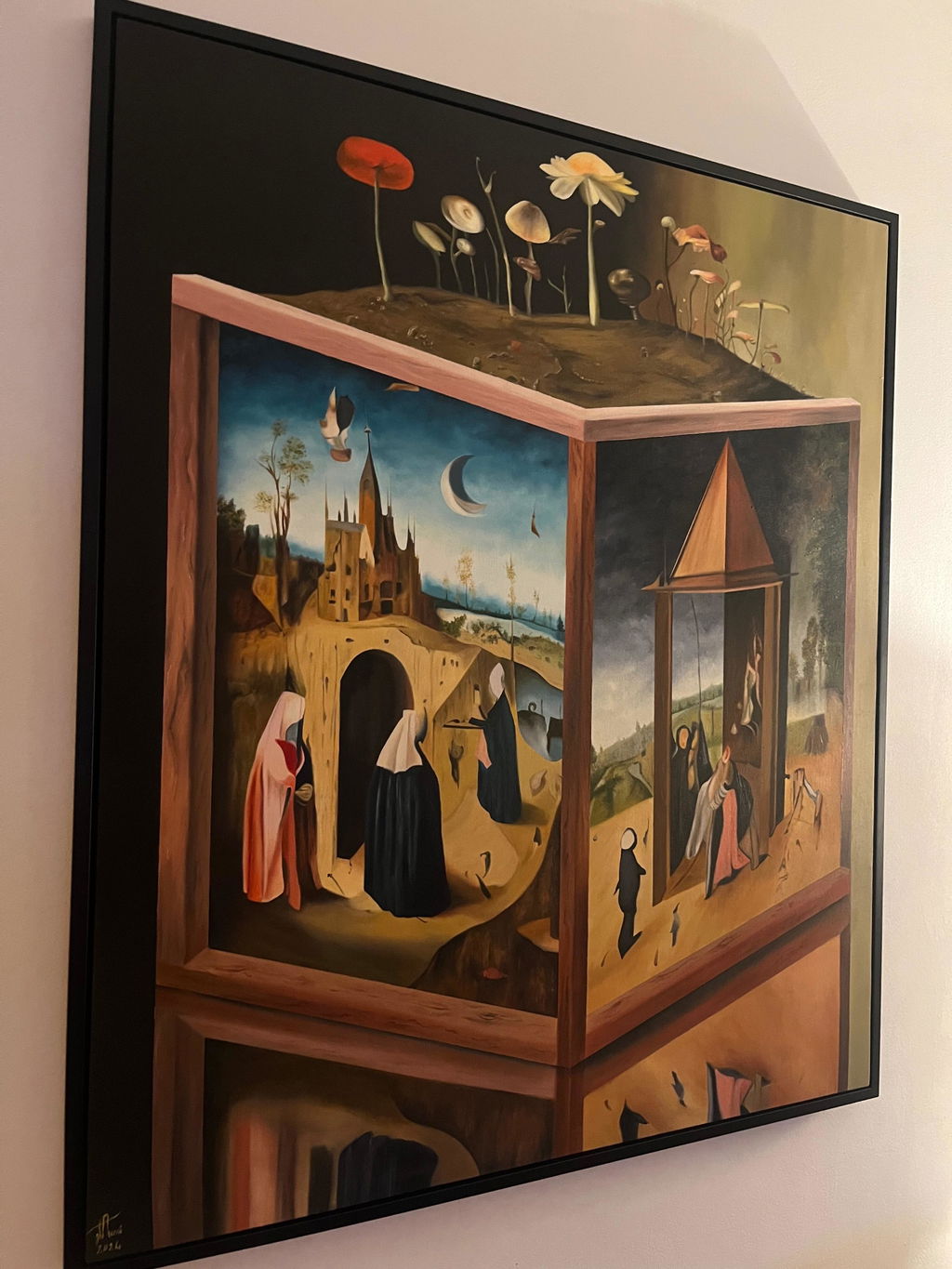
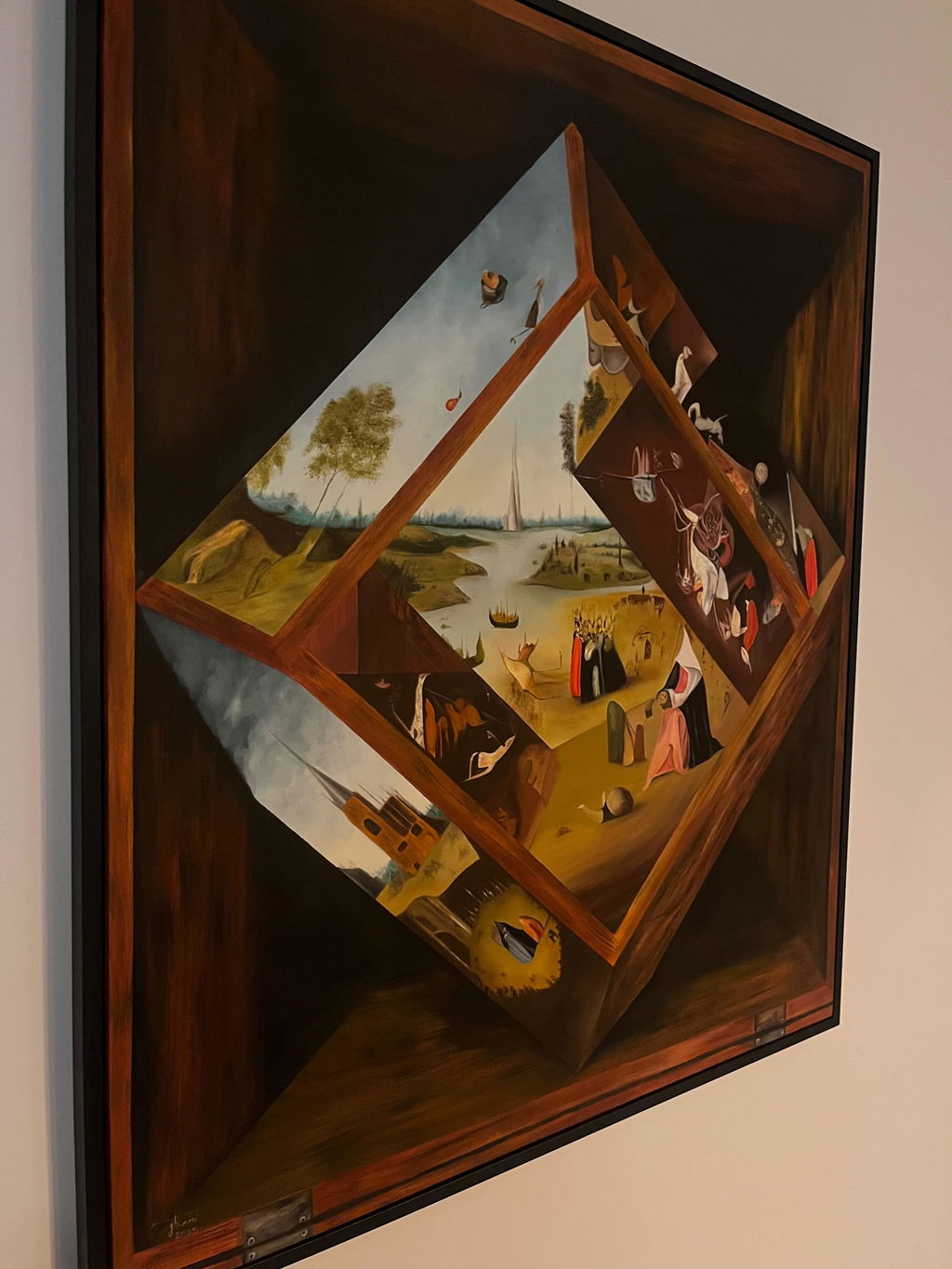
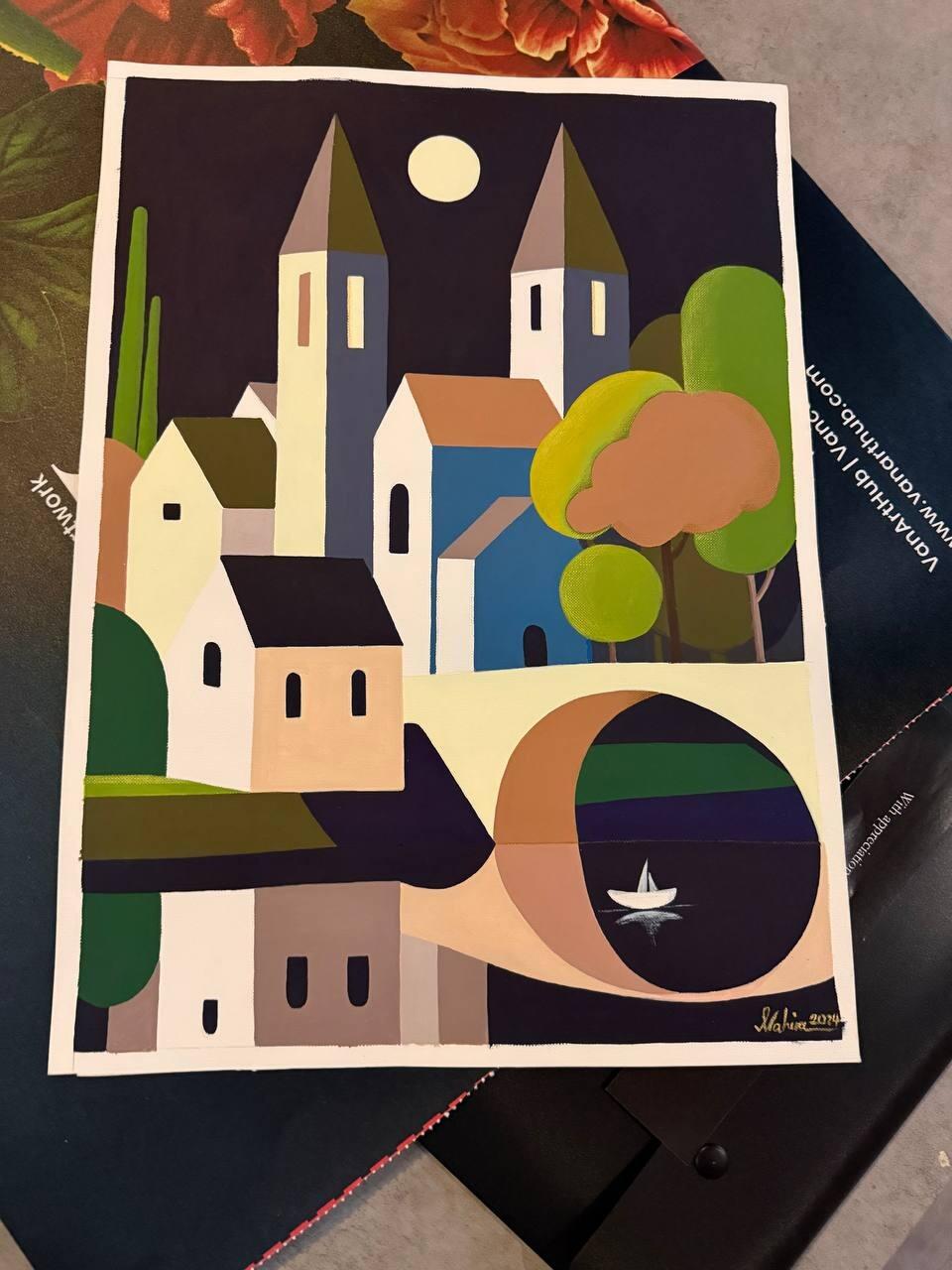
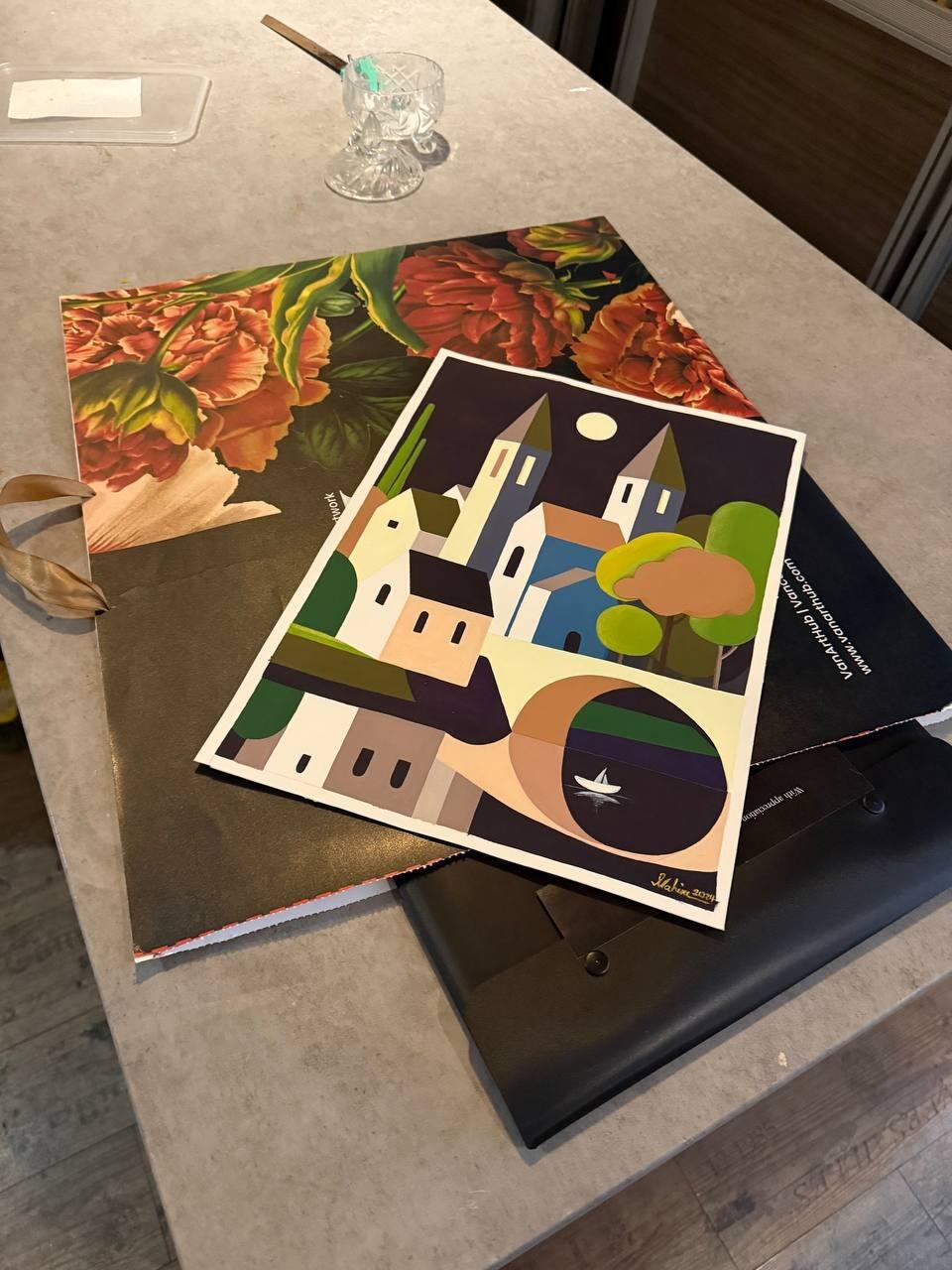
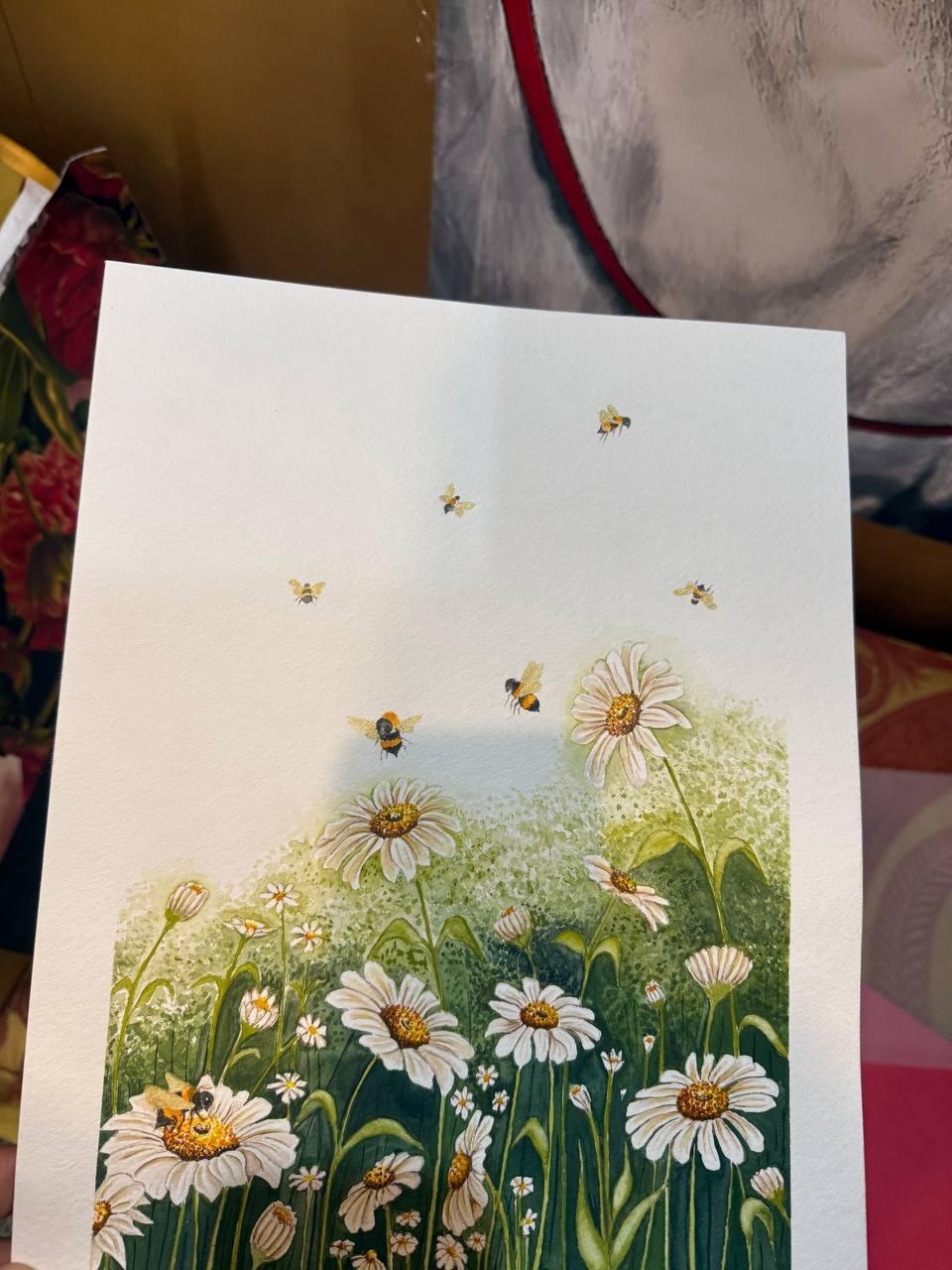
A circular economy is an economy where things stay in use instead of becoming waste. Products are made to last, they are repaired when they break, and when the first owner no longer wants them they pass to someone who does. Art fits this idea better than almost any other product. An original painting is durable, repairable, and one of a kind, so there is always a reason to keep it moving from wall to wall rather than throw it away. The main circular routes in the art world are resale, auction, rental, donation, and trade-back programs.
This page explains each of those routes in plain terms, and shows where a program like VanArtHub's Lifetime Trade-Back fits into the larger cycle. The goal is simple: a painting bought today should still be hanging on someone's wall many decades from now.
Key takeaways
- A circular economy keeps products in use through repair, resale, and reuse instead of sending them to landfill.
- Original paintings suit a circular model because they last for decades, they can be repaired, and each one is unique, so someone will always want it.
- The five main circular routes for art are resale, auction, rental, donation, and trade-back programs.
- VanArtHub's Lifetime Trade-Back lets any collector return a purchased painting for store credit, so the work goes back into circulation instead of into storage.
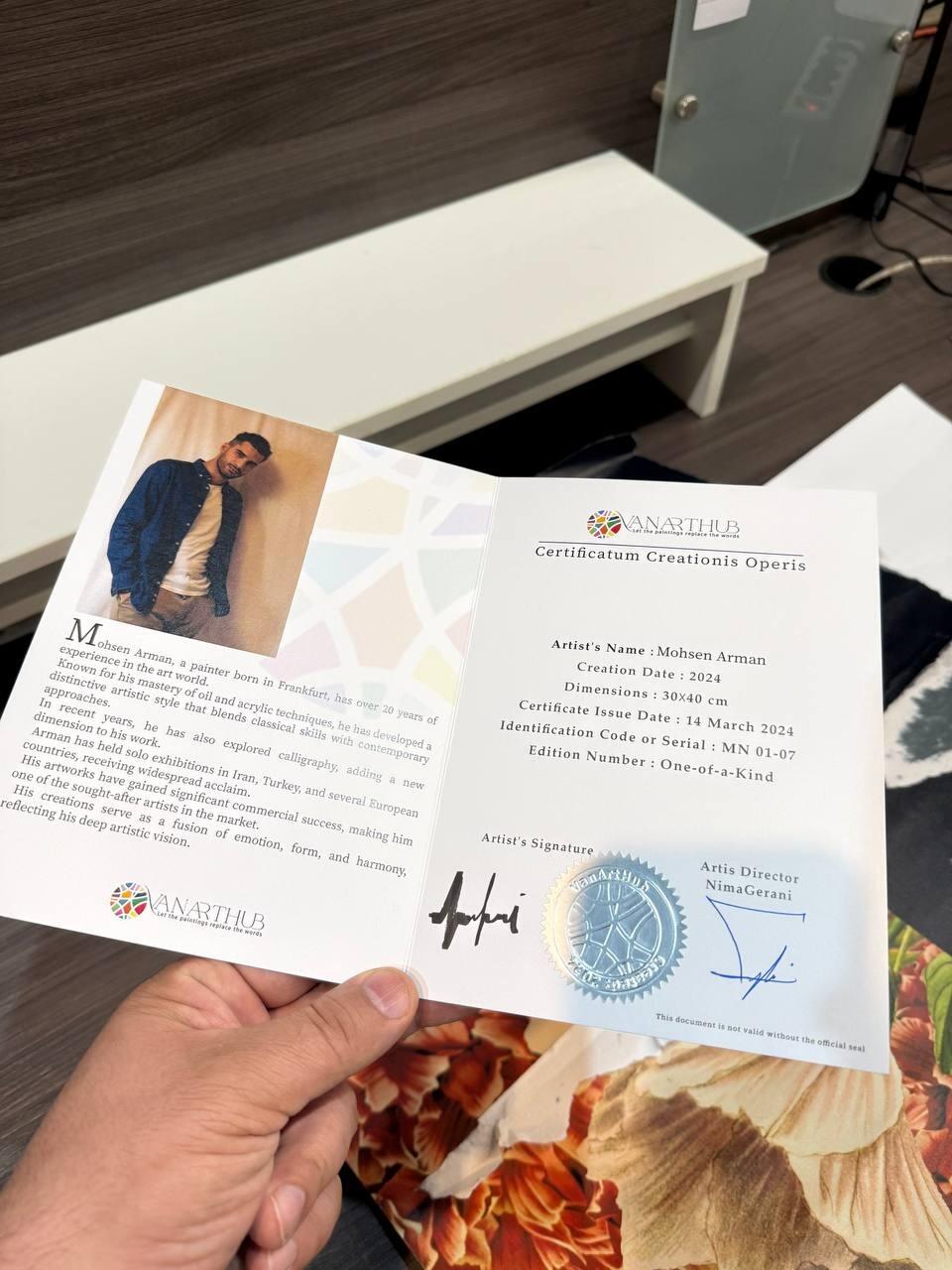
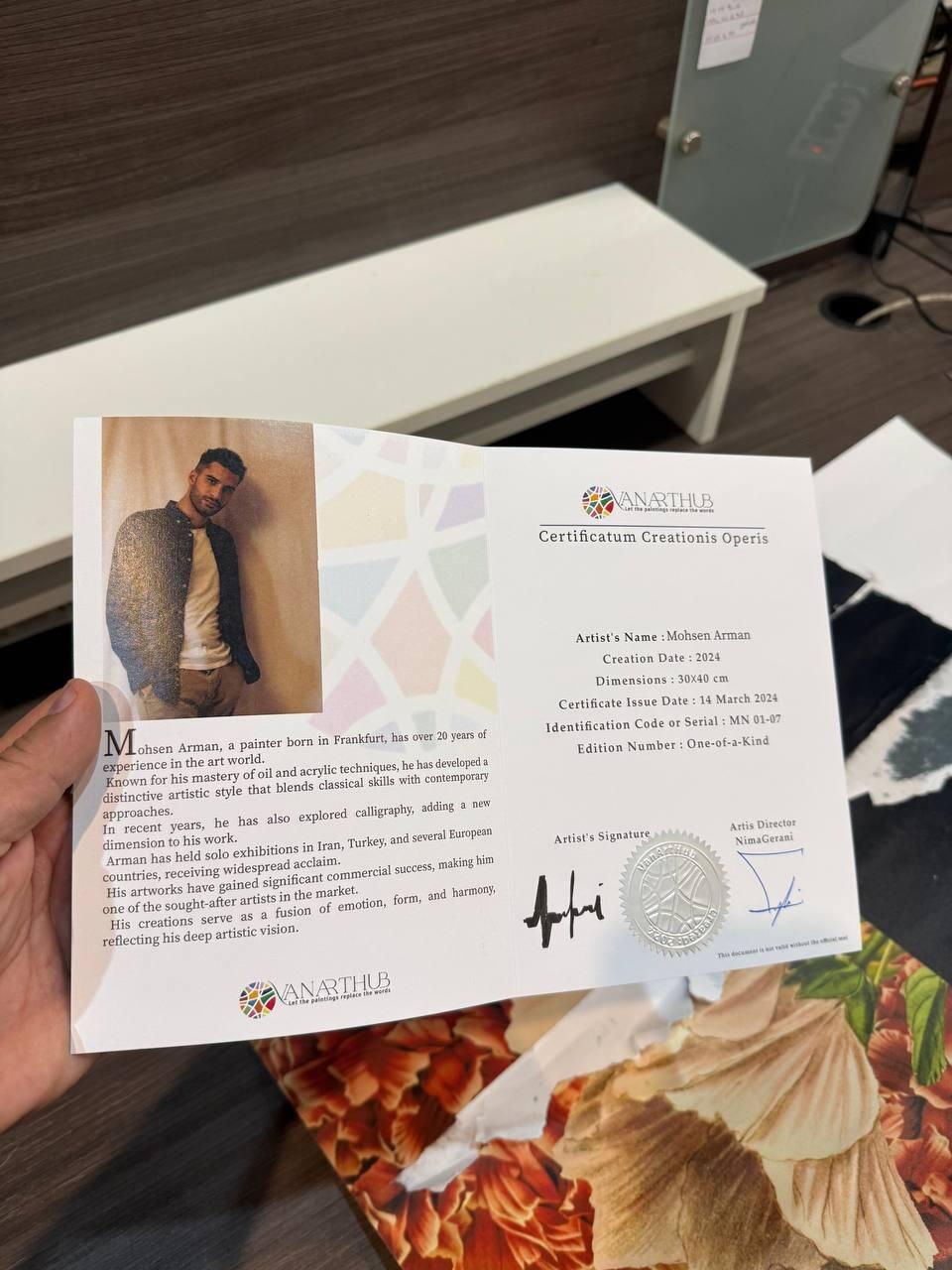
- Keeping the Certificate of Authenticity and the purchase receipt makes every future resale, donation, or trade easier.
The circular idea, in plain terms
The usual economy is a straight line. Materials are taken from the ground, a product is made, it is used for a while, and then it goes in the garbage. A circular economy bends that line into a loop. Products are designed to last, owners repair them instead of replacing them, and when an owner moves on, the product finds a new home. In a circular system, waste is treated as a design failure, and the whole system is arranged so that failure rarely happens.
Art was circular long before anyone used the term. Paintings from past centuries still hang in homes and museums because each generation passed them along, sold them, inherited them, or gave them away. Nobody throws out an object they believe has value. The modern task is to give ordinary collectors, with ordinary budgets, the same easy routes that museums and wealthy families have always had.
Why paintings fit the loop so well
Three qualities make an original painting a natural circular product. First, it is durable. A well-made painting on canvas or panel can outlive its first owner by a long margin when it is kept away from damp and direct sun. Second, it is repairable. A conservator can mend a tear, secure flaking paint, or remove old yellowed varnish, so damage rarely means the end of the object. Third, it is unique. Because no other copy exists anywhere, a painting keeps its reason to exist even when its owner's taste changes. Someone else will want it.
Compare that with mass-produced wall decor. A factory print is cheap to replace and hard to resell, so when a trend passes it usually becomes waste within a few years. An original from a working artist starts life with a much longer future built in.
The five circular routes for art
Resale. The owner sells the work privately, through a dealer, or on a resale platform. This is the most common route, and it is the mirror image of buying second-hand art, where the same checks on condition, signature, and provenance apply from the buyer's side.
Auction. An auction house catalogues the work, finds the buyers, and takes a fee from the result. Auctions work best for artists whose work already has an active resale market, but local auction houses also handle ordinary household art at modest prices.
Rental. Offices, hotels, film productions, and home stagers rent art for months at a time. A rented painting serves many rooms over its life instead of one. Some galleries and rental companies also rent to private homes, often with an option to buy.
Donation. Hospitals, schools, seniors' residences, charities, and community spaces hang donated art. The owner receives little or no money, but the work is seen and used, often by far more people than it was before.
Trade-back. The gallery that first sold the work takes it back and finds it a new home, and the collector receives credit toward a different piece. This route is the newest of the five and the easiest for the owner, because the gallery does the rehoming work.
| Route |
How it works |
Best for |
| Resale |
You find the buyer and set the price |
Owners who want cash and can wait for the right buyer |
| Auction |
An auction house finds buyers and takes a fee |
Works by artists with an active resale market |
| Rental |
A company pays to display the work for a set term |
Owners who want income without giving up the work |
| Donation |
A charity or public space receives the work |
Owners who care more about use than money |
| Trade-back |
The original gallery takes the work back for store credit |
Collectors who want a simple way to change their collection |
Where Lifetime Trade-Back fits
A trade-back program closes the loop at the point of sale, before the painting is even bought. VanArtHub's version works like this: any original bought from the gallery can come back at any time, in exchange for store credit toward another work. The gallery then finds the returned painting its next owner. To be clear about the terms, the credit is store credit rather than cash, and the program covers works bought from VanArtHub. The full details are on the Lifetime Trade-Back page.
The reason this matters is psychological as much as environmental. The biggest barrier to buying original art is the fear of being stuck with a choice forever. A standing promise to take the work back removes that fear, and it quietly guarantees that the painting will never need a landfill, because there is always at least one place that will accept it.
How to take part as a collector
You do not need a large budget or a plan. Buy slowly, and choose work you expect to keep for years. Keep the paperwork: every VanArtHub painting ships with a Certificate of Authenticity, and storing it with your receipt makes resale, donation, or trade far easier for you and for the next owner. Care for the work by keeping it out of direct sun and damp rooms, and repair damage early instead of hiding the painting in a closet.
When a piece no longer fits your life, pass it on through any of the five routes above; the practical steps are laid out in rehoming art you no longer want. And starting small keeps the risk low. Browse originals under $700 or originals under $700 to see how modest the entry point to a lifelong, circular collection can be.
Common questions
What does "circular economy" mean in art?
It means keeping artworks in use for as long as possible instead of letting them become waste. Resale, auction, rental, donation, and trade-back programs all move a painting from an owner who no longer wants it to someone who does.
Can I resell a painting I bought from a gallery?
Yes. Once you own an original painting you are free to sell it privately, through a dealer, or at auction. Keep the Certificate of Authenticity and your receipt, because clear paperwork makes the sale easier and supports the price.
Does art rental exist for private homes?
Rental is most common for offices, hotels, film sets, and home staging. Some galleries and art rental companies also rent to private homes, often with an option to buy. Availability depends on your city, so search locally.
What is a trade-back program?
A trade-back program is a gallery's standing promise to take a work back. At VanArtHub, the Lifetime Trade-Back lets a collector return any painting bought from the gallery, at any time, for store credit toward a different work.
Is donating art better than selling it?
Neither is better in every case. Selling suits owners who want money back. Donation suits owners who care more that the work is seen and used, for example in a hospital, school, or community space. Both keep the painting in circulation.
Taking part in the circular art economy is mostly a habit: treat paintings as lasting objects, keep their records, and pass them on with care when the time comes. To see how this habit fits into the wider picture of collecting well, start with our full guide to sustainable art.