How to Hang a Heavy Canvas Without Wrecking Your Wall
Updated By VanArtHub Curatorial TeamShare
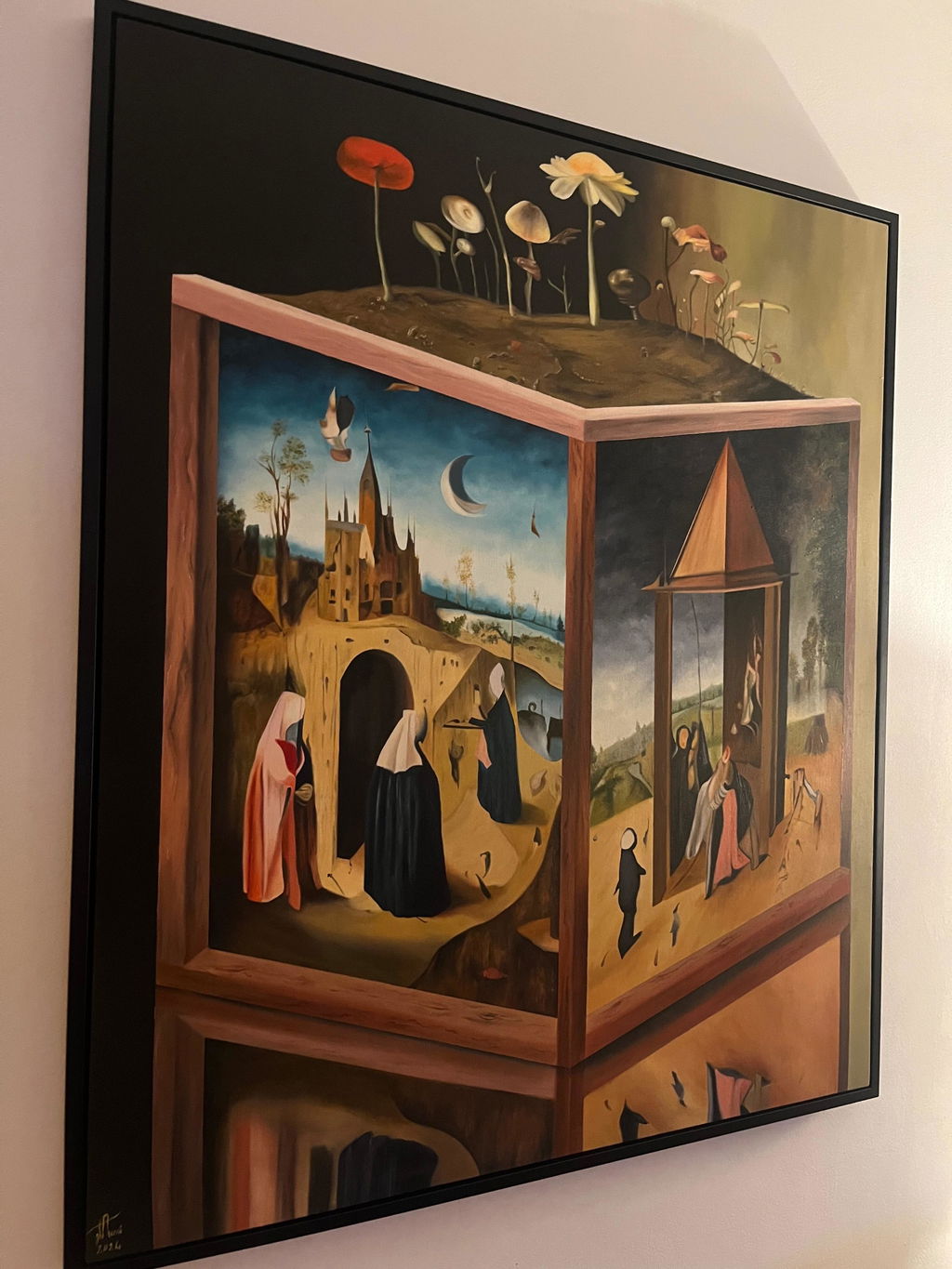
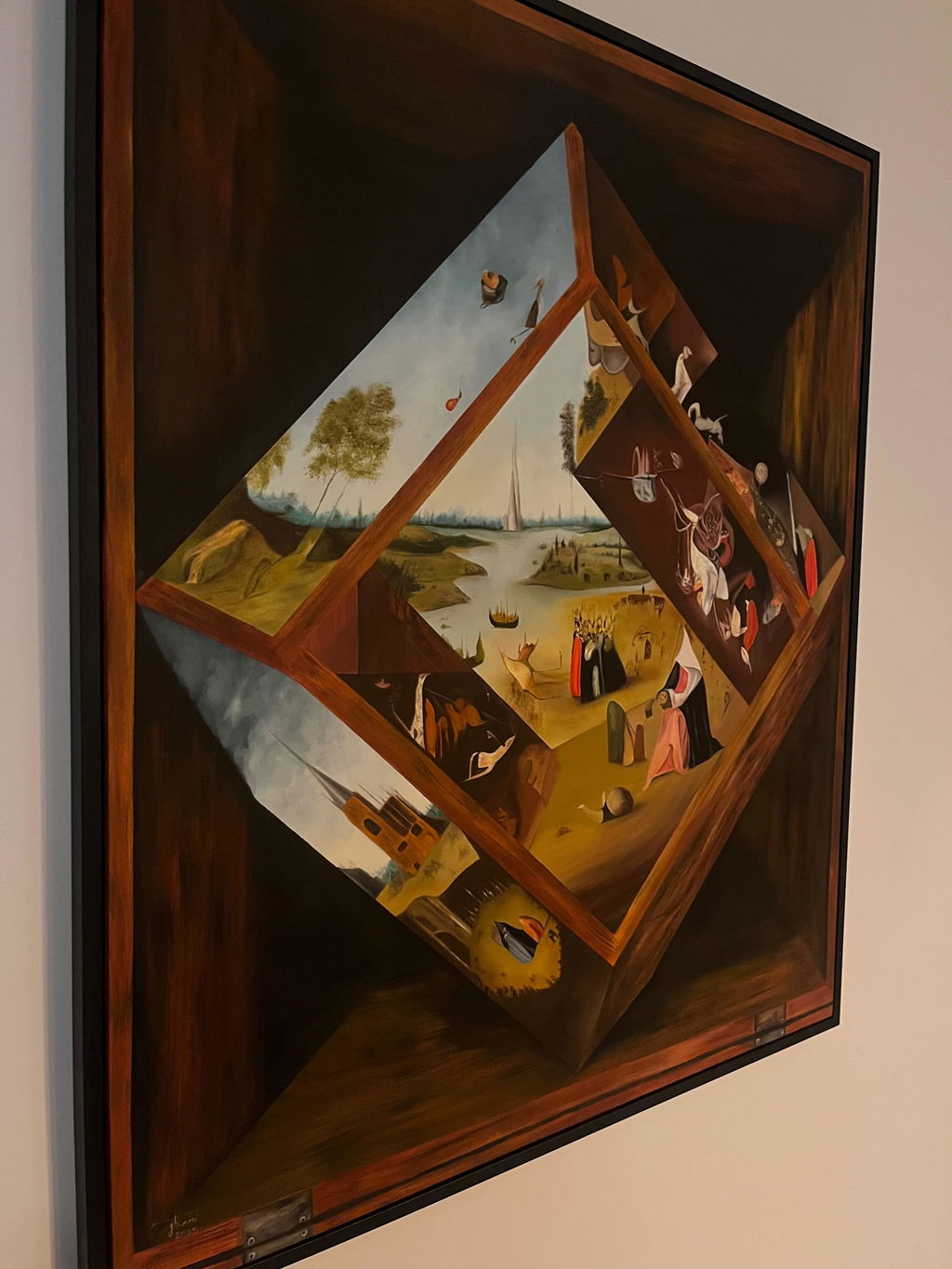
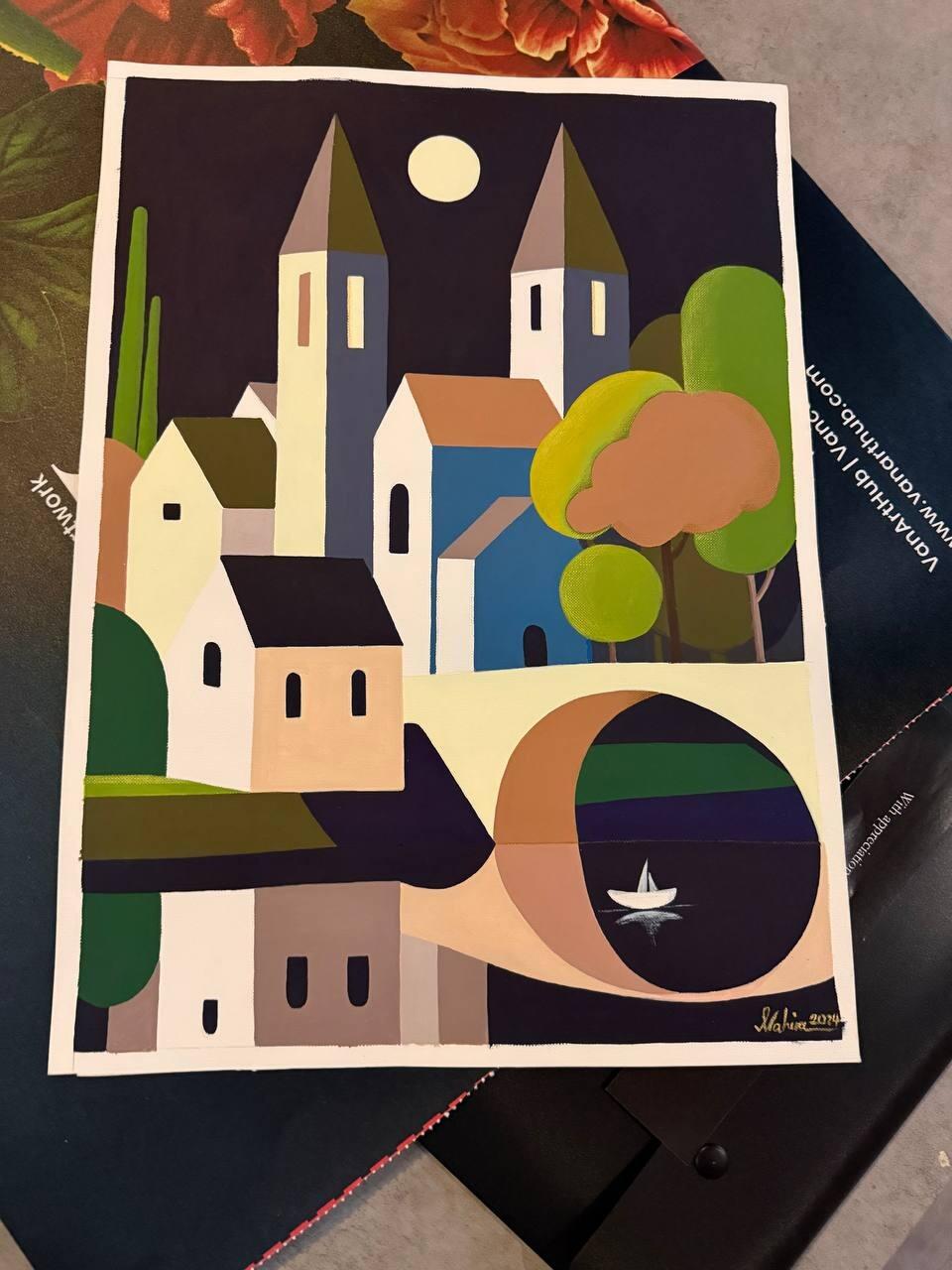
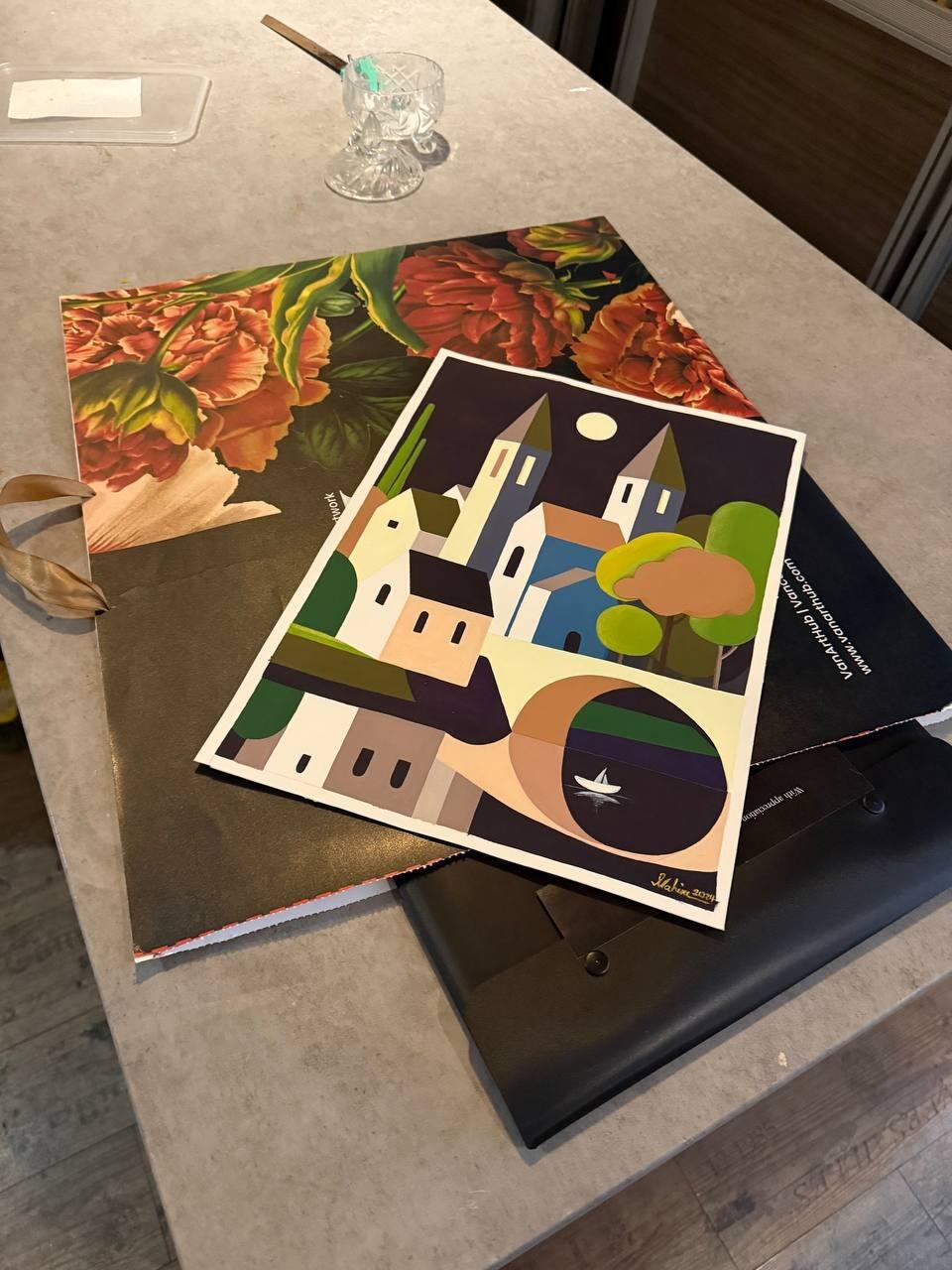
A large original canvas can weigh more than you expect once the frame, the stretcher bars, and the paint are all in one place. Hang it on a single drywall nail and one of two things happens: it tilts within a week, or it comes down in the middle of the night and takes a chunk of wall with it. The good news is that hanging heavy art safely is simple hardware, not carpentry.
Here is how we do it before a piece leaves our Vancouver studio, and how you should do it at home.
First, weigh the piece and know your wall
Weight decides everything. A small canvas at 30 by 40 cm might be 1 to 2 kg. A statement piece at 90 by 120 cm on deep gallery bars can run 7 to 12 kg, and a very large multi-panel work can go past 15 kg. If you do not have the weight, put the painting on a bathroom scale before you touch the wall.
Then figure out what your wall is made of. Most interior walls in Canadian and American homes are drywall (also called gypsum board) over wood or metal studs. Studs sit 16 inches apart on center in most homes, sometimes 24 inches. The drywall between them is weak on its own. The stud behind it is strong. That difference is the whole game.
Find the studs, and use them when you can
A screw driven straight into a wood stud is the strongest, cheapest, most reliable anchor there is. A single #8 or #10 wood screw at least 2 inches long, biting at least 1 inch into a stud, will hold far more than any heavy canvas you own.
Find studs with a magnetic or electronic stud finder, then confirm by tapping: a solid thud means a stud, a hollow sound means empty drywall. Mark the stud centers with a pencil. If a stud happens to land where you want your hanging point, use it. If not, you have two choices: shift the piece slightly so a hanging point hits the stud, or use a proper drywall anchor for the spots that miss.
Right anchors for drywall, by weight
When you cannot hit a stud, the anchor is what stands between your painting and the floor. Plastic push-in anchors that come in a bargain hardware pack are rated for light loads only and are the usual reason art falls. For anything heavy, step up. Ratings below are per anchor into standard half-inch drywall, so a two-point hang shares the load across two of them.
| Anchor type | Holds up to (per anchor) | Use it for |
|---|---|---|
| Plastic expansion anchor | About 2 to 5 kg | Small light canvases only |
| Self-drilling threaded anchor (zinc or nylon) | About 10 to 20 kg | Medium canvases, quick install |
| Toggle bolt (spring or strap style) | About 20 to 45 kg | Heavy statement pieces, no stud available |
| Wood screw into a stud | 45 kg and up | The strongest option, always first choice |
One honest note: always give yourself a safety margin and pick hardware rated for at least double the painting's weight. A 10 kg canvas on two toggle bolts rated for 20 kg each is not overkill, it is correct.
Hang from two points so it stays level
One hook in the center of the back is the fastest way to a crooked painting. Every small bump nudges it off level, and all the weight rests on one spot. Two points fix both problems. The load splits in half, and the piece cannot rotate.
Attach two D-rings to the back of the frame, one on each side, roughly a third of the way down from the top and an equal distance in from each edge. Measure the exact distance between the two D-rings, then mark two points on the wall that same distance apart and perfectly level. Use a small spirit level or a level app. Drive your two anchors or stud screws, hang, and step back.
D-rings vs wire: pick D-rings for heavy art
Hanging wire strung between two rings is fine for lighter framed pieces. For heavy canvases we prefer fixing each D-ring directly to its own hook or screw on the wall, with no wire at all. Wire lets the piece pull toward the center and tip forward at the top, and it can stretch or fail at the twist. Two D-rings landing on two fixed points sit flat against the wall and stay put. If you do use wire, use braided picture wire rated well above the painting weight, and never trust the thin wire that ships taped to a cheap frame.
Key takeaways
- Weigh the piece first, then choose hardware rated for at least double that weight.
- A screw into a wood stud beats every anchor. Find studs before you drill.
- For drywall with no stud, use self-drilling anchors for medium art and toggle bolts for heavy art. Skip the bargain plastic ones.
- Hang from two points, not one, so the load splits and the piece stays level.
- For heavy canvases, fix two D-rings to two wall points instead of trusting a single wire.
When to call a pro
Some jobs are worth handing off. Call a professional installer or handyperson if the piece is over about 15 kg, if your walls are plaster and lath, brick, or concrete (these need masonry anchors and a hammer drill), or if the work is valuable and you do not want to risk a mistake. A good installer also handles very large multi-panel arrangements where spacing matters as much as strength. The cost of an hour of labor is small next to a torn canvas.
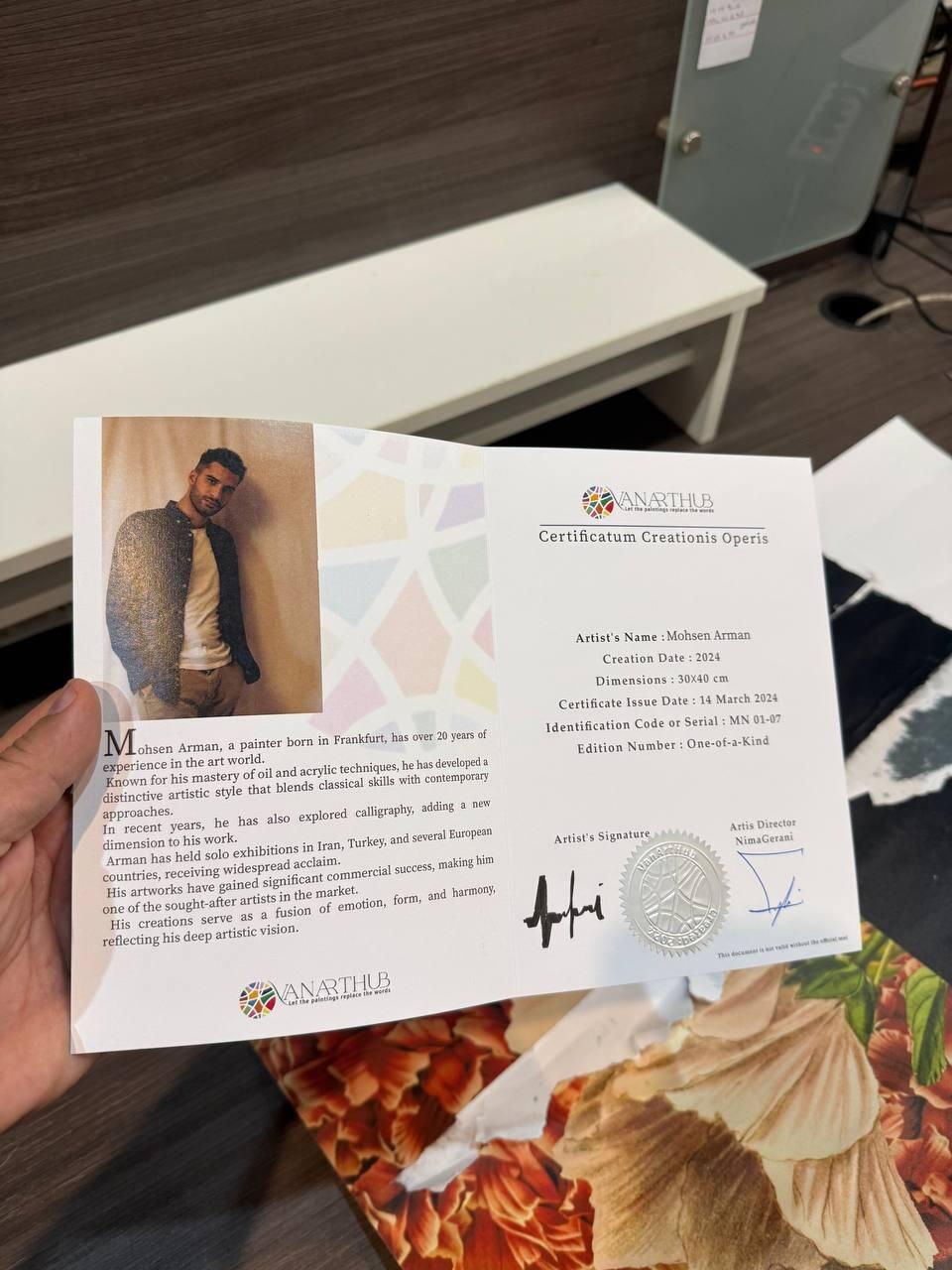
Every painting from VanArtHub is an original, one-of-a-kind work shipped with a Certificate of Authenticity, so it is worth the ten extra minutes to hang it properly. If you are still deciding on a piece, our guide to hanging and lighting art walks through placement and light, and you can browse room-filling originals in our large wall art collection or see what a focal point looks like in our Canadian statement wall art feature. Shipping across Canada and the USA is free and fully insured, and if the piece does not work on your wall, our 14-day trial lets you send it back for a full refund with return shipping paid.