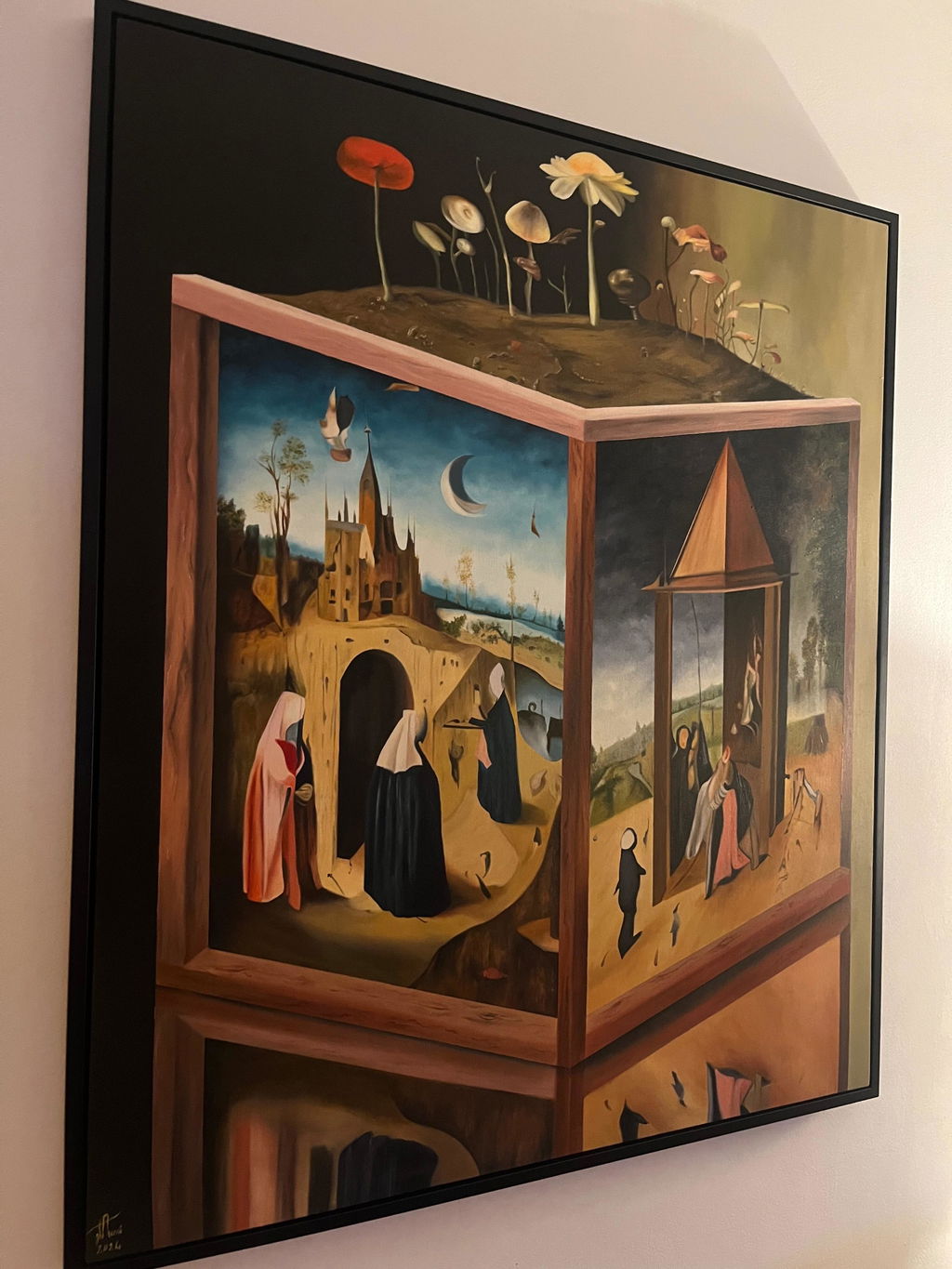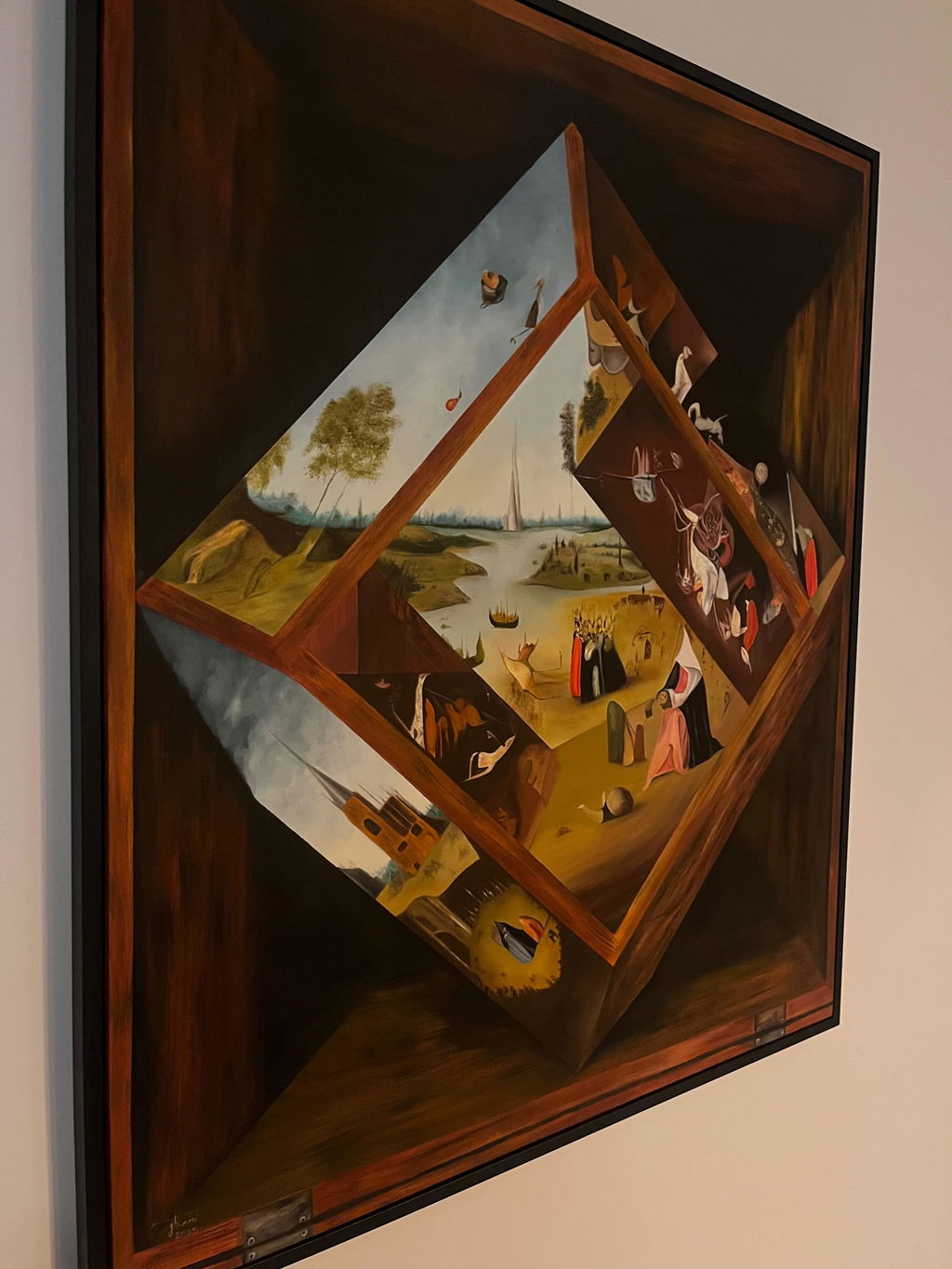
Rotating Your Art With the Seasons
Updated By VanArtHub Curatorial TeamShare
Museums show a fraction of what they own and rest the rest, for reasons that go well beyond storage space. Private collectors almost never do this, which is strange. Rotating two or three paintings through the same wall costs nothing and changes a room more than repainting it does.
The room you stop seeing
A painting you walk past ten times a day disappears. This is a real effect and it is nobody's fault. Your brain stops reporting what has not changed, so after the first few months a much-loved work becomes part of the wall.
Take it down for four months and put it back. It returns as something you notice. We have had customers tell us they nearly sold a piece because they had stopped feeling anything about it, then rehung it after a winter in the cupboard and remembered exactly why they bought it.
That is the main argument for rotation. You get a second first impression from the art you already own.
Rotation gives the resting painting a real conservation benefit
There is a second reason, and it is measurable. Light damage to a painting is cumulative. The Canadian Conservation Institute describes it as brightness multiplied by time, so 200 lux for 200 hours does the same damage as 100 lux for 400 hours or 50 lux for 800 hours. The clock only runs while the light is falling on the work.
The numbers behind that are not small. At office-level lighting of about 500 lux, the CCI puts fading of highly sensitive colourants at a few months to two years, and medium-sensitivity ones at around two years. Under direct daylight at 30,000 lux, highly sensitive materials fade in a day to two weeks.
Sunlight through an unfiltered window brings a second problem. The same guidance notes that ultraviolet from unfiltered windows can make medium-sensitivity paints chalk and varnishes crack within three years. A painting on that wall for six months a year rather than twelve is on a schedule twice as long.
So a rotation is a light budget. The bright wall by the window gets the tougher work, or gets a piece for only part of the year, and everything else spends half its life in the dark.
How we would actually run it
Four changes a year is more than most people will keep up. Two is realistic and gets most of the benefit. Pick a date you will remember, like the first weekend in May and the first weekend in November, and change the two or three walls that matter.
You need one wall constant. Rotating everything at once makes a home feel like a gallery being rehung, which is unsettling to live in. Keep the piece you love most where it is and rotate around it.
The smallest version that works is three paintings across two walls. Most people already own the third one and it is behind a wardrobe.
| Period | What tends to work | Why |
|---|---|---|
| May to October | Cooler colours, more open compositions, lighter grounds | Longer daylight makes a room feel larger, and cool work does not fight it |
| November to April | Warmer palettes, denser paint, smaller and closer work | Short days and artificial light favour warmth and texture |
| The constant wall | Your single favourite piece, never moved | Gives the home an anchor so the rotation reads as a change rather than chaos |
| The bright window wall | The most light-tolerant piece you own, or nothing for part of the year | Cuts the accumulated light exposure on everything else |
What changes about a painting between June and January
Nothing changes about the painting. Everything changes about the light hitting it, and that is enough.
In Vancouver in June you get long, high, blue-white daylight for most of the day. Cool paintings look correct in it and warm ones can look slightly sweet. In January the daylight is short, low, and grey, and most of the hours you spend in the room are under warm artificial light. That same warm painting that felt sweet in June becomes the reason the room is bearable in January.
Scale reads differently too. A room feels larger in summer with sightlines open, so a big open composition suits it. In winter, with curtains closed by four, closer and denser work sits better. That is a preference rather than a rule, and we would rather you test it.
Storing the resting painting properly, which is where people go wrong
The benefit disappears if the resting half of your collection is damaged while resting. A painting leaned unwrapped against a bedroom wall for five months collects dust, gets knocked, and often ends up worse off than it would have been on the wall.
Keep it in a heated, lived-in part of the house. Avoid attics, basements, and garages. The CCI's target for paintings is a stable 40 to 60 percent relative humidity with 50 percent as the usual central value, and mould becomes a real risk above roughly 70 to 75 percent. Interior walls hold steadier than exterior ones, and high-humidity pockets form against exterior walls and near water pipes.
Lift it off the floor on padded blocks, put a rigid board slightly larger than the work between it and anything else, and cover it. No more than four or five in a stack, with the outermost one facing inward so a passing elbow finds board rather than paint. Two people for anything easel sized, and never carry a painting by the hanging wire.
The hanging hardware question nobody asks until the second rotation
If you rotate, you will drill the same wall repeatedly, and after four years that wall is a colander behind the art. Solve this once.
The cleanest answer is a picture rail or hanging track. One fixing run at the top of the wall, then everything hangs from adjustable cords with no new holes. It costs more on day one and nothing after that, and changing a height takes a minute instead of a re-measure and a re-drill.
If a rail is out, standardise on one hook height per wall. Hang every painting on that wall from a fixed pair of hooks and adjust the wire on the back of each frame so the centre lands where you want it. The hooks stay. The art moves. That is the whole trick and almost nobody does it.
The honest downside
Rotation only helps if you actually do it. A plan that requires four changes a year, a spreadsheet, and a dedicated storage room will be abandoned by the second year and the paintings will sit in the spare room for a decade. That is worse than leaving them up.
It also does not suit every home. If you have one good wall and one painting, there is nothing to rotate, and buying a second piece purely so you can swap them is a bad reason to buy art. Buy the second painting because you want it. The rotation is a bonus that comes with owning two.
Be honest about handling risk too. Every rotation is four chances to drop something. If your household includes small children, large dogs, or a staircase you would have to carry a large canvas down, twice a year may be once too often.
Key Takeaways
- A painting you walk past every day stops registering. Four months off the wall gives it back to you.
- Light damage is cumulative, so a painting resting in the dark accumulates nothing while it rests.
- Two changes a year is realistic. Four is a plan you will abandon.
- Keep one wall constant so the home has an anchor and the rotation reads as a change rather than disorder.
- Install a picture rail or standardise hook heights, or you will perforate the same wall for years.
- Store the resting work in a heated interior room at a stable 40 to 60 percent humidity, lifted off the floor and separated by rigid board.
Frequently Asked Questions
Is rotating my paintings actually good for them?
Yes, for the ones that are resting. Light damage is cumulative, calculated as brightness multiplied by time, so a painting spending half the year off the wall accumulates half the exposure. That matters most for work on a bright wall or near an unfiltered window.
How often should I change the art on my walls?
Twice a year is the version most people sustain. Pick two dates you will remember, such as the first weekend of May and of November, and change only the two or three walls that matter. Four changes a year is usually abandoned by the second year.
How many paintings do I need for a rotation to work?
Three works for two walls is the minimum that functions. Two of them are up and one is resting, and the resting one changes each time. Most households already own the third painting and it is stored behind a wardrobe.
Should I rotate everything at the same time?
Keep at least one wall permanent. Changing every wall at once makes a home feel like an exhibition being rehung, which is unsettling to live with. Anchor the room with the piece you love most and rotate the walls around it.
Where should I store the painting that is resting?
In a heated, lived-in part of the house, against an interior wall. Avoid attics, basements, and garages entirely. Aim for a stable 40 to 60 percent relative humidity, since mould becomes a risk above roughly 70 to 75 percent and high-humidity pockets form against exterior walls and near pipes.
How do I stop the wall filling up with holes?
Fit a picture rail or hanging track, which needs one fixing run and no holes afterwards. If that is not possible, standardise on a single pair of hooks per wall and adjust the wire on the back of each painting so the centre lands where you want. The hooks stay put and the art moves.
Does warm or cool artwork really suit different seasons?
This is our preference rather than a rule. Long blue-white summer daylight flatters cooler and more open work, while short grey days spent under warm artificial light favour warmer palettes and denser paint. Test it in your own room before you accept it.
What is the risk of moving paintings twice a year?
Handling is where damage happens. Each rotation means taking the work down, storing it, and rehanging it, which is four chances to drop something. Use two people for anything easel sized and never carry a painting by the hanging wire or the top of the frame.
Can I use rotation to justify buying more art?
We would rather you did not. Buy a second painting because you want that painting. The rotation is something you gain from owning two, and buying purely to have something to swap tends to produce work you do not care about.
How long do I have to return a painting?
Fourteen days from delivery. Hang it, live with it, see it in morning and evening light. If it is not right, tell us within those 14 days and we send a prepaid insured return label and refund you in full once it is back. We pay the return shipping.
What is the Lifetime Trade-Back?
If your taste or your space changes years from now, return the painting in good condition at any time and we issue store credit toward another original. It is credit rather than cash, and we would rather say that plainly than dress it up.
Sources
Sources checked 1 September 2026. If you spot something out of date, tell us and we will update the guide.
About VanArtHub
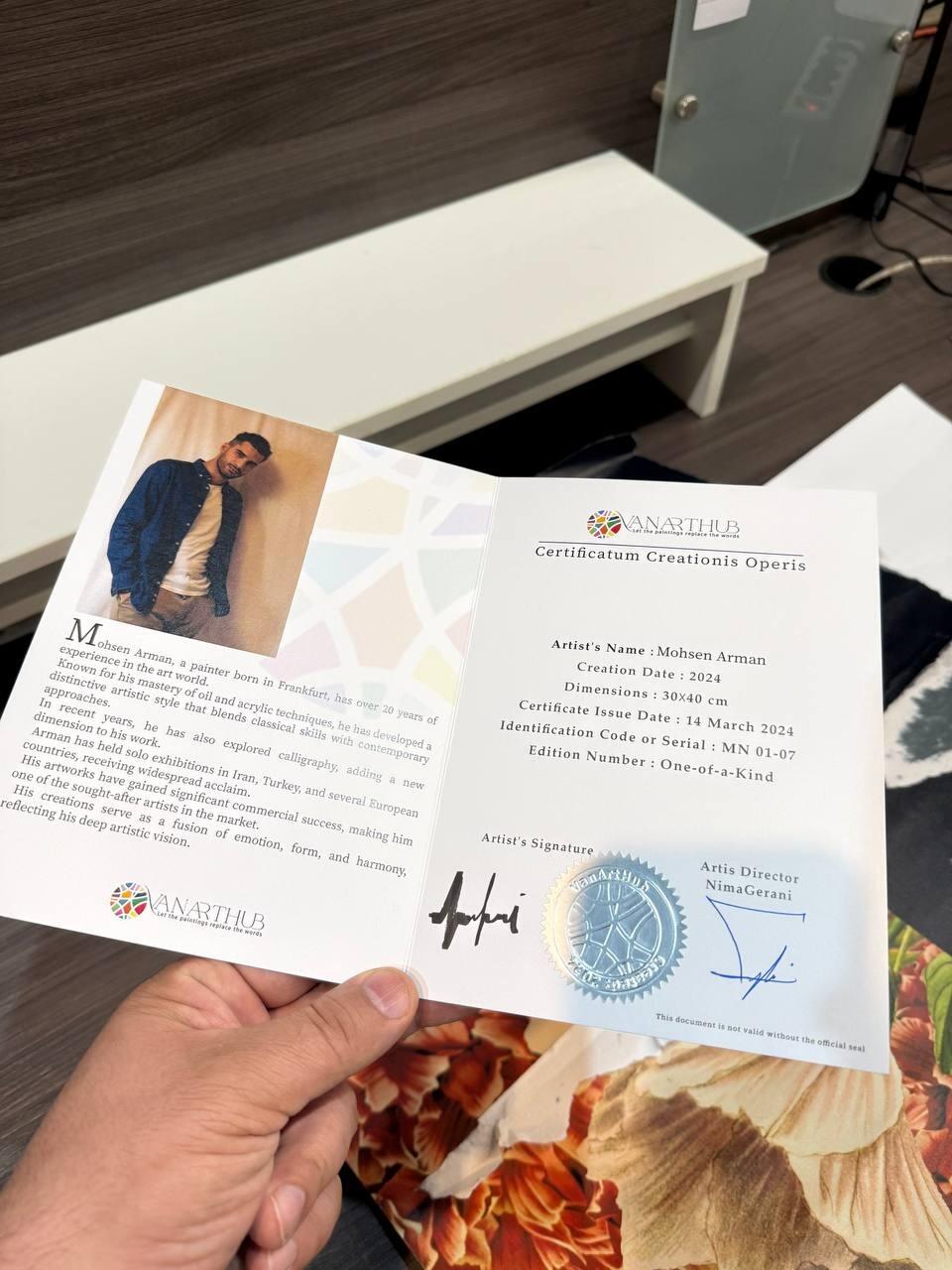
VanArtHub is an online gallery in Vancouver selling original, signed, one-of-a-kind paintings by independent artists. No prints and no reproductions. Every piece ships with a Certificate of Authenticity, free fully insured delivery to Canada and the USA, and a 14-day trial so you can decide at home. Look at abstract paintings, landscapes, or read our guide to hanging and lighting art. Our full policy lives on the Buy with Confidence page.