Choosing the Art Layer of a Sustainable Renovation
Updated By VanArtHub Curatorial TeamShare
Choosing art for a sustainable renovation is the layer most projects forget. Months go into low-impact flooring, paint, and cabinetry, then the finished walls get filled in one rushed weekend with whatever ships fastest. That last purchase deserves the same standard as the first. We are a Vancouver gallery, we work with both homeowners and interior designers on exactly this stage, and this guide covers how to think about the art layer of a low-impact renovation honestly, without the green labels that do not exist.
The art layer is a buying decision, not a materials decision
Here is the uncomfortable truth first: there is no widely recognized certification for "sustainable art." Wood has FSC. Companies have B Corp. Art has nothing equivalent, and any seller implying otherwise is decorating their marketing, not their product. We say this as a gallery: we do not audit our artists' paints and canvases, so we will not call our paintings eco-friendly, and you should be suspicious of anyone who casually does.
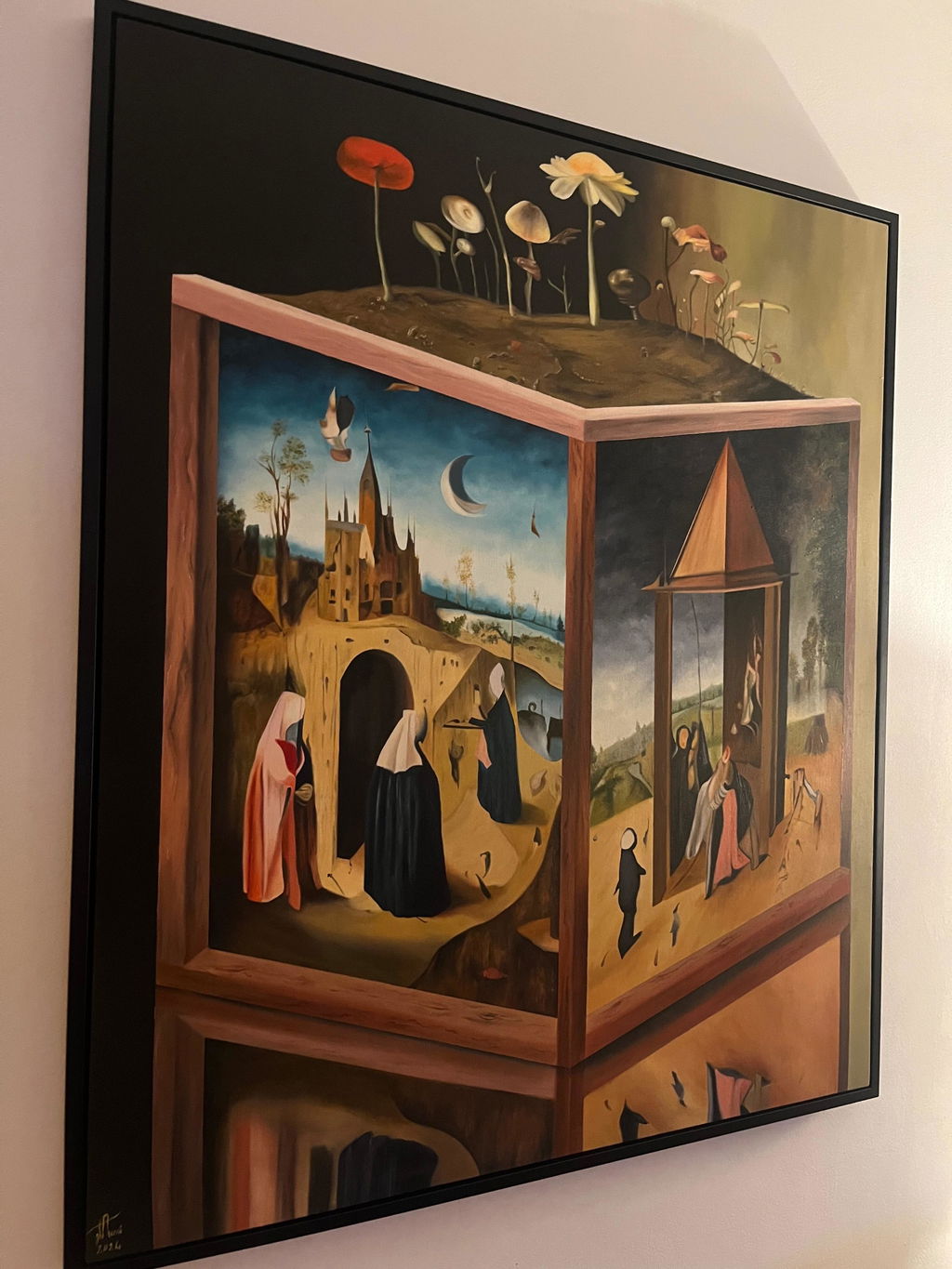
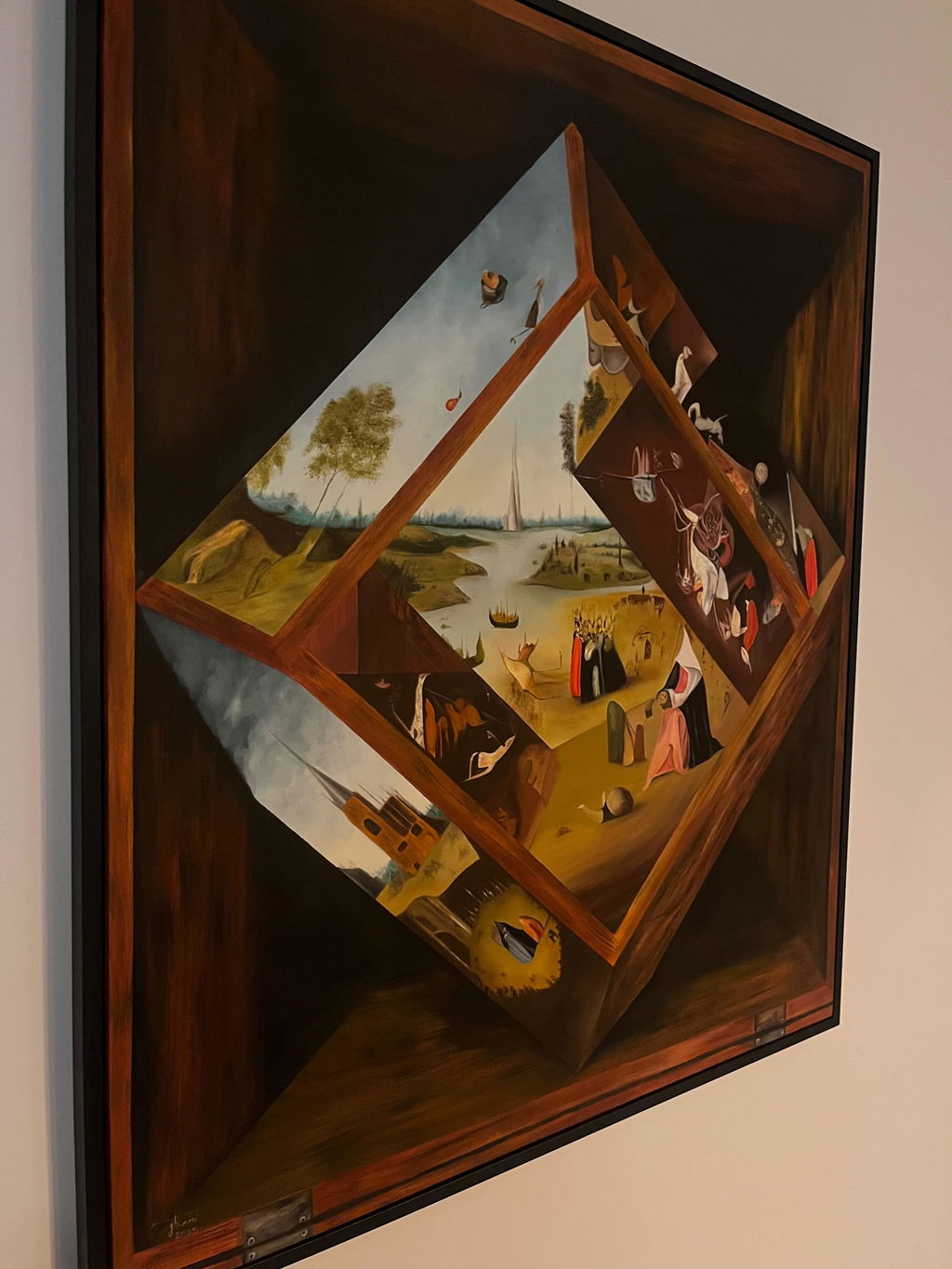
What you can control is the buying pattern. The most wasteful thing on a wall is the piece that gets replaced every few years. Mass-produced decor is designed for exactly that churn. An original painting, chosen carefully for a specific wall, is the opposite: a buy-once object that typically stays through every future repaint and often outlives its first owner. In a renovation built around durable materials, the durable purchase is the art choice that matches. Our pages on art in sustainable interior design and the wider sustainable art hub unpack this argument in full.
Air quality: where renovations and art actually meet
Fresh renovations have an air quality problem, and it is documented, not a scare story. The US EPA reports that volatile organic compounds, the vapours given off by products including "paints, varnishes and wax" as well as building materials and furnishings, are consistently found at higher concentrations indoors than outdoors. Short-term exposure can irritate eyes, nose, and throat. This is why low-VOC wall paints became a standard renovation specification.
Where does a painting sit in that picture? Honestly: a painting is a small object compared to four freshly coated walls and a new floor, and an older, long-dried painting is not the same situation as wet paint. But materials do vary between artists and mediums. If chemical sensitivity or a nursery is part of your project, ask us about a specific piece before you buy and we will put the materials question directly to the artist. That is a real answer, unlike a green badge. Our guide to low-VOC paints and mediums covers the topic from the studio side.
Frames, stretchers, and the one certification that is real
The wood in the art layer is where a genuine standard exists. The Forest Stewardship Council certifies wood from responsibly managed forests and tracks it through the supply chain with chain-of-custody certification. If your renovation already specifies FSC for flooring or millwork, carry the same question to your framer: FSC-certified moulding is widely available, and a good frame shop will know its sources. The same applies to stretcher bars if you ever commission or re-stretch a work. Our sustainable framing page goes into detail, including what to ask at the framing counter.
Biophilic design: what the research supports on walls
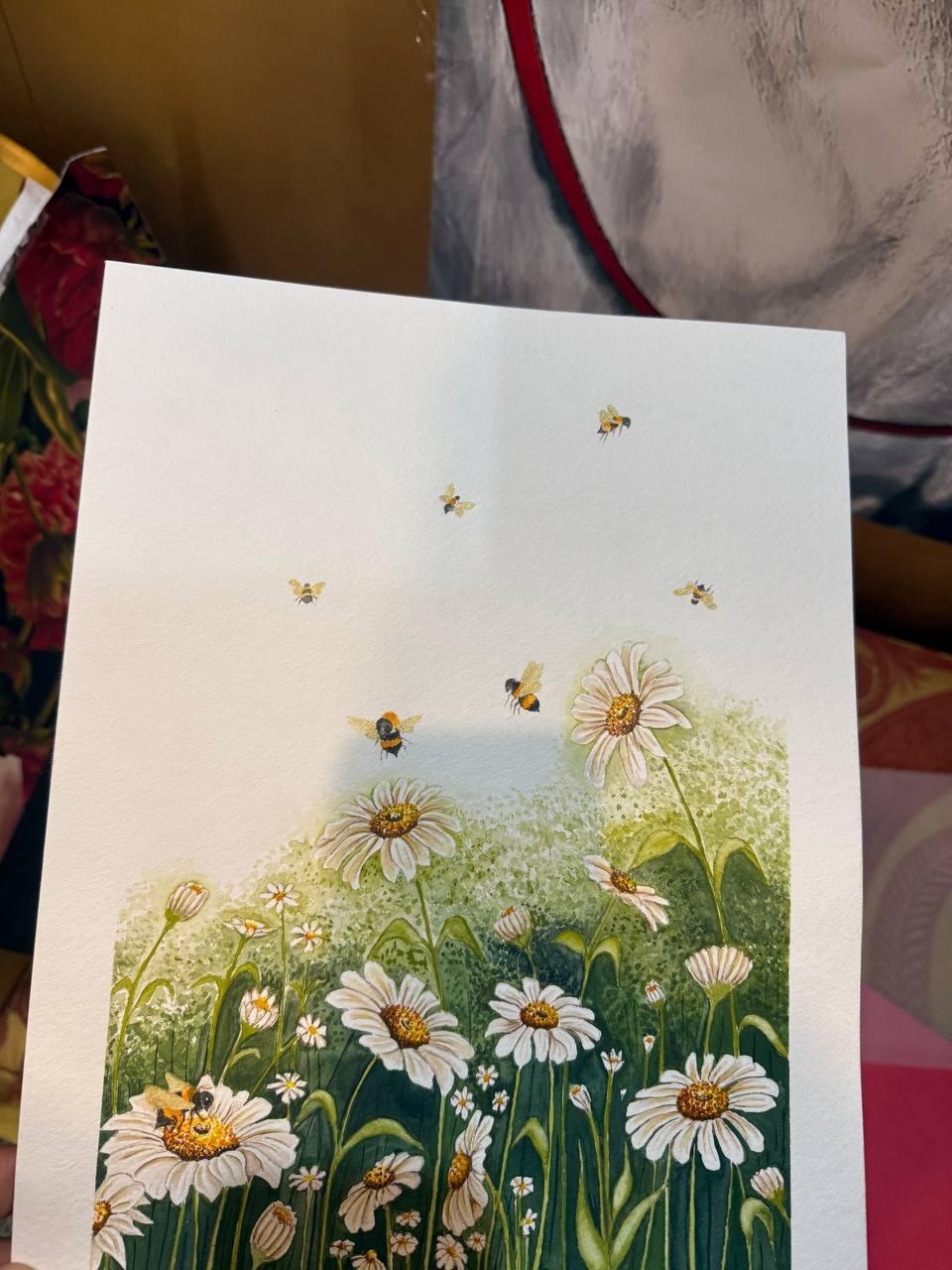
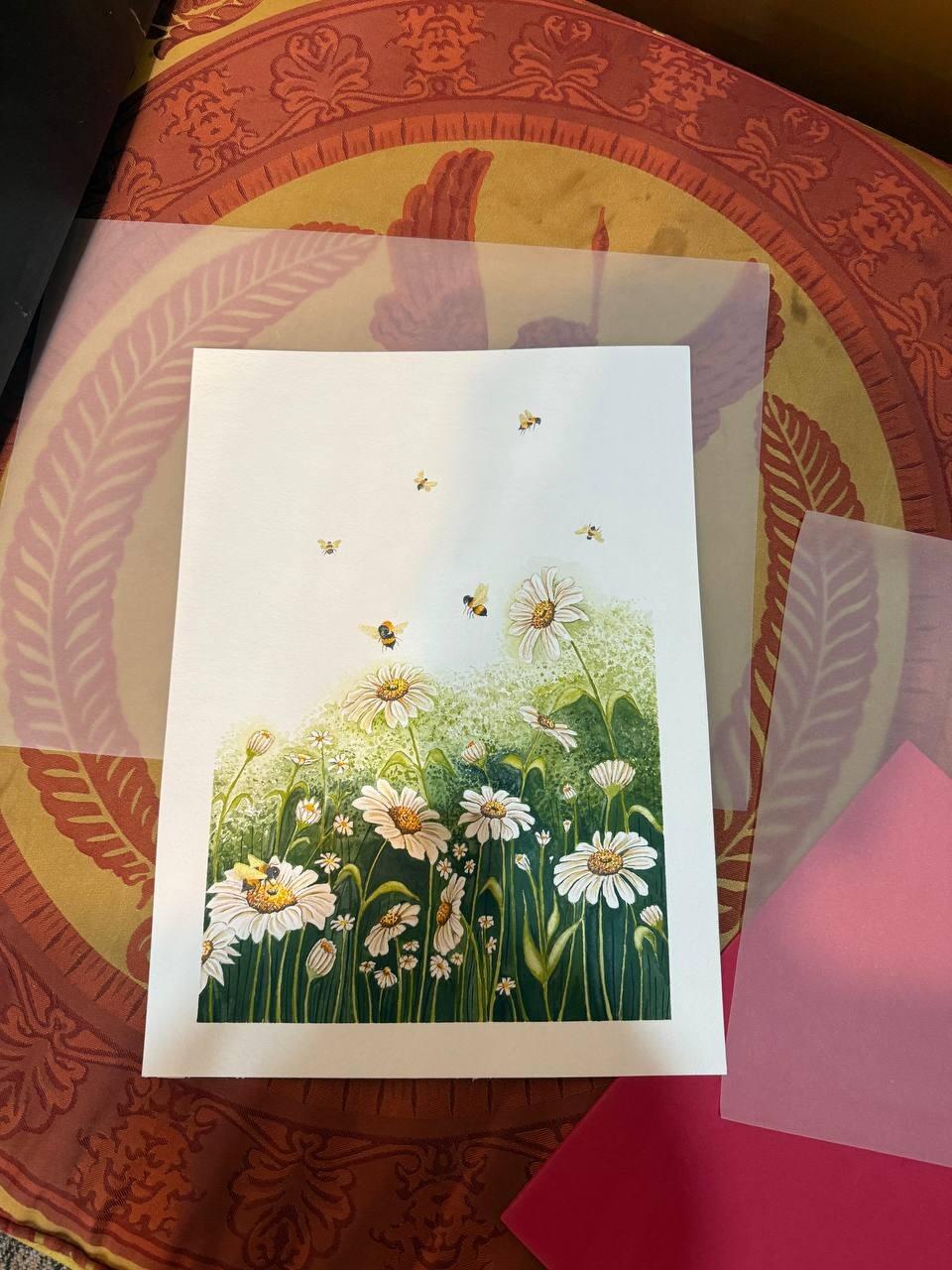
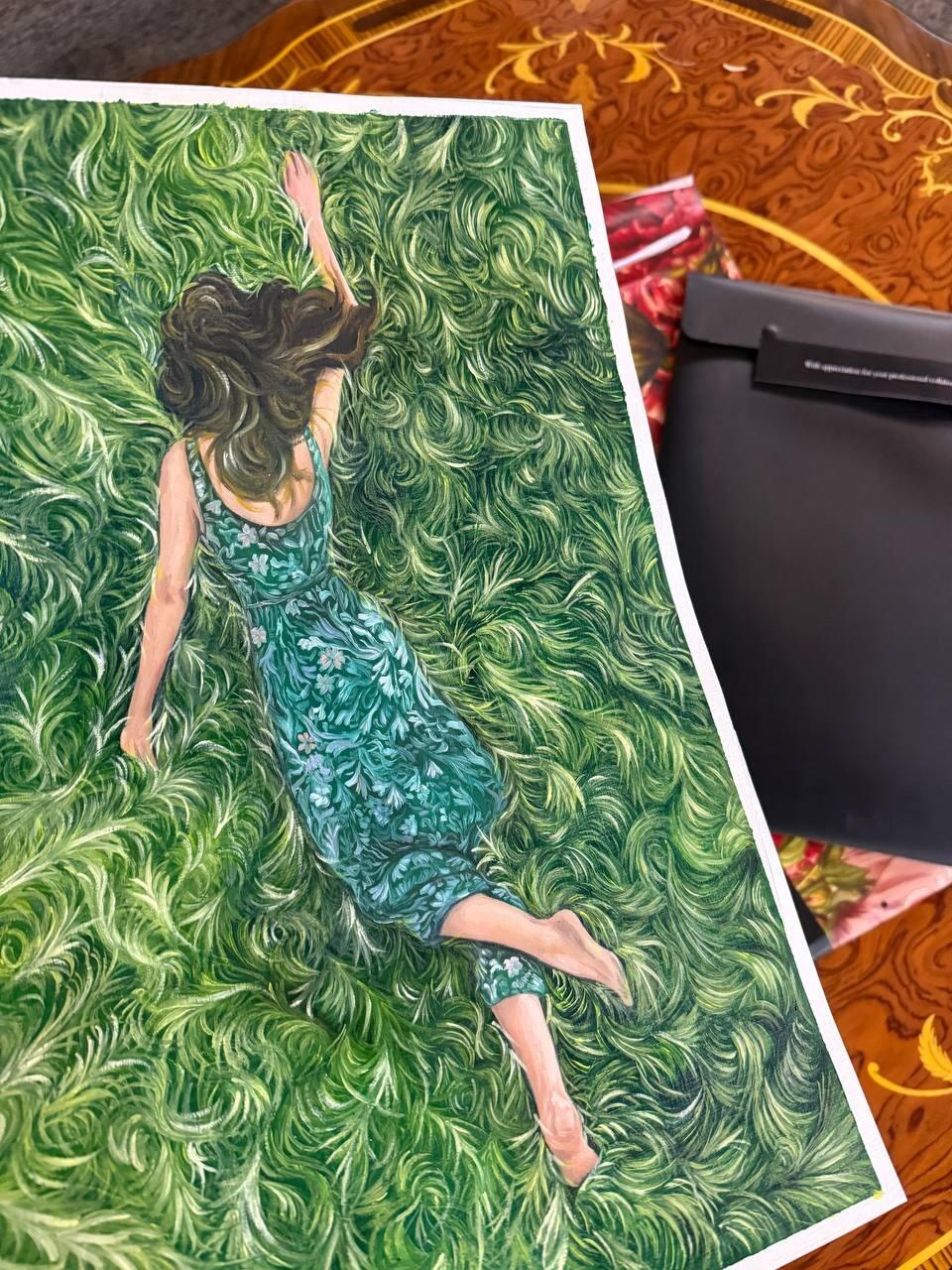
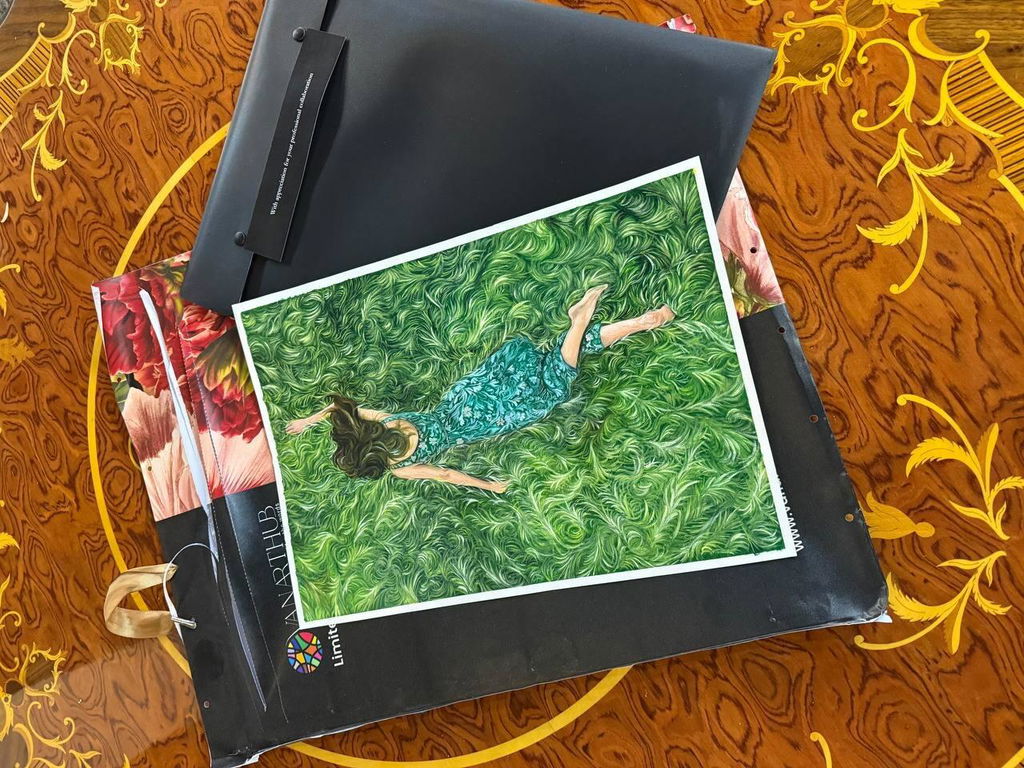
Many sustainable renovations lean on biophilic design, the practice of building our connection to nature into interiors. The reference document most designers cite is Terrapin Bright Green's 14 Patterns of Biophilic Design, which reviews the research linking nature-connected spaces to reduced stress and better cognitive performance. Two of its patterns matter for art. A visual connection with nature is the strongest pattern, and real views beat images. But the report's "natural analogues" patterns cover indirect evocations of nature, including biomorphic forms and organized visual complexity, which is precisely the territory of landscape, botanical, and nature-driven painting.
So we would put it this way: a painting of a forest is not a window onto a forest, and no honest gallery will tell you it performs like one. It is, in the report's framing, a natural analogue, and analogues still beat blank drywall. If that is the direction of your project, start with our nature paintings and read our biophilic design and art guide before you commit to placements.
A specification sheet for the art layer
Designers write specifications for every other layer of a renovation. The art layer deserves one too. Here is the short version we would hand a client.
| Element | Question to ask | Honest benchmark |
|---|---|---|
| The artwork | Will this still be on the wall in ten years? | Buy once. An original chosen for the specific wall beats replaceable decor. |
| Materials | What is it painted with, and on what? | No certification exists; a seller who will ask the artist is the real signal. |
| Frame and stretcher | Is the wood FSC certified? | FSC chain of custody is a genuine, checkable standard. |
| Finishes | Do frame finishes or varnishes off-gas? | The EPA lists paints and varnishes among VOC sources; ask, especially for bedrooms. |
| End of life | What happens if the client's taste changes? | A trade-back or resale path keeps the work in circulation instead of storage. |
That last row is where we put our own money. Every painting we sell carries a Lifetime Trade-Back: return it in good condition, any time, for store credit. Art that can always find its next wall never becomes waste.
Key Takeaways
- No widely recognized eco certification exists for art itself; treat any "sustainable art" label as marketing until proven otherwise.
- The honest sustainability move on walls is buying once: an original chosen for a specific wall instead of decor bought to be replaced.
- The EPA identifies paints, varnishes, and furnishings among indoor VOC sources; if air quality is critical, ask about a specific painting's materials before buying.
- FSC certification is the one real, checkable standard in the art layer; apply it to frames and stretcher bars.
- Plan the art layer during the renovation, not after it, so walls, lighting, and placement are decided together.
Frequently Asked Questions
What is the art layer of a renovation?
It is everything that goes on the finished walls: paintings, frames, and their placement. Most renovation budgets and timelines ignore it, which is why it so often gets filled with rushed, disposable purchases after the trades leave. Treating it as a planned layer produces better rooms and less waste.
Is original art more sustainable than mass-produced decor?
The strongest honest claim is about buying patterns, not materials. Mass decor is produced for churn and replacement; an original painting is bought once, kept for decades, and holds its place through style changes. A purchase that never needs replacing is the low-impact purchase, whatever the label says.
Is there an eco certification for paintings?
No. There is no widely recognized certification for sustainable art. FSC certifies wood and B Corp certifies companies, but nothing equivalent covers a painting itself. Any gallery claiming certified green art is overreaching. The workable alternative is asking the seller specific questions about a specific piece.
Do paintings affect indoor air quality?
Far less than fresh renovation finishes do. The EPA lists paints and varnishes among VOC sources, but its concern is largely during and shortly after application; a long-dried painting is a different situation from wet wall paint. If sensitivity is a concern in your household, ask us about a piece's materials first.
What is biophilic design?
Biophilic design builds human connection to nature into interiors through views, plants, natural materials, and nature-evoking forms. Terrapin Bright Green's 14 Patterns of Biophilic Design is the standard reference, linking these strategies to reduced stress and improved wellbeing in the research it reviews.
Does artwork count as biophilic design?
Yes, as what Terrapin calls a natural analogue: an indirect evocation of nature through form, pattern, and imagery. It is a weaker stimulus than a real view or living plants, and we think designers should say so plainly, but nature-driven painting still contributes where real nature is not available.
What is FSC-certified framing?
It means the frame moulding's wood comes from forests certified by the Forest Stewardship Council as responsibly managed, tracked through a chain-of-custody system from forest to product. It is the one genuinely checkable environmental standard in the art layer, and good framers can source it.
When during a renovation should I choose art?
During design, alongside lighting and paint decisions, even if you buy later. Wall placements affect electrical plans for picture lighting, and paint colours read differently next to specific works. Choosing art last forces it to compromise with every decision already made.
How do I avoid greenwashing when buying art for the project?
Distrust broad labels and ask narrow questions: what is this painted with, where was it made, what wood is the frame, what happens if it stops suiting the space. Sellers with real answers answer specifically. Our page on greenwashing in the art world lists the common red flags.
Do you work directly with interior designers?
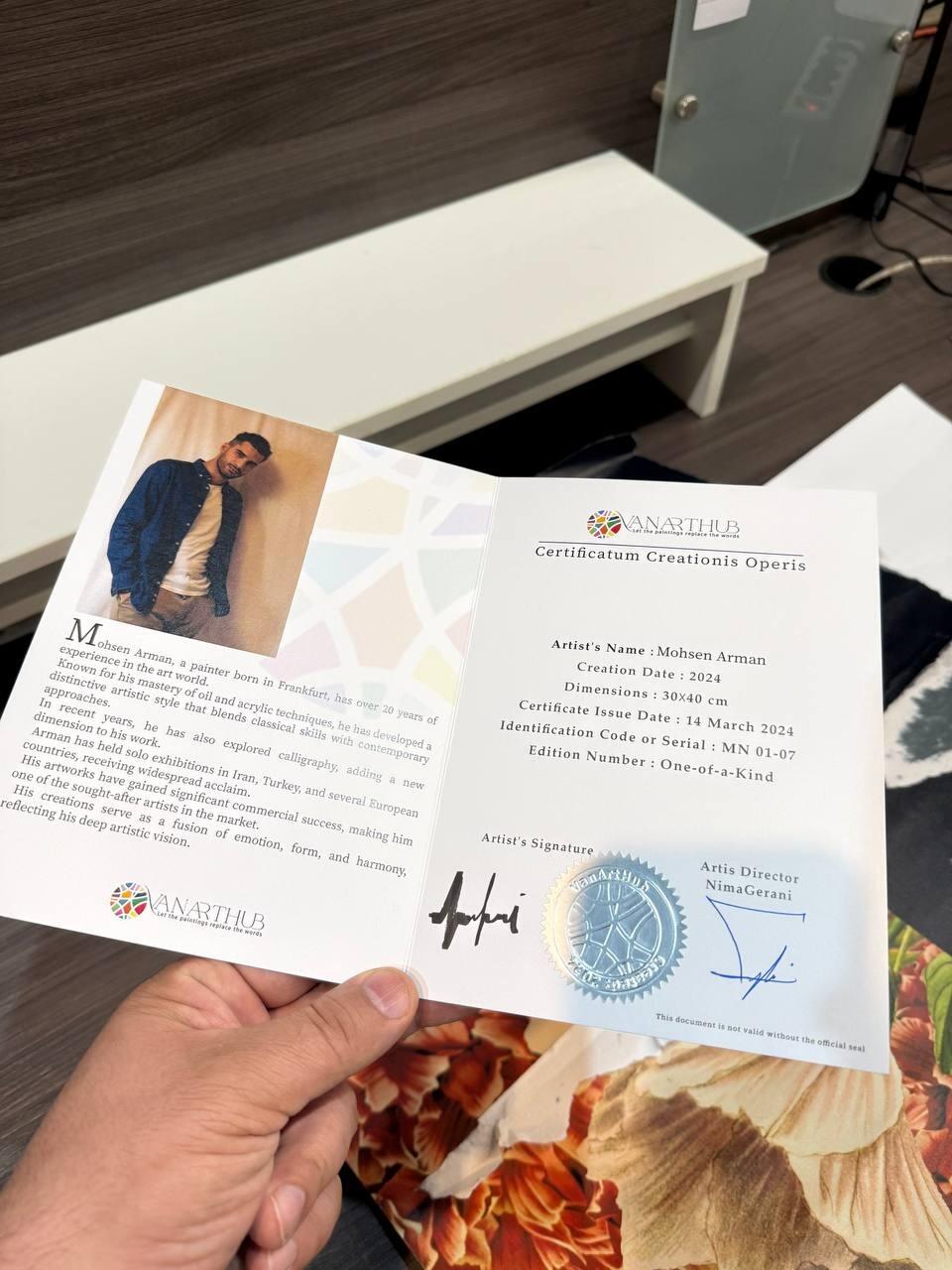
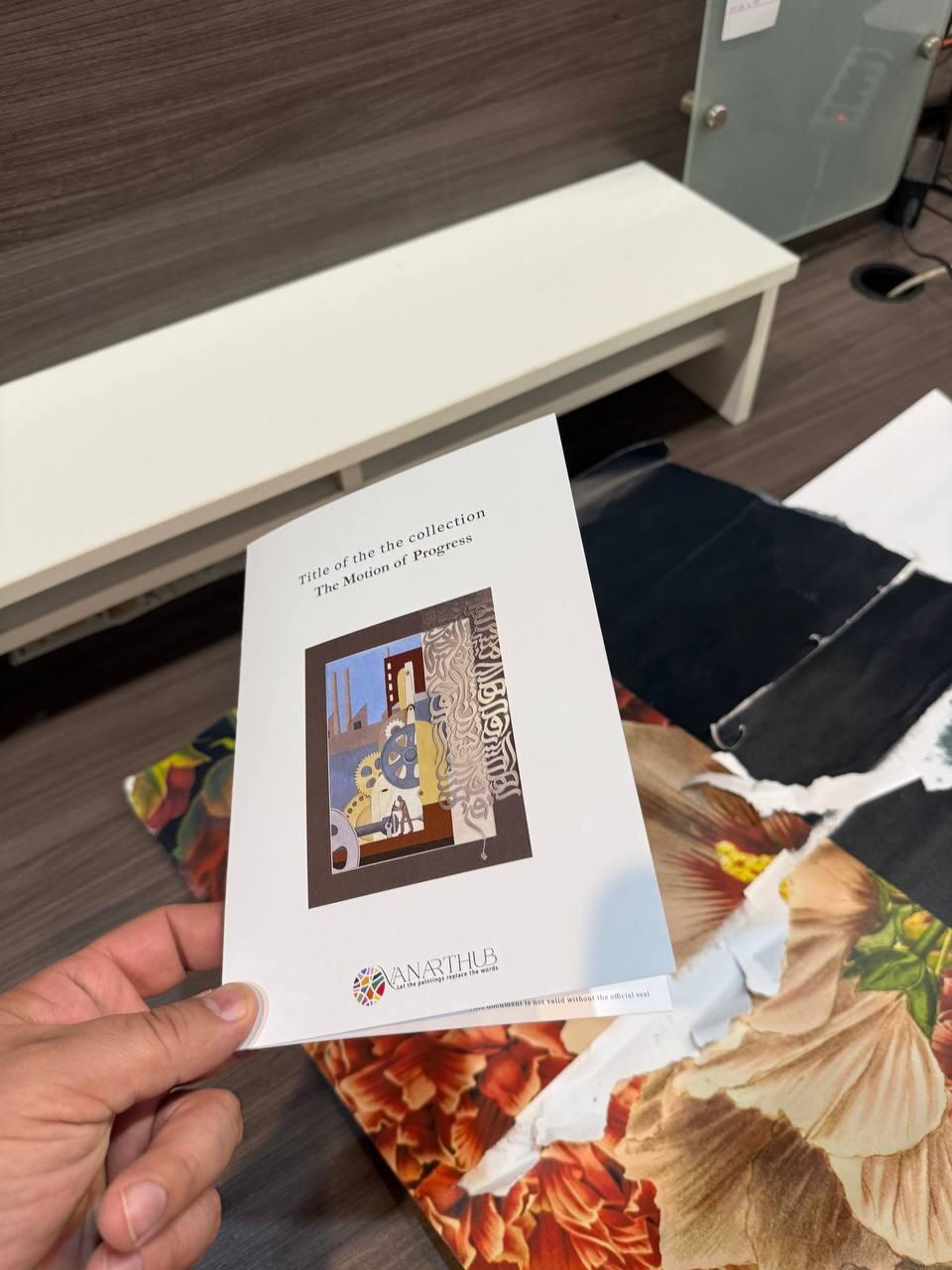
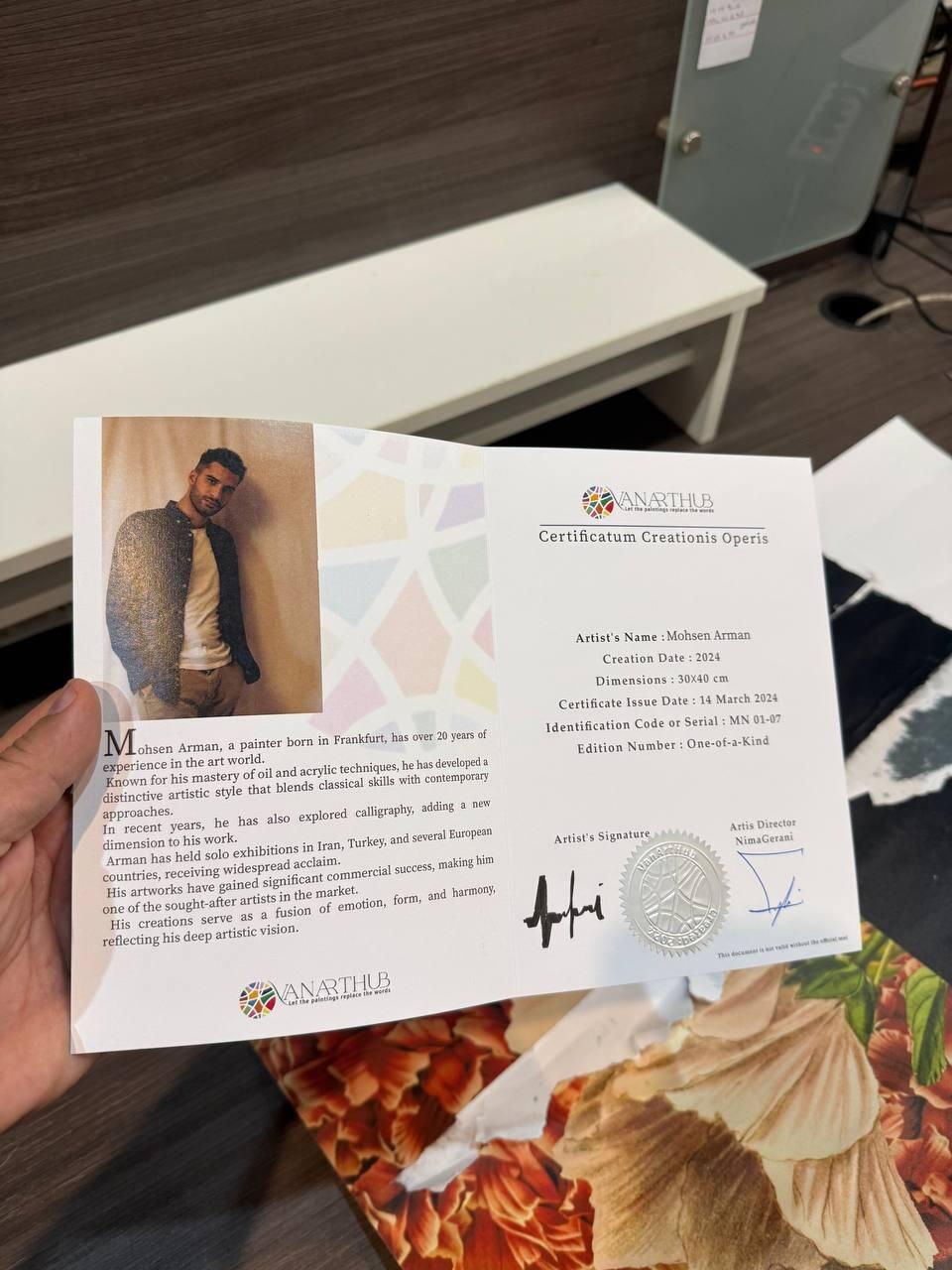
Yes. We maintain a dedicated collection for design projects, ship free and fully insured across Canada and the USA, and every piece arrives with a Certificate of Authenticity. The 14-day trial also works well for client sign-off: the painting can hang in the finished room before anyone commits.
Sources
- US EPA: Volatile Organic Compounds' Impact on Indoor Air Quality
- Forest Stewardship Council: About Us
- Terrapin Bright Green: 14 Patterns of Biophilic Design
Data sourced August 2026. If you spot something out of date, let us know and we will update the guide.
About VanArtHub
VanArtHub is a Vancouver gallery selling original, signed paintings, each with a Certificate of Authenticity, shipped free and fully insured to Canada and the USA with a 14-day home trial. For renovation and design projects, start with our art for interior designers collection.