When to Call a Conservator Instead of Cleaning It Yourself
Updated By VanArtHub Curatorial TeamShare
Search online for how to clean a painting and you will find a bread trick, a potato trick, a saliva trick, and half a dozen products sold for exactly this purpose. Every one of them is a way to remove paint. This article does not contain a cleaning method, on purpose, and we will explain what the real boundary is.
The instruction from the people who train conservators
The Canadian Conservation Institute puts it plainly. Untrained individuals should not attempt to remove dirt or discoloured varnish from a painting. That is the whole position, and it comes from the national body that publishes the technical guidance Canadian museums work to.
A painting is a stack of thin layers, and cleaning means removing the top one while leaving everything beneath untouched. Deciding which solvent will dissolve grime and varnish without dissolving paint requires knowing what those layers are made of. That is a laboratory question.
An oil painting from 1960 and an acrylic from 2020 need completely different handling, and they look identical across a room. So do a varnished acrylic and an unvarnished oil.
The products sold for this are the clearest warning
The CCI is direct about commercial products. Never use commercial paint cleaners or picture restoring preparations, which professional conservators neither use nor recommend. Read that twice. The people who clean paintings for a living do not own the products marketed for cleaning paintings.
Those products are formulated to produce a fast visible improvement in a shop demonstration. What they do is thin the varnish unevenly and often take colour with it. The result looks better for a month and wrong permanently, because the remaining varnish is now a different thickness in different places.
The household methods circulating online are the same problem without the packaging. Bread, potato, and saliva all work by applying moisture and mild abrasion to a surface that tolerates neither.
Dusting is where most damage actually happens
Here is the part that surprises people. The CCI says never use dry or moist dust cloths, stiff bristle brushes, or feather dusters on a painting.
Each has a specific failure. Cloth threads catch on impasto, which is paint applied thickly enough to stand off the surface, and pull it away. Moisture on a cloth causes paint loss directly. Stiff bristles and the quills in a feather duster scratch the paint film and can gouge the varnish.
Dusting feels harmless, so it happens weekly in thousands of homes and the damage accumulates invisibly for years. If you have been dusting your paintings, stop today. That one change is worth more than anything else here.
Why water is worse than it looks
A damp cloth seems like the gentle option. The CCI lists three specific things water-based solutions do to a paint surface: they can weaken the bond between pigment and medium, they can leach surfactants out of acrylic emulsion paint, and they can blanch the surface.
Take the middle one seriously if you own contemporary work. Acrylic emulsion paint contains surfactants left over from manufacturing, and water pulls them out permanently. Most of what we sell is acrylic or oil on canvas by living artists, so this is the exact risk our customers face.
Blanching is the third one and it has a name in the CCI condition glossary: a whitish, dull, cloudy appearance in a surface. Once it is there, restoring the original clarity is a conservation treatment.
What you may safely do, and it is a short list
We would rather give you a small honest list than a long useless one.
| Task | Owner | Why |
|---|---|---|
| Very light dusting of the frame, avoiding the painting itself | Yes | The frame is a separate object and does not carry the paint film |
| Controlling humidity and temperature in the room | Yes | Prevention is the owner's job and it is the most useful thing you can do |
| Keeping the work out of direct sun and away from radiators | Yes | Reduces cumulative light and moisture cycling |
| Fitting a backing board | Yes, or your framer | Prevents punctures and buffers humidity swings |
| Touching the paint surface with anything at all | No | Cloths, brushes, and dusters all cause documented damage |
| Removing dirt or discoloured varnish | No | The CCI states untrained individuals should not attempt this |
| Retouching a loss or a scratch | No | New paint over old is difficult to reverse and reduces the work's value |
| Applying a new varnish | No | Varnish choice depends on the paint layers beneath it |
What actually happens when a conservator cleans a painting
Knowing the process makes the cost make sense.
They examine the work under normal light, raking light, and ultraviolet, which reveals earlier retouching and shows how the varnish has aged. Then they test solvents in a tiny area near the edge that the frame will cover, working up from the weakest option until something lifts the grime without touching the paint. That testing stage is most of the skill.
Only then does cleaning start, with a cotton swab over a small area at a time, under magnification. On a large painting this takes many hours, with a condition report written before and after.
That is why it costs what it costs. You are paying for the analysis and the judgement, and the swab work is the cheap part.
When to call, and how to find someone
Call a conservator when you can see a yellow or brown cast over the whole painting that was not there before, when the surface has a white or bluish haze, when paint is lifting, cupping, or flaking anywhere, when there is a tear or a dent in the canvas, or after any water event.
In Canada, look for a member of the Canadian Association for Conservation of Cultural Property, ask for a paintings conservator rather than a general restorer, and ask to see condition reports from earlier work. Expect a written estimate and a treatment proposal before anything is touched.
One warning about pricing. A quote that is dramatically cheaper than the others usually means somebody is skipping the testing stage, and the testing stage is the part that protects your painting.
The honest limits, including on us
We are a gallery, not a conservation studio. We do not clean paintings, we do not treat them, and if you ask us to we will decline and give you names instead. Anyone who sells art and also offers to clean it cheaply is worth a second look.
The uncomfortable half of the advice is economic. Professional conservation is skilled hand labour billed by the hour, so on a moderately priced painting the treatment can cost as much as the work did. There is no version of this where doing it yourself becomes the sensible alternative, because a badly cleaned painting is worth less than a dirty one and the damage is often permanent. Get the estimate, and if the number does not make sense for that particular painting, leave it as it is and control the environment instead. A dirty painting you love is fine. A stripped one is not recoverable.
Key Takeaways
- The Canadian Conservation Institute states that untrained individuals should not remove dirt or discoloured varnish.
- Never use commercial paint cleaners or picture restoring preparations. Professional conservators neither use nor recommend them.
- Never use dry or moist dust cloths, stiff bristle brushes, or feather dusters on a painting.
- Water-based solutions weaken the pigment to medium bond, leach surfactants out of acrylic, and blanch the surface.
- What you may safely do is light dusting of the frame, controlling the room, and nothing on the paint surface.
- A badly cleaned painting is worth less than a dirty one, and the damage is usually permanent.
Frequently Asked Questions
Can I clean my own painting?
No. The Canadian Conservation Institute states that untrained individuals should not attempt to remove dirt or discoloured varnish from a painting. Cleaning means removing one thin layer while leaving the layers beneath untouched, and deciding how to do that requires knowing what those layers are made of.
Are the products sold for cleaning paintings safe?
No. The CCI says never to use commercial paint cleaners or picture restoring preparations, and notes that professional conservators neither use nor recommend them. The people who clean paintings for a living do not own the products marketed for cleaning paintings, which tells you what those products are.
Can I dust a painting with a soft cloth?
No, and this surprises most owners. The CCI advises against dry or moist dust cloths, stiff bristle brushes, and feather dusters. Cloth threads catch on thick paint and pull it away, moisture causes paint loss, and bristles and quills scratch the surface.
What about a damp cloth or plain water?
Water is worse than it appears. Water-based solutions can weaken the bond between pigment and medium, leach surfactants out of acrylic emulsion paint, and blanch the surface into a whitish, cloudy appearance. The change to an acrylic paint film cannot be reversed.
Does the bread or potato trick work?
No. Those methods work by applying moisture and mild abrasion to a surface that tolerates neither. They can produce a short-term visible improvement while thinning the varnish unevenly and lifting colour, which leaves the surface gloss patchy in a way that does not correct itself.
So what am I actually allowed to do?
Very light dusting of the frame while avoiding the painting itself, controlling the humidity and temperature of the room, keeping the work out of direct sun and away from radiators, and fitting a backing board. Nothing that touches the paint surface.
When should I call a conservator?
When a yellow or brown cast has appeared over the whole painting, when there is a white or bluish haze, when paint is lifting, cupping, or flaking anywhere, when the canvas is torn or dented, or after any water event. Call as soon as you notice, since most of these get worse.
How do I find a real paintings conservator in Canada?
Look for a member of the Canadian Association for Conservation of Cultural Property and ask specifically for a paintings conservator rather than a general restorer. Ask to see condition reports from earlier work, and expect a written estimate and treatment proposal before anything is touched.
Why is professional cleaning so expensive?
Because most of the work is analysis rather than cleaning. The conservator examines the painting under normal, raking, and ultraviolet light, then tests solvents in a hidden area and works up from the weakest option. The swab work afterwards is the cheap part.
What if the treatment costs more than the painting is worth?
Then leave it dirty and control the environment instead. We mean that seriously. A badly cleaned painting is worth less than a dirty one and the damage is usually permanent, so there is no version where doing it yourself becomes the sensible option.
What does the Certificate of Authenticity cover?
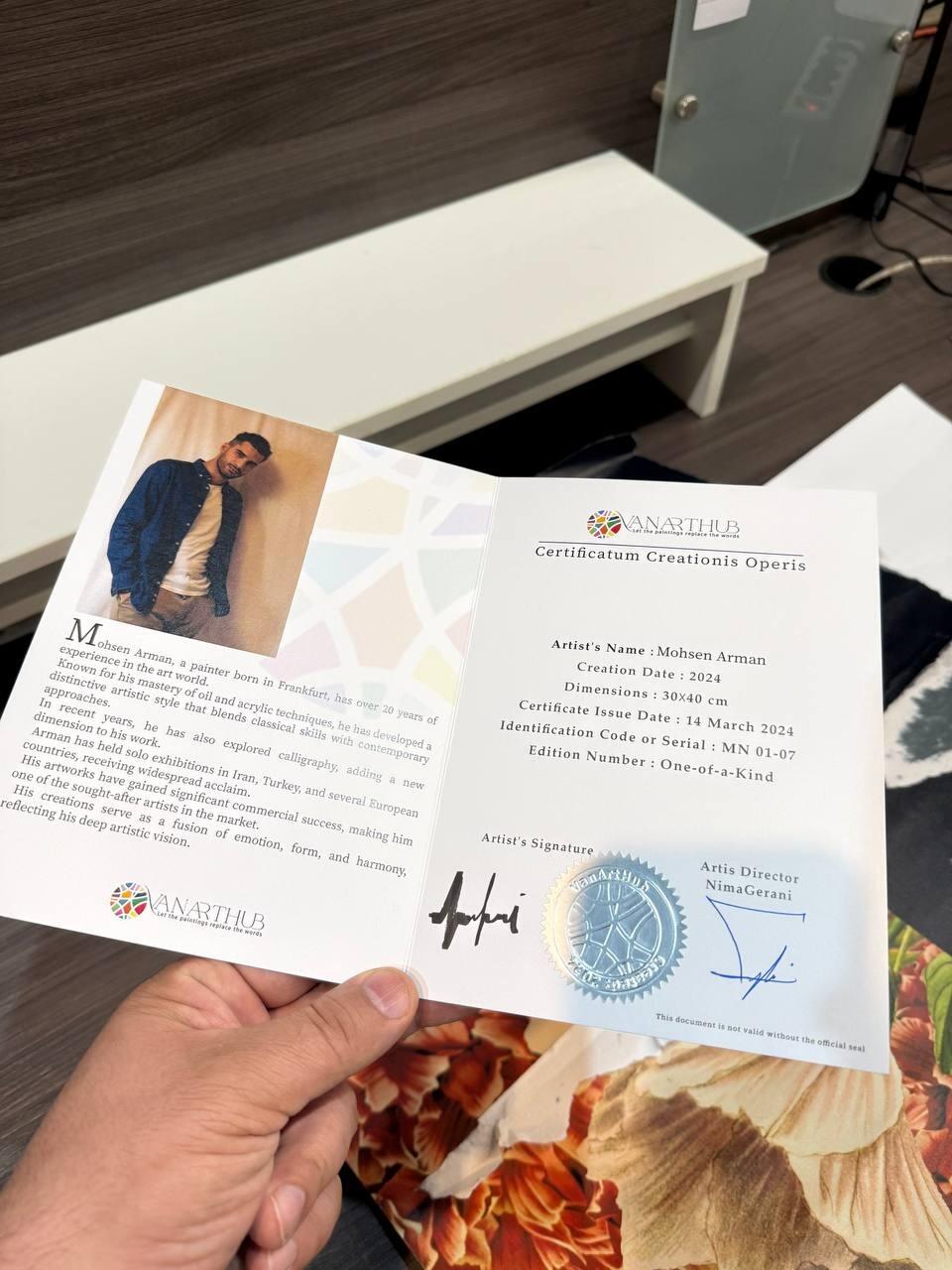
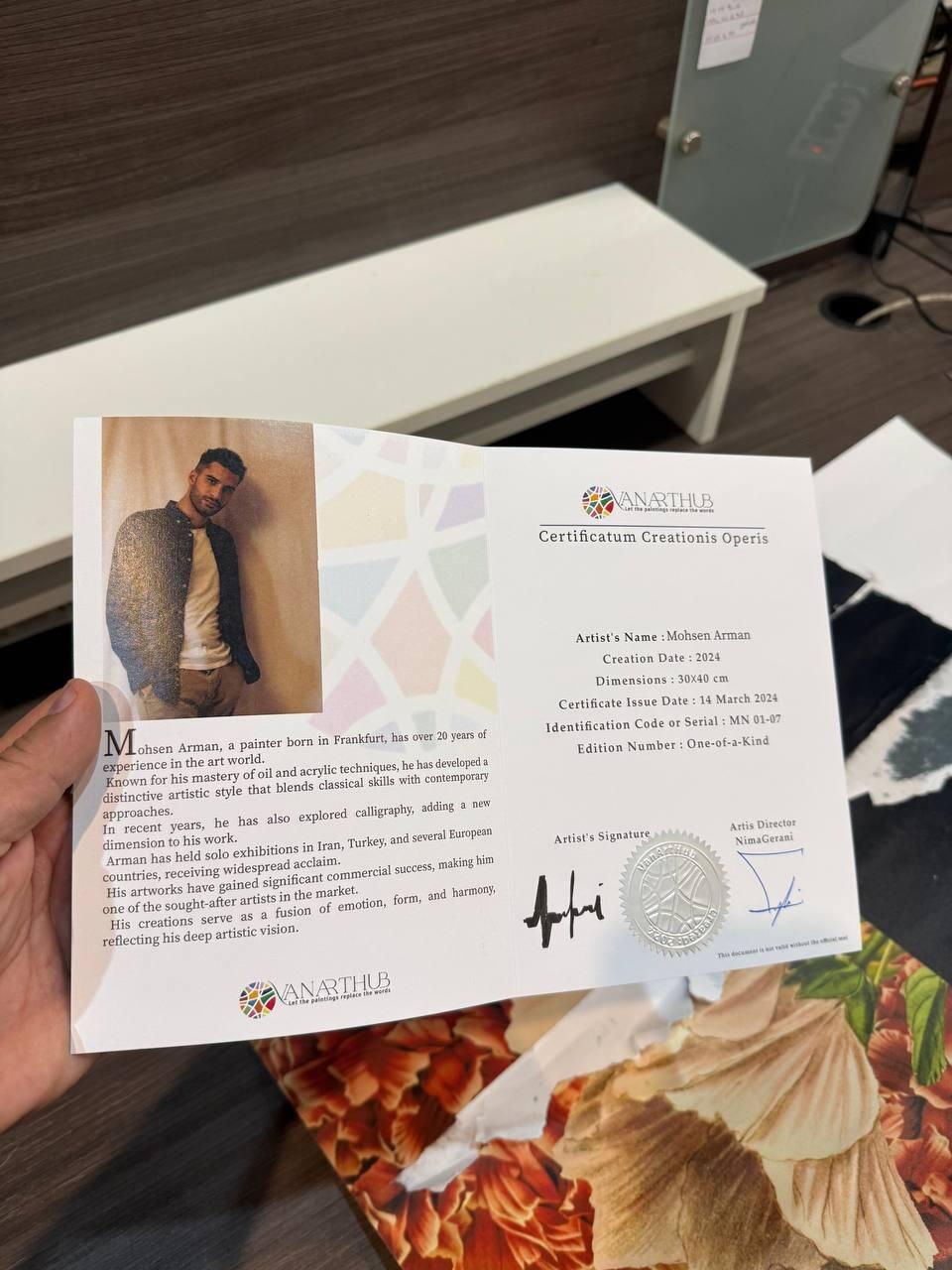
It records the artist, title, year, medium, and dimensions of your specific piece, signed by us as the gallery that sold it. Every original we ship carries one. It is the document you will want if you ever insure, donate, or resell the work.
Sources
- Canadian Conservation Institute, Cleaning Paintings: Precautions (CCI Notes 10/1)
- Canadian Conservation Institute, Condition Reporting, Paintings Part III: Glossary (CCI Notes 10/11)
Sources checked 1 September 2026. If you spot something out of date, tell us and we will update the guide.
About VanArtHub
VanArtHub is an online gallery in Vancouver selling original, signed, one-of-a-kind paintings by independent artists. No prints and no reproductions. Every piece ships with a Certificate of Authenticity, free fully insured delivery to Canada and the USA, and a 14-day trial so you can decide at home. Read our guide to caring for original paintings, see what not to do when cleaning a painting, or browse every available original. Our full policy lives on the Buy with Confidence page.