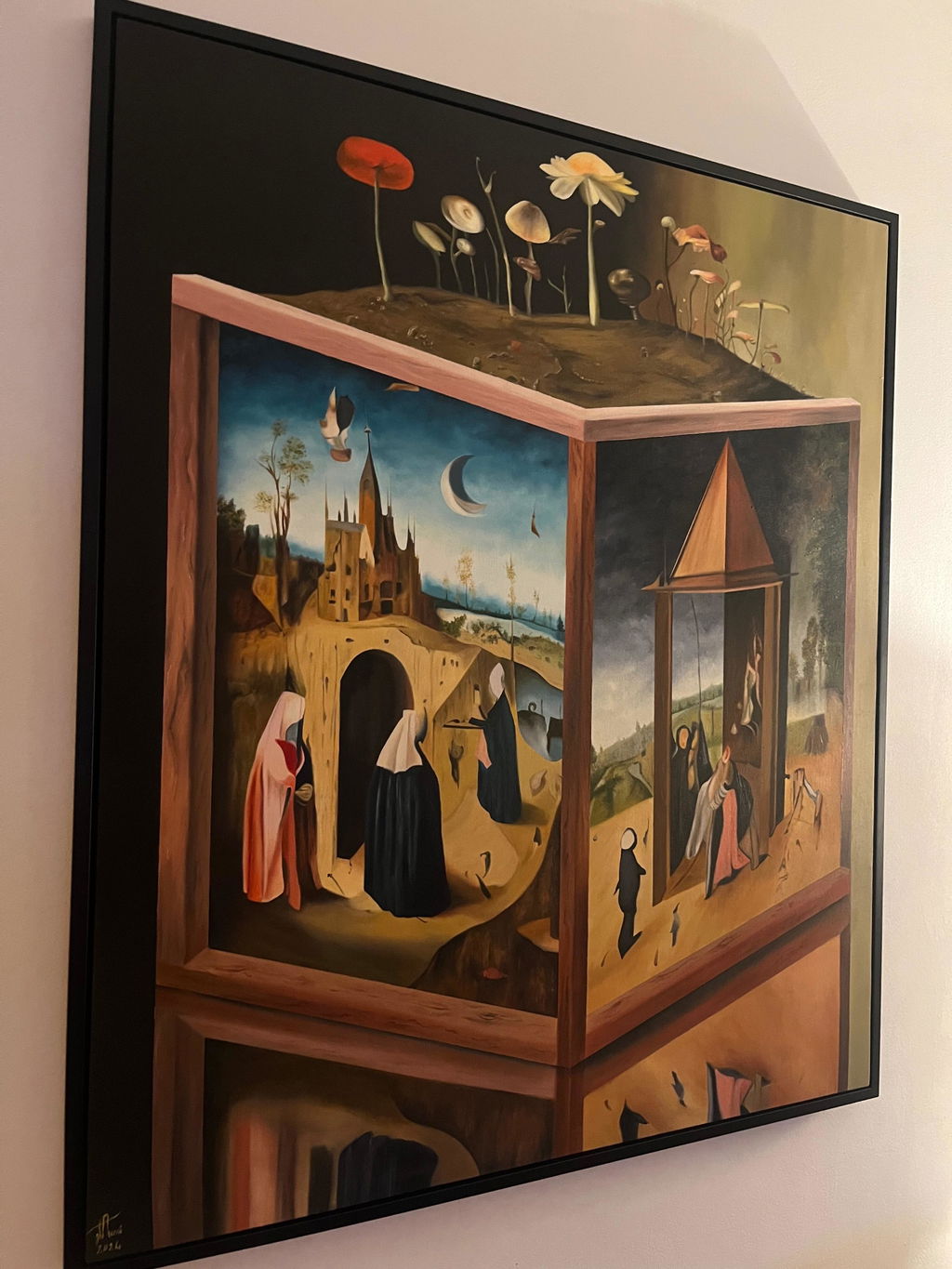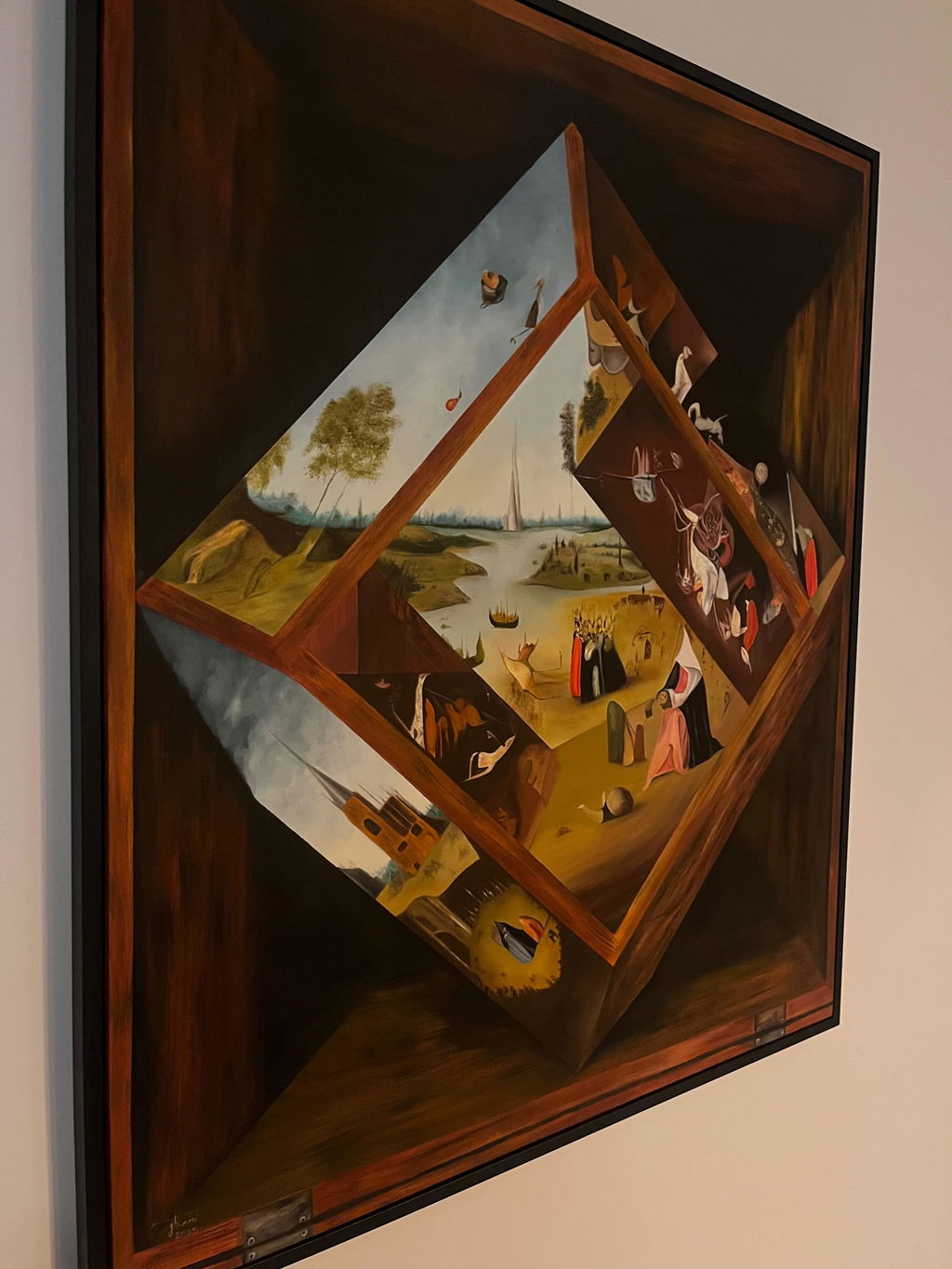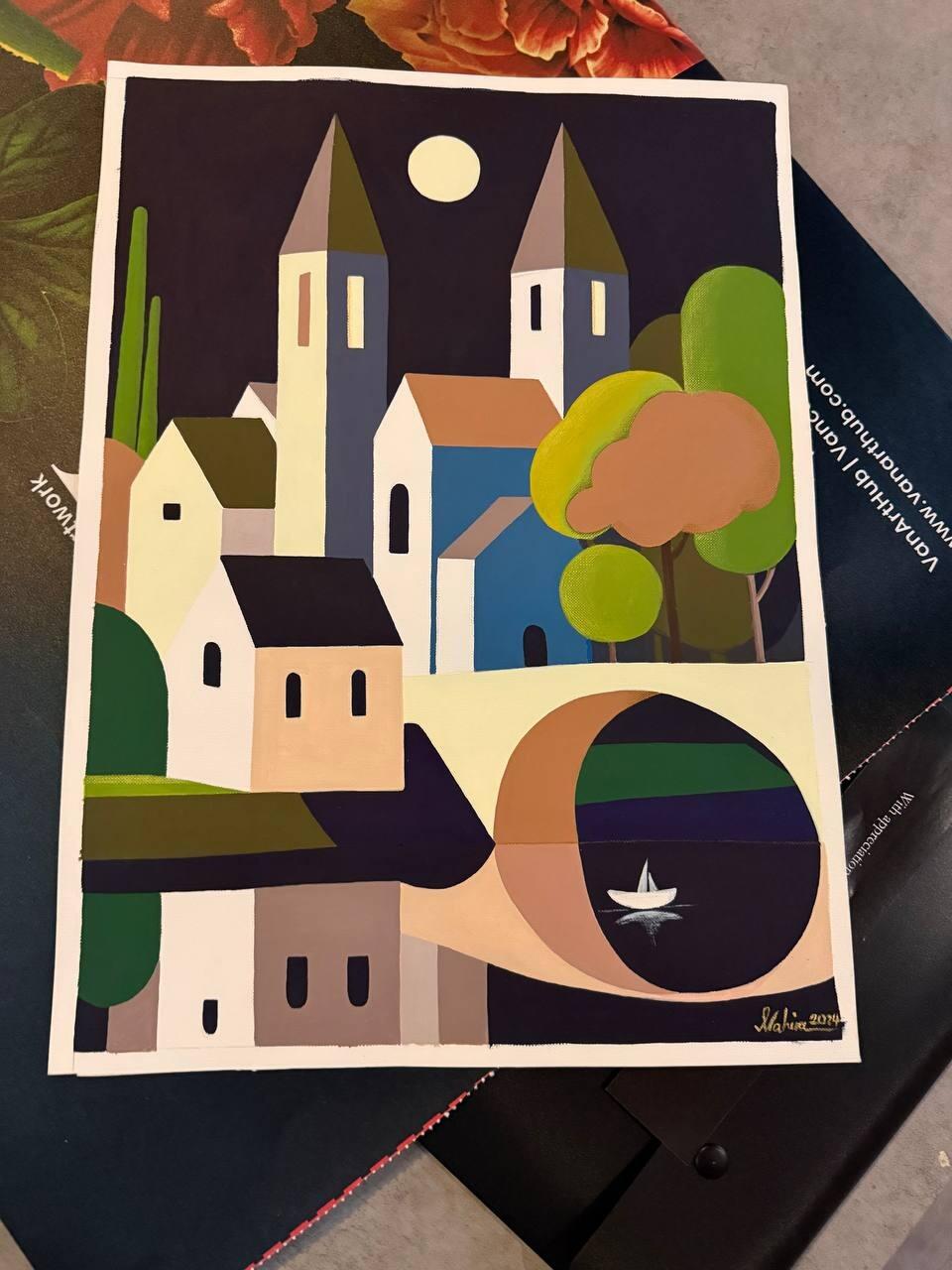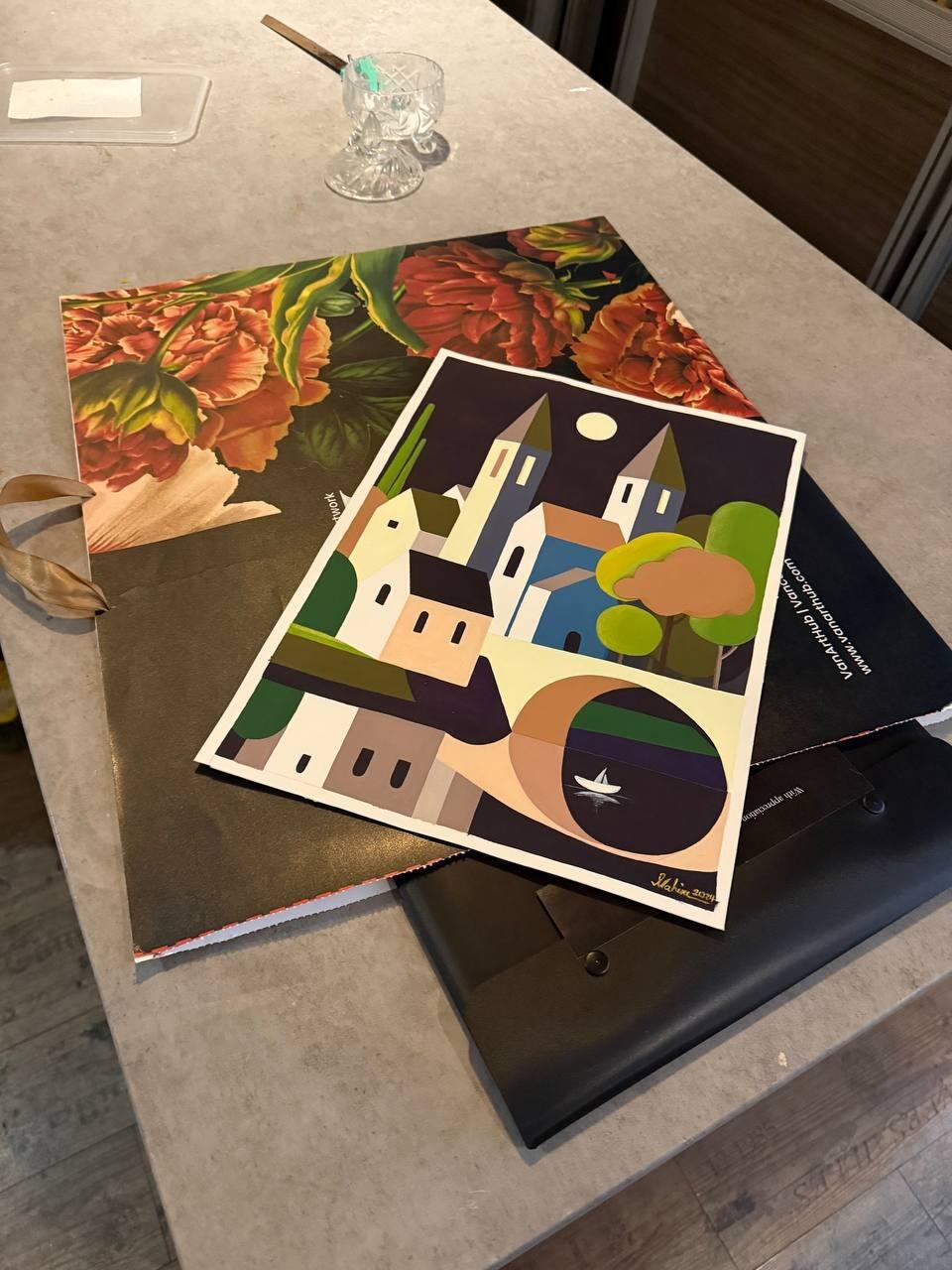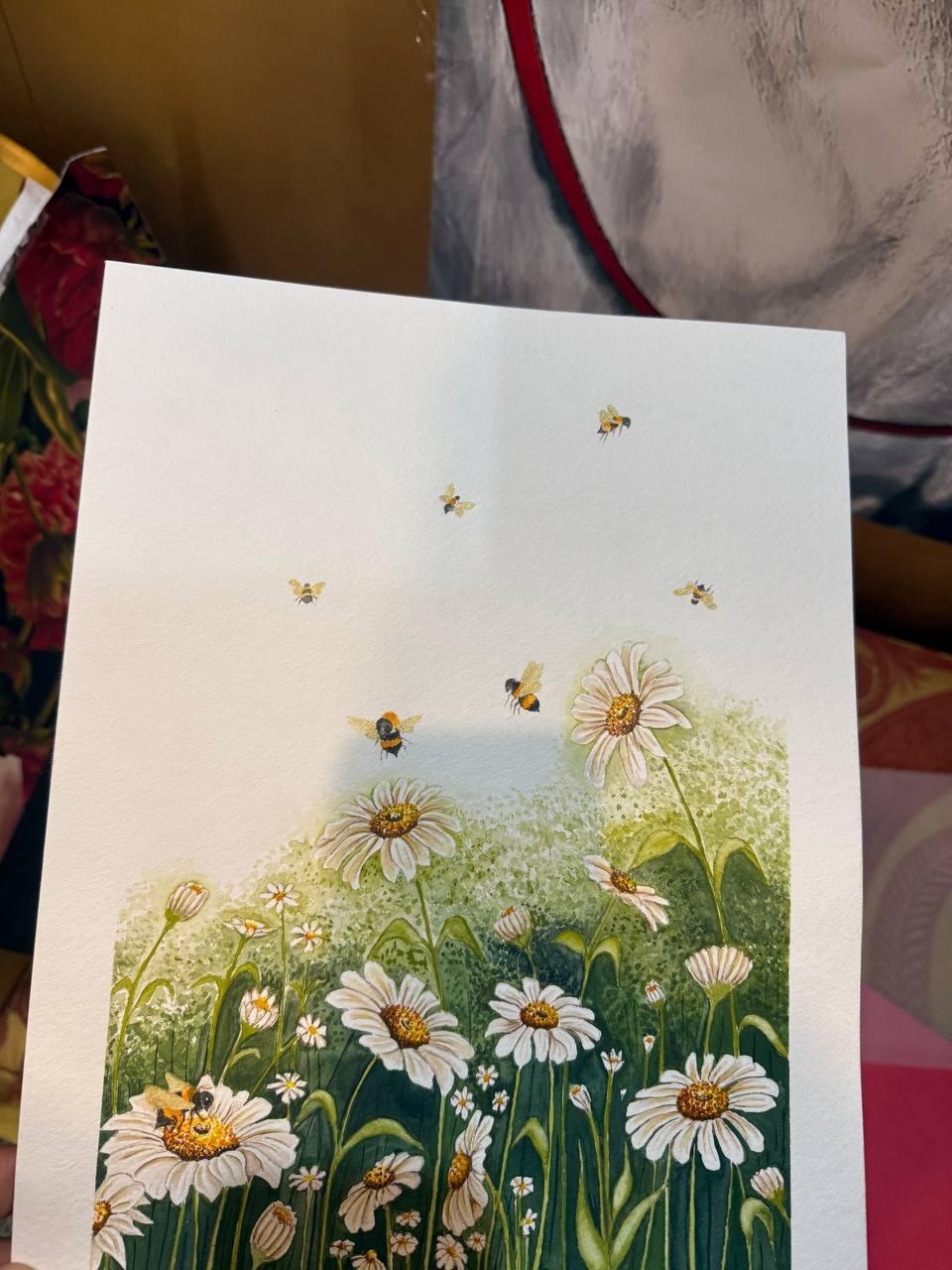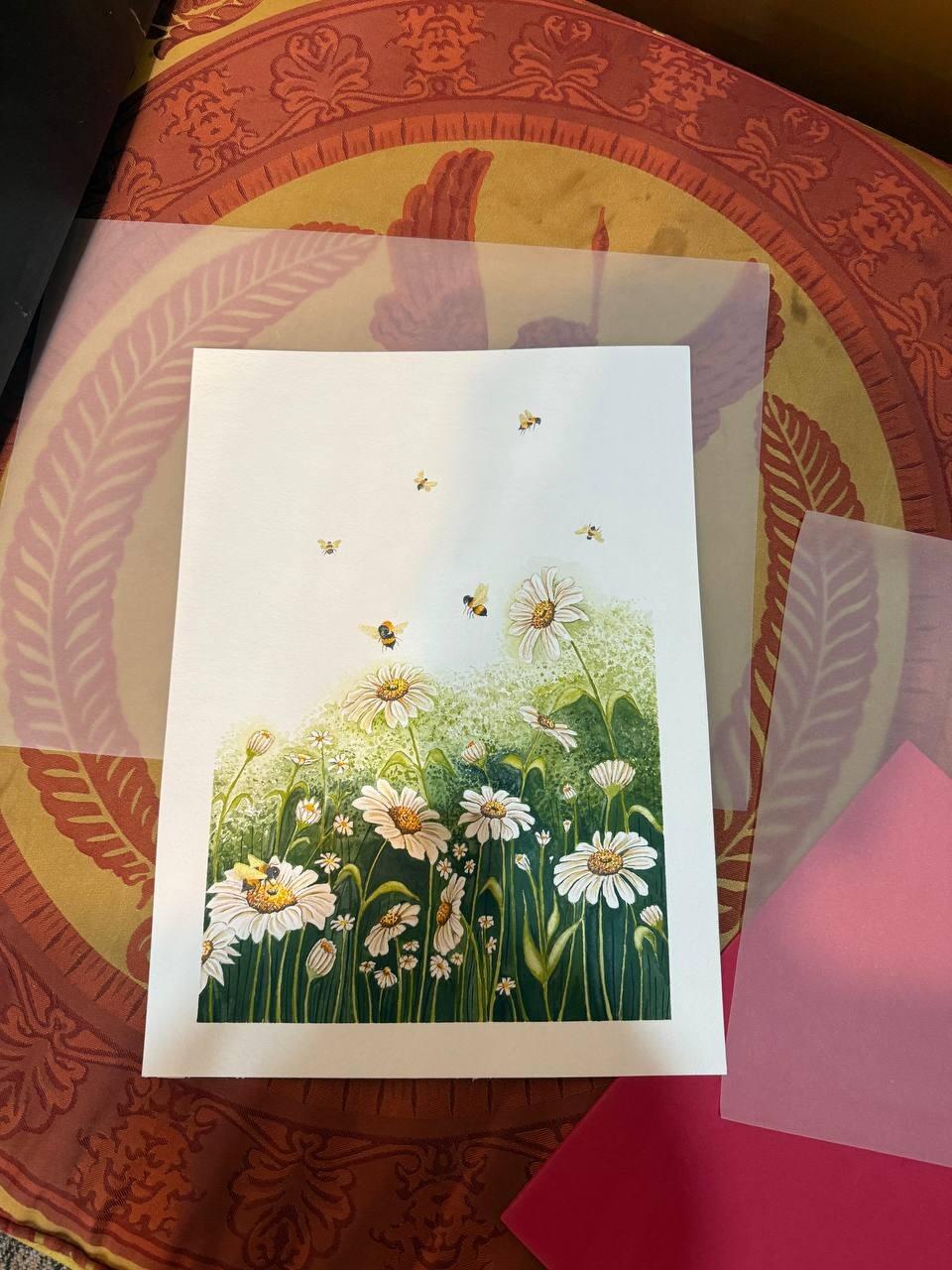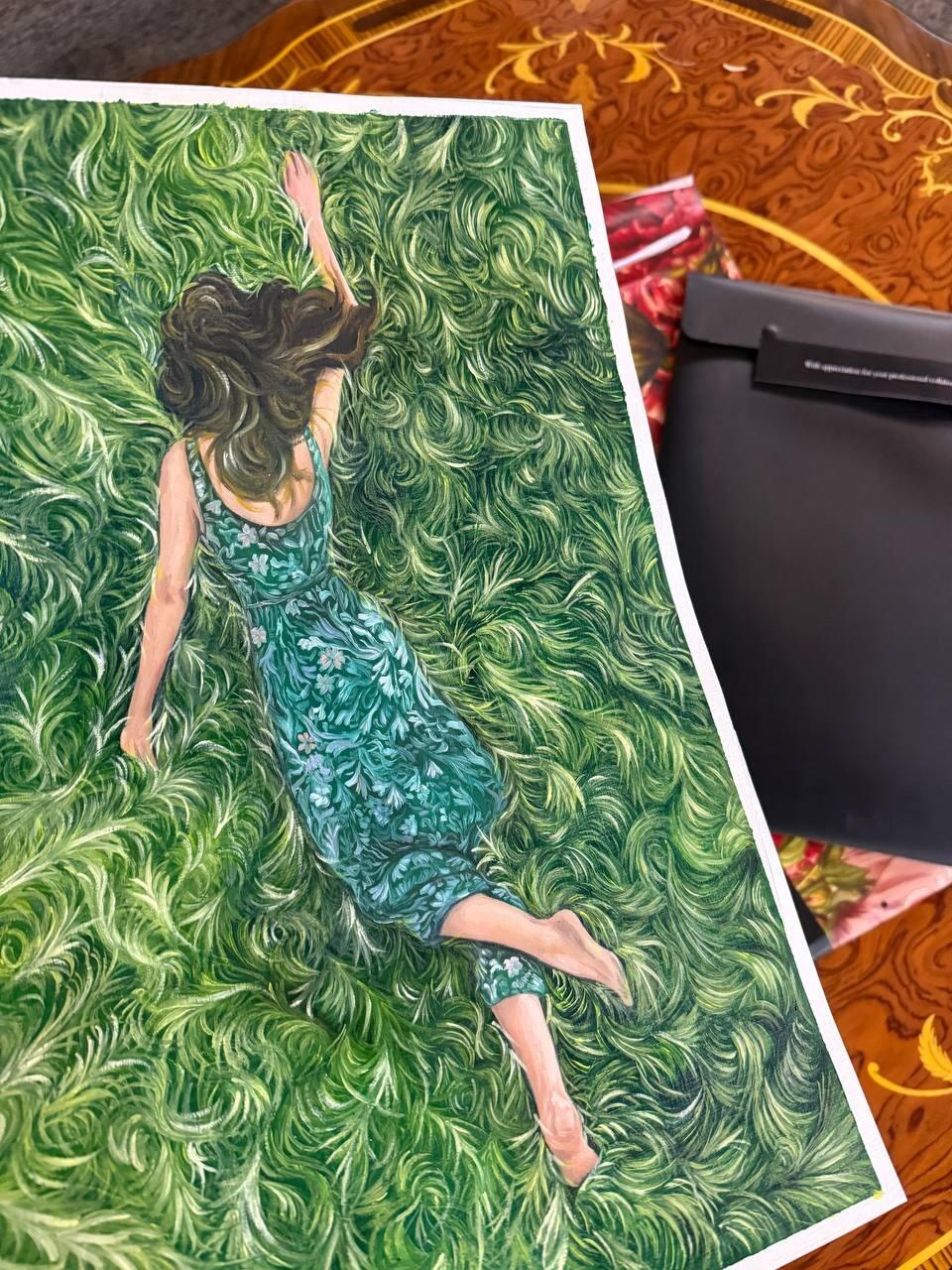
Twilight, an original painting of beehives in a green field at dusk, available at VanArtHub

Vegan & vegetarian art, the complete guide

Vegan art: animals and plants on the canvas, not in it

Many art supplies quietly contain animal products: black pigment made from charred bones, red from crushed insects, glue boiled from hides, brushes cut from sable fur. This guide explains all of it in plain language, so you can ask the right questions, choose animal-free materials, and collect original art that celebrates the living world.

Shop nature & animal paintings What is vegan art?

Real originals, not prints. Prices from about $531. Free insured shipping, and a 14-day trial.

  • Original, one-of-a-kind paintings, never prints
  • Animals and plants as subjects, celebrated in paint
  • Plain answers about what art materials contain
  • Supports living Vancouver artists

The animal ingredients hiding in art are real. So are the alternatives.

Most people are surprised to learn what traditional art materials are made of. Ivory black pigment is made by charring animal bones. Carmine red comes from crushed cochineal insects. Sepia was taken from cuttlefish. Traditional gesso is bound with rabbit-skin glue, many watercolors flow better because of ox gall, and the finest brushes are cut from sable and hog hair. None of this is a secret in the art world, but almost nobody tells the buyer.

Vegan art starts by simply knowing this. From there it can mean two things: art made without animal-derived materials, and art that puts animals and plants at the centre as subjects instead of ingredients. This guide from VanArtHub covers both, in plain language, with a page for every material and every question. One honest note before you start: we do not claim our own paintings are vegan, because our artists' materials vary and we have not audited them. What we sell is original art, made once and made to last, and this guide gives you the knowledge to ask any artist, including ours, the right questions.

The short version

  • Vegan art is art made without animal-derived materials. Vegetarian art usually means art on plant and food themes, especially fruit and vegetable still lifes. The two overlap but are not the same.
  • Common animal ingredients in art supplies: bone char in black pigment, cochineal insects in carmine red, ox gall in watercolor, rabbit-skin glue in traditional gesso, gelatin sizing in paper, shellac in some inks, and sable or hog hair in brushes.
  • Acrylic paint is usually the safest starting point for an animal-free practice, but a few pigments (like bone black) are animal-derived in any medium, so the pigment matters more than the paint type.
  • The only way to know if a specific product is vegan is the manufacturer's own published statement. Always check the maker, not the shop.
  • VanArtHub does not claim its paintings are vegan. We sell original, signed work by living Vancouver artists, and this guide teaches you exactly what to ask any artist about materials.

What is vegan art?

Vegan art is art made without animal-derived materials. That covers the pigments in the paint, the binder that holds them, the glue that sizes the canvas or paper, the bristles of the brush, and the varnish on top. An artwork can look completely plant-based, a quiet painting of a forest, and still contain bone char, insect dye, and hide glue. The subject tells you nothing about the materials.

The subject of a painting tells you nothing about what it is made of. The materials list does.

Vegetarian art is a looser, older idea: art about the plant world and the table, from Dutch fruit still lifes to modern kitchen art. Many people searching for "vegetarian art" want exactly that, paintings of harvests, orchards, and food, and we cover it in this guide too. Start with the full definition on What is vegan art? and the difference on Vegan vs vegetarian art.

Where animal ingredients hide in art supplies

Four places to look. Each card links to a full plain-language page.

In the pigment

Ivory black and bone black are charred animal bones. Carmine is crushed cochineal insects. Sepia came from cuttlefish. See the pigment list →

In the binder and additives

Ox gall helps watercolor flow, egg yolk binds tempera, casein comes from milk, and some inks contain shellac from the lac insect. Watercolor, explained →

In the surface

Traditional gesso is bound with rabbit-skin glue, and many fine art papers are sized with gelatin. Canvas & gesso →

In the tools and finish

Sable, squirrel, and hog brushes are animal hair, and some varnishes and crayons use beeswax. Brushes → Varnishes →

For the full story of how these ingredients entered art in the first place, read Animal ingredients in art history.

What this means when you buy art

You do not need to become a chemist. You need a few honest habits.

  • Ask, don't assume. A leafy subject does not mean plant-based materials. The only reliable source is the artist or maker's own answer. How to verify →
  • Check the maker, not the shop. Manufacturers publish vegan information about their own ranges. Treat those as the maker's statements, and read them yourself. Brand guide →
  • The pigment is the detail that matters. One black can be charred bone while another is carbon from gas. Same colour, different origin. Pigments →
  • Commissions give you control. When you commission a piece, you can specify animal-free materials up front. Commissioning →
  • Celebrate the subject. Original paintings of animals and the plant world put the living world on your wall without a single claim you cannot check. Animals in art →
  • Buy once, keep for decades. Whatever the materials, one lasting original wastes less than a churn of mass-produced decor. The sustainable art guide →

Explore the vegan art guide

Each page below answers one question, in plain language. Start wherever you like.

Common questions about vegan art

What is vegan art?

Vegan art is art made without animal-derived materials, in the pigments, binders, glues, surfaces, brushes, and finishes. Common animal ingredients in traditional supplies include bone char in black pigment, cochineal insects in carmine red, ox gall in watercolor, rabbit-skin glue in gesso, gelatin in paper sizing, and sable or hog hair in brushes. An artwork's subject does not tell you its materials; only the materials list does.

What is vegetarian art?

Vegetarian art usually refers to art about the plant world and food, especially fruit and vegetable still lifes, a tradition that runs from Dutch Golden Age harvest tables to modern kitchen and dining room art. Some people also use it loosely to mean animal-friendly art in general. It is about the subject on the canvas, while vegan art is usually about the materials the work is made from.

Are VanArtHub's paintings vegan?

We do not claim that. Our artists work in oil, acrylic, colored pencil, ink, and mixed media, and their exact materials vary by artist and by piece, so we will not put a vegan label on work we have not audited. What we can say honestly: every piece is an original by a living artist, and if a specific work matters to you, ask us and we will put the materials question directly to the artist before you buy.

Which paint is easiest to buy vegan?

Acrylic is usually the simplest starting point, because its binder is a synthetic polymer rather than egg, milk, or hide glue. The catch is the pigment: bone black is made from charred animal bones in any medium, including acrylic. So check two things: the paint range's own vegan information from the manufacturer, and the specific pigment on the label.

How do I know if a specific product is vegan?

Go to the manufacturer, not the retailer. Most major paint makers publish ingredient or vegan guidance about their own ranges, and that statement is the only reliable source, because formulations change and shops repeat claims secondhand. Treat the maker's statement as their own claim, check the date on it, and when it matters, email the maker about the exact product and batch.

Where do I start?

Start with What is vegan art? for the idea, then Animal-derived pigments for the single most useful list in the subject. If you are here to find art for your home, browse original nature paintings and animal paintings, all one-of-a-kind, with free insured shipping and a 14-day trial.

Part of a bigger question

Vegan art is one branch of a larger subject: how to make and collect art with care for the world it comes from. Our sustainable art guide covers the rest, materials, longevity, the circular art economy, and the honest case for owning one original instead of disposable decor.

Read the sustainable art guide

Put the living world on your wall

Original, signed paintings of animals, plants, and the natural world, by living Vancouver artists. Shipped free across Canada and the USA, with a 14-day trial and a Lifetime Trade-Back.

Real originals from our Vancouver studio. No prints, no reproductions, ever.