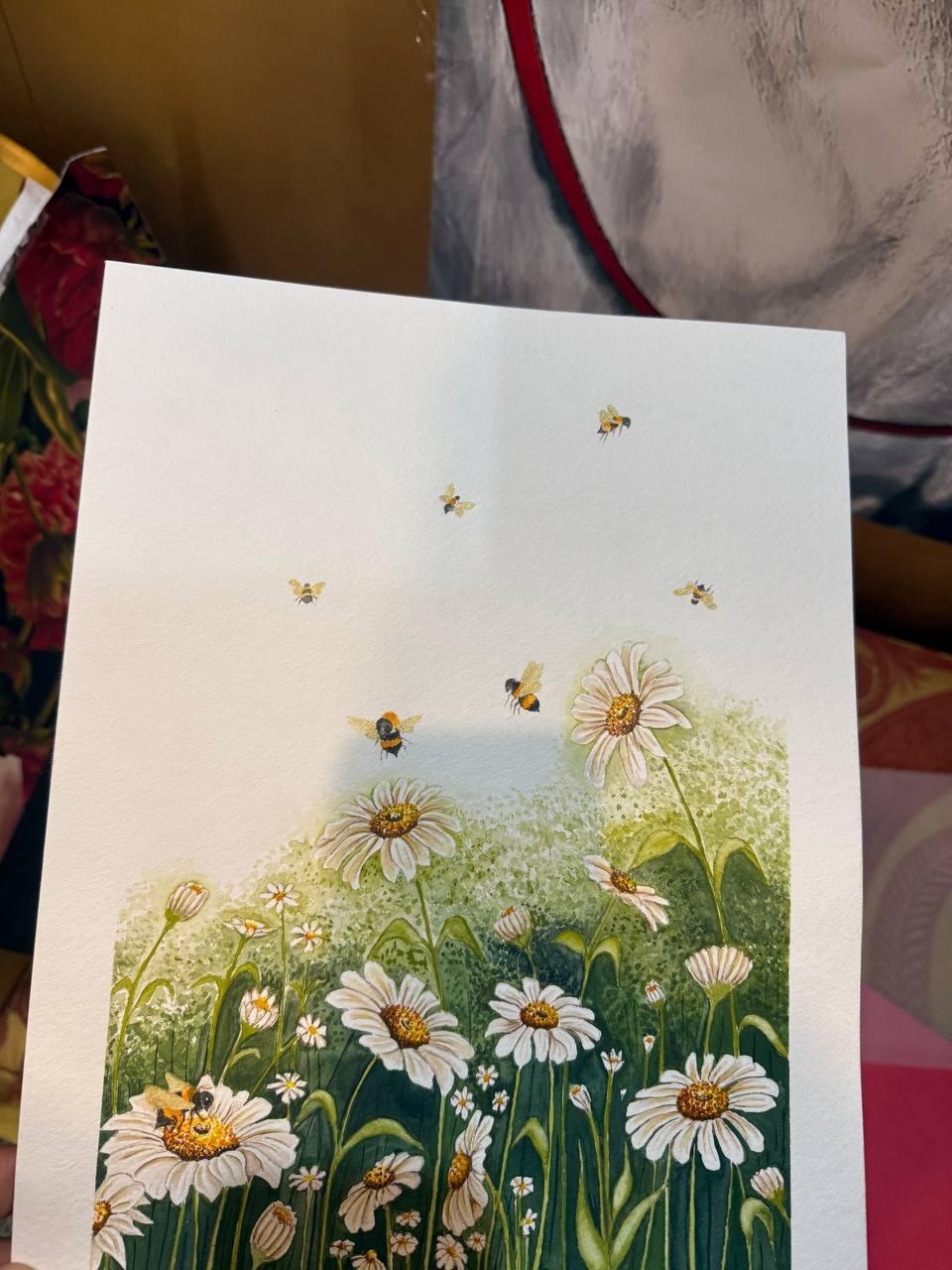
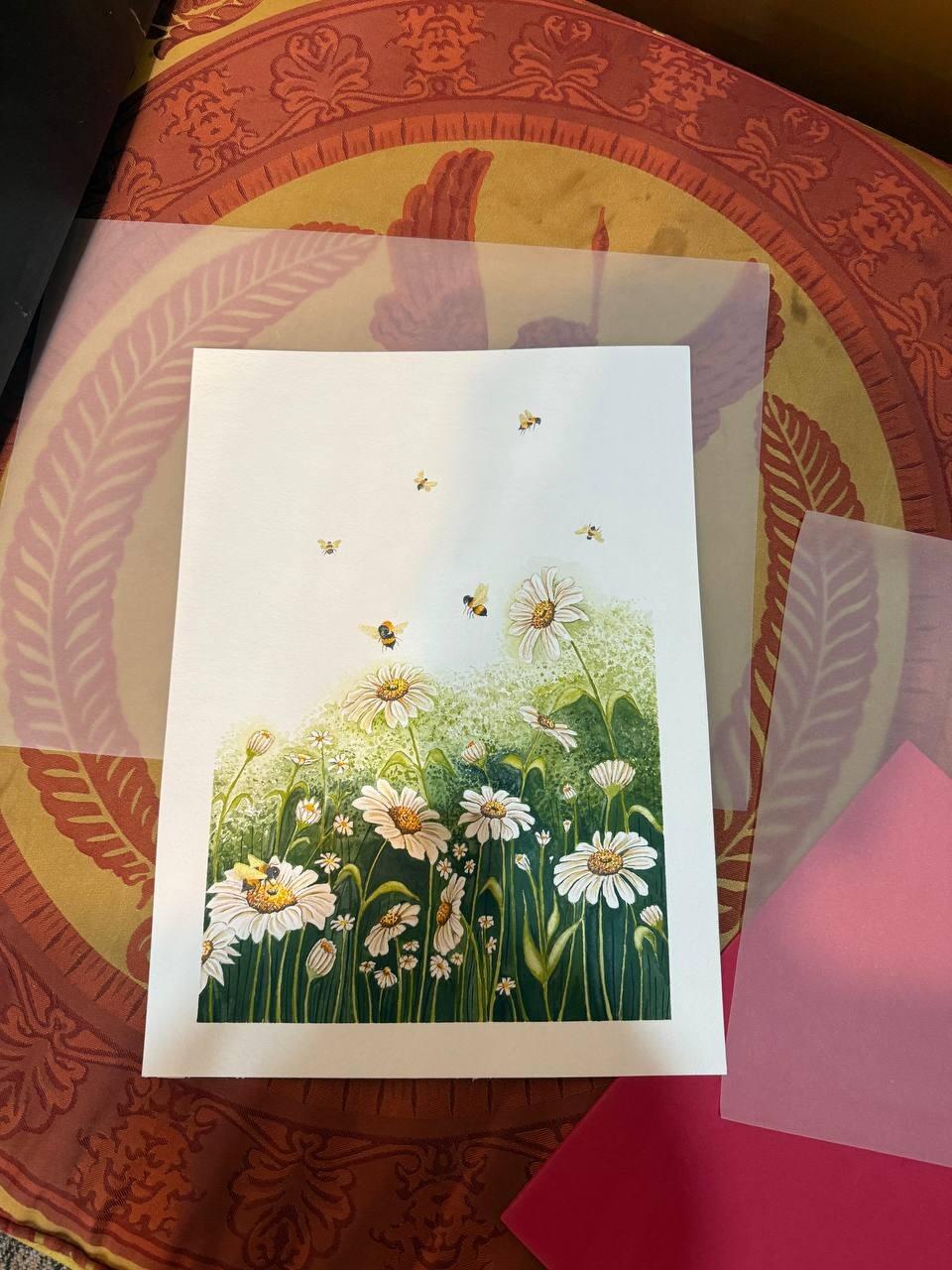
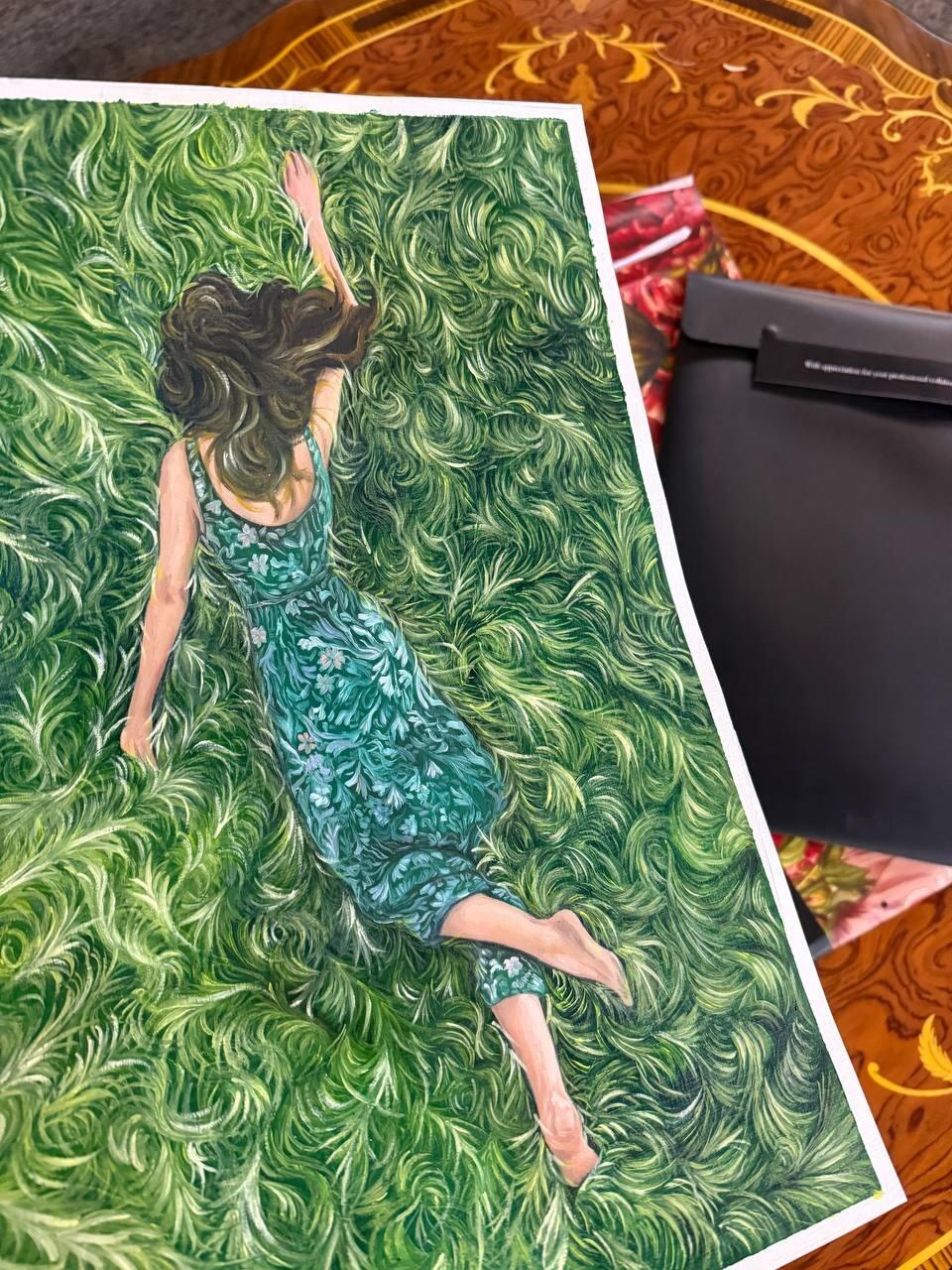
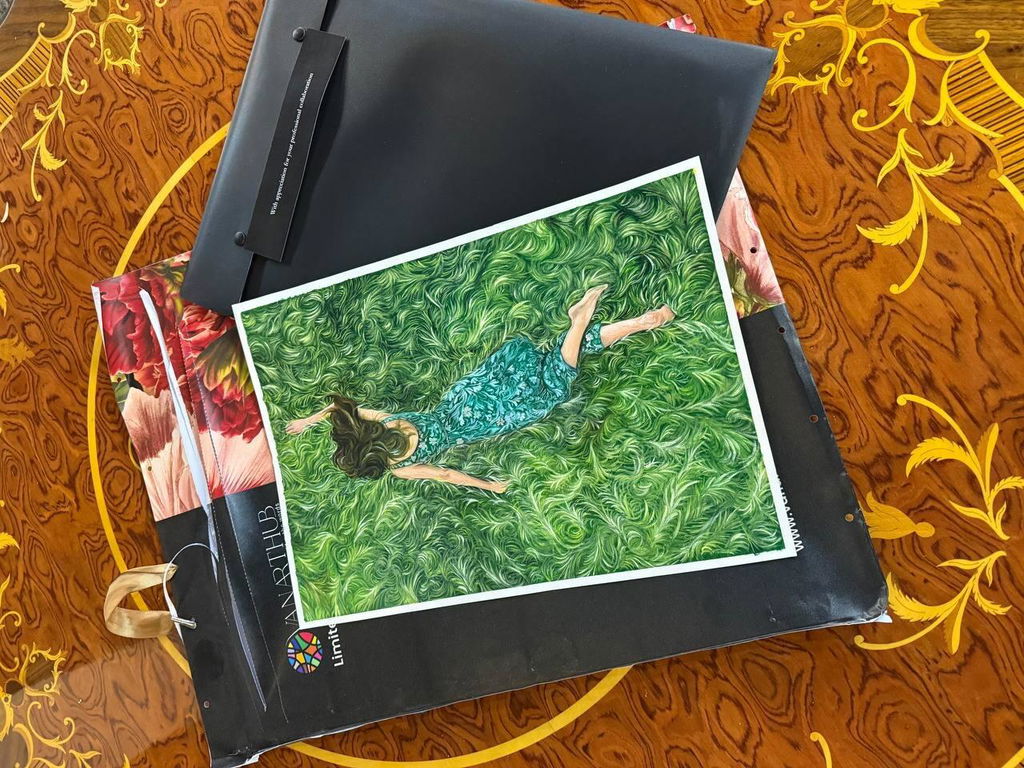
Artists move to vegan materials for reasons that run from principle to plain practicality. For some, it is consistency: they keep animal products out of their lives and want the studio to follow. For others the push is physical, such as a sensitivity to animal hair, or a wish for simpler and safer studio routines. And for a growing number the question barely arises, because the animal-free version of what they need is now good enough to choose on its own merits.
This page walks through those reasons. It names no individual artists and invents no stories; it describes the motivations that appear again and again, and the material facts behind them. It is part of the vegan art hub at VanArtHub, a Vancouver gallery for original signed paintings.
Key takeaways
- The most common reason is consistency: an artist who avoids animal products in daily life often wants the same standard in the studio.
- Practical motives matter too, including avoiding animal hair, simpler canvas preparation, and water-based work that needs no solvent.
- Synthetic brushes have improved greatly and now serve both watercolor and oil painters well.
- Several makers publish vegan information about their own ranges, which makes checking far easier than it once was, although formulations change.
- A vegan palette costs an artist very little in colour choice, since most modern binders are already plant-based or synthetic.
Consistency between values and work
A painting is a physical object that lasts for decades, and whatever went into it stays in it. For an artist who has removed animal products from food, clothing, and household goods, the studio can feel like the last unexamined room, and switching materials closes that gap. The feeling tends to be strongest for artists whose subject is animals or the natural world: a painter who spends weeks on the portrait of a hare may prefer that its darkest shadows contain no charred bone. That is a personal position, not a rule, but it is a common one, and it needs no statistics to make sense.
Practical reasons in the studio
Ethics is not the whole story. Several practical pressures point the same way.
Tools. Sable, kolinsky, squirrel, and hog brushes are animal hair, and some people would rather not handle animal hair at all, whether from principle or from sensitivity to it. Synthetic fibres, often sold as taklon, are the animal-free alternative, and they have improved greatly for both watercolor and oils. Our vegan brushes page covers the options in detail.
Preparation. Traditional canvas sizing means rabbit-skin glue, which Golden describes as refined rabbit collagen, applied before a traditional gesso. Modern acrylic gesso and acrylic sizing are synthetic and come ready to use, which removes a slow preparation step along with the animal ingredient.
Air. A vegan switch often travels together with a move to water-based media. Water-based paints such as acrylics and watercolor need no solvent, while traditional oil painting often uses turpentine or mineral spirits, whose vapours (volatile organic compounds, or VOCs) affect indoor air. Solvent-free oil practice exists, but many artists find the water-based route simpler. The same overlap is covered from the environmental side in our page on low-VOC paints and mediums.
The options are better than they were
The strongest quiet force behind the shift is that the alternatives stopped demanding sacrifice. For deep blacks, carbon black (PBk7) and Mars black (PBk11) are non-animal pigments; Golden's Just Paint journal describes them as slightly cooler in tone than bone black, a small difference most painters adjust to easily. Golden's QoR watercolors use a synthetic ox gall substitute that the maker describes as vegan, replacing the traditional wetting agent made from cattle bile. Faber-Castell states that its products are vegan except its beeswax crayons, by the brand's own account. Derwent's brand information, as reported by retailers, lists Coloursoft, Inktense, Metallic, and Lightfast pencils as vegan-friendly ranges. Encaustic painters who want to avoid beeswax can work with plant waxes such as soy, carnauba, and candelilla.
All of these are the makers' own statements, not independent tests, and formulations change, so treat any published list as a starting point and confirm with the manufacturer. Our vegan paint brands page gathers what the makers say, range by range.
| Traditional material |
What it does |
Animal-free option |
| Bone black (PBk9) |
Deep black pigment |
Carbon black (PBk7) or Mars black (PBk11) |
| Ox gall |
Watercolor wetting agent |
Synthetic ox gall (Golden QoR, per the maker) |
| Rabbit-skin glue |
Canvas sizing under gesso |
Acrylic sizing and acrylic gesso |
| Sable and hog brushes |
Applying paint |
Synthetic fibres such as taklon |
| Beeswax (encaustic) |
Wax painting medium |
Soy, carnauba, or candelilla wax |
What this means for art buyers
Because the materials improved, an artist can now work fully vegan without giving up much, and more of them do. You still cannot assume it from the outside, since materials stay invisible in the finished work, so the buyer's tool is the direct question. VanArtHub has not audited its artists' materials and does not label any painting vegan; ask us about a specific work and we will put the materials question to the artist before you buy. Our guide on how to verify vegan art lists the exact questions worth asking, and the watch art being made collection brings you closer to how individual works take shape in the studio.
Common questions
Do vegan materials limit an artist's colour range?
Very little. Most modern binders are already plant-based or synthetic, and the deepest blacks are covered by carbon black and Mars black. Golden's Just Paint journal notes those blacks are slightly cooler in tone than bone black, which is the main visible difference.
Are synthetic brushes good enough for professional work?
Synthetic brushes have improved greatly and are now used for both watercolor and oil painting. Many artists choose them on performance alone, separate from any ethical reason.
Does an artist have to replace everything at once?
No. Most switches happen gradually, with brushes, blacks, grounds, and papers swapped as supplies run out and as maker information is checked for each new purchase.
How can an artist confirm that a product is vegan?
Read the maker's own published information, check pigment codes such as PBk9 for bone black, and write to the manufacturer directly. Formulations change, so a fresh answer beats an old list.
Vegan materials are now a working reality rather than a compromise. If you are curious what modern synthetic media can do, start with our original acrylic paintings, and ask us the materials question about any work you are considering.