Usually, yes. The classic drawing charcoals, willow and vine, are simply charred plant material: willow charcoal is charred willow wood and vine charcoal is charred grapevine. Nothing about them involves an animal. The word to watch for is bone char, which is charred animal bone, and the thing to check on compressed charcoal is the binder, which varies by maker.
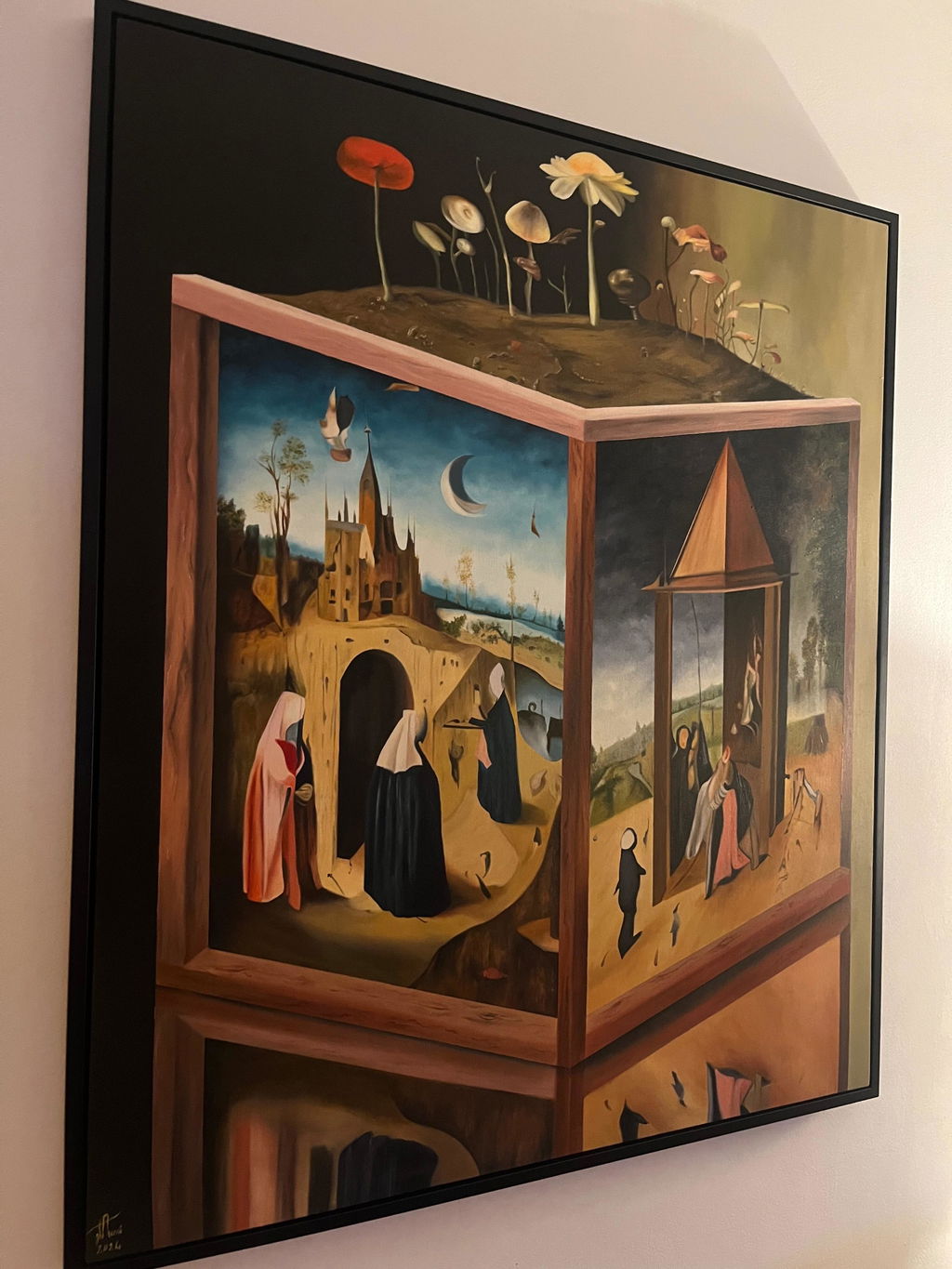
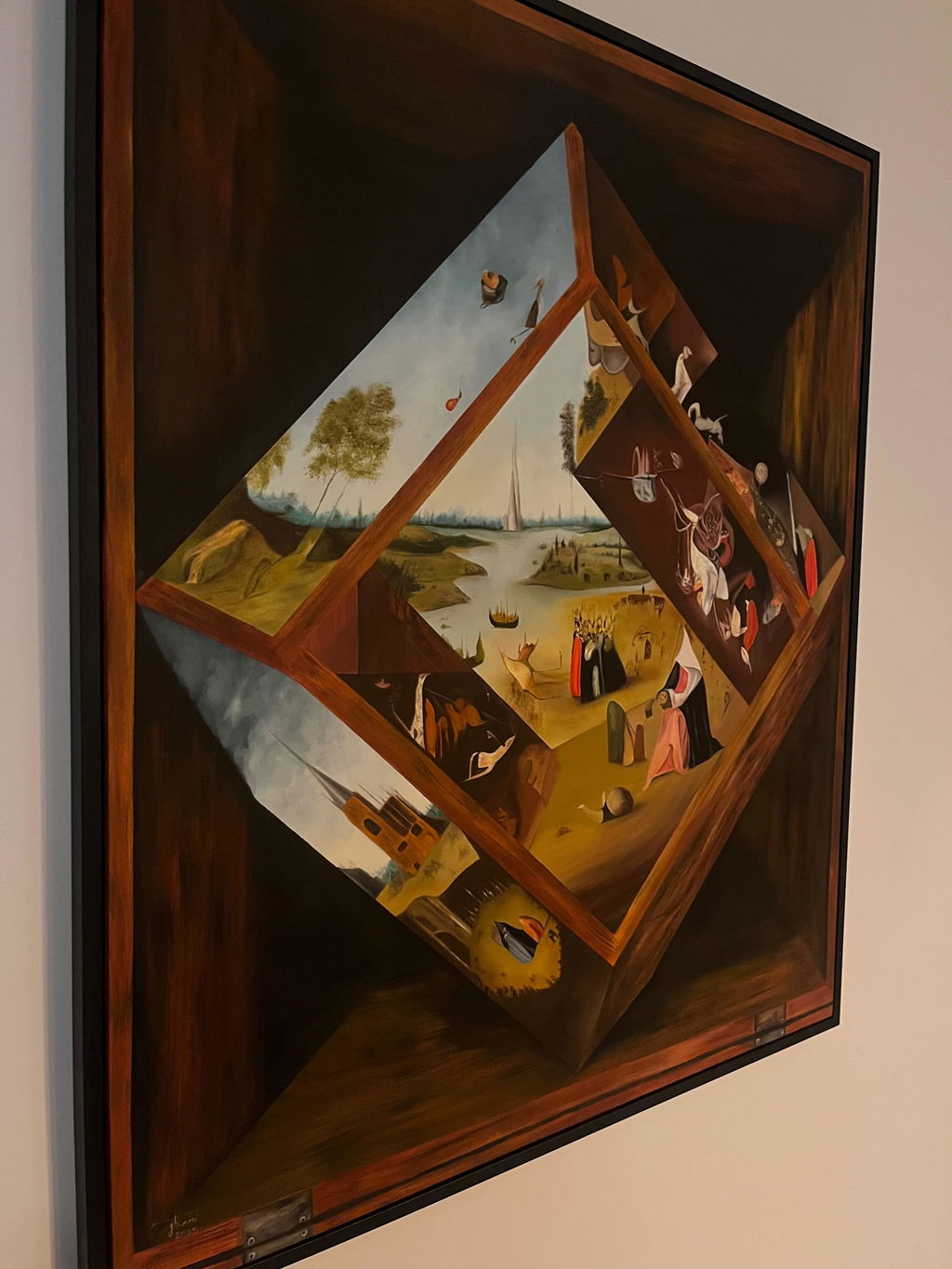
The real catch in a charcoal drawing is usually not the charcoal at all. It is the paper underneath, because many fine art papers are sized with gelatin, an animal product. This page covers the sticks, the pencils, and that hidden layer. If you are considering a finished charcoal work, VanArtHub will check the materials with the artist for any piece you ask about.
Key takeaways
- Willow and vine charcoal are charred plant material and contain no animal ingredients.
- Bone char is charred animal bone. As an artist pigment it appears as bone black or ivory black (PBk9).
- Compressed charcoal and charcoal pencils use a binder, usually a plant gum, but binders vary by maker, so check.
- Many fine art papers are sized with gelatin. Arches states its watercolor paper is gelatin-sized to the core.
- People have drawn with charcoal for tens of thousands of years; cave painters used charcoal and earth pigments.
Willow and vine: charred plants
Willow charcoal is made by charring willow twigs. Vine charcoal is made the same way from grapevine. That is the whole recipe: plant material and heat. Both are vegan, and both are about as simple as an art material can be. Artists reach for them when they want soft, gray marks that lift and blend easily, which is why so many charcoal drawings have that smoky, atmospheric look.
Charcoal is also one of the oldest art materials in existence. Cave painters worked with charcoal and earth pigments tens of thousands of years ago, so a charcoal drawing connects directly to the earliest art we know of. If natural, simple materials are part of what draws you to charcoal, our sustainable hub's guide to eco-friendly and natural art materials looks at that side of the question.
Bone char: the name that means animal
Bone char is charred animal bone, and it is the one member of the charcoal family that is never vegan. In artist materials it usually appears as a pigment rather than a drawing stick: bone black, also sold as ivory black, with the Colour Index code PBk9. Golden states that its Bone Black pigment is made from carbonized cattle bones.
The naming makes this an easy check. Drawing charcoal sold as willow or vine is plant material. A product with the word bone in its name is not. When a black pigment appears in a mixed product, the PBk9 code is what gives it away.
Compressed charcoal and pencils: check the binder
Compressed charcoal sticks are ground charcoal pressed together with a binder, which makes them denser and darker than natural willow. The binder is usually a plant gum, but binders vary by maker, and few labels spell them out. The same applies to charcoal pencils, which are compressed cores inside a wood casing. If the binder matters to you, ask the manufacturer. It is a quick question, and makers answer it.
| Charcoal type |
Made from |
Animal-free? |
| Willow charcoal |
Charred willow wood |
Yes |
| Vine charcoal |
Charred grapevine |
Yes |
| Compressed charcoal |
Ground charcoal plus a binder |
Usually; binders vary, check the maker |
| Charcoal pencils |
Compressed charcoal core in wood |
Usually; binders vary, check the maker |
| Bone char (bone black, PBk9) |
Charred animal bones |
No |
Charcoal's close relatives raise similar binder questions, and we cover those in are colored pencils and pastels vegan?
The hidden catch: the paper
A drawing is a sheet plus a mark, and the sheet is where animal products hide. Many fine art papers are sized with gelatin. Arches, one of the best-known paper makers, states that its watercolor paper is gelatin-sized to the core. You cannot tell by looking, so the paper needs the same one-line question to its maker as the charcoal does. Our guide Is art paper vegan? explains what sizing is and how to check a specific sheet.
Fixatives and finished drawings
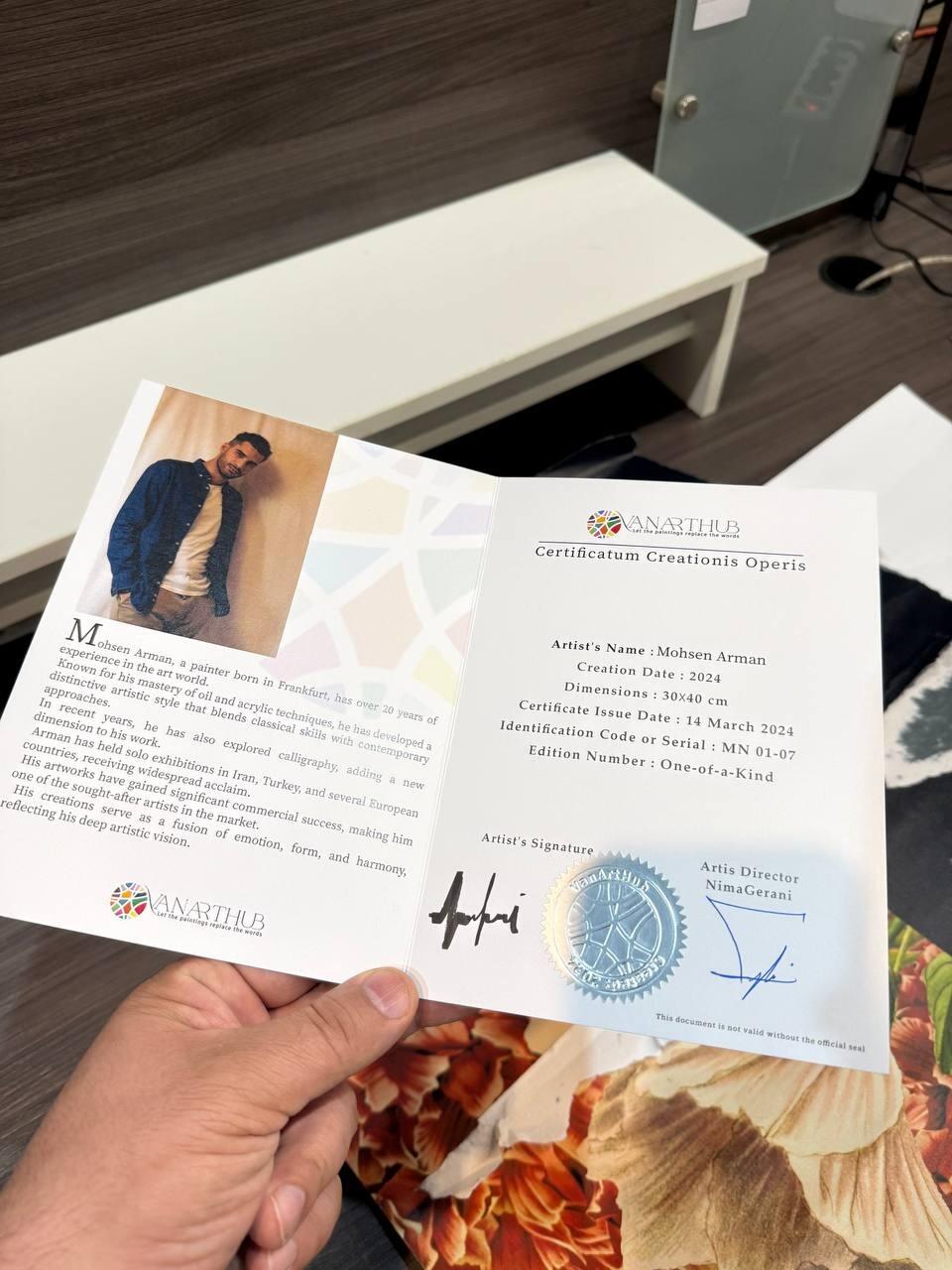
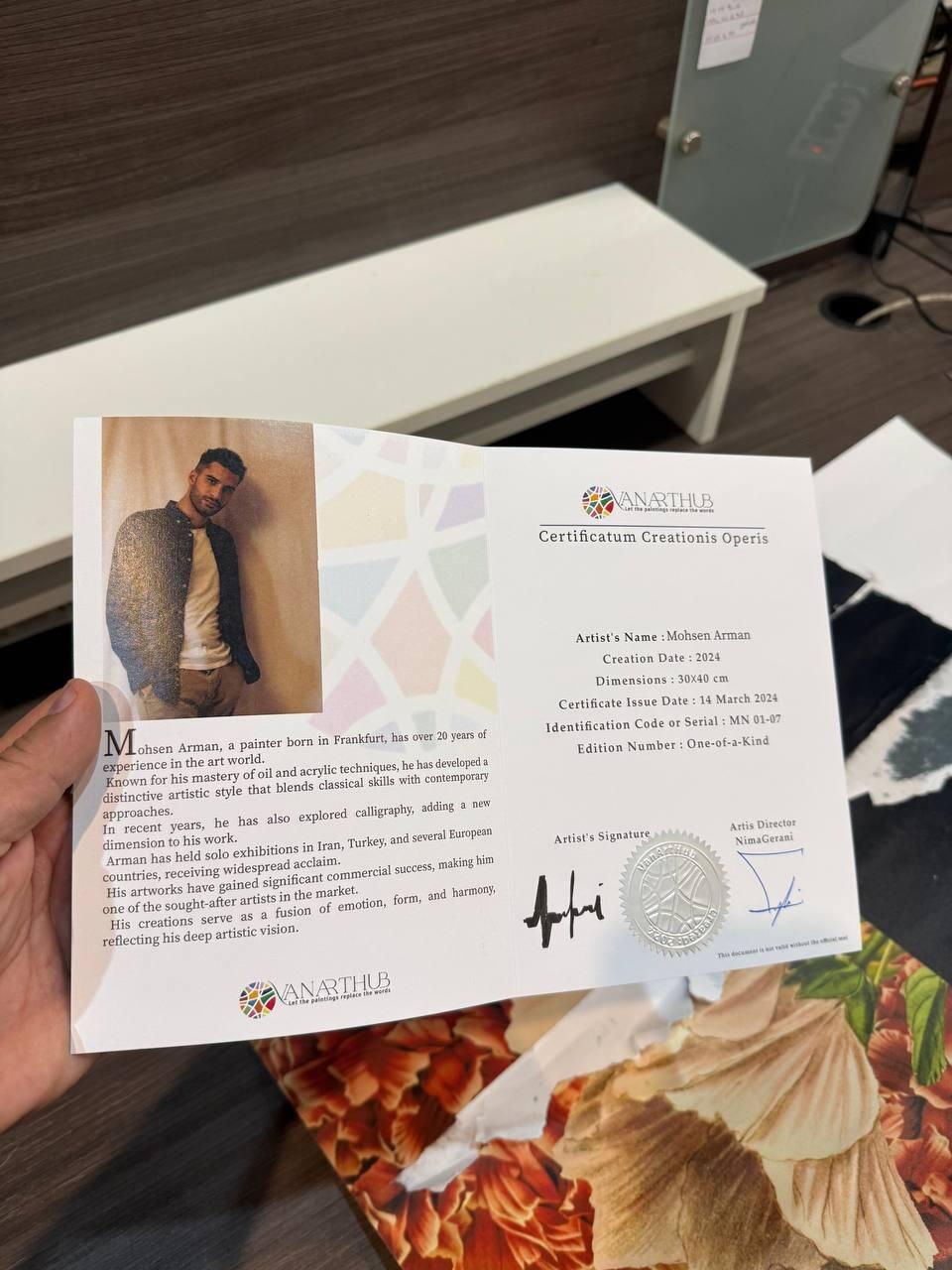
Charcoal smudges easily, so finished drawings are often sprayed with a fixative. Fixative formulas vary by maker and are not always published, so there is no general vegan answer. Contact the manufacturer of the specific spray. For a finished drawing you are thinking of buying, the practical route is to ask the artist what charcoal, paper, and fixative they used. That is a normal question, and a serious gallery will get you a real answer rather than a guess. Every original we sell arrives with a Certificate of Authenticity and a 14-day trial, so you can ask first and still decide at home. Ink raises a related set of questions for drawn work, and we cover it in is ink vegan?
Common questions
Is willow charcoal vegan?
Yes. Willow charcoal is charred willow wood, and vine charcoal is charred grapevine. Both are plant material with nothing animal-derived in them.
Is compressed charcoal vegan?
Usually, but it is not guaranteed. Compressed charcoal is ground charcoal held together with a binder, most often a plant gum. Binders vary by maker and are rarely listed, so ask the manufacturer about the specific product.
What is bone char used for in art?
Bone char is charred animal bone. In art materials it appears mainly as the pigment bone black, also sold as ivory black (PBk9). Golden states that its Bone Black pigment is made from carbonized cattle bones.
Is the paper under a charcoal drawing vegan?
Not always. Many fine art papers are sized with gelatin, an animal product. Arches states its watercolor paper is gelatin-sized to the core. Check the specific paper with its maker.
Are fixative sprays for charcoal vegan?
There is no general answer. Fixative formulas vary by maker and are often not published, so contact the manufacturer of the specific spray you want to use.
Charcoal is one of the easiest media to keep vegan: choose willow or vine, ask one question about the binder in compressed sticks, and check the paper. See finished work in our charcoal technique collection, and for every other material, start at the vegan art guide.