Plant-based pigments and inks colour art without any animal ingredient. The classic examples are indigo, a deep blue made from the leaves of indigo plants; madder, a warm red made from the roots of the madder plant; and walnut ink, a brown drawing ink made from walnut husks. Earth pigments such as ochres, siennas, and umbers belong beside them as the other big non-animal family, though they are minerals dug from the ground, not plants.
Between them, these two families cover a large share of the colours in art history. Cave painters worked with earth pigments and charcoal tens of thousands of years ago, and plant dyes coloured cloth, paper, and paint long before modern chemistry existed. This page looks at what these colours are, where they are used today, and their honest trade-offs.
Key takeaways
- Indigo comes from plant leaves, madder from plant roots, and walnut ink from walnut husks. All three are animal-free.
- Earth pigments such as ochres, siennas, and umbers are minerals, not plants, but they are also animal-free, and they are the oldest pigments in art.
- Gum arabic, the usual binder in watercolour and many inks, is sap from acacia trees, so the binder can be plant-based too.
- Lightfastness varies among natural colours, so check the maker's lightfast rating before buying materials or commissioning work.
- A plant-based colour does not make the whole product vegan. The binder, the sizing, and the paper all need checking.
The plant family: indigo, madder, and walnut
Indigo is the best known plant colour. It is a deep blue dye taken from the leaves of indigo plants, and it has a long history in dyeing cloth before it ever reached watercolour pans and bottled inks. Madder gives a warm red drawn from the roots of the madder plant, and it appears through centuries of dyed textiles and artist paints. Walnut ink is the drawing companion of the two: a warm brown ink made from walnut husks, loved for the soft, layered washes it gives in pen and brush drawing.
None of these involve an animal at any step, which is why they anchor this side of the vegan materials story. What they share with each other, and what separates them from modern synthetic colours, is variability: a natural harvest changes from batch to batch, and so does the colour it yields.
Earth pigments: the mineral family
Ochres, siennas, and umbers are coloured earths: natural minerals, mostly iron oxides, ground into pigment. They give yellows, reds, and browns. They are not plant products, and this page says so plainly. They belong here because they are the other great non-animal colour family, and anyone building an animal-free palette will lean on both.
They are also the oldest pigments we know. Cave painters used earth pigments and charcoal tens of thousands of years ago, and the same colour family is still on studio palettes now. Mars black (PBk11) is a related modern pigment, an iron oxide made synthetically, with no animal material in it.
Inks: what makes an ink plant-based
An ink is a colourant, a binder, and a liquid to carry them. Walnut ink can be fully plant-based, and gum arabic, the common binder in watercolour and many inks, is sap from acacia trees. So a genuinely plant-based ink is easy to find.
The watch-outs sit next to it on the shelf. Many India inks use shellac as a binder, and shellac is a resin secreted by the lac insect, so a deep black ink is not automatically plant-based. Sepia was historically made from cuttlefish ink, so that name needs checking too. The full picture, including modern synthetic inks, is on our page about whether ink is vegan. Charcoal sits nearby as well: willow and vine charcoal are charred wood or grapevine, which is plant material, and the details are covered in is charcoal vegan.
Honest trade-offs
The main one is lightfastness, which means how well a colour resists fading in light. It varies widely among natural colours, and some natural dyes fade faster than modern synthetic pigments. Batch variation is real too: two harvests of the same plant can yield slightly different colour. Reputable makers publish a lightfast rating for each colour, so check the rating rather than the romance of the name. The other side of the ledger is age: the cave paintings we can still see were made with earth pigments and charcoal, which says something about how well the mineral family endures.
Many artists solve this by mixing families: natural and earth colours where they hold up, modern synthetic colours where a natural dye would fade. For a buyer of finished art, the practical advice is simpler. Ask what materials were used, and keep any original work out of direct sunlight, whatever it is painted with.
| Colour source |
Family |
Typical colour |
Common uses |
| Indigo |
Plant (leaves) |
Deep blue |
Dyed cloth, watercolours, inks |
| Madder |
Plant (roots) |
Warm red |
Historic dyes and paints; modern synthetic versions exist |
| Walnut |
Plant (husks) |
Warm brown |
Drawing inks and washes |
| Ochres, siennas, umbers |
Mineral (coloured earths) |
Yellows, reds, browns |
Paints in every era, from cave walls to modern studios |
| Willow and vine charcoal |
Plant (charred wood or grapevine) |
Black |
Drawing and sketching |
Where these colours meet sustainability
Plant and earth colours are animal-free, but that does not automatically make them better for the environment. Growing, harvesting, and processing plant colour has its own footprint, and so does making the synthetic alternatives. The honest position is to judge each material on its own facts. If the environmental side interests you as much as the animal side, the sustainable hub's guide to eco-friendly and natural art materials looks at the same shelf of materials from that angle.
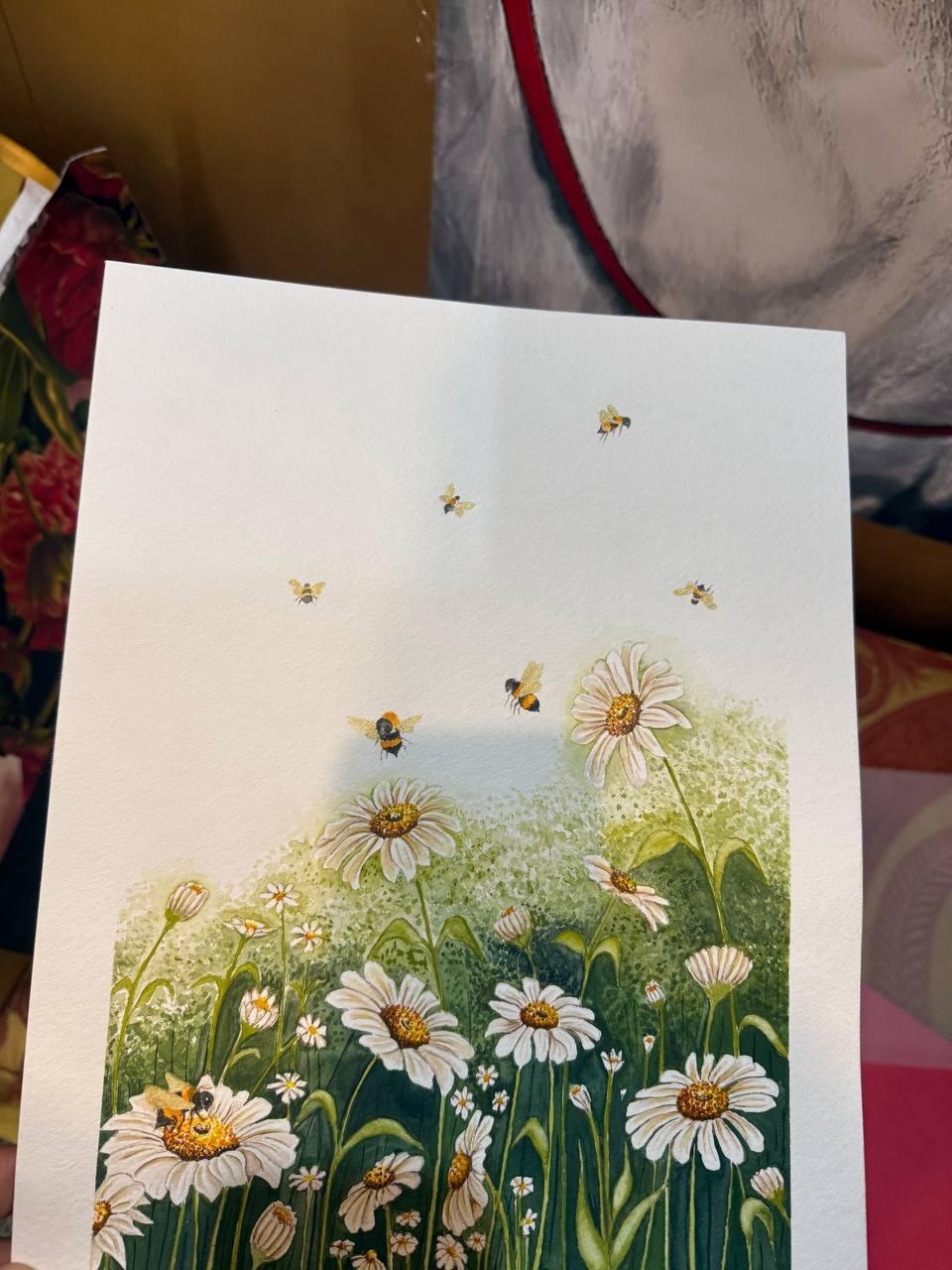
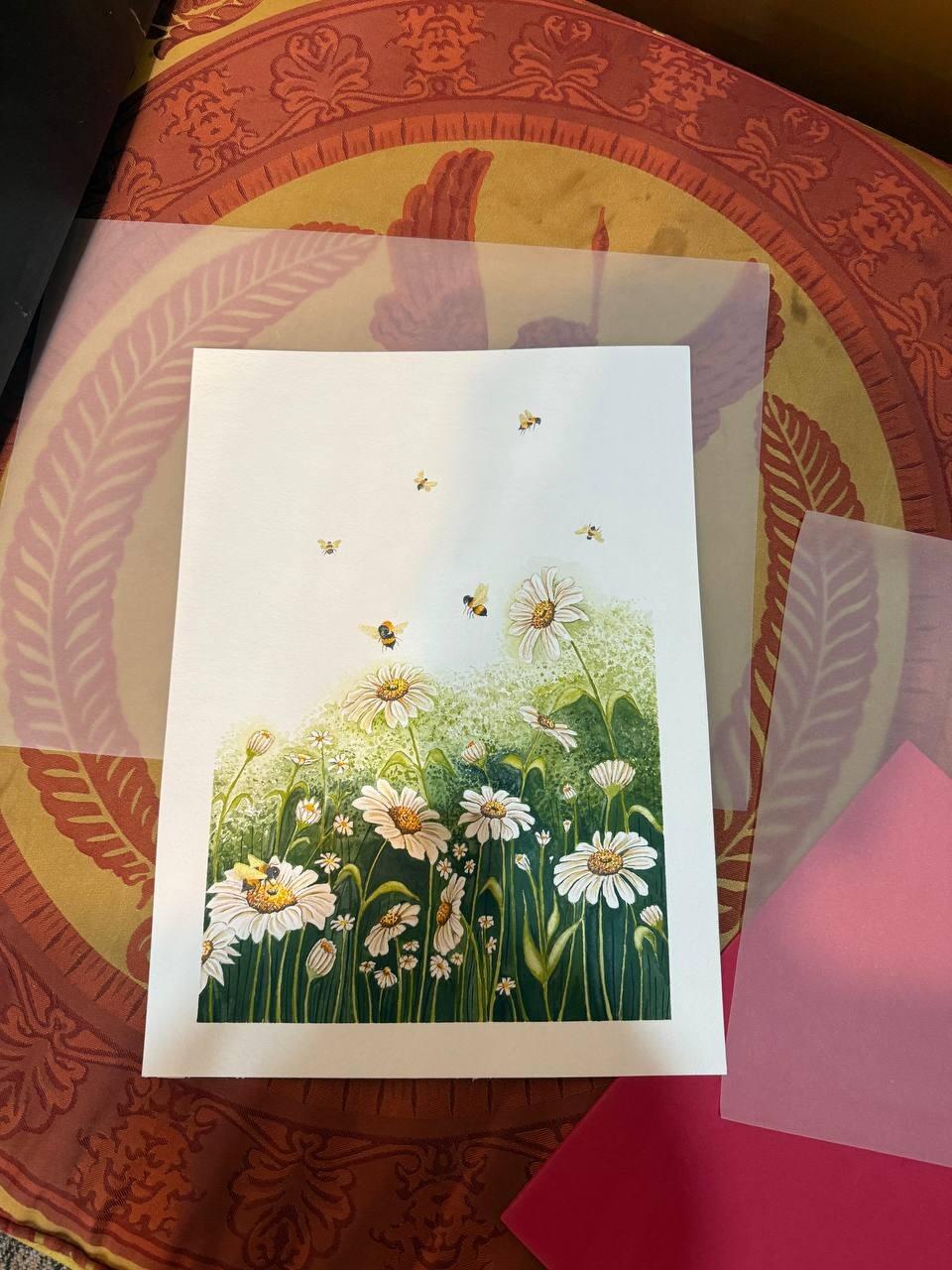
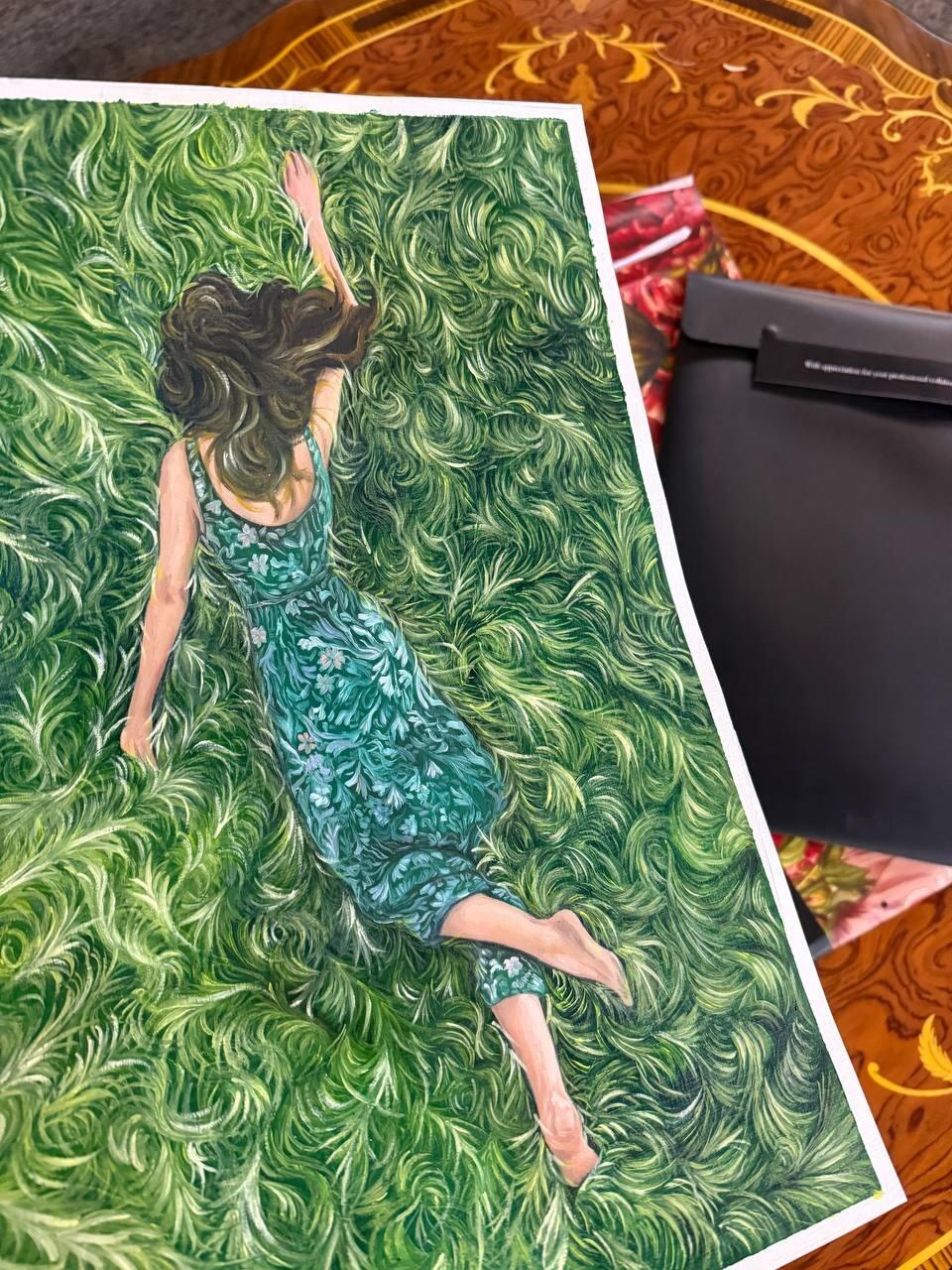
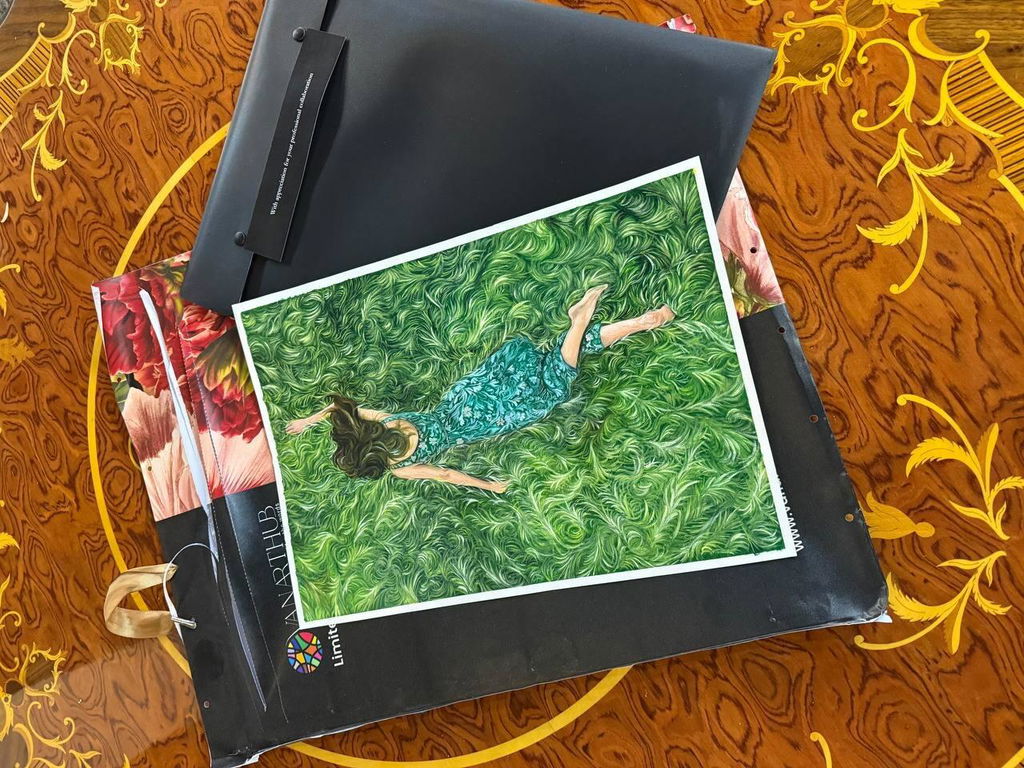
VanArtHub has not audited each artist's palette, so we never label a painting vegan or natural. What we can do is ask. If plant-based materials matter to you, tell us before you buy and we will put the question to the artist. Many works in our nature collection and our ink paintings collection show these earthy colour families at work.
Common questions
Are earth pigments vegan?
Yes, as pigments. Ochres, siennas, and umbers are minerals dug from the ground and contain no animal material. The finished paint also has a binder, and that binder may or may not be vegan, so check the full recipe.
Is natural indigo still used in art materials?
Yes. Natural indigo appears in some watercolours and inks, and many makers also sell a synthetic indigo or an indigo hue. The label or the maker's website will say which one a product uses.
Does walnut ink fade over time?
It can. Lightfastness varies by recipe and maker, so check the published lightfast rating and keep finished works out of direct sunlight.
Are plant-based pigments better for the environment than synthetic ones?
Not automatically. Growing and processing plant colours has its own footprint, and some synthetic pigments last longer in light. Judge each material on its own facts rather than on the word natural.
Is charcoal plant-based?
Usually. Willow and vine charcoal are charred wood or grapevine, which is plant material. Bone char is animal-derived, and compressed charcoal uses binders that vary by maker, so check compressed sticks before assuming.
Plant and earth colours connect today's studios to the oldest art we know. To see how they fit into the wider picture of animal-free materials, go back to the vegan art hub, or read the companion page on animal-derived pigments to learn the short list of colours these families replace.