Not always. Many fine art papers are sized with gelatin, an animal product made from collagen, so a sheet can be non-vegan even though its fibre is pure cotton. The fibre in art paper is almost always plant material, usually cotton rag or wood cellulose, which means the vegan question comes down to the sizing. Some makers use gelatin, some use synthetic sizing, and gelatin-free papers do exist. The maker's own product information is the only reliable way to confirm which kind you are holding.
This page explains what sizing is, the difference between internal and surface sizing, and how to check a specific paper. It belongs to our wider vegan art guide.
Key takeaways
- The fibre in most art paper is plant based, so the vegan question is decided by the sizing, not by the paper fibre itself.
- Many fine watercolour papers are sized with gelatin, which is an animal product.
- Arches states that its watercolour paper is gelatin sized to the core.
- Internal sizing is mixed into the paper pulp, while surface sizing is applied to the formed sheet, and a paper can have one, both, or neither.
- Gelatin-free papers exist, and the maker's current product information is the way to confirm one, because formulations change.
What sizing does
Sizing controls how much liquid a sheet of paper absorbs. A completely unsized sheet acts like blotting paper: ink and watercolour sink straight in and spread along the fibres. Sizing seals the fibres so a wash sits on the surface long enough for the artist to move it, and so lines stay crisp instead of feathering. Papermakers choose the sizing material and the amount to suit the paper's purpose. That is why a printmaking paper, a drawing paper, and a watercolour paper all feel different under a wet brush.
Internal and surface sizing, explained simply
There are two places sizing can live. Internal sizing is added to the wet pulp before the sheet is formed, so it sits throughout the body of the paper. Surface sizing is applied after the sheet is formed, often by passing the paper through a bath, so it concentrates at the faces of the sheet. A paper can have internal sizing only, surface sizing only, both, or neither.
The difference matters because artists attack the surface. Scrubbing, masking, and lifting colour can wear through a surface layer. A paper that is sized all the way through keeps behaving the same even where the surface has been worked hard. Arches, for example, states that its watercolour paper is gelatin sized to the core, meaning the gelatin runs through the whole sheet rather than sitting only on the faces.
| Sizing approach |
Where it sits |
What it means for a vegan buyer |
| Unsized (waterleaf) |
Nowhere; the sheet is plain fibre |
No sizing means no gelatin question, but the paper is very absorbent |
| Internal sizing only |
Mixed through the pulp |
The material varies by maker and can be synthetic or animal based, so check |
| Surface sizing only |
On the faces of the sheet |
Gelatin is the traditional choice in fine papers; synthetic options exist |
| Gelatin sized to the core |
Throughout the whole sheet |
Animal material runs through the paper; Arches describes its watercolour paper this way |
Where gelatin comes from and why makers use it
Gelatin is made from animal collagen, the same protein family behind hide glues such as the rabbit-skin glue used in traditional canvas preparation. Papermakers have used it for a very long time because it hardens the sheet and stands up to the wet techniques that watercolour painters value. None of that is a criticism of the makers who use it. It simply means a strict vegan practice has to treat fine paper as a material to check, the same as paint or brushes.
Finding gelatin-free paper
Gelatin-free papers exist, including sheets sized with synthetic agents. We do not publish a list of vegan papers here, because we would only be repeating other people's claims, and paper formulations change without notice. The dependable route is short. Go to the maker's own product page or catalogue and look for the sizing information. If it is not stated, write to the maker and ask whether the specific paper contains gelatin or any other animal ingredient. Keep the reply, note the date, and ask again if you reorder years later.
The same check-the-source habit applies to everything you put on the sheet. Our pages on watercolor paint and ink show how the question plays out in the two mediums most often used on paper. If your interest is environmental as well as ethical, the sustainable hub's page on eco-friendly and natural art materials looks at paper and pigments from that side.
What this means when you buy art on paper
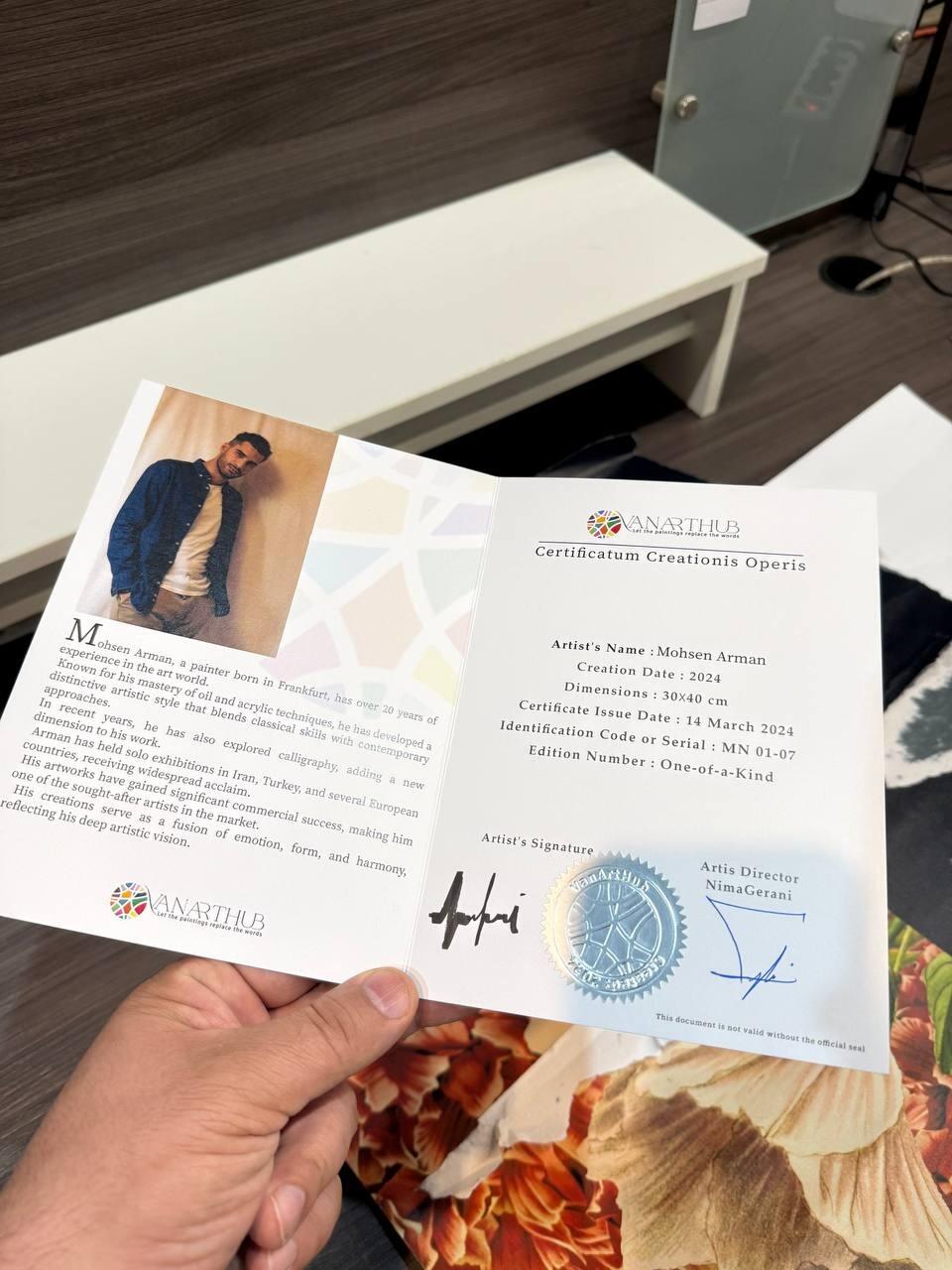
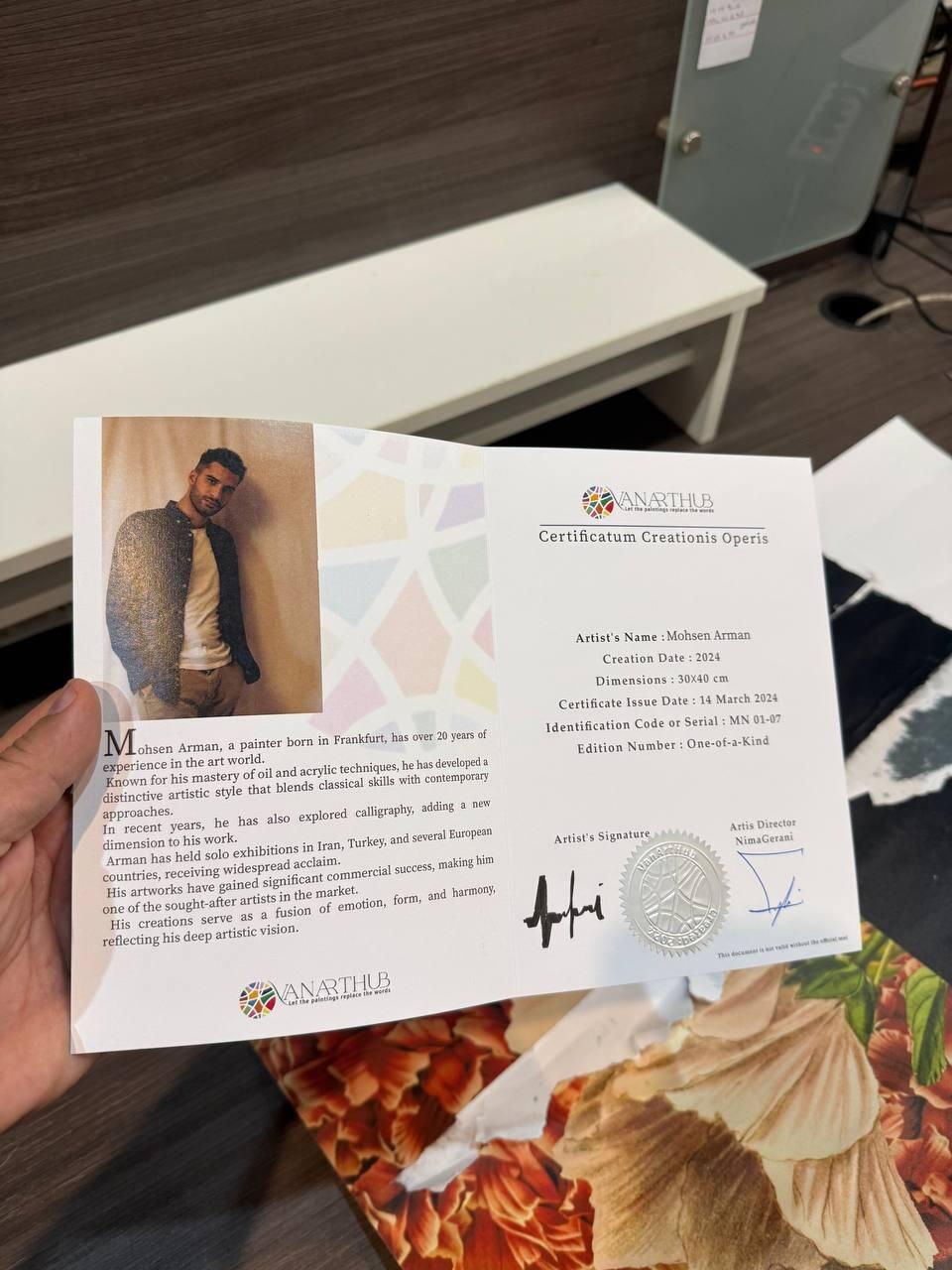
A finished drawing or painting does not tell you how its sheet was sized, and many artists themselves buy paper without knowing. The honest position for a seller is to say so and then find out. VanArtHub does not label any work vegan, because we have not audited every artist's materials. If a work on paper interests you, ask us and we will put the materials question, including the paper, to the artist before you buy. Every piece in the store is an original, comes with a Certificate of Authenticity, and ships with a 14-day trial, so asking first costs you nothing.
Common questions
Is all watercolour paper sized with gelatin?
No, but many fine watercolour papers are. Arches states that its watercolour paper is gelatin sized to the core. Other makers use synthetic sizing, and gelatin-free sheets exist. The maker's current product information for the exact paper is the only dependable answer.
What does gelatin sized to the core mean?
It means the gelatin runs through the whole thickness of the sheet instead of sitting only on the surface. The paper keeps its sizing behaviour even where the surface is scrubbed, masked, or lifted. Arches uses this description for its watercolour paper.
Is 100 percent cotton paper automatically vegan?
No. Cotton is a plant fibre, but the sizing added to the sheet can still be gelatin, which is an animal product. Fibre content and sizing are separate questions, and for most papers the sizing is what decides the vegan answer.
How do I find out if a specific paper contains gelatin?
Check the maker's own product page or catalogue for sizing information. If it is not stated, write to the maker and ask directly, keep the reply, and note the date. Formulations change, so an old answer or a third-party list may no longer be correct.
Does gelatin-free paper behave differently for watercolour?
Sizing shapes how washes sit, lift, and dry, so papers with different sizing can feel different under a wet brush. How a specific gelatin-free sheet behaves depends on that paper, so test a small sample before committing a large work to it.
Start with the question, not the label. If you are shopping for finished work on paper, browse our ink paintings and colored pencil works, and we will ask the artist about the paper before you commit.