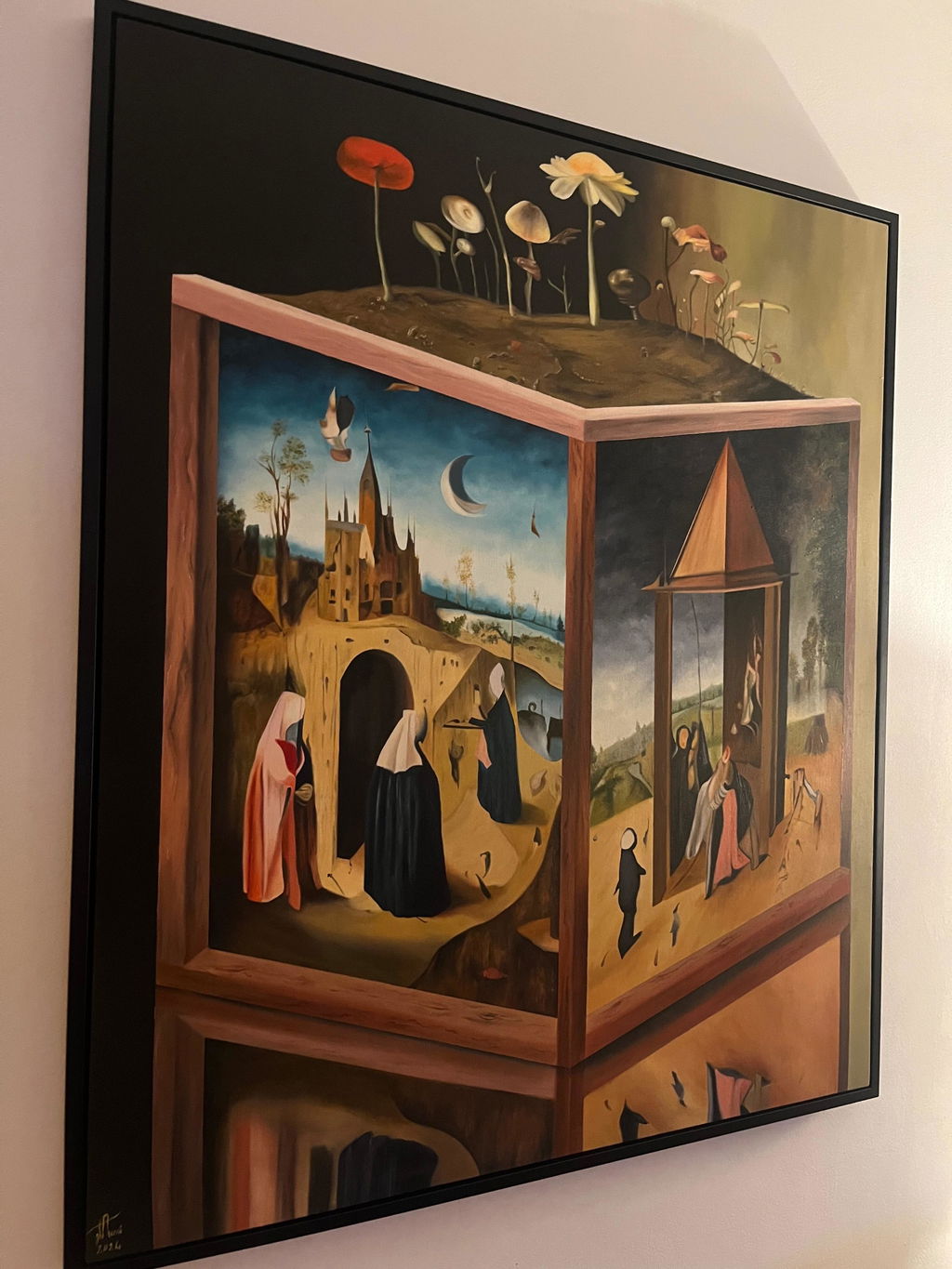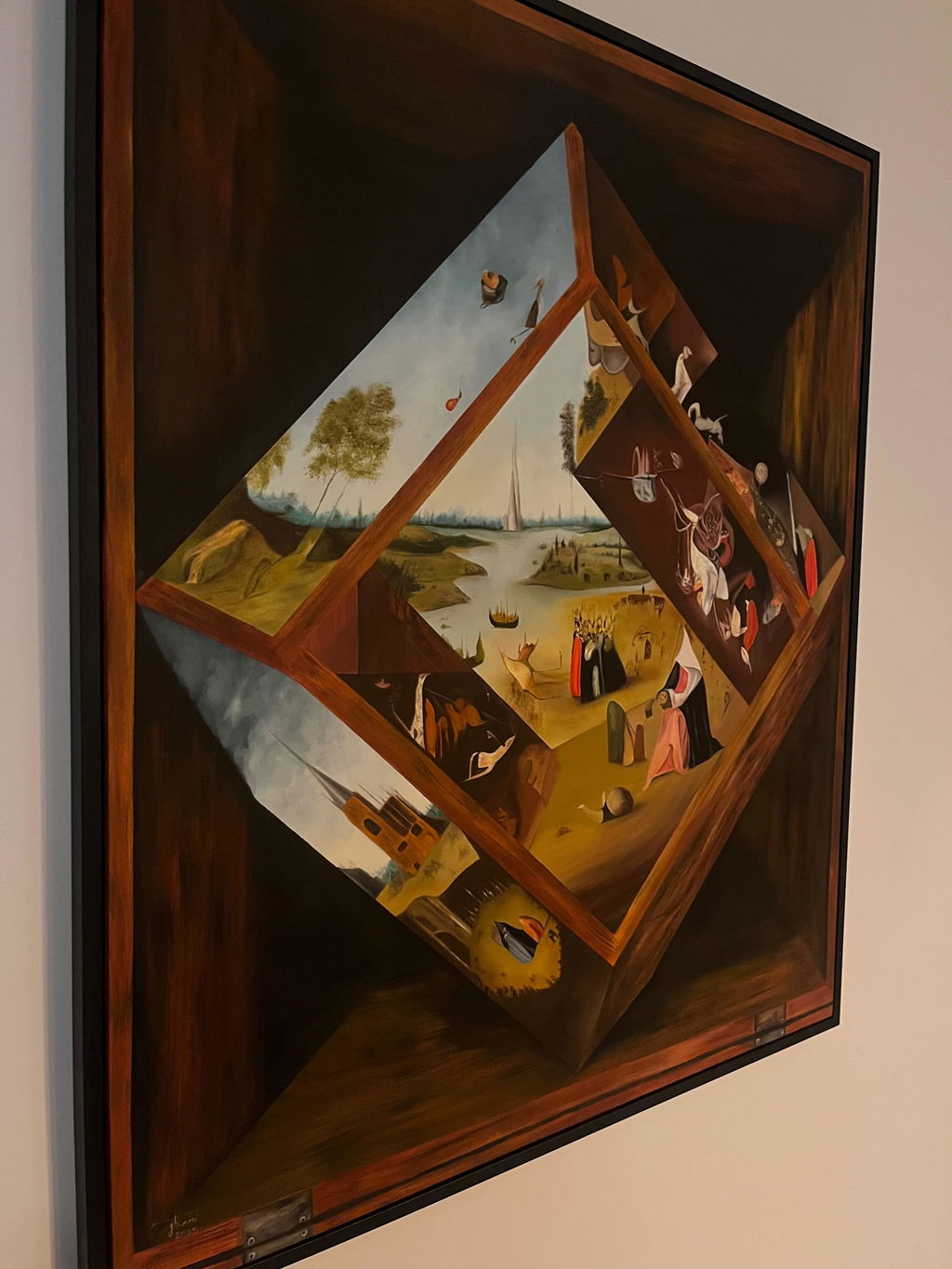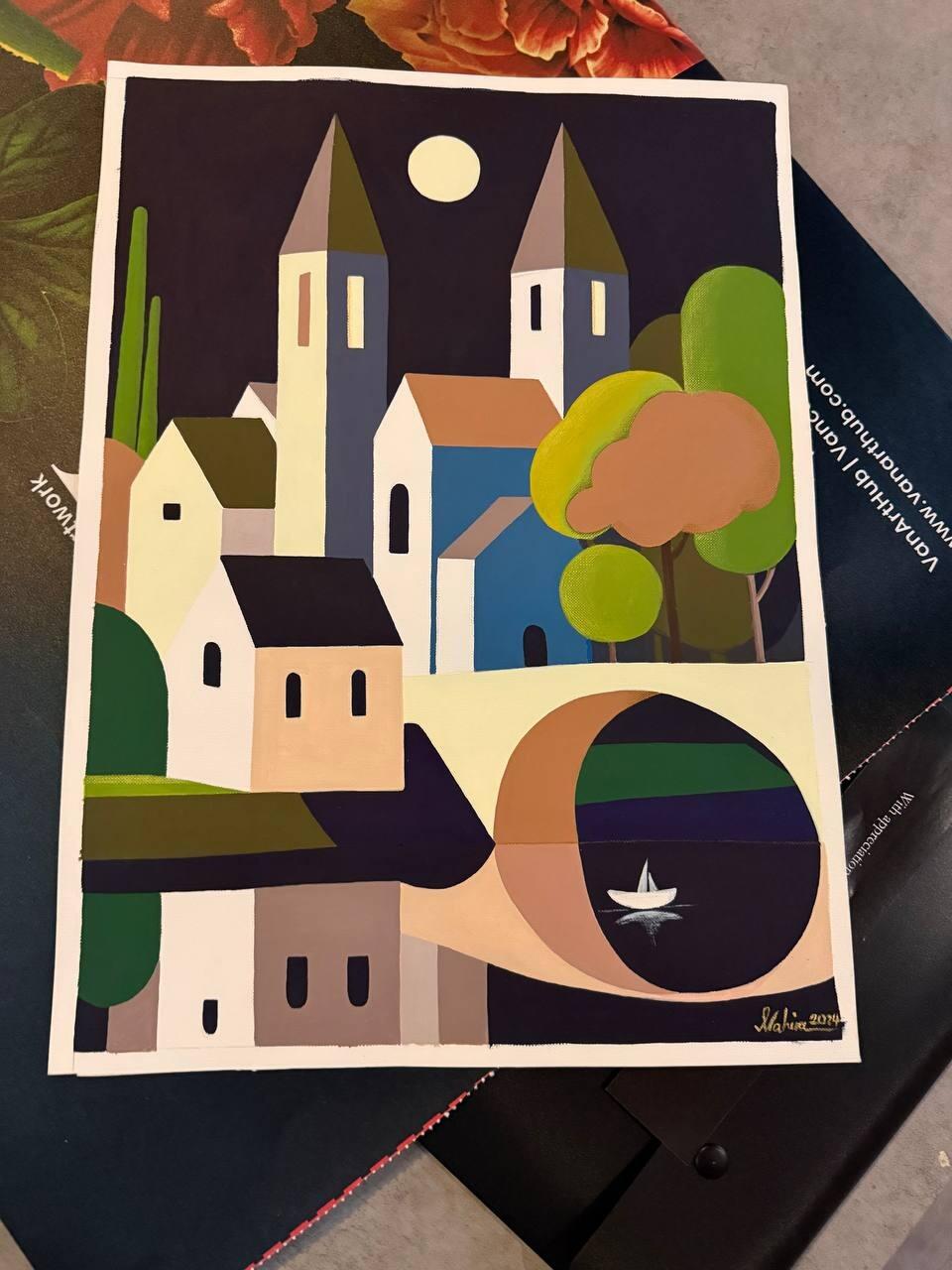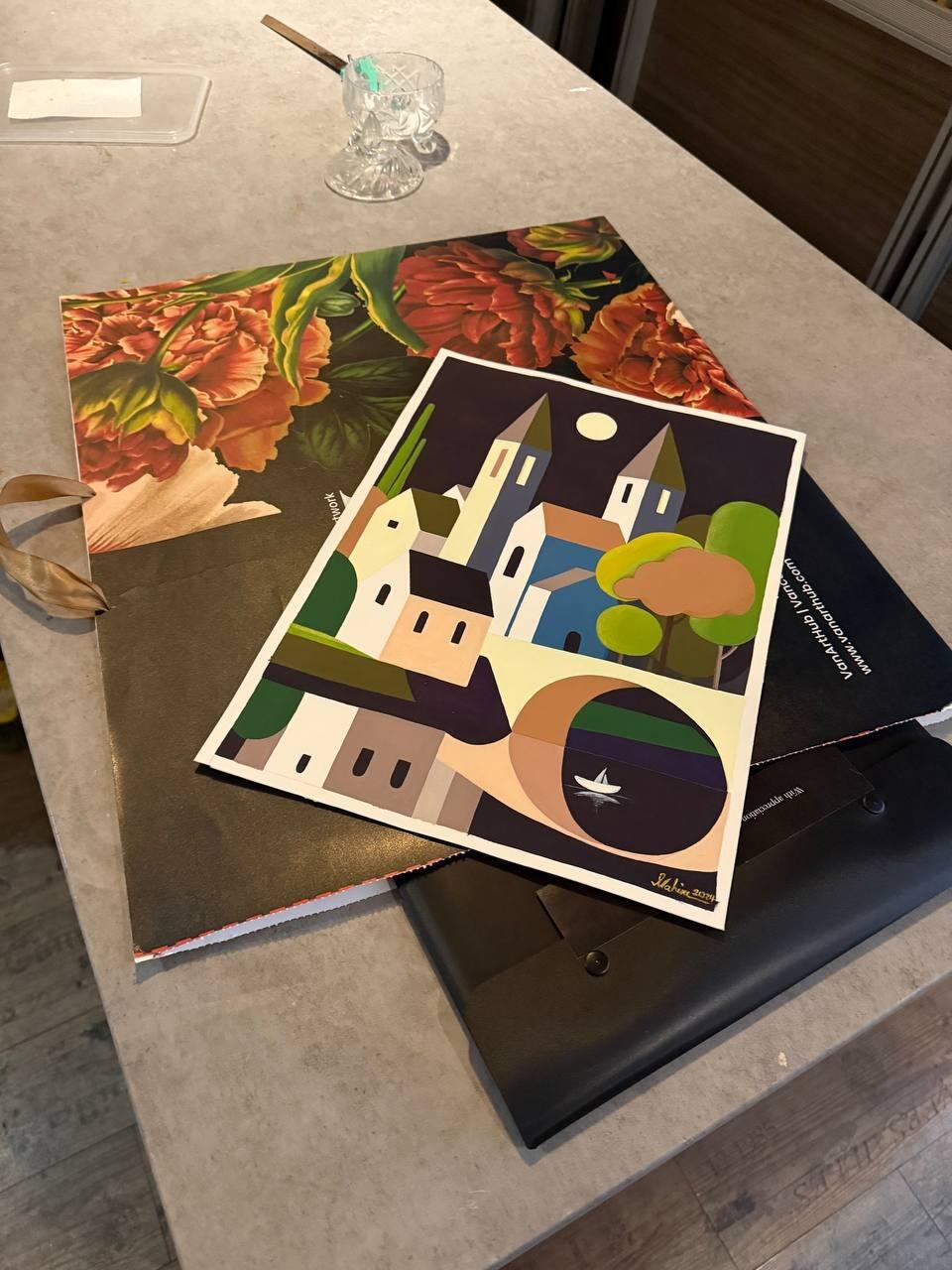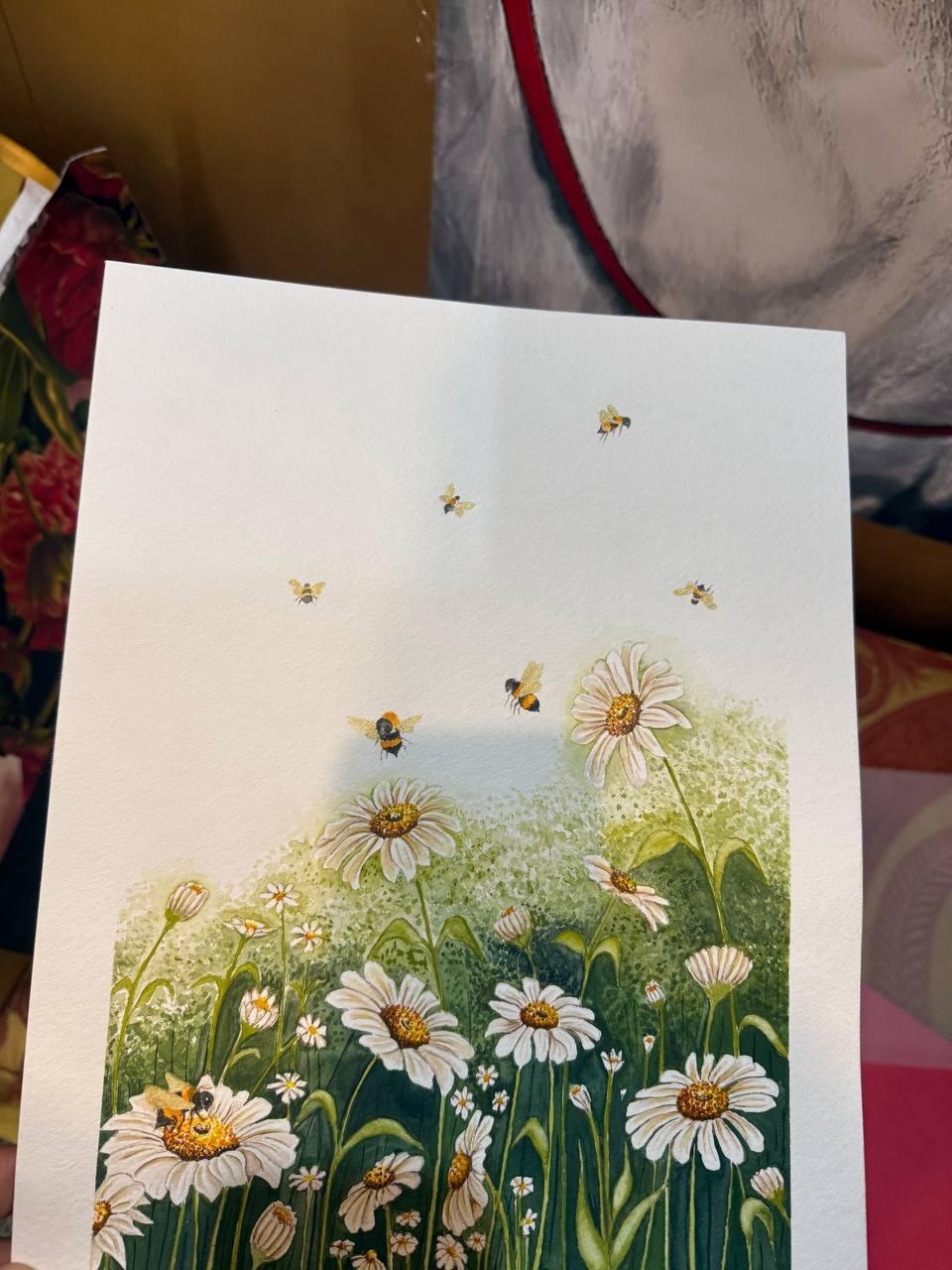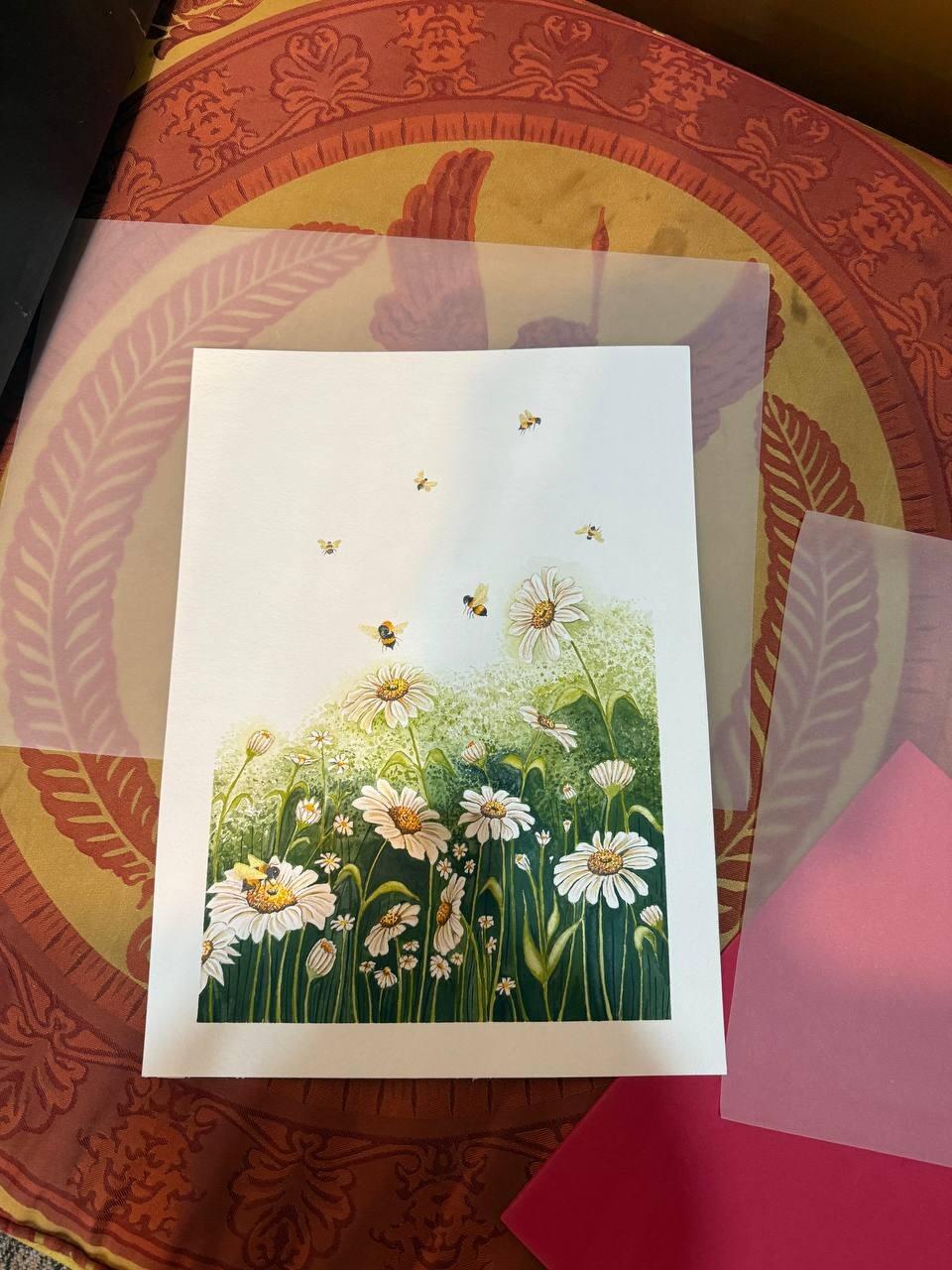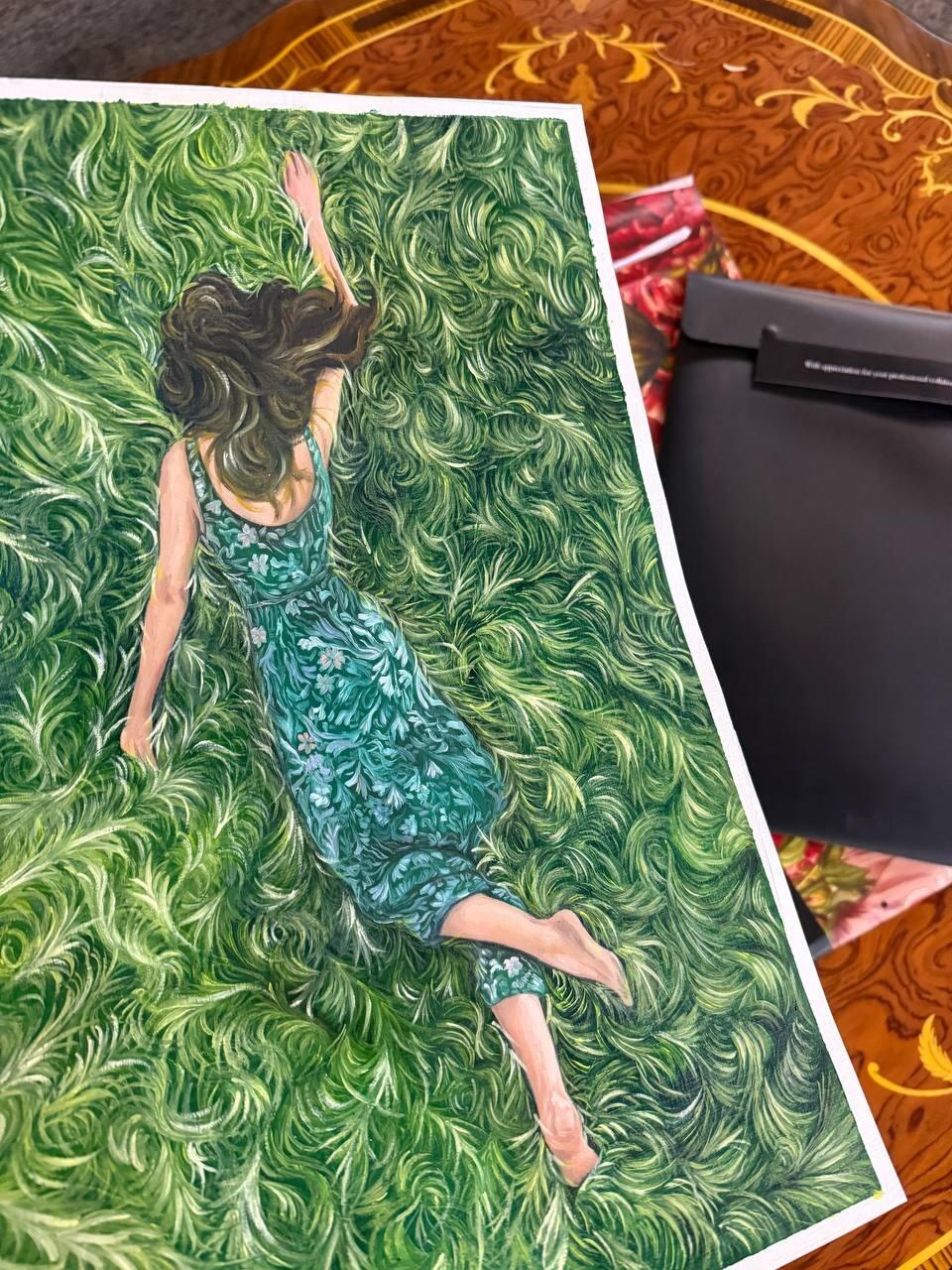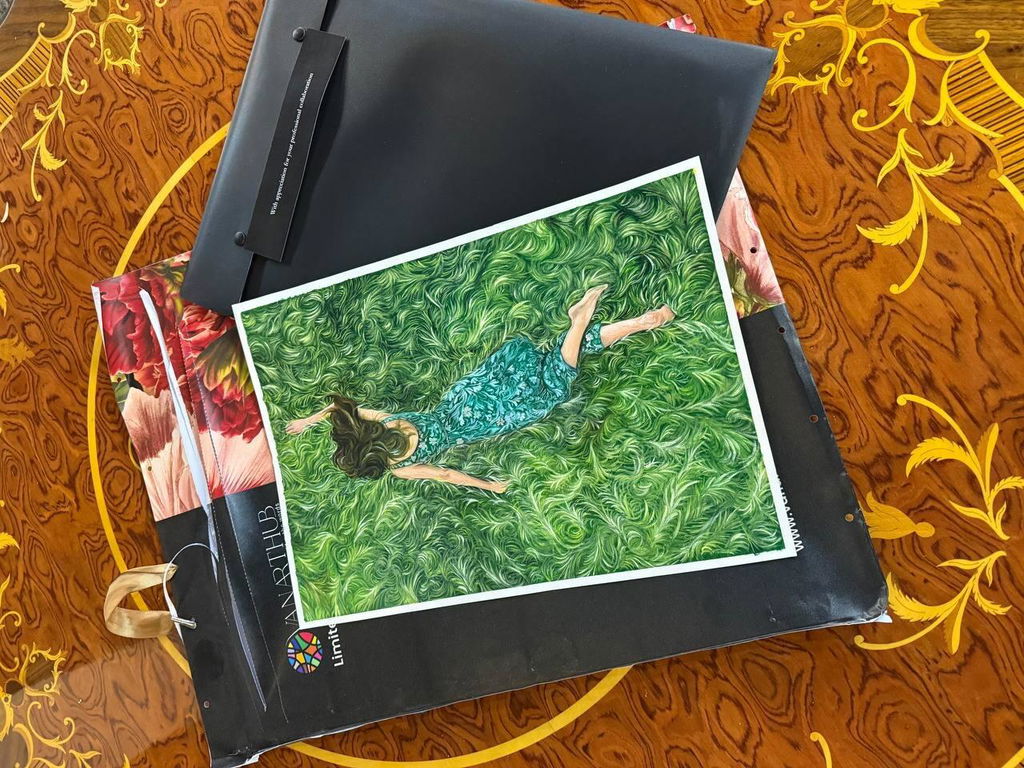
An original abstract painting displayed above a sofa in a bright living room

A collector's guide · By VanArtHub Curatorial Team

Is original art a good investment?

Some original paintings hold and grow in value. Many never do. Here is the honest picture: what drives an artwork's value up, what puts it at risk, and how VanArtHub's originals-only inventory and Lifetime Trade-Back change the risk you take on.

Browse original paintings

We sell art, we do not give investment advice. Everything below is what the record shows.

  • Originals only, no prints
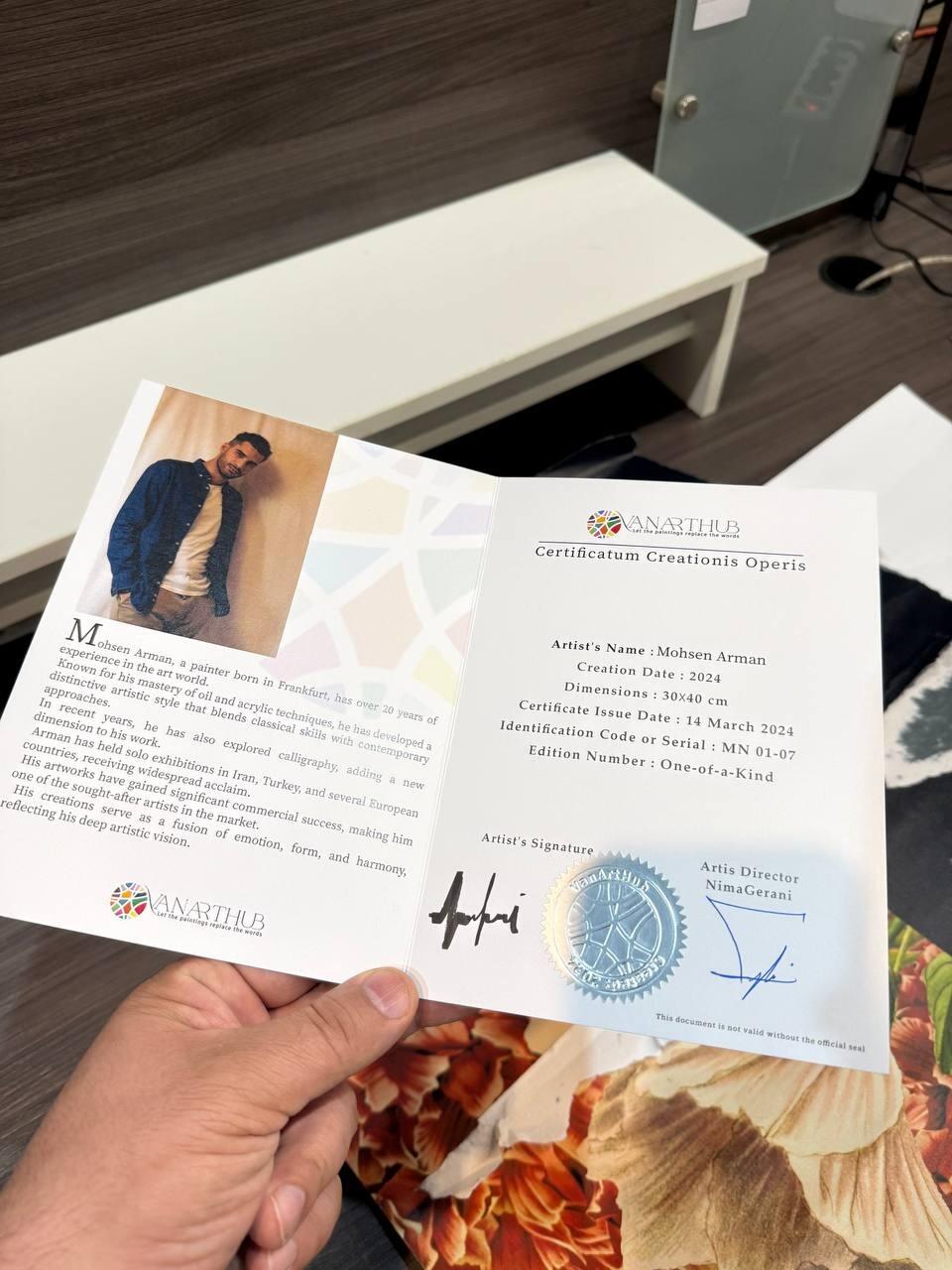
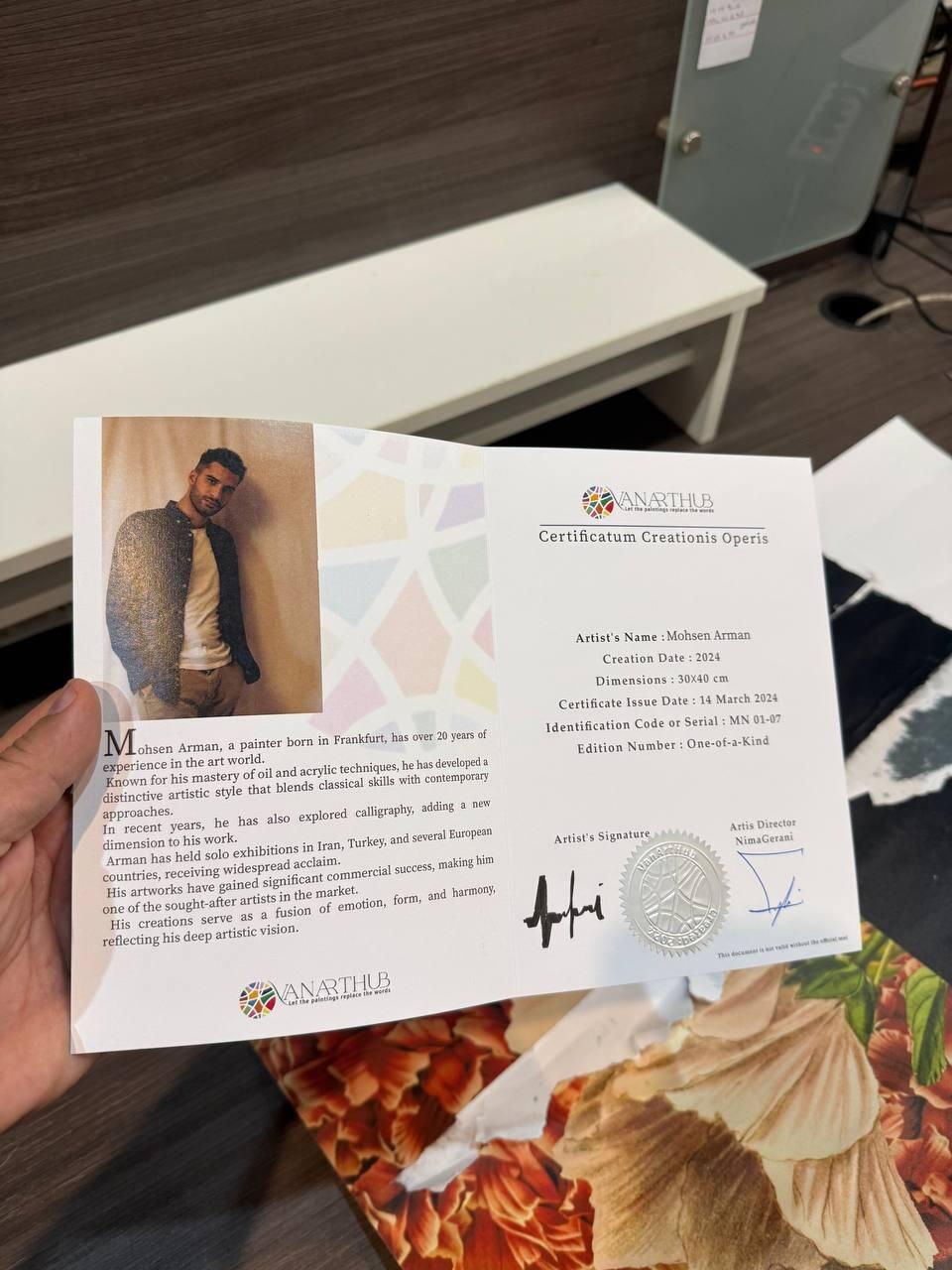
  • Certificate of Authenticity with every piece
  • Lifetime Trade-Back for store credit
  • Ships to Canada & USA

The honest answer: it depends on the piece

Original art can hold real value. It moves on its own schedule, largely apart from the stock market. A work by an artist whose reputation grows can be worth several times its purchase price years later. And no one else owns the same object. That combination is why serious collectors treat art as a real asset, even though it is slow to sell.

It also carries real risk. Many original paintings never appreciate at all, and some resell for less than their purchase price once a dealer's commission comes out. Only a small share of artists see prices climb steadily across a career, and there is no way to know in advance which working artist that will be.

So here is the approach that survives a bad market: buy a piece you would be glad to own even if its resale value never moves. Treat any appreciation as a bonus. If prices go the wrong way, you still have a painting you wanted.

What actually helps, and what actually hurts

Factors that show up again and again in how an original painting's value moves over time.

What supports value

  • The artist keeps producing and their reputation grows through galleries, exhibitions, or recognition.
  • The piece is a genuine one-of-a-kind original with a single physical copy.
  • Clear documentation exists: a signature, a Certificate of Authenticity, and a record of where and when it was bought.
  • The work is in excellent, undamaged condition with no restoration needed.
  • You are prepared to hold the piece for years.

What works against value

  • The artist stops producing, or their work never gains wider recognition.
  • No documentation exists to prove authenticity or provenance.
  • Resale routes (dealers, auction houses) charge high commissions, often 30% or more of the sale price.
  • The piece needs restoration, or has damage from poor storage or display.
  • You need to sell quickly. Art is not a liquid asset and rarely sells fast at full value.

Go deeper on each part of the decision

Four questions collectors ask most, each with its own dedicated guide.

Original vs. print: which holds value?

A print from the same artist, at the same price, behaves very differently as an asset. Here is why that gap usually stays open.

Compare originals and prints →

Investing in emerging artists

The biggest gains happen early, before an artist is well known, but that is also where the risk is highest. What to actually look for.

Read the emerging-artist guide →

What determines a painting's value

Artist reputation, condition, provenance, and documentation, in the order they actually matter, plus what a real appraisal involves.

See what drives value →

The Lifetime Trade-Back

VanArtHub's own answer to the resale problem: trade any painting you bought from us back for full store credit, any time, no deadline.

See how the trade-back works →

What buying an original at VanArtHub looks like today

Live figures from our current collection, so you can see where a purchase actually falls before you commit.

148buyable originals
$531floor price
$8,000ceiling price
$1,265median price

60 of the 148 buyable pieces are under $1,000, and 9 are under $700. Starting small is genuinely possible here. Every piece is an original with a Certificate of Authenticity, and every purchase carries the 14-day trial and the Lifetime Trade-Back once that window closes.

A realistic way to think about a purchase

Say you are considering two paintings at the same price. One is by an established artist whose secondary-market prices have been flat for a decade. The other is by an artist earlier in their career, gaining gallery representation and starting to sell out shows.

The established artist's piece is the safer, more predictable choice: what you see is largely what you get, with little room for a large upward move but also less risk of the artist's reputation declining further. The emerging artist's piece carries real uncertainty in both directions. If their career continues to build, an early piece bought before wider recognition can be worth meaningfully more later. If it does not, the piece is still worth what it was to you the day you bought it, which is why buying something you genuinely want on the wall matters regardless of the outcome.

Both are reasonable choices. The mistake is buying either one purely for the financial upside while ignoring which kind of risk comes with it.

Common questions about art as an investment

Is original art a good investment?

Original art can be a good investment when the artist's reputation grows and the piece is properly documented, but many paintings never appreciate at all. Buy a piece you already want to own, and treat any financial upside as a bonus on top of that.

Does art appreciate in value over time?

Some original art appreciates over time, particularly work by artists whose recognition grows through galleries and exhibitions, but appreciation is never guaranteed. A painting's value depends far more on the individual artist's trajectory than on art as a category.

Is a print or a giclee a good investment compared to an original?

A print or giclee rarely appreciates the way an original painting can, since prints are reproductions rather than one-of-a-kind objects. An original by the same artist, at the same price, is generally the far stronger long-term choice for anyone considering resale value.

How much should a beginner spend on their first art purchase?

A beginner collector should spend an amount they are comfortable owning even if the piece never increases in value. Early purchases are for developing your taste and confidence. VanArtHub's current collection has 60 originals priced under $1,000 CAD as of September 2026, which makes a modest first purchase realistic.

What is the biggest risk in buying art as an investment?

The biggest risk is illiquidity: original art can take months or years to resell at a fair price, and traditional resale routes like dealers and auction houses often charge a commission of 30% or more. That risk is why VanArtHub built the Lifetime Trade-Back as a direct alternative.

How does VanArtHub's Lifetime Trade-Back affect the investment risk?

The Lifetime Trade-Back lets you return any original you bought from VanArtHub, any time, for full store credit toward your next piece, with no commission and no deadline. It does not remove all investment risk, but it removes the specific risk of being stuck with a piece you can no longer sell for a fair amount.

Should I buy art I love or art I think will increase in value?

Buy art you love first. A painting you enjoy owning is worth its price whatever happens to its resale value, and you are far more likely to keep it through a slow market. Financial upside works as a secondary consideration.

What documentation should come with an original painting?

An original painting should come with a signature from the artist and a Certificate of Authenticity that records the artist's name, the work's title, and the date of sale. Every original sold through VanArtHub includes a Certificate of Authenticity for exactly this reason. Our guide to what a certificate of authenticity actually proves explains its limits, and provenance, explained covers the ownership record that matters more at resale.

Buy with the full picture in mind

Browse original paintings knowing every piece carries a Certificate of Authenticity, the 14-day trial, and the Lifetime Trade-Back once that window closes.

New to buying original art? Start with our full buying guide.