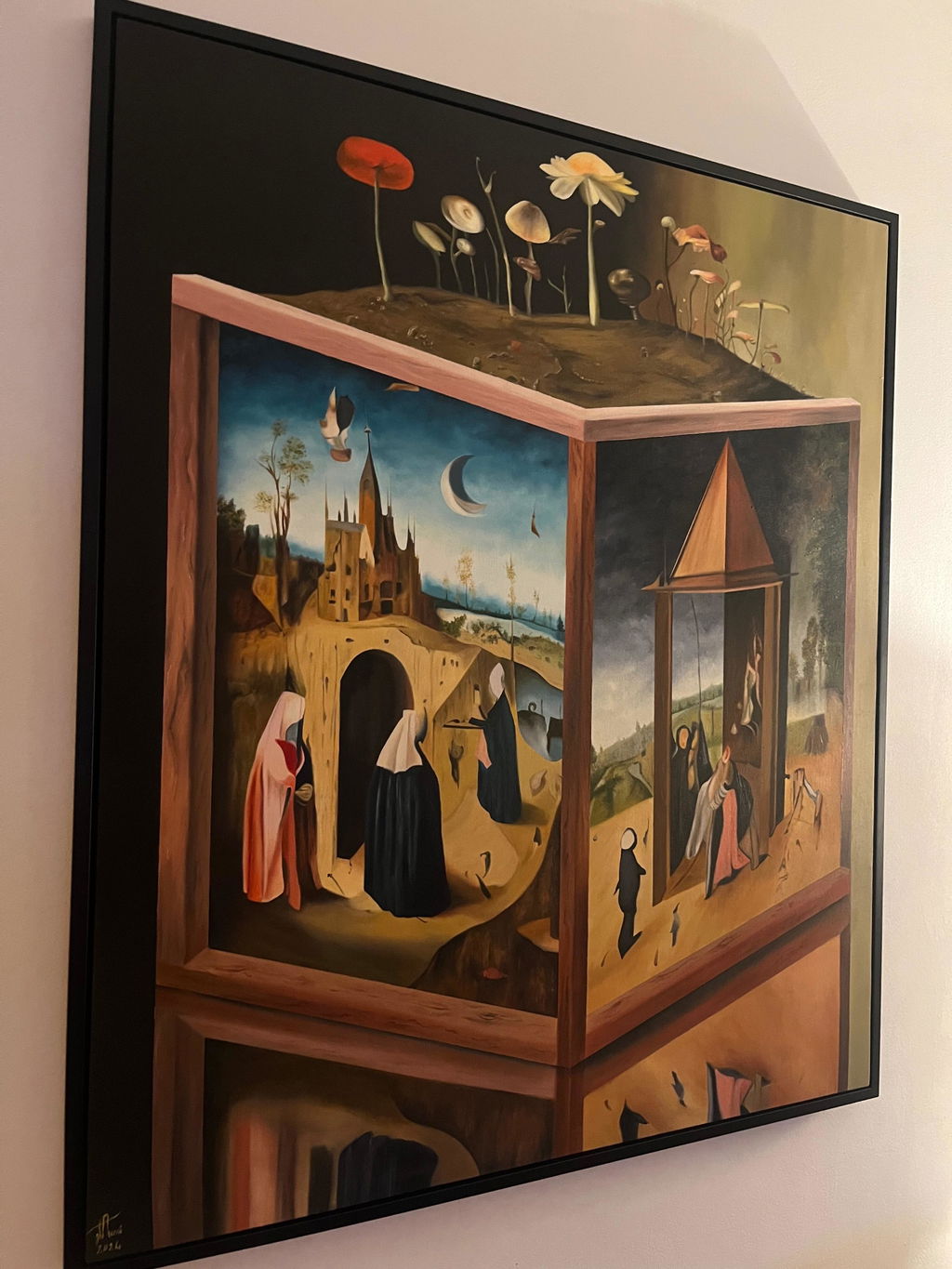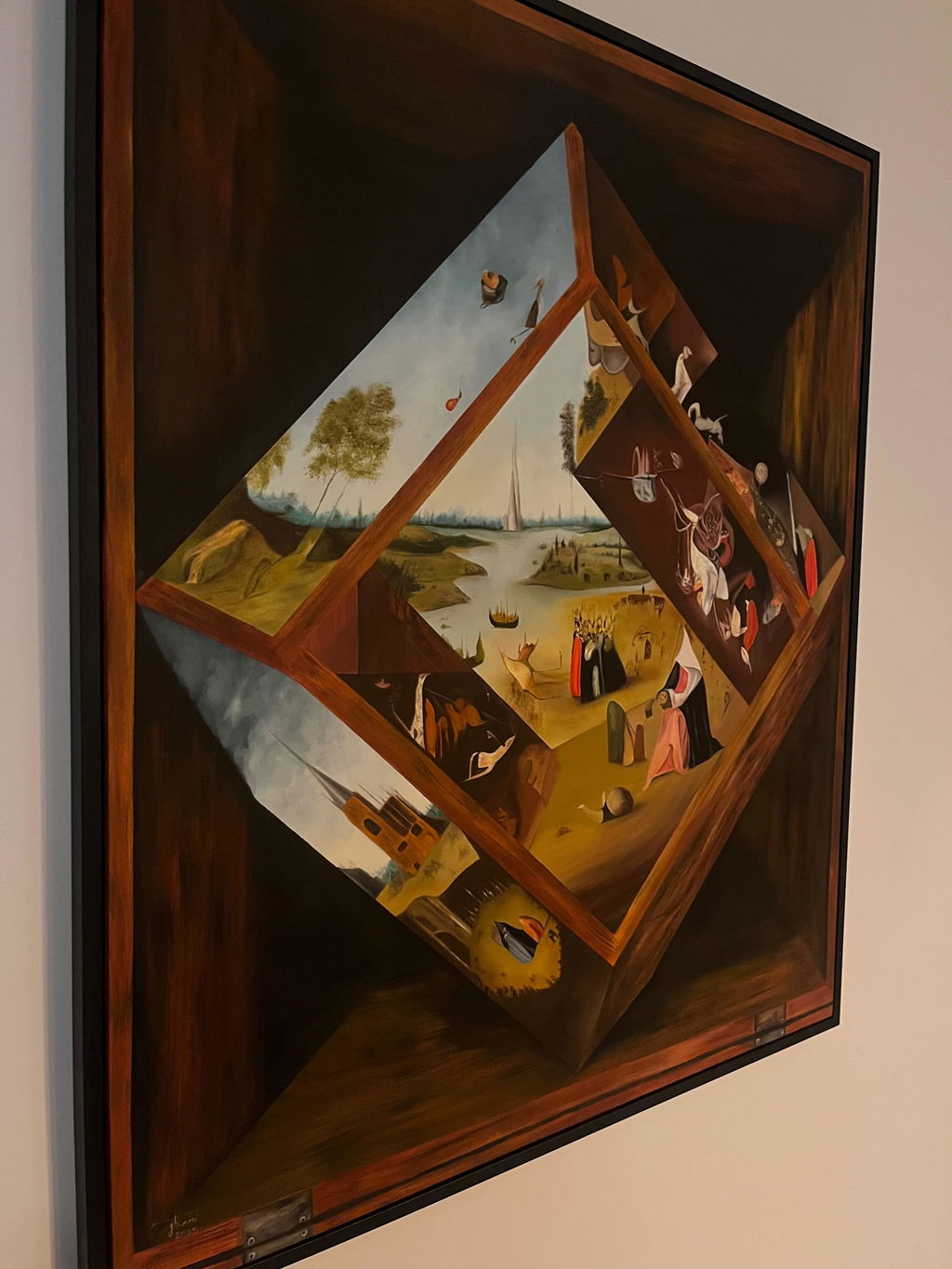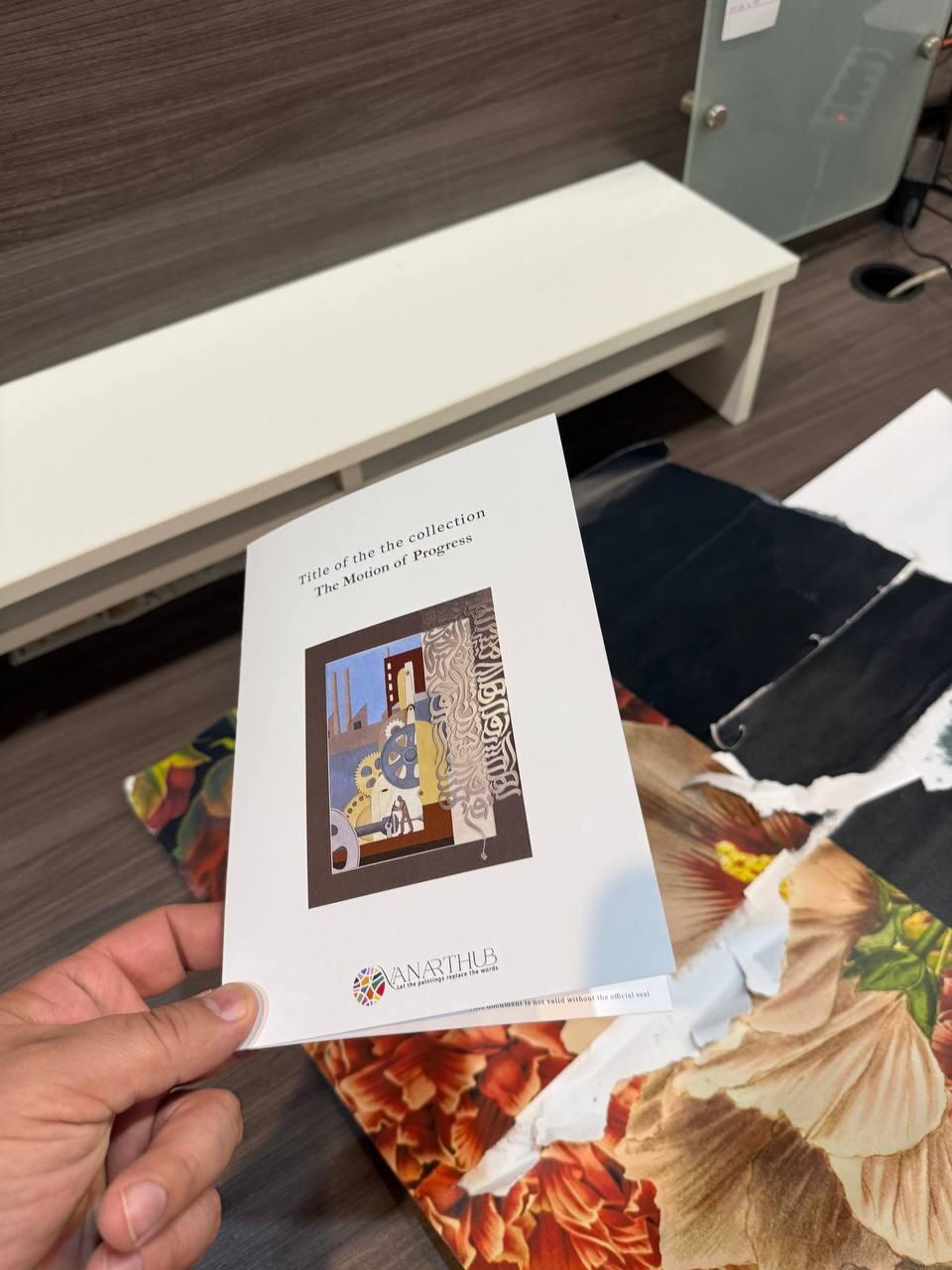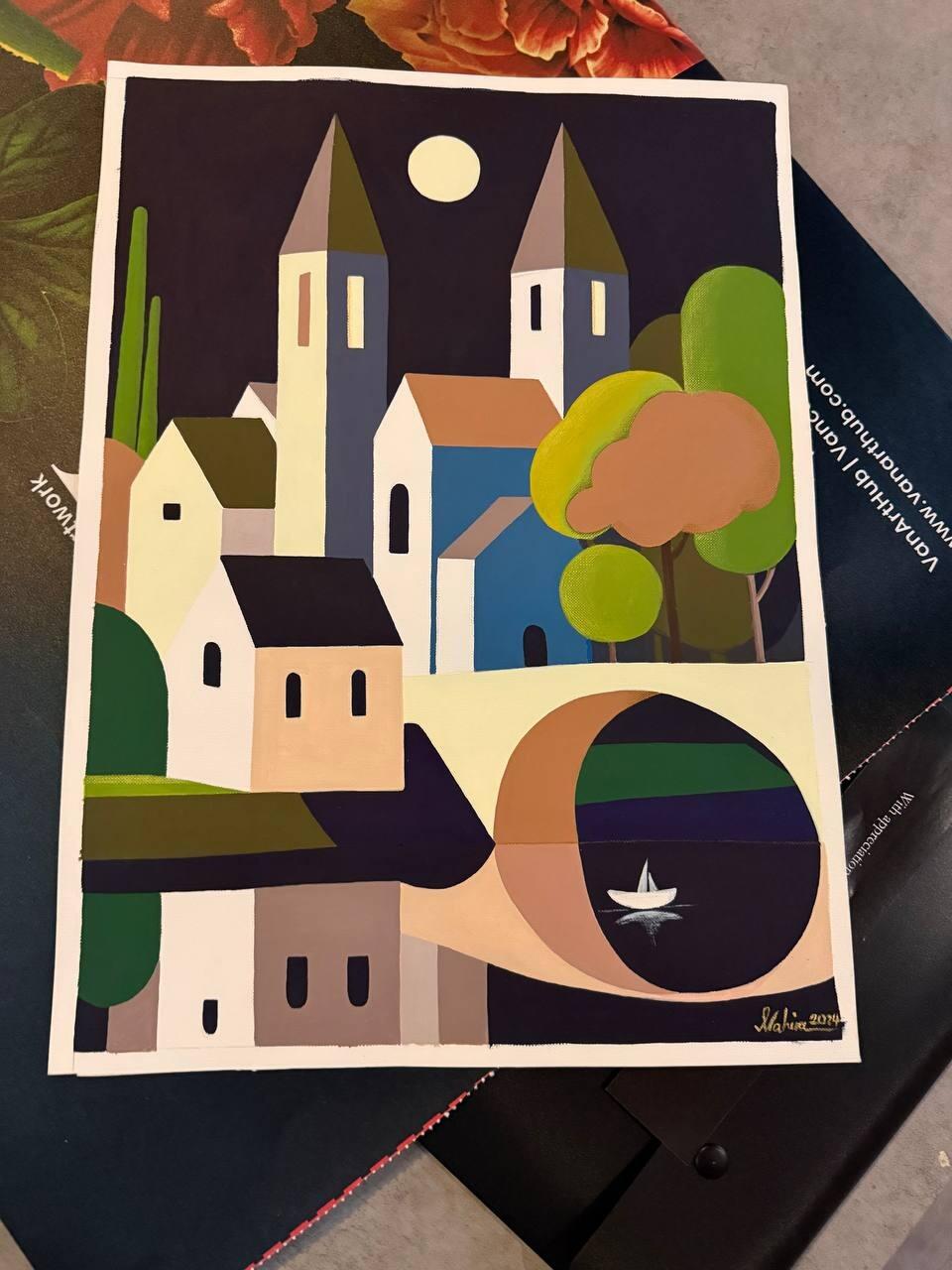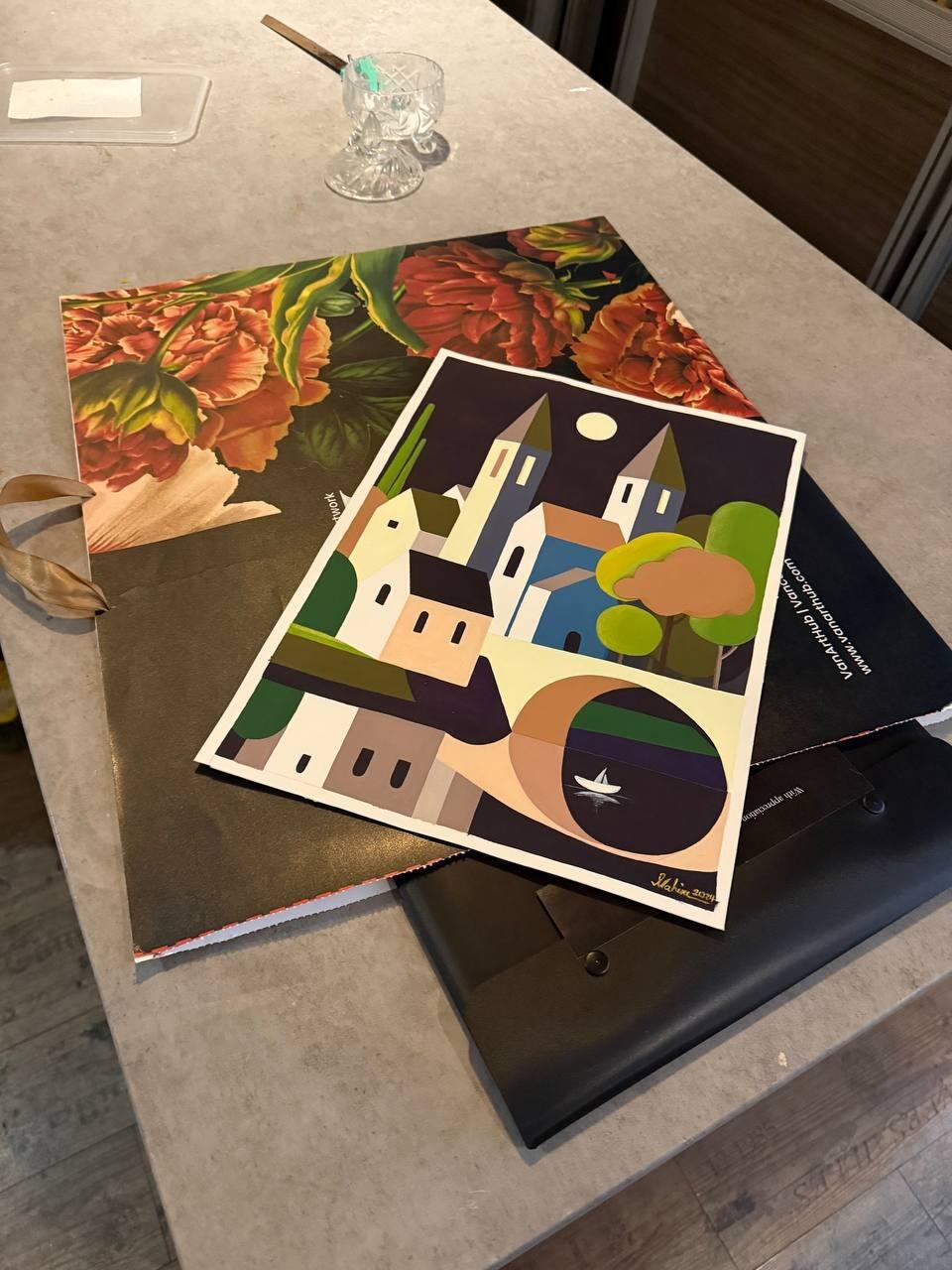
Small framed original paintings displayed on a table in a warm, softly lit room

Art investment guide · By VanArtHub Curatorial Team

What actually determines a painting's value

Artist reputation, condition, provenance, and documentation, roughly in the order they matter. Here is how each factor works, and what a real appraisal involves.

Browse original paintings

We sell art, we do not give investment advice. Everything below is what the record shows.

Art as an Investment › What Determines Value

The factors that drive a painting's price

A painting's value comes from several factors weighed together by whoever is buying or appraising it. Some concern the artist. Others concern the specific physical object in front of them. No formula produces the number.

Artist reputation

This is usually the biggest driver. An artist's exhibition history, gallery representation, critical recognition, and sales record all feed into what collectors will pay, both now and at resale.

Condition

A painting in excellent, undamaged condition is worth meaningfully more than the same piece with visible restoration, fading, or damage. Buyers and appraisers weigh this heavily, because restoration is hard to reverse and hard to hide.

Provenance and documentation

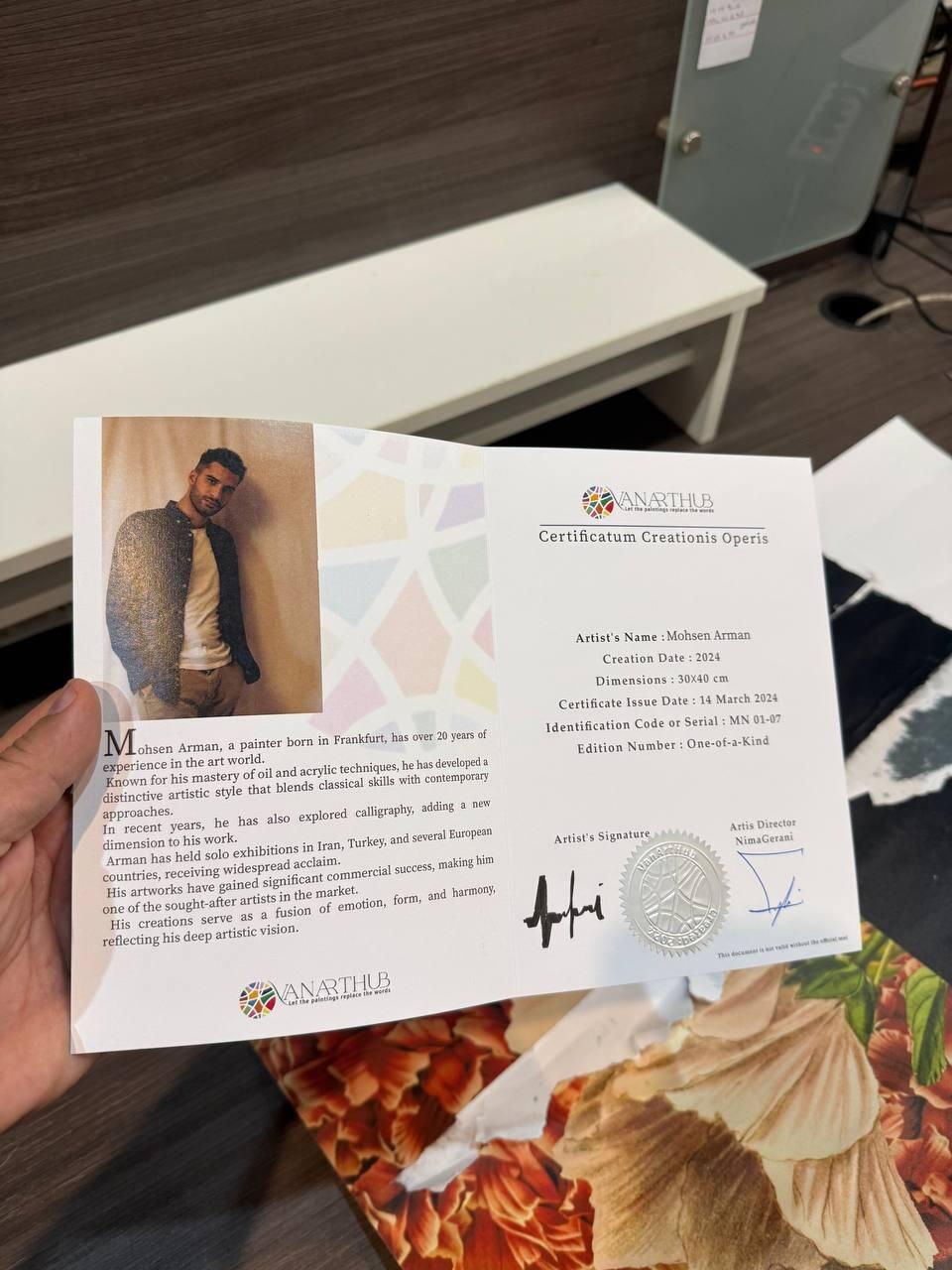
Provenance means the documented history of who has owned a piece and how it changed hands. A clear paper trail, ideally starting with a Certificate of Authenticity from the original sale, gives a buyer confidence the piece is genuine. Gaps in that trail tend to show up later as a lower resale price.

Rarity and subject matter

A piece that represents a distinctive period or subject in an artist's body of work, or one from a smaller output overall, tends to be valued more than a routine, easily repeated piece from the same artist.

Market demand at the time of sale

Value shifts with broader demand. Interest in a particular style, region, or era rises and falls, so the same piece fetches more in a strong market than in a quiet one.

What a real appraisal involves, and what VanArtHub does not do

A formal art appraisal is a written valuation performed by a qualified, independent appraiser, typically required for insurance coverage, an estate settlement, or a tax deduction. It usually costs a few hundred dollars or more and involves inspecting the piece in person, researching comparable sales, and issuing a signed report.

VanArtHub is a gallery and does not issue formal appraisals. Every original comes with a Certificate of Authenticity confirming the artist, the piece, and the date of sale. That document is the provenance record a future appraiser or buyer would want to see. It records what you bought, and it stops short of putting a value on it. For a formal appraisal, use a qualified independent appraiser with no financial interest in the piece.

Read the full investment picture

This page covers what drives value. The full guide covers the risk and reward of buying original art.

Read the full investment guide

Common questions about a painting's value

What factors determine a painting's value the most?

Artist reputation is usually the biggest single factor in a painting's value, followed closely by the piece's condition and its documented provenance. Rarity within the artist's body of work and current market demand also matter.

How much is my painting worth?

A painting's worth depends on the artist's reputation, the piece's condition, its documented provenance, and current demand for that style or subject. For an actual dollar figure, use a qualified independent appraiser. Online estimates made without an in-person inspection are unreliable.

Does VanArtHub offer painting appraisals?

No, VanArtHub is a gallery and does not provide formal appraisals. Every original sold through VanArtHub includes a Certificate of Authenticity, which documents the piece for a future independent appraiser to work from. The certificate records the sale and stops short of assigning a value.

How do I get a painting formally appraised?

A formal appraisal requires a qualified, independent appraiser with no financial stake in the piece, who inspects it in person and researches comparable sales before issuing a signed report. This is typically necessary for insurance, estate settlement, or tax purposes.

Does restoration reduce a painting's value?

Restoration work, especially extensive or visible restoration, usually reduces a painting's value compared to the same piece in original, undamaged condition. Appraisers and buyers weigh this consistently.

What is provenance and why does it matter?

Provenance is the documented history of who has owned a piece and how it changed hands over time. Clear provenance, ideally starting with a Certificate of Authenticity from the original sale, gives buyers confidence the piece is genuine and supports its resale value.

Can a painting lose value over time?

Yes, a painting can lose value over time if the artist's reputation does not grow, if the piece is damaged or poorly restored, or if demand for that style or subject declines. Value is never guaranteed to move in one direction.

Does a Certificate of Authenticity increase a painting's value?

A Certificate of Authenticity confirms the artist, the piece, and the date of sale, which supports the provenance that protects value at resale. On its own it adds no value to the painting. Every original sold through VanArtHub includes one.