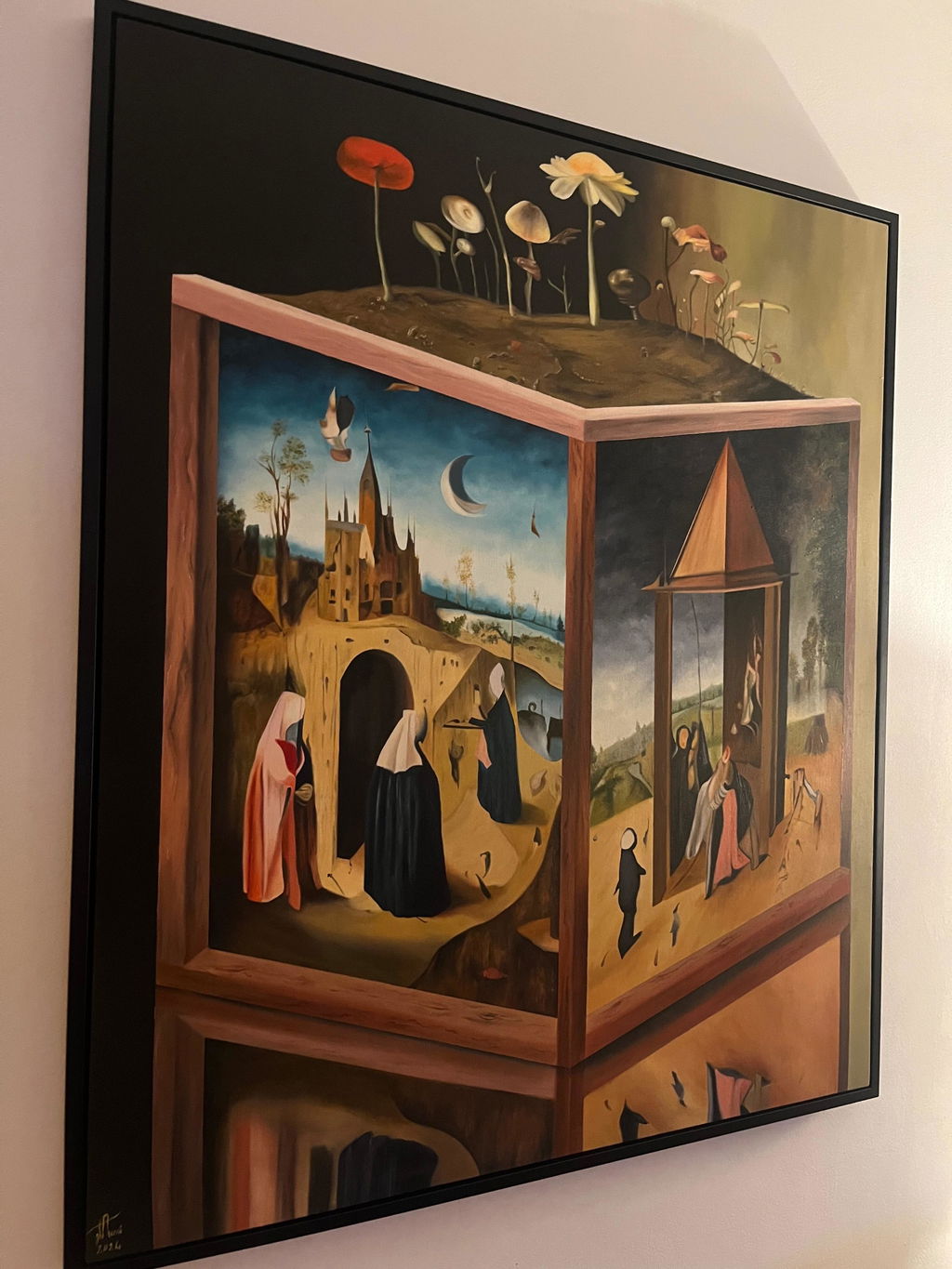
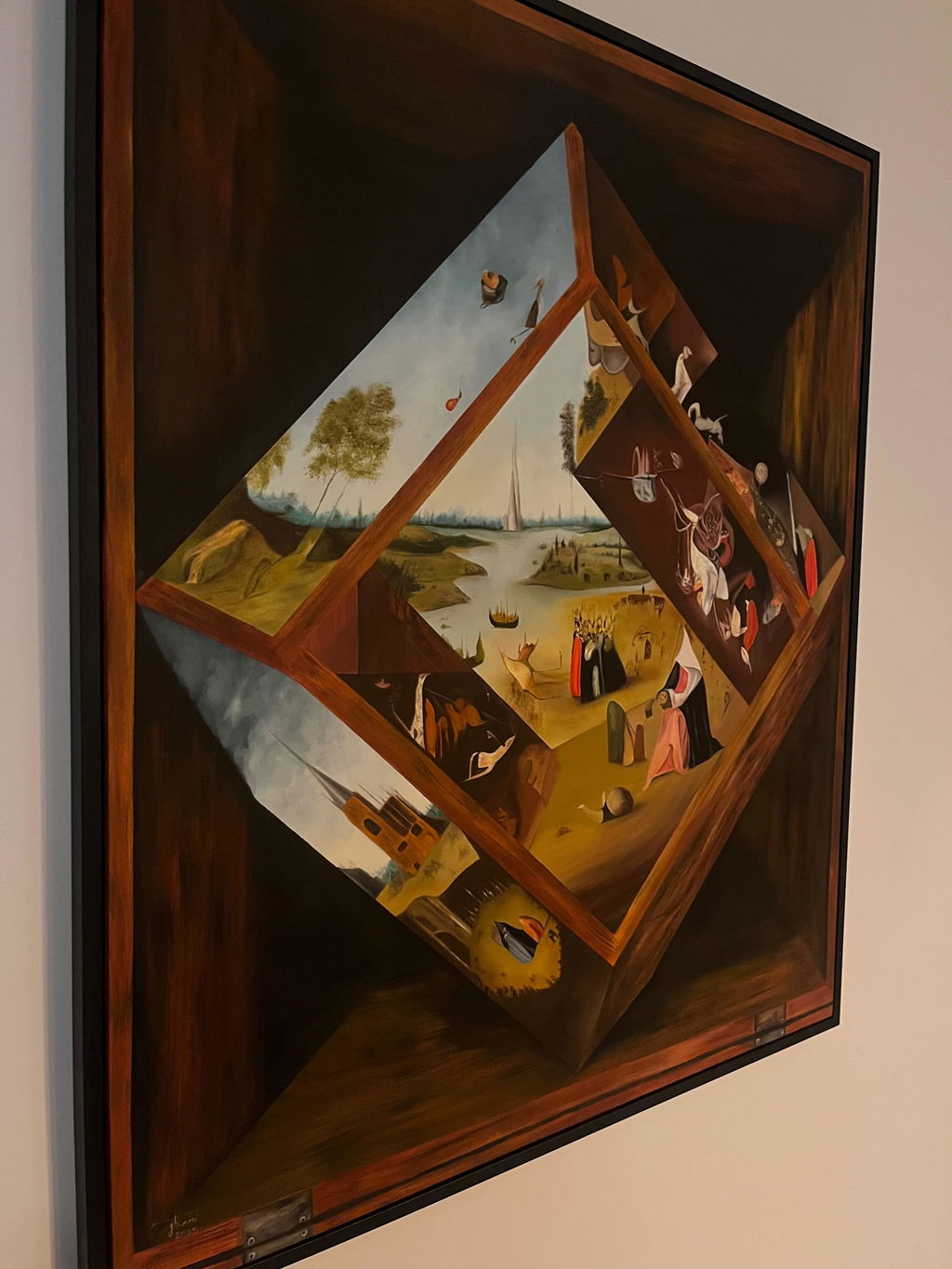
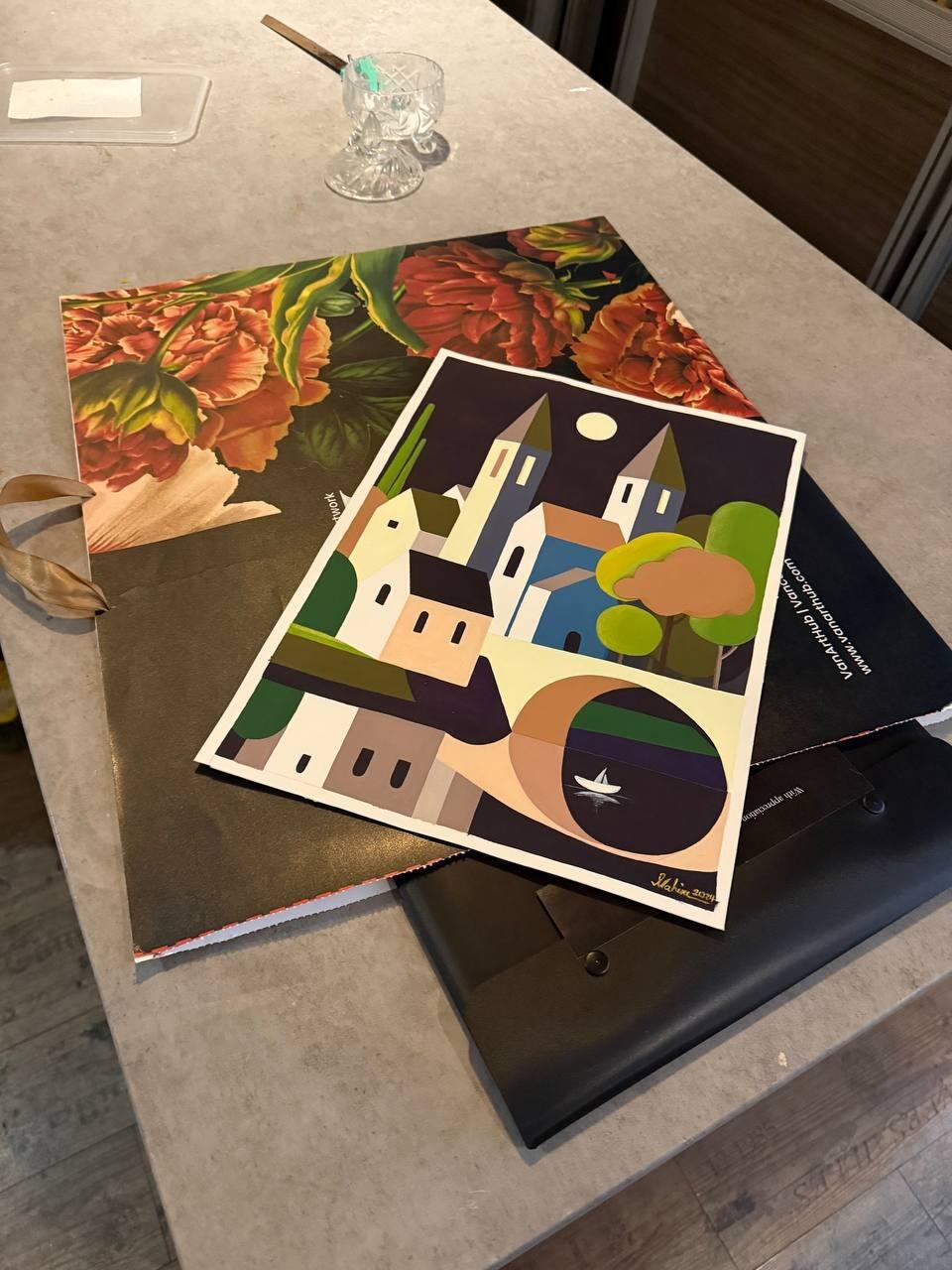
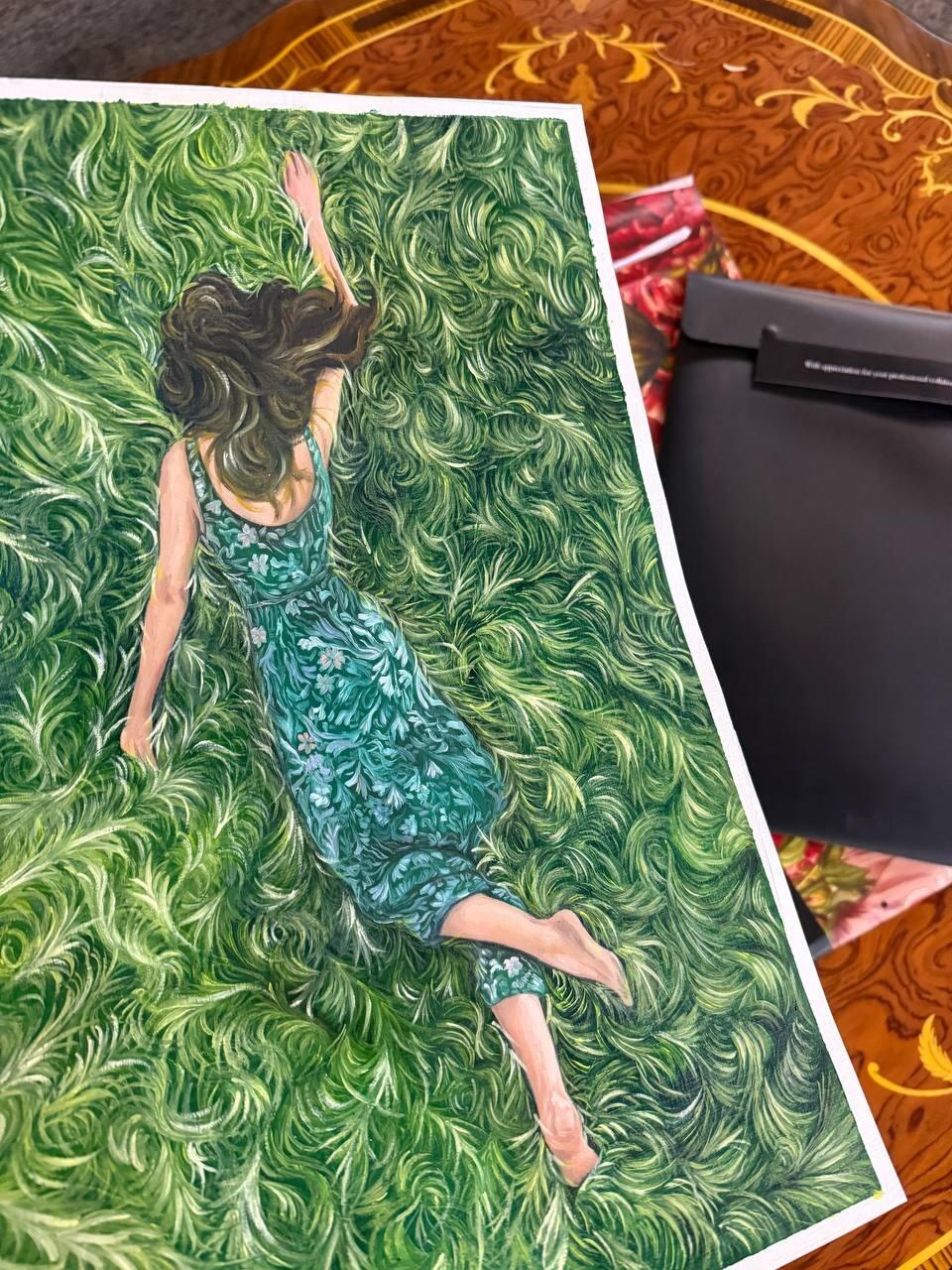
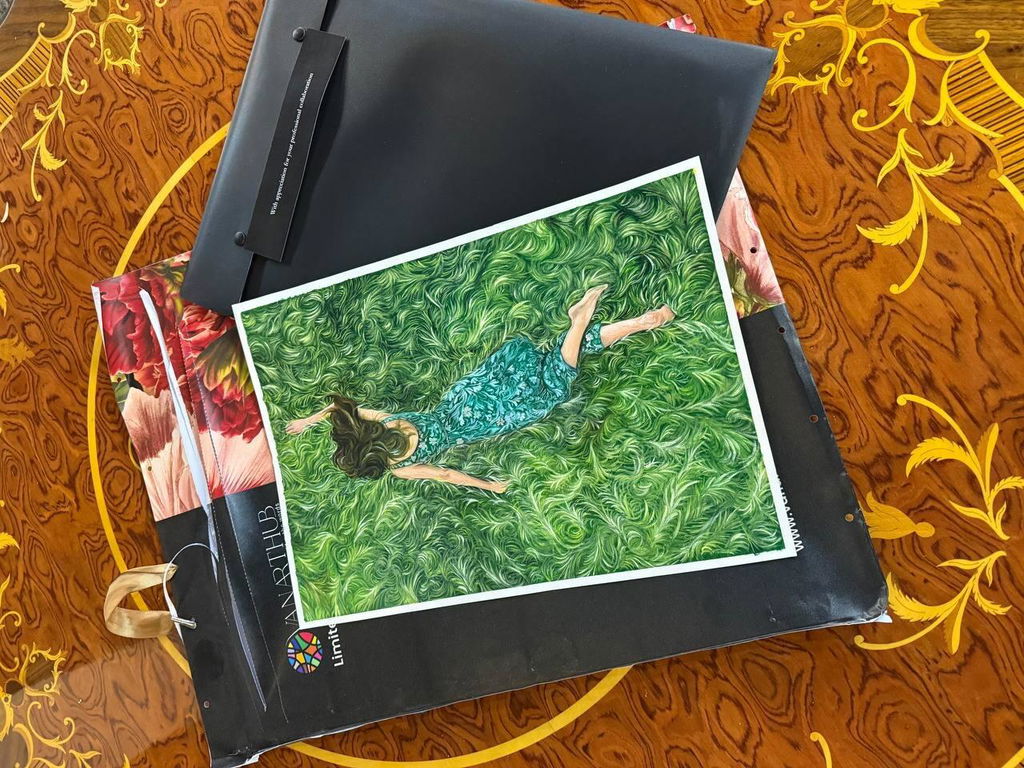
The honest answer to what framing costs is: it depends, and the things it depends on are easy to understand. Size, the moulding you pick, and whether the piece needs glass drive most of the price.
We do not quote a flat number here because a fair price follows your actual piece. Instead, here is what raises or lowers the cost, so you know what you are paying for before you ask for a quote.
What drives the price
Three things move framing cost the most. Understanding them helps you plan a budget and choose where to spend.
Size
Bigger frames use more material and more labour, so size is the biggest single driver. A small canvas frames cheaply. A large canvas needs a longer, stronger moulding and more careful handling, so it costs more. This is a case where the price scales with the piece in a way that makes sense.
Moulding
The frame material and profile matter a lot. A simple, narrow floater frame costs less than a wide, hand-finished wood moulding. The wood species, the finish, and the width all change the price. You can choose a modest moulding on a large piece to keep the cost down, or spend on a richer frame for a piece that deserves it. See the range in custom framing styles.
Glazing
Glass only applies to works on paper, and the glass you choose changes the cost. Standard glass is the lowest cost. UV glass and anti-glare glass cost more, and premium clear glass that does both costs the most. Because stretched canvas is not put behind glass, framing a canvas usually skips this cost entirely. More on the options in UV glass and glazing.
A simple way to think about it
-
Lowest cost: small canvas, narrow floater frame, no glass.
-
Mid range: medium canvas, standard floater or modest wood moulding.
-
Higher cost: large piece, wide finished moulding, and for paper, UV or premium glass.
Notice that canvas framing tends to cost less than paper framing at the same size, because canvas skips the glass and the mat. That is one quiet advantage of the stretched canvas originals we sell.
Where you should and should not spend
We will give you a straight opinion here. Spend on the moulding when the piece is a focal point in a room you use every day, because a good frame lifts a piece you will look at for years. Save on the frame when the piece hangs in a low-traffic spot, or hang a gallery wrap bare and skip framing for now. There is no rule that every piece must be framed right away.
For a large piece, remember that framing and hanging costs go together, covered in framing large art. And the frame colour you pick does not usually change the price, so choose the colour that suits your room freely, using frame colour by room.
How to get an accurate quote
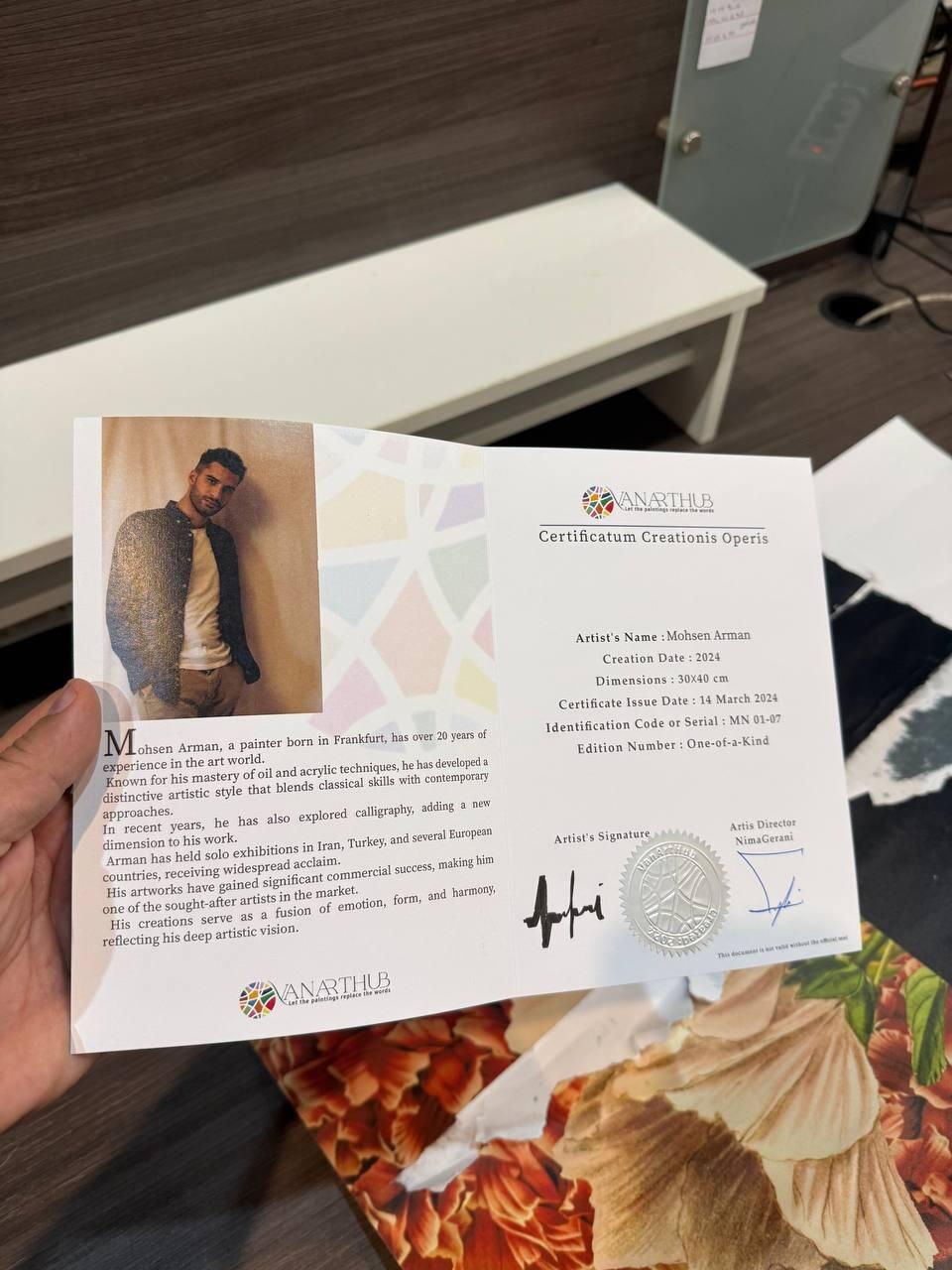
The fastest way to a real number is to tell us the exact size of the piece, whether it is canvas or paper, the frame style and colour you like, and where it will hang. Send a photo if you can. We frame the originals we sell and, in many cases, a piece you already own, and we quote the framing before any work starts, so there are no surprises. Every original ships from our Vancouver studio, hand signed by a Canadian artist, with a Certificate of Authenticity. Read the wider framing guide for context, or browse pieces in abstract paintings, landscape paintings, and all artworks.
Frequently asked questions
Ready for a real number? Contact us with your size and frame preference, or ask our art advisory team what suits your piece and budget.
Common questions
Why can you not give one framing price?
Because a fair price follows your actual piece. Size, moulding, and glazing all change the cost, and a small canvas with a narrow floater is far cheaper than a large piece with a wide wood moulding and premium glass. We quote each job to the real piece so you pay for what you get, not a padded flat rate.
What makes framing more expensive?
Size is the biggest factor, since larger frames use more material and labour. A wide, hand-finished moulding costs more than a narrow floater. For works on paper, UV and anti-glare glass add cost. Canvas usually skips the glass entirely, so canvas framing often costs less than framing paper at the same size.
Is it cheaper to frame a canvas or a work on paper?
Canvas is usually cheaper to frame at the same size, because it does not need a mat or glass. A stretched canvas takes a floater frame with no glazing, while paper needs a mat and glass, which add material and cost. This is one quiet advantage of stretched canvas originals.
How do I get a framing quote?
Tell us the exact size, whether it is canvas or paper, the frame style and colour you like, and where it will hang. Send a photo if you can. We quote the framing before any work starts, so you approve the price first. We frame the originals we sell and, in many cases, a piece you already own.
Does the frame or the glazing usually cost more?
It depends on the piece, but on a mid-size work on paper, UV-filtering and anti-reflective glazing can equal or exceed the cost of a mid-range moulding, since coated glass is priced by the square foot and grows fast with size. On canvas, where there is no glazing at all, the moulding is the dominant cost.
How much does a double mat add to the price?
A modest amount, since it is one extra sheet of board and one extra cut rather than a change to the frame or the glazing. See double mats and fillets for how the reveal effect is achieved and what actually drives its cost, since a fillet moulding costs noticeably more than a second sheet of board.
Is framing a painting I already own priced differently from framing one I bought here?
No, the pricing works the same way either way: size, moulding, and glazing set the cost, not where the piece originally came from. We ask for the same details, exact size, medium, and the frame style you want, before quoting either kind of job, so the quote reflects the real piece in front of us.
Does rush framing cost extra?
It can, depending on what is already on the bench and what materials need to be sourced quickly to hit the date. We tell you honestly whether a date is achievable and what, if anything, it would add to the cost before you commit, rather than surprising you with an unexpected rush fee afterward.
Can I get a rough estimate before sending exact measurements?
We can give a general range once we know the size and whether it is canvas or a work on paper, but the firm price needs exact dimensions and the chosen moulding and glazing. A rough estimate is useful for budgeting; the confirmed quote is what you actually approve before any work starts.