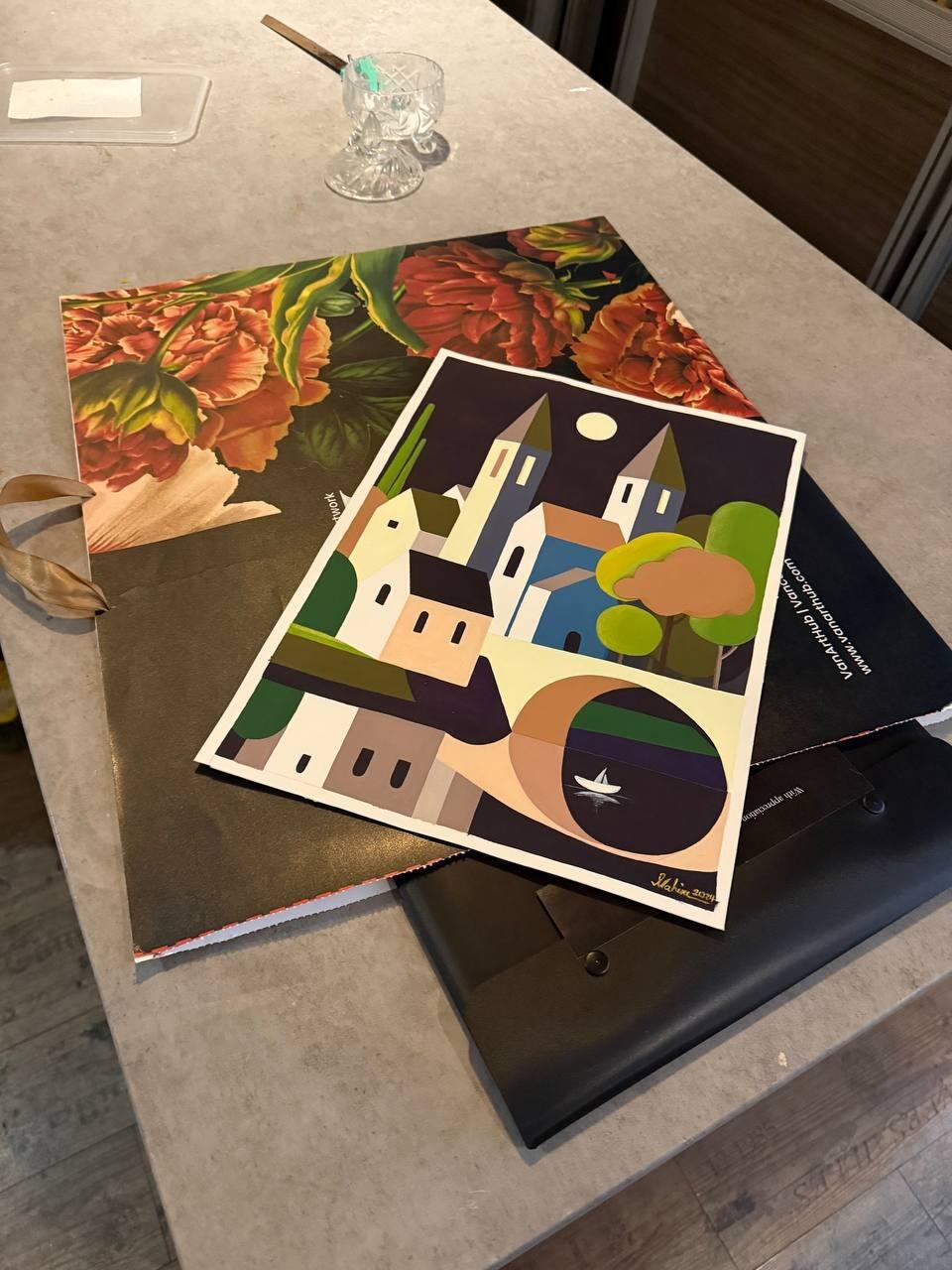
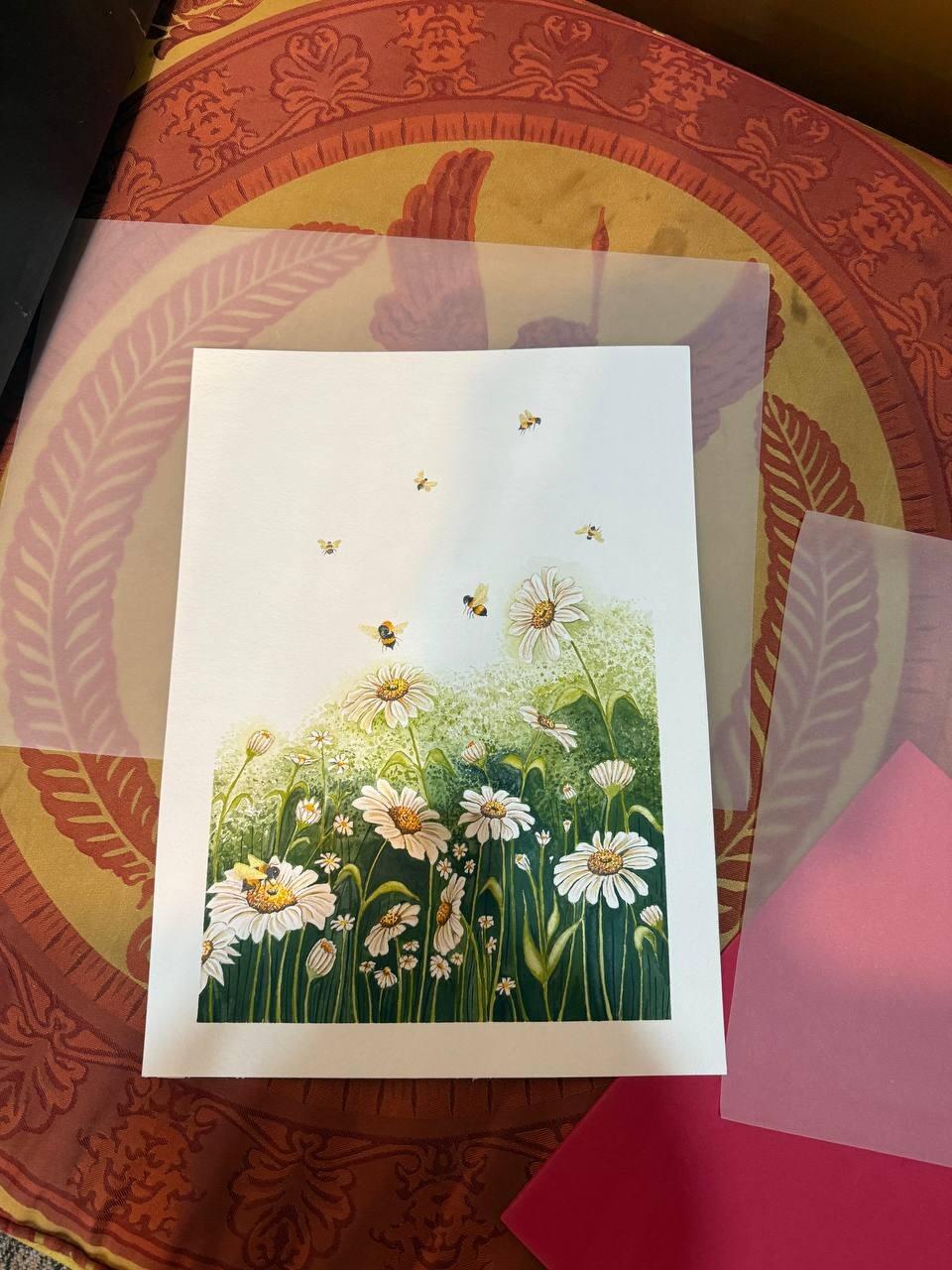
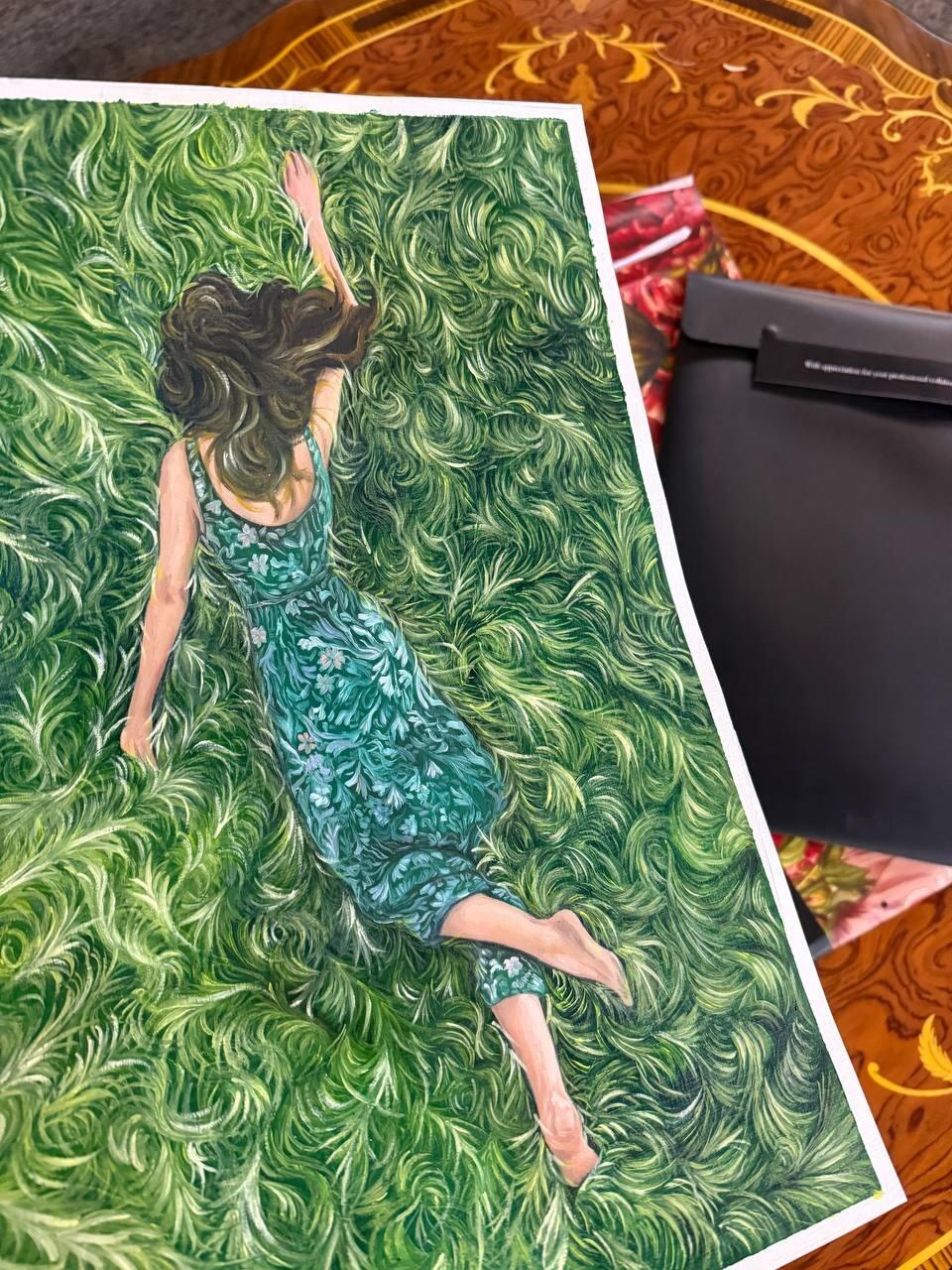
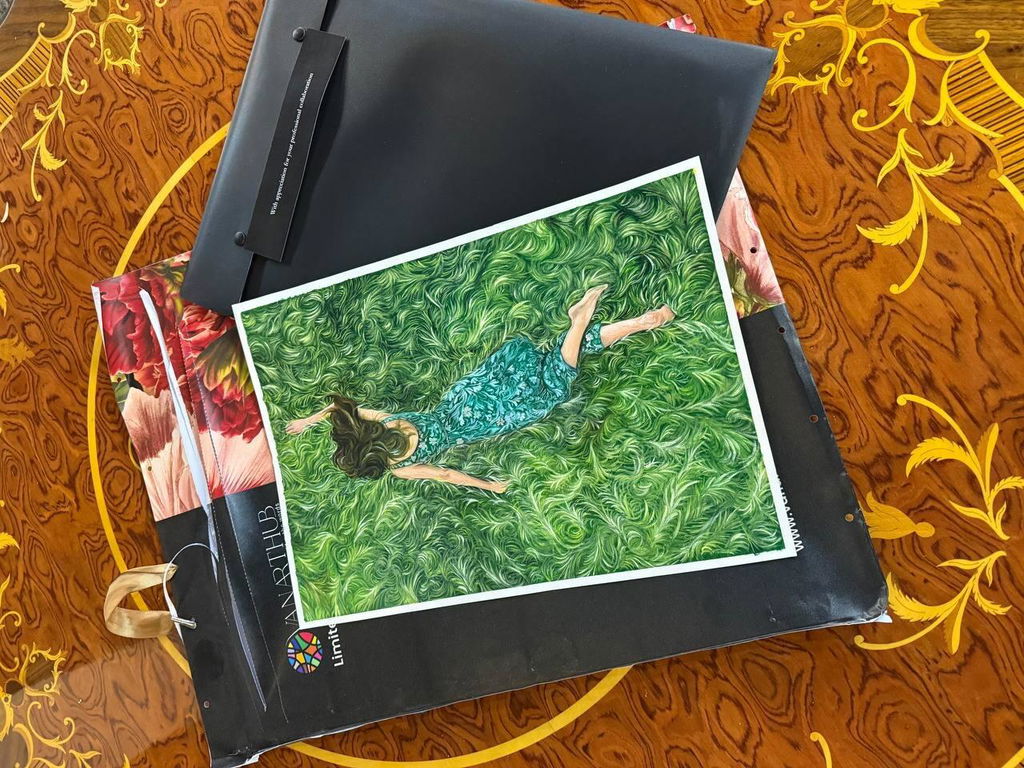
You are standing in front of two walls. One holds a printed poster of a famous painting, bought online for a low price. The other holds a small original painting, made by hand, that no one else in the world owns a copy of. Both fill the space. Only one is a real object with weight, texture, and a maker behind it. This page makes the honest case that a lasting original is a greener choice than a run of mass-produced prints, and it also tells you when a print is the sensible call.
Here is the odd part of the print argument. It leans on digital images to sell itself, and a screen flattens away every quality where an original wins.
The difference a photograph cannot show
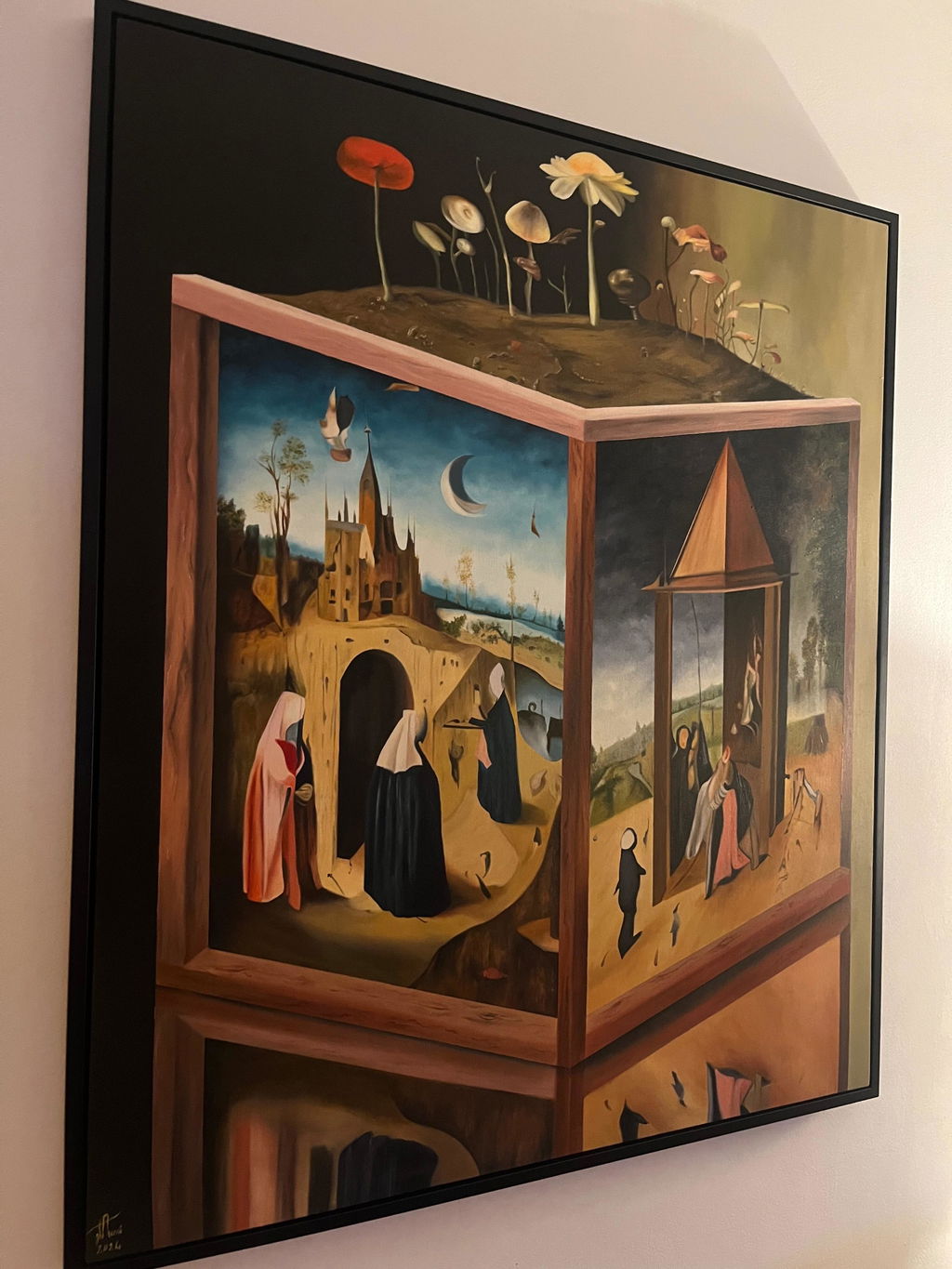
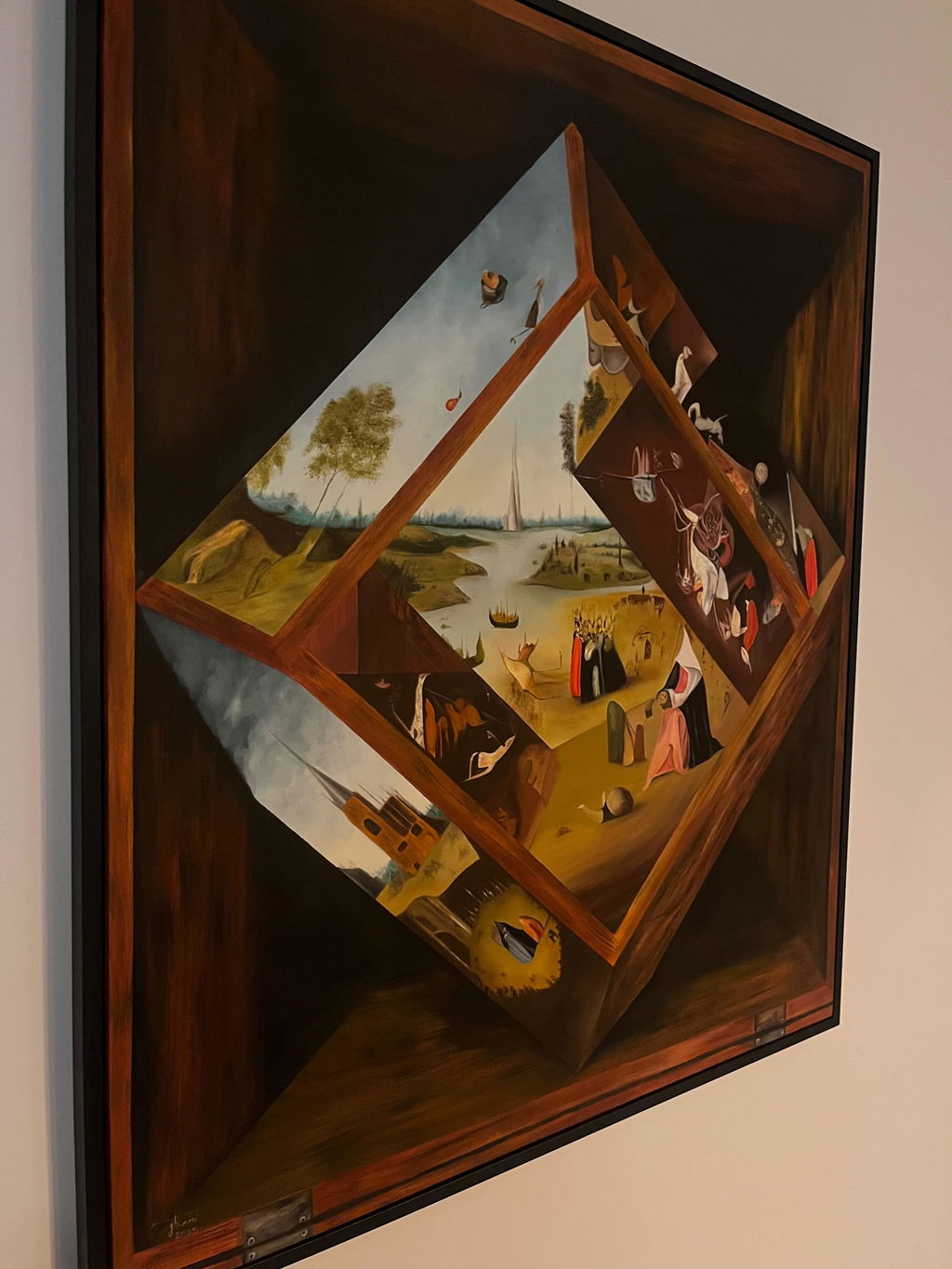
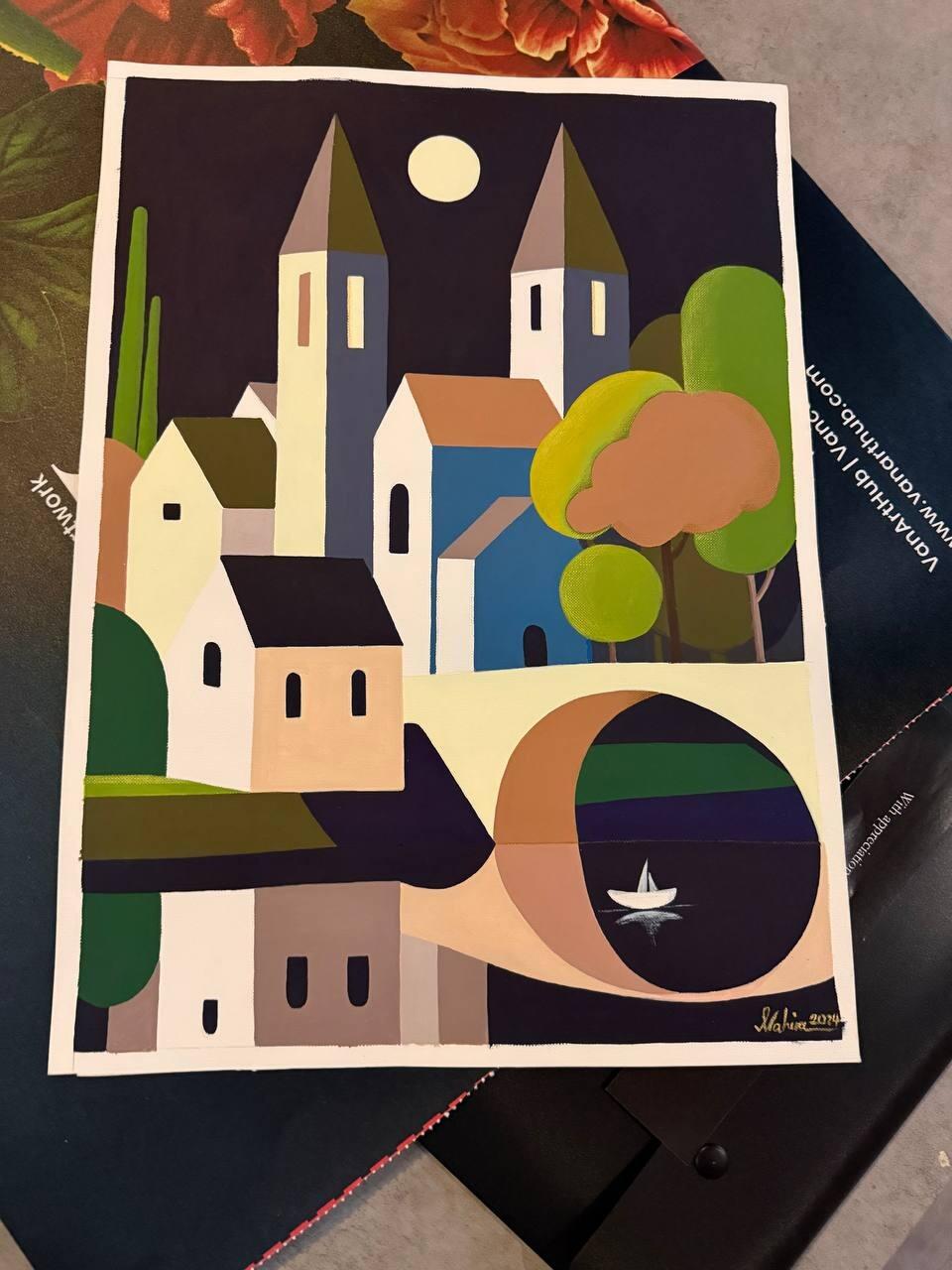
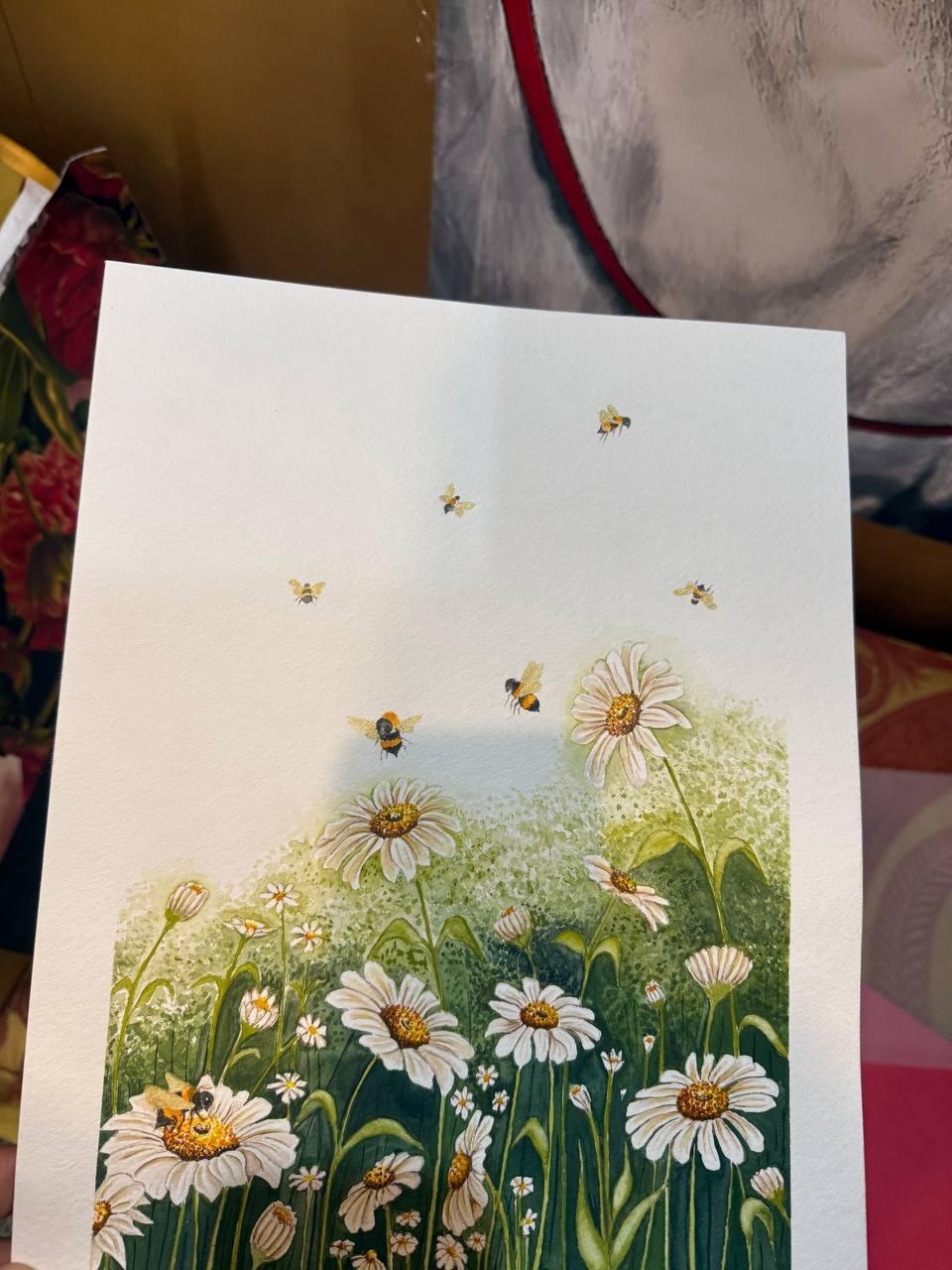
A print fills wall space. An original is a one-of-a-kind object that nobody else owns a copy of. Stand close to an oil or acrylic painting and you see the raised ridges of paint where the brush pushed hard, the thin washes where it moved fast, and small changes in the surface that catch the light as you walk past. This is texture, impasto, and depth. It is the physical record of a hand at work.
A print reproduces the picture, but it flattens all of that into a smooth sheet. The photo of the original that a print seller shows you cannot capture the ridges or the depth either, because a photo is flat too. So the whole "just as good, much cheaper" pitch is built on images that erase the very things that make an original better. When you see the real painting in your room, you notice the gap right away.
The sustainability case, argued honestly
We will not hand you invented lifecycle numbers. We will argue from simple logic instead. A mass-produced print is made at factory scale. Many identical copies come off a machine, packed and shipped in volume, sold cheap, and often swapped out within a few years when the color fades or the trend passes. What was cheap to buy is easy to throw away, so it becomes waste.
An original is made once, by hand, to last for generations. It is not part of a print run. When you own one lasting piece instead of cycling through a series of cheap prints, you buy less over time and you throw away less. That is the plain version of "made once and kept" against "made at scale and replaced." You can read the wider argument on the pillar page, Sustainable Art, and the room-by-room version on sustainable wall art.
When a print is actually the right call
We sell originals, so you might expect us to say a print is always wrong. It is not. If your budget is tight right now, and the wall is a low-visibility spot like a back hallway or a rental you will leave soon, a good print can be a sensible, low-cost choice. There is no shame in that. But for a piece you will look at every day and keep for years, where texture and presence matter, an original wins, and it keeps its meaning long after a print would have been replaced.
Original vs mass-produced print, side by side
How an original painting compares with a mass-produced print
| What matters |
Original painting |
Mass-produced print |
| Uniqueness |
One of one. Nobody else owns a copy. |
One of many identical copies. |
| Texture and depth |
Real brushwork, ridges, and impasto you can see and feel. |
Flat printed surface, no real texture. |
| Lifespan |
Made to last for generations with basic care. |
Often faded or replaced within a few years. |
| Waste |
Made once and kept, so little is thrown away. |
Cheap to buy and easy to discard, so more ends up as waste. |
| Who it supports |
A living, independent Vancouver artist, directly. |
A factory production line. |
| Resale and keepsake value |
Holds meaning and can be passed on or traded. |
Little to no resale value. |
| Cost entry point |
From about $531 for a small original. |
Cheap upfront, but repeated when it is replaced. |
What an original really costs
People assume every original is out of reach. At VanArtHub, originals start at about $531 and run up to several thousand. A small signed original can cost less than a large framed print once you add the frame and shipping, and the original never needs replacing. Size and medium drive the price far more than how famous the artist is. A modest piece from an independent Vancouver painter is real, signed, and yours alone. If a lower budget is the concern, start with affordable original art or browse the Vancouver artists we represent.
How we back an original purchase
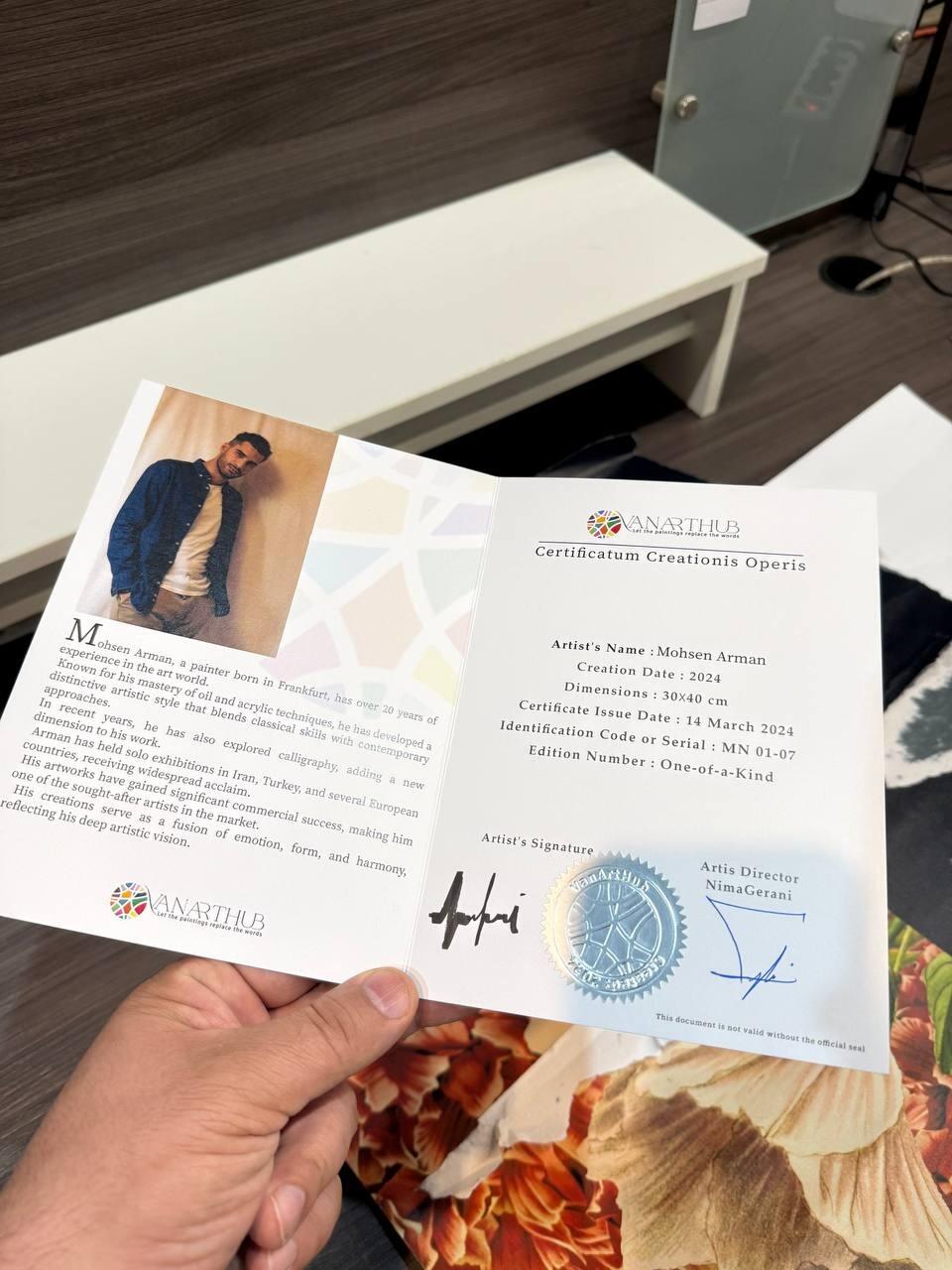
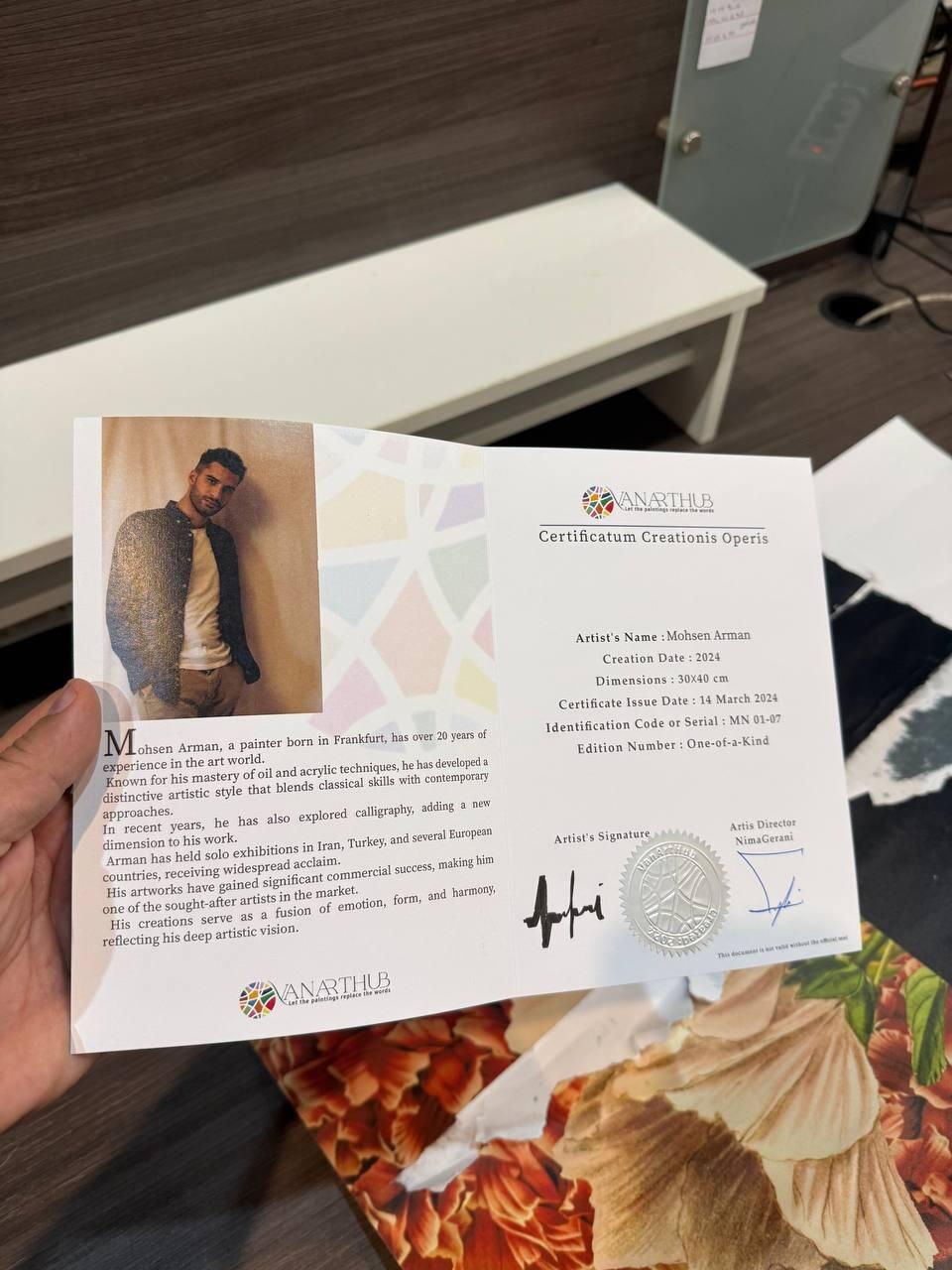
We sell originals only. No prints, no posters, no reproductions. Every painting arrives with a Certificate of Authenticity and free, fully insured shipping (3 to 7 business days in Canada, 5 to 10 in the USA). You get a 14-day trial: live with the piece, and if it is not right, return it within 14 days for a full refund, with return shipping paid by us. And because we want each painting kept in use rather than thrown out, our Lifetime Trade-Back lets you return any painting in good condition, at any time, for store credit. That keeps art moving between homes instead of moving to landfill, which is the circular idea behind collecting sustainable art.
Key takeaways
- A print fills wall space. An original is a one-of-a-kind object nobody else owns a copy of.
- The "print is just as good" pitch relies on flat digital images that hide the texture and depth of a real painting.
- A print made at factory scale is often replaced in a few years; an original is made once, by hand, to last for generations.
- A print can be the sensible choice for a tight budget and a low-visibility wall. For a piece you will keep and look at daily, an original wins.
- Originals at VanArtHub start at about $531, so a small original can cost less than a large framed print, and it never needs replacing.
- Certificate of Authenticity, free insured shipping, a 14-day trial, and Lifetime Trade-Back back every original.
Frequently asked questions
Is buying an original really more sustainable than a print?
Yes, by the logic of how each is made. A print is produced at factory scale and often replaced within a few years, becoming waste. An original is made once, by hand, to last for generations. Owning one lasting piece instead of cycling through cheap prints means you buy less and throw away less.
Are originals always more expensive than prints?
No. Originals at VanArtHub start at about $531. Once you add a frame and shipping to a large print, a small signed original can cost the same or less, and it never needs replacing. Size and medium drive the price far more than the artist's fame.
Is a print ever the better choice?
Yes. If your budget is tight and the wall is a low-visibility spot like a back hallway or a short-term rental, a good print is a sensible, low-cost choice. For a piece you will look at daily and keep for years, an original is the better call.
What can an original show that a print cannot?
Real texture and depth. An original carries the raised ridges of paint, the impasto, and the surface changes that catch the light as you move past. A print flattens all of that into a smooth sheet, and so does the photo used to sell it.
Does VanArtHub sell any prints or reproductions?
No. We sell original, signed, one-of-a-kind paintings only, made by independent Vancouver artists. There are no prints, posters, or reproductions in our inventory. Every piece is a unique object that no one else owns a copy of.
What if the original does not look right in my room?
You have a 14-day trial. Live with the painting on your wall, and if it is not right, return it within 14 days for a full refund. We pay the return shipping. Every piece also ships free and fully insured with a Certificate of Authenticity.
What happens if I want to change the painting years later?
Our Lifetime Trade-Back lets you return any painting in good condition, at any time, for store credit toward another piece. This keeps each original in use and moving between homes instead of going to landfill, which is the circular ownership idea at the heart of sustainable collecting.
VanArtHub is an online gallery in Vancouver selling original, signed, one-of-a-kind paintings by independent Vancouver artists, never prints or reproductions, each with a Certificate of Authenticity, free insured shipping, a 14-day trial, and Lifetime Trade-Back. If a lasting original is the greener choice for you, start with the pillar page on sustainable art, see how it works room by room in sustainable wall art, and read why collectors choose sustainable art.