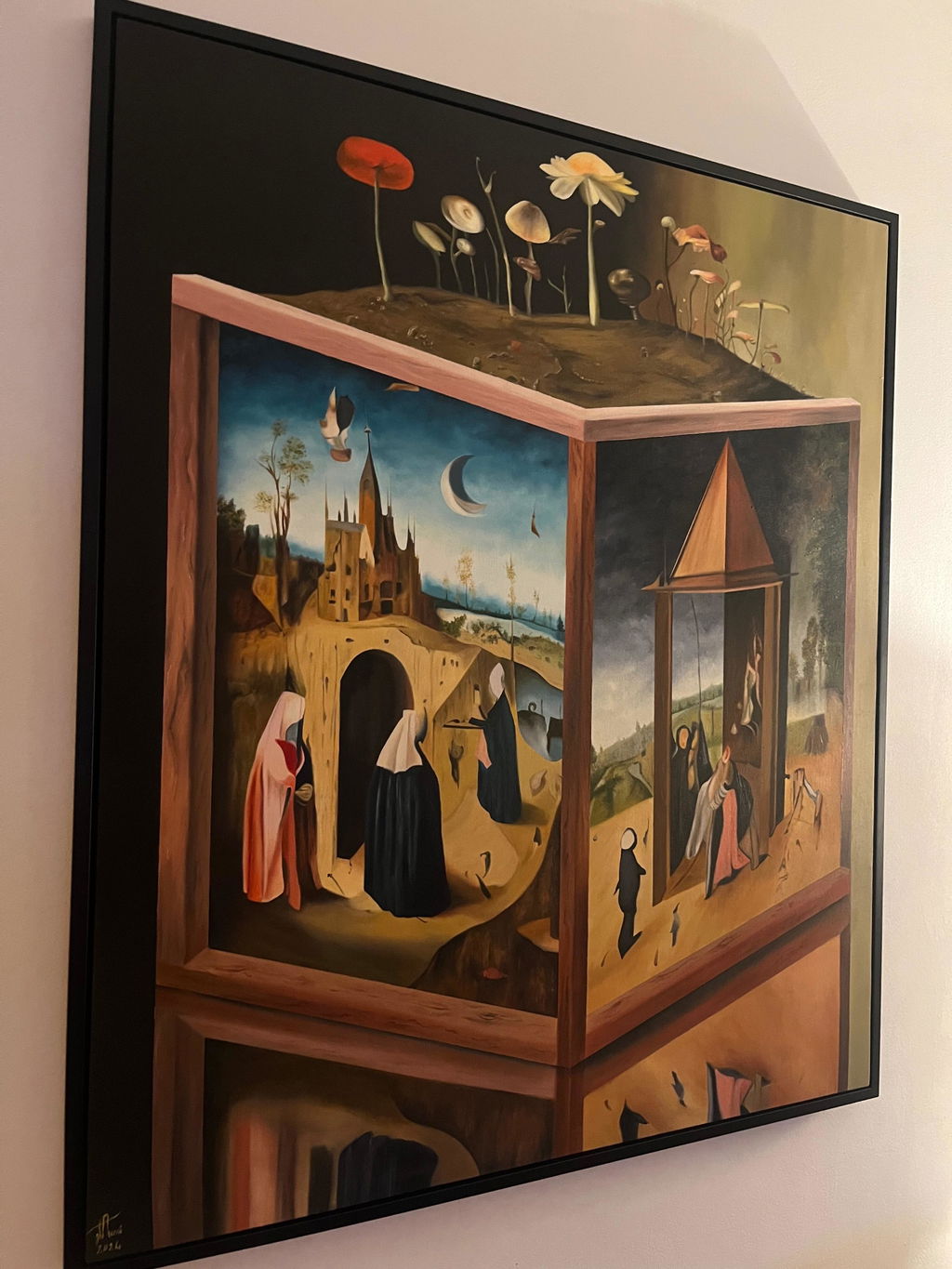
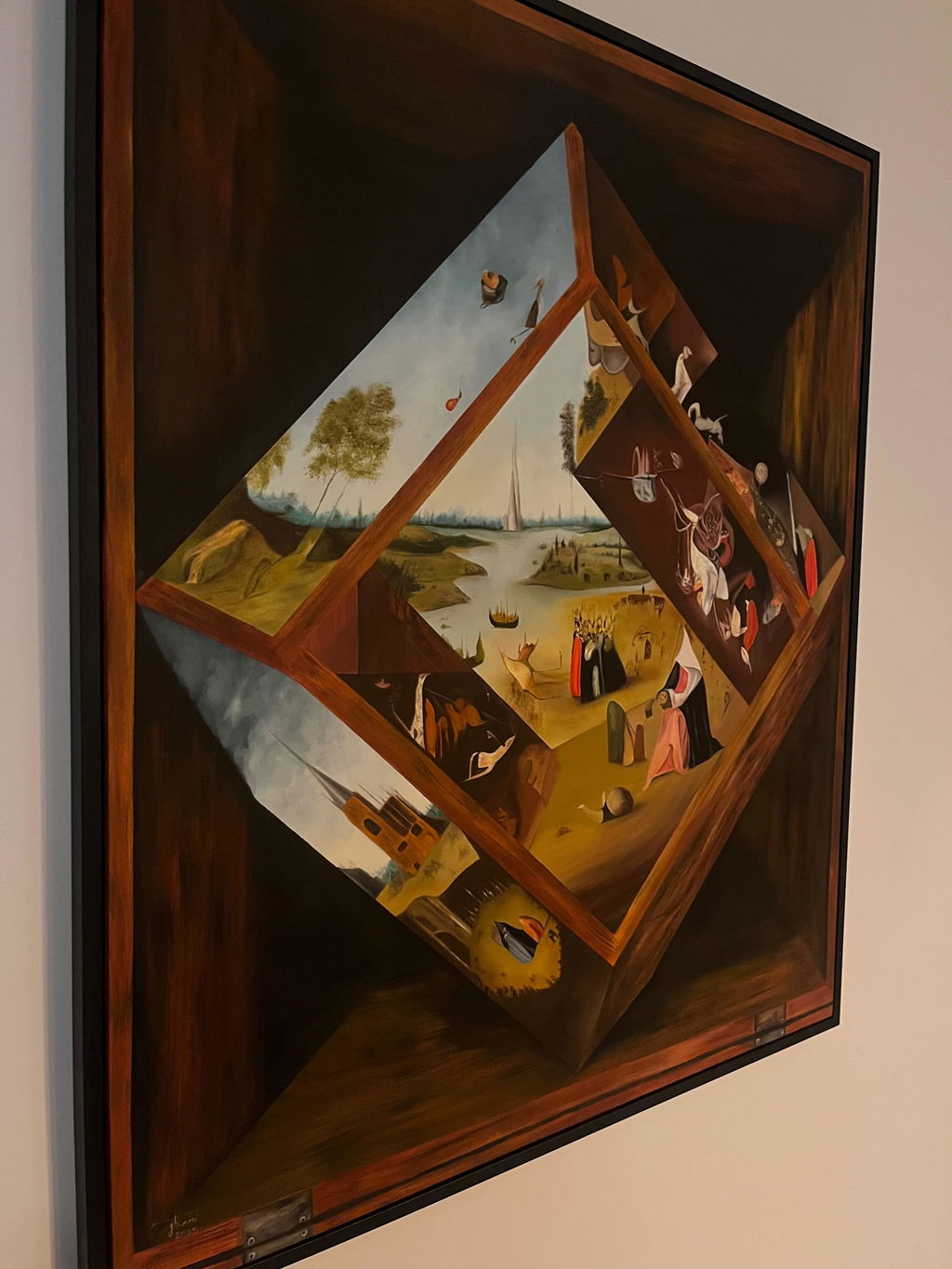
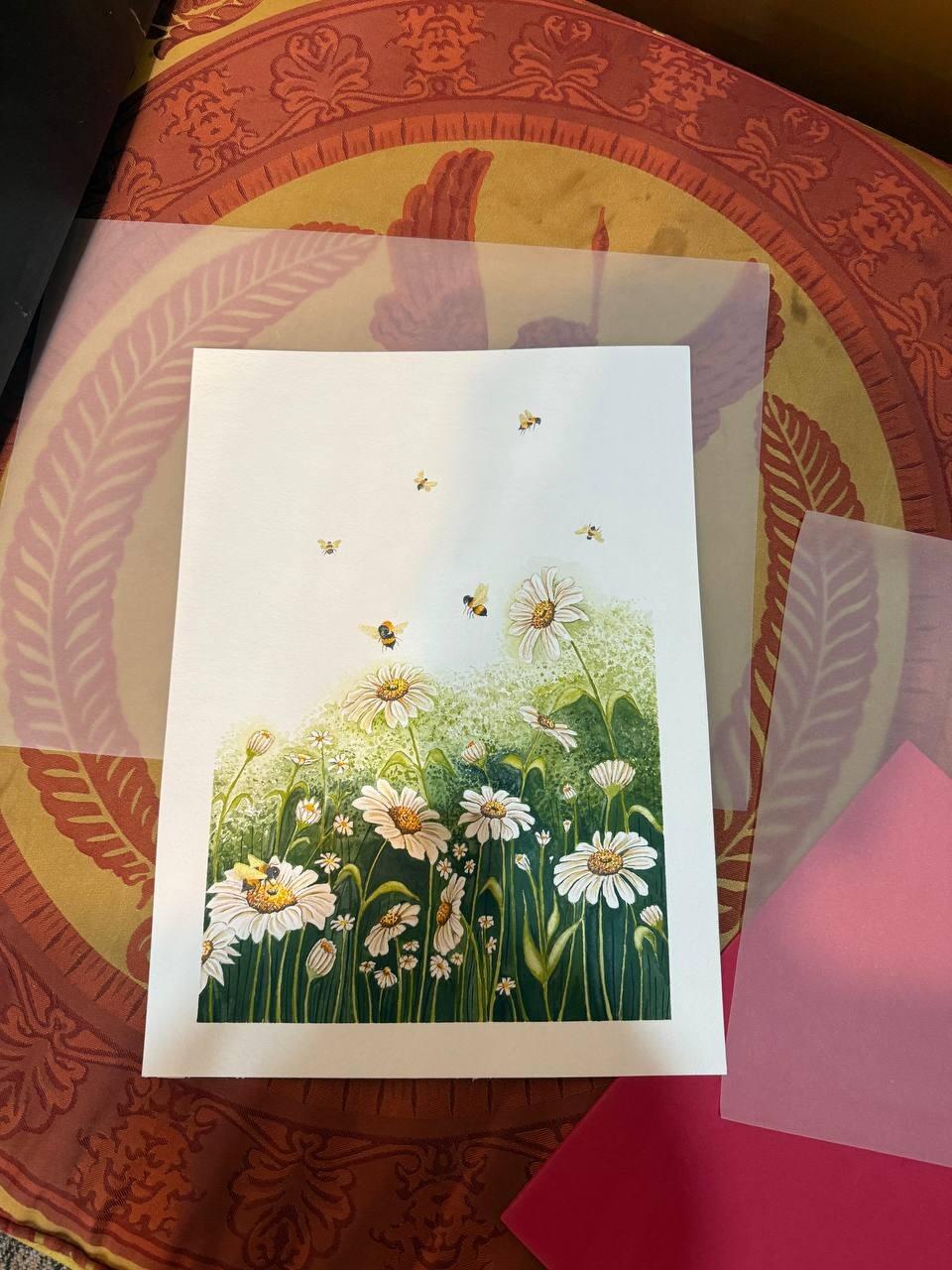
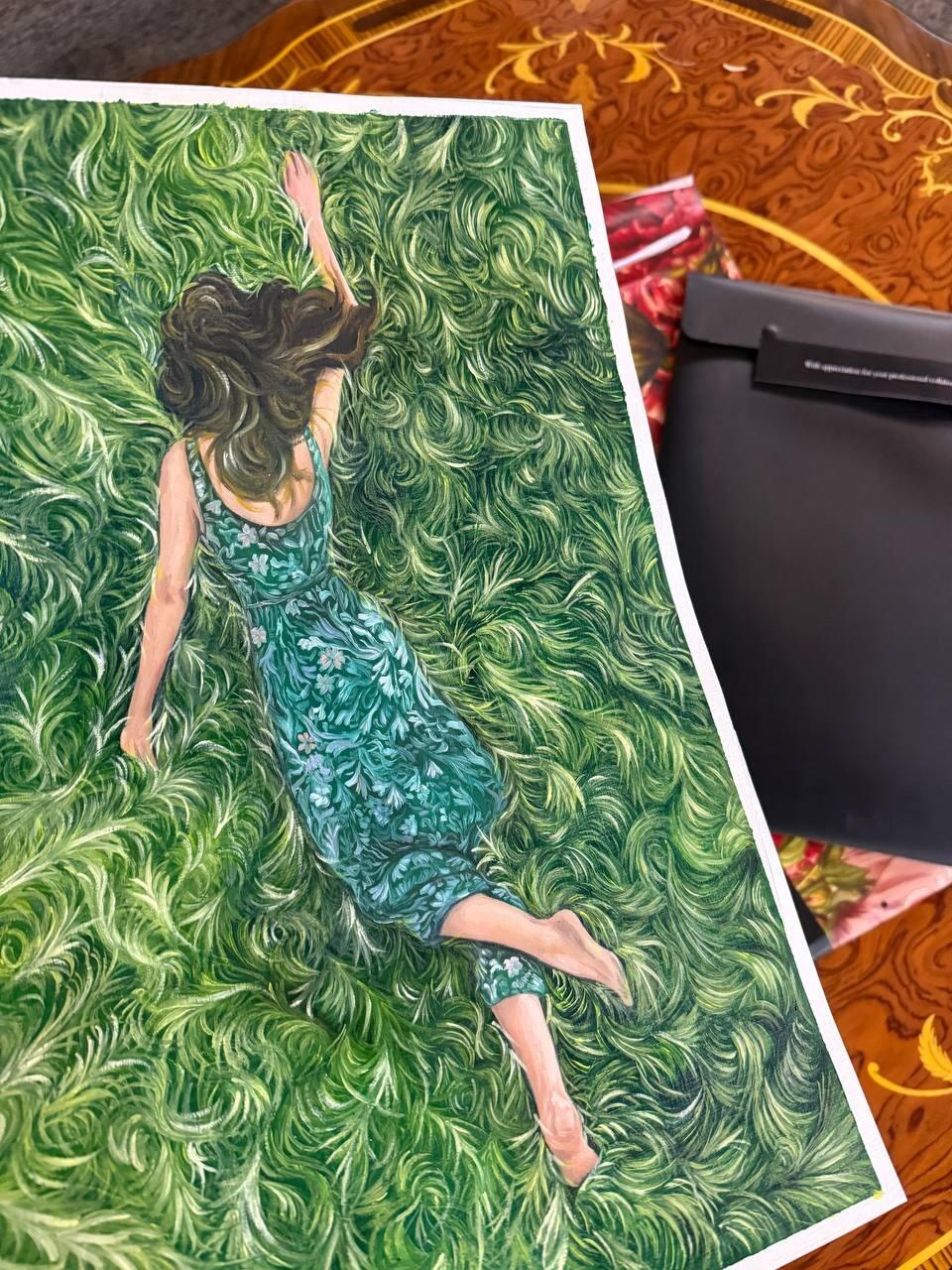
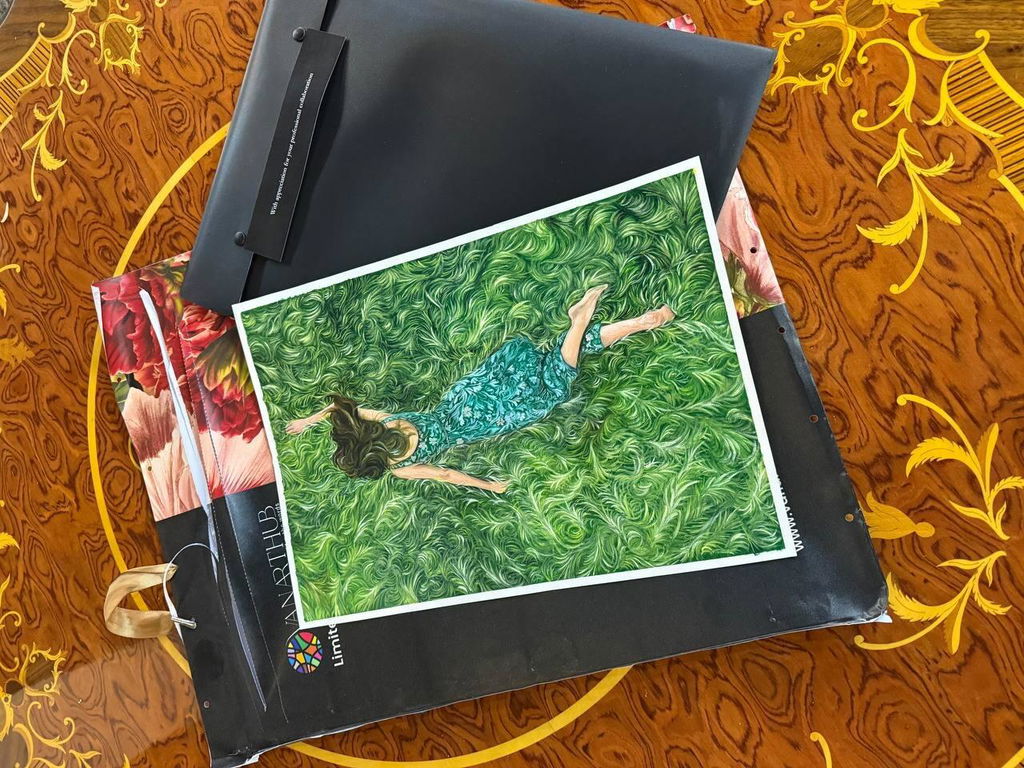
A painting will not clean a river or pull carbon out of the air. So why talk about art and sustainability in the same breath at all? Because art does something no policy or machine can do: it changes how people see. And before anyone protects a place, they first have to notice it and care about it.
That is the honest case for why this matters now. Not a green halo on your wall, but a small, real act of attention in a world that keeps asking you to move faster and look less.
Art cannot fix the planet. It can change how we see it.
Let us be clear about the limits first, because that is where trust starts. One original painting does not restore biodiversity. It does not cut emissions. It will not offset a flight to visit family. If someone sells you art as activism, they are stretching the truth.
What art can do is shape perception. It decides what we look at, how long we look, and what we decide is worth keeping. A landscape held on a wall for thirty years keeps a place present in a home long after the trip that inspired it. Care follows attention. We tend to protect the things we have learned to see.
A real example: how mountains became beautiful
Before the 18th century, many Europeans saw high mountains as ugly and dangerous, something to cross quickly and fear. Then painters and writers began to show them as places of wonder and beauty. Over time that new way of seeing fed alpine tourism and, later, the push to protect these areas. The mountains themselves did not change. The way people saw them did. That shift in perception is the quiet power art carries.
Why now, in an age of speed
Most of what we look at each day is designed to be scrolled past in a second. A painting asks for the opposite. It sits still and invites you to slow down and pay attention. That pause is not a small thing. Attention and care are closely linked, and a home full of things you actually chose to look at feels different from a home full of things you scrolled into buying. If you want the wellbeing side of this in more depth, we cover it on art and wellbeing.
The personal act of care: choosing one lasting piece
Here is where the choice becomes real and provable, without any material claims. Most wall decor is made at factory scale to be cheap and replaced every few seasons. An original painting is made once, by hand, to last for decades. Choosing the second over the first is a small act of care with a real footprint: less waste, direct money to a living Vancouver artist, and a piece that stays in use instead of heading to landfill.
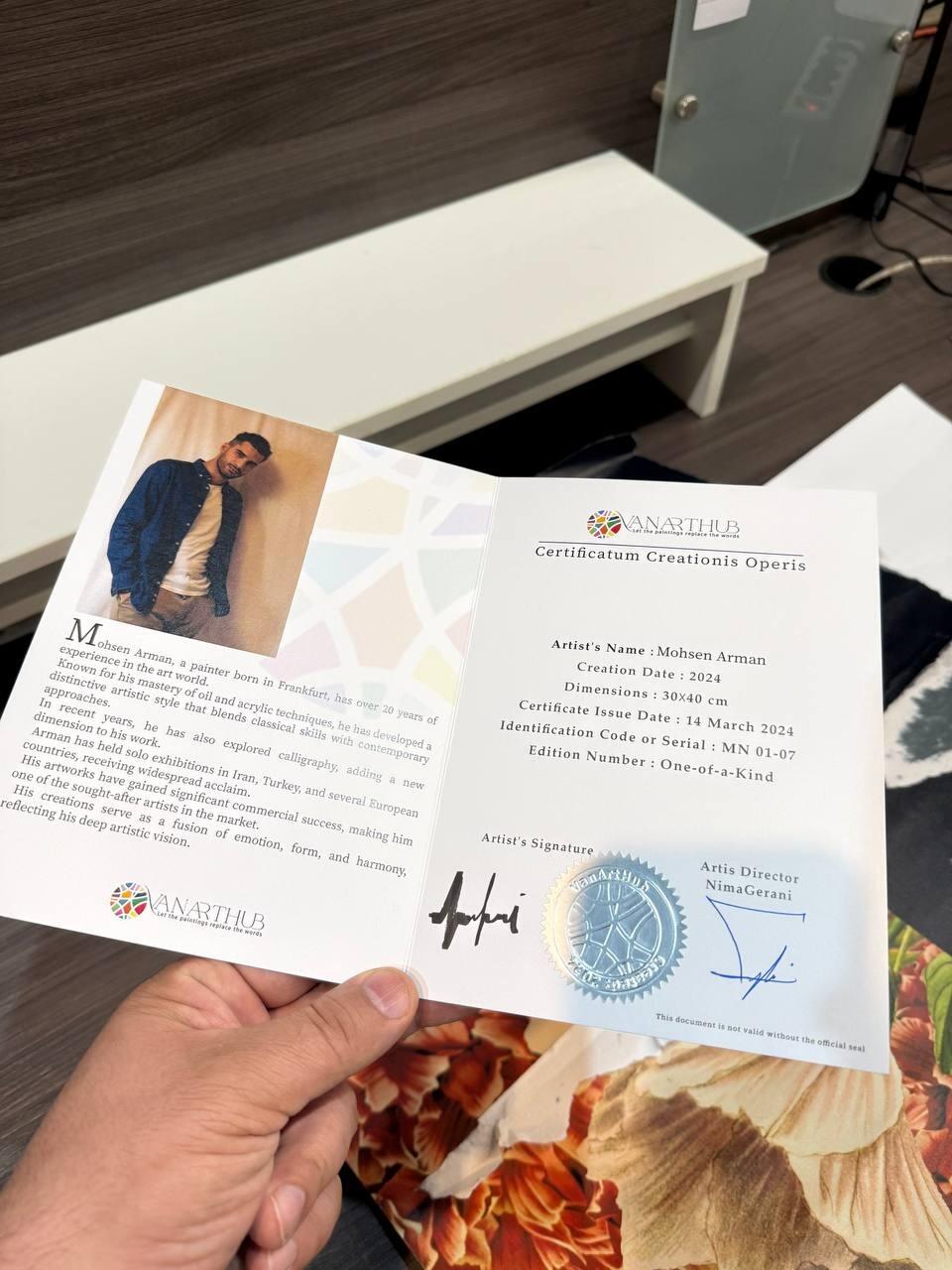
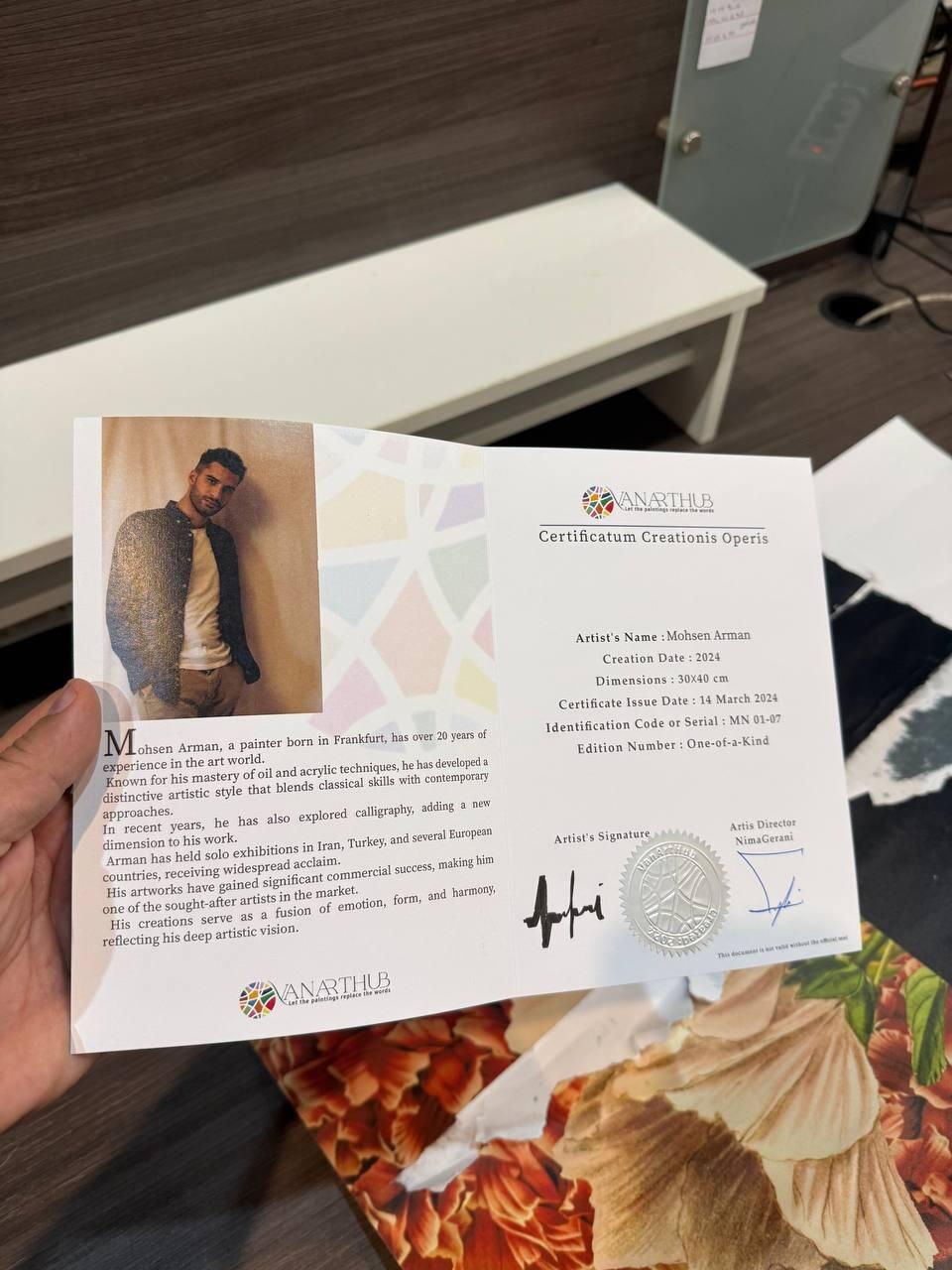
Our part of that is specific. Every VanArtHub piece is an original, signed, one-of-a-kind painting, never a print or reproduction. Every piece carries a Certificate of Authenticity. And our Lifetime Trade-Back means you can return any painting in good condition, any time, for store credit, so the work keeps moving between homes instead of being thrown out. That circular side is explained fully on the Trade-Back page.
What art can do, and what it cannot
Being honest about both sides is the whole point. Here is the split, plainly.
The real value of a painting versus what it cannot do
| What art can do |
What art cannot do |
| Change how you notice and value a place |
Restore biodiversity or a damaged habitat |
| Hold your attention and slow you down |
Cut carbon or offset a flight |
| Last for decades as one made object |
Replace real environmental action or policy |
| Send money straight to a living artist |
Earn you a "green" label on its own |
| Stay in use through resale and Trade-Back |
Undo the footprint of shipping or paint |
Read the table as one honest statement. The value of collecting this way is in attention, longevity, and support for a person. It is not a shortcut to feeling good about your carbon footprint.
Where this sits in the wider field
Sustainable art has no single agreed meaning. Some artists work with natural pigments or reclaimed materials, and land artists like Robert Smithson (whose Spiral Jetty was built in 1970) made the environment itself the subject. That history is worth knowing, and we walk through it on the history of sustainable art and what sustainable art means. We do not claim our paintings are made from recycled or certified eco materials. Our artists work in oil, acrylic, colored pencil, and mixed media, and materials vary. What we can stand behind is the four things above: originals, longevity, circular ownership, and direct support.
Key takeaways
- A painting cannot restore nature or cut carbon. Its real power is changing how you see and value the world around you.
- Before people protect a place, they first have to notice it. Mountains went from feared to loved once artists showed them as beautiful.
- Art asks you to slow down and pay attention, and attention is closely tied to care.
- Choosing one lasting original over disposable decor is a small, real act: less waste, direct support for an artist, and a piece kept in use.
- Owning art is not activism and earns no green halo. The honest value is attention, longevity, and support, nothing more.
- Every VanArtHub piece is an original with a Certificate of Authenticity and a Lifetime Trade-Back that keeps it in use.
Frequently asked questions
Does buying a painting help the environment?
Not directly, and we will not pretend otherwise. A painting does not cut carbon or restore habitat. What it can do is change how you notice and value places, last for decades instead of a few seasons, and support a living artist. The value is in attention and longevity, not offsetting your footprint.
Why does sustainable art matter right now?
Because most things we look at each day are built to be scrolled past in a second. A painting asks you to slow down and pay attention instead. Attention and care are closely linked, so choosing to live with a made object, rather than disposable decor, is a small act of care that fits this fast moment.
Can art really change how people treat nature?
History says yes, slowly. Before the 18th century many Europeans feared mountains as ugly and dangerous. Painters and writers reframed them as beautiful, which later fed tourism and conservation. The land did not change; the way people saw it did. Art shifts perception first, and protection often follows perception.
Are VanArtHub paintings made from eco-friendly materials?
We do not claim that. Our artists work in oil, acrylic, colored pencil, and mixed media, and materials vary from piece to piece. Our provable sustainability story is different: originals rather than mass prints, made to last decades, kept in use through Lifetime Trade-Back, with money going straight to a living Vancouver artist.
Is choosing an original really better than cheap wall decor?
Yes, in a plain and honest way. Factory decor is made at scale to be replaced every few seasons. An original is made once, by hand, to last decades. That means less waste over time, direct support for an artist, and a piece that can move between homes instead of heading to landfill.
Does owning art count as environmental action?
No, and we would rather say so than sell a green halo. Owning a painting is not activism and will not undo a flight or a footprint. Real action is separate. Art's honest contribution is attention, longevity, and support for a person, which are worth something on their own.
How does the Lifetime Trade-Back keep art in use?
You can return any painting in good condition, any time, for store credit toward another piece. That keeps the original moving between homes rather than being discarded when your taste changes. It is the circular part of collecting this way: one made object stays useful and loved across many years and often many owners.
VanArtHub is an online gallery in Vancouver selling original, signed, one-of-a-kind paintings by independent local artists, never prints or reproductions, each with a Certificate of Authenticity and a Lifetime Trade-Back. If this way of thinking speaks to you, start with our pillar on sustainable art, then read why collectors buy this way and how living with art affects wellbeing. You can also browse nature paintings or meet the people behind the work on our Vancouver artists page.